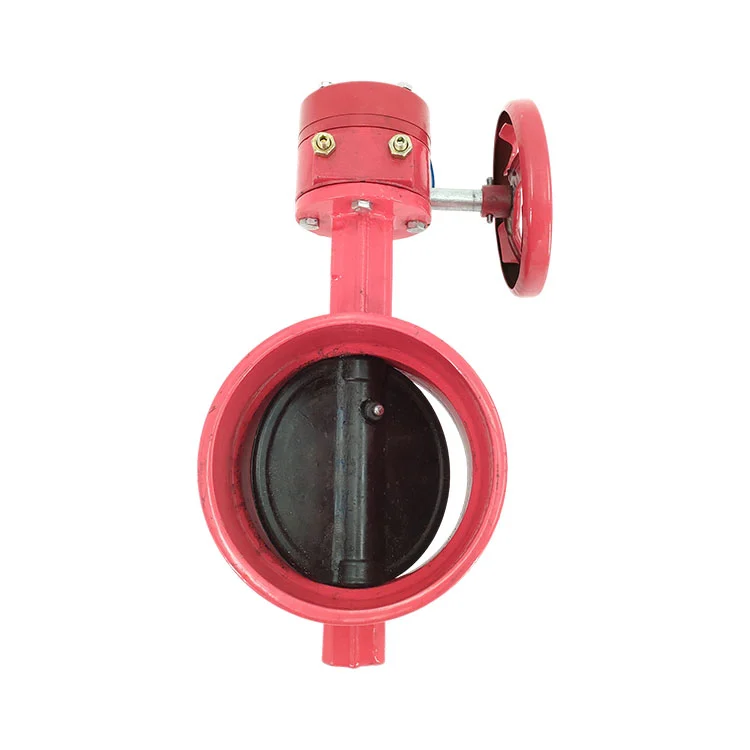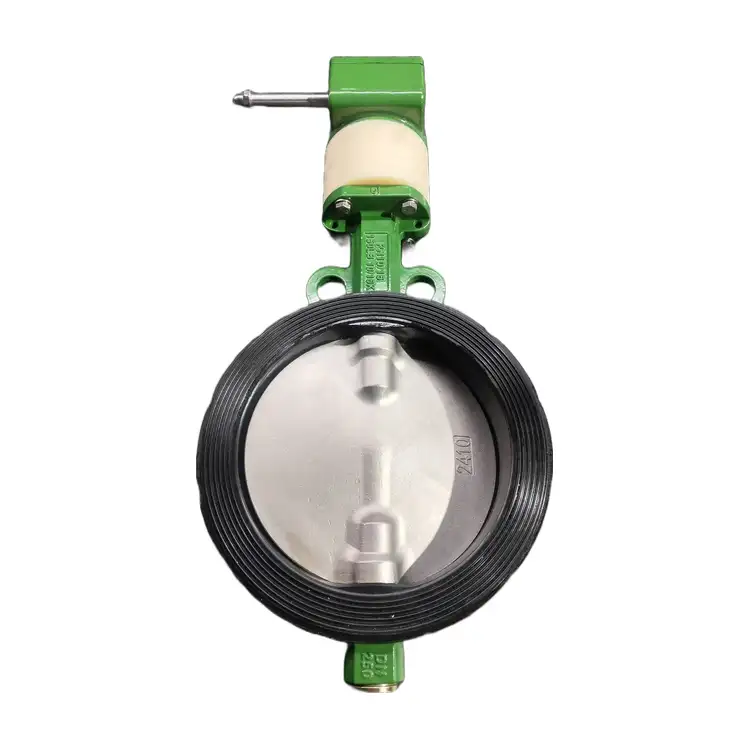
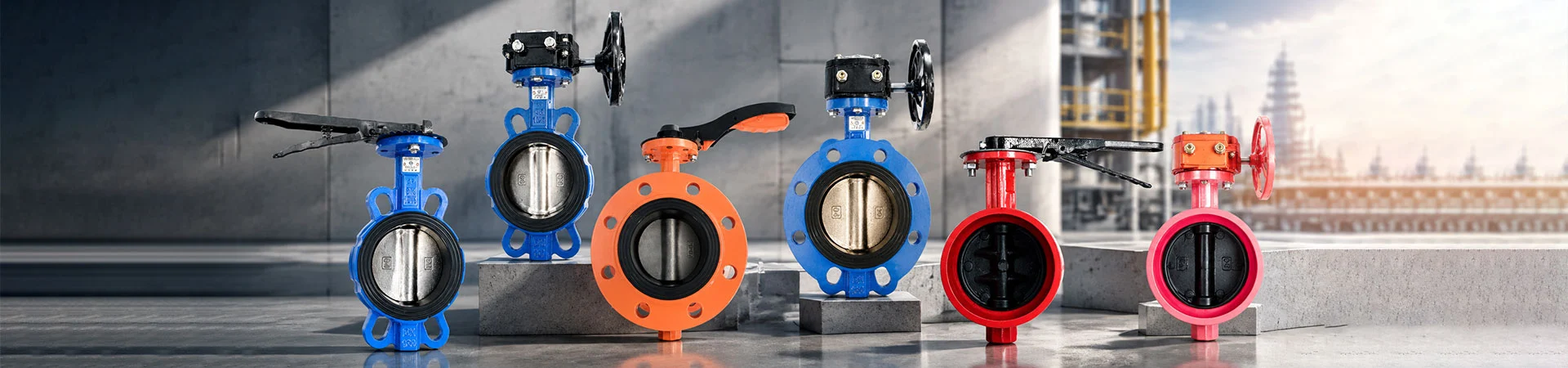
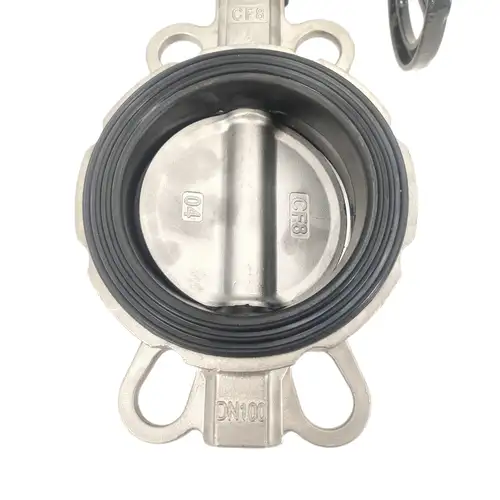
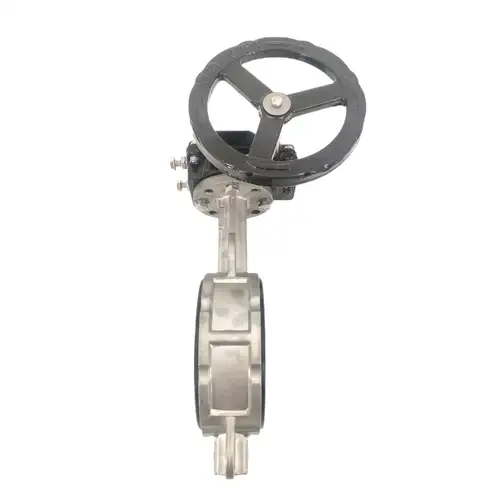
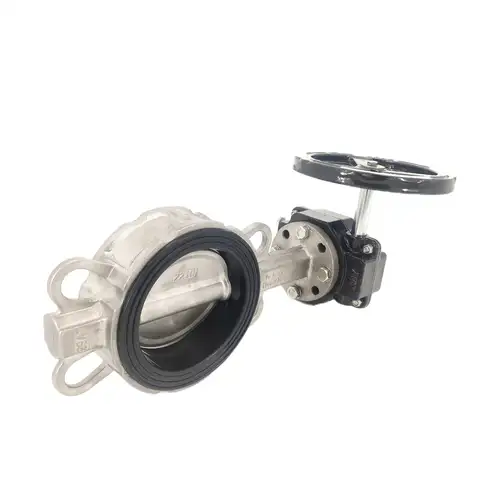
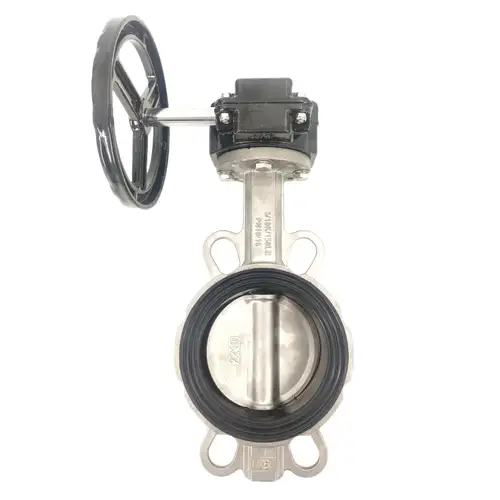
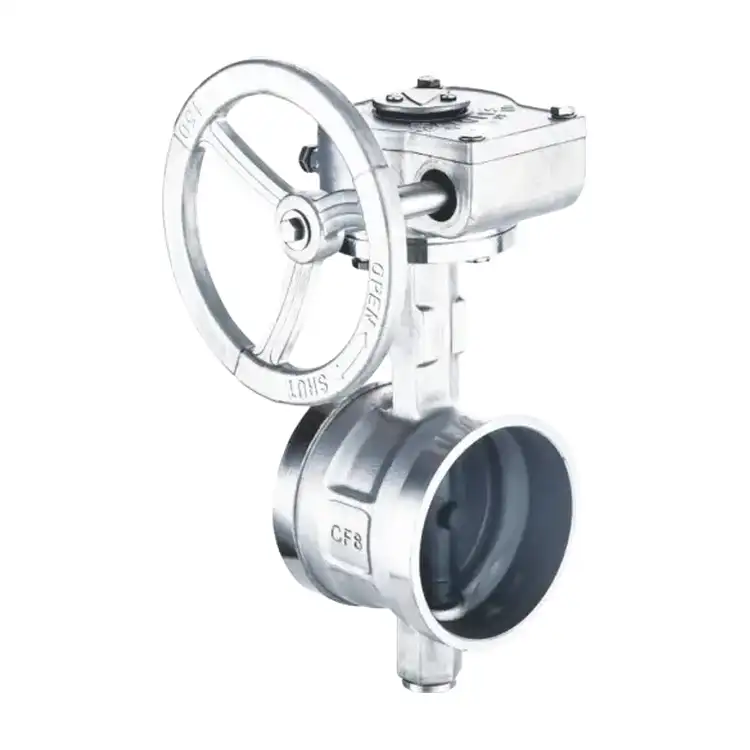
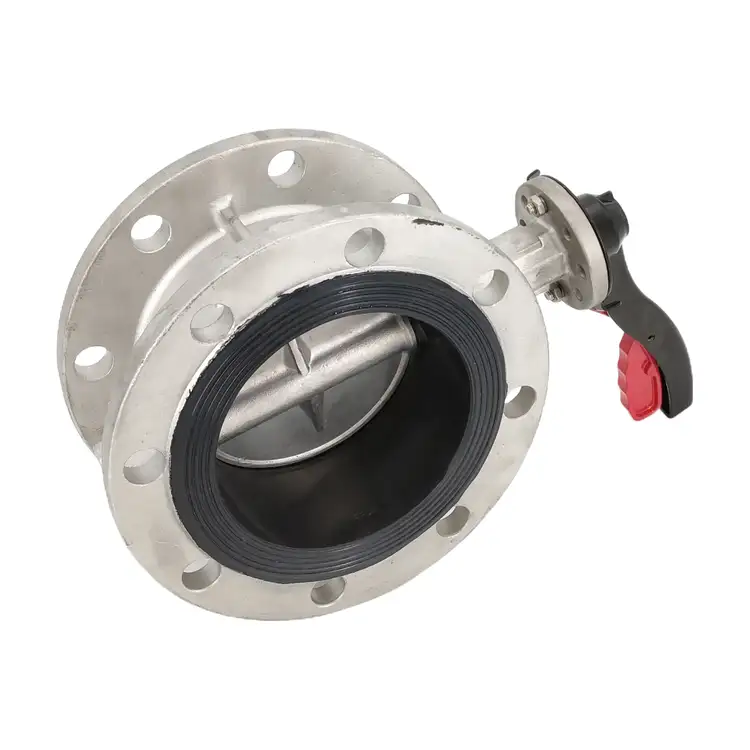
Stainless Steel Worm Gear Wafer Butterfly Valve
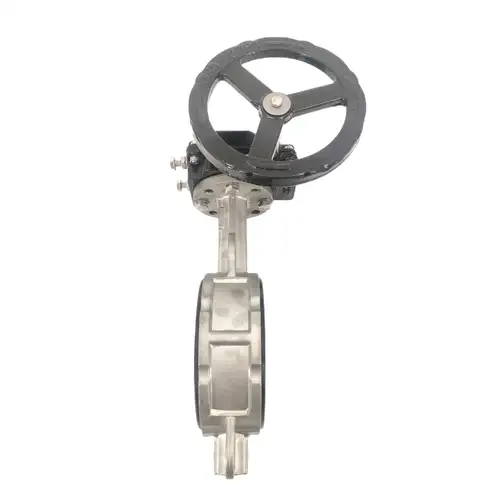
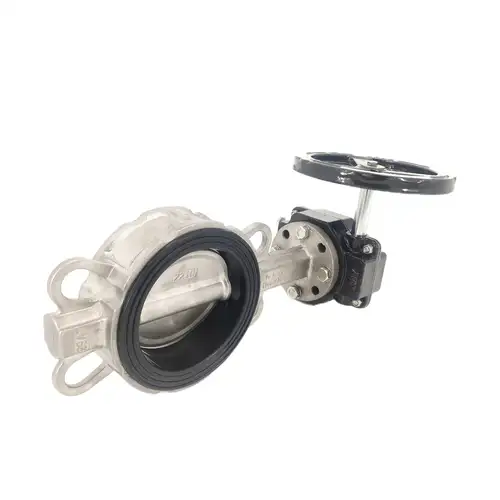
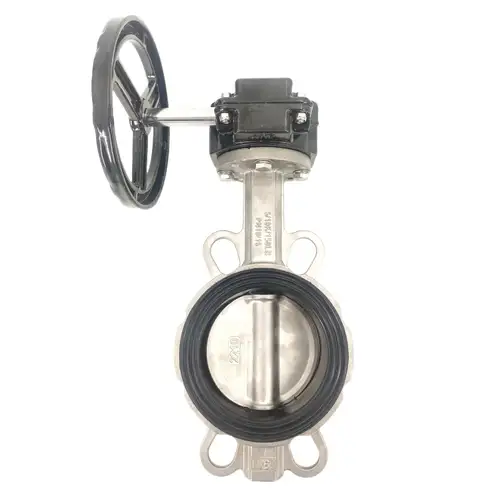
The Stainless Steel Worm Gear Wafer Butterfly Valve from Liangfa features a compact wafer design and manual worm gear operation for convenient flow control in industrial piping systems. With selectable stainless steel materials, soft seat options, and multiple nominal sizes, it can be configured for different pipeline requirements.
Our Stainless Steel Worm Gear Wafer Butterfly Valve is designed for industrial pipelines that need dependable shut-off, manual flow adjustment, and a compact installation structure. The worm gear actuator reduces the effort required to operate medium and large valves and helps maintain the selected disc position.
At Liangfa, we offer different body, disc, stem, and seat materials to match water systems, oil-bearing fluids, and selected corrosive applications. As a high-tech enterprise, we provide technical support to help customers confirm valve specifications before ordering.
Product Specifications
| Product Name | Stainless Steel Worm Gear Wafer Butterfly Valve |
| Model | D371X-16P; D371F-16P may be available according to seal configuration |
| Nominal Diameter | DN50–DN1200, subject to model and configuration confirmation |
| Connection | Wafer type |
| Pressure Rating | PN10, PN16; other standards subject to confirmation |
| Listed Temperature Range | -10°C to 100°C for the specified configuration |
| Actuation | Manual worm gear handwheel |
| Rotation | Approximately 90 degrees |
| Body Material Options | SS304, SS316 and other available materials |
| Seat Material Options | EPDM, NBR, FKM, PTFE |
| Design Standard | GB/T 12238, subject to the confirmed product design |
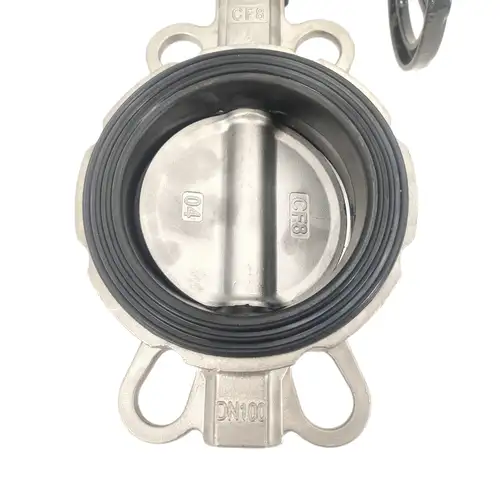
Why Use a Worm Gear Drive?
Unlike a direct lever, a worm gear actuator uses a reduction mechanism to make disc movement easier to control. This is especially useful when a valve has a larger nominal diameter or when operators need to adjust the opening gradually rather than turn the disc directly by hand.
- Reduced operating effort: The gear mechanism helps operators turn the valve with less force than direct manual operation may require.
- Controlled positioning: The handwheel allows gradual adjustment of the disc opening for basic flow regulation.
- Local operation: No electrical power or compressed air is needed for manual actuation.
- Visible operation: An actuator position indicator, where fitted, helps operators identify the approximate valve position.
The worm gear mechanism is designed for manual operation, not automatic control. For remote operation, frequent cycling, or integration with a control system, we can help assess whether an electric or pneumatic actuator is more suitable.
Compact Wafer Installation
The wafer body fits between two mating pipe flanges and is secured with the specified through-bolts. Its compact profile can help save space in equipment rooms, pipe racks, and other layouts where a longer valve assembly is difficult to accommodate.
Before purchasing, check the valve's face-to-face dimensions, flange drilling, bolt arrangement, nominal diameter, and pressure rating against the pipeline drawing. Wafer valves must be installed with compatible flanges and sufficient clearance for the disc to rotate without contacting the pipe bore or adjacent components.
Body and Internal Materials
Material selection should be based on the actual fluid composition and operating conditions. Stainless steel can provide useful corrosion resistance, but no single grade is suitable for every chemical, chloride concentration, or temperature. We can review the application and recommend an available configuration.
| Component | Available Materials | Selection Considerations |
| Body | Cast iron, ductile iron, WCB, SS304, SS316 | Consider corrosion exposure, pressure, and mechanical requirements. |
| Disc | Ductile iron, SS304, SS316, SS2507, SS1.4529 | Check fluid compatibility and resistance to the operating environment. |
| Stem | 410SS, SS304, SS316, SS2507, SS1.4529 | Match strength and corrosion resistance to the service conditions. |
| Seat Liner | EPDM, NBR, PTFE, FKM (Viton) | Confirm chemical compatibility, temperature, and sealing requirements. |
| Actuator Handle | Ductile iron, SS304 | Choose according to the installation environment. |
| Fasteners | Galvanized carbon steel, SS304, SS316 | Consider moisture, corrosive exposure, and flange compatibility. |
Match the Seat to the Medium
| Seat Material | Typical Uses | Important Checks |
| EPDM | Water, HVAC circulating water, and many aqueous fluids | Generally unsuitable for petroleum oils and many oil-based fluids. |
| NBR | Diesel, lubricating oil, hydraulic oil, and oil-bearing wastewater | Check the exact fluid and temperature; chemical resistance is not universal. |
| FKM | Selected oils, fuels, and chemical applications | Compatibility depends on the fluid composition and temperature. |
| PTFE | Many corrosive chemical applications | Check pressure, temperature, seat design, and abrasive particles. |
The listed temperature limits for individual seat materials are not a substitute for the complete valve's pressure-temperature rating. We recommend confirming the full operating range and media compatibility before selecting a seat.
Selection by Operating Conditions
Water and HVAC Circulation
For clean water, chilled water, and many heating-water systems, SS304 with a compatible EPDM seat may be an option. The correct configuration depends on the water temperature, pressure, additives, and local requirements. For potable water or other regulated applications, confirm the required approvals and material documentation.
Oil and Fuel Service
NBR may be considered for compatible oil-bearing fluids, diesel, and lubricating oil. EPDM is generally unsuitable for petroleum oils because contact may cause swelling or deterioration. Please provide the fluid name and operating temperature so we can check the proposed seat material.
Seawater and Chloride Exposure
Chloride-rich water can increase the risk of pitting and crevice corrosion in stainless steel. SS316 or other higher-alloy options may be considered depending on the exposure, but suitability must be assessed against the actual chloride concentration, temperature, flow conditions, and required service life. We do not recommend treating any stainless steel grade as universally resistant to all seawater conditions.
Acidic and Alkaline Fluids
Chemical resistance depends on the specific acid or alkali, concentration, temperature, and possible mixture of chemicals. PTFE or FKM seats may be suitable for selected chemical services, but the body, disc, stem, and other wetted components must also be checked. Send us the chemical name and concentration for a more reliable selection.
Gas and Ventilation Systems
The compact wafer construction may be considered for compatible gas, exhaust, and ventilation applications. Confirm the gas composition, pressure, temperature, leakage requirements, and applicable safety standards before using the valve in a gas service.
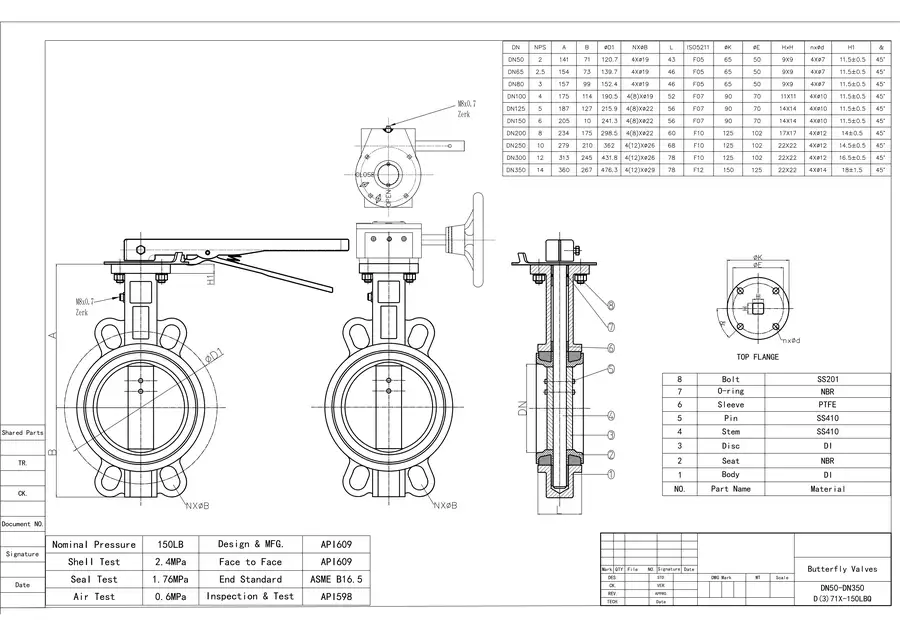
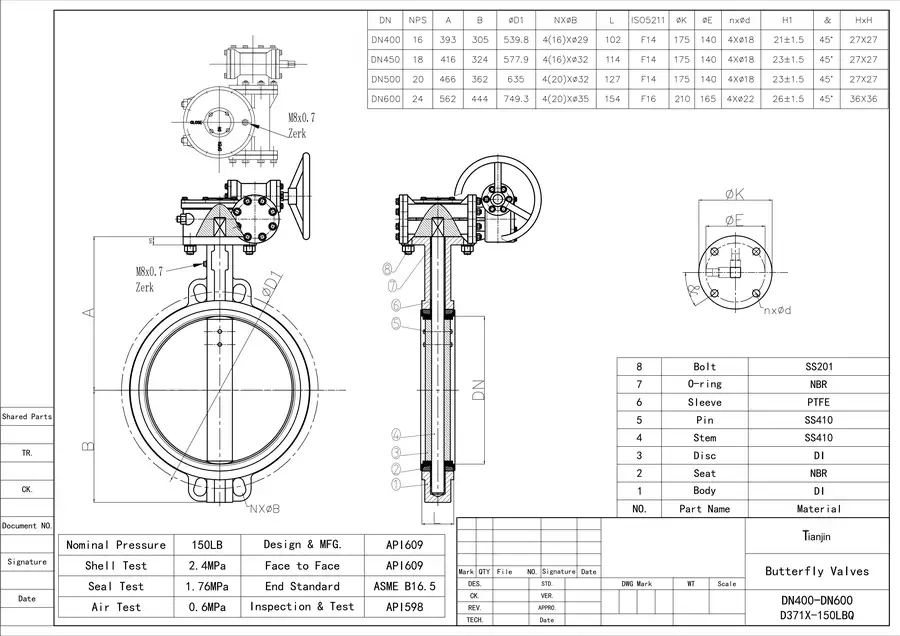
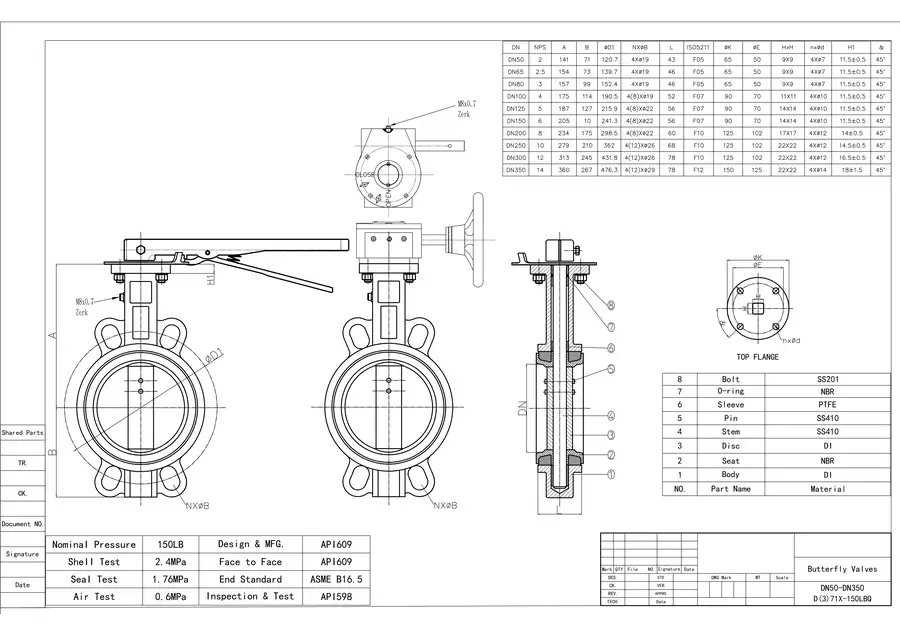
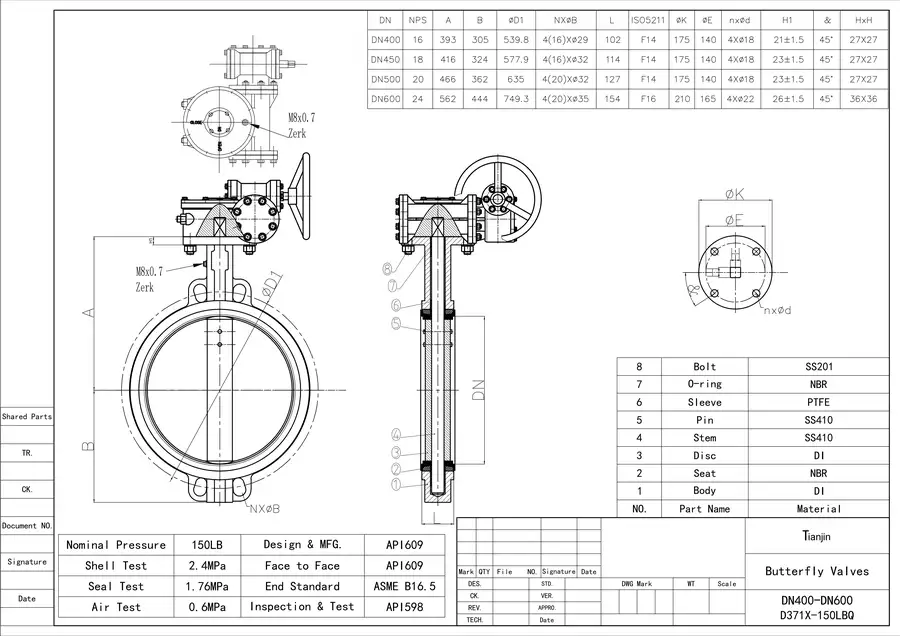
Technical Drawings
Use the drawings below to review the product configuration. Please request the latest approved dimensional drawing before finalising pipework or equipment interfaces.
Installation and Commissioning
Before Fitting the Valve
- Verify the model, nominal diameter, pressure rating, body material, seat material, and flange standard.
- Inspect the body, disc, stem, and gear actuator for transport damage.
- Remove welding slag, sand, and other debris from the pipeline and flange faces.
- Check that the disc can rotate without obstruction and that the actuator has enough operating clearance.
During Installation
- Align the valve with the mating flanges and use the specified bolts and gaskets.
- Follow the manufacturer's installation instructions for disc position and bolt tightening sequence.
- Tighten the fasteners evenly to avoid uneven loading or damage to the seat.
- Check that the disc does not contact the pipe bore or adjacent equipment during travel.
- Keep the valve away from severe vibration and water-hammer zones where practicable.
Commissioning Checks
Operate the handwheel through the required travel and check for smooth movement. Confirm the position indicator, where fitted, and verify that the valve reaches its intended open and closed positions. Carry out pressure and leakage tests in accordance with the approved procedure and applicable project standards. Do not force the handwheel after the actuator reaches its travel limit.
Maintenance and Service Life
Regular inspection helps identify wear before it affects valve operation. The required maintenance interval depends on the medium, temperature, operating frequency, and installation environment.
- Gear actuator: Inspect for unusual noise, stiffness, loose fasteners, or signs of lubricant deterioration. Use the lubricant and service interval specified by the actuator manufacturer.
- Seat and disc: Check for scratches, deformation, debris, and signs of ageing if the valve develops internal leakage.
- Flange joints: Inspect for external leakage and check fasteners according to the site's maintenance procedure.
- Stem and packing: Investigate external leakage or abnormal friction before returning the valve to service.
Before disassembly, isolate the pipeline, release pressure, drain the medium, and follow the site's safety procedures. Replace worn components with compatible parts and complete the required testing before recommissioning.
Common Fault Checks
| Problem | Possible Cause | Recommended Action |
| Leakage through the closed valve | Debris, seat damage, wear, or incomplete closure | Isolate the line, inspect the disc and seat, and remove contaminants. |
| Handwheel is difficult to turn | Insufficient lubrication, debris, stem friction, or excessive differential pressure | Check the operating conditions and inspect the actuator and valve internals. |
| External leakage at a flange | Misalignment, damaged gasket, or uneven fastener loading | Depressurize the line and inspect the flange joint and gasket. |
| Opening position is difficult to maintain | Actuator wear, loose parts, or a damaged gear mechanism | Inspect the actuator and follow the manufacturer's adjustment procedure. |
Factory and Quality Support
At Liangfa, we help customers review valve materials, pressure ratings, dimensions, and connection requirements before placing an order. As a high-tech enterprise, we can provide technical information and discuss available configurations for specific projects. Inspection reports, material certificates, and other documents can be confirmed according to the agreed order requirements.
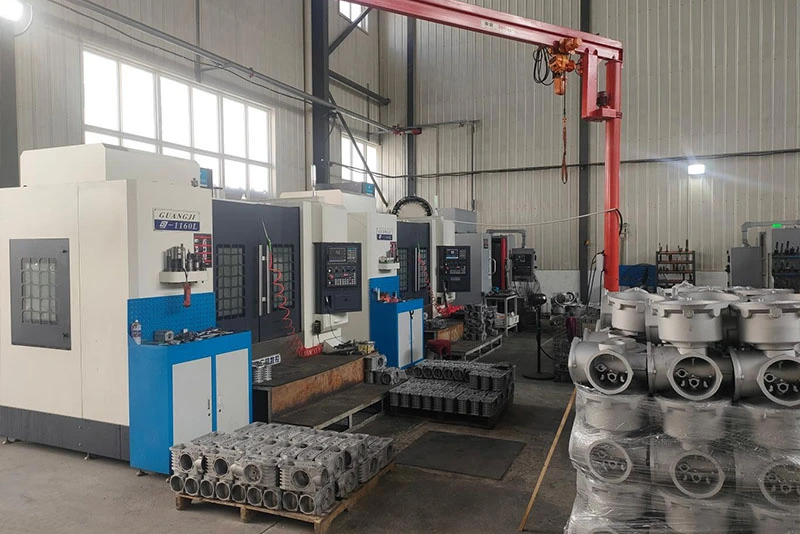
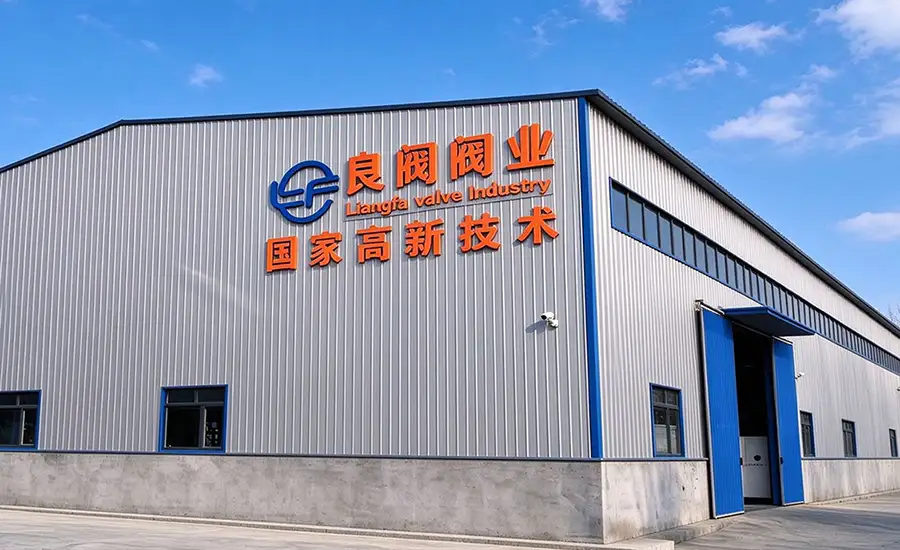
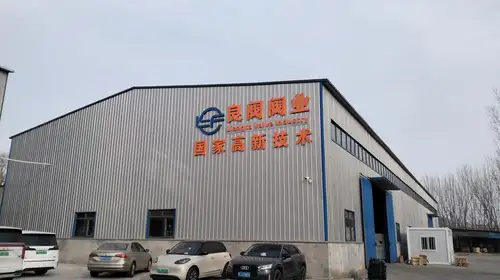
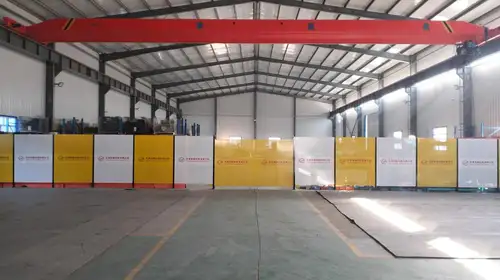
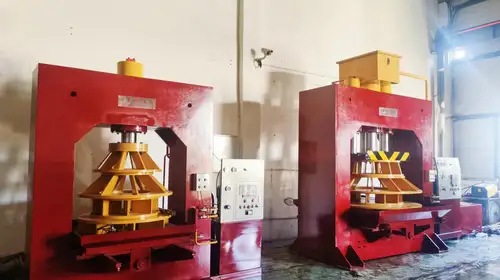
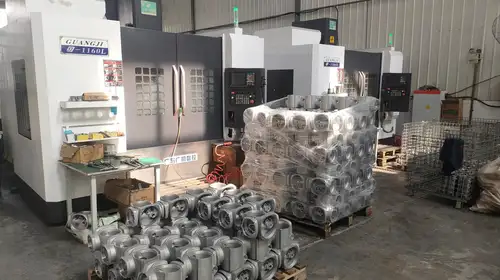
Factory Tour
The following images show our factory and production-related facilities.
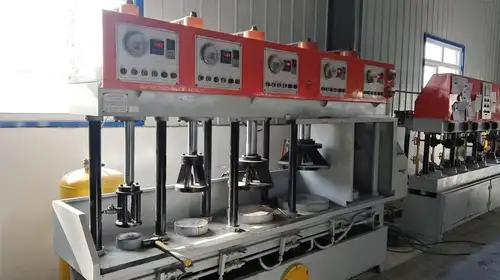
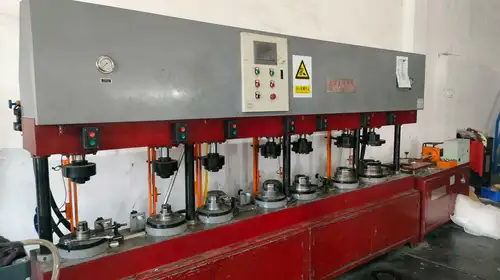
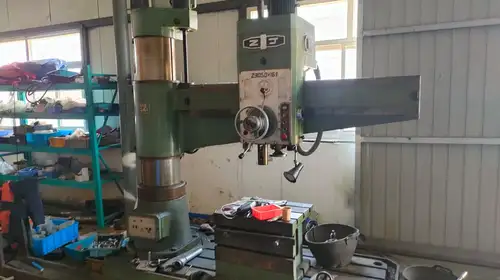
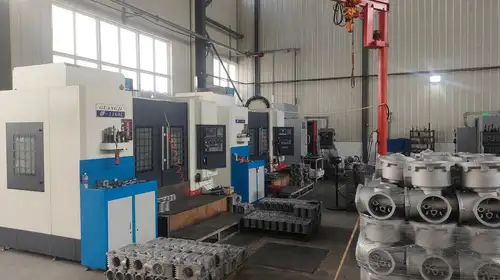
Packaging and Delivery
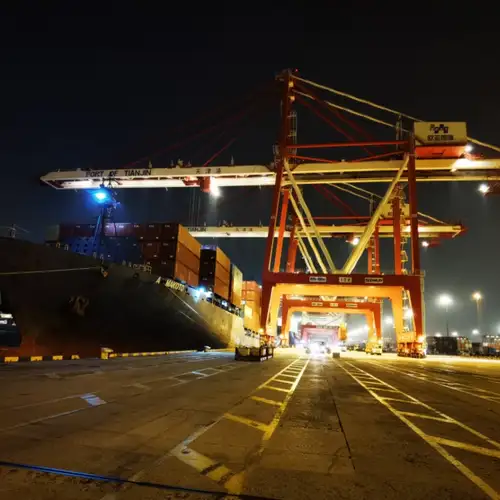
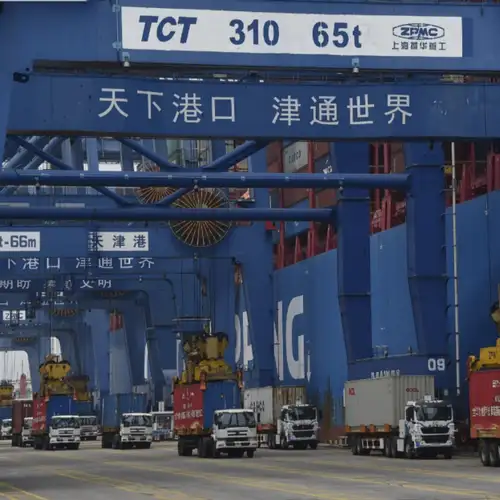
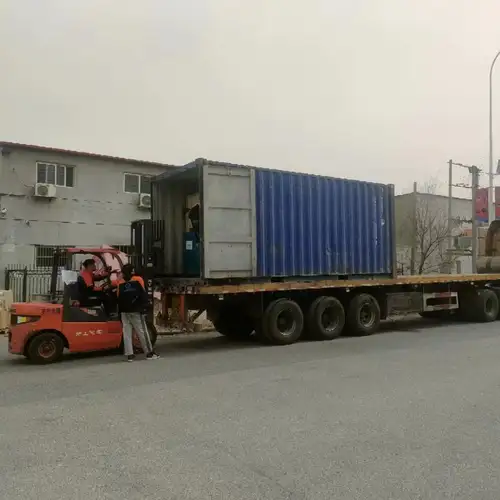
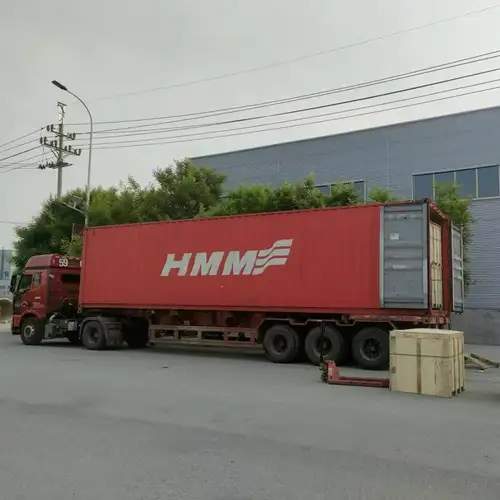
We support sea freight and land transport, with shipping arrangements based on the destination, order quantity, and delivery requirements. Export packaging and shipping documents can be confirmed before dispatch. Please provide the destination and expected delivery schedule when requesting a quotation.
Application Areas
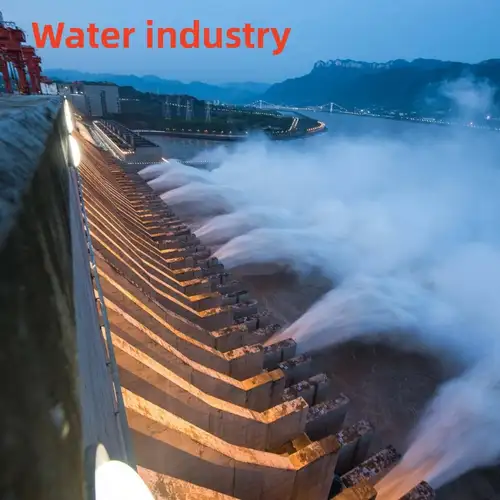
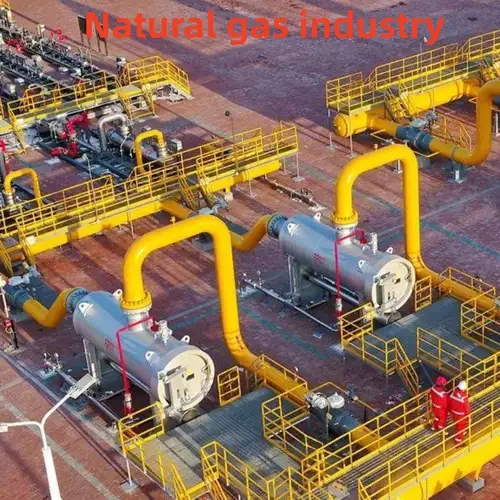
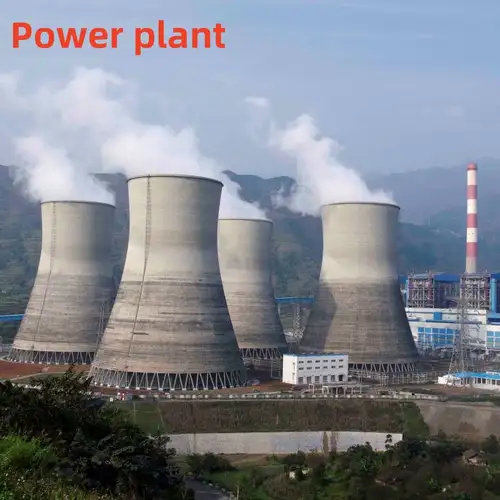
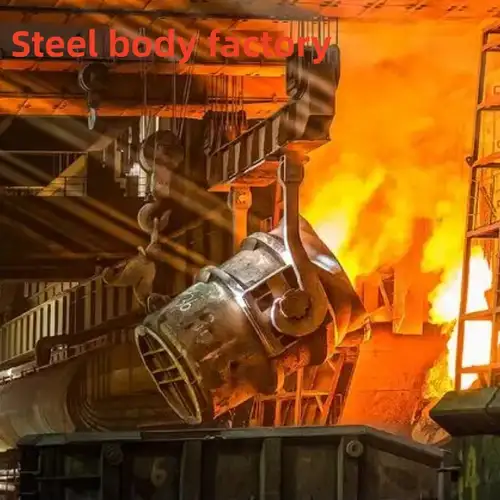
Depending on the material combination and confirmed operating limits, our Stainless Steel Worm Gear Wafer Butterfly Valves can be evaluated for the following systems.
Wastewater and Water Treatment
Selected municipal wastewater, reclaimed-water, filtration, and process-water pipelines. The medium's solids content and chemical composition should be checked before selecting a soft-seated valve.
HVAC and Building Services
Chilled-water circulation, heating-water lines, and other compatible building service systems where a compact valve and manual flow adjustment are required.
Food, Beverage, and Pharmaceutical Utilities
Compatible utility-water and process-fluid lines. Confirm surface-finish requirements, seal approvals, and applicable hygiene documentation for regulated applications.
Marine and Coastal Equipment
Selected salt-water and coastal circulation systems after evaluating chloride concentration, temperature, and the corrosion resistance of all wetted components.
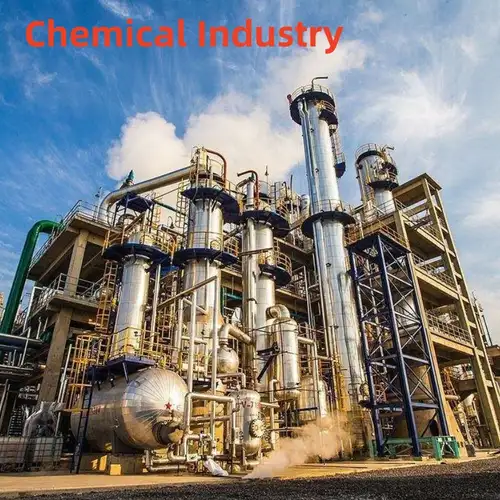
Chemical and Surface-treatment Processes
Compatible chemical wastewater, pickling, and cleaning-fluid lines. The body and seat materials should be checked against the actual chemical composition and concentration.
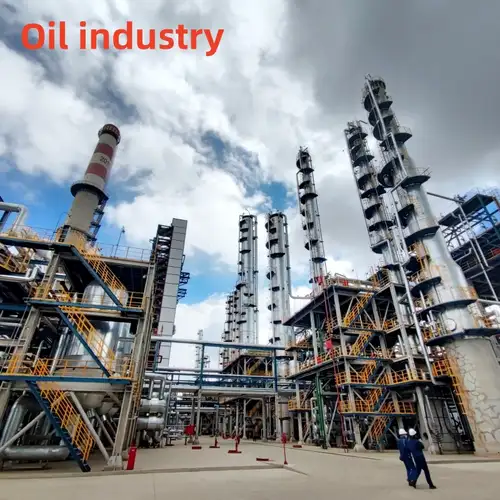
Oil-bearing Industrial Fluids
Selected oil, fuel, and oil-bearing wastewater applications using a compatible seat material, such as NBR where appropriate.
Ventilation and Exhaust Systems
Compatible gas, exhaust, and ventilation lines where the pressure, temperature, gas composition, and leakage requirements fall within the confirmed valve specification.
Ordering Information
To help us confirm the right configuration and prepare a quotation, please provide:
- Required quantity and nominal diameter
- Working pressure and operating temperature
- Fluid name, concentration, and solid content, if any
- Preferred body, disc, stem, and seat materials
- Flange standard and required dimensions
- Inspection documents, material certificates, and packaging requirements
We provide pre-sales selection support, configuration confirmation, production and inspection coordination, export logistics assistance, and after-sales technical guidance. Spare parts and warranty terms can be confirmed in the quotation and order documents.
Frequently Asked Questions
What is the difference between a wafer valve and a flanged valve?
A Stainless Steel Worm Gear Wafer Butterfly Valve is installed between two mating pipe flanges and secured with the specified bolts. A flanged valve has its own flange ends. The two designs have different installation dimensions and should not be substituted without checking the pipeline layout.
Can the gear-operated valve be used for throttling?
The worm gear actuator allows the disc to be positioned between open and closed states for basic flow adjustment. If the system requires precise control, frequent modulation, or a defined control characteristic, share the operating requirements with us so we can assess the appropriate valve design.
How do I check whether the valve will fit my existing pipeline?
Confirm the nominal diameter, flange standard, pressure rating, bolt arrangement, face-to-face dimension, and available space for the actuator. Sending us the pipeline drawing or existing valve dimensions can help us check compatibility before ordering.
Can the valve handle media containing solid particles?
Soft-seated butterfly valves may be affected by hard or sharp particles that scratch the seat or prevent full closure. For media with suspended solids, we need to review particle size, concentration, hardness, and operating conditions before recommending a suitable configuration.
Which details should I send for a project quotation?
Please provide the size, pressure rating, fluid composition, operating temperature, connection standard, material requirements, quantity, and destination. If the project has special inspection or documentation requirements, include those details so we can review them before preparing the quotation.
Send Inquiry
Contact Info
-
Address
No. 2 Taikang Road, Xiditou Town, Beichen District, Tianjin City, China
-
Tel
-
Email
If you have any inquiry about a quotation or cooperation, please feel free to email or use the following inquiry form. Our sales representative will contact you within 24 hours.
Related Products
News Recommendations