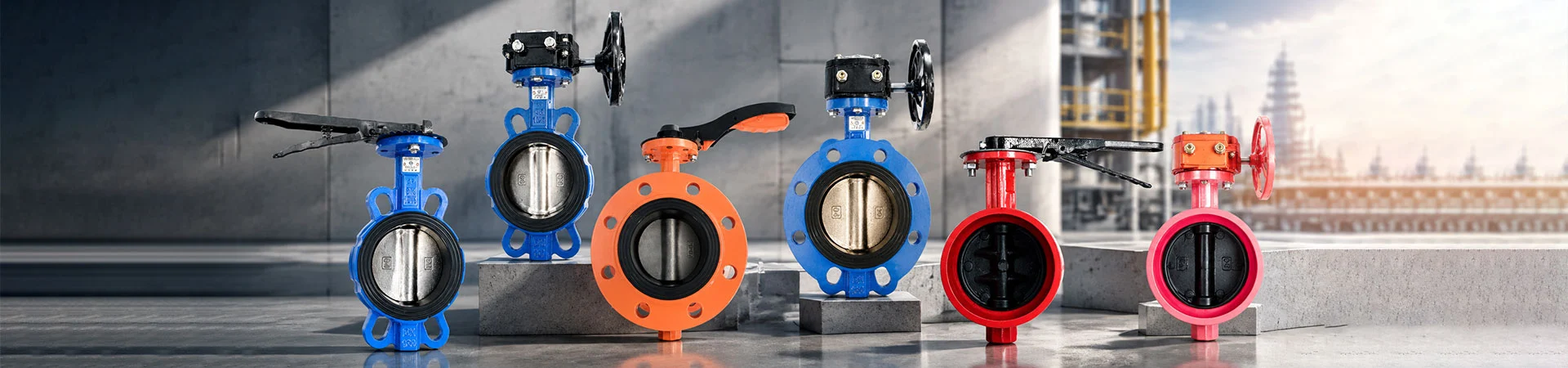
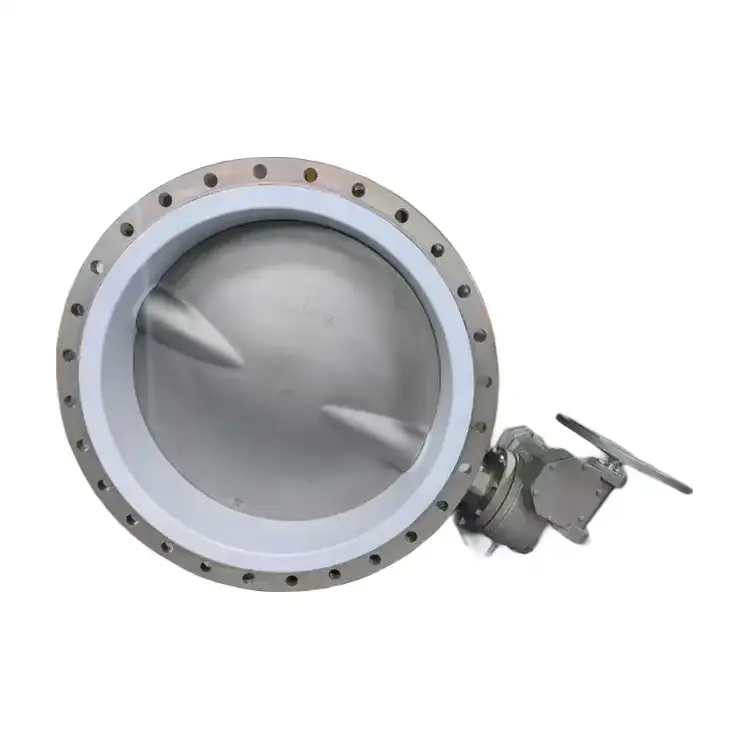
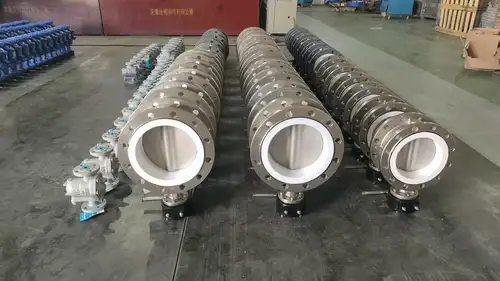
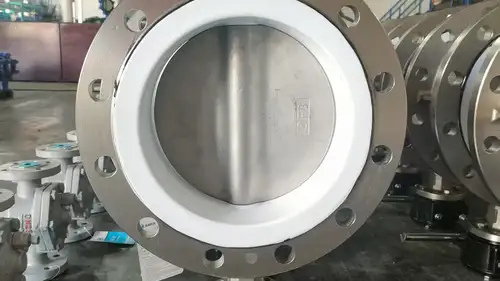
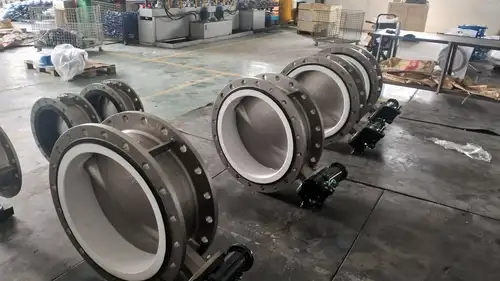
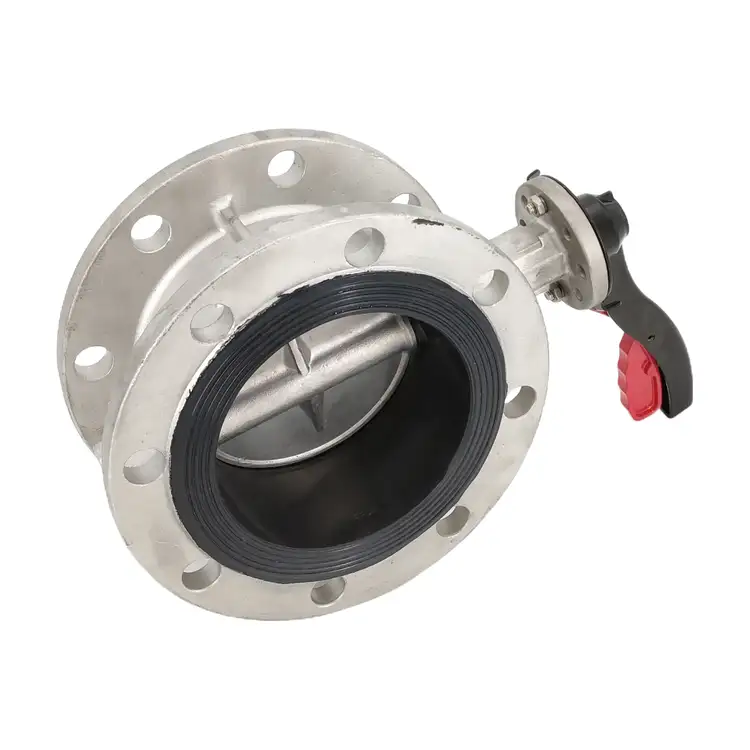
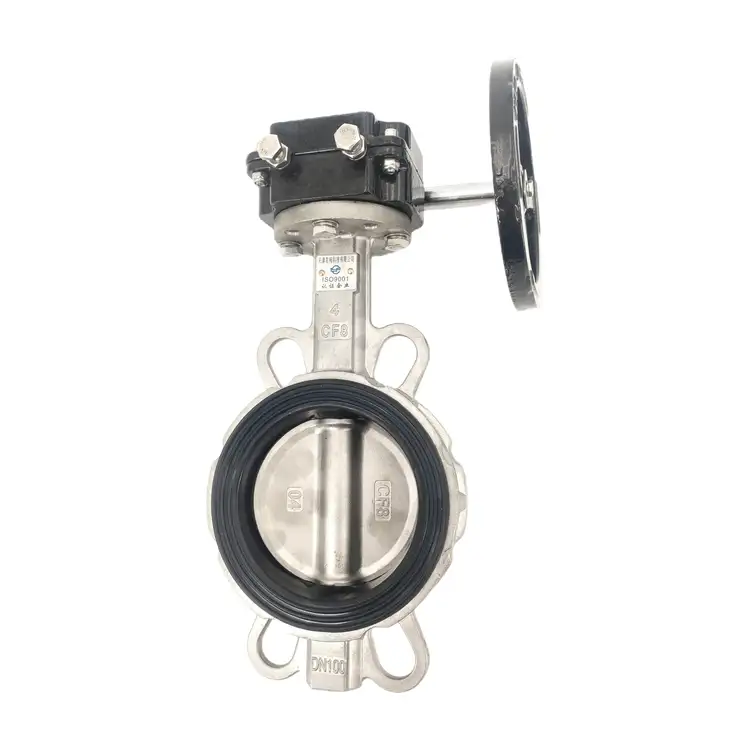
Stainless Steel Worm Gear Flanged Butterfly Valve
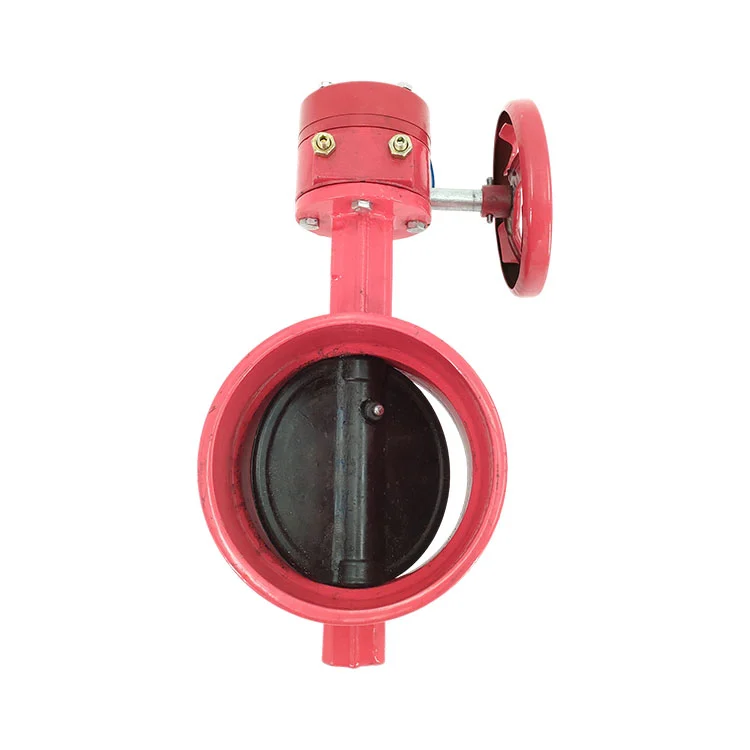
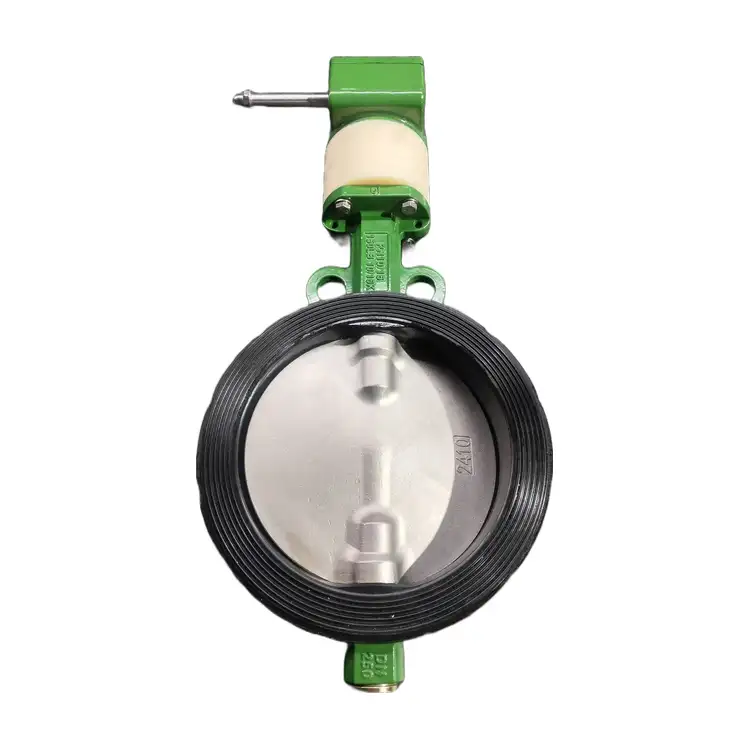
Liangfa’s Stainless Steel Worm Gear Flanged Butterfly Valve is designed for industrial pipelines requiring reliable shut-off and convenient manual operation. Its worm gear mechanism helps reduce operating effort and maintain controlled disc positioning, while multiple body, disc, stem, and seat material options support different water, oil, and compatible chemical applications.
At Liangfa, we supply the Stainless Steel Worm Gear Flanged Butterfly Valve for industrial pipelines that require controlled shut-off, dependable sealing, and easier operation on medium and large pipe sizes. Its worm gear reducer helps operators turn the disc with less manual effort and maintain the selected position during operation.
Product Specifications
| Product Name | Stainless Steel Worm Gear Flanged Butterfly Valve |
| Model | D341X-10/16P |
| Nominal Size | DN40–DN1200 (confirm availability for the selected configuration) |
| Connection | Flanged connection; confirm the actual connection structure before ordering |
| Pressure Ratings | PN10, PN16; 150LB, 5K, 10K and 16K options subject to configuration |
| Working Temperature | -10°C to 100°C for the stated valve configuration |
| Operation | Manual worm gear |
| Seat Options | EPDM, NBR, PTFE and FKM (Viton) |
| Coating | Fusion-bonded epoxy coating in accordance with ANSI/AWWA C550, where applicable to the selected valve configuration |
Why Use a Worm Gear Reducer?
For larger pipeline valves, direct manual operation can require considerable force. The worm gear assembly reduces the effort needed to rotate the butterfly disc, making routine operation more manageable for plant personnel. The handwheel controls the disc through an approximately 90-degree movement between open and closed positions.
Controlled Position Adjustment
The reducer helps operators adjust the disc position and maintain the required setting under suitable operating conditions. This is useful when a pipeline needs flow adjustment rather than simple on-off service. Actual positioning stability depends on the reducer design, valve size, differential pressure, and operating conditions.
Maintenance Access
The manual drive does not require a power supply, making it suitable for locations where electrical or pneumatic controls are unnecessary. For projects that may later require remote operation, we can discuss compatible electric or pneumatic actuator configurations according to the valve model and torque requirements.
Choose Materials for the Medium
The valve body's material alone does not determine whether a valve is suitable for a process. The disc, stem, seat liner, fasteners, operating temperature, and fluid composition must also be considered. We offer the following material options for project-specific selection.
| Component | Available Materials | Selection Considerations |
| Body | Cast iron, ductile iron, WCB, SS304, SS316 | Corrosion exposure, pressure, and mechanical requirements |
| Disc | Ductile iron, SS304, SS316, SS2507, SS1.4529 | Fluid compatibility and corrosion resistance |
| Stem | 410SS, SS304, SS316, SS2507, SS1.4529 | Strength and resistance to the process medium |
| Seat Liner | EPDM, NBR, PTFE, FKM (Viton) | Temperature and chemical compatibility |
| Operating Handle | Ductile iron, SS304 | Operating environment and corrosion exposure |
| Fasteners | Galvanized carbon steel, SS304, SS316 | Environmental conditions and connection requirements |
Common Material Combinations
- General water service: SS304 with an EPDM seat may be suitable for compatible clean-water and neutral-water applications.
- Oil-based media: NBR is a potential seat option where its chemical and temperature compatibility has been confirmed.
- Chloride-containing media: SS316 or a more corrosion-resistant alloy may be considered, depending on chloride concentration, temperature, and other process conditions.
- Chemical service: PTFE or FKM may be considered after checking compatibility with the specific chemical and operating temperature.
These combinations are starting points for selection, not universal guarantees. For concentrated chemicals, seawater, high temperatures, or mixed media, please provide the fluid composition and operating conditions so we can help identify an appropriate configuration.
Match Pressure and Pipe Size
Selecting the correct pressure rating and nominal diameter is essential for safe, stable operation. Our Stainless Steel Worm Gear Flanged Butterfly Valve is listed with PN10 and PN16 options, while other pressure standards may be available depending on the design and configuration.
PN10 or PN16?
PN10 may suit pipeline systems designed for a nominal pressure rating of 1.0 MPa, while PN16 corresponds to a nominal rating of 1.6 MPa. These designations are not a substitute for checking the valve's pressure-temperature limits, flange drilling, and applicable standards. For American, Japanese, or other international projects, confirm the required flange standard and pressure class before placing an order.
What Size Should You Specify?
Nominal diameter should be selected according to the pipeline size, required flow, pressure loss, and installation arrangement. Worm gear operation is particularly useful on larger valves where manual operating torque can be substantial. We recommend confirming the exact size range available for the requested body design and actuator configuration.
Installation Checks Before Commissioning
Correct installation helps prevent disc interference, damaged seats, and leakage around the pipeline joints. Before installing the valve, check the following points:
- Verify the model, nominal diameter, pressure rating, body material, seat material, and flange standard against the purchase specification.
- Inspect the valve body, disc, stem, seat, and connection faces for visible transport damage or contamination.
- Remove welding slag, metal fragments, and other hard debris from the pipeline before operation.
- Align the mating pipe flanges correctly. Do not use the flange bolts to force a misaligned pipeline into position.
- Tighten connection bolts evenly in a diagonal sequence and follow the applicable installation procedure.
- Operate the handwheel through the required travel to check for obstruction before putting the pipeline into service.
- Conduct pressure and leakage tests according to the project specification and applicable standards.
Inspection and Routine Care
Regular checks can help identify operating problems before they cause unplanned downtime. The inspection frequency should reflect the medium, operating cycle, environment, and plant maintenance schedule.
Check the Gearbox
Inspect the worm gear housing for water ingress, corrosion, unusual noise, or excessive operating resistance. Lubricate or replace the lubricant according to the manufacturer's maintenance instructions rather than applying an arbitrary interval.
Inspect the Seat and Disc
If the valve does not close properly, check for trapped particles, seat wear, chemical swelling, or incorrect travel adjustment. Replace a damaged seat with the specified material and verify the cause of the damage before returning the valve to service.
Investigate Difficult Operation
Stiff handwheel movement may result from incorrect flange alignment, debris around the disc, damaged internal components, or gearbox problems. Avoid using an extended pipe to force the handwheel, as this can damage the stem or reducer. Isolate and depressurize the pipeline before carrying out maintenance.
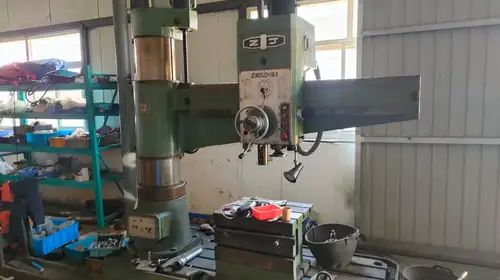
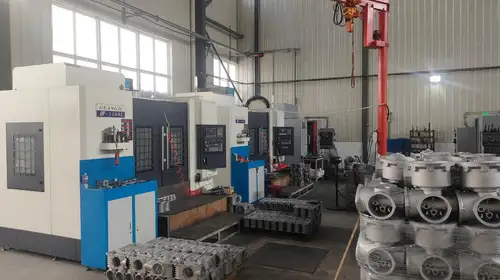
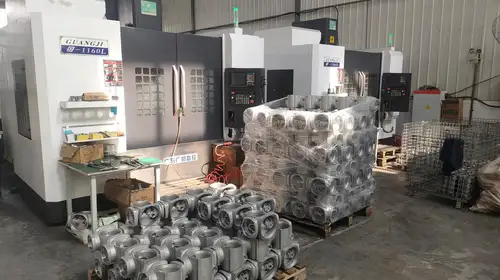
Factory and Quality Support
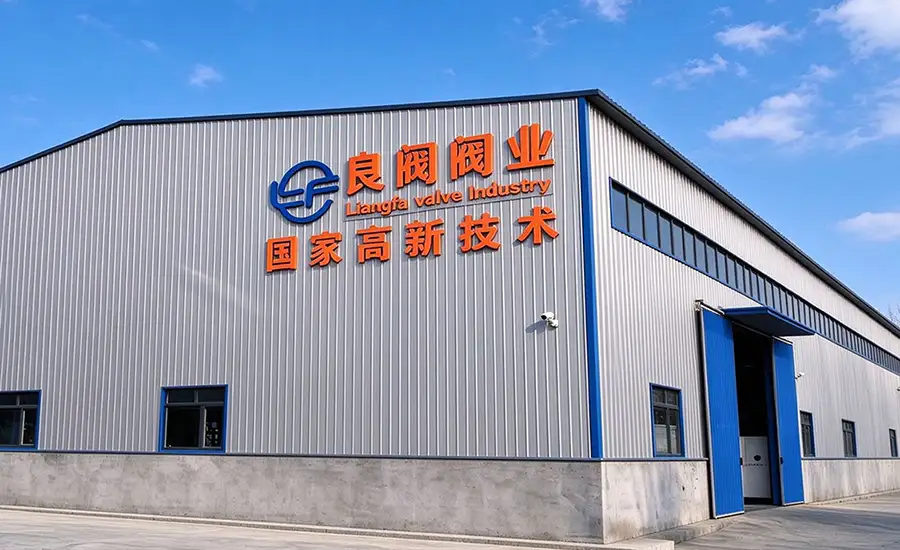
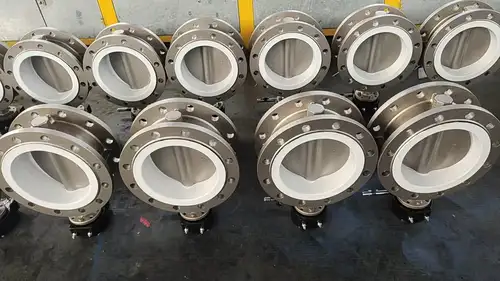
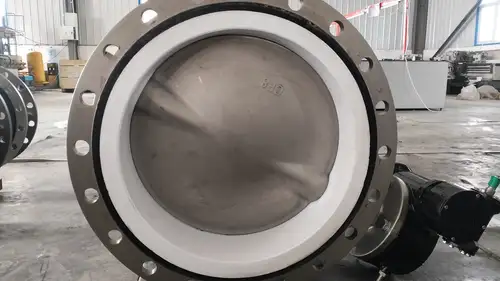
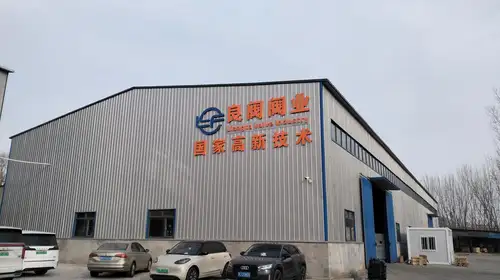
At Liangfa, we support valve selection and project coordination from the initial specification review through delivery. As a high-tech enterprise, we can assist customers in checking the proposed configuration against the required operating conditions. Inspection documents and material-related records can be discussed according to the product and order requirements.
Before shipment, confirm the agreed inspection scope, pressure-test requirements, documentation, packaging, and marking details. Where the project requires specific standards or material certificates, these should be included in the purchase specification so that the requirements can be reviewed before production.
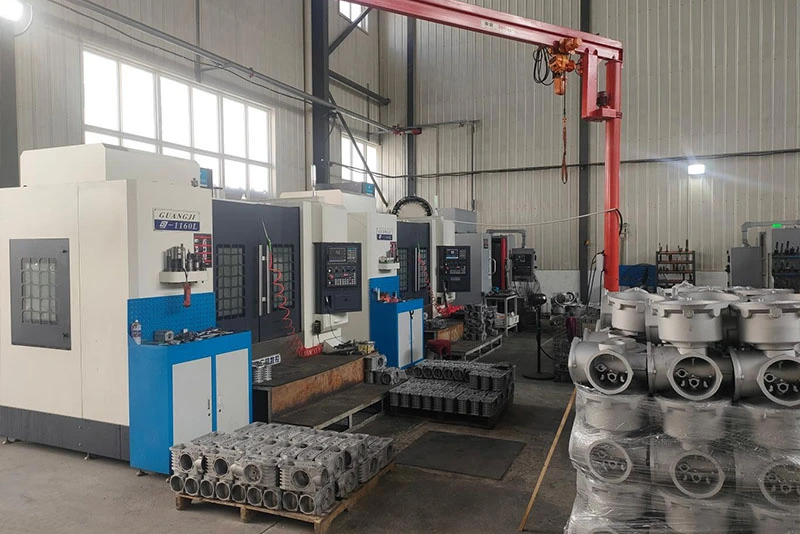
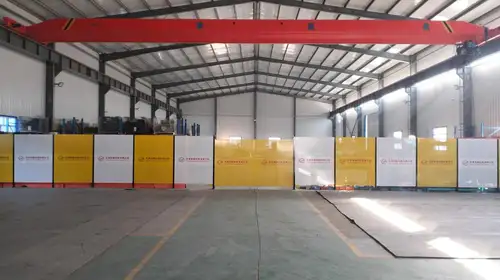
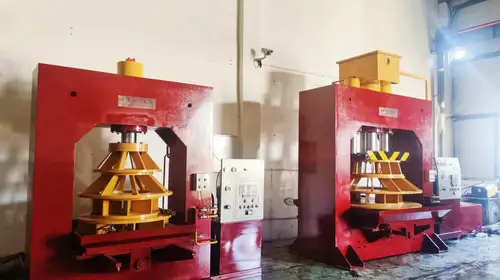
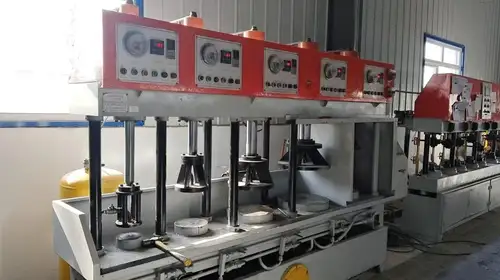
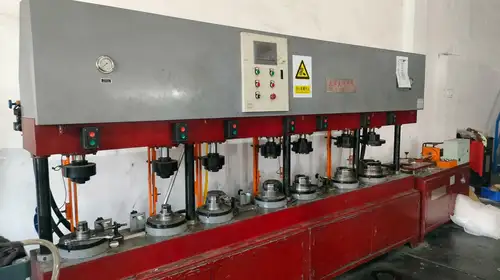
Factory Tour
Packing and Shipment
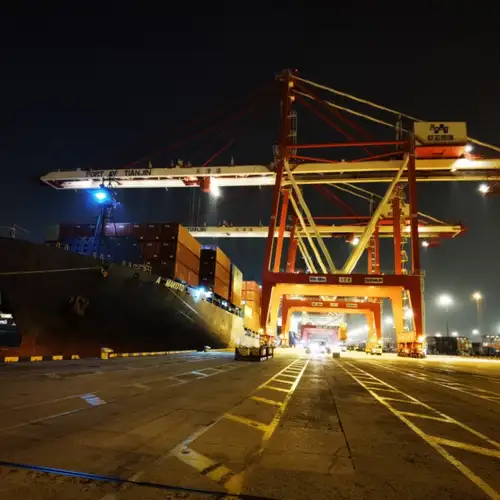
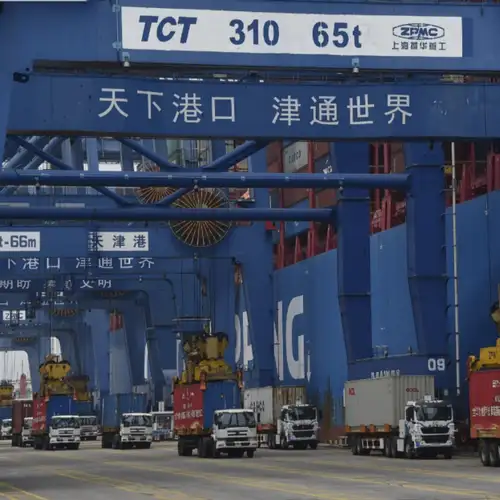
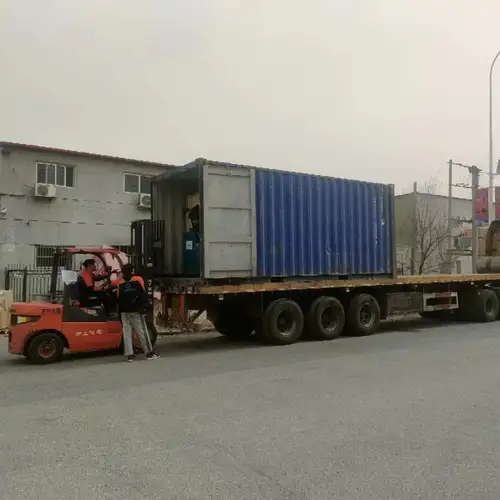
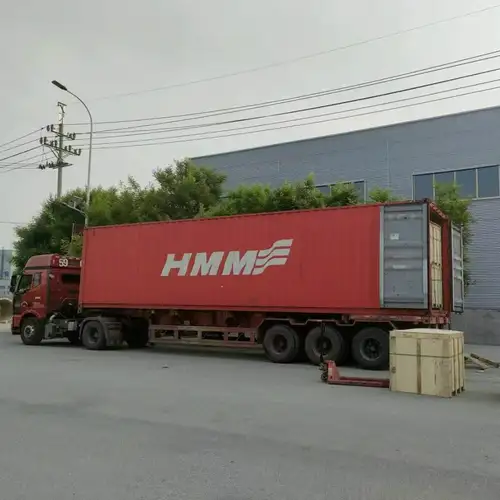
We arrange export packing and shipping according to the order requirements. Sea freight and land transport can be discussed based on the destination, delivery schedule, and cargo details. Before shipment, customers can confirm packaging requirements, product identification, shipping marks, and the required export documents.
Typical Application Areas
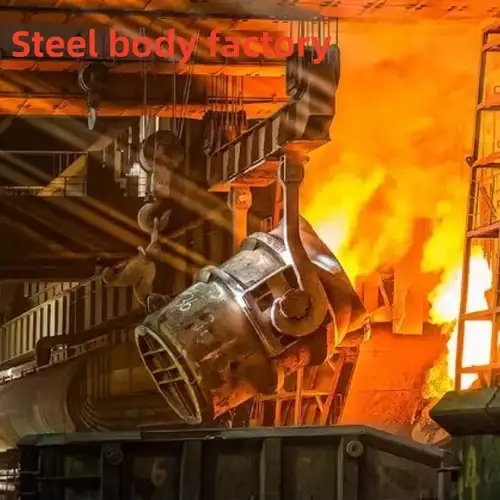
Depending on the body, disc, seat, pressure rating, and connection configuration, our valves can be considered for a range of industrial pipeline systems.
Water and Wastewater
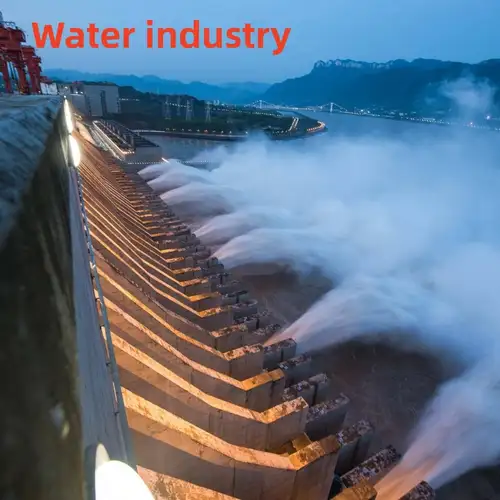
Potential applications include water distribution, wastewater treatment, reclaimed-water systems, and compatible circulation-water pipelines. Seat selection should account for water temperature, suspended particles, and any treatment chemicals.
HVAC and Building Services
Cooling-water circuits, circulation systems, and general building-service pipelines may use manual worm gear operation where a power-operated actuator is not required. Check the pressure rating, flange dimensions, and actual water temperature before selection.
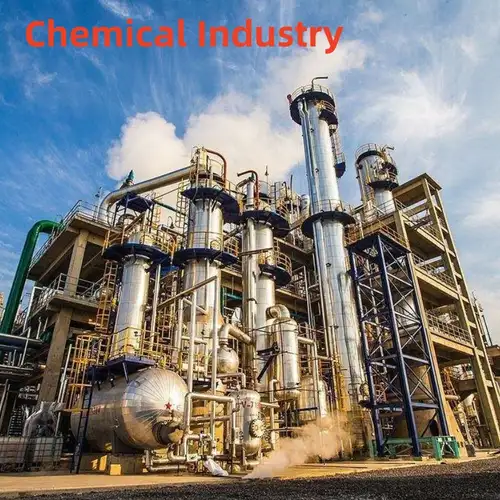
Chemical and Industrial Processing
For compatible chemical solutions, process-water lines, and industrial fluid systems, the selected materials must withstand the actual fluid composition and temperature. Aggressive chemicals require a detailed compatibility review before the valve is specified.
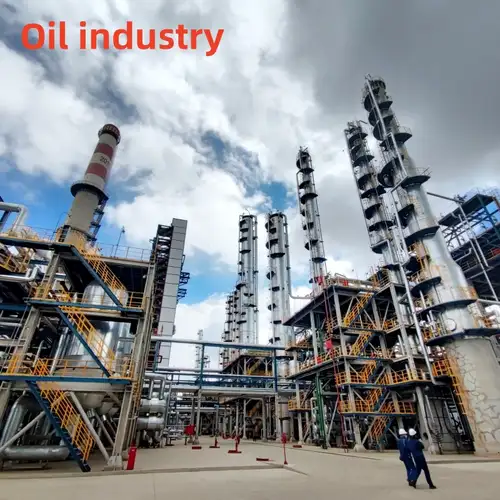
Oil and Utility Lines
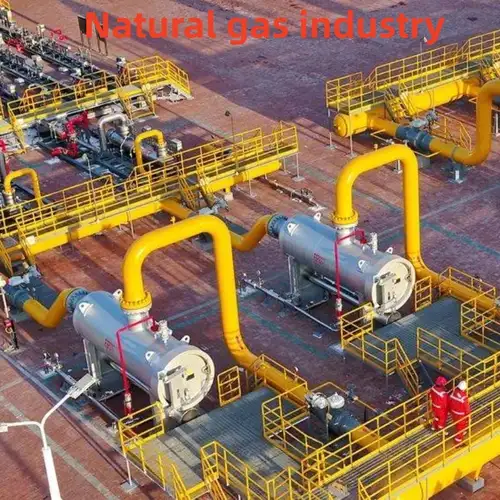
Oil-related services require an oil-compatible seat such as a suitable NBR grade, subject to the fluid composition and temperature. Compressed-air and other utility applications should likewise be checked against the valve's pressure and sealing requirements.

Ordering and Technical Assistance
To help us recommend the correct configuration, please provide the following information when requesting a quotation:
- Nominal diameter and required quantity
- Working pressure and design temperature
- Medium name, concentration, and relevant fluid properties
- Required body, disc, stem, and seat materials
- Flange standard, drilling, and pressure class
- Manual worm gear operation or a requirement for electric or pneumatic actuation
- Inspection documents, certificates, packaging, and destination requirements
We provide pre-sales technical consultation, configuration review, production coordination, shipping-document support, and after-sales assistance. Spare parts and maintenance guidance can be discussed according to the supplied valve model and order terms.
Frequently Asked Questions
Can this valve be upgraded to automatic operation?
Electric or pneumatic actuation may be possible, depending on the valve design and required operating torque. Please provide the model, nominal diameter, pressure conditions, and control requirements so that compatibility can be checked before ordering.
Does the stated temperature range apply to every seat material?
No. The listed assembled-valve temperature range is -10°C to 100°C. Individual seat materials may have different published limits, but the allowable range for the complete valve depends on the selected materials, pressure, medium, and design. Confirm the approved operating range for the exact configuration.
What information is needed for a replacement valve?
Provide the existing valve's nameplate details, nominal size, pressure rating, flange dimensions, face-to-face dimension, body and seat materials, and operating method. Photos or technical drawings can help us review dimensional and connection compatibility.
Is a stainless steel body always suitable for seawater?
Not necessarily. Corrosion resistance depends on the stainless steel grade, chloride concentration, temperature, flow conditions, and other factors. SS316 may be considered for some chloride-containing services, while more aggressive seawater conditions may require a higher-alloy material. We recommend reviewing the actual operating conditions before selecting the body and trim materials.
What should be confirmed before bulk purchasing?
Confirm the final model code, connection type, flange standard, nominal size, pressure rating, temperature range, material grades, inspection requirements, and delivery documents. These details help prevent mismatches between the valve supplied and the pipeline design.
Send Inquiry
Contact Info
-
Address
No. 2 Taikang Road, Xiditou Town, Beichen District, Tianjin City, China
-
Tel
-
Email
If you have any inquiry about a quotation or cooperation, please feel free to email or use the following inquiry form. Our sales representative will contact you within 24 hours.
Related Products
News Recommendations