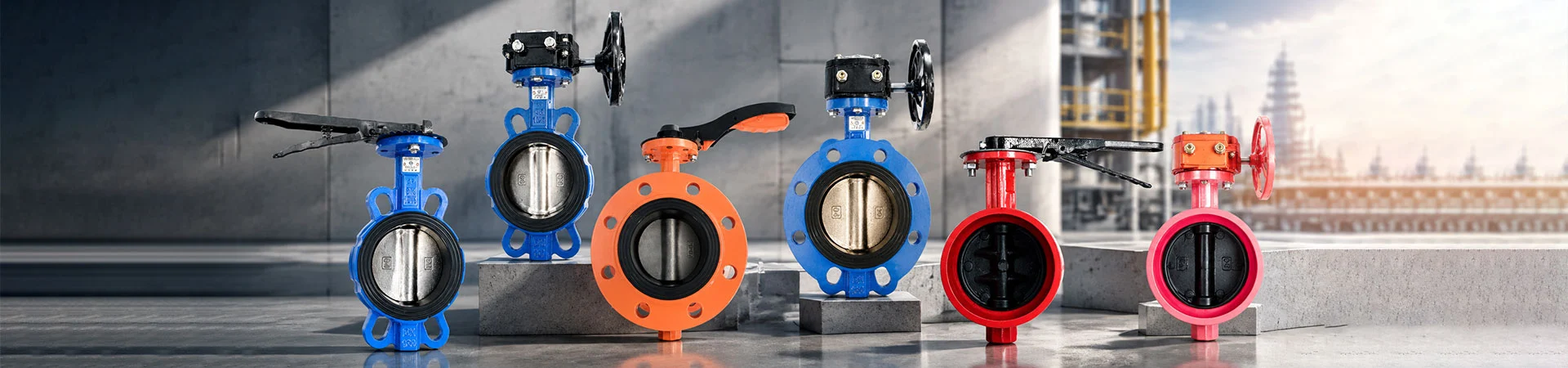
Factory Direct Manual Wafer Butterfly Valve for Industrial Applications
At Liangfa, we help customers select manual wafer butterfly valves according to pipeline dimensions, operating pressure, medium compatibility, available installation space, and operating frequency. As a high-tech enterprise, we provide technical support to help buyers assess suitable valve configurations for water supply, drainage, HVAC, and general industrial applications.
Choose the Right Operating Mechanism
The operating mechanism affects how much effort is needed to turn the valve, how accurately the disc can be positioned, and how easily operators can access the control point. We recommend choosing the mechanism based on valve size, operating torque, and how often the valve will be used.
Lever Handle
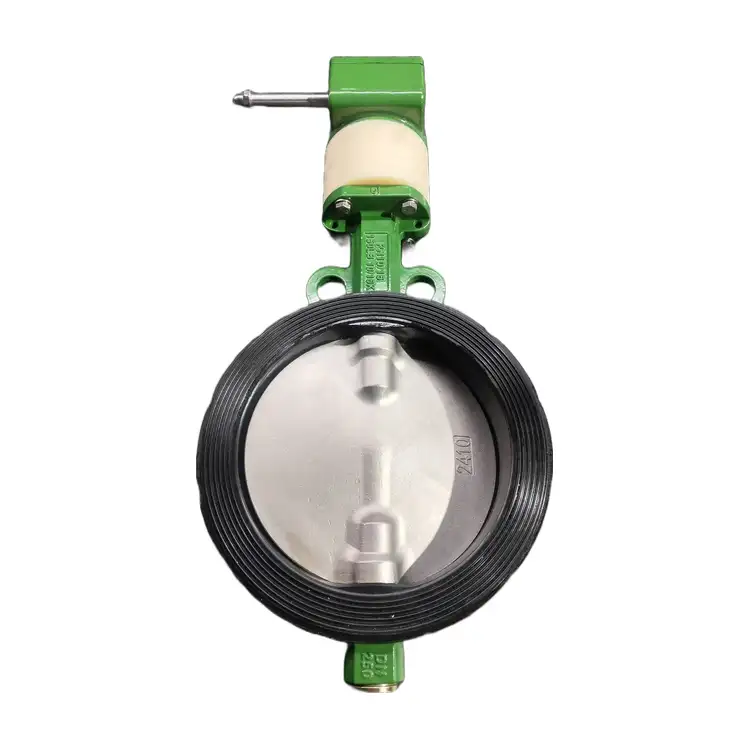
A lever handle allows operators to turn the valve directly through its operating angle. It is often suitable for smaller valves and applications where quick manual opening and closing are required. Buyers should check the handle clearance, available operating space, and whether the design provides suitable locking or position indication for the application.
Worm Gear Operator
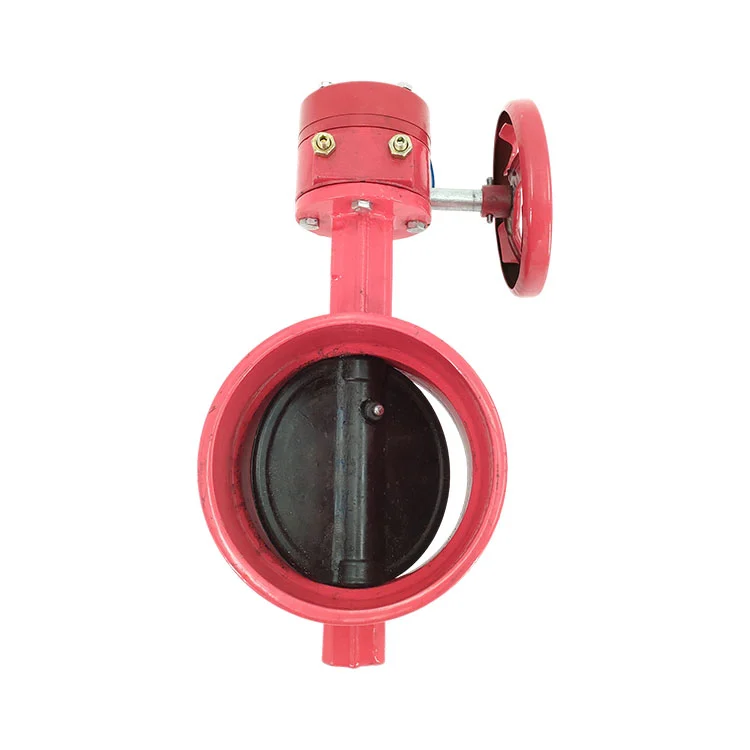
A worm gear operator uses a gearbox to reduce the effort required to operate the valve. It may be preferable for larger valves or applications with higher operating torque. The gearbox also provides controlled movement, but buyers should confirm the gear ratio, output torque, mounting arrangement, and handwheel clearance.
Understand the Wafer Connection
A wafer valve is fitted between compatible pipeline flanges and secured according to the manufacturer's installation instructions. Its compact structure can help reduce installation space and overall assembly weight compared with some alternative connection arrangements.
Before ordering a Manual Wafer Butterfly Valve, confirm the nominal diameter, flange drilling, pressure class, face-to-face dimensions, and available space around the handle or gearbox. Wafer valves are not automatically compatible with every flange standard, so the connection details should be checked against the pipeline drawings.
Match the Valve to the Medium
The body, disc, stem, and seat materials need to suit the fluid, temperature, pressure, and surrounding environment. Selecting materials based only on the pipeline size may lead to premature wear or sealing problems.
| Component | Common Options | Selection Considerations |
|---|---|---|
| Valve body | Cast iron, ductile iron, carbon steel, stainless steel | Pressure requirements, mechanical strength, and corrosion exposure |
| Disc | Ductile iron, SS304, SS316, and selected alloy grades | Medium compatibility, wear, and corrosion resistance |
| Stem | 410 stainless steel, SS304, SS316, and selected alloy grades | Strength, corrosion conditions, and operating torque |
| Seat | EPDM, NBR, PTFE, FKM | Fluid compatibility, operating temperature, and sealing requirements |
EPDM is commonly considered for many water-based applications, while NBR may be suitable for certain oil-containing media. PTFE and FKM may be considered for selected chemical or higher-temperature services. Compatibility depends on the exact medium and operating conditions, so we recommend confirming the material combination before purchase.
Consider Operating Frequency
Manual operation is useful when valve adjustments are occasional and operators can safely access the valve. For valves that must be operated frequently, installed in difficult-to-reach locations, or integrated into a centralized control system, buyers should compare manual operation with automated alternatives.
- Occasional isolation: A lever or gearbox may provide a straightforward operating method.
- Frequent operation: Check the required operating torque and the physical effort involved in repeated use.
- Restricted access: Confirm that the operator can reach and turn the handle or handwheel safely.
- Remote operation: Consider whether a pneumatic or electric actuator would better meet the process requirements.
A manual valve should not be selected solely because it has a lower initial cost. Access, operating effort, staffing, and the consequences of delayed operation also affect the total cost of ownership.
Installation and Routine Care
Before installation, verify the flow passage, flange alignment, valve orientation, and clearance needed for the operating mechanism. Follow the manufacturer's instructions for gasket placement, bolt tightening, and handling. The disc should be positioned as instructed during installation to avoid interference with adjacent pipework or the sealing surface.
During routine inspection, check the handle or gearbox, stem area, fasteners, and seat for damage, corrosion, leakage, or abnormal resistance. If the valve becomes difficult to operate, investigate possible causes such as debris, excessive differential pressure, seat wear, or gearbox problems instead of applying excessive force.
For reliable service, use the valve within its specified pressure and temperature limits, and follow the manufacturer's recommendations for inspection and maintenance.
What to Confirm Before Purchase
When requesting a quotation from Liangfa, providing complete operating information helps us assess the appropriate configuration. We recommend confirming the following details:
- Nominal diameter and pipeline flange standard
- Working pressure and operating temperature
- Fluid composition and any corrosive or abrasive properties
- Required body, disc, stem, and seat materials
- Lever handle or worm gear operation
- Installation position and available operating clearance
- Required shut-off performance and applicable project standards
- Order quantity and any drawing or inspection requirements
We review these requirements before confirming the selected configuration. Final dimensions, materials, pressure ratings, and operating limits should be verified against the approved product datasheet and technical drawing.
Liangfa's Product Support
At Liangfa, we help customers compare manual valve configurations based on connection dimensions, operating mechanisms, materials, and application conditions. As a high-tech enterprise, we provide technical communication to help buyers identify suitable products for their pipeline projects.
If you are sourcing a Manual Wafer Butterfly Valve for a new installation or replacement project, send us the pipeline specifications, operating medium, pressure and temperature conditions, and preferred operating mechanism. Our team can review the requirements and confirm the available options for your application.
Frequently Asked Questions
How do I choose between a lever and a worm gear operator?
A lever is generally considered for smaller valves with manageable operating torque and sufficient handle clearance. A worm gear operator may be more suitable when greater torque reduction or more controlled movement is needed. Confirm the valve's operating torque and the manufacturer's recommendations before selection.
Can a wafer butterfly valve be installed between any two flanges?
No. The valve must match the pipeline's flange dimensions, drilling standard, pressure class, and installation requirements. Check the technical drawing and confirm compatibility before placing an order.
Is this valve suitable for throttling?
Some butterfly valves can be used for flow regulation, but the permitted operating range depends on the design, disc position, flow characteristics, and medium. Confirm the manufacturer's guidance if the valve will remain partially open for extended periods.
What can cause a manual valve to become hard to turn?
Possible causes include excessive differential pressure, debris in the valve, seat deterioration, stem issues, or gearbox wear. Check the operating conditions and inspect the mechanism safely before attempting repairs.
What should I provide when replacing an existing valve?
Share the existing valve's model, nominal diameter, flange standard, pressure rating, face-to-face dimensions, material details, and operating mechanism. Photos and technical drawings can help verify the connection and clearance requirements.
- View as
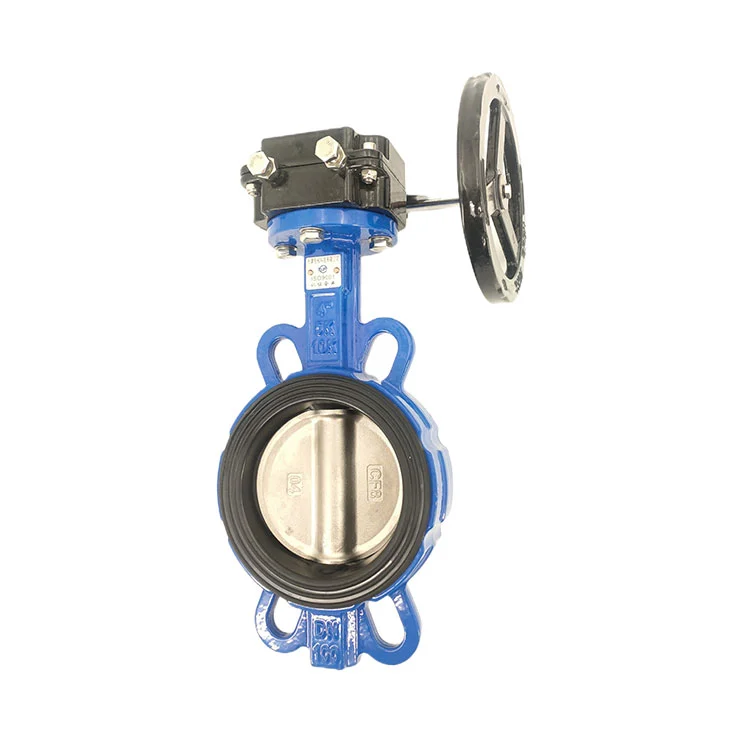
Worm Gear Wafer Butterfly Valve
LIANGFA Worm Gear Wafer Butterfly Valve is designed for efficient flow control in water supply, HVAC, wastewater treatment, chemical, and industrial pipeline systems. With low installation space requirements, stable torque control, and customized solutions for different working conditions, LIANGFA provides a dependable valve solution for global industrial customers.
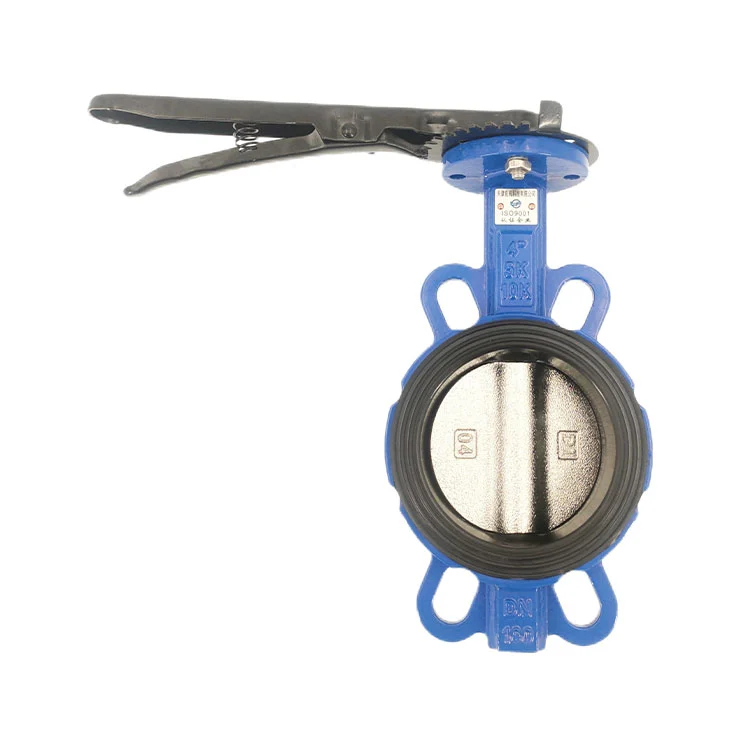
Lever Wafer Butterfly Valve
Designed for space-limited pipeline systems and practical manual flow isolation, the LIANGFA Lever Wafer Butterfly Valve combines a compact wafer structure with flexible material configurations for different media. With DN40-DN1200 coverage, ANSI/AWWA C550-compliant fusion bonded epoxy coating, and multiple sealing options, it helps distributors, contractors, and engineering buyers match valve performance to specific project requirements while supporting stable factory-direct supply.
Liangfa is a professional Manual Wafer Butterfly Valve manufacturer and supplier in China. We have an experienced sales team, professional technicians, and an after-sales service team.
News Recommendations