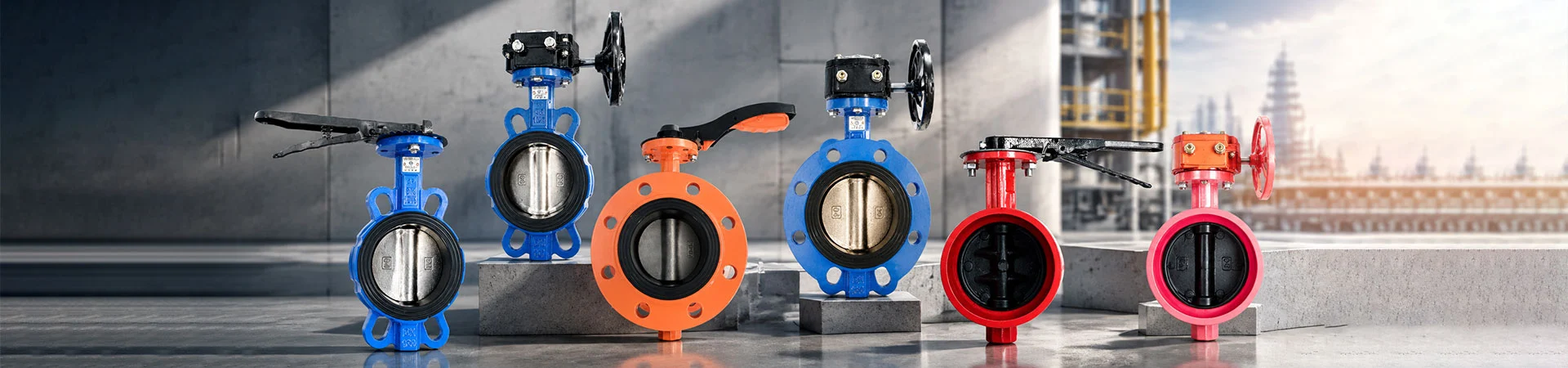
Wholesale Butterfly Valve for Reliable Flow Control in Industrial Pipelines
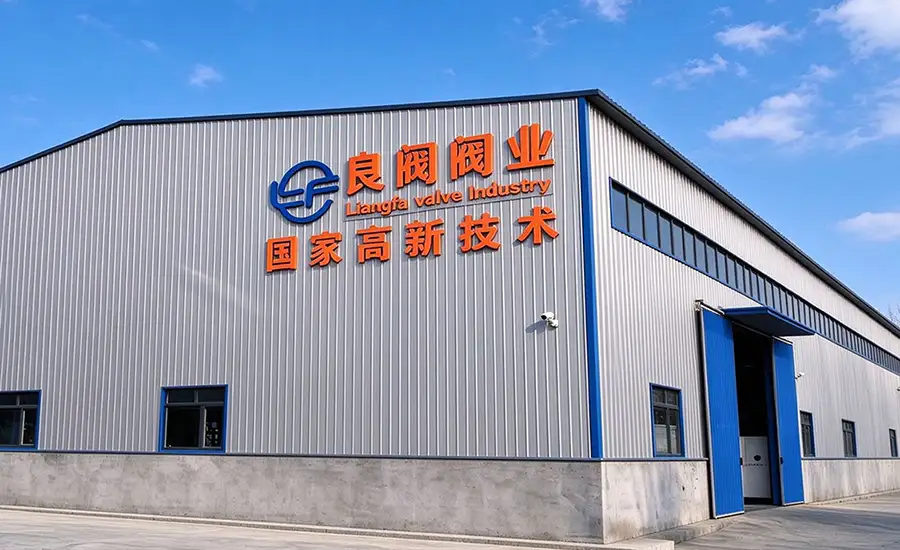
At Liangfa, we provide butterfly valve solutions for water supply, wastewater treatment, HVAC, industrial ventilation, and other pipeline applications. As a high-tech enterprise, we support customers in comparing available configurations and selecting products based on actual operating conditions.
Compare Valve Types
Different pipeline systems require different valve structures and control methods. We offer several configurations to help customers match installation conditions and operating requirements.
Wafer Type for Compact Installations
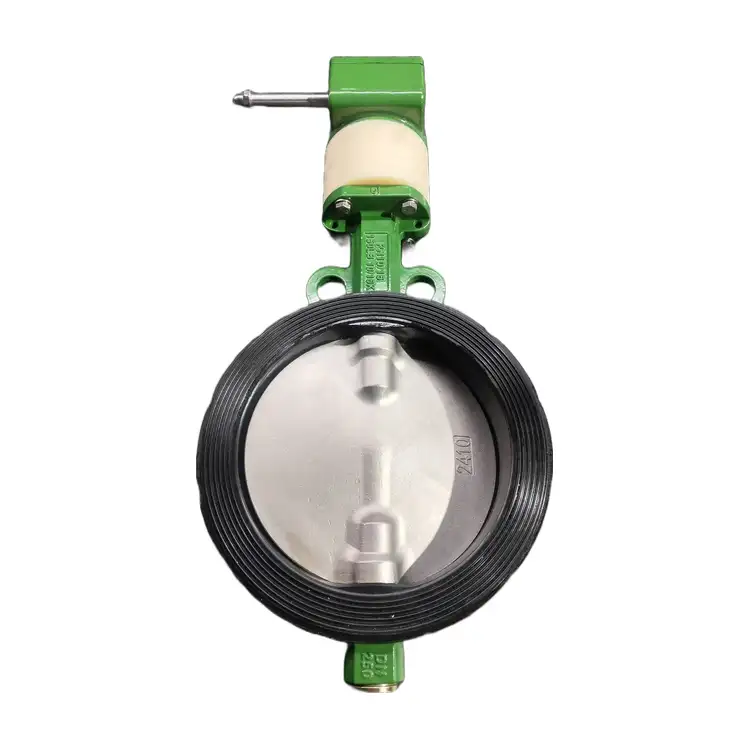
A wafer butterfly valve is installed between compatible pipe flanges. Its compact structure helps reduce installation space and valve weight, making it suitable for water circulation, drainage, and HVAC systems where space is limited. Before ordering, buyers should confirm the flange standard, pressure class, and installation requirements.
Flanged Type for Pipeline Connections
A flanged butterfly valve uses flanges to connect with the pipeline. This design may be preferred when the project specification calls for a flanged connection or when the pipeline layout requires a particular installation arrangement. Buyers should verify the face-to-face dimensions, flange drilling, and pressure rating against the project drawings.
Expansion Type for Specific Sealing Needs
A pneumatic expansion butterfly valve uses an inflatable sealing element that expands to create a seal after the disc reaches the closed position. Depending on the design, this arrangement can help reduce continuous contact between the seal and disc during movement. It may be considered for selected powder-handling, dust collection, and industrial gas applications. Media characteristics and the required shut-off performance should be confirmed before selection.
Choose the Right Operating Method
The operating method determines how the valve responds to control signals and how it fits into the wider process system. We help customers evaluate the following options according to operating frequency, available utilities, and automation requirements.
- Manual operation: Suitable for applications where operators can access the valve and frequent remote control is unnecessary.
- Pneumatic operation: Uses compressed air to open and close the valve, making it suitable for automated production lines and remote switching.
- Electric operation: Can be considered when an electric actuator is preferred or when compressed air is unavailable, subject to the selected product configuration.
For pneumatic models, customers can specify single-acting or double-acting actuators. Solenoid valves, limit switches, and compatible positioners can also be considered according to the control system. We recommend confirming the required fail position, actuator torque, control signal, and available air pressure before finalizing the configuration.
Match Materials to the Medium
Valve materials should be selected according to the fluid or gas being handled, its temperature, working pressure, and potential corrosiveness. An unsuitable seat or body material can lead to premature wear, leakage, or unplanned maintenance.
| Component | Common Options | Selection Considerations |
|---|---|---|
| Body | Cast iron, ductile iron, WCB carbon steel, stainless steel | Pressure, strength, corrosion exposure, and installation conditions |
| Disc | Ductile iron, SS304, SS316, and selected alloy grades | Medium compatibility, corrosion resistance, and wear |
| Stem | 410 stainless steel, SS304, SS316, and selected alloy grades | Mechanical strength and resistance to the operating environment |
| Seat | EPDM, NBR, PTFE, FKM | Temperature limits and chemical compatibility |
For example, EPDM is commonly considered for many water-based applications, while NBR may suit certain oil-containing media. PTFE and FKM may be options for selected chemical or higher-temperature conditions. Compatibility depends on the exact medium and operating parameters, so we recommend checking the material specifications before purchase.
Where Our Valves Are Used
Water and Wastewater Systems
Butterfly valves can provide flow isolation in water distribution, drainage, and wastewater treatment pipelines. Buyers should consider the water quality, suspended solids, pressure conditions, and required maintenance access.
HVAC and Cooling Networks
In building services and industrial cooling systems, butterfly valves can help control circulating water and support isolation during equipment maintenance. Actuator selection depends on whether the system requires local operation, remote switching, or modulating control.
Industrial Air and Gas Lines
Butterfly valves may be used in compatible ventilation, dust collection, and process gas systems. Where the medium contains abrasive particles or requires especially tight shut-off, the valve structure and sealing design need to be evaluated carefully.
What to Confirm Before Ordering
To help us recommend a suitable configuration, please provide the following details when requesting a quotation:
- Nominal diameter and pipeline connection standard
- Working pressure and operating temperature
- Fluid or gas composition, including any corrosive or abrasive components
- Required valve body, disc, stem, and seat materials
- Manual, pneumatic, or electric operating method
- On/off or modulating control requirements
- Applicable project standards and inspection requirements
We review these details to help reduce specification mismatches before production. Final selection should be based on the confirmed technical datasheet, drawings, and actual operating conditions rather than nominal size alone.
Liangfa's Support for Valve Projects
At Liangfa, we support customers in selecting valve configurations for different pipeline layouts and process requirements. Our product range includes wafer, flanged, and pneumatic expansion designs, with material and actuator options depending on the model. As a high-tech enterprise, we provide technical communication and configuration support to help buyers assess connection dimensions, sealing materials, automation accessories, and project specifications.
When contacting us, share your application details and target specifications. We can then review the requirements and confirm which available configuration is suitable for your project.
Frequently Asked Questions
Can one valve model be used for both liquids and gases?
Not automatically. Suitability depends on the valve design, seat material, pressure, temperature, medium compatibility, and required leakage performance. Please provide the actual operating conditions so the configuration can be checked.
When should I consider an expansion sealing design?
An expansion design may be useful where the application benefits from reducing seal contact during disc movement and expanding the seal at closure. Its suitability depends on the medium, particle characteristics, operating cycle, and required shut-off performance.
What information is needed to select a pneumatic actuator?
Provide the valve size, working pressure, differential pressure, operating frequency, available air supply, and required fail position. These details help determine the appropriate actuator type and torque.
Can the valve be supplied with position feedback?
Depending on the model and automation requirements, compatible limit switches or other position feedback accessories may be available. Confirm the required signal type and control-system interface before ordering.
How can I reduce maintenance downtime?
Choose materials suited to the medium, install the valve according to the manufacturer's instructions, and periodically inspect the seat, stem, actuator, and control accessories. For demanding media, define an inspection schedule based on actual operating conditions.
- View as
Full Lug Butterfly Valve
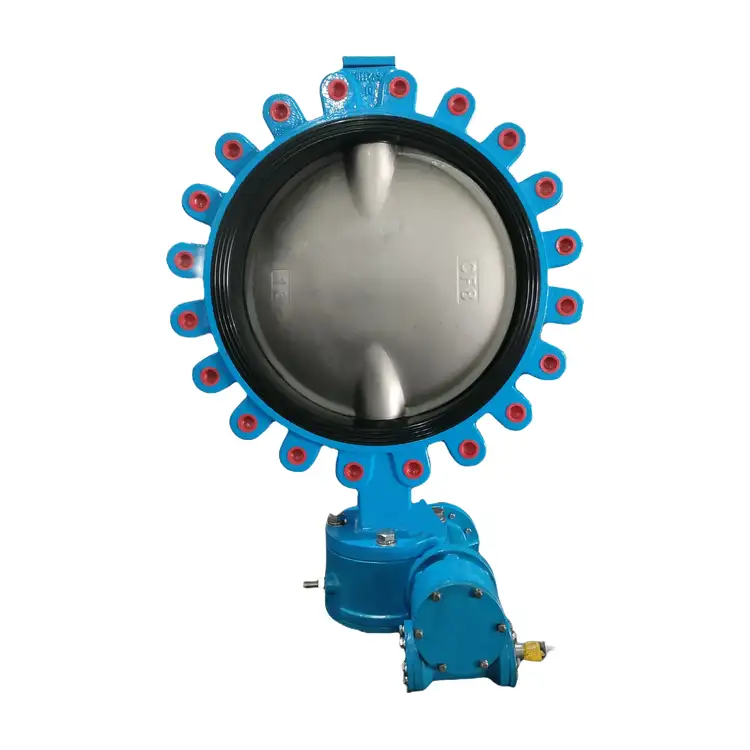
Liangfa’s Full Lug Butterfly Valve features an integrally cast lug body with internally threaded mounting holes, allowing independent bolting on each side and supporting end-of-line service when properly installed and configured. Available in DN40–DN1200 sizes, it offers multiple body, disc, stem, and seat material options to suit different media and operating conditions. Lever, worm gear, pneumatic, and electric actuation options help meet diverse control requirements.
Semi-Lug Butterfly Valve
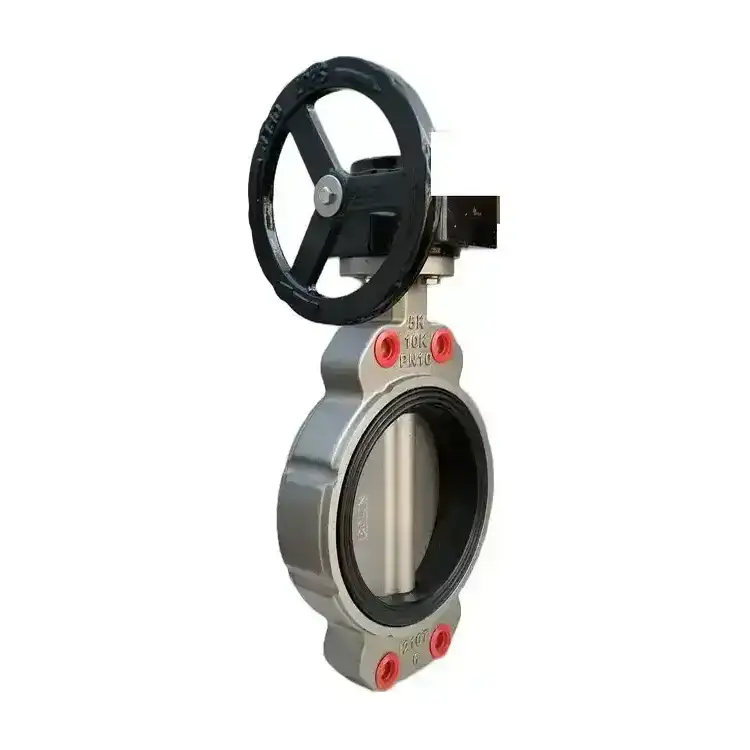
Liangfa supplies semi-lug butterfly valves for piping systems where installation space is limited and maintenance access is important. With threaded lugs on one side and a wafer-style connection on the other, this design is especially useful at pump outlets and equipment nozzles. We offer different body, disc, stem and seat materials, together with manual, gear-operated, pneumatic and electric actuation options, helping customers configure valves for water treatment, HVAC, marine and general industrial applications.
Ductile Iron Anti-Condensation Butterfly Valve
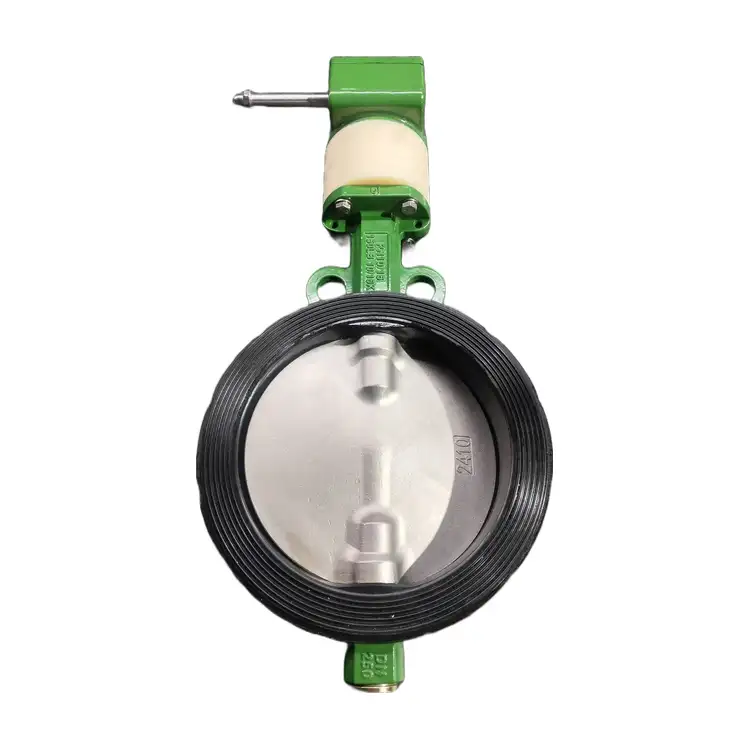
Liangfa’s Ductile Iron Anti-Condensation Butterfly Valve is designed for chilled-water and cooling-water systems in high-humidity environments. Its QT450-10 ductile iron body provides strength and resistance to water hammer, while the dedicated cold-insulation structure helps reduce condensation and dripping on valve surfaces.
Stainless Steel Anti-Condensation Butterfly Valve
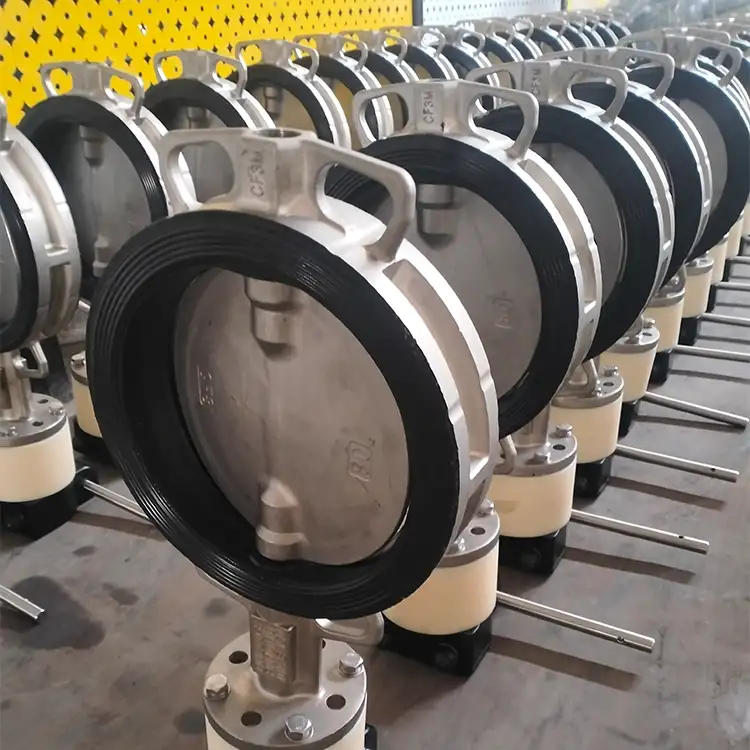
Liangfa’s Stainless Steel Anti-Condensation Butterfly Valve is designed for chilled-water and cooling-water systems where condensation can affect nearby equipment. Featuring an ADC12 aluminium-alloy body with a thermal-insulation structure and 304/316L stainless steel internal components, it helps reduce condensation on the valve body while providing reliable flow control.
Stainless Steel Worm Gear Grooved Butterfly Valve
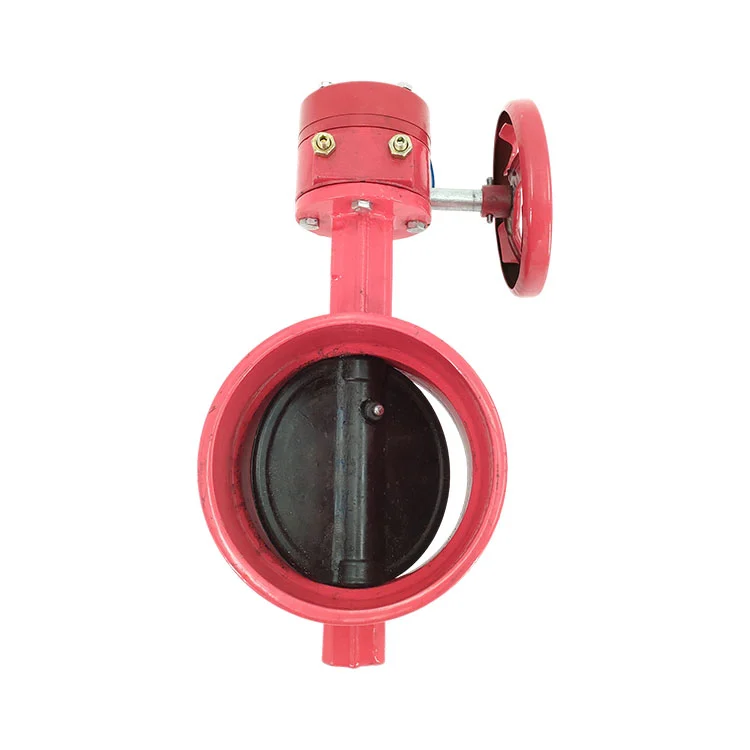
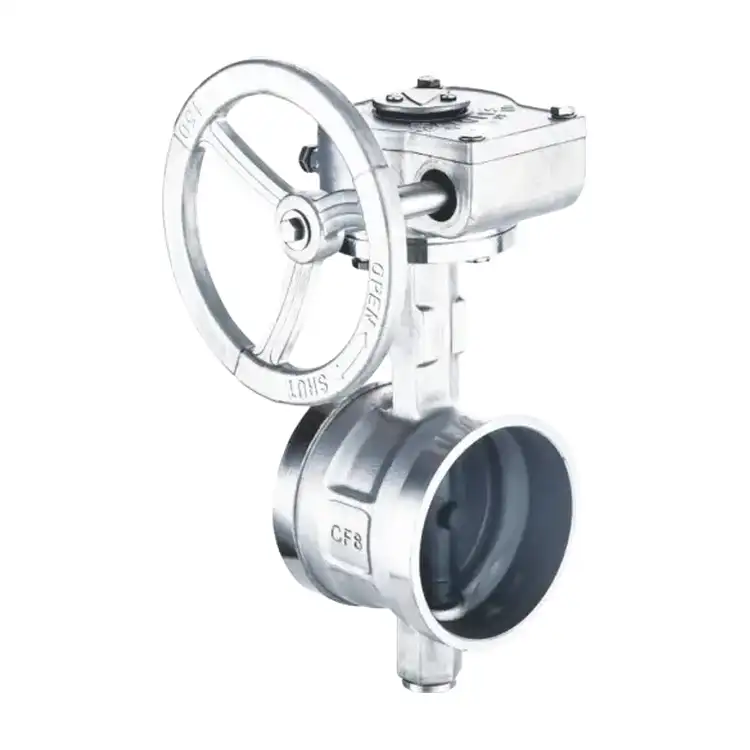
Liangfa’s Stainless Steel Worm Gear Grooved Butterfly Valve is designed for reliable shut-off control in water supply, HVAC, wastewater treatment, and selected industrial piping systems. Featuring a manual worm gear operator and a quick-install grooved connection, it helps simplify pipeline assembly, operation, and maintenance. We offer multiple body, disc, stem, and seat material options, including SS304, SS316, EPDM, NBR, PTFE, and FKM, to suit different media and operating conditions.
Stainless Steel Manual Grooved Butterfly Valve
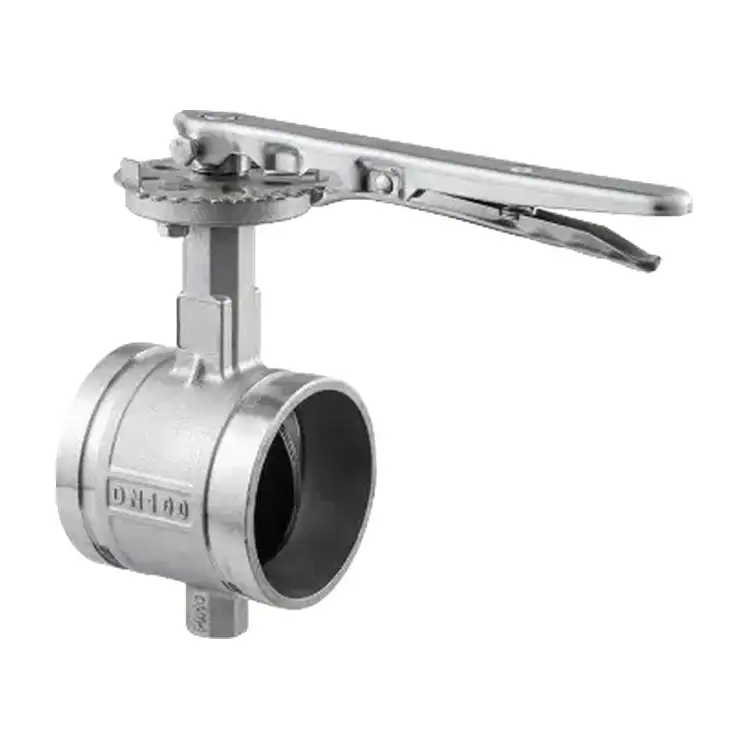
Liangfa’s Stainless Steel Manual Grooved Butterfly Valve is designed for reliable shut-off control in water supply, fire-protection systems, HVAC, wastewater treatment, and selected industrial pipelines. Featuring a manual lever handle, a soft-seated sealing structure, and a quick-install grooved connection, it offers convenient operation and simplified maintenance.
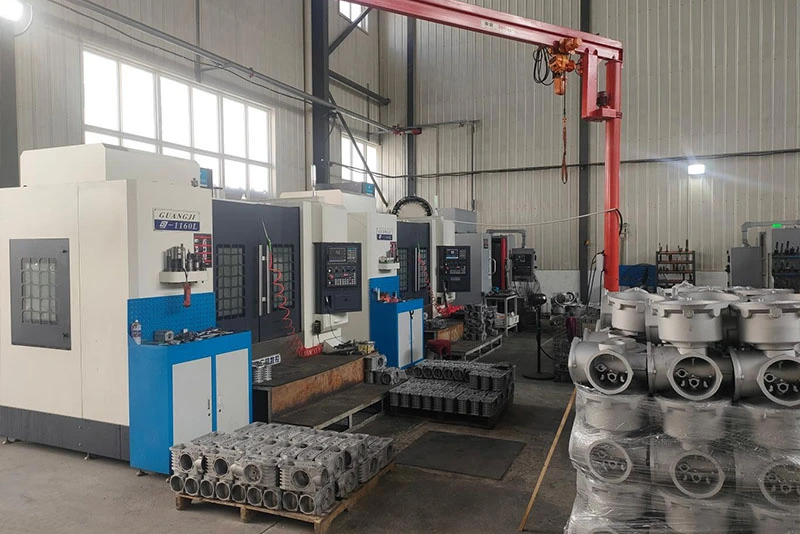
Liangfa is a professional Butterfly Valve manufacturer and supplier in China. We have an experienced sales team, professional technicians, and an after-sales service team.
News Recommendations