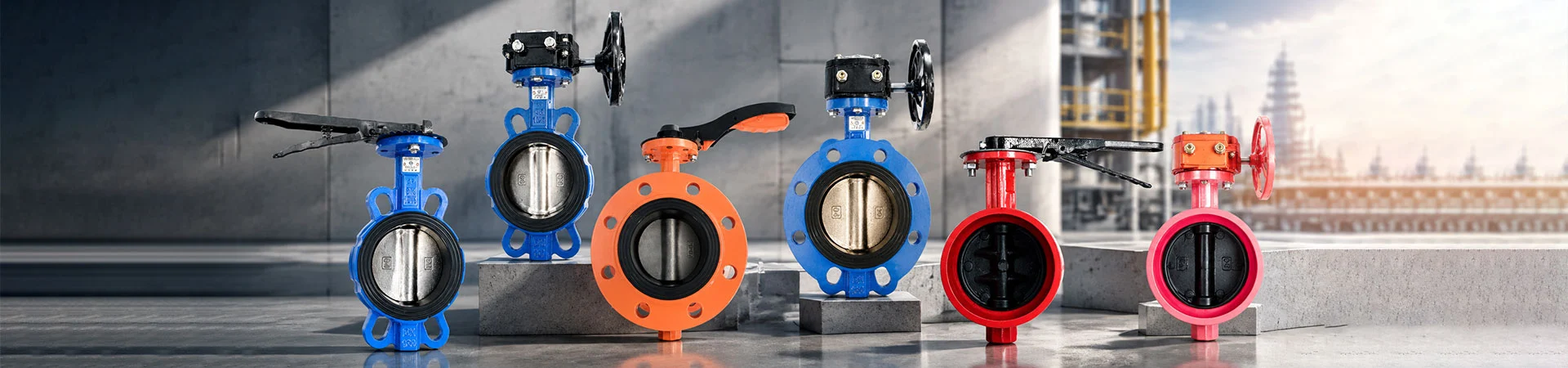
Manufacturer of Manual Flanged Butterfly Valves for Industrial Pipeline Systems
At Liangfa, we supply manual flanged butterfly valves for pipeline systems that require dependable shut-off, straightforward operation, and convenient maintenance. The flanged connection provides a bolted interface with the pipeline, making this valve suitable for industrial water supply, wastewater treatment, HVAC, and general process applications.
How the Flanged Connection Works
A flanged butterfly valve connects to the pipeline through matching flanges and bolts. Compared with wafer-style designs, the flanged body has its own flange ends, which can simplify installation and removal in compatible pipeline arrangements. Before ordering, we recommend checking the flange standard, pressure rating, face-to-face dimensions, and available installation space to ensure the valve matches the existing piping system.
Check These Connection Details
- Flange standard: Confirm the applicable standard and dimensions required by the project.
- Pressure rating: Match the valve rating to the pipeline design conditions.
- Pipe size: Verify the nominal diameter and connection dimensions.
- Installation clearance: Allow sufficient room for the handle or gearbox to operate.
Choose the Right Manual Drive
The operating mechanism affects the force required to open or close the valve. We help customers select a suitable manual configuration based on valve diameter, operating frequency, and available space.
| Operating Method | Typical Considerations |
|---|---|
| Lever handle | Suitable for many smaller valves and applications requiring quick quarter-turn operation. |
| Worm gear operator | Useful when larger valve sizes or higher operating torque make direct handle operation less practical. |
Actual operating effort depends on differential pressure, seat material, valve size, and service conditions. We recommend confirming the operating mechanism with our team rather than selecting it by diameter alone.
Match Materials to the Pipeline Medium
Material selection influences corrosion resistance, sealing performance, service life, and maintenance requirements. When supplying a manual flanged butterfly valve, we consider the fluid composition, temperature, pressure, and any suspended solids before recommending a configuration.
| Component | Selection Considerations |
|---|---|
| Valve body | Cast iron or ductile iron may suit many general water applications; stainless steel or other suitable materials may be needed for more demanding media. |
| Disc | Select a material compatible with the fluid and required corrosion resistance. |
| Stem | Consider strength, corrosion resistance, and compatibility with the operating environment. |
| Seat | EPDM, NBR, PTFE, or other available options should be selected according to media compatibility and temperature requirements. |
Material availability and operating limits vary by model. We advise buyers to provide the medium, temperature range, working pressure, and any relevant chemical compatibility requirements before finalizing the specification.
Where This Valve Is Commonly Used
Manual flanged butterfly valves are used where operators need local control without a pneumatic or electric actuator. Common applications include:
- Water supply and distribution pipelines
- Wastewater treatment and drainage systems
- Heating, ventilation, and air-conditioning systems
- Industrial circulation and cooling-water lines
- General process pipelines carrying compatible liquids or gases
For abrasive, highly corrosive, high-temperature, or other demanding services, we recommend a technical review to confirm that the valve construction and sealing materials are suitable for the application.
Plan for Installation and Maintenance
Correct installation helps reduce leakage risk and unnecessary wear. Before fitting the valve, inspect the mating flanges, confirm alignment, and make sure the disc can move freely without contacting the pipe interior. Tighten bolts evenly according to the applicable installation procedure, and follow the manufacturer's instructions for the selected model.
During routine maintenance, operators should check for external leakage, corrosion, loose fasteners, abnormal operating resistance, and seat deterioration. If the valve becomes difficult to operate or no longer seals properly, inspect the operating mechanism and internal components before returning it to service.
Information We Need for Quotation
To help us recommend a suitable manual flanged butterfly valve, please provide the following information:
- Nominal pipe diameter and required quantity
- Flange standard and pressure rating
- Fluid or gas being handled
- Normal and maximum operating temperatures
- Required body, disc, stem, and seat materials
- Preferred operating method and installation conditions
At Liangfa, we use these details to check configuration suitability and reduce the risk of selecting a valve that does not match the pipeline. As a high-tech enterprise, we provide product information and technical support to help customers evaluate valve options for their projects.
Frequently Asked Questions
Can this valve be installed between existing pipeline flanges?
Yes, provided the valve's flange dimensions, pressure rating, and face-to-face dimensions match the pipeline arrangement. We recommend checking the drawings and applicable flange standard before ordering.
How do I know whether a lever or worm gear is more suitable?
Consider the valve size, operating torque, frequency of use, and available space. A lever may be practical for smaller valves, while a worm gear can make operation easier on configurations requiring greater torque.
Is a manual valve suitable for frequent remote operation?
A manual valve requires an operator to open and close it locally. If the application requires remote control, automatic sequencing, or frequent operation without an operator present, an electric or pneumatic actuator may be more appropriate.
What information should I provide when replacing an existing valve?
Provide the existing valve's nominal diameter, flange standard, pressure rating, face-to-face dimensions, material details, and any available nameplate or drawing. These details help us check dimensional and service compatibility.
Can the same valve be used for different fluids?
Not always. Compatibility depends on the body, disc, stem, seat materials, fluid composition, temperature, and pressure. Share the operating conditions with us so we can help assess whether the selected configuration is suitable.
- View as
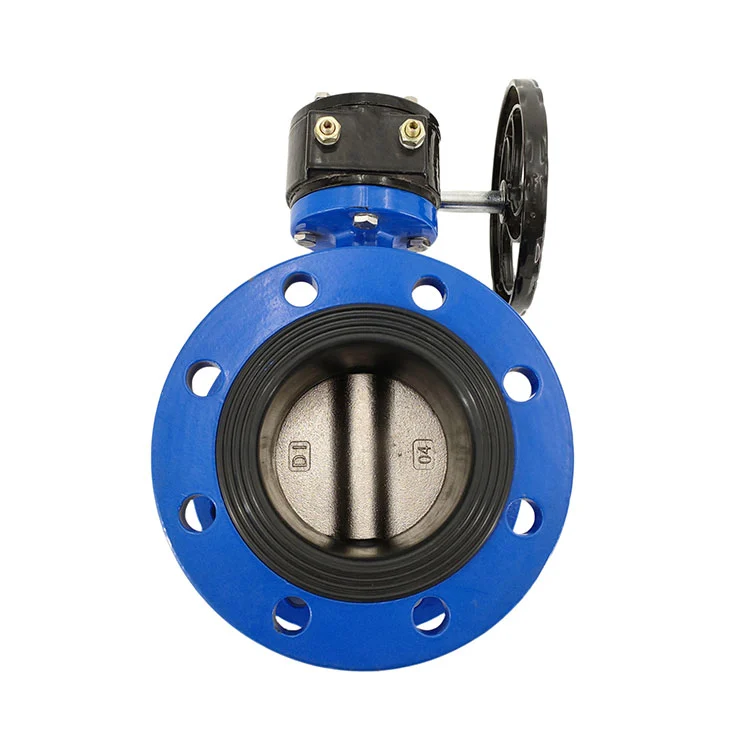
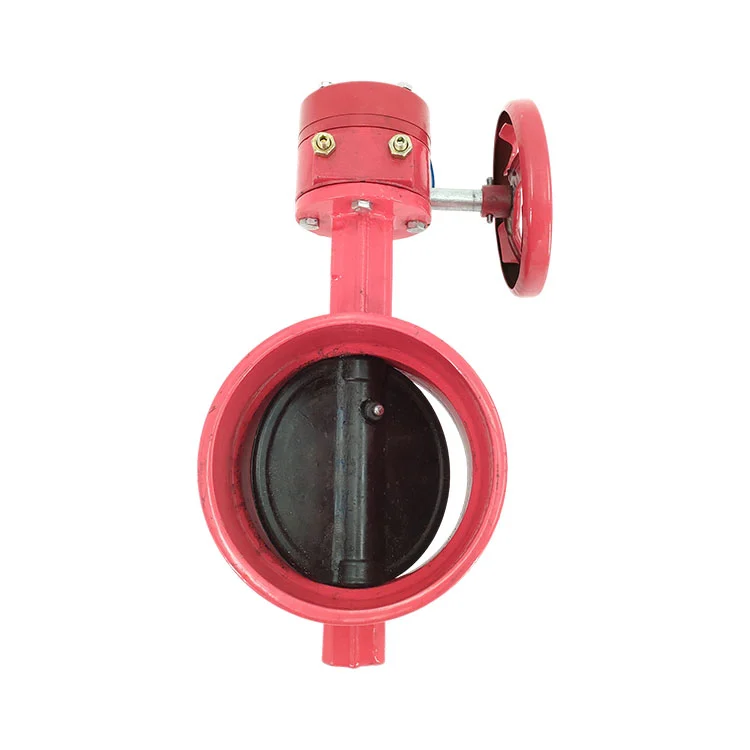
Worm Gear Flanged Butterfly Valve
LIANGFA Worm Gear Flanged Butterfly Valve is engineered for medium and large pipeline systems requiring strong connection stability, precise flow control, and reliable long-term operation. Featuring a durable flanged structure and worm gear transmission, it provides higher torque output, smooth valve positioning, and dependable shut-off performance for water treatment, industrial, energy, and infrastructure projects.
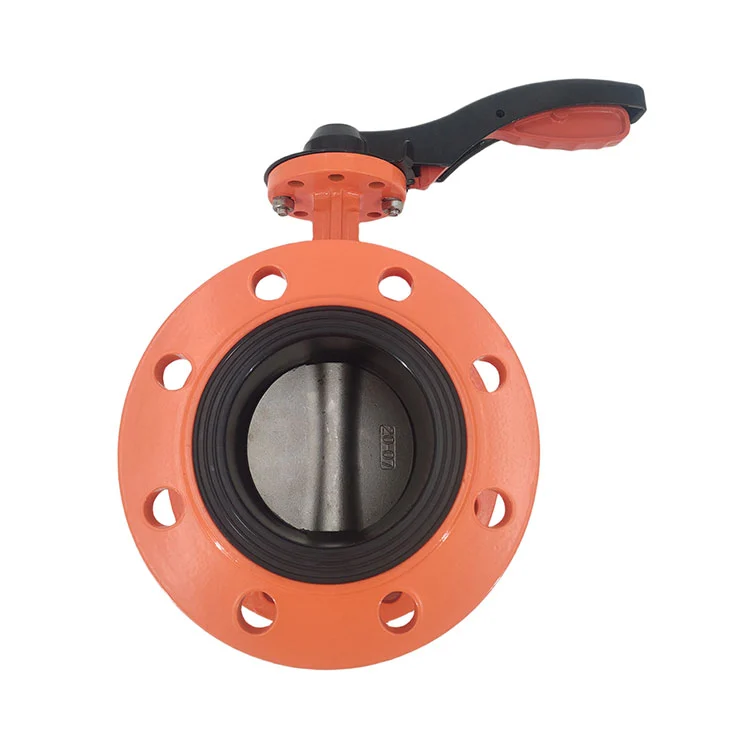
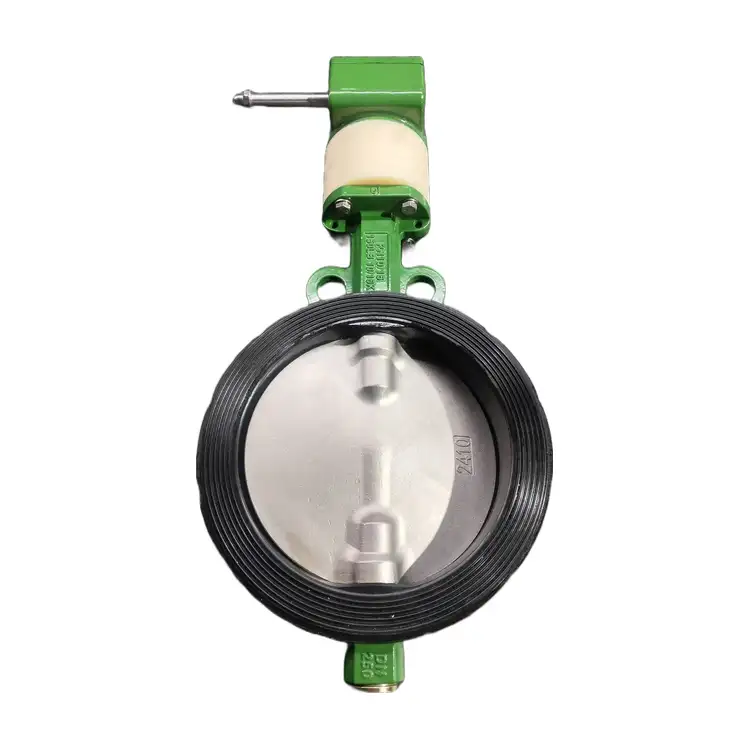
Lever Flanged Butterfly Valve
LIANGFA Lever Flanged Butterfly Valve is developed for pipeline systems where connection reliability, quick manual control, and easy maintenance are essential. Featuring a durable flanged structure and direct lever operation, it provides stable shut-off performance for water supply, HVAC, wastewater treatment, and industrial applications.
Liangfa is a professional Manual Flanged Butterfly Valve manufacturer and supplier in China. We have an experienced sales team, professional technicians, and an after-sales service team.
News Recommendations