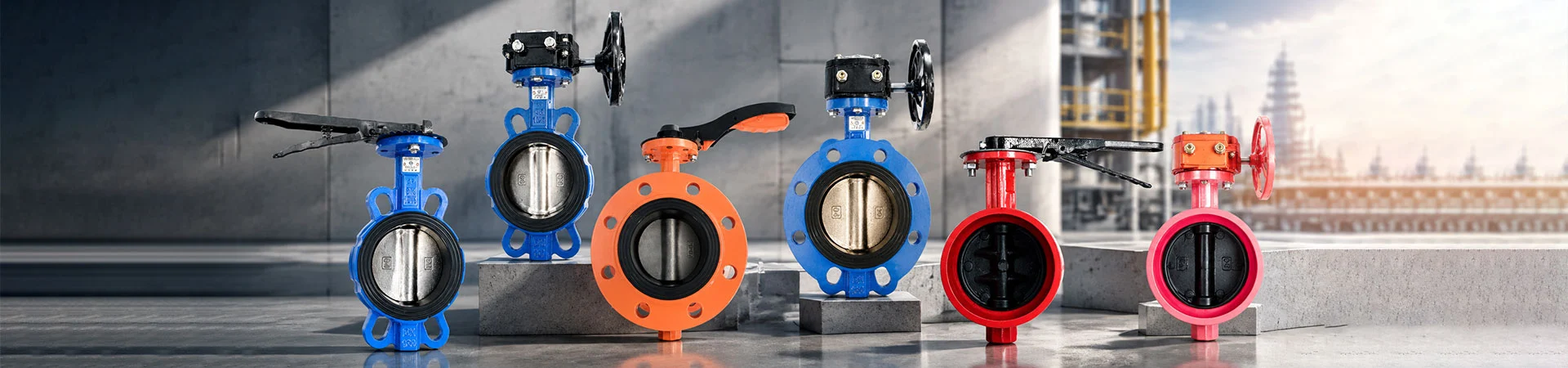
Reliable Manufacturer of Anti-Condensation Butterfly Valves for Consistent Condensation Control in Industrial Systems
At Liangfa, we help customers select butterfly valves for pipeline systems where condensation can affect equipment, insulation, and surrounding structures. When warm, humid air contacts a surface below its dew point, moisture can form on the surface and may contribute to corrosion, insulation damage, or maintenance problems.
An anti-condensation butterfly valve is considered for applications where valve design, installation, and thermal management need to be coordinated to reduce these risks. As a high-tech enterprise, we provide product information and technical support to help customers evaluate valve configuration and operating conditions.
Understand Why Condensation Forms
Condensation occurs when the surface temperature falls below the dew point of the surrounding air. This can happen on chilled-water pipelines, cooling systems, low-temperature process lines, and other installations exposed to humid air. Valve bodies, stems, pipe connections, and areas around insulation joints may become potential locations for moisture accumulation.
When selecting an anti-condensation butterfly valve, we recommend evaluating the temperature difference between the medium and the surrounding environment, local humidity, insulation design, and the risk of moisture collecting around the valve. The valve alone cannot eliminate condensation if the surrounding thermal and humidity conditions remain unchanged.
Review the Thermal Conditions
Before choosing a valve, buyers should identify the conditions that cause moisture to form. This helps determine whether the project needs a particular valve construction, improved insulation, a vapor barrier, or a combination of measures.
| Operating Condition | Potential Concern | What to Review |
|---|---|---|
| Chilled-water pipelines | Moisture on cold valve surfaces | Medium temperature, ambient humidity, and insulation continuity |
| High-humidity rooms | Frequent surface condensation | Dew point, ventilation, and surrounding environmental conditions |
| Outdoor installations | Temperature changes and weather exposure | External protection, insulation details, and drainage |
| Cold process systems | Moisture around valve connections and fittings | Operating temperature, sealing requirements, and insulation coverage |
We recommend providing both the normal operating temperature and the lowest expected surface temperature, where available. These details help establish whether condensation control should focus on insulation, material selection, installation design, or other environmental measures.
Protect Insulation Around the Valve
Valves can be more difficult to insulate than straight pipe sections because the body shape, stem, operating mechanism, and connection points create irregular surfaces. Gaps in the insulation or vapor barrier may allow humid air to reach cold surfaces.
For systems that require insulation, buyers should consider access for operation and maintenance, the space around the actuator or handle, and the method used to seal insulation joints. The insulation arrangement should not obstruct valve movement, cover required identification, or prevent inspection of critical components.
- Check whether the valve body and adjacent pipeline require continuous insulation.
- Pay attention to gaps around the stem, flange, and other connection areas.
- Ensure the insulation and vapor barrier are suitable for the operating temperature and environment.
- Keep operating components accessible according to the installation and maintenance requirements.
Our recommendation is to coordinate valve selection with the pipeline insulation plan before installation, rather than adding insulation after the valve has been commissioned.
Choose Materials for the Service
Condensation can create persistent moisture around the valve, particularly in humid or poorly ventilated environments. The material selection should therefore consider not only the fluid inside the pipeline but also the external environment and any cleaning chemicals used nearby.
| Component | Selection Consideration |
|---|---|
| Valve body | Consider internal media compatibility, external moisture exposure, and corrosion protection. |
| Disc and stem | Review fluid compatibility, mechanical requirements, and the surrounding environment. |
| Seat | Check compatibility with the medium, operating temperature, and required shut-off performance. |
| External components | Consider protection against humidity, corrosion, and site-specific environmental exposure. |
Material suitability depends on the actual model and operating conditions. We help buyers review the fluid, temperature range, pressure, and installation environment before confirming the valve specification.
Plan for Drainage and Inspection
Where condensation cannot be completely avoided, the installation should prevent moisture from accumulating in places where it can damage nearby equipment or building materials. Drainage, ventilation, insulation integrity, and access for inspection all contribute to long-term maintenance planning.
During routine checks, look for wet insulation, damaged vapor barriers, visible corrosion, water collecting around connections, and changes in operating resistance. If moisture repeatedly appears, investigate the surface temperature and surrounding humidity rather than treating the visible water as an isolated valve problem.
For an anti-condensation butterfly valve used in a chilled-water or low-temperature system, we recommend reviewing the complete pipeline arrangement, including nearby fittings and insulation joints. Addressing the cause of condensation can help reduce recurring maintenance work.
Confirm the Valve Configuration
Condensation control does not replace the normal requirements for selecting a butterfly valve. The valve must still match the pipeline size, pressure rating, medium, connection type, and operating method. Depending on the application, buyers may need a manual, pneumatic, or electric configuration.
To help us evaluate your requirements, please provide Liangfa with the following information:
- Pipe diameter and connection type
- Medium and operating pressure
- Normal and minimum operating temperatures
- Ambient temperature and humidity, if known
- Insulation requirements and available installation space
- Required body, disc, stem, and seat materials
- Manual or actuated operation requirements
- Any relevant environmental or project standards
As a high-tech enterprise, Liangfa provides product information and technical support to help customers assess valve options for their projects. With accurate operating data, we can help review the required configuration and identify installation factors that may affect condensation management.
Frequently Asked Questions
Does this valve completely prevent condensation?
Not necessarily. Condensation depends on surface temperature, dew point, humidity, and insulation conditions. A suitable valve configuration may form part of a condensation-control strategy, but insulation, vapor barriers, and environmental management may also be required.
How can I tell whether condensation is caused by poor insulation?
Wet or damaged insulation, gaps around the valve body, and moisture near insulation joints may indicate a problem. However, the cause should be assessed alongside surface temperature and ambient humidity. A qualified site assessment can help determine whether insulation repairs or other measures are needed.
Can I insulate the entire valve body?
That depends on the valve design and operating requirements. Insulation should not prevent the handle or actuator from moving, obstruct necessary inspection, or interfere with maintenance. Confirm the installation arrangement and insulation method before covering the valve.
What information helps determine the risk of condensation?
The most useful information includes medium temperature, ambient temperature, relative humidity, insulation details, and the lowest expected surface temperature. These conditions help establish whether the surface may fall below the surrounding air's dew point.
Can the valve be used in a chilled-water system?
Potentially, provided the valve materials, pressure and temperature ratings, sealing components, and connection type meet the system requirements. The insulation and vapor-barrier design should also account for the valve body and adjacent connections.
- View as
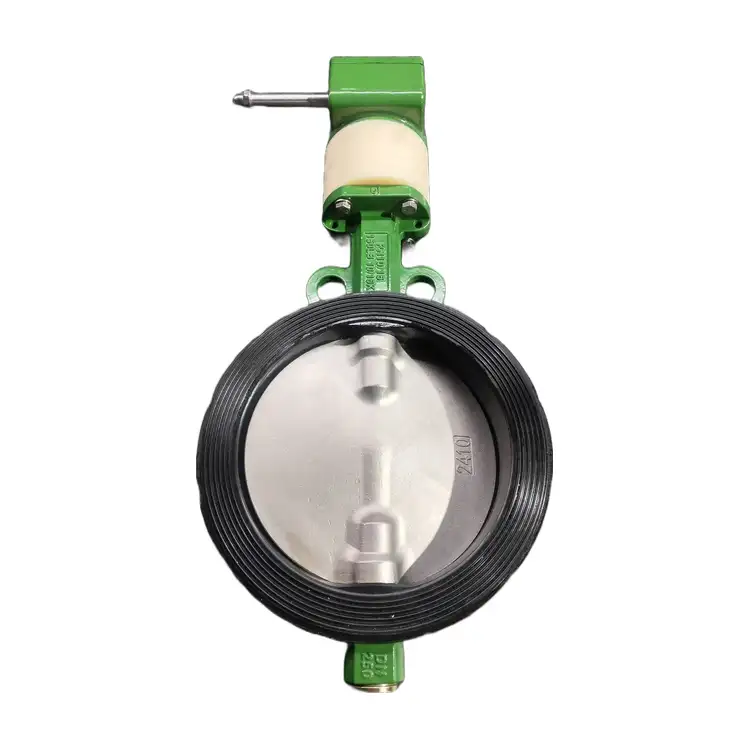
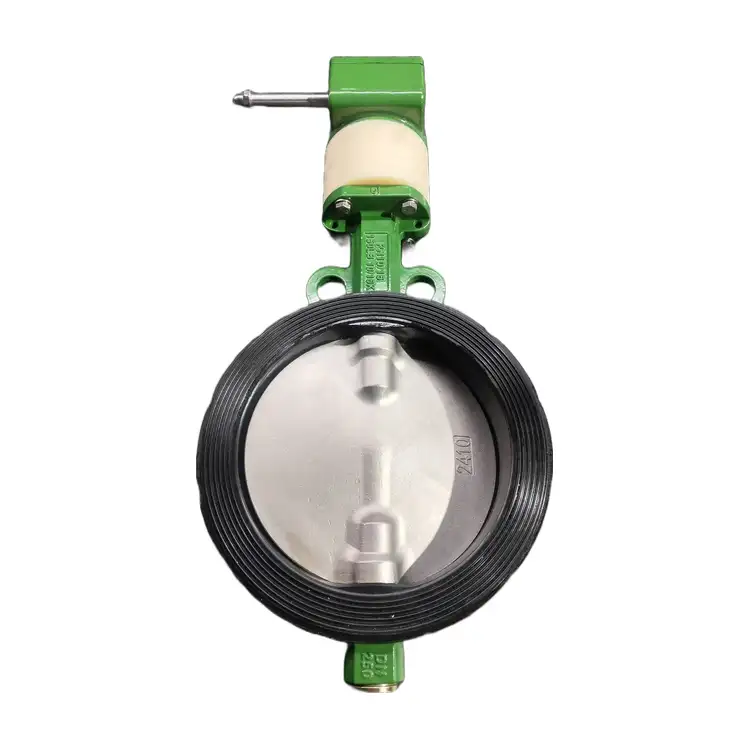
Ductile Iron Anti-Condensation Butterfly Valve
Liangfa’s Ductile Iron Anti-Condensation Butterfly Valve is designed for chilled-water and cooling-water systems in high-humidity environments. Its QT450-10 ductile iron body provides strength and resistance to water hammer, while the dedicated cold-insulation structure helps reduce condensation and dripping on valve surfaces.
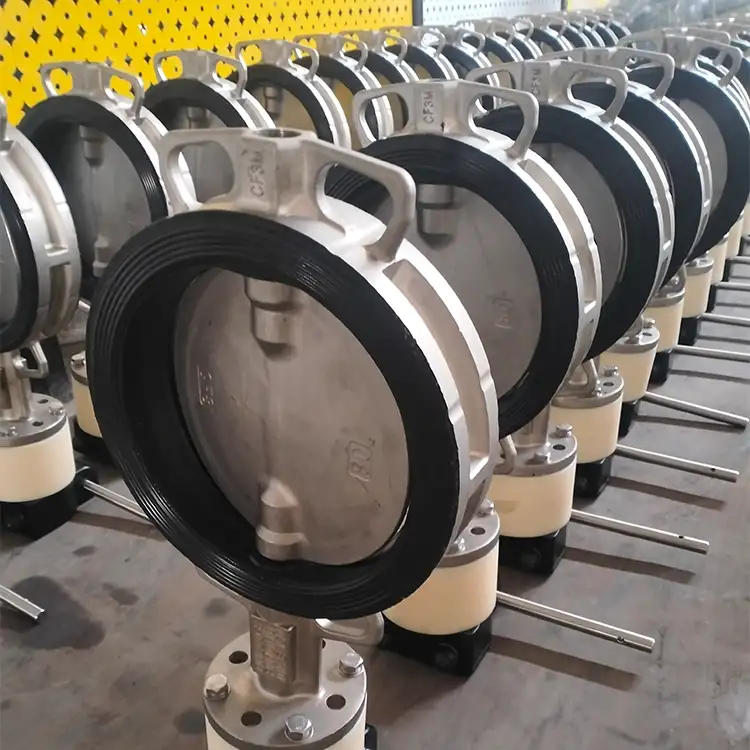
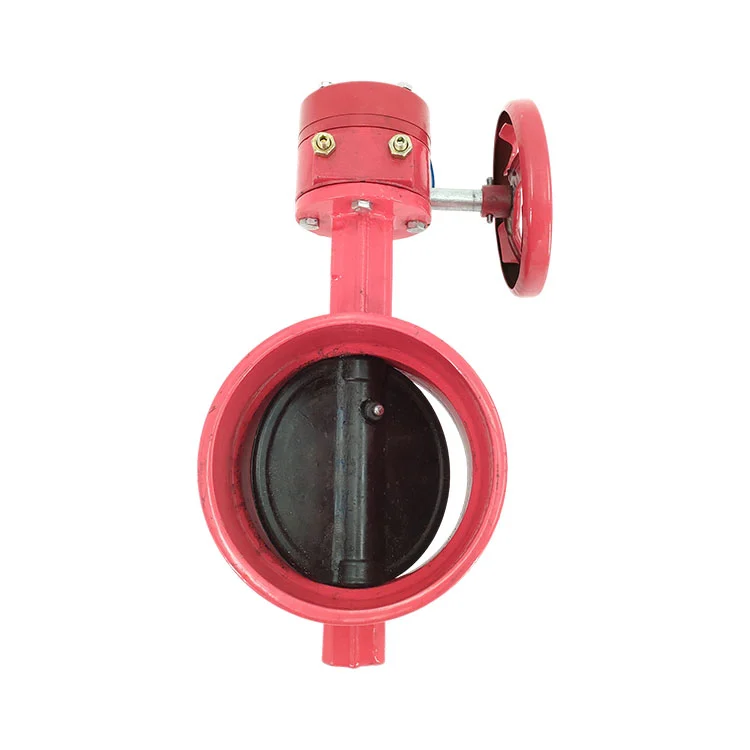
Stainless Steel Anti-Condensation Butterfly Valve
Liangfa’s Stainless Steel Anti-Condensation Butterfly Valve is designed for chilled-water and cooling-water systems where condensation can affect nearby equipment. Featuring an ADC12 aluminium-alloy body with a thermal-insulation structure and 304/316L stainless steel internal components, it helps reduce condensation on the valve body while providing reliable flow control.
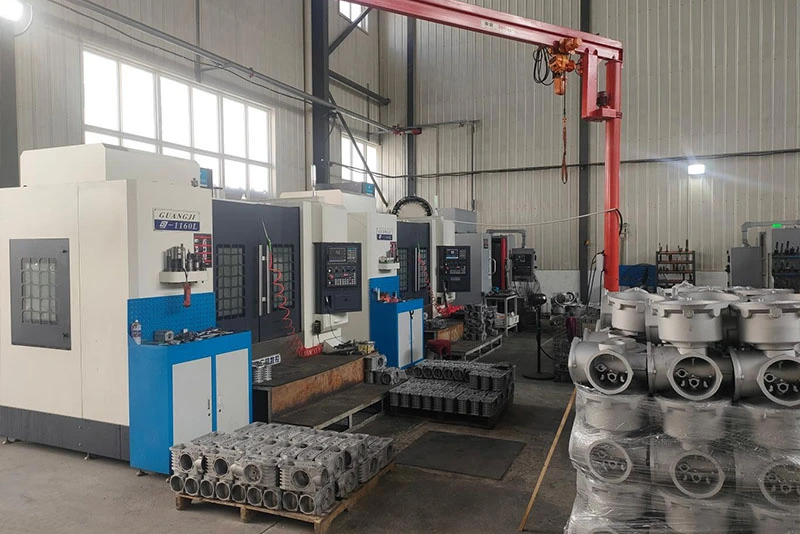
Liangfa is a professional Anti-Condensation Butterfly Valve manufacturer and supplier in China. We have an experienced sales team, professional technicians, and an after-sales service team.
News Recommendations