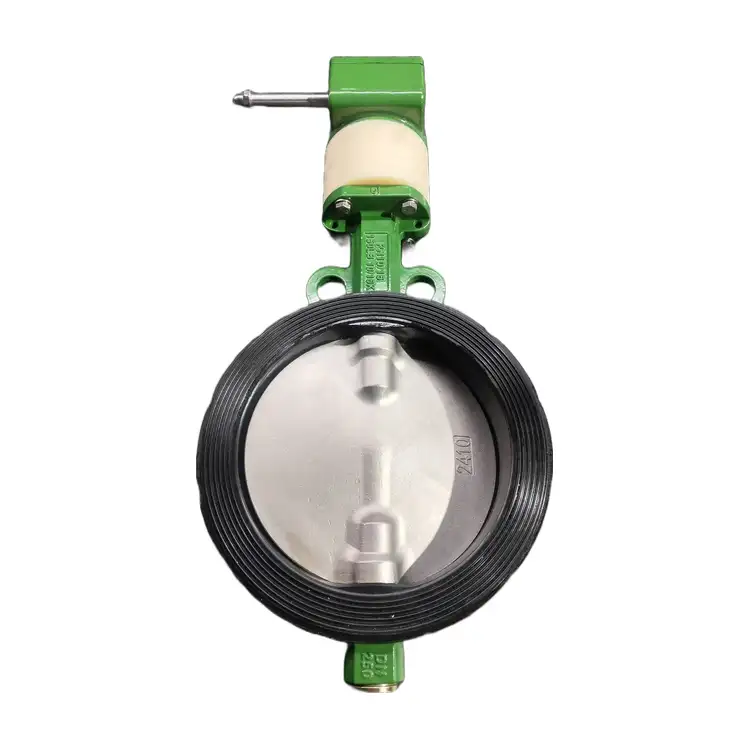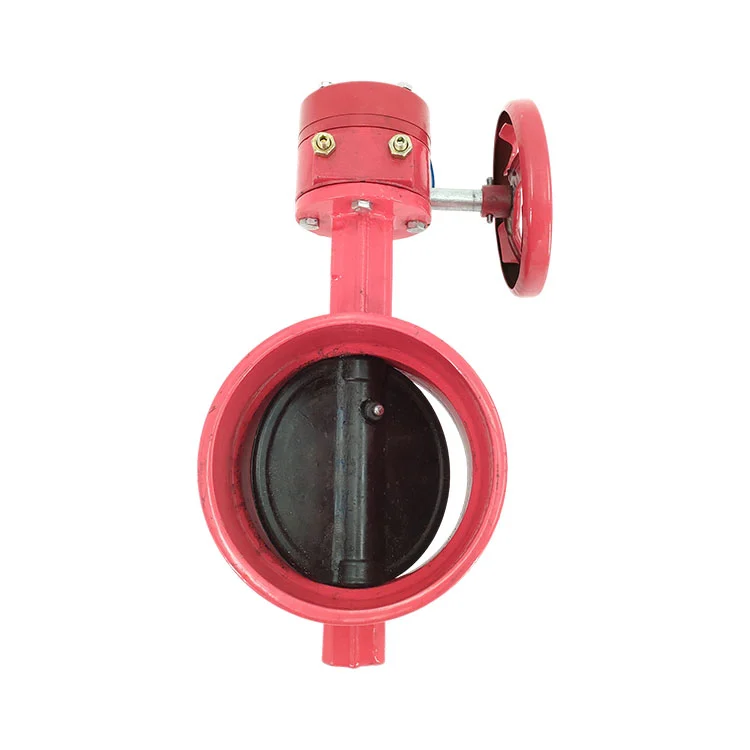
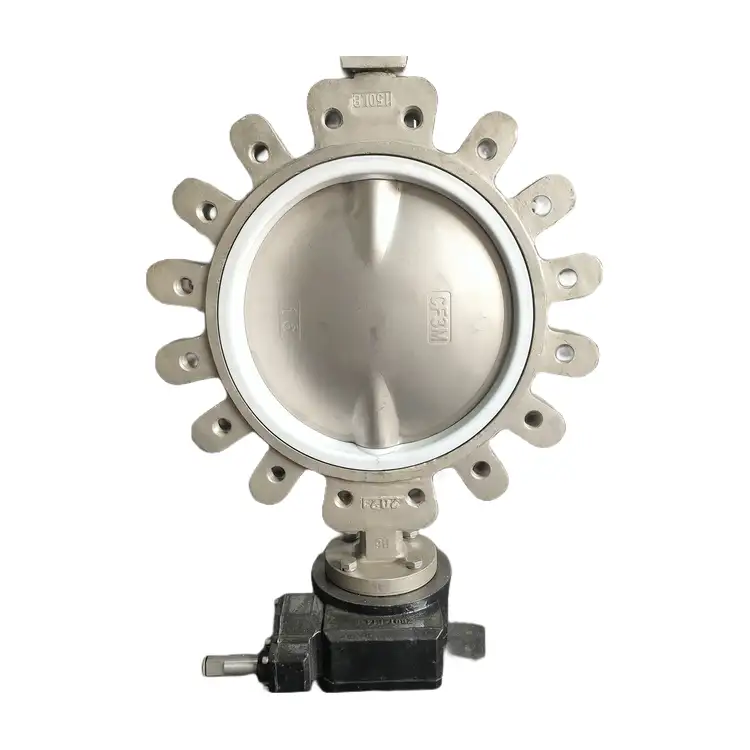
Stainless Steel Worm Gear Lug Butterfly Valve
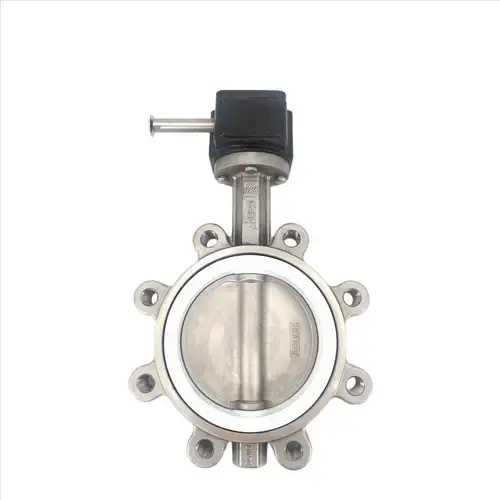
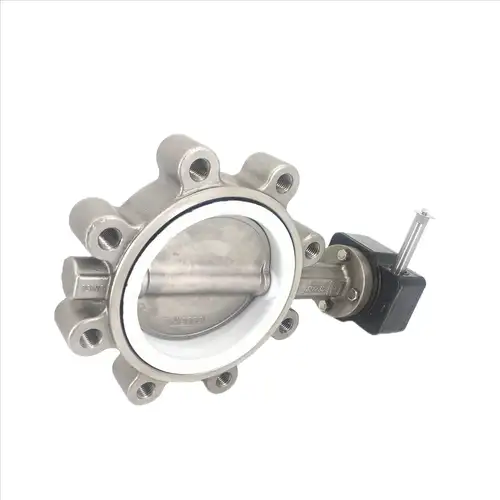
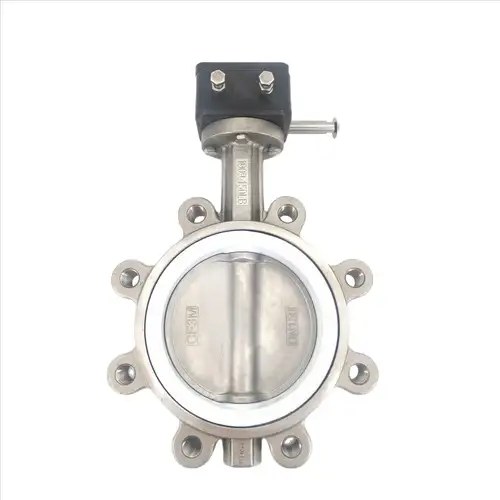
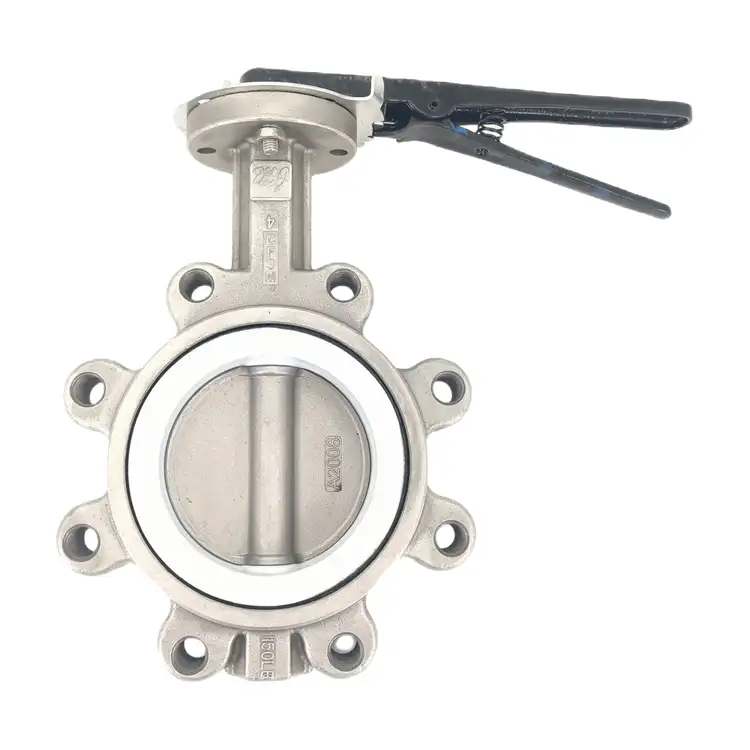
Liangfa’s Stainless Steel Worm Gear Lug Butterfly Valve is designed for reliable pipeline shut-off and flow control in water treatment, HVAC, wastewater management, chemical processing, and other industrial applications. Its worm-gear drive reduces manual operating effort and supports stable valve positioning, while the lug-type connection facilitates installation and maintenance in suitable pipeline layouts.
At Liangfa, we supply stainless steel butterfly valves for industrial and municipal pipeline projects where operating control, corrosion resistance, and convenient maintenance are important. Our Stainless Steel Worm Gear Lug Butterfly Valve uses a worm-gear transmission mechanism to reduce manual operating effort and help maintain the selected valve position.
Its threaded lug structure allows the valve to be secured between pipeline flanges, making it suitable for terminal connections and systems where future valve removal needs to be considered. With multiple body, disc, stem, and seat materials available, we help customers select a configuration according to the actual medium, pressure, temperature, and installation requirements.
Product Specifications
| Product Name | Stainless Steel Worm Gear Lug Butterfly Valve |
| Model | LTD371X-10/16P |
| Nominal Diameter | DN40–DN1200 |
| Connection Method | Lug-type flange connection; confirm the exact connection configuration before ordering |
| Working Pressure | PN10, PN16, 150LB, 5K, 10K, 16K, subject to the selected model and applicable standard |
| Temperature Range | -10°C to 100°C as listed in the product specification; confirm the complete valve rating for the selected seat material and operating conditions |
| Drive Type | Manual worm-gear operation |
| Actuator Mounting | ISO 5211 mounting base, subject to model confirmation |
| Coating | Fusion-bonded epoxy coating in accordance with ANSI/AWWA C550 where applicable to the selected valve configuration |
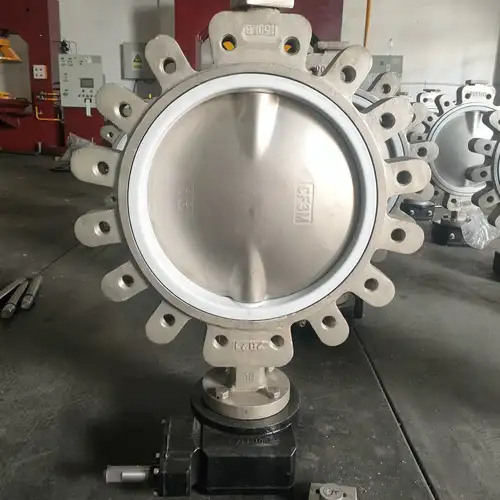
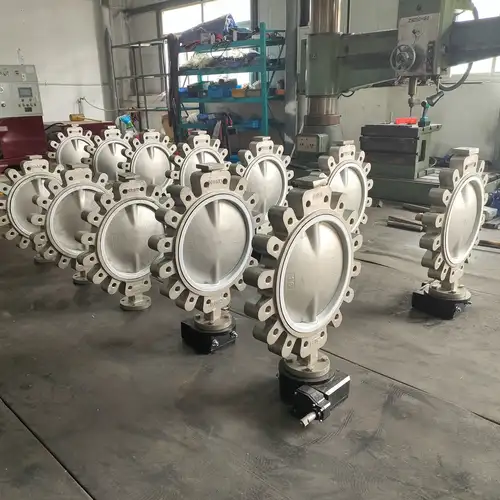
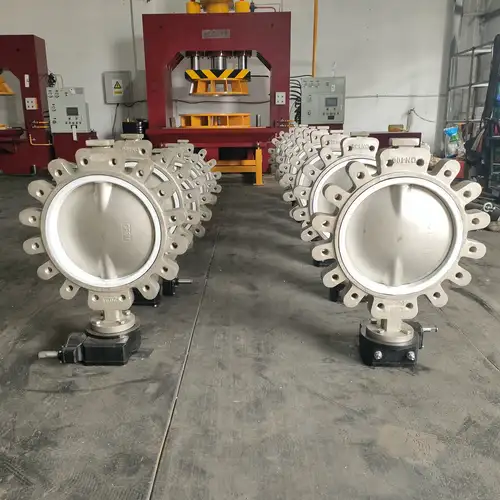
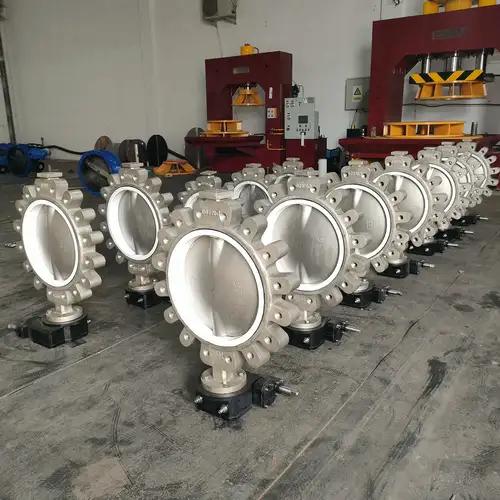
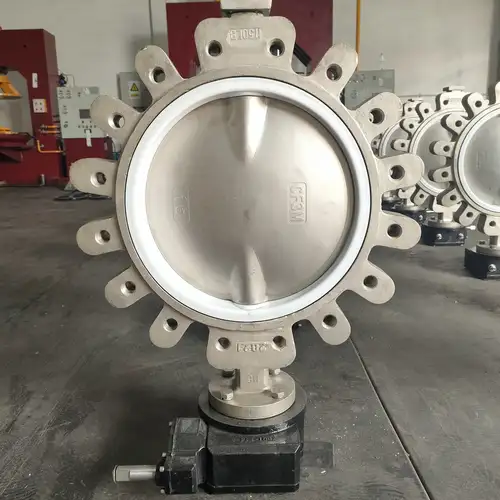
Control for Larger Pipelines
For larger valve sizes, direct manual operation can require considerable effort. The worm-gear reducer increases mechanical advantage, allowing the operator to open or close the valve with a handwheel rather than applying force directly to the stem. Its reduction mechanism also supports gradual positioning during adjustment and helps prevent unintended movement when the valve is correctly installed and maintained.
The Stainless Steel Worm Gear Lug Butterfly Valve uses a 90-degree rotary movement for opening and closing. It can support flow adjustment where the application permits throttling, but prolonged partial opening in abrasive or particle-laden media may accelerate seat wear. For demanding service, we recommend reviewing the flow conditions and operating frequency before confirming the valve configuration.
Plan Maintenance Around the Pipeline
The lug-style body has threaded mounting points around the valve perimeter. When the pipe flanges and fastening arrangement are designed for this configuration, the valve can be secured independently to each flange. This can simplify removal in selected end-of-line or branch-pipeline installations compared with a conventional wafer valve clamped by long through-bolts.
Before ordering, customers should confirm the flange drilling, lug-thread details, face-to-face dimensions, pressure class, and intended isolation procedure. A lug connection does not by itself guarantee that one side of a pipeline can be safely opened under pressure. The system must be isolated, depressurized, and made safe in accordance with the site's maintenance procedures before the valve is removed.
Choose Materials for the Medium
Material selection affects corrosion resistance, sealing reliability, service life, and maintenance frequency. We offer multiple component options so customers can match the valve to the fluid rather than relying on the product name alone.
| Component | Available Materials | Selection Considerations |
| Body | Cast iron, ductile iron, WCB, SS304, SS316 | Consider pressure, corrosion exposure, and the overall system requirements. |
| Disc | Ductile iron, SS304, SS316, SS2507, SS1.4529 | Choose according to fluid chemistry, erosion exposure, and compatibility with the body and seat. |
| Stem | 410SS, SS304, SS316, SS2507, SS1.4529 | Consider corrosion resistance and mechanical loading. |
| Seat Liner | EPDM, NBR, PTFE, FKM (Viton) | Confirm compatibility with the medium, temperature, and operating conditions. |
| Handwheel / Lever Components | Ductile iron, SS304 | Confirm the supplied operating arrangement for the selected model. |
| Fasteners | Galvanized carbon steel, SS304, SS316 | Match the fastener material to the environment and flange requirements. |
Body and Disc Materials
SS304 can be considered for many fresh-water, building-service, and mildly corrosive applications. SS316 offers improved resistance to many chloride-containing environments, but it is not suitable for every seawater or concentrated-brine condition. For high-chloride service, duplex stainless steel or other specialist alloys may need to be evaluated according to chloride concentration, temperature, flow conditions, and the risk of crevice or pitting corrosion.
For food, beverage, or pharmaceutical applications, the wetted materials, surface finish, cleaning procedure, and applicable hygiene requirements should be confirmed as a complete system. Stainless steel alone does not establish that a valve is certified for sanitary service.
Seat Materials
EPDM: Often used for compatible water-based service, including many fresh-water and HVAC systems. It is generally unsuitable for mineral oils and many hydrocarbon-based fluids.
NBR: Commonly considered for compatible oil-bearing water and selected petroleum-based media. Verify the specific fluid composition and temperature before selection.
FKM: May be suitable for many oils and selected chemicals at elevated temperatures. Compatibility depends on the specific chemical, concentration, and operating conditions.
PTFE: Offers broad chemical resistance and can be considered for many corrosive media. Confirm the pressure-temperature limits, sealing design, and operating torque for the selected valve.
The temperature range stated for the complete valve takes precedence over a seat material's general temperature capability. We recommend confirming the approved operating envelope for the assembled valve before placing an order.
Where This Valve Fits
Municipal Water and Building Services
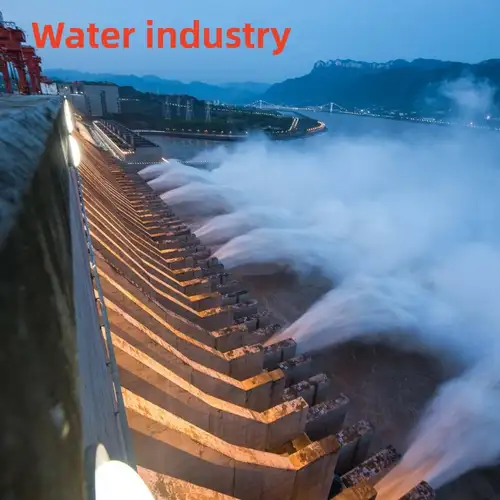
In water distribution, pump outlets, and HVAC circulation systems, the worm-gear drive can make operation easier on larger pipelines. Body and seat materials should be selected for the water chemistry, operating temperature, and required pressure rating.
Wastewater and Environmental Systems
For wastewater and environmental equipment, the main selection factors include suspended solids, chemical content, cleaning requirements, and the risk of seat abrasion. A suitable seat and corrosion-resistant wetted components can help reduce premature wear, but hard particles may still damage soft sealing surfaces.
Seawater and Aquaculture
Seawater circulation and aquaculture systems require careful material review because chloride exposure can cause localized corrosion. SS316 may be appropriate in some conditions, while more severe environments may require duplex stainless steel or other alloys. We recommend confirming the water chemistry and expected service life before choosing the final materials.
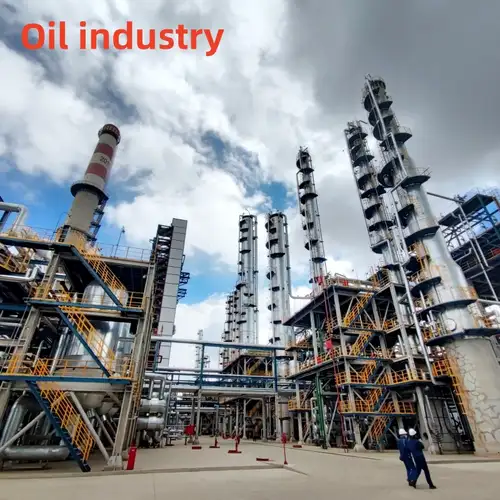
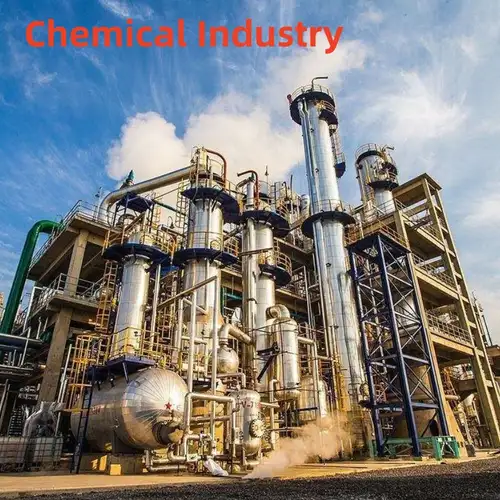
Chemical and Process Pipelines
For chemical service, the valve body, disc, stem, seat, and fasteners must all be compatible with the process fluid. We can review the medium, concentration, temperature, pressure, and operating cycle to help identify a suitable configuration. Compatibility should be verified against reliable material data for the actual chemical.
Installation Checks Before Start-up
Correct installation helps protect the soft seat and prevents unnecessary stress on the valve body. Before fitting the valve, check the flange dimensions and alignment, remove welding slag and debris from the pipe, and verify that the valve's pressure and temperature ratings meet the system requirements.
- Confirm the valve size, pressure class, flange drilling, and lug-thread arrangement.
- Inspect the disc, stem, seat, and worm-gear unit for visible damage or obstruction.
- Align the valve with the pipeline flanges and tighten fasteners evenly in a diagonal sequence.
- Use the correct fastener length and engagement for the lug design; do not assume long through-bolts are suitable.
- Provide adequate space for handwheel operation, inspection, and future maintenance.
- Support the pipeline independently so its weight does not load the valve body or stem.
- Complete pressure and sealing tests in accordance with the applicable project specification and safety procedures.
Before commissioning, cycle the valve through its travel and check for smooth movement, correct open/closed indication, and external leakage. If an electric or pneumatic actuator is to be installed later, confirm the mounting interface and torque requirements for the exact valve model before selecting the actuator.
Maintenance and Troubleshooting
Routine inspection should cover external leakage, operating resistance, fastener condition, seat wear, and the condition of the worm-gear reducer. Maintenance intervals depend on operating frequency, fluid properties, temperature, and the environment; follow the manufacturer's instructions for the specific assembly.
| Observed Issue | Possible Cause | Recommended Check |
| Internal leakage | Worn or scratched seat, debris on the sealing surface, or incomplete closure | Isolate the system safely, inspect the seat and disc, and verify the closing travel. |
| Handwheel is difficult to turn | Debris, misalignment, corrosion, or a problem with the reducer | Check for obstruction and installation stress; inspect and service the drive unit as specified. |
| Leakage around the stem | Worn or damaged stem sealing components | Inspect the stem seals and replace damaged parts with compatible spares. |
| Visible corrosion | Material mismatch, aggressive fluid chemistry, or unsuitable fasteners | Review the process conditions and confirm material compatibility before returning the valve to service. |
Soft seats are wear components and may need replacement when damaged. For media containing grit, scale, or other hard particles, consider upstream filtration where appropriate and avoid prolonged throttling if the service can abrade the seat. Always depressurize and isolate the pipeline before inspection, disassembly, or replacement work.
Manufacturing and Quality Support
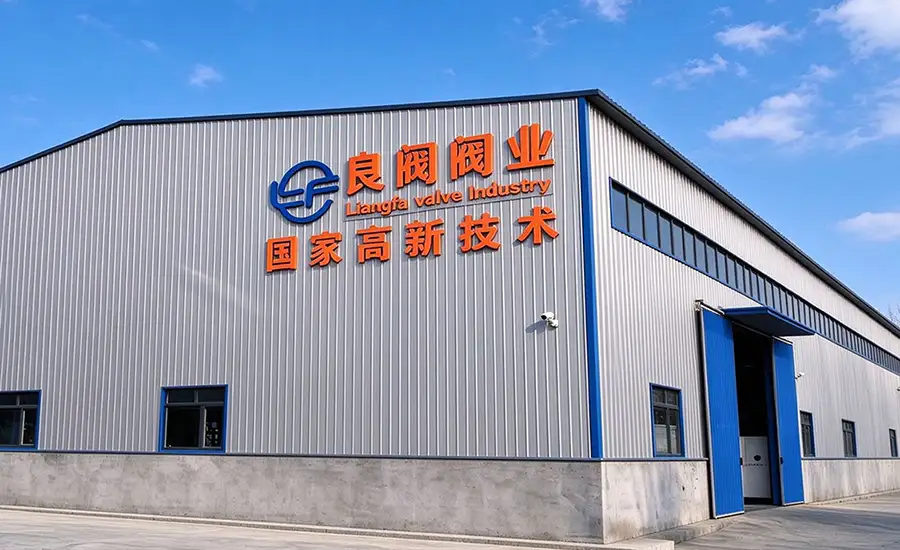
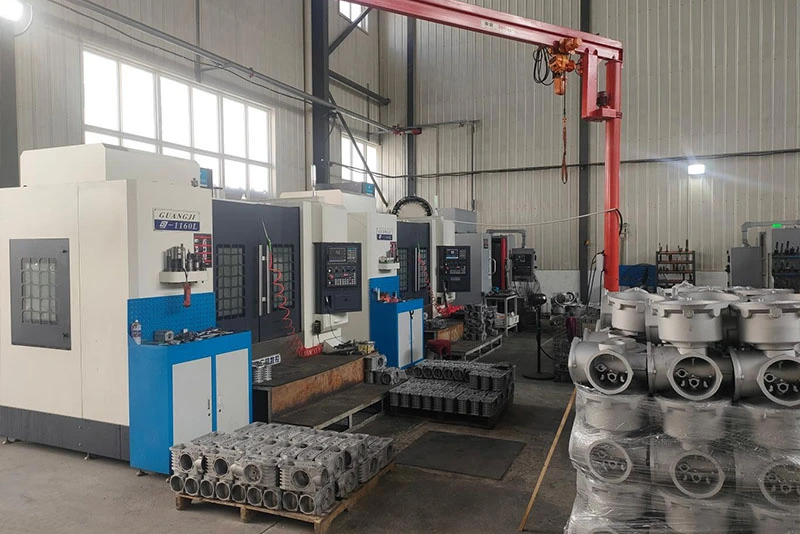
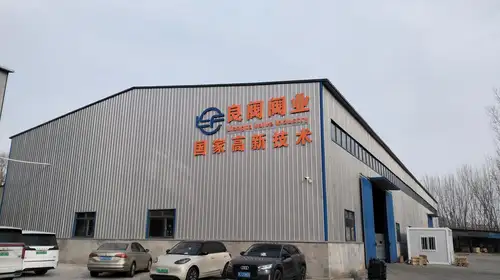
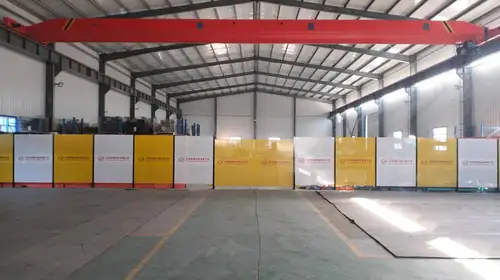
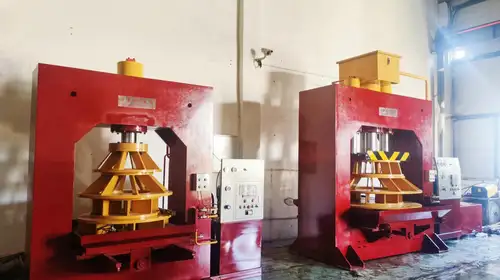
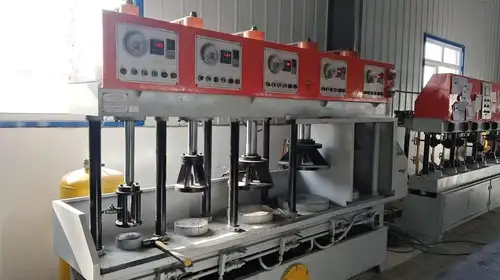
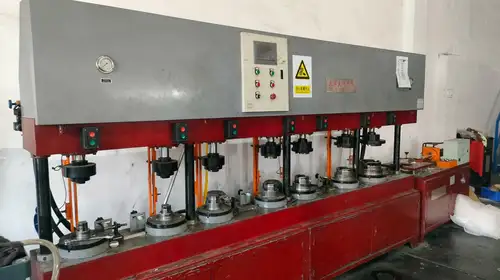
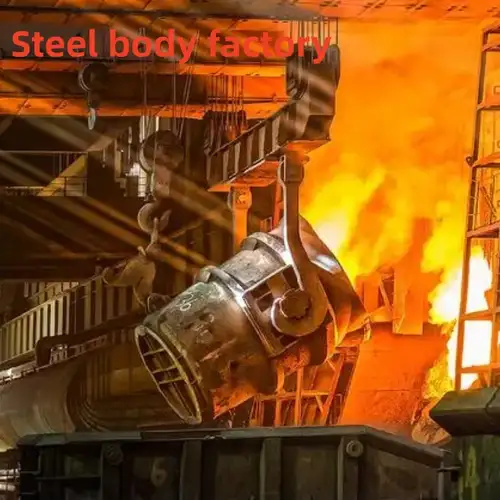
As a high-tech enterprise, Liangfa provides product selection support and manufacturing coordination for valve projects. We can discuss the required dimensions, pressure class, body and trim materials, seat type, and operating conditions before confirming the order. Inspection documents and material records can be discussed according to the agreed product specification and purchase requirements.
For project procurement, we recommend confirming the approved drawing, model designation, connection details, material list, pressure-temperature limits, and inspection requirements before production. This helps reduce specification mismatches and supports smoother installation at the customer's site.
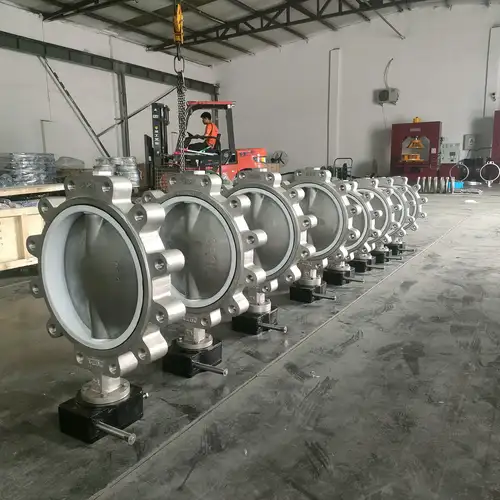
Factory Tour
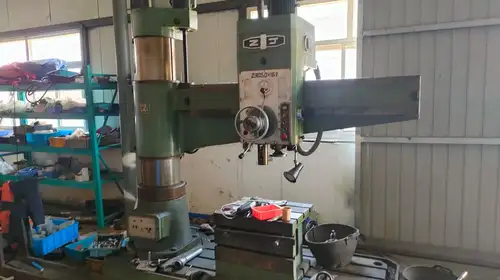
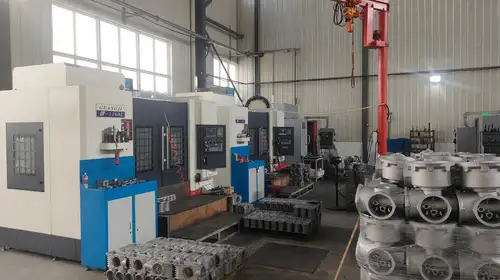
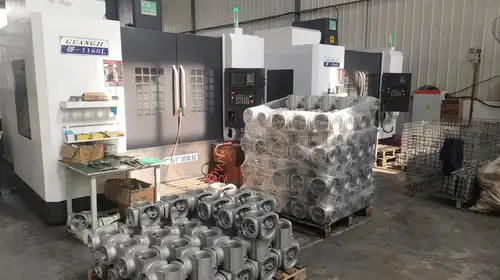
Packing and Shipping
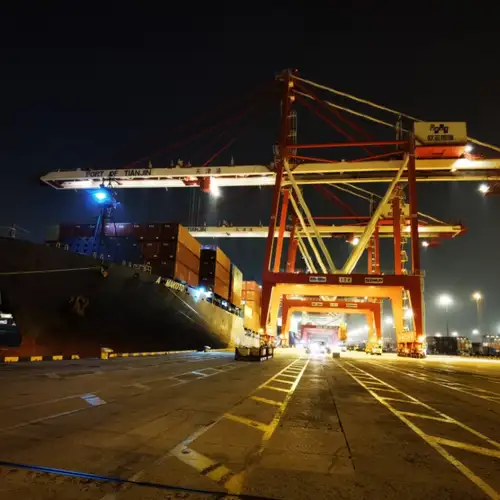
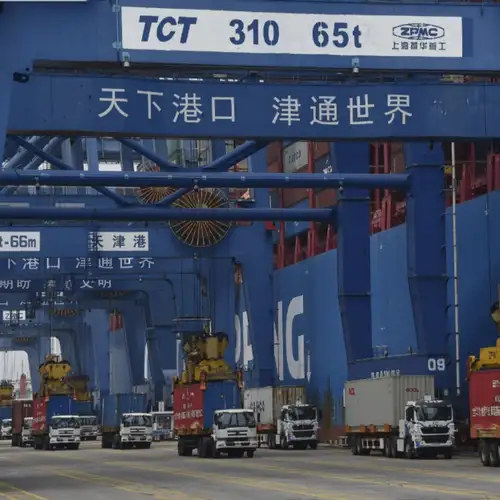
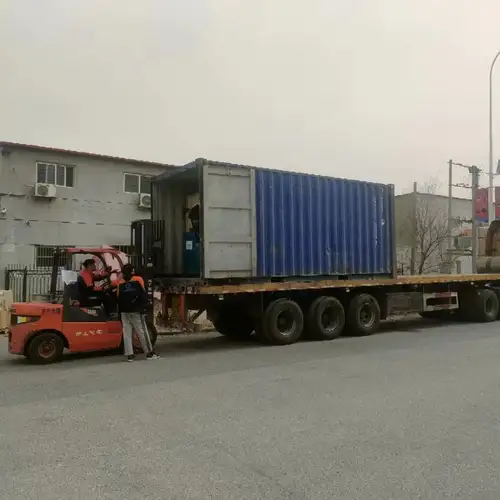
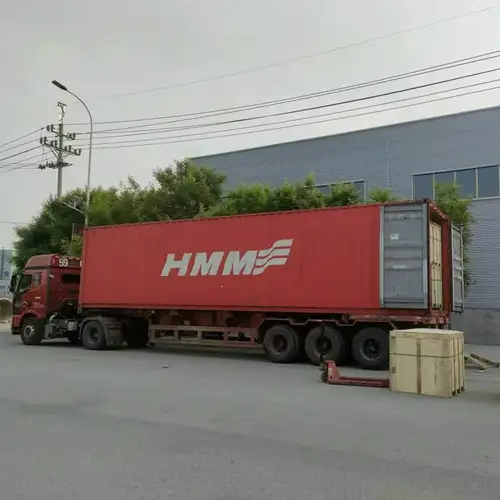
We coordinate export packing and shipment arrangements according to the order quantity, valve dimensions, destination, and customer requirements. Sea freight and land transport can be arranged for suitable destinations. Packing details, shipping documents, and delivery schedules are confirmed during order processing.
Application Examples
Water Distribution and Pump Stations
For pump outlets and branch lines, the lug connection may simplify planned valve removal when the pipeline layout and isolation arrangement are designed for it. Confirm pressure rating, flange compatibility, and seat material for the water service.
HVAC Circulation
In heating and cooling water systems, a suitable stainless-steel trim and compatible seat can support routine shut-off and flow adjustment. Temperature limits must be checked for the assembled valve.
Wastewater Treatment
Wastewater can contain solids, oils, and chemicals that affect seat life and corrosion resistance. Select the body and seat materials according to the actual wastewater composition, and consider filtration or other protective measures where necessary.
Seawater and Aquaculture Systems
For saltwater service, assess chloride concentration, temperature, and exposure conditions before selecting SS316, duplex stainless steel, or another suitable alloy. Material suitability should be confirmed for the complete valve assembly.
Food, Beverage, and Pharmaceutical Processes
Where cleanliness is important, review wetted-part materials, surface finish, cleaning method, and applicable industry requirements. Confirm any food-contact or sanitary compliance documentation needed for the project.
Chemical Processing
For acid, alkali, salt solution, or solvent service, provide the chemical name, concentration, temperature, and pressure during selection. We use these details to review body, disc, stem, and seat compatibility rather than relying on a general corrosion-resistance description.
Project and After-sales Support
Before Ordering
We provide technical consultation and selection assistance based on the medium, nominal diameter, pressure, temperature, connection standard, and operating conditions. Drawings, technical parameters, material options, and quotations can be discussed during the project review. Customized configurations and sample arrangements are subject to confirmation.
During Production and Delivery
Inspection requirements and documentation are agreed before production. Depending on the order specification, available documents may include inspection records, material documentation, and export paperwork. We coordinate packing and shipping information with customers as the order progresses.
After-sales Assistance
We can discuss spare parts such as seats and other replaceable components, as well as provide remote guidance for installation and routine maintenance. The response process, warranty terms, and spare-part availability are confirmed in the sales agreement. Our standard stated warranty is 12 months from shipment, subject to the agreed terms.
Frequently Asked Questions
What information should I provide for valve selection?
Please provide the medium and its concentration, operating and design pressure, temperature range, nominal diameter, flange standard, operating frequency, and any relevant corrosion or hygiene requirements. These details help us review the body, disc, stem, seat, and connection configuration.
Can the Stainless Steel Worm Gear Lug Butterfly Valve be upgraded to electric or pneumatic operation?
The listed design specifies an ISO 5211 actuator mounting base. Compatibility depends on the exact valve model, mounting dimensions, required torque, and actuator interface. Confirm these details before selecting an electric or pneumatic actuator.
Is SS316 suitable for every seawater application?
No. SS316 offers better resistance to many chloride-containing environments than SS304, but seawater concentration, temperature, flow, crevice conditions, and exposure duration all affect performance. Duplex stainless steel or other alloys may be needed for more severe service.
Can the valve stay partially open for flow control?
The 90-degree rotary design permits positioning, but suitability for continuous throttling depends on the flow conditions and medium. Abrasive particles can damage the soft seat, so prolonged partial-opening service should be assessed before selection.
What should be checked before removing a lug-type valve?
Confirm the system's isolation and depressurization procedure, the flange and lug arrangement, and the required maintenance clearance. Although a lug-style design can simplify removal in suitable piping layouts, it does not make it safe to loosen a flange or remove the valve while the system remains pressurized.
Can Liangfa supply replacement seats and other parts?
We can discuss the availability of replacement seats and other service parts for the confirmed model. Please provide the valve model, size, material configuration, and order details so that the correct replacement components can be identified.
What are your payment terms?
Our stated standard terms are a 30% deposit after order confirmation, with the balance paid before shipment. Final payment arrangements are subject to the sales contract.
Send Inquiry
Contact Info
-
Address
No. 2 Taikang Road, Xiditou Town, Beichen District, Tianjin City, China
-
Tel
-
Email
If you have any inquiry about a quotation or cooperation, please feel free to email or use the following inquiry form. Our sales representative will contact you within 24 hours.
Related Products
News Recommendations