
A reliable pipeline system depends on effective flow control, secure connections, and convenient maintenance. A Manual Grooved Butterfly Valve is a practical solution for many water supply, fire protection, HVAC, and industrial piping applications. Featuring a compact structure, quarter-turn operation, and grooved end connections, this valve helps simplify pipeline installation while providing dependable flow isolation.
This guide explores how manual grooved butterfly valves work, their main components, material considerations, installation procedures, application scenarios, and maintenance requirements. It also explains the key factors buyers should evaluate when selecting a valve for a specific project.
1. What Is a Manual Grooved Butterfly Valve?
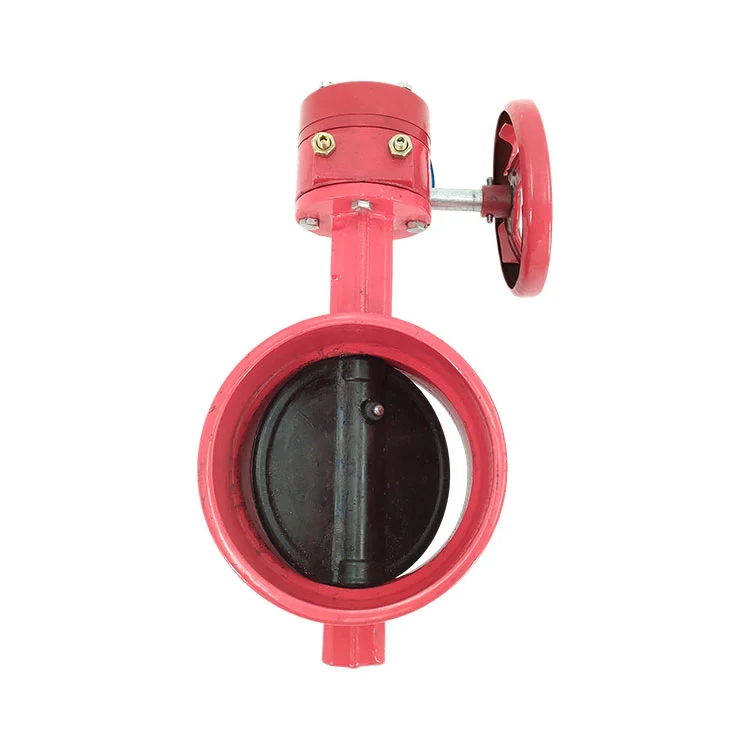
A Manual Grooved Butterfly Valve is a quarter-turn valve designed to control or shut off fluid flow in pipeline systems. It combines a butterfly valve's rotating disc mechanism with grooved end connections, allowing it to be connected to compatible grooved piping systems using mechanical couplings.
Unlike conventional flanged valves, grooved butterfly valves do not generally require the same flange alignment and bolting procedures. Their connection design can simplify installation, particularly in projects involving extensive piping networks, limited working space, or frequent system modifications.
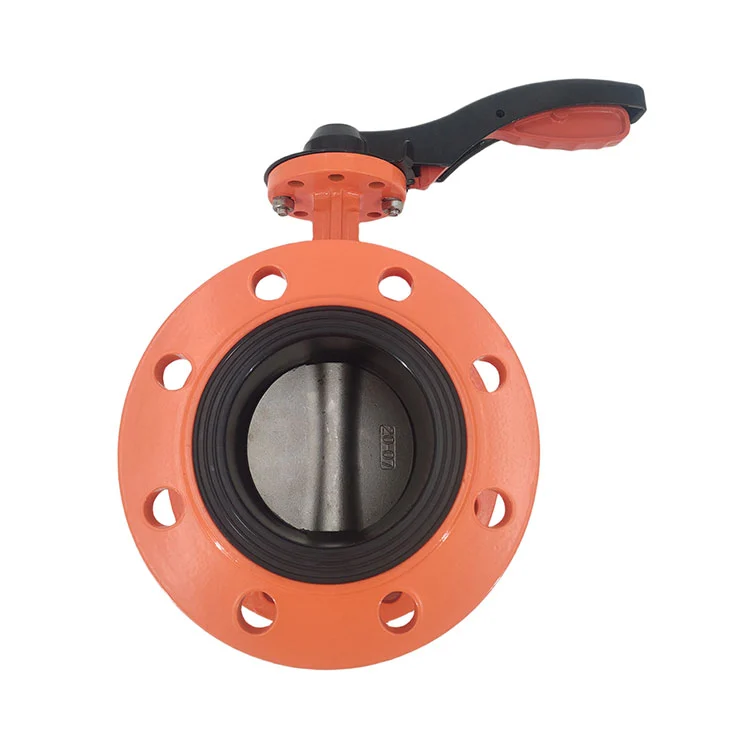
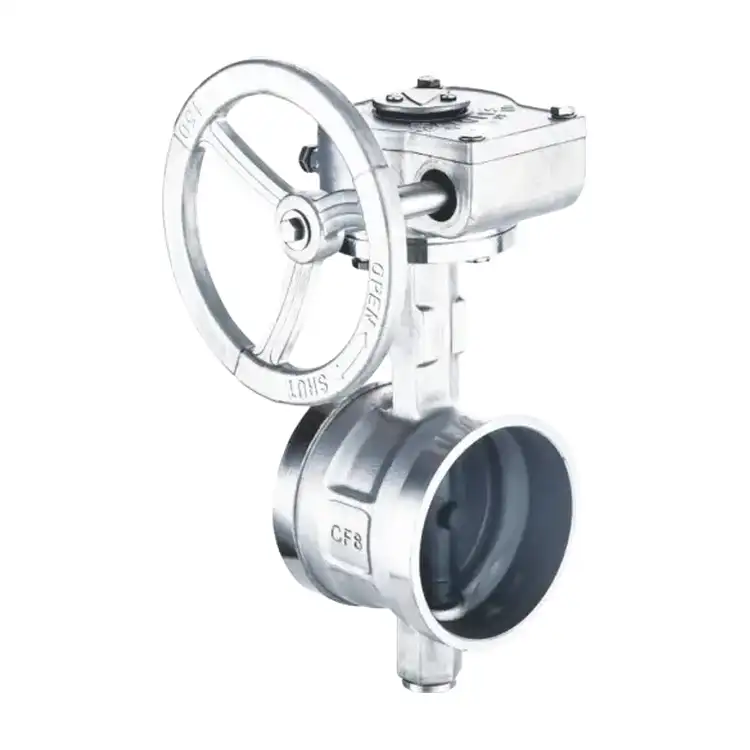
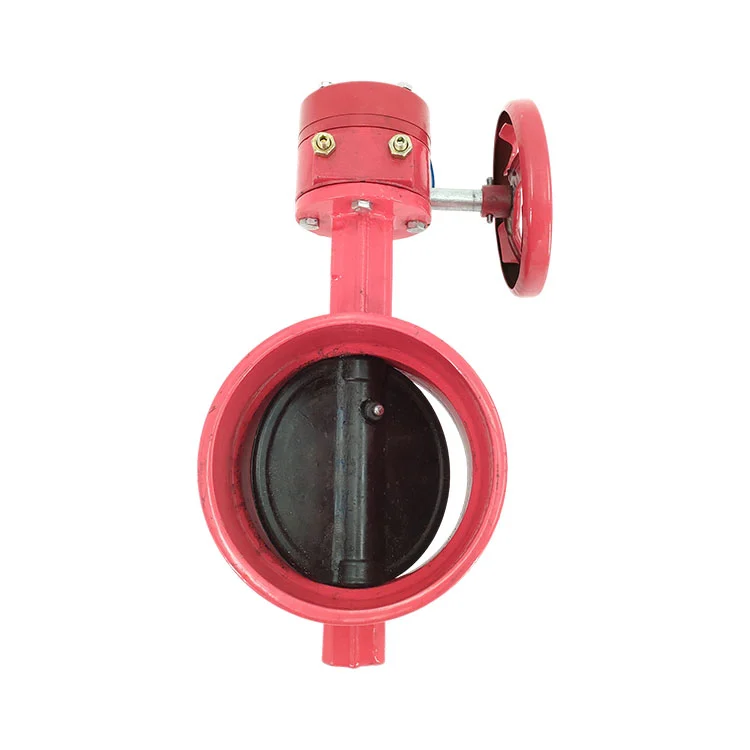
The word "manual" refers to the operating method. Depending on the valve design and nominal size, the operator may use a hand lever or a gear-operated handwheel. Both allow personnel to control the valve without an external electrical or pneumatic power source.
Typical Product Characteristics
- Connection: Grooved ends compatible with specified mechanical couplings.
- Operation: Manual quarter-turn operation.
- Valve design: Rotating disc structure.
- Installation: Suitable for compatible horizontal and vertical pipelines.
- Applications: Water distribution, fire protection, HVAC, and industrial water systems.
- Construction: Available in different body, disc, stem, and seat materials.
For engineering buyers, the most important consideration is not simply whether a valve has grooved ends. Its pressure rating, groove dimensions, sealing materials, temperature limits, and applicable certifications must also match the actual pipeline requirements.
2. How Does a Manual Grooved Butterfly Valve Work?
The operating principle of a manual grooved butterfly valve is based on the rotation of a circular disc installed inside the valve body. When the operator turns the lever or handwheel, the operating mechanism transfers movement to the valve stem, which rotates the disc around its central axis.
A typical butterfly valve requires approximately 90 degrees of rotation to move between fully open and fully closed positions. This straightforward mechanism makes it convenient for applications requiring frequent flow isolation.
How the Valve Controls Fluid Flow
- Fully Open: The disc rotates approximately parallel to the direction of flow, allowing fluid to pass through the valve with relatively low resistance.
- Closing: The operator turns the handle or handwheel, rotating the disc across the flow passage.
- Fully Closed: The disc presses against the valve seat, creating a sealing interface that restricts fluid movement.
- Reopening: Reverse operation rotates the disc away from the closed position and restores the flow passage.
Manual butterfly valves are primarily used for on/off flow control. Although some designs can support throttling, prolonged operation at partially open positions should only be considered when permitted by the manufacturer's instructions and the system's hydraulic requirements.
For larger valve sizes or applications involving higher operating torque, a gear-operated handwheel can provide mechanical assistance. This makes operation easier and allows more controlled positioning compared with directly turning a large valve disc.
3. What Are the Main Components of a Manual Grooved Butterfly Valve?
Understanding the main valve components helps buyers evaluate product quality, identify potential maintenance requirements, and compare different manufacturers' specifications.
| Component | Main Function | Important Considerations |
|---|---|---|
| Valve Body | Provides the main structural housing and grooved connections. | Strength, corrosion resistance, and dimensional accuracy. |
| Disc | Rotates to regulate or stop fluid flow. | Mechanical strength, surface finish, and fluid compatibility. |
| Valve Stem | Transfers operating force to the disc. | Material strength, corrosion resistance, and alignment. |
| Valve Seat | Provides the sealing interface between the disc and body. | Elasticity, wear resistance, and temperature compatibility. |
| Operating Mechanism | Enables manual opening and closing. | Operating torque, locking mechanism, and ease of use. |
| Grooved Ends | Connect the valve to compatible grooved pipe couplings. | Groove profile, dimensions, and coupling compatibility. |
Why Component Quality Matters
Each component contributes to the overall performance of the valve. For example, a poorly finished disc may accelerate seat wear, while an unsuitable stem material may increase the risk of corrosion under demanding operating conditions.
Similarly, inaccurate groove dimensions can create installation difficulties or compromise the connection's sealing performance. Buyers should therefore evaluate the complete valve assembly rather than focusing exclusively on its external appearance or price.
4. What Are the Advantages of a Manual Grooved Butterfly Valve?
Manual grooved butterfly valves are widely considered for pipeline projects because they combine a relatively simple operating structure with convenient mechanical connections. Their practical advantages can help reduce installation complexity and support efficient system management.
4.1 Convenient Pipeline Installation
Grooved connections use compatible couplings to join the valve to the pipeline. This arrangement can reduce the need for extensive flange alignment and multiple bolted connections. It is particularly useful in projects where installation time and working space are important considerations.
4.2 Compact Structure
Butterfly valves generally have a compact structure compared with some other valve types. Their relatively small installation footprint makes them suitable for mechanical rooms, equipment spaces, and densely arranged pipeline networks.
4.3 Simple Manual Operation
The quarter-turn operating principle allows users to open or close the valve through a relatively short movement. Lever-operated designs provide quick manual operation, while gear-operated configurations help reduce the physical effort required for larger valves.
4.4 No External Power Required
Manual operation does not depend on electrical power, compressed air, or hydraulic supply. This can simplify equipment requirements and make the valve a practical choice for locations where an automated control system is unnecessary.
4.5 Convenient Inspection and Replacement
Compatible grooved coupling systems can make pipeline disconnection and component replacement more convenient. This is valuable for maintenance teams responsible for large water distribution and fire protection networks.
4.6 Flexible Application Options
With different body materials, disc configurations, seat compounds, and operating mechanisms available, manual grooved butterfly valves can be specified for various water-based pipeline applications.
Installation convenience should never replace technical verification. Always confirm that the coupling, valve groove, pressure class, and sealing components are compatible with the intended piping system.
5. Which Materials Affect Valve Performance?
Material selection directly influences a valve's mechanical strength, corrosion resistance, sealing performance, and service life. The right material combination depends on the fluid medium, operating temperature, pressure, and surrounding environment.
5.1 Valve Body Materials
- Ductile Iron: Offers good mechanical strength and is commonly used in water supply and fire protection applications.
- Cast Iron: Provides a cost-effective option for suitable general-purpose piping systems.
- Stainless Steel: Offers enhanced corrosion resistance for applications requiring more demanding material performance.
5.2 Valve Disc Materials
The disc must withstand fluid pressure and repeated operating cycles. Depending on the design, it may be manufactured from ductile iron, stainless steel, or other suitable alloys. Surface treatments and protective coatings may provide additional resistance to corrosion.
5.3 Valve Seat Materials
| Seat Material | General Characteristics | Typical Considerations |
|---|---|---|
| EPDM | Good resistance to water, weathering, and aging. | Commonly selected for water and suitable fire protection applications. |
| NBR | Good resistance to oils and certain petroleum-based fluids. | Suitable for compatible oil-related applications. |
| PTFE | Excellent chemical resistance and low friction. | Requires a valve design specifically engineered for PTFE seating. |
| FKM | Good resistance to many oils, chemicals, and elevated temperatures. | Must be checked against the actual medium and temperature. |
It is important to remember that no single material is suitable for every operating environment. For example, EPDM is frequently selected for water service, but it is generally unsuitable for petroleum-based oils. Material compatibility should always be confirmed before purchasing.
6. Where Are Manual Grooved Butterfly Valves Used?
The combination of manual operation and grooved connections makes these valves suitable for many piping applications, particularly systems that use compatible grooved steel pipes and mechanical couplings.
6.1 Fire Protection Systems
Fire protection networks require reliable flow isolation and accessible control points. Manual grooved butterfly valves are commonly used in suitable fire water pipelines, sprinkler system arrangements, and other water-based fire protection installations.
For these applications, buyers should pay particular attention to approved product configurations, pressure ratings, supervisory switch requirements, and applicable fire protection standards. Where a specific approval is required, the exact valve model must carry the relevant certification.
6.2 HVAC Systems
Heating, ventilation, and air conditioning systems use extensive water circulation networks. Manual grooved butterfly valves can be installed at equipment connections, branch pipelines, and maintenance isolation points to help control water flow during servicing.
6.3 Water Supply and Distribution
Water distribution facilities require valves at different pipeline sections to support system isolation, maintenance, and operational management. Grooved butterfly valves can be a practical option when their material and pressure specifications match the water supply conditions.
6.4 Industrial Water Circulation
Industrial facilities often operate cooling water systems, auxiliary water pipelines, and general-purpose circulation networks. Manual grooved butterfly valves provide straightforward flow isolation without requiring complicated external operating equipment.
6.5 Commercial and Public Buildings
Large commercial buildings, hospitals, shopping centers, and public facilities have extensive mechanical and fire protection infrastructure. Compact manual valves can help improve pipeline accessibility and simplify routine maintenance.
The suitability of a valve depends on the actual fluid, temperature, pressure, installation environment, and required certifications. Chemical, steam, gas, and other specialized services require separate engineering verification.
7. How Do You Choose the Right Manual Grooved Butterfly Valve?
Selecting the correct valve is an important purchasing decision. An unsuitable product may lead to installation difficulties, premature component wear, leakage, or unexpected maintenance costs.
Before placing an order, engineering teams and procurement professionals should evaluate the following factors.
7.1 Confirm the Nominal Pipe Size
Choose a valve size that matches the pipeline design. Common nominal sizes may include DN50, DN65, DN80, DN100, DN125, DN150, and larger configurations, depending on the manufacturer's product range.
7.2 Check the Working Pressure
The rated working pressure must meet or exceed the design requirements of the pipeline. Buyers should also consider pressure fluctuations and potential transient conditions, including water hammer.
7.3 Verify Groove Dimensions
Grooved connections are not universally interchangeable. Check the groove diameter, width, depth, pipe outside diameter, and coupling requirements against the applicable connection standard.
7.4 Select the Correct Operating Mechanism
A lever-operated valve may be appropriate for smaller sizes and accessible locations. A gear-operated handwheel can be more convenient for larger valves or applications requiring greater operating torque.
7.5 Evaluate Material Compatibility
Confirm that the body, disc, stem, and seat materials are suitable for the fluid medium and operating temperature. This is particularly important in systems exposed to corrosion, chemical substances, or changing environmental conditions.
7.6 Review Certifications and Testing
Depending on the project, buyers may need to request product test reports, material documentation, quality management certificates, and relevant third-party approvals.
Valve Selection Checklist
- Nominal diameter and pipe outside diameter.
- Rated working pressure and test requirements.
- Groove profile and coupling compatibility.
- Valve body and disc material.
- Seat material and fluid compatibility.
- Manual lever or gear-operated configuration.
- Operating temperature range.
- Applicable product standards and certifications.
- Installation dimensions and available space.
- Warranty, technical support, and spare parts availability.
Providing these details to a valve manufacturer helps reduce specification misunderstandings and makes it easier to identify a suitable product configuration.
8. How Should a Manual Grooved Butterfly Valve Be Installed?
Correct installation is essential for reliable valve operation and connection integrity. Even a well-manufactured valve may experience leakage or mechanical problems if installed incorrectly.
Step 1: Inspect the Valve Before Installation
Check the valve body, disc, seat, operating mechanism, and grooved ends for visible damage. Confirm that the product specifications match the pipeline design.
Step 2: Prepare the Pipeline
Clean the pipe ends and remove dirt, scale, metal fragments, and other foreign materials. Inspect the groove profiles to ensure that they meet the required dimensions and are free from damage.
Step 3: Check the Coupling and Gasket
Use a compatible grooved coupling and gasket. Inspect the gasket for cracks, deformation, contamination, or deterioration. Apply only the lubricant recommended by the coupling or gasket manufacturer when required.
Step 4: Position the Valve Correctly
Align the valve with the pipeline and ensure that the disc has sufficient clearance to operate without contacting the pipe interior. Follow the manufacturer's instructions regarding installation orientation and support requirements.
Step 5: Install the Grooved Couplings
Position the coupling housings correctly over the pipe and valve grooves. Tighten the coupling bolts according to the manufacturer's specified installation procedure and torque requirements.
Step 6: Perform an Operational Test
Operate the valve through its full travel to verify that the disc moves smoothly. After completing the installation, perform the required pressure and leakage tests in accordance with the applicable project specifications.
Installation and pressure testing should be performed by qualified personnel. Never loosen a grooved coupling or remove a valve from a pressurized pipeline. Isolate the system, release pressure, and drain the relevant section before maintenance.
9. How Can You Maintain Long-Term Performance?
Routine inspection and proper operating practices help reduce the likelihood of unexpected valve failure. Although manual butterfly valves generally have a relatively simple structure, their sealing components and mechanical connections still require attention.
Regular Inspection Tasks
- Check for external leakage: Inspect the valve body, coupling connections, and surrounding pipeline joints.
- Inspect the operating mechanism: Confirm that the lever or handwheel operates smoothly without unusual resistance.
- Examine the valve position: Ensure that position indicators and locking mechanisms function correctly.
- Check for corrosion: Inspect exposed metal surfaces and protective coatings for deterioration.
- Evaluate sealing performance: Investigate any leakage that may indicate seat damage, contamination, or improper installation.
- Follow maintenance schedules: Conduct inspections according to operating conditions and manufacturer recommendations.
What Causes Common Valve Problems?
| Common Problem | Possible Cause | Recommended Action |
|---|---|---|
| External Leakage | Damaged gasket, loose coupling, or incorrect assembly. | Isolate the system and inspect the connection. |
| Internal Leakage | Worn seat, debris, or damaged disc sealing surface. | Inspect sealing components and replace damaged parts. |
| Difficult Operation | Excessive torque, corrosion, or mechanical obstruction. | Check the operating mechanism and valve interior. |
| Incomplete Closing | Incorrect adjustment, debris, or disc interference. | Inspect disc clearance and operating travel. |
| Corrosion | Unsuitable materials or damaged protective coating. | Review material compatibility and repair coating damage. |
For valves installed in critical fire protection or industrial systems, inspection frequency should follow applicable regulations, project requirements, and manufacturer documentation. Maintenance records should be retained to support equipment management.
10. Common Purchasing Mistakes to Avoid
Choosing a manual grooved butterfly valve based solely on its purchase price may create additional costs during installation and operation. Procurement teams should consider the complete operating environment and long-term requirements.
10.1 Ignoring Connection Compatibility
One of the most common mistakes is assuming that all grooved valves fit every grooved pipe system. Different groove profiles and coupling designs may have different dimensional requirements. Always verify compatibility before ordering.
10.2 Selecting the Wrong Seat Material
A seat that is incompatible with the operating medium may deteriorate prematurely. Confirm the material's chemical resistance and temperature limitations rather than selecting it based only on price.
10.3 Overlooking Operating Torque
Large valves may require a gear operator rather than a simple lever. Failing to consider operating torque can make daily operation inconvenient or difficult.
10.4 Neglecting Certification Requirements
Projects involving fire protection and other regulated systems may require specific approvals. A general quality certificate does not automatically mean that a particular valve model has the necessary product approval.
10.5 Choosing Suppliers Without Technical Support
A dependable supplier should be able to provide clear product specifications, installation guidance, inspection documentation, and assistance with material or configuration selection. Technical communication is particularly important for international projects and customized procurement.
11. Frequently Asked Questions About Manual Grooved Butterfly Valves
Q1: What is the main purpose of a manual grooved butterfly valve?
A manual grooved butterfly valve is primarily used to control or shut off fluid flow in compatible grooved pipeline systems. It is commonly applied in water supply, fire protection, HVAC, and industrial water circulation networks.
Q2: How does a grooved butterfly valve differ from a flanged butterfly valve?
The main difference is the end connection. A grooved butterfly valve connects to compatible pipes through mechanical grooved couplings, while a flanged butterfly valve connects through matching flanges and bolted joints. Grooved connections can simplify assembly and disassembly in suitable piping systems.
Q3: Is a manual grooved butterfly valve suitable for fire protection systems?
Yes. Suitable models are widely used in water-based fire protection piping systems. However, the valve must meet the project's pressure, material, dimensional, and applicable fire protection approval requirements.
Q4: What is the difference between a lever-operated and gear-operated butterfly valve?
A lever-operated valve uses a handle for direct manual rotation and is generally convenient for smaller valve sizes. A gear-operated valve uses a reduction gear mechanism and handwheel, making it easier to operate valves that require higher torque.
Q5: What materials are commonly used for manual grooved butterfly valves?
Common materials include ductile iron or cast iron bodies, ductile iron or stainless steel discs, stainless steel stems, and EPDM or NBR seats. The final combination depends on the fluid medium, pressure, temperature, and operating environment.
Q6: Can a manual grooved butterfly valve be installed vertically?
Many models can be installed in either horizontal or vertical pipelines. However, installation orientation should be checked against the manufacturer's instructions, pipeline support requirements, and project specifications.
Q7: Does a manual butterfly valve require electricity?
No. A manual butterfly valve is operated by a hand lever or handwheel and does not require an external electrical power supply. This makes it suitable for locations where simple manual flow control is preferred.
Q8: How long can a manual grooved butterfly valve last?
Service life depends on material quality, operating pressure, temperature, fluid characteristics, installation quality, and maintenance practices. Regular inspection and correct application help maintain reliable performance.
Q9: How do I select the correct pressure rating?
Review the pipeline design pressure, operating conditions, and applicable safety requirements. The valve's rated working pressure must be suitable for the system, including any relevant pressure fluctuations. Always refer to the manufacturer's technical documentation.
Q10: What information should I provide when requesting a quotation?
Provide the nominal size, working pressure, connection dimensions, body material, disc material, seat material, operating method, fluid medium, temperature range, and required certifications. These details help the supplier recommend a suitable configuration and prepare an accurate quotation.
12. Conclusion: Choosing a Reliable Manual Grooved Butterfly Valve
A Manual Grooved Butterfly Valve is a practical flow control solution for pipeline systems that require convenient manual operation and compatible grooved connections. Its compact design, quarter-turn mechanism, and relatively straightforward installation make it a valuable option for water distribution, fire protection, HVAC, and various industrial applications.
However, reliable performance depends on more than the valve's basic structure. Correct material selection, accurate groove dimensions, suitable pressure ratings, dependable sealing components, and professional installation all play important roles in achieving long-term operating stability.
For distributors, contractors, engineering companies, and industrial procurement professionals, working with an experienced valve manufacturer can help reduce product selection risks and improve project efficiency.
Looking for a Reliable Valve Manufacturing Partner?
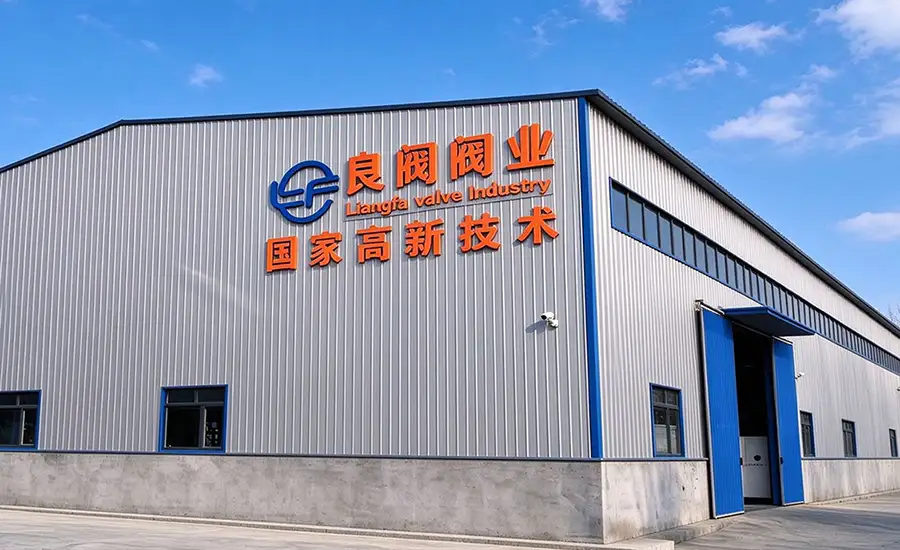
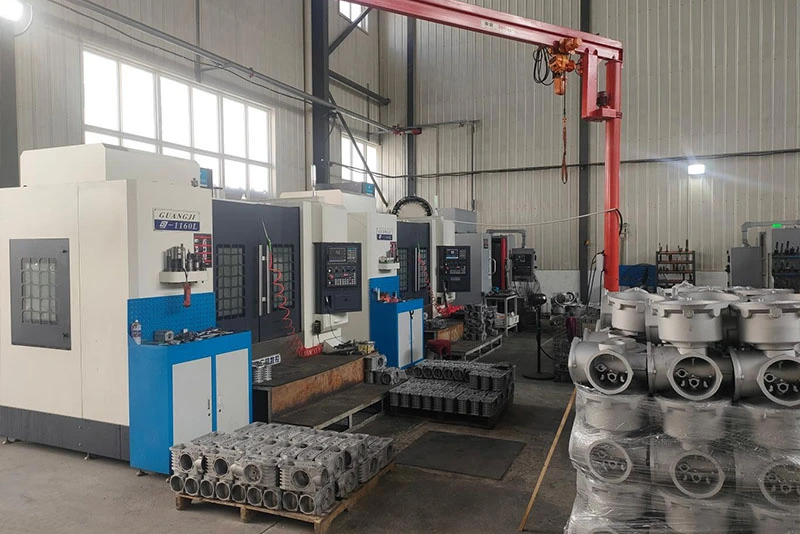
Choosing the right valve supplier is an important step toward building a safe and efficient pipeline system. Tianjin Liangfa Technology Co., Ltd. is a brand to consider when evaluating valve supply solutions for industrial and commercial projects.
Whether you are sourcing manual grooved butterfly valves, comparing technical specifications, or looking for suitable products for a specific pipeline application, professional communication can help you identify the right solution.
Have questions about product specifications, material selection, or customized requirements? Contact us to discuss your project needs and explore suitable valve solutions.