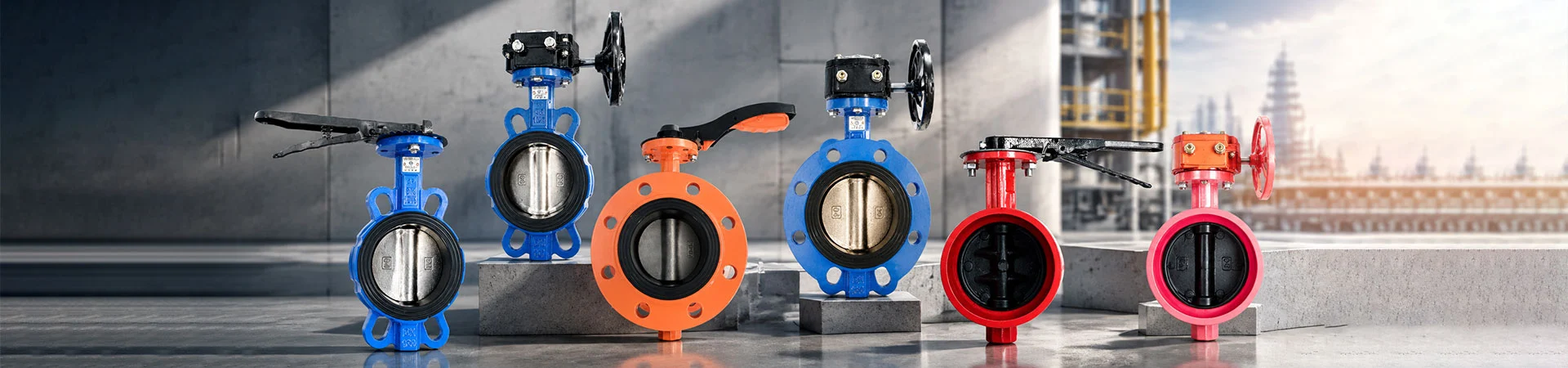
Wholesale Multi-turn Electric Actuator for Reliable Industrial Valve Automation
Choosing an electric actuator involves more than matching motor power to a valve. Buyers also need to consider output torque, required turns, stem movement, control signals, and operating frequency. At Liangfa, we help customers select suitable multi-turn drive solutions based on valve structure and site requirements.
As a high-tech enterprise, we focus on practical product selection and reliable valve automation for industrial pipeline systems. Our multi-turn electric actuator solutions can be configured for different applications according to the required output and control arrangement.
Match the Actuator to the Valve
Different valves require different output characteristics. Before selecting a model, we recommend confirming the valve type, stem design, operating torque or thrust, and the number of turns needed to complete the opening or closing stroke.
Gate Valves
Gate valves commonly require multiple rotations to move the gate between open and closed positions. The actuator must provide sufficient torque throughout the stroke and support the valve's required travel.
Globe Valves
Globe valves may also use multi-turn operation. For applications involving frequent adjustment, buyers should confirm whether the actuator supports the required control mode and operating duty.
Rising-Stem Valves
For rising-stem designs, check the stem travel, stem nut arrangement, and available mounting space. Some configurations require a thrust base or a separate thrust-transfer assembly. We recommend confirming the complete valve and actuator interface before ordering.
Check Torque, Turns and Travel
Incorrect sizing can cause slow operation, incomplete travel, or unnecessary stress on the valve stem and transmission components. When selecting a multi-turn electric actuator, we suggest checking these parameters together:
- Output torque: Confirm the valve's required operating torque, including any allowance specified by the valve manufacturer.
- Output speed: Match the actuator speed to the required opening or closing time.
- Number of turns: Ensure the available output turns cover the valve's full operating stroke.
- Thrust requirements: For valves that need axial force, verify the thrust rating and the suitability of the mounting arrangement.
- Duty cycle: Consider how often the valve will operate and whether it is used for isolation or regular adjustment.
We recommend using the valve manufacturer's operating data rather than selecting an actuator based only on nominal valve size. For demanding conditions, actual operating torque and the required safety margin should be reviewed before the model is finalized.
Choose the Right Control Method
Control requirements affect the actuator configuration, wiring, and integration work. Buyers should determine how the equipment will be operated before confirming the order.
Local and Remote Operation
Local controls allow operators to open or close a valve near the equipment. Remote operation can be integrated into a control cabinet or plant automation system, depending on the actuator's electrical design and available interfaces.
Open-Close Control
For pipeline isolation, an open-close configuration may be sufficient. The control arrangement should include suitable travel limits and protection against continued driving after the valve reaches its end position.
Modulating Control
When the process requires intermediate positioning, confirm that the selected actuator supports modulating operation. Check the required input and feedback signals, positioning accuracy, and compatibility with the plant's PLC or distributed control system. Not every actuator model supports this function as standard.
Plan the Electrical Installation
Electrical compatibility should be confirmed before shipment to reduce commissioning delays. We recommend providing the following information when requesting a quotation for a multi-turn electric actuator:
- Available power supply, including voltage, frequency, and phase where applicable
- Required control method and wiring arrangement
- Local or remote operation requirements
- Feedback signals and communication interfaces, if needed
- Installation environment, including temperature, humidity, dust, and water exposure
- Required enclosure protection and any site-specific electrical standards
For outdoor or harsh industrial installations, buyers should also check enclosure protection, cable entries, corrosion exposure, and access for maintenance. The actual protection level and operating limits must be verified against the selected model's documentation.
Review Mounting and Commissioning
A suitable actuator must fit the valve mechanically as well as electrically. Before installation, compare the mounting dimensions, flange interface, output drive, stem or nut arrangement, and available clearance. A matching nominal valve size alone does not guarantee compatibility.
During commissioning, qualified personnel should verify the wiring, rotation direction, travel limits, torque or thrust protection, and local and remote commands. The valve should be operated through its intended stroke under approved commissioning procedures. If the actuator stops early or the valve cannot complete its travel, check the limit settings, mechanical alignment, supply voltage, and valve resistance before repeated operation.
Reduce Maintenance Disruptions
Maintenance planning helps prevent avoidable downtime. We suggest inspecting electrical connections, cable entries, mounting fasteners, seals, and external signs of corrosion at intervals appropriate to the operating environment. Periodic functional checks can also help identify changes in travel time or operating behavior.
If an existing actuator needs replacement, record its nameplate details and confirm the required torque, output turns, mounting interface, supply power, and control functions. A replacement should not be selected solely because its external dimensions appear similar to those of the original unit.
Information to Include in Your Inquiry
To help us recommend a suitable configuration, please provide the valve type and model, nominal size, pressure rating, required torque or thrust, number of turns, power supply, control mode, and installation conditions. If the actuator is replacing an existing unit, a nameplate photo and mounting drawing can help us review compatibility more efficiently.
At Liangfa, we work with customers to clarify application requirements before confirming a selection. Our multi-turn electric actuator offerings should be matched to the specific valve and operating conditions, with technical details verified for the chosen model before purchase.
Frequently Asked Questions
Can an actuator be fitted to a valve from another manufacturer?
It may be possible, but compatibility must be checked. The mounting interface, output drive, stem or nut arrangement, torque or thrust rating, and required number of turns should all match. An adapter may be necessary in some installations.
What happens if the valve requires more turns than the actuator provides?
The actuator may not complete the valve's full stroke. Confirm the required number of turns and available output travel before purchase, and avoid forcing the valve beyond its mechanical limits.
Can the actuator provide valve position feedback?
Some configurations support position feedback, but the available signal type depends on the model and control package. Tell us whether your system requires a position signal, open-close status contacts, or communication with a plant controller.
How should I select an actuator for frequent operation?
Review the expected operating frequency, duty rating, valve torque, required speed, and process control needs. An actuator designed for occasional isolation may not be appropriate for frequent cycling or continuous modulating service.
What information is needed to replace a failed unit?
Provide the original model or nameplate details, valve information, mounting dimensions, power supply, control wiring, and any known operating problems. These details help establish whether a direct replacement is suitable or whether the installation needs modification.
- View as
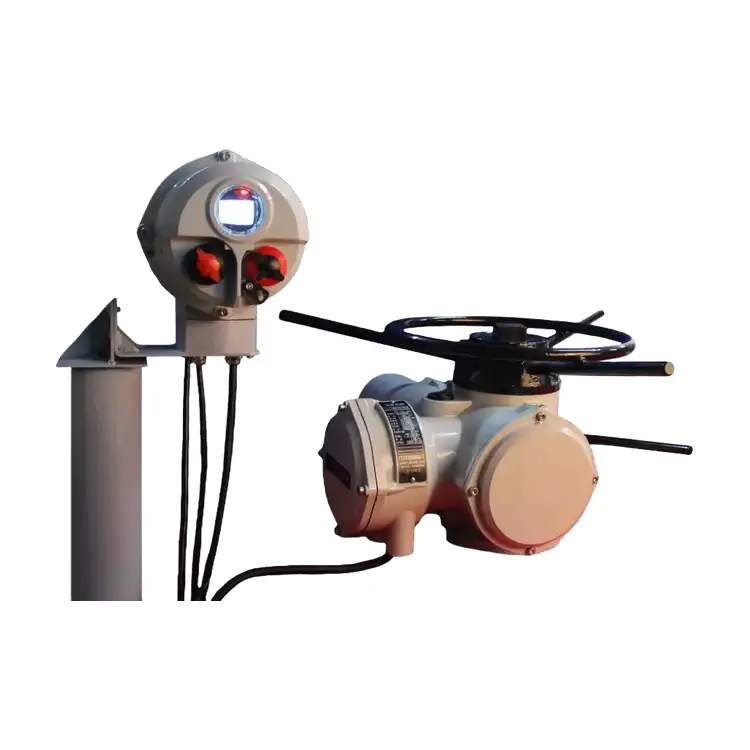
Split-type Multi-turn Electric Actuator
Liangfa provides split-type multi-turn electric actuators for automated control of gate valves, globe valves, and other compatible industrial valves. Featuring a separate mechanical drive unit and remote control box, our actuators support on-off and modulating control, with optional 4–20 mA signals and fieldbus communication.
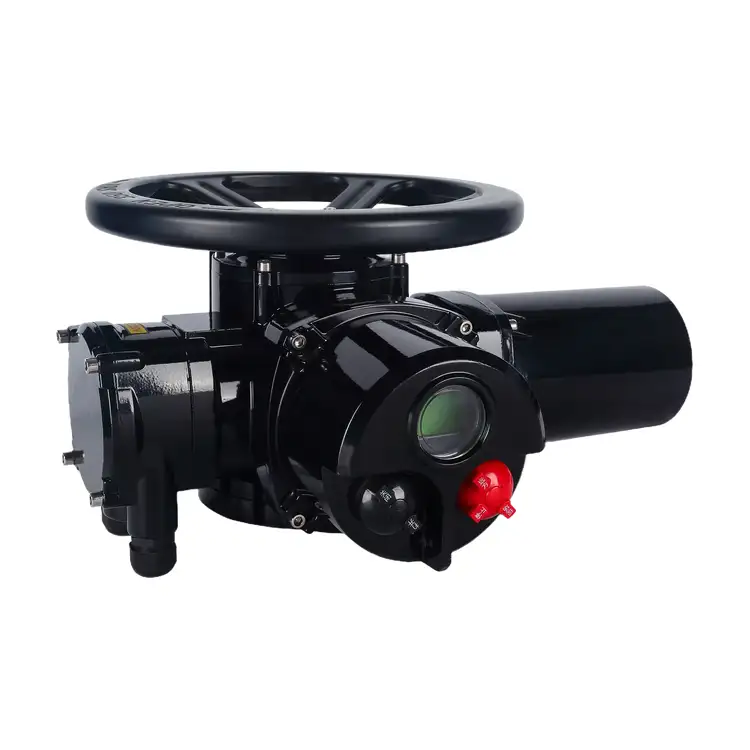
Explosion-Proof Multi-turn Electric Actuator
The Explosion-Proof Multi-Turn Electric Actuator is designed for reliable valve automation in hazardous industrial environments, including oil and gas pipelines, petrochemical plants, and chemical processing facilities. With explosion-proof options of Ex d IIB T4 and Ex d IIC T4, torque outputs from 30 to 5000 N·m, and compatibility with gate, globe, knife-gate, and other multi-turn valves, it supports on-off and modulating control to meet different operating requirements.
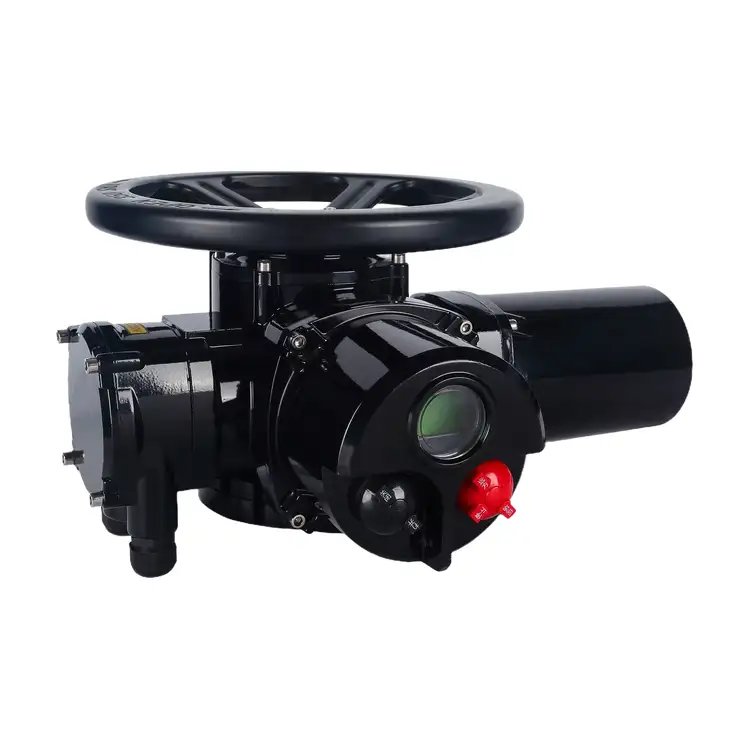
Intelligent Multi-turn Electric Actuator
Liangfa supplies intelligent electric actuators for automated valve control in water treatment, power generation, heating, petrochemical processing, and other industrial applications. Designed for multi-turn valves, the Intelligent Multi-turn Electric Actuator combines absolute position detection, digital parameter setting, torque protection, and flexible control options to support reliable valve operation.
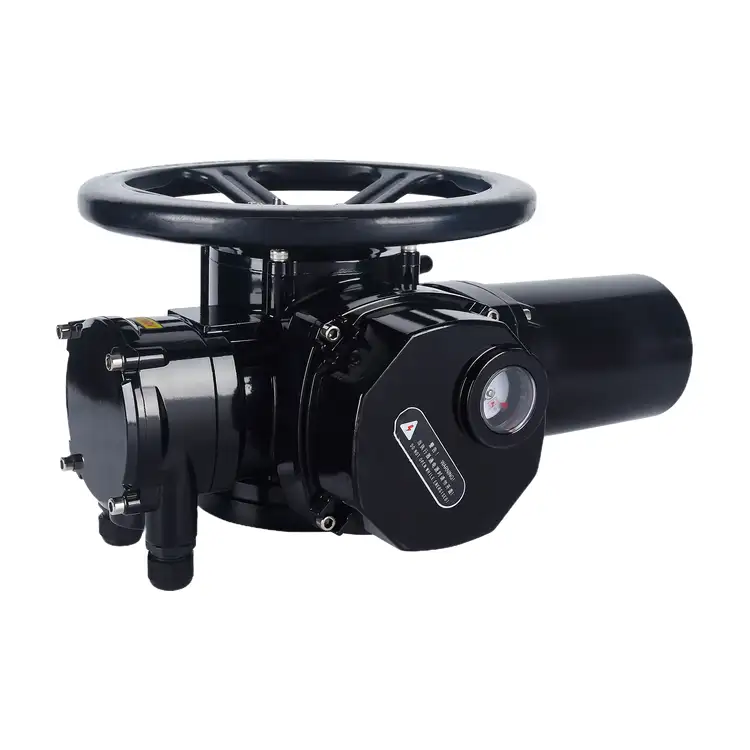
On-off Multi-turn Electric Actuator
Liangfa's On-off Multi-turn Electric Actuator is designed for reliable opening and closing of gate valves, globe valves, and other compatible multi-turn valves in water treatment, sewage, power generation, heating, and industrial pipeline systems. With output torque ranging from 10 to 2500 N·m, ISO5210 mounting options, and AC380V three-phase power as standard, it supports flexible configuration for different valve and site requirements.
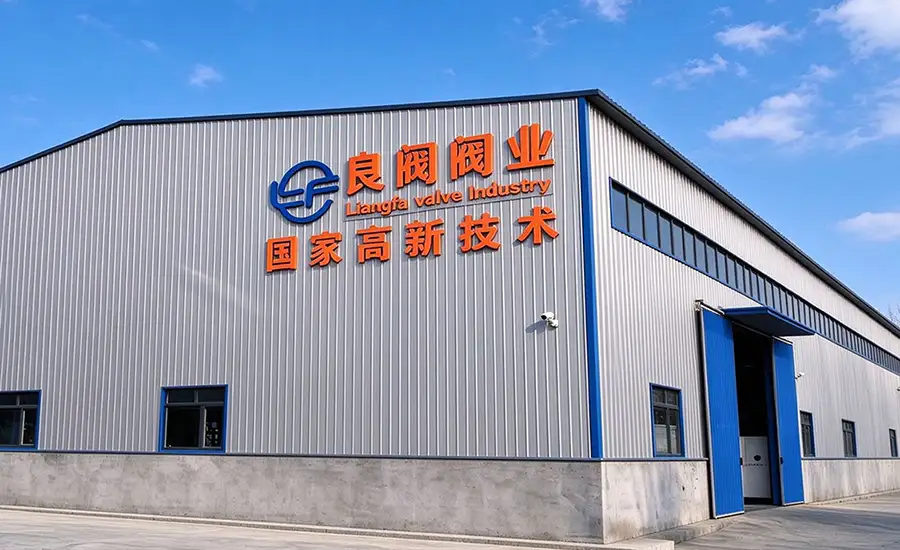
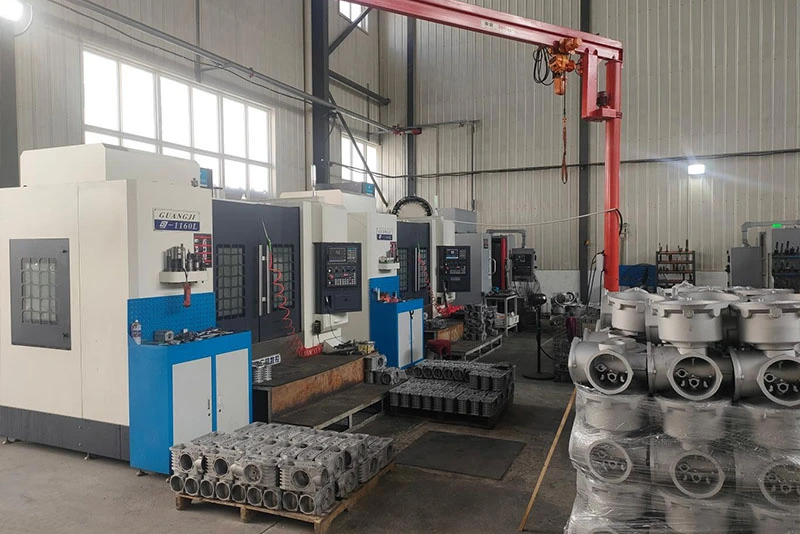
Liangfa is a professional Multi-turn Electric Actuator manufacturer and supplier in China. We have an experienced sales team, professional technicians, and an after-sales service team.
News Recommendations