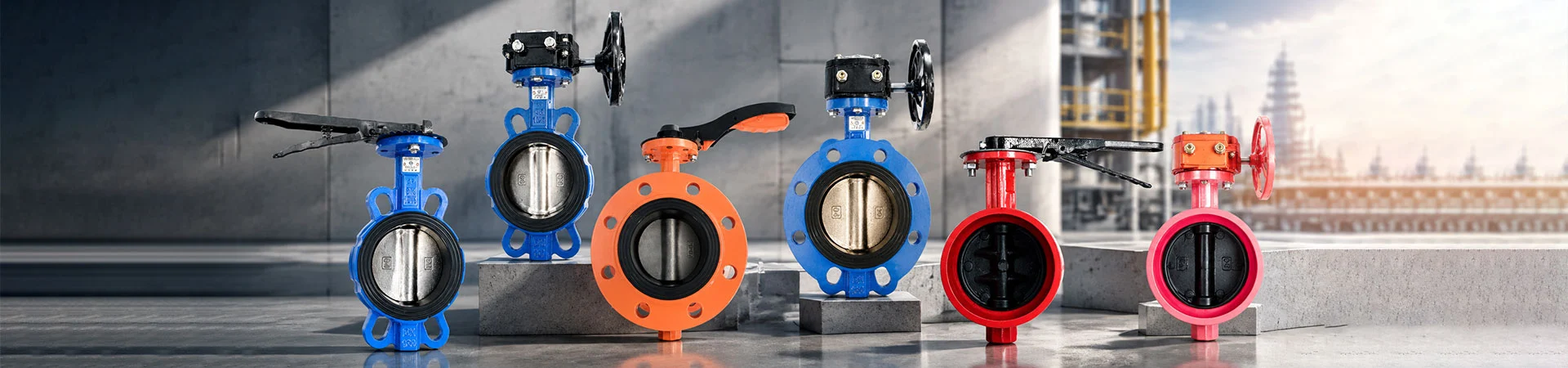
Wholesale Lug Butterfly Valve for Industrial Pipeline Systems
At Liangfa, we supply lug butterfly valves for pipeline systems that require compact flow control and a bolted connection at the valve body. The lug design features threaded or otherwise specified mounting lugs around the body, allowing the valve to be secured to compatible pipeline flanges using the designated bolting arrangement.
Depending on the valve design and piping layout, this configuration can be useful where a section of pipeline needs to be isolated for maintenance. As a high-tech enterprise, we help customers confirm valve dimensions, pressure ratings, materials, and installation requirements before ordering.
Understand the Lug Design
A lug butterfly valve is mounted between compatible pipeline flanges, with bolts engaging the mounting lugs provided on the valve body. Unlike a typical wafer design that relies on through-bolts passing between the flanges, a lug design provides individual bolting points around the body. The exact arrangement depends on the model and applicable standard.
When selecting a lug butterfly valve, we recommend checking the lug configuration, thread size, bolt engagement, flange drilling, and valve face-to-face dimensions. These details help ensure that the valve can be installed securely without interference from nearby pipework or equipment.
Check the Mounting Details
- Flange drilling: Confirm the flange standard, bolt-circle dimensions, and hole arrangement.
- Lug threads: Verify thread size, pitch, and required bolt engagement for the specific model.
- Valve dimensions: Check nominal diameter and face-to-face dimensions against the pipeline drawing.
- Clearance: Allow space for the operating handle or actuator and for future maintenance.
Plan for Pipeline Isolation
One reason buyers consider a lug butterfly valve is the possibility of isolating a pipeline section when the valve is specifically rated and installed for that duty. However, not every lug valve is suitable for dead-end service or operation with only one flange connected.
Before using the valve at a pipeline end or removing downstream piping, confirm the manufacturer's pressure rating and dead-end service limitations. The permitted pressure, direction of pressure, and required flange or bolting arrangement can vary by design. We recommend checking the technical documentation before specifying this installation method.
Match the Valve to the Service
The valve body, disc, stem, and seat must suit the pipeline medium and operating conditions. A correct connection design does not compensate for unsuitable materials or an incorrect pressure rating.
| Component | What to Evaluate |
|---|---|
| Body | Material compatibility, pressure rating, and structural requirements. |
| Disc | Resistance to the process medium and suitability for the required flow conditions. |
| Stem | Mechanical strength, corrosion resistance, and compatibility with the operating mechanism. |
| Seat | Fluid compatibility, operating temperature, and required shut-off performance. |
| Bolting | Correct thread, length, material, and engagement according to the valve and piping specifications. |
At Liangfa, we recommend confirming the medium, working pressure, temperature range, and required sealing performance before choosing a lug butterfly valve. For corrosive fluids, abrasive media, or demanding temperature conditions, the full material specification should be reviewed carefully.
Choose the Operating Method
A lug butterfly valve can be supplied with different operating arrangements depending on the available product range and application requirements. Manual operation may suit local isolation, while pneumatic or electric actuation may be considered where remote control or automation is required.
- Manual operation: Consider accessibility, operating torque, and the frequency of use.
- Pneumatic actuation: Check the available air supply, actuator torque, and control accessories.
- Electric actuation: Confirm the power supply, control signals, feedback functions, and installation environment.
We recommend specifying the intended operating method at the quotation stage. The selected actuator must provide adequate torque for the actual valve and operating conditions, and sufficient space must be available for installation and maintenance.
Install and Inspect the Bolting
Correct bolting is important for secure installation and reliable sealing at the pipeline connections. Before installation, inspect the flange faces, valve body, lug threads, and fasteners for damage or contamination. Align the valve carefully and use the bolt type, length, tightening sequence, and torque requirements specified by the manufacturer.
Avoid forcing misaligned flanges together with the mounting bolts. Excessive or uneven tightening can damage threads or create installation problems. After installation, check for leakage and confirm that the disc can complete its required travel without contacting the pipe interior or adjacent components.
During maintenance, inspect the lug threads and fasteners for corrosion, wear, or damage. If the valve is removed and reinstalled, follow the specified installation procedure and use replacement components where required.
Confirm Your Project Requirements
To help us recommend a suitable configuration, please provide Liangfa with the following details:
- Nominal pipe diameter and valve face-to-face dimensions
- Pipeline flange standard and drilling details
- Required lug thread and bolting arrangement
- Working pressure and operating temperature
- Process medium and material compatibility requirements
- Required seat material and shut-off performance
- Manual, pneumatic, or electric operating method
- Whether dead-end service or downstream pipe removal is required
As a high-tech enterprise, Liangfa provides product information and technical support to help customers review valve and pipeline compatibility. Sharing the piping drawings and application conditions helps us assess the connection arrangement and identify any limitations before an order is confirmed.
Frequently Asked Questions
Can a lug butterfly valve be used at the end of a pipeline?
Only when the specific valve is designed and rated for the intended dead-end service. The permitted pressure and bolting arrangement may differ from normal installation between two flanges. Confirm the manufacturer's documentation before use.
Can I remove one side of the pipeline while leaving the valve installed?
This depends on the valve design, pressure rating, and installation arrangement. The valve must be specifically suitable for the resulting service condition, and the line must be safely isolated and depressurized before work begins. Do not assume that every lug valve can provide this function.
How do I identify the correct lug bolts?
Check the valve drawing or manufacturer's specifications for thread size, pitch, bolt length, material, and required engagement. Also verify the mating flange arrangement. Do not select bolts based on nominal valve size alone.
What causes damage to the lug threads?
Possible causes include cross-threading, incorrect fasteners, excessive tightening torque, corrosion, or misalignment during installation. Inspect the threads before assembly and follow the specified bolting procedure. Damaged mounting threads should be assessed before the valve is returned to service.
Is a lug butterfly valve interchangeable with a wafer valve?
Not automatically. Although both designs may be installed between pipeline flanges, their body structures and bolting arrangements differ. Check the face-to-face dimensions, flange compatibility, pressure rating, and installation requirements before considering a replacement.
- View as
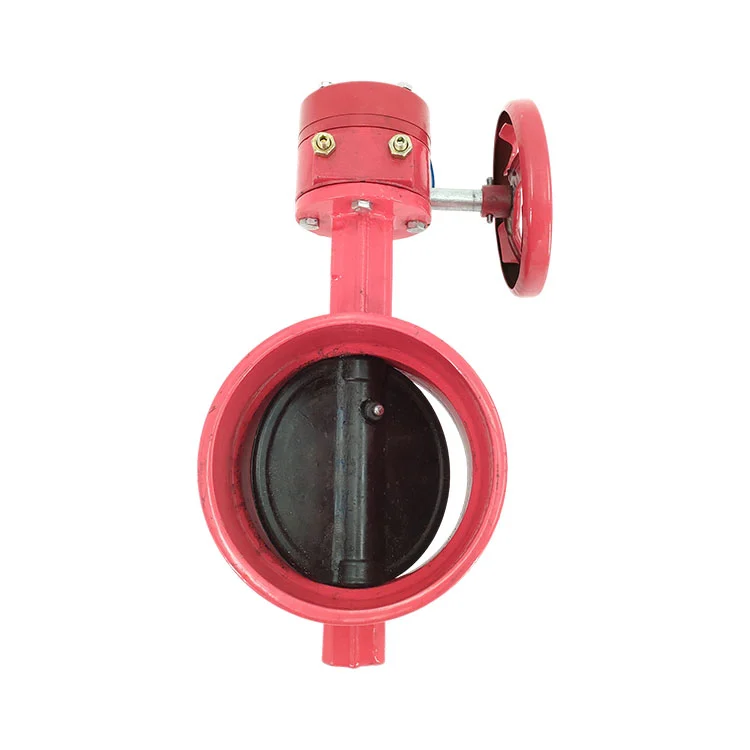
Full Lug Butterfly Valve
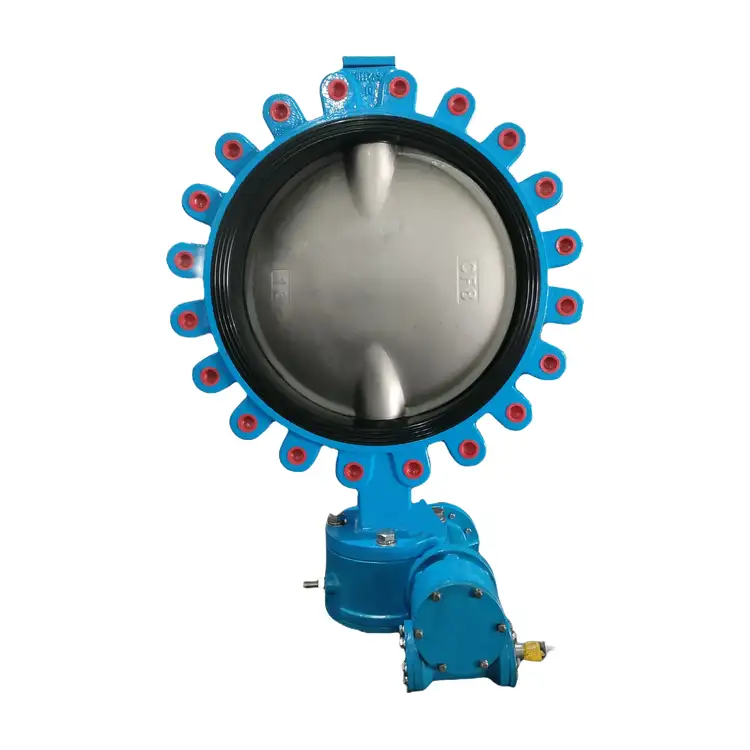
Liangfa’s Full Lug Butterfly Valve features an integrally cast lug body with internally threaded mounting holes, allowing independent bolting on each side and supporting end-of-line service when properly installed and configured. Available in DN40–DN1200 sizes, it offers multiple body, disc, stem, and seat material options to suit different media and operating conditions. Lever, worm gear, pneumatic, and electric actuation options help meet diverse control requirements.
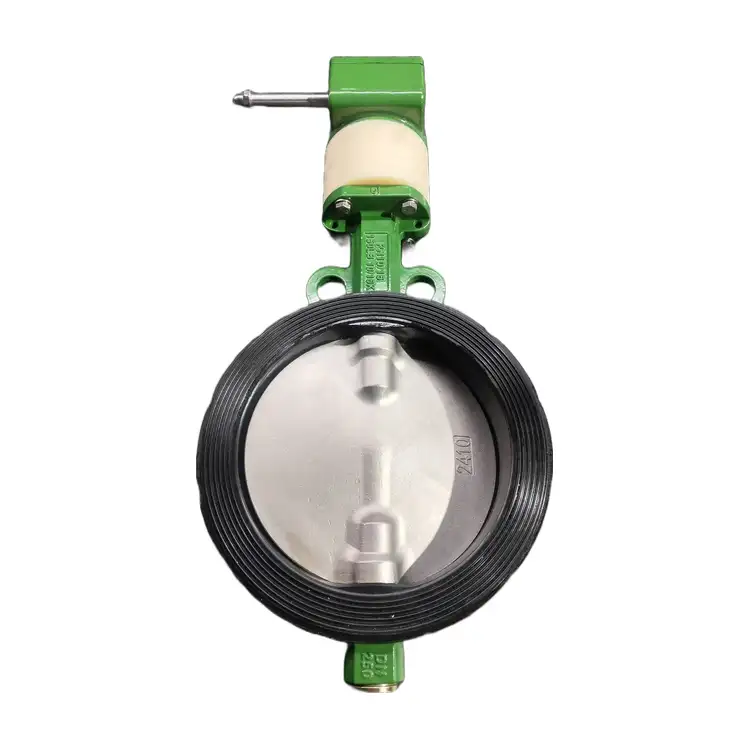
Semi-Lug Butterfly Valve
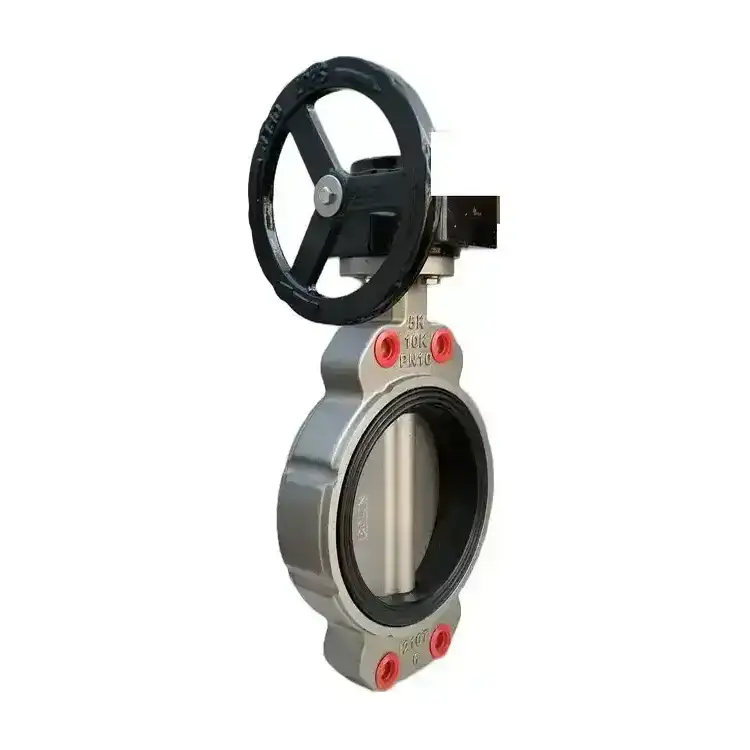
Liangfa supplies semi-lug butterfly valves for piping systems where installation space is limited and maintenance access is important. With threaded lugs on one side and a wafer-style connection on the other, this design is especially useful at pump outlets and equipment nozzles. We offer different body, disc, stem and seat materials, together with manual, gear-operated, pneumatic and electric actuation options, helping customers configure valves for water treatment, HVAC, marine and general industrial applications.
Liangfa is a professional Lug Butterfly Valve manufacturer and supplier in China. We have an experienced sales team, professional technicians, and an after-sales service team.
News Recommendations