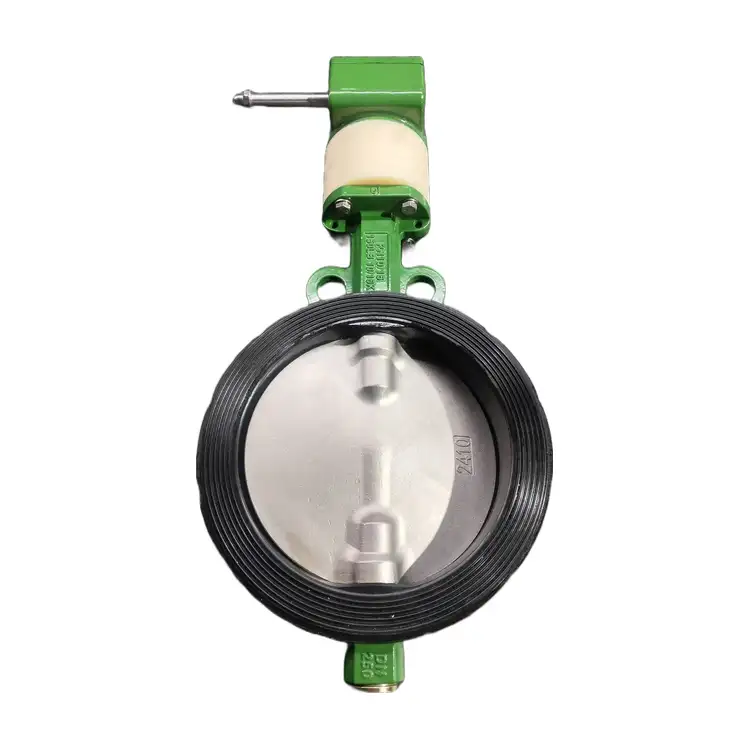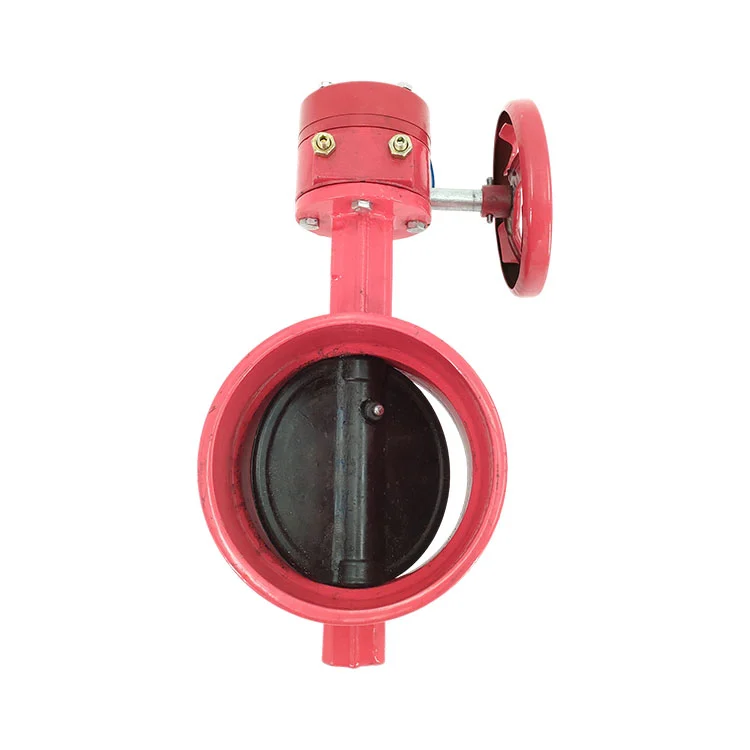
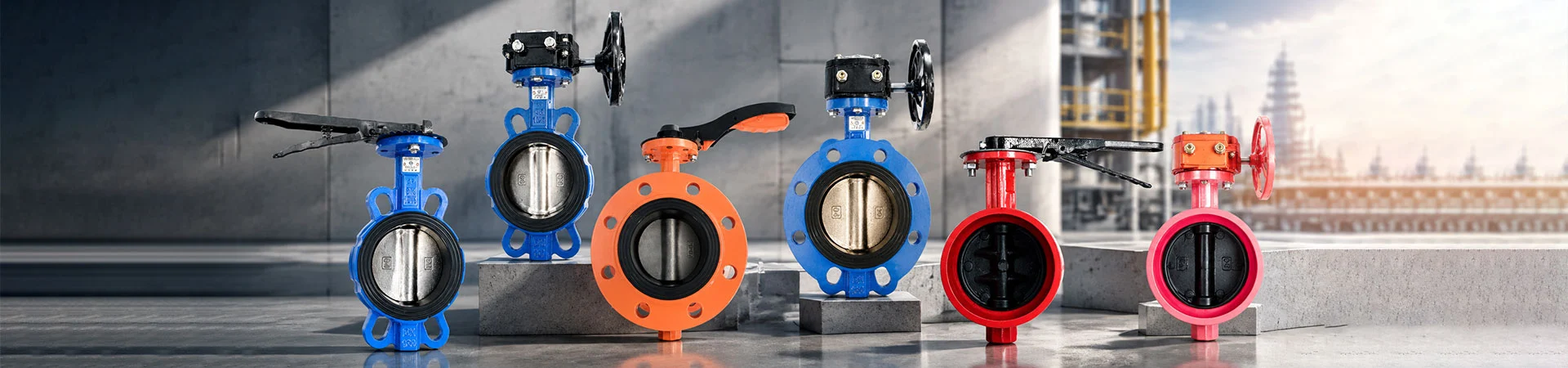
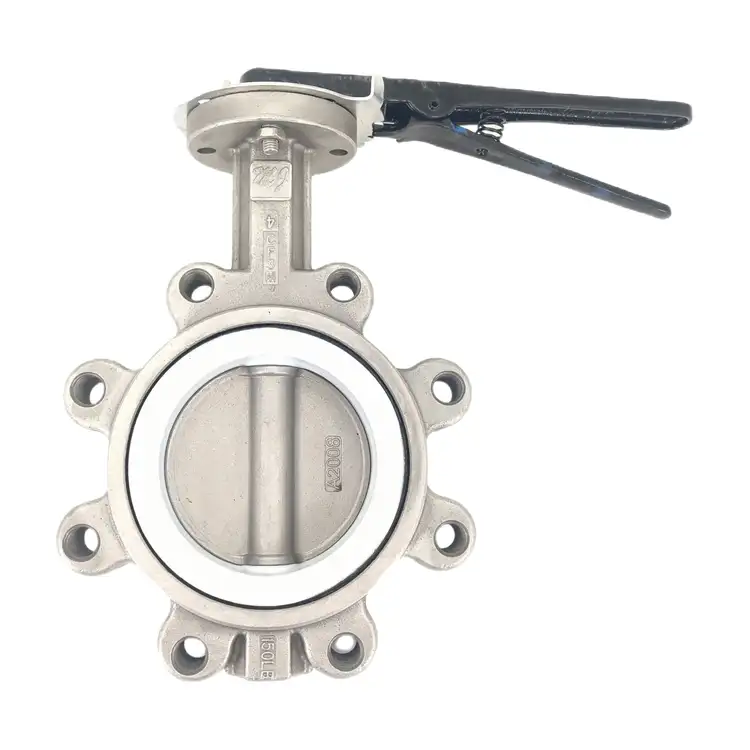
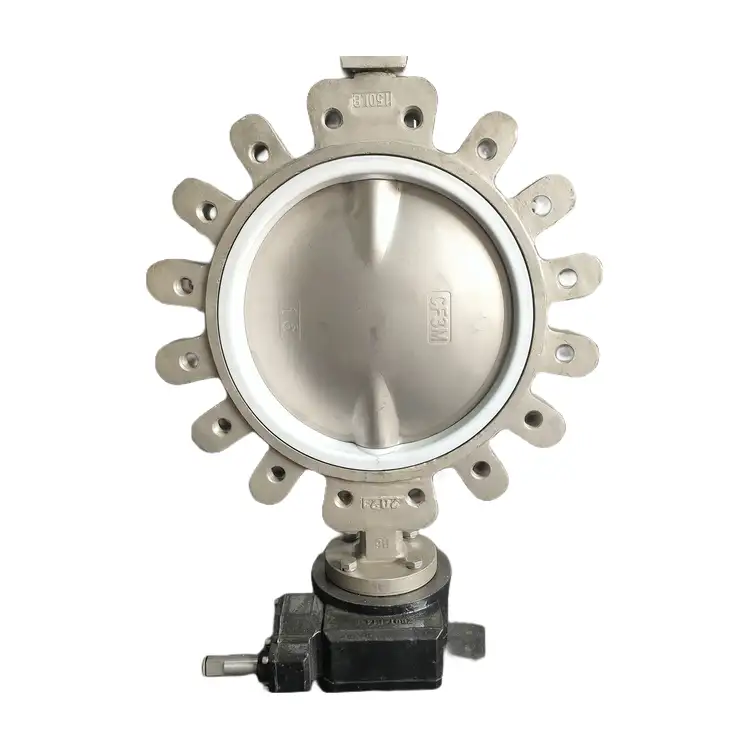
Stainless Steel Lever Lug Butterfly Valve
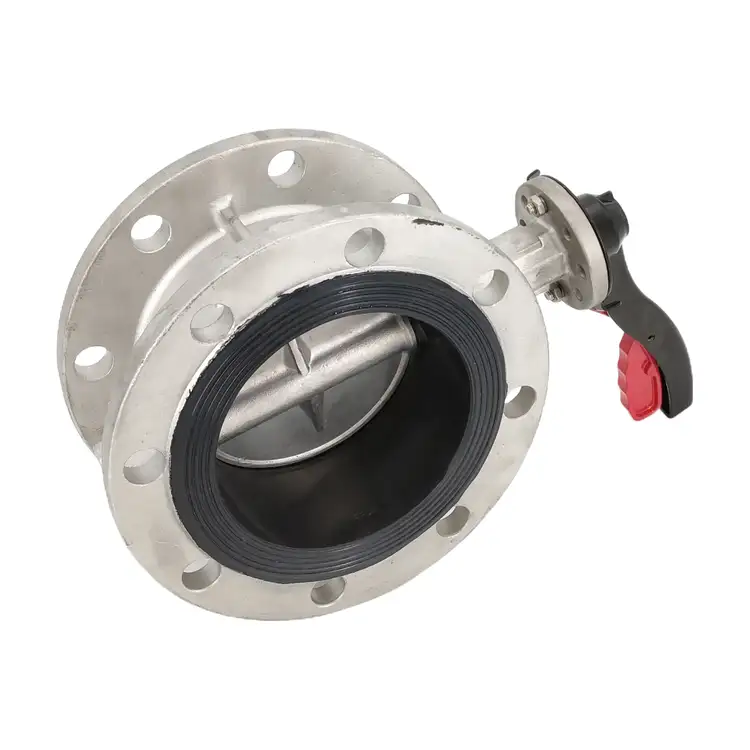
Liangfa’s Stainless Steel Lever Lug Butterfly Valve is designed for quick manual shut-off and reliable flow control in industrial pipeline systems. Featuring a 90-degree lever operation and a lug-style connection, it offers convenient handling and flexible installation options for compatible piping layouts. We provide multiple body, disc, stem, and seat material choices, including SS304, SS316, EPDM, NBR, PTFE, and FKM, to meet different fluid compatibility and operating requirements.
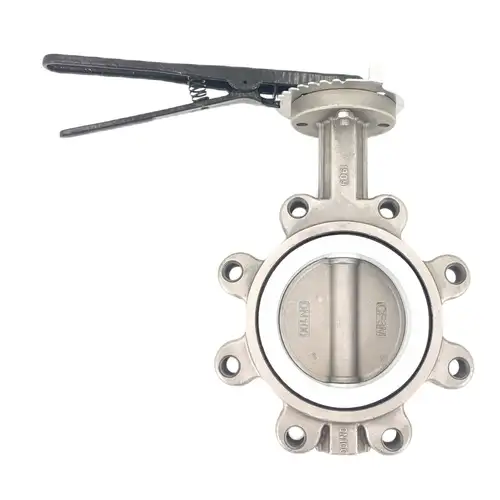
At Liangfa, we supply stainless steel butterfly valves for industrial pipelines that require practical shut-off control, corrosion resistance, and convenient maintenance. Our Stainless Steel Lever Lug Butterfly Valve uses a manual lever to rotate the disc through 90 degrees, allowing operators to open or close the flow quickly without an external power source.
With selectable body, disc, stem, and seat materials, we help customers match the valve to the medium, pressure, temperature, and installation requirements of their projects. As a high-tech enterprise, we also provide product selection guidance and technical support for different pipeline applications.
Product Specifications
| Product Name | Stainless Steel Lever Lug Butterfly Valve |
| Model | LTD71X-10/16P |
| Nominal Diameter | DN40-DN1200, subject to actuator and configuration availability |
| Connection | Lug-type design; confirm flange compatibility before ordering |
| Nominal Pressure | PN10, PN16, Class 150LB, 5K, 10K, 16K, subject to size and design |
| Listed Temperature Range | -10°C to 100°C; actual limits depend on seat material and operating conditions |
| Coating | Fusion-bonded epoxy coating in accordance with ANSI/AWWA C550, where applicable to the selected configuration |
| Operation | Manual lever |
| Valve Structure | Concentric butterfly disc with soft seat |
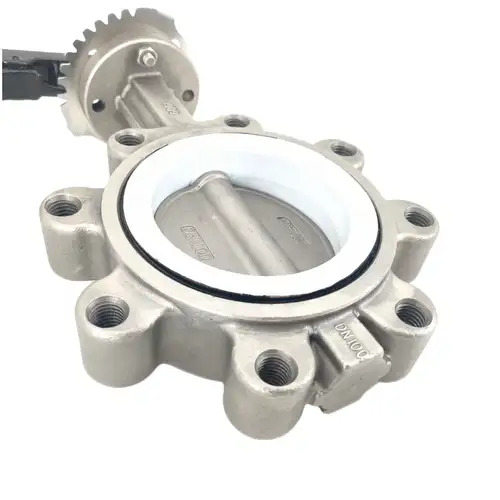
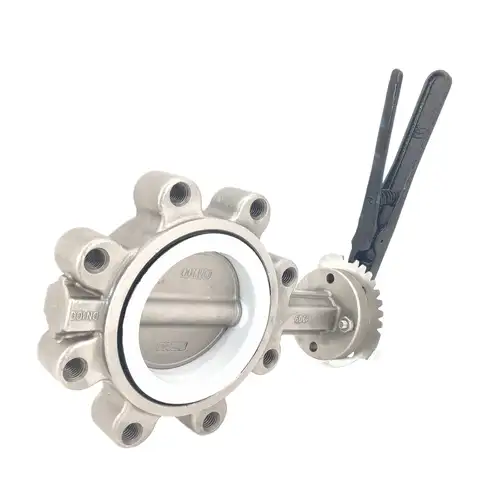
How the Lever Controls Flow
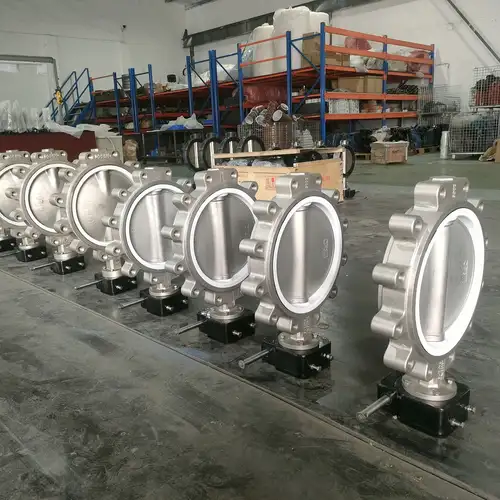
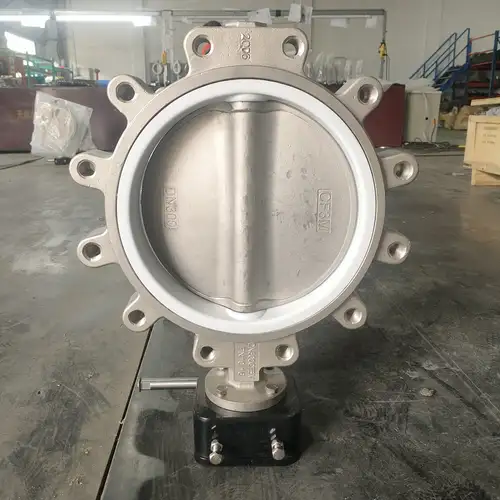
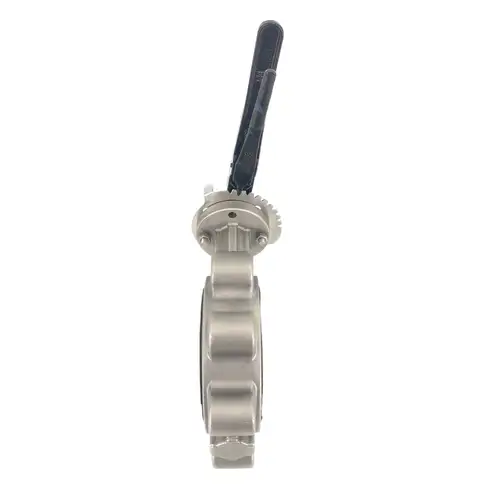
The manual handle connects to the valve stem and turns the disc between the open and closed positions. This quarter-turn mechanism is suitable for pipeline sections where operators need straightforward local control. A position-locking handle can help keep the disc at selected positions, depending on the supplied handle design.
Compared with an actuated valve, manual operation does not require an electrical supply or compressed air. It can therefore be useful in remote equipment areas and utility lines where simple operation is preferred. Before selecting a manual valve, we recommend checking the required operating torque, line pressure, valve diameter, and expected operating frequency.
Choose Materials by Fluid Type
The material combination should be selected as a complete assembly rather than by valve-body grade alone. The disc, stem, seat, fasteners, and process fluid all affect service life. Our available material options include the following:
| Component | Available Materials | Selection Considerations |
| Body | Cast iron, ductile iron, WCB, SS304, SS316 | Fluid compatibility, pressure, corrosion exposure, and piping requirements |
| Disc | Ductile iron, SS304, SS316, SS2507, SS1.4529 | Corrosion resistance, fluid characteristics, and mechanical requirements |
| Stem | 410SS, SS304, SS316, SS2507, SS1.4529 | Strength, corrosion exposure, and compatibility with the valve assembly |
| Seat Liner | EPDM, NBR, PTFE, FKM (Viton) | Temperature, chemical compatibility, and sealing requirements |
| Lever | Ductile iron, SS304 | Installation environment and operator requirements |
| Fasteners | Galvanized carbon steel, SS304, SS316 | Corrosion exposure and flange connection requirements |
EPDM for Water Service
EPDM is commonly considered for water supply, cooling water, and suitable hot-water applications. It is generally unsuitable for petroleum oils and many oil-based fluids. For drinking-water or food-related use, confirm that the specific seat formulation and valve configuration meet the required approvals.
NBR for Oil-Based Media
NBR is often selected for diesel, lubricating oil, and oily wastewater when the fluid and operating temperature are compatible with the compound. It is not a universal choice for hot water or strongly corrosive chemicals.
PTFE and FKM for Chemical Compatibility
PTFE and FKM may be suitable for selected chemical or solvent services, but neither should be treated as compatible with every chemical. We recommend checking the chemical concentration, operating temperature, pressure, and any suspended solids before confirming the seat material.
Match the Valve to the Pipeline
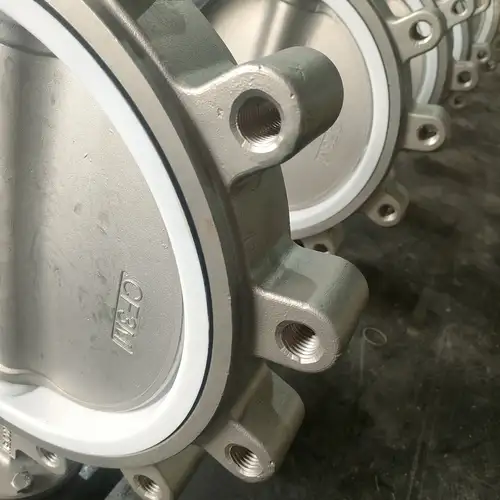
The lug-style body has threaded or through-type lug features according to its design, allowing the valve to be secured between compatible flanges. Some lug designs can be used in end-of-line arrangements, but this depends on the valve's construction, pressure rating, bolt arrangement, and the manufacturer's approved installation instructions. Confirm these details before using the valve at a pipeline end.
Check the Nominal Diameter
The listed range is DN40 to DN1200. The appropriate size depends on the pipeline diameter, flow rate, allowable pressure loss, and available operating torque. A manual lever may be practical for smaller sizes, while larger valves can require a gearbox or actuator. We recommend confirming the operating method for each size rather than assuming that every diameter in the range is suitable for lever operation.
Confirm the Pressure and Flange Standard
PN10, PN16, Class 150LB, and JIS pressure designations are not interchangeable simply because they appear in the same product range. The flange drilling, face-to-face dimensions, pressure-temperature rating, and valve design must match the pipeline specification. Please provide the applicable flange standard and nominal pressure when requesting a quotation.
Performance in Common Applications
Water Supply and HVAC
For cooling-water circulation, building services, and general water distribution, an appropriate body material combined with a compatible EPDM seat can provide a practical shut-off solution. Water temperature, water treatment chemicals, and any suspended particles should be considered during selection.
Wastewater and Industrial Drainage
Wastewater may contain oils, salts, cleaning agents, or abrasive solids. The body and seat must be selected according to the actual composition of the fluid. For wastewater with significant solid content, a soft-seated butterfly valve may require additional upstream screening or a different valve design.
Food and Pharmaceutical Utilities
For suitable utility lines, stainless steel components can help meet corrosion-control and cleanliness requirements. However, a stainless steel valve is not automatically sanitary-grade. If the valve will contact product, purified water, or cleaning chemicals, specify the required surface finish, seat approvals, cleanability, and applicable industry standards.
Marine and Chemical Systems
Seawater and chloride-rich fluids can cause localized corrosion in some stainless steels, including 304 and, under certain conditions, 316. Duplex grades or other alloys may be worth evaluating for more demanding service. For chemical lines, material selection should be based on concentration, temperature, exposure time, and compatibility data rather than the general label “corrosive media.”
Installation Checks Before Start-up
Correct installation helps protect the seat and reduces the risk of leakage or stiff operation. Before fitting the valve, we recommend the following checks:
- Confirm the model, diameter, pressure rating, body material, seat material, and flange drilling against the approved order.
- Inspect the disc, seat, stem, and lever for visible damage or contamination.
- Clean the pipeline to remove welding slag, metal fragments, sand, and other debris that could damage the sealing surface.
- Check that the flanges are aligned and have suitable clearance for the valve body and operating handle.
- Open and close the valve before installation to confirm smooth movement.
- Install the valve according to the manufacturer's flow, orientation, bolting, and gasket instructions.
After installation, test the system using the approved procedure and pressure limits for the valve and pipeline. Do not exceed the rated pressure or use the valve as a substitute for a pressure-rated blind flange. Isolate the line, drain the medium, and verify zero pressure before maintenance or removal.
Maintenance for Reliable Operation
Routine checks can help identify wear before it causes unplanned downtime. The inspection interval should reflect the fluid, temperature, operating frequency, and consequences of leakage.
- Check for external leakage around the stem and body connections.
- Inspect the handle and locking mechanism for looseness, wear, or failure to hold position.
- Operate the valve through its full travel when the system procedure permits, and investigate any unusual resistance.
- Inspect the seat and disc if shut-off performance deteriorates or operating torque increases.
- Replace damaged or aged sealing components with compatible parts specified for the valve model.
If the handle becomes difficult to operate, do not force it with an extension pipe. First isolate the line safely, then check for trapped solids, flange misalignment, excessive bolt loading, or deposits around the disc. Persistent leakage or abnormal torque should be investigated before the valve returns to service.
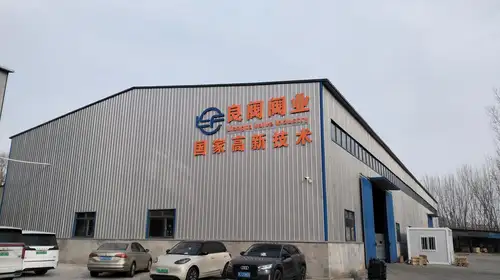
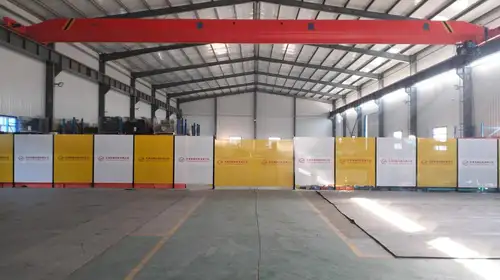
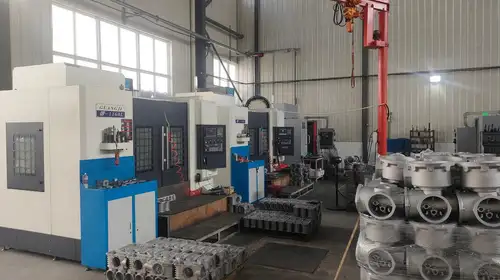
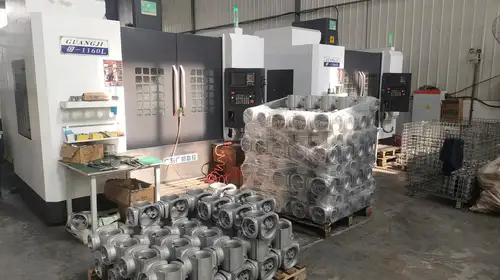
Factory and Quality Support
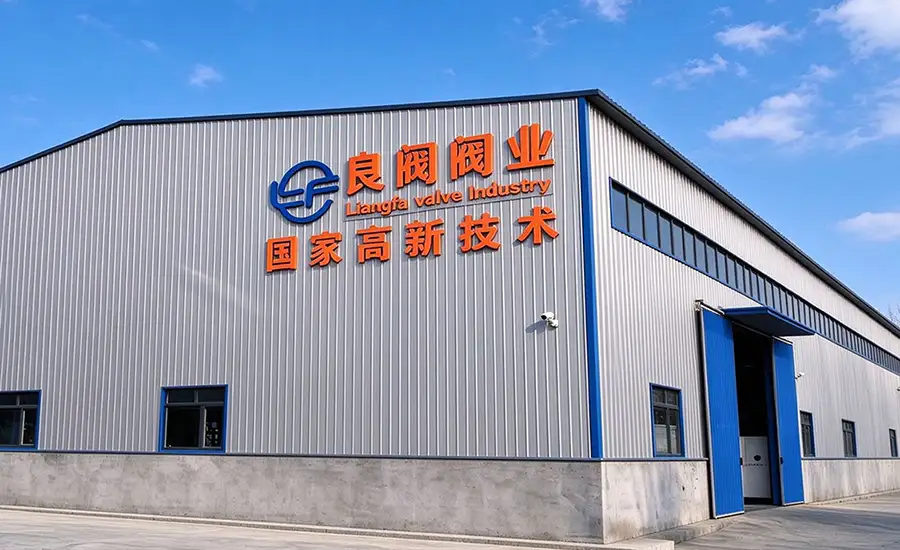
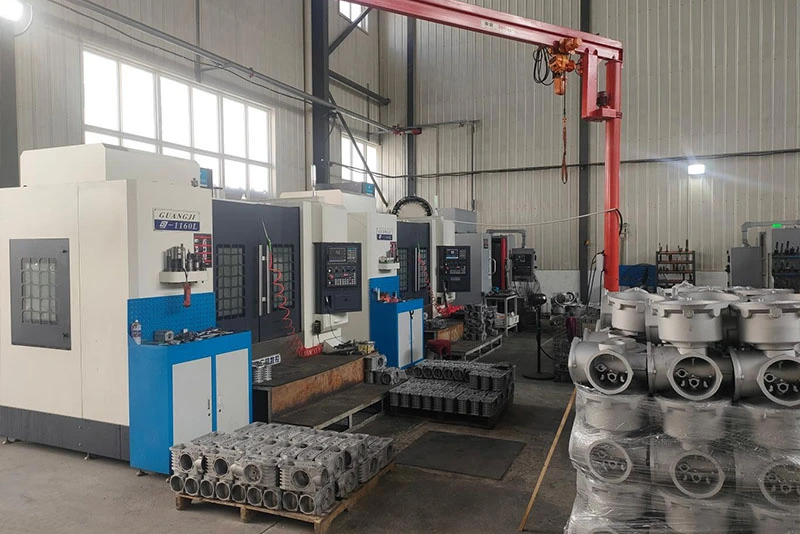
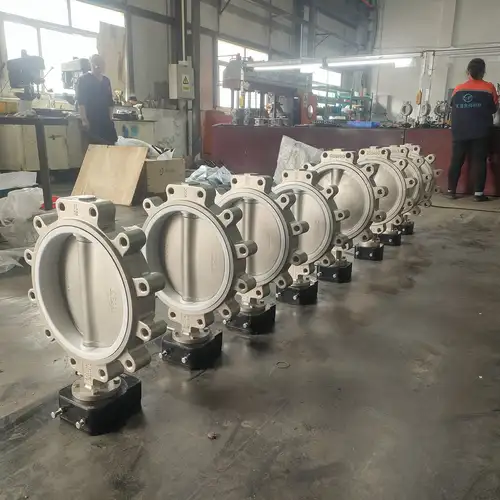
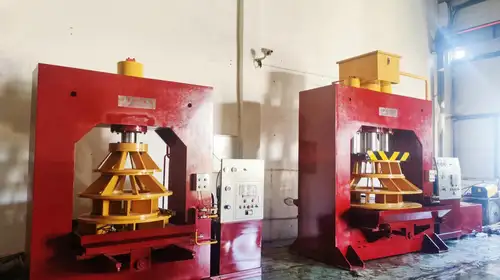
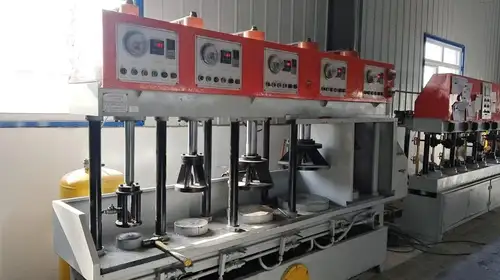
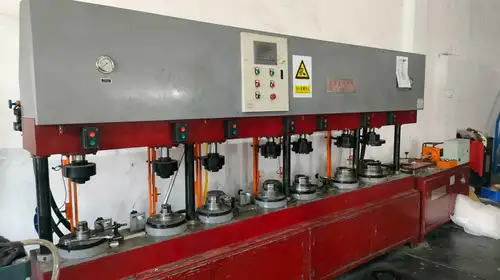
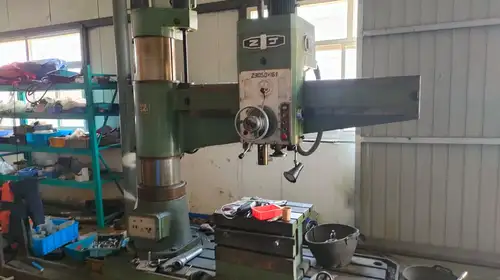
At Liangfa, we support customers with product selection, material configuration, technical documentation, and pre-shipment coordination. As a high-tech enterprise, we focus on providing practical valve solutions for different industrial pipeline requirements. Inspection records, material certificates, drawings, and other documents can be discussed according to the product specification and order requirements.
Packing and Shipment
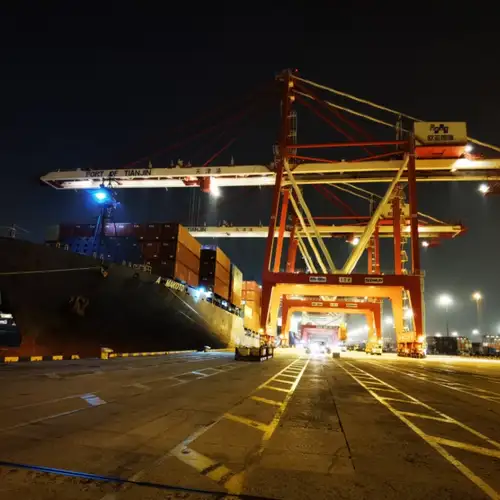
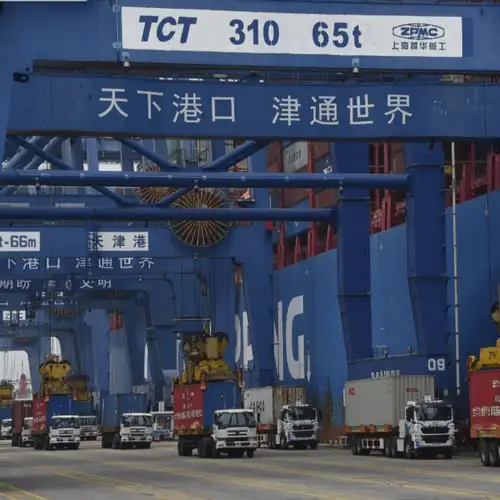
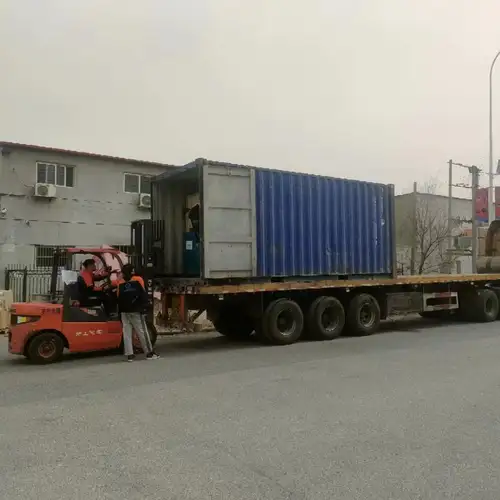
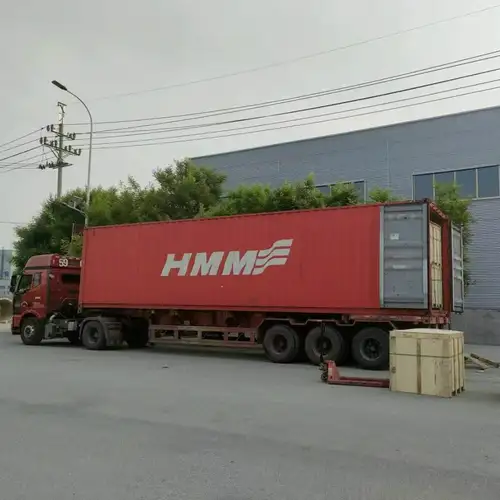
We coordinate export packing and shipment according to order quantity, destination, and transport requirements. Before ordering, customers can confirm packaging details, delivery schedules, shipping documents, and any special requirements for protecting the valve and its sealing components during transit.
Where Our Valves Can Be Used
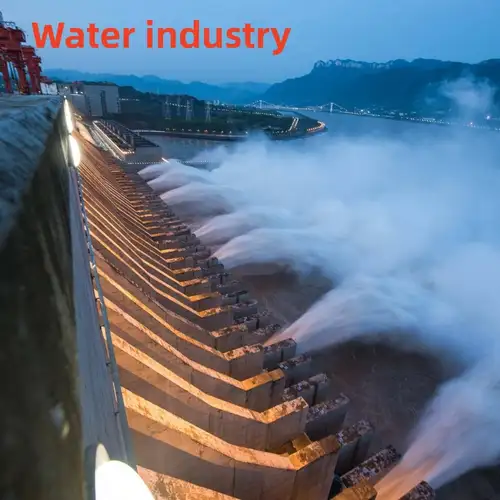
- Municipal water systems: Water distribution, reclaimed-water lines, and suitable drainage services.
- Building services: Chilled-water circulation, cooling-water systems, and compatible heating-water lines.
- Food and beverage utilities: Selected water and process lines when the material and hygiene requirements are verified.
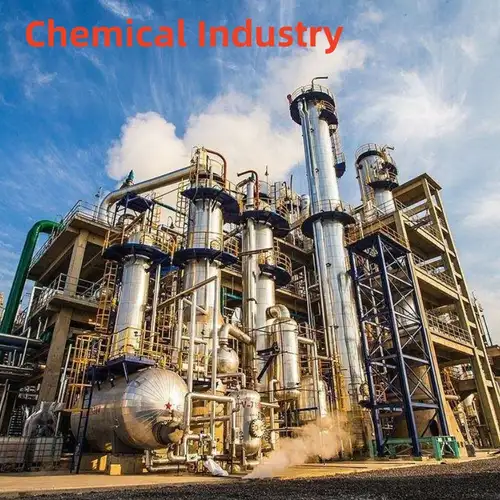
- Chemical processing: Compatible chemical solutions and wastewater, subject to material compatibility checks.
- Aquaculture and marine services: Water circulation systems using materials suitable for the actual salinity and exposure.
- Environmental treatment: Selected liquid-transfer and wastewater-treatment pipelines.
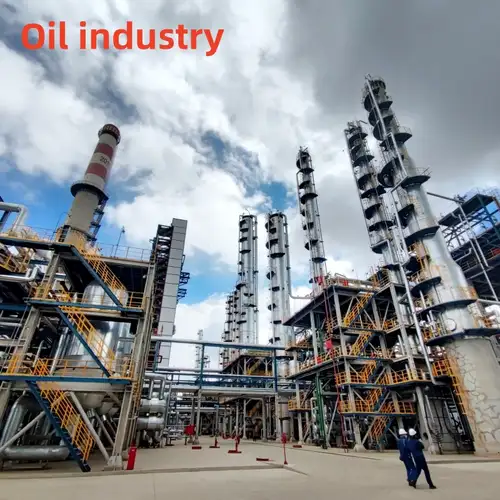
- Oil and lubricant systems: Oil-based media when the seat compound and other wetted materials are compatible.
- Light industry: Utility lines in paper, textile, and general manufacturing facilities.
Ordering and Technical Assistance
To help us recommend a suitable configuration, please provide the following information when requesting a quotation:
- Nominal diameter and required quantity
- Working pressure and design temperature
- Fluid name, concentration, and any suspended solids
- Required body, disc, stem, and seat materials
- Flange standard and whether the valve will be installed between two flanges or at a pipeline end
- Required inspection documents, certificates, packaging, and delivery destination
We can then review the operating conditions and confirm the available model, materials, and documentation before production. Spare parts and after-sales technical support can also be discussed according to the order and product configuration.
FAQ
Can this valve be installed at the end of a pipeline?
Some lug-type designs support end-of-line installation, but this must be confirmed for the exact model and pressure rating. The Stainless Steel Lever Lug Butterfly Valve must be secured using the approved bolt arrangement, and the manufacturer’s instructions for dead-end service must be followed. Never assume that every lug butterfly valve is suitable for pressurized end-of-line use.
How do I choose between EPDM, NBR, PTFE, and FKM seats?
The choice depends on the fluid, concentration, operating temperature, pressure, and cleaning process. EPDM is commonly used for compatible water services, NBR for selected oil-based media, and PTFE or FKM for certain chemical applications. Please provide the actual medium and operating conditions so we can check material compatibility.
Is a manual lever suitable for every valve diameter?
No. Required operating torque increases with valve size and can also be affected by pressure, seat design, and the fluid. Although the listed nominal diameter range extends to DN1200, a manual lever may not be appropriate for every size. We recommend confirming the operating method for the selected diameter and working conditions.
Can the valve be used for throttling?
The lever may allow intermediate disc positions, but a soft-seated butterfly valve is primarily intended for on-off service unless its design and operating conditions are approved for throttling. Continuous partial opening can increase turbulence and seat wear. If precise flow regulation is required, tell us the required flow range and control conditions before selection.
What information is needed to confirm a replacement valve?
Please provide the existing valve model, nominal diameter, pressure rating, flange standard, face-to-face dimensions, body and seat materials, and photographs of the nameplate or connection if available. These details help us check dimensional compatibility and identify any differences that may affect installation.
Can Liangfa provide spare parts and technical documents?
We can discuss the supply of compatible replacement parts, such as seats and handle assemblies, as well as drawings, inspection records, material certificates, and installation guidance according to the selected model and order requirements.
Send Inquiry
Contact Info
-
Address
No. 2 Taikang Road, Xiditou Town, Beichen District, Tianjin City, China
-
Tel
-
Email
If you have any inquiry about a quotation or cooperation, please feel free to email or use the following inquiry form. Our sales representative will contact you within 24 hours.
Related Products
News Recommendations