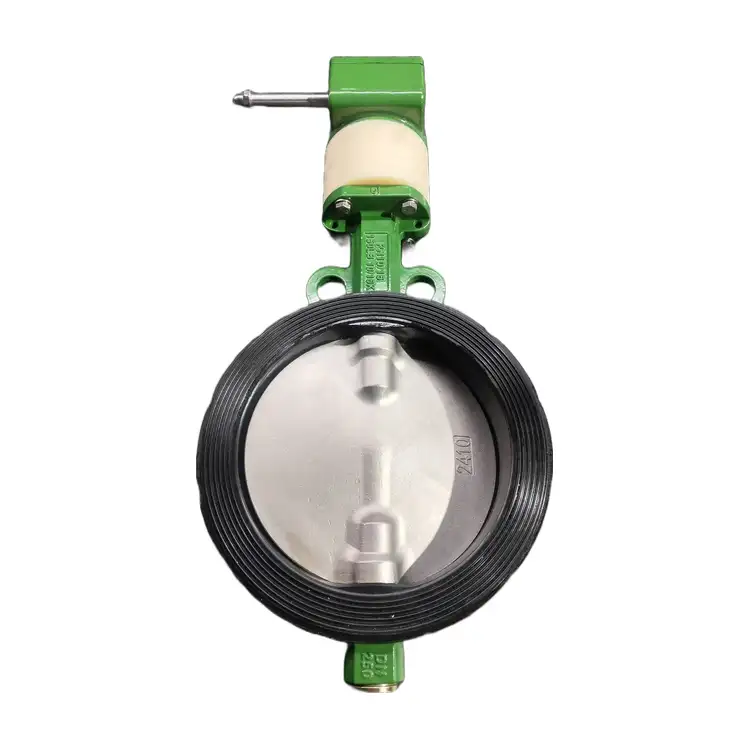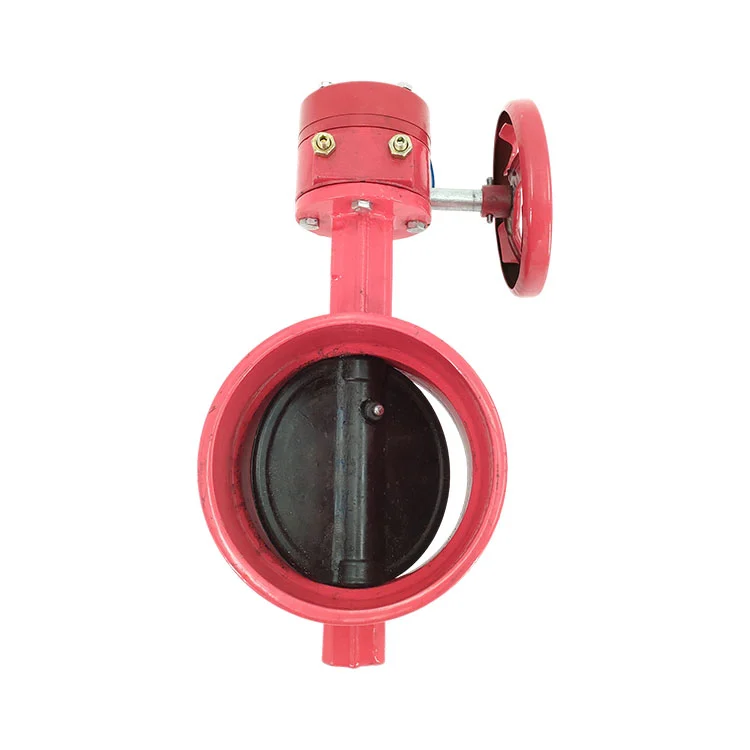
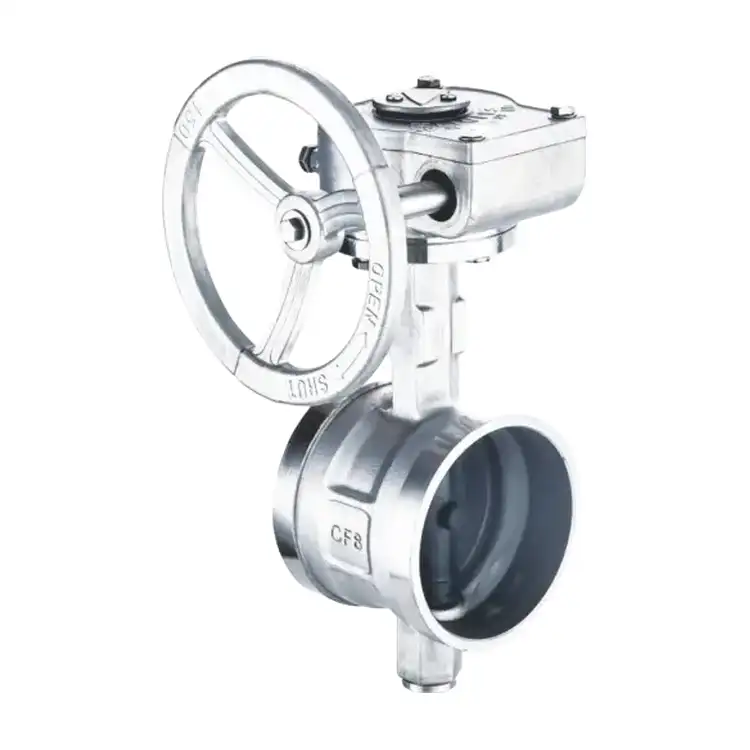
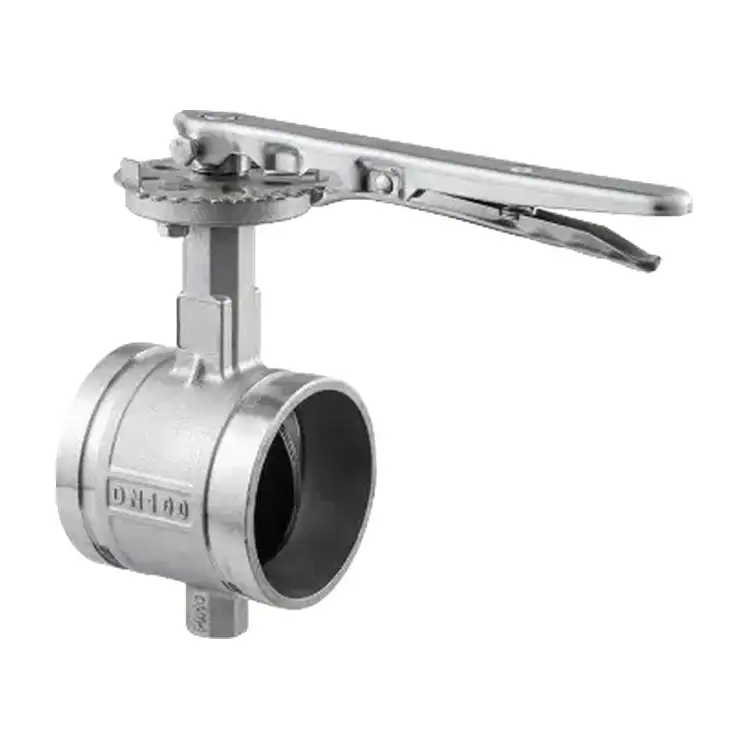
Stainless Steel Worm Gear Grooved Butterfly Valve
Liangfa’s Stainless Steel Worm Gear Grooved Butterfly Valve is designed for reliable shut-off control in water supply, HVAC, wastewater treatment, and selected industrial piping systems. Featuring a manual worm gear operator and a quick-install grooved connection, it helps simplify pipeline assembly, operation, and maintenance. We offer multiple body, disc, stem, and seat material options, including SS304, SS316, EPDM, NBR, PTFE, and FKM, to suit different media and operating conditions.
At Liangfa, we supply grooved butterfly valves for projects that require convenient pipeline assembly, reliable shut-off control, and material options suited to different operating conditions. Our Stainless Steel Worm Gear Grooved Butterfly Valve combines a stainless steel valve configuration with a manual reduction gearbox and grooved connections, helping installation teams simplify maintenance in water treatment, HVAC, and industrial piping systems. We offer material and seat options according to the conveyed medium, working pressure, and temperature, with technical support available before ordering.
Product Specifications
| Model | D381X-10/16P |
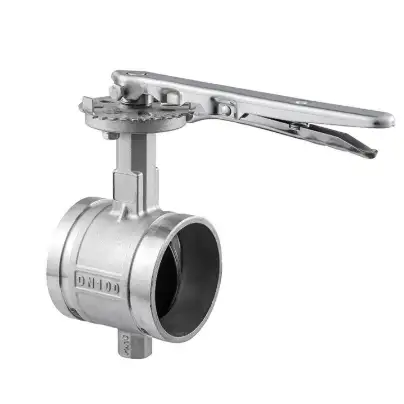
| Connection | Grooved clamp connection |
| Nominal Diameter | Overview range: DN40–DN1200; standard stock and custom ranges require confirmation |
| Pressure Rating | PN10, PN16; 150LB and other standards subject to configuration confirmation |
| General Temperature Range | -10°C to 100°C; confirm the allowable range for the selected seat and complete valve assembly |
| Body Material Options | Cast iron, ductile iron, WCB, SS304, SS316 |
| Disc Material Options | Ductile iron, SS304, SS316, SS2507, SS1.4529 |
| Stem Material Options | 410SS, SS304, SS316, SS2507, SS1.4529 |
| Seat Materials | EPDM, NBR, PTFE, FKM (Viton) |
| Operation | Manual worm gear; electric or pneumatic actuation can be considered |
| Applicable Standards | GB/T 12238 and CJ/T 156, subject to the supplied configuration |
Designed for Easier Pipework Assembly
A grooved connection can reduce installation work compared with conventional welded connections or flange arrangements where compatible grooved piping is specified. The valve is fitted between prepared pipe ends and secured with compatible grooved couplings. This approach can be useful in equipment rooms, utility tunnels, water-treatment facilities, and other locations where maintenance access matters.
The connection still depends on correct groove dimensions, compatible couplings, and a properly fitted gasket. We recommend checking the pipeline groove specification and coupling requirements before installation. A grooved joint should not be used to compensate for significant pipe misalignment, and the valve should not carry unsupported pipeline weight.
Control with a Worm Gearbox
The reduction gearbox makes manual operation easier than directly turning a large butterfly disc. It is especially useful when operators need to open or close valves in medium- and large-diameter pipelines. The gearbox also helps maintain the selected position through its mechanical transmission design, provided the mechanism is correctly selected and maintained.
This Stainless Steel Worm Gear Grooved Butterfly Valve is mainly intended for on-off service. Although the opening position can be adjusted, prolonged operation at a small opening may increase seat wear or cause unstable flow. If the project requires frequent modulation or remote control, we can assess whether an electric or pneumatic actuator is suitable for the operating torque, duty cycle, and control system.
Choose Materials for the Actual Medium
Stainless steel grades and seat materials should be selected together rather than treated as interchangeable options. Chemical concentration, chloride content, temperature, pressure, cleaning agents, and operating frequency can all affect service life. Our team can help review these factors before confirming the valve configuration.
Body and Internal Components
| Material | Typical Selection Considerations |
| SS304 | Suitable for many ordinary water and HVAC applications. It is not recommended for long-term service in seawater or high-chloride media because of pitting-corrosion risk. |
| SS316 / SS316L | Offers improved resistance to many chloride-bearing and mildly corrosive environments compared with 304. Actual suitability depends on concentration, temperature, and exposure conditions. |
| SS2507 Duplex | An option for certain high-chloride or more aggressive service conditions. Confirm the required grade and compatibility for the specific medium. |
| Other listed options | Ductile iron, cast iron, WCB, 410SS, and SS1.4529 may be available for selected components and configurations. |
Seat Material Selection
| Seat | Typical Applications | Important Limitations |
| EPDM | Cooling water, hot water within its rated range, and many water-treatment applications | Not suitable for mineral oils, diesel, or engine oil. |
| NBR | Water and selected oil-bearing media within the material's rated range | Check compatibility with acids, alkalis, and elevated water temperatures. |
| FKM (Viton) | Many oil-bearing media and selected higher-temperature applications | Compatibility varies with chemical type; some strongly polar solvents are unsuitable. |
| PTFE | Many acidic, alkaline, and chemically aggressive liquids | Confirm pressure, temperature, and mechanical requirements, including resistance to deformation and wear. |
The seat temperature figures in the selection guide are material-level reference values, not a guarantee of the complete valve's operating range. The general product information lists -10°C to 100°C. We recommend confirming the allowable pressure-temperature combination for the selected body, seat, and operating conditions before purchase.
Configurations for Common Applications
Building Water and HVAC Circuits
For chilled-water, circulating-water, and ordinary building water systems, a 304 body with an EPDM seat may be considered when the water chemistry and operating limits are suitable. The grooved connection can simplify valve replacement in mechanical rooms and pipe galleries. If the water contains elevated chloride levels or other corrosive substances, review whether a higher-alloy body is needed.
Coastal Water and Aquaculture
For seawater and salt-rich water, do not select 304 solely on the basis of price. A 316L or suitable duplex stainless steel configuration may be more appropriate, but the final selection depends on chloride concentration, temperature, and exposure time. Seat compatibility must be checked separately; a stainless steel body alone does not make the entire valve suitable for every marine application.
Food and Pharmaceutical Process Water
For purified water and process-water lines, a polished 316L disc and a suitable food-grade seat may be considered. Where hygiene or regulatory compliance is required, confirm the material certificates, surface-finish requirements, cleanability, and applicable approvals for the complete valve. Do not assume that a stainless steel construction by itself establishes sanitary certification.
Chemical Water and Wastewater
For mildly acidic or alkaline liquids and selected industrial wastewater, 316L with a compatible PTFE or FKM seat may be suitable after a chemical compatibility review. Strong oxidants, concentrated acids, abrasive solids, and other severe conditions require specific engineering assessment. Where the medium carries substantial sediment, consider upstream filtration and a maintenance plan to reduce seat damage.
Installation Checks That Prevent Leaks
- Check the model, body grade, disc and stem materials, pressure rating, and seat material against the purchase specification.
- Inspect the valve, gasket, couplings, and pipe grooves for damage, dirt, burrs, and dimensional mismatch.
- Place the disc in the recommended installation position so it does not strike the pipe or coupling during assembly.
- Fit the gasket without twisting or displacing it, then install compatible grooved couplings according to their manufacturer's instructions.
- Tighten fasteners evenly and verify that the valve is aligned with the pipeline. Do not force the valve into a misaligned connection.
- Operate the gearbox through its travel before commissioning and confirm that the disc moves without interference.
- Perform shell and seat tests according to the applicable project specification and approved test procedure. Use the pressure limits specified for the actual valve and couplings.
Maintenance for Reliable Operation
Routine inspection can help identify developing problems before they cause an unplanned shutdown. Check grooved joints for external leakage, inspect the seat for wear or damage when necessary, and verify that the gearbox operates smoothly. The inspection interval should be adjusted for the medium, operating frequency, and severity of the service environment.
If the valve becomes difficult to operate, investigate gearbox lubrication, pipeline alignment, corrosion, and possible disc interference rather than forcing the handwheel. If the closed valve leaks internally, check for trapped debris, seat damage, or incomplete closure. For leakage at a grooved joint, inspect the gasket and groove dimensions before reassembly.
Manufacturing and Quality Support
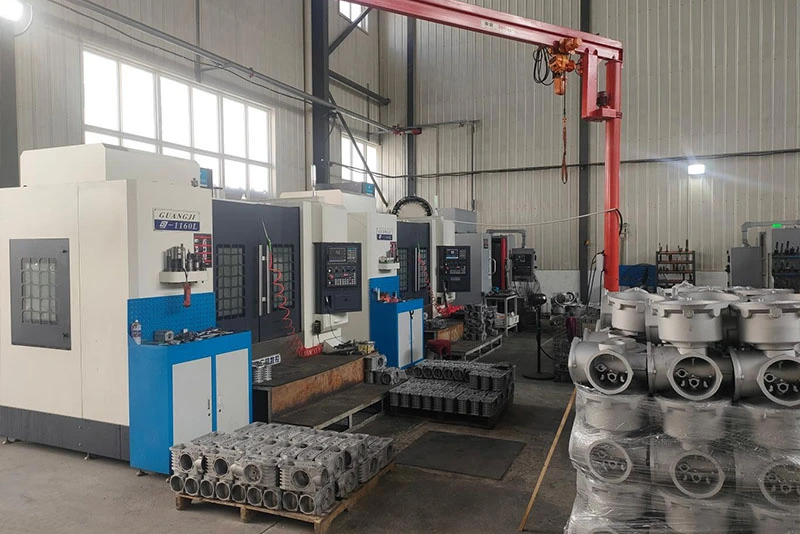
At Liangfa, we provide technical consultation to help customers match valve materials and operating options to their project requirements. Our service can include model selection, technical parameters, drawings, material recommendations, quotation support, and discussion of customized configurations. Factory inspection records and material documentation can be discussed according to the order and specification.
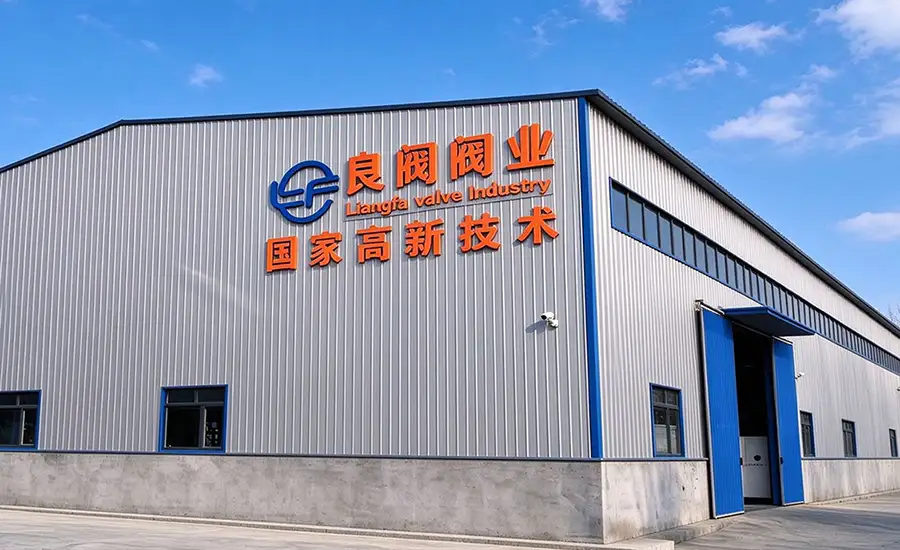
Liangfa holds a High-Tech Enterprise Certificate. This is a company-level qualification and should not be interpreted as a substitute for product-specific certificates, material test reports, or approvals required by a project.
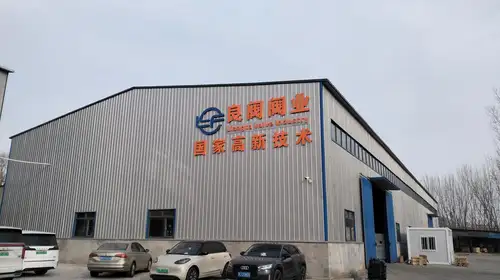
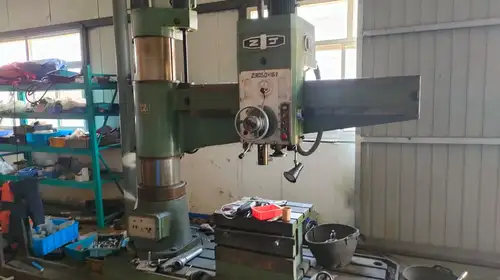
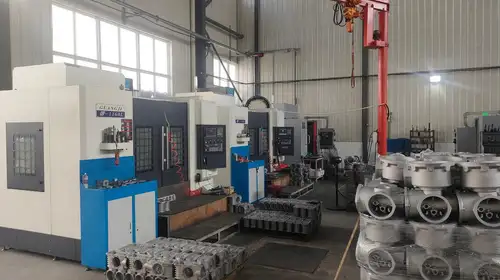
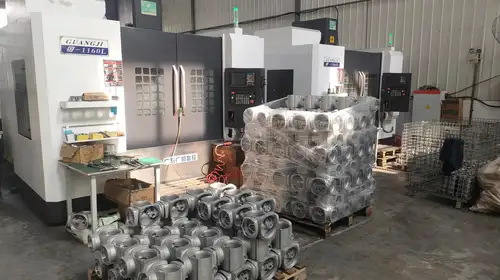
Factory Tour
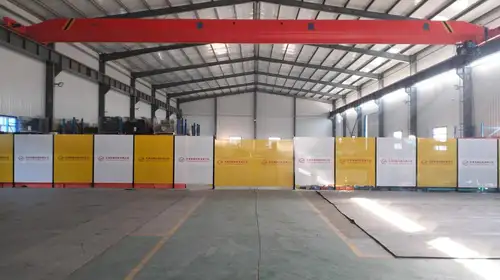
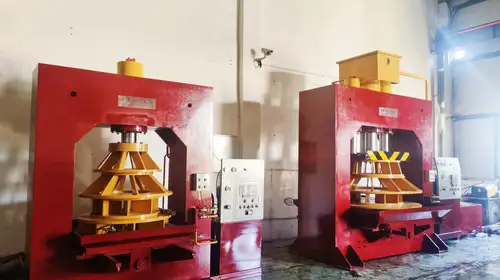
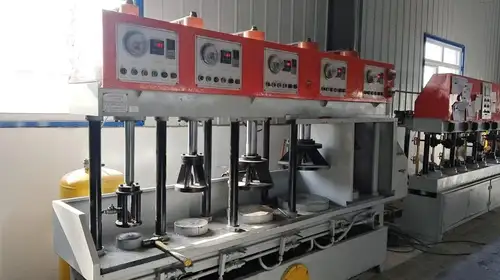
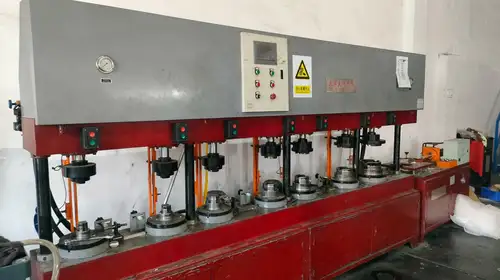
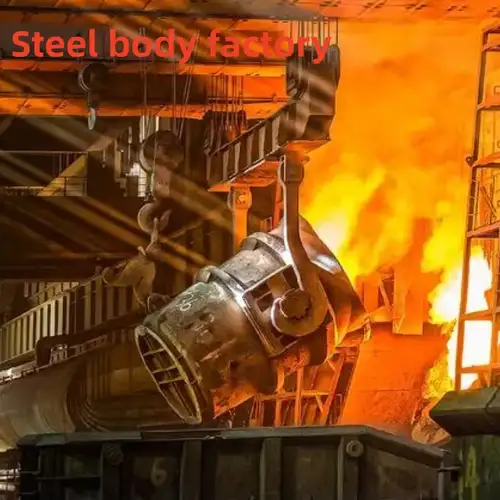
The following images show our production and factory facilities.
Packing and Delivery
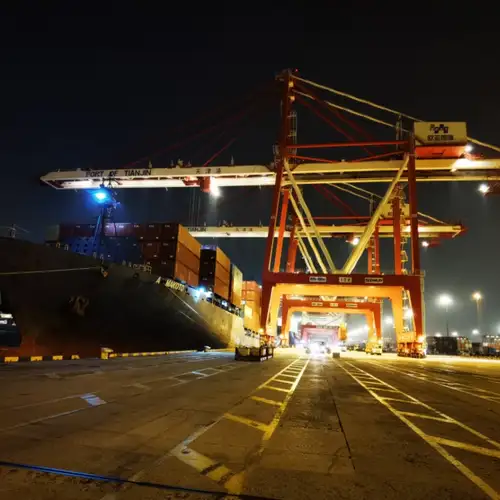
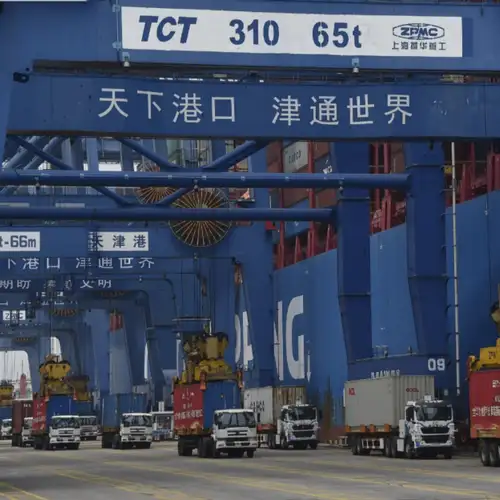
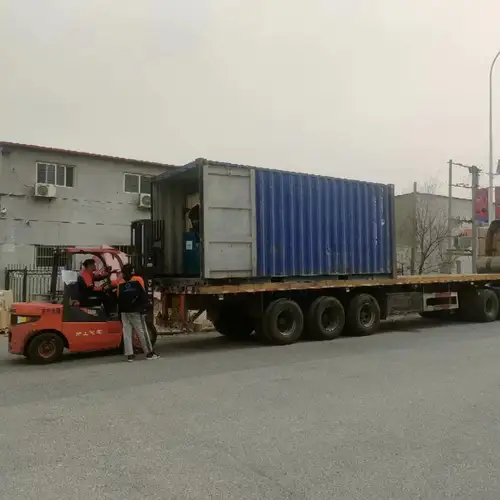
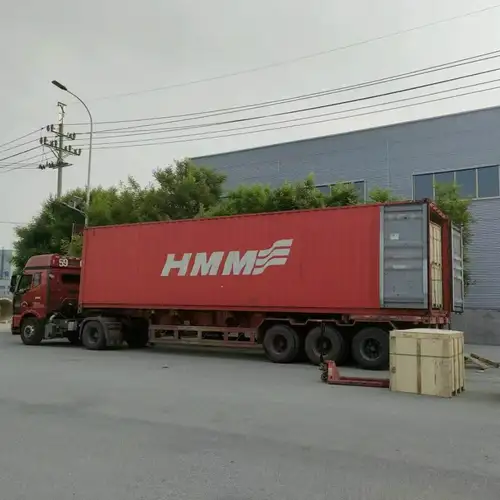
We support sea freight and land transportation, with shipping arrangements planned according to order quantity, packaging requirements, destination, and delivery schedule. Export documents and inspection records can be confirmed during order processing.
Application Examples
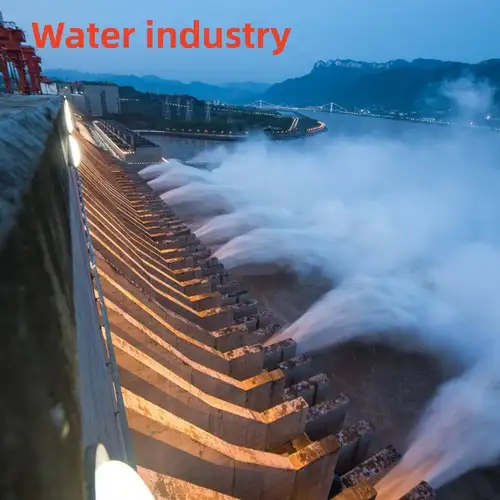
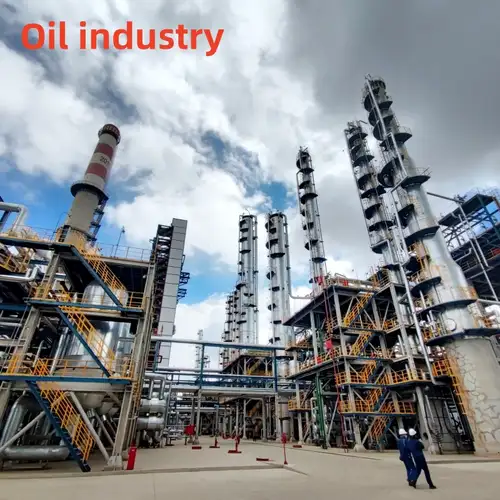
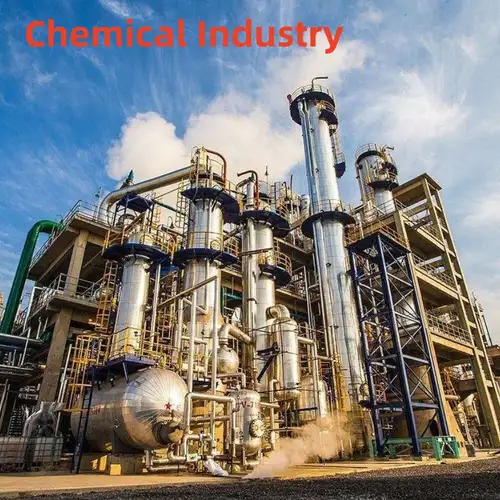
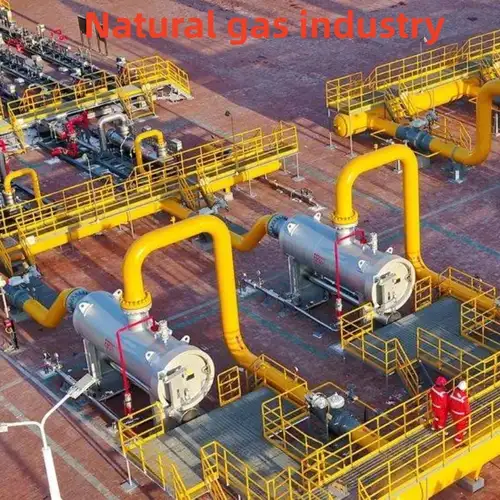
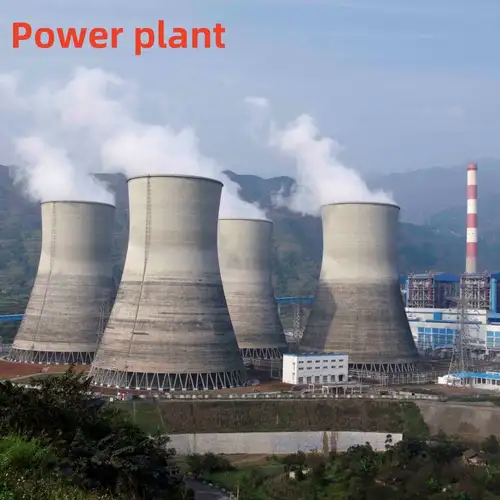
Our valve configurations can be evaluated for water supply and drainage, HVAC circulation, water-treatment equipment, food and pharmaceutical process-water lines, selected chemical services, aquaculture, and wastewater treatment. Suitability depends on the actual medium, pressure, temperature, connection dimensions, and material combination.
Service Before and After Purchase
Selection and Ordering
We can review the medium, temperature, working pressure, nominal diameter, connection standard, and required materials before recommending a configuration. Technical drawings, quotations, and customization requirements can be discussed during the selection stage.
Inspection and Shipment
We arrange factory inspection according to the confirmed order specification and can discuss relevant inspection documents, material records, export packaging, and shipment updates with the customer.
Spare Parts and Technical Assistance
Replacement parts such as seats and other compatible components can be supplied subject to model and availability. We also offer remote guidance for installation, operation, troubleshooting, and later valve replacement. The stated warranty period is 12 months from the shipment date, subject to the agreed warranty terms.
Frequently Asked Questions
How do I confirm whether my existing grooved couplings will fit?
Please provide the pipe outside diameter, groove dimensions, coupling standard, nominal size, and valve model. We recommend checking compatibility before ordering because a mismatch in groove dimensions or coupling type can lead to installation problems or leakage.
Can I use a 304 stainless steel valve for seawater?
We do not recommend 304 for long-term seawater or high-chloride service because pitting corrosion may occur. A suitable 316L or duplex stainless steel configuration may be considered after reviewing chloride concentration, temperature, and exposure conditions.
Can this Stainless Steel Worm Gear Grooved Butterfly Valve be automated later?
Electric or pneumatic actuation may be possible, but the actuator must match the valve torque, operating conditions, available power or air supply, mounting arrangement, and control requirements. Confirm compatibility before retrofitting.
Is the valve suitable for continuous flow regulation?
It is primarily intended for on-off service. Occasional adjustment may be possible, but prolonged operation at a small opening can increase wear and may affect flow stability. For frequent modulation, discuss the duty cycle and control requirements with our technical team.
What information should I provide for a quotation?
Please share the nominal diameter, working pressure, medium composition, operating temperature, body and disc material preferences, seat material, connection standard, quantity, and destination. If the valve will be used in seawater, chemical service, or a food-related process, include any relevant material or compliance requirements.
Contact Liangfa with your pipeline specifications and operating conditions. We can help you review the material combination, connection requirements, and available operating options for your project.
Send Inquiry
Contact Info
-
Address
No. 2 Taikang Road, Xiditou Town, Beichen District, Tianjin City, China
-
Tel
-
Email
If you have any inquiry about a quotation or cooperation, please feel free to email or use the following inquiry form. Our sales representative will contact you within 24 hours.
Related Products
News Recommendations