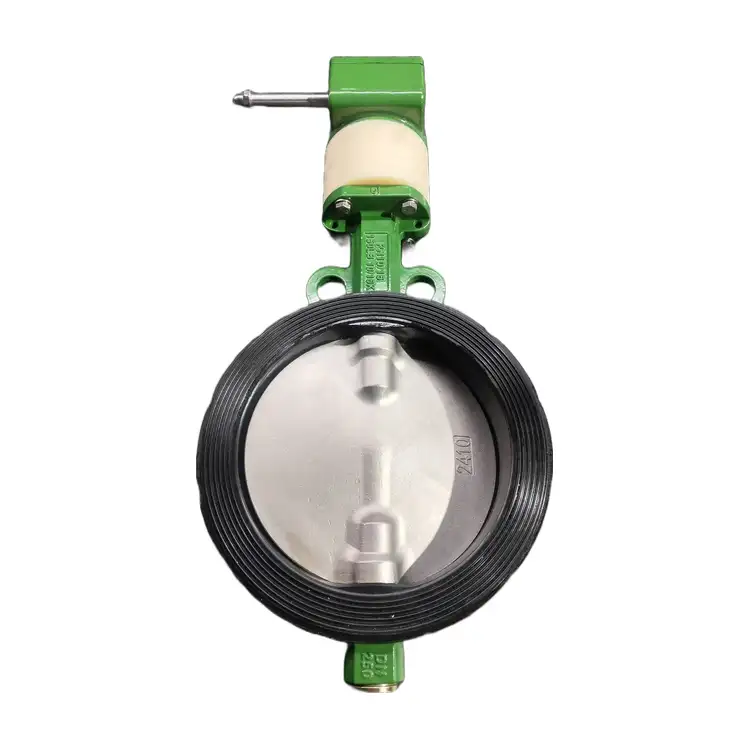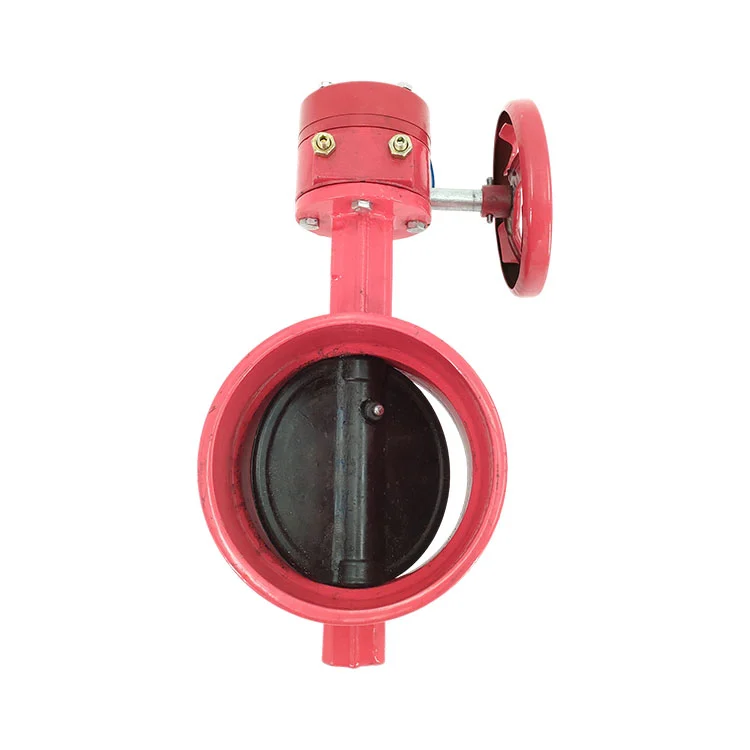
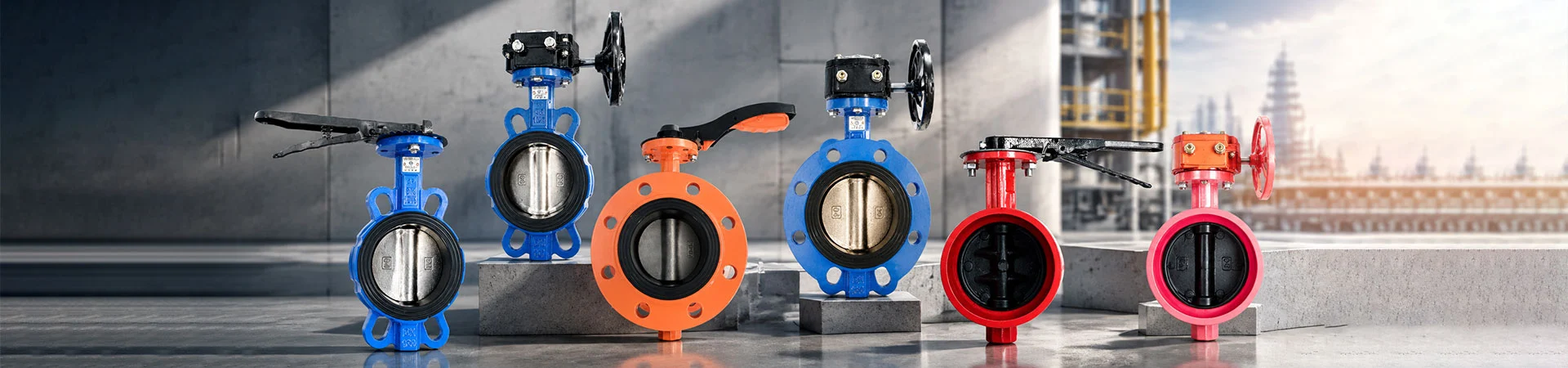
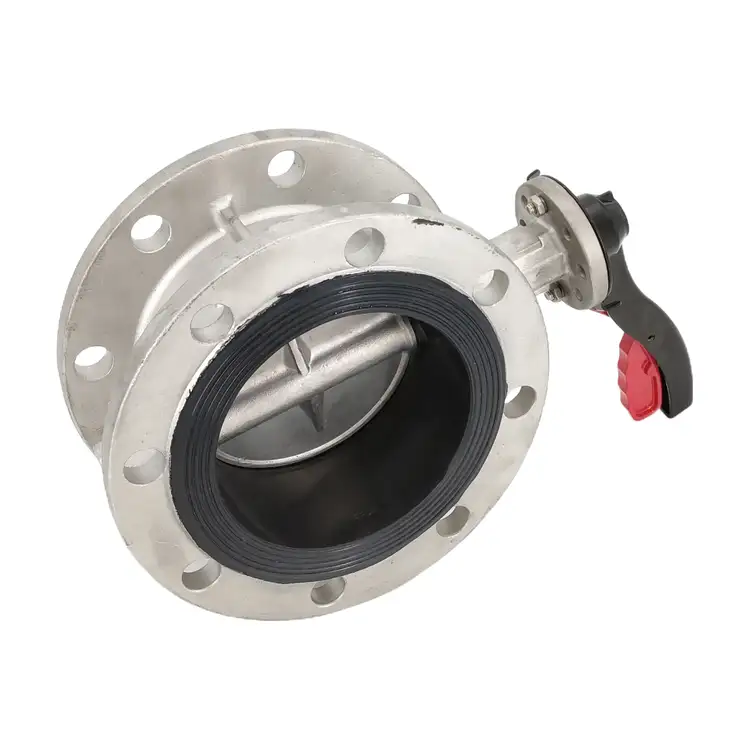
Stainless Steel Lever Flanged Butterfly Valve
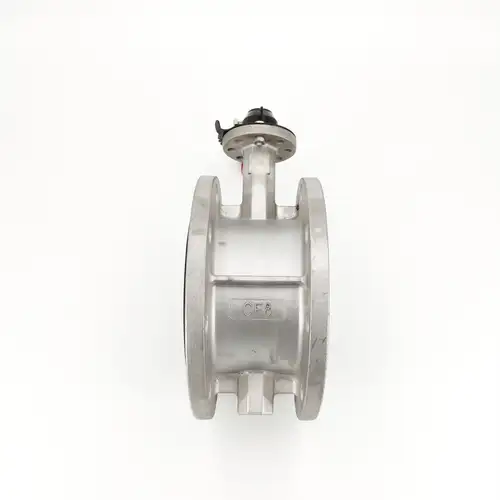
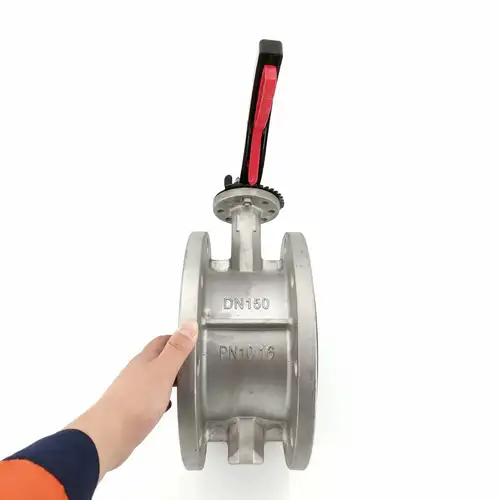
Liangfa’s Stainless Steel Lever Flanged Butterfly Valve is designed for manual pipeline shut-off and flow adjustment in water treatment, HVAC, chemical processing, and other industrial systems. Featuring a 90-degree lever mechanism and a concentric soft-seal design, it offers convenient operation without an external power supply.
Our Stainless Steel Lever Flanged Butterfly Valve is designed for pipeline systems that require convenient manual shut-off, practical flow adjustment, and corrosion-resistant material options. The concentric soft-seal design and 90-degree lever operation support straightforward control without an external power supply.
At Liangfa, we offer different body, disc, stem, and seat materials to help customers match the valve to their media, pressure, temperature, and installation requirements. As a high-tech enterprise, we also provide technical support for product selection and project-specific requirements.
Product Specifications
| Product Name | Stainless Steel Lever Flanged Butterfly Valve |
| Model | D41X-10/16P |
| Nominal Diameter | DN40–DN1200, subject to configuration confirmation |
| Connection Method | Wafer, according to the supplied specification |
| Working Pressure | PN10, PN16, 150LB, 5K, 10K, 16K, depending on the selected standard |
| Temperature Range | -10°C to 100°C for the listed product configuration |
| Coating | Fusion-bonded epoxy coating in accordance with ANSI/AWWA C550, where applicable |
| Operation | Manual lever, 90-degree rotation |
| Seat Options | EPDM, NBR, FKM (Viton), PTFE |
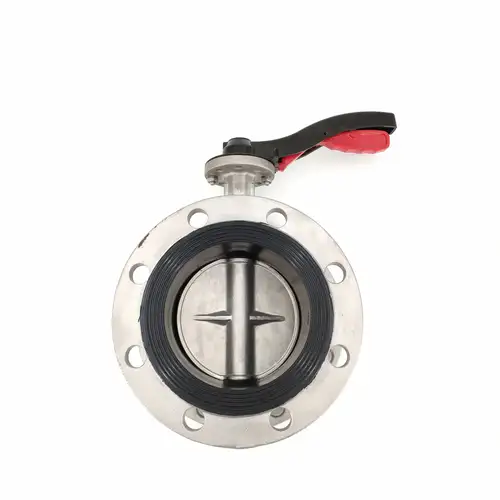
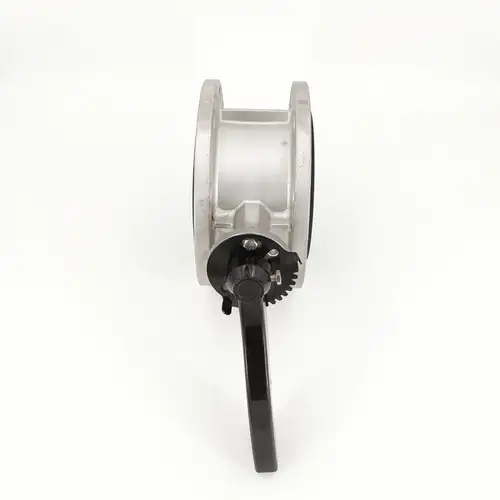
How the Lever Mechanism Works
The handle turns the valve stem through approximately 90 degrees to move the disc between open and closed positions. A position-locking mechanism helps hold the lever at selected angles, making it useful for local shut-off and basic flow adjustment. Since operation is manual, the valve does not require an electrical connection or compressed-air supply.
This arrangement is suitable for pipelines where operators can access the valve directly and where manual operation meets the required operating frequency. For frequent automated cycling or larger valve sizes that require higher operating torque, we can help assess whether a geared, pneumatic, or electric model would be more appropriate.
Choose Materials for the Fluid
The body and disc materials, together with the seat liner, determine whether a valve is suitable for a particular fluid. Stainless steel grades offer different levels of corrosion resistance, but the correct choice depends on the chemical composition, concentration, temperature, and exposure time of the medium.
| Component | Available Materials | Selection Considerations |
| Body | Cast iron, ductile iron, WCB, SS304, SS316 | Consider corrosion exposure, pressure, and mechanical requirements. |
| Disc | Ductile iron, SS304, SS316, SS2507, SS1.4529 | Match the disc material to the fluid and operating environment. |
| Stem | 410SS, SS304, SS316, SS2507, SS1.4529 | Check strength and corrosion resistance under the specified conditions. |
| Seat Liner | EPDM, NBR, PTFE, FKM (Viton) | Confirm chemical compatibility and temperature limits. |
| Lever | Ductile iron, SS304 | Choose according to operating environment and durability needs. |
| Fasteners | Galvanized carbon steel, SS304, SS316 | Consider humidity, salt exposure, and the mating flange materials. |
Compare the Seat Options
| Seat Material | Typical Applications | Important Checks |
| EPDM | Water, HVAC circulating water, and many aqueous services | Generally unsuitable for petroleum oils and many oil-based fluids. |
| NBR | Oil-bearing wastewater, diesel, and lubricating oil applications | Check compatibility with the specific chemical and operating temperature. |
| FKM (Viton) | Selected oils, fuels, and chemical services | Compatibility varies; confirm the fluid composition and temperature. |
| PTFE | Many corrosive chemical applications | Check pressure, temperature, and the presence of abrasive particles. |
The temperature limits of the complete valve are determined by the body, seat, stem seals, pressure rating, and service conditions—not by the seat material alone. Please provide the actual operating temperature and media details so we can recommend a suitable configuration.
Check the Operating Conditions
Pressure and Pipe Size
We offer pressure and size options subject to the selected valve design and connection standard. Before ordering, confirm the nominal diameter, maximum working pressure, flange drilling, face-to-face dimensions, and applicable pressure-temperature rating. PN ratings, ASME Class ratings, and Japanese JIS pressure classes are different standards and should not be treated as directly interchangeable.
The supplied information lists several pressure options, including PN10, PN16, and 150LB. The exact combination available for model D41X-10/16P should be confirmed against the approved drawing and product datasheet.
Fluid Cleanliness
Soft-seated butterfly valves are generally better suited to fluids without large quantities of hard abrasive particles. Sand, welding slag, metal chips, and similar debris may scratch the seat or prevent the disc from closing properly. We recommend flushing the pipeline before commissioning and assessing a different valve design if the medium contains significant solid contaminants.
Temperature and Chemical Compatibility
A stainless steel body does not automatically make the complete valve suitable for every corrosive fluid. Chloride concentration, acid or alkali strength, chemical mixtures, and temperature can all affect material performance. For seawater, chemical wastewater, solvents, or high-temperature service, share the fluid composition and operating range with our team before selecting the body and seat combination.
Where This Valve Is Used
Depending on material selection and verified operating limits, our Stainless Steel Lever Flanged Butterfly Valve can be considered for the following systems:
- Water treatment: Water supply, filtration, wastewater treatment, reclaimed water, and selected circulation systems.
- Food and pharmaceutical facilities: Suitable utility-water lines and other compatible services. Sanitary applications may require specified surface finishes, approved seals, and additional hygiene documentation.
- Chemical processing: Selected weak-acid, weak-alkali, and chemical wastewater lines after material compatibility review.
- HVAC and building services: Cooling-water circulation, heating-water systems, and water distribution.
- Swimming pools and coastal systems: Circulation and water treatment, subject to the actual disinfectant, chloride level, and material specification.
- Oil-related industrial systems: Compatible oil-bearing wastewater and fluid lines when the selected seat material is suitable.
- Municipal and environmental projects: Selected water, drainage, and wastewater applications.
For drinking-water, food-contact, pharmaceutical, or other regulated services, please confirm the required material certificates, approvals, surface finish, and seal documentation before placing an order.
Installation and Commissioning Checks
Before Installation
- Check the model, nominal diameter, pressure rating, body material, seat material, and connection dimensions against the purchase specification.
- Inspect the body, disc, stem, lever, and seat for transport damage or visible defects.
- Remove welding slag, sand, and other debris from the pipeline before installing the valve.
- Confirm that the lever has enough clearance to move through its full operating range.
During Installation
- Align the valve with the mating pipe flanges and use the specified gaskets and fasteners.
- Tighten flange bolts evenly in a diagonal sequence to reduce uneven loading.
- Check disc clearance and follow the installation instructions for the confirmed valve design.
- Avoid positioning the valve where severe water hammer or vibration could shorten seat service life.
After Installation
Cycle the lever to check for smooth movement and verify that the position-locking mechanism works correctly. Conduct the specified pressure and leakage tests in accordance with the project requirements and applicable standards. Before maintenance, isolate the line, release pressure, and drain the medium in accordance with site safety procedures.
Maintenance and Troubleshooting
| Observed Issue | Possible Cause | Recommended Check |
| Leakage through the closed valve | Seat damage, trapped debris, wear, or incomplete closure | Isolate the line, inspect the seat and disc, and remove contaminants. |
| Lever is difficult to turn | Debris, stem corrosion, insufficient lubrication, or excessive differential pressure | Check the operating conditions and inspect the stem and disc area. |
| Lever does not stay in position | Loose locking hardware or worn positioning parts | Inspect and tighten the mechanism; replace damaged parts as needed. |
| External leakage near the stem | Worn or damaged stem sealing components | Depressurize the pipeline and inspect the sealing assembly. |
Inspection frequency should reflect the fluid, operating cycle, temperature, and site conditions. We recommend recording operating issues and checking the seat, lever, fasteners, and external sealing areas during planned maintenance. Replace worn parts when inspection shows that their condition may affect safe operation or sealing performance.
Manufacturing and Quality Support
At Liangfa, we support valve selection by reviewing the project requirements, including media, pressure, temperature, nominal diameter, connection standard, and material preferences. As a high-tech enterprise, we can provide relevant technical information and discuss available configurations before production. Inspection documents and material certificates can be discussed according to the agreed order requirements.
For a quotation, please send us the required quantity, operating conditions, connection standard, and any project-specific documentation requirements. This helps us check the correct configuration and reduce the risk of ordering a valve that does not match the pipeline.
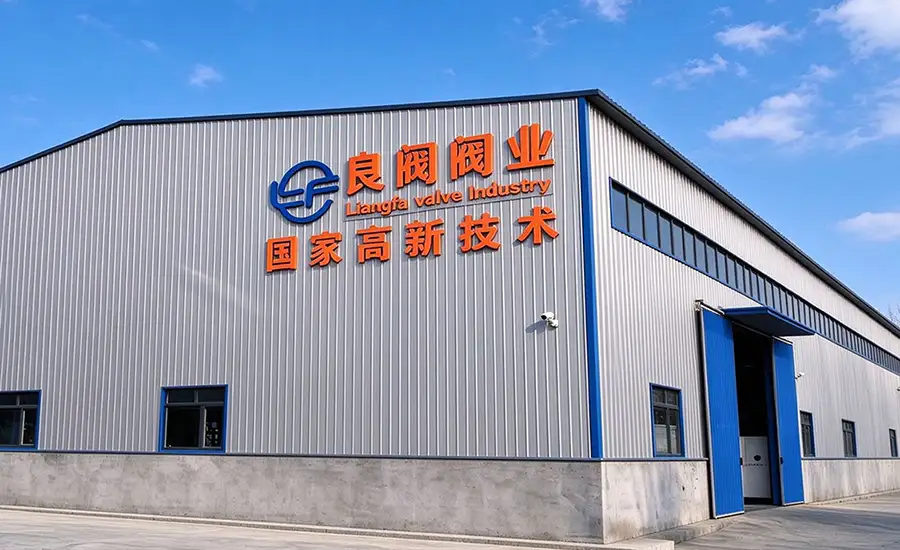
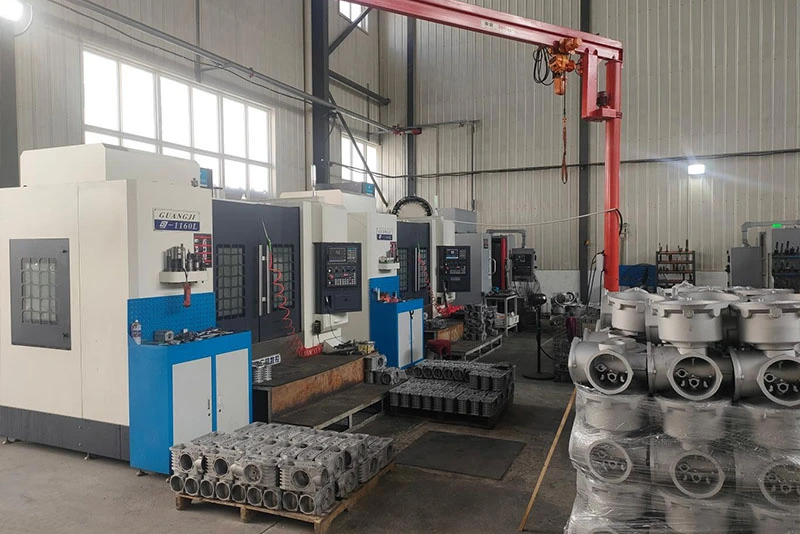
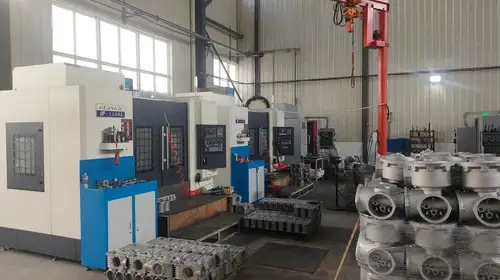
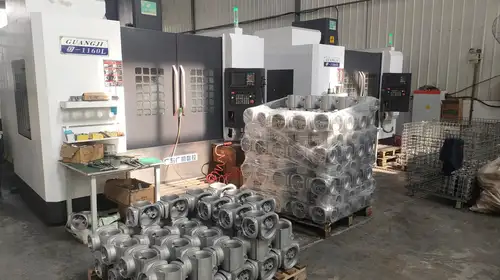
Factory Tour
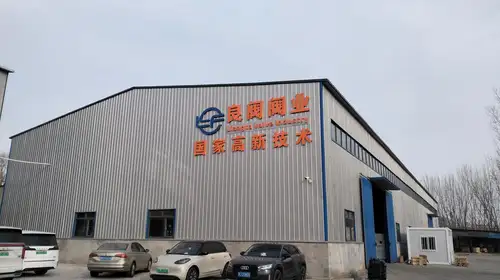
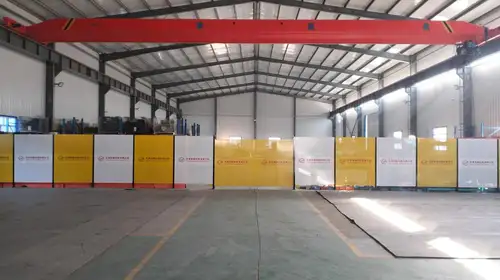
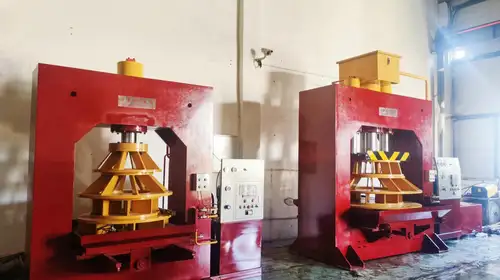
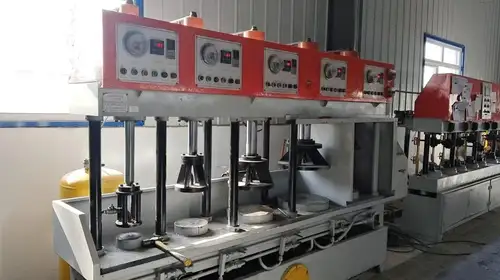
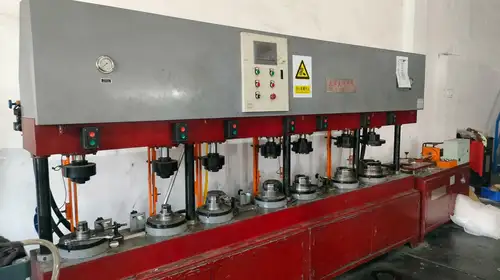
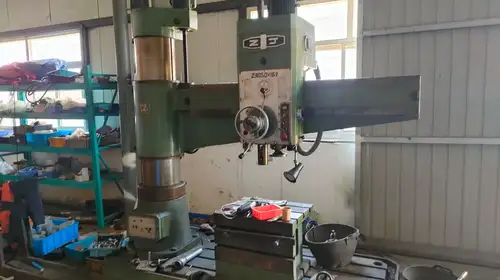
The following images show our factory and production-related facilities.
Packaging and Delivery
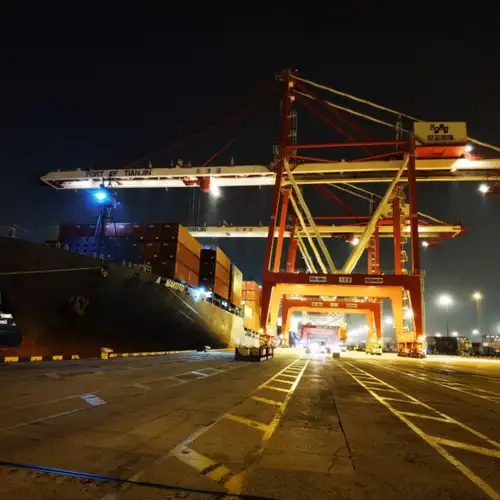
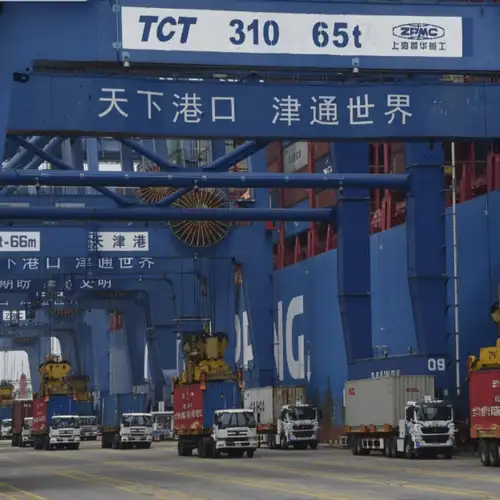
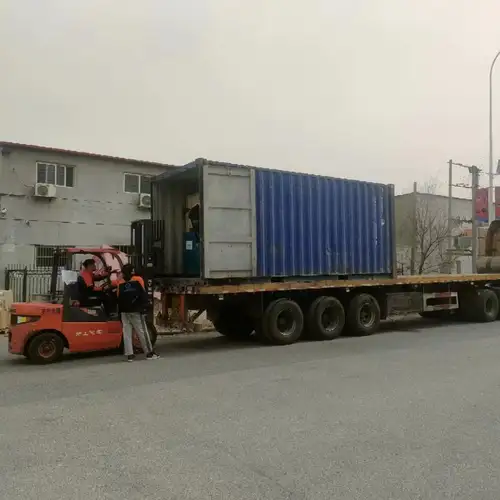
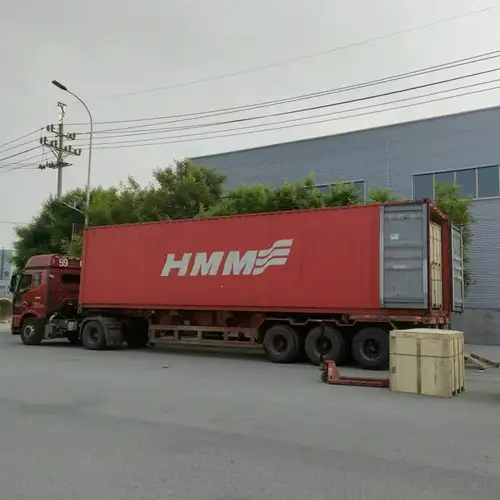
We support sea freight and land transport, with shipping arrangements based on the destination, order quantity, and delivery requirements. Export packing and shipping documents can be confirmed before dispatch. Please provide the destination port or delivery address when requesting a quotation so that we can discuss the appropriate logistics plan.
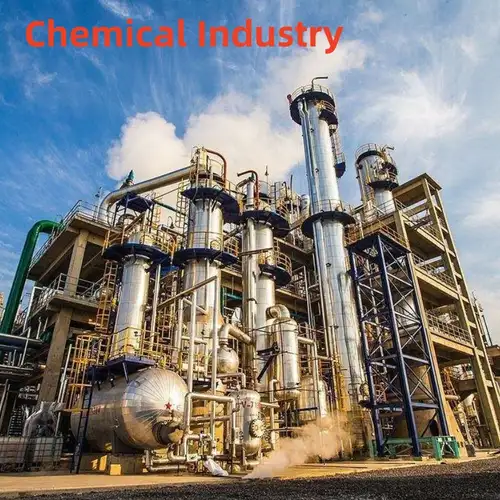
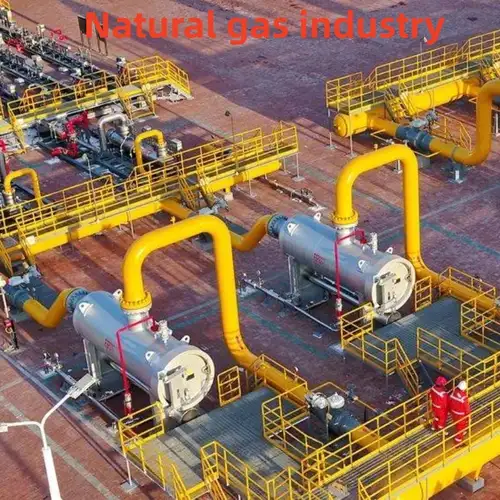
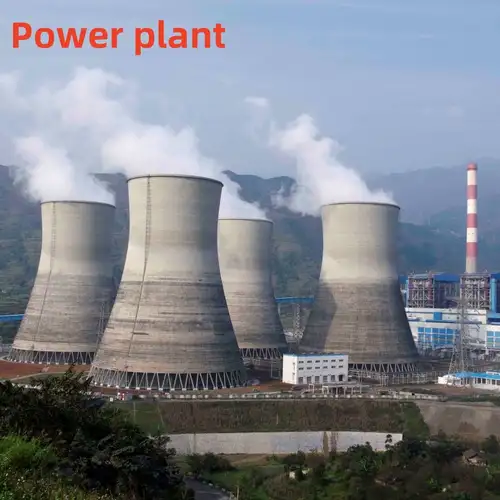
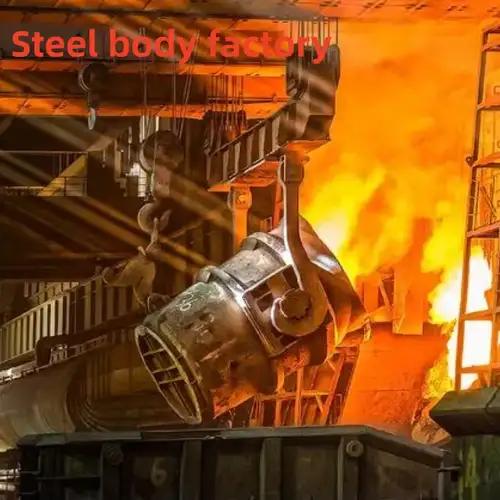
Application Examples
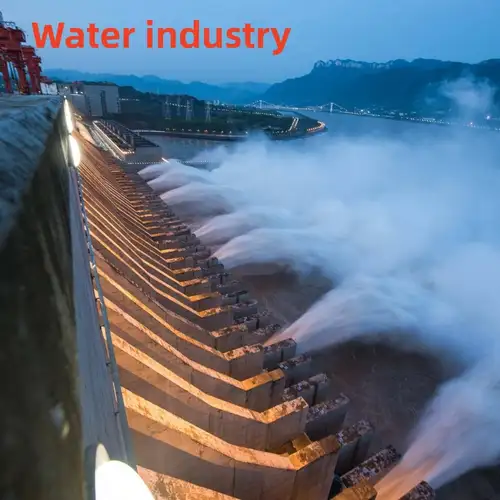
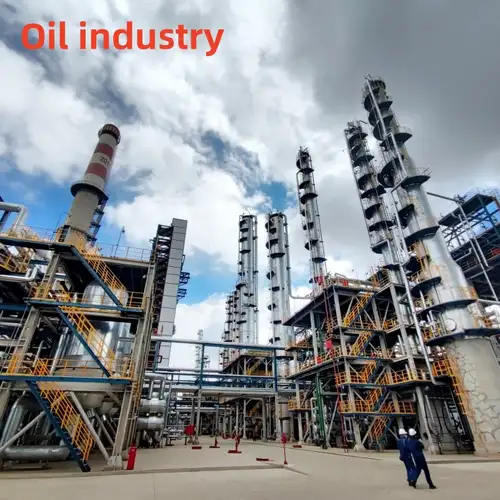
Our valve range can be evaluated for compatible water treatment, building services, chemical processing, and industrial fluid applications. Final suitability depends on the selected materials, pressure rating, temperature, and connection requirements.
Ordering and Technical Assistance
To help us recommend the right configuration, please include the following details in your inquiry:
- Required quantity and nominal diameter
- Working pressure and operating temperature
- Fluid name, concentration, and any solid content
- Preferred body, disc, stem, and seat materials
- Required flange standard and face-to-face dimensions
- Applicable certificates, inspection documents, or packaging requirements
We provide pre-sales selection assistance, configuration confirmation, production and inspection coordination, export logistics support, and after-sales technical guidance. Spare parts and warranty terms can be confirmed in the quotation and order documents.
Frequently Asked Questions
Can this valve be used for flow regulation as well as shut-off?
The lever can hold the disc at selected positions, so the valve can be used for basic manual flow adjustment as well as shut-off. If precise flow control is required, confirm the control range and operating conditions with us before selection.
What information do you need to recommend a seat material?
Please provide the fluid name and composition, concentration, operating temperature, pressure, and whether the medium contains oil or abrasive particles. These details help us evaluate EPDM, NBR, FKM, or PTFE options for the application.
Is the listed DN40–DN1200 range available with a manual lever?
The supplied product information lists DN40–DN1200, while the selection notes identify DN40–DN600 as the usual lever-operated range and recommend geared operation for larger sizes. Please confirm the required diameter and operating torque with us before ordering.
Can the valve be supplied to match an existing pipeline flange?
We can review the required connection standard, nominal pressure, flange dimensions, and face-to-face length. Please send the pipeline drawing or relevant dimensions so that the connection compatibility can be checked before production.
What documents can be provided with an order?
Available documents depend on the agreed order specification. We can discuss product drawings, technical data, inspection reports, material certificates, and export documents when preparing the quotation.
Send Inquiry
Contact Info
-
Address
No. 2 Taikang Road, Xiditou Town, Beichen District, Tianjin City, China
-
Tel
-
Email
If you have any inquiry about a quotation or cooperation, please feel free to email or use the following inquiry form. Our sales representative will contact you within 24 hours.
Related Products
News Recommendations