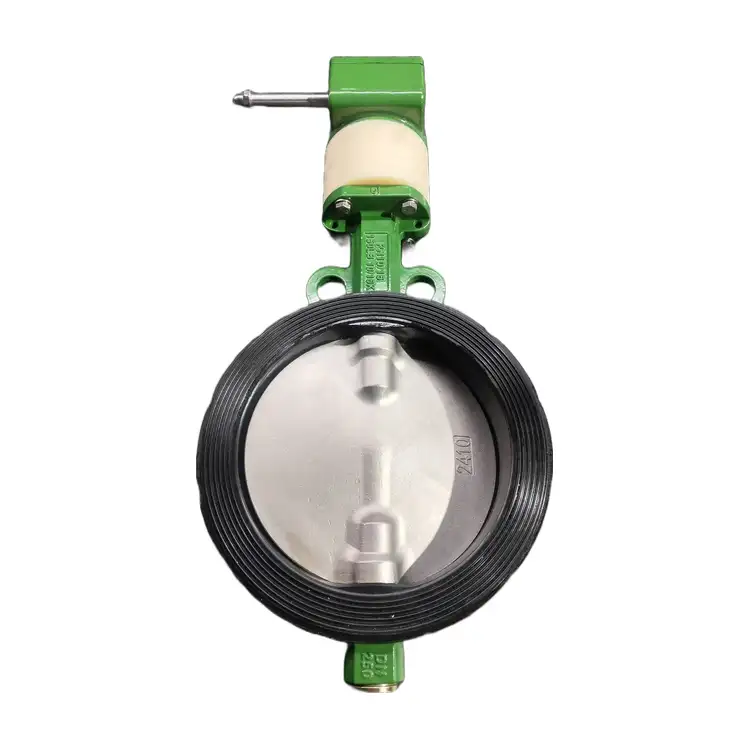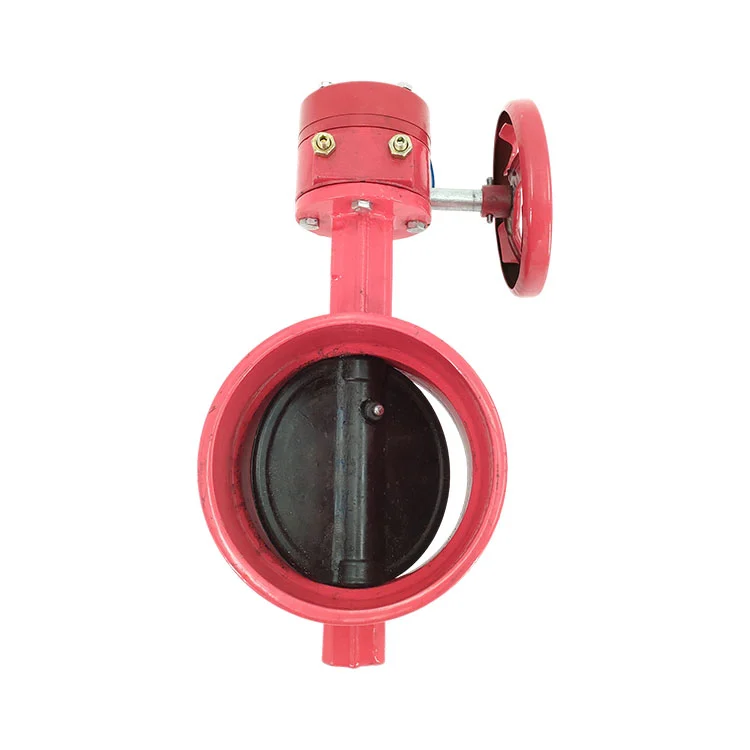
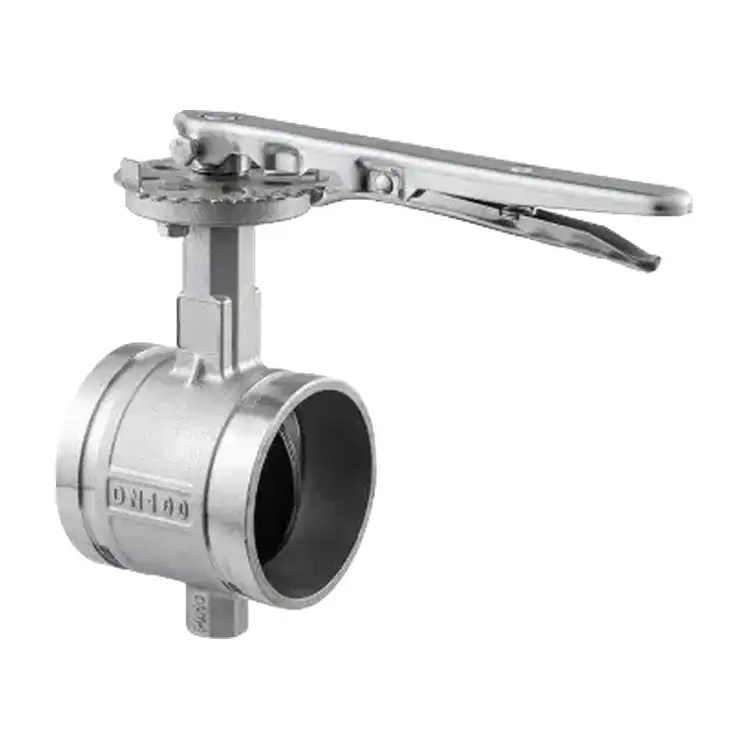
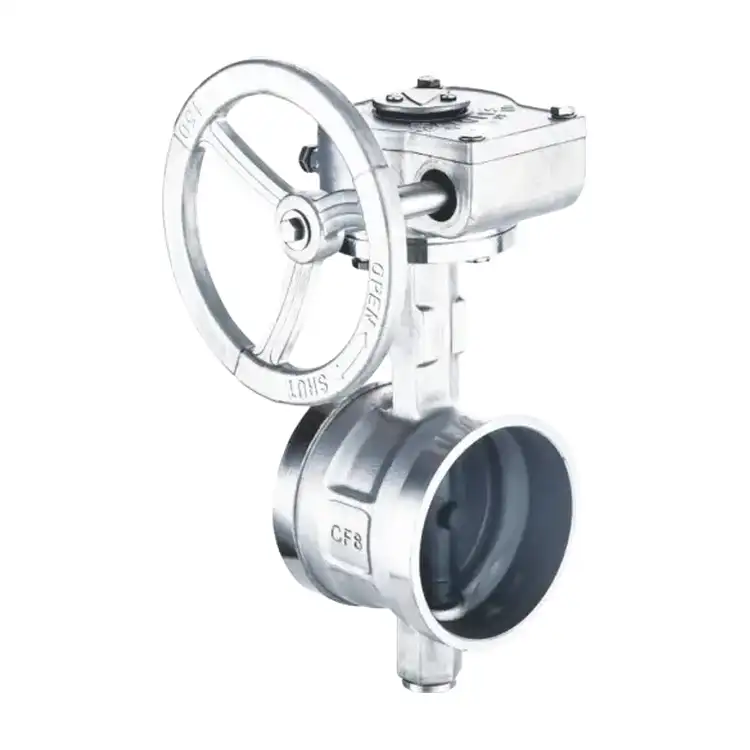
Stainless Steel Manual Grooved Butterfly Valve
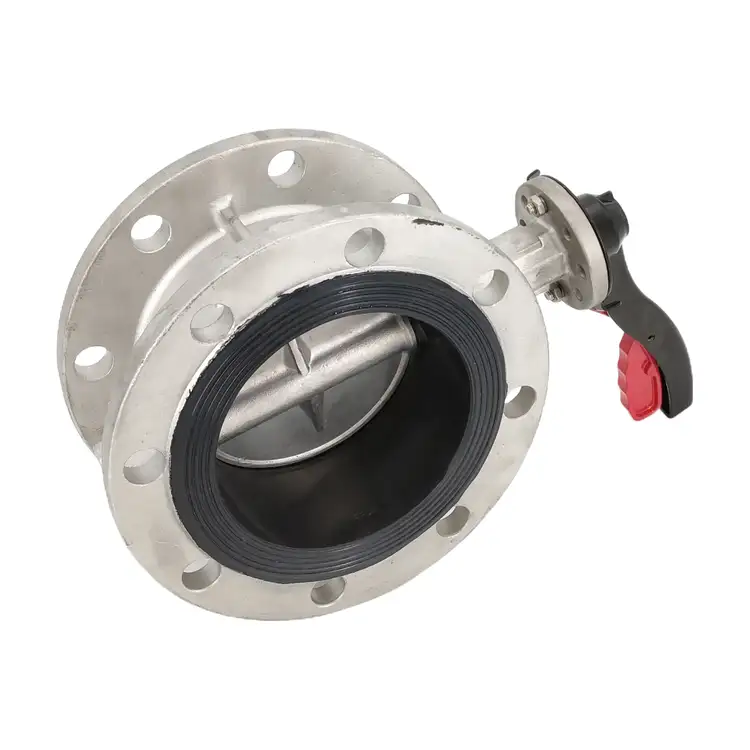
Liangfa’s Stainless Steel Manual Grooved Butterfly Valve is designed for reliable shut-off control in water supply, fire-protection systems, HVAC, wastewater treatment, and selected industrial pipelines. Featuring a manual lever handle, a soft-seated sealing structure, and a quick-install grooved connection, it offers convenient operation and simplified maintenance.
At Liangfa, we provide manually operated butterfly valves for pipeline projects that require corrosion resistance, convenient installation, and dependable shut-off control. Our Stainless Steel Manual Grooved Butterfly Valve features a hand-operated lever, a soft-seated sealing structure, and a grooved connection design for compatible piping systems.
With optional stainless-steel grades and sealing materials, we help buyers match the valve to the actual medium, pressure, temperature, and site conditions. Liangfa holds a High-Tech Enterprise Certificate and offers technical selection assistance, product inspection, and after-sales support for industrial and building-service projects.
Product Specifications
| Product Name | Stainless Steel Manual Grooved Butterfly Valve |
| Model | D81X-10/16P |
| Nominal Diameter | DN40–DN1200 listed; confirm the available size for the selected configuration |
| Connection | Grooved connection; confirm the connection type against the final drawing |
| Pressure Options | PN10, PN16, 150LB, 5K, 10K, 16K; availability depends on the selected design |
| Temperature Range | -10°C to 100°C listed for the product; confirm the final assembly rating |
| Operation | Manual lever handle |
| Seat Options | EPDM, NBR, PTFE, FKM |
| Body Material Options | Cast iron, ductile iron, WCB, SS304, SS316 |
How the Handle Works
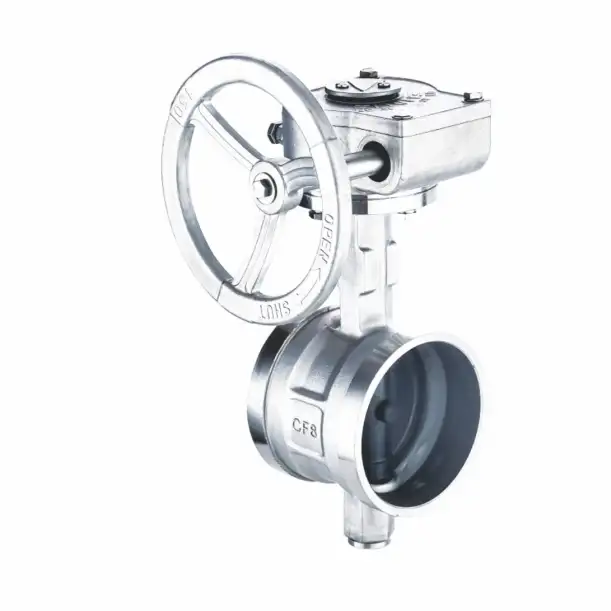
The valve uses a manual lever to rotate the butterfly disc through approximately 90 degrees between open and closed positions. This simple mechanism does not require electricity or a compressed-air supply, making it practical for pump rooms, utility spaces, and pipelines where automated control is unnecessary. The handle's position-locking mechanism helps maintain a selected opening position, although the valve should be chosen according to whether the system mainly requires shut-off or regular flow adjustment.
Manual Control for Everyday Operation
Operators can inspect the handle position directly and operate the valve during a power outage. Before installation, we recommend checking the available clearance around the handle so it can move without hitting nearby pipes, brackets, walls, or equipment. If access is restricted, discuss the handle orientation and operating space with our team before confirming the order.
Automation Can Be Planned
For projects that may require remote operation in the future, an actuator-compatible version with an ISO 5211 mounting interface can be considered. Please confirm the mounting interface, operating torque, valve size, and actuator requirements before selecting this option. The standard manual configuration should not be assumed to include an actuator.
Choose Materials for the Actual Medium
The body, disc, stem, seat, handle, and fasteners can use different materials according to the requested configuration. When selecting our Stainless Steel Manual Grooved Butterfly Valve, buyers should evaluate the complete material combination rather than choosing a valve by body grade alone. Fluid composition, chloride concentration, temperature, pressure, cleaning chemicals, and required service life all affect suitability.
| Component | Available Options | Selection Notes |
| Body | Cast iron, ductile iron, WCB, SS304, SS316 | Choose according to corrosion exposure, pressure rating, and project specifications. |
| Disc | Ductile iron, SS304, SS316, SS2507, SS1.4529 | Confirm compatibility with the process medium and the specified body design. |
| Stem | 410SS, SS304, SS316, SS2507, SS1.4529 | Corrosion resistance and mechanical strength both matter. |
| Seat Liner | EPDM, NBR, PTFE, FKM | Match the sealing material to the fluid and the complete valve's rated temperature. |
| Lever | Ductile iron, SS304 | Specify the preferred material and site environment. |
| Fasteners | Galvanized carbon steel, SS304, SS316 | Consider moisture, corrosion exposure, and connection requirements. |
SS304 or SS316?
SS304 is commonly considered for ordinary water and neutral aqueous services when the water chemistry is suitable. It is not a universal choice for seawater or chloride-rich media, where pitting corrosion can occur. SS316 offers improved resistance in many chloride-bearing environments, but it is not suitable for every seawater or chemical application. For high-chloride or more aggressive service, higher-alloy options such as duplex stainless steel may need to be evaluated against the actual operating conditions.
EPDM, NBR, PTFE, or FKM?
| Seat Material | Typical Selection Considerations |
| EPDM | Often used for water, HVAC circulating water, and selected hot-water services. Generally unsuitable for petroleum oils and many oily fluids. |
| NBR | Often considered for oil-bearing water and petroleum-based media. Check compatibility with the specific chemicals and temperature. |
| PTFE | Offers broad chemical resistance for many acids, alkalis, and process fluids. Confirm pressure, temperature, wear, and operating-torque limits. |
| FKM | Can suit many oil-resistant and higher-temperature applications. Compatibility depends on the specific fluid, particularly certain solvents. |
The material temperature figures in a seat-material guide do not automatically establish the allowable temperature of the complete valve. Our listed product range is -10°C to 100°C; please confirm the final assembly rating and pressure-temperature limits before ordering.
Check Size and Pressure Before Ordering
The source specification lists nominal diameters from DN40 to DN1200, while the selection notes identify DN50–DN300 as standard sizes and DN350–DN400 as custom options. These ranges need to be confirmed against the specific model and production configuration. The same applies to pressure classes: PN10 and PN16 are identified in the selection guidance, while other ratings appear in the general parameter table. We recommend confirming the actual size, pressure rating, face-to-face dimensions, and connection details on the approved drawing.
Confirm the Pipe Connection
A grooved connection depends on compatible pipe-end grooves, clamps, and sealing gaskets. Check groove dimensions and the required coupling standard before purchasing. The source data also lists “Wafer” in the connection field, which conflicts with the grooved-connection description. We recommend resolving this point with the final product drawing so the supplied valve matches the installation system.
Allow Space for Installation and Service
Measure the pipe spacing and surrounding equipment before specifying the valve. The handle must have sufficient room for a full operating movement, and the valve should remain accessible for inspection or replacement. Provide independent pipe supports where required; the valve and its connection should not be used to carry unsupported pipeline loads.
Applications and Service Conditions
Our Stainless Steel Manual Grooved Butterfly Valve can be considered for compatible water and process-fluid pipelines in building services and selected industrial installations. The final choice depends on the valve configuration, fluid chemistry, operating temperature, pressure, and applicable project requirements.
Building Water and Fire-Protection Systems
For water supply, drainage, sprinkler, and hydrant systems, buyers commonly evaluate the required nominal pressure, pipe connection, seat material, and local approval requirements. Stainless-steel components can help address corrosion concerns in suitable environments, but the selected valve must still meet the project's applicable fire-protection and piping specifications.
HVAC and Circulating Water
In chilled-water and cooling-water circuits, a manual lever provides a straightforward way to isolate equipment or adjust the valve opening. EPDM may be considered for compatible water-based fluids. If the circuit contains oils, treatment chemicals, glycol mixtures, or other additives, check the seat's chemical compatibility before finalizing the material.
Food, Beverage, and Pharmaceutical Utilities
For cleaning water, process water, and other sanitary utility lines, buyers should specify the required stainless-steel grade, surface finish, seat grade, and applicable hygiene requirements. A stainless-steel body alone does not establish that a valve is suitable for direct food contact or pharmaceutical service. Please share the process and cleaning requirements so the configuration can be reviewed.
Wastewater and Selected Chemical Services
For industrial wastewater and mildly corrosive liquids, material selection should reflect the actual concentrations and temperatures rather than the broad label “chemical-resistant.” NBR may suit certain oil-bearing streams, while PTFE or FKM may be considered for some chemical services. We recommend reviewing the fluid composition and any suspended solids before selecting a soft-seated valve.
Coastal and Aquaculture Projects
Coastal installations and aquaculture systems may expose valves to saline water and chloride-rich moisture. SS304 should not be treated as a universal seawater material. SS316 or a higher-alloy option may be considered depending on salinity, temperature, exposure, and maintenance conditions. The selected seat, stem, fasteners, and other wetted parts should also be checked for compatibility.

Installation and Maintenance
Before Fitting the Valve
Inspect the valve body, disc, stem, handle, seat, and connection surfaces for visible damage. Confirm the model, pressure rating, size, and materials against the order documents. Check that pipe grooves and couplings match the specified connection, and flush debris from the pipeline before installation.
During Installation
Follow the approved installation instructions for the selected model. Align the valve with the pipework and make sure the disc can travel without interference. Install the specified gasket and coupling components correctly, and tighten fasteners evenly according to the coupling manufacturer's instructions. Do not force misaligned pipes into position or use the valve to compensate for poor pipe alignment.
Commissioning Checks
Operate the handle through its permitted travel before introducing the system to service. After installation, carry out the pressure and leakage tests required by the project specification and the applicable valve standard. Inspect both the valve closure and the external pipe connections. Do not exceed the pressure or temperature ratings confirmed for the supplied configuration.
Routine Inspection
Periodically check handle movement, coupling bolts, external leakage, and visible signs of corrosion or seat deterioration. If the valve becomes difficult to operate or leaks after closing, isolate and depressurize the pipeline before inspection. Clean the sealing surfaces and replace worn components with compatible parts. Do not force the handle against an obstruction, as this may damage the stem or seat.
Manufacturing and Quality Support
At Liangfa, we support customers with product selection, configuration confirmation, and export-order coordination. Our service can include technical parameter review, drawings, material options, inspection documentation where applicable, packaging arrangements, and spare-parts support. Inspection scope and documents should be confirmed with the order requirements before production.
Liangfa holds a High-Tech Enterprise Certificate, which is a company-level qualification rather than a product-specific certification. If your project requires particular valve standards, third-party inspection, material certificates, or regulatory approvals, please identify these requirements during the quotation stage so we can confirm what is available for the requested model.
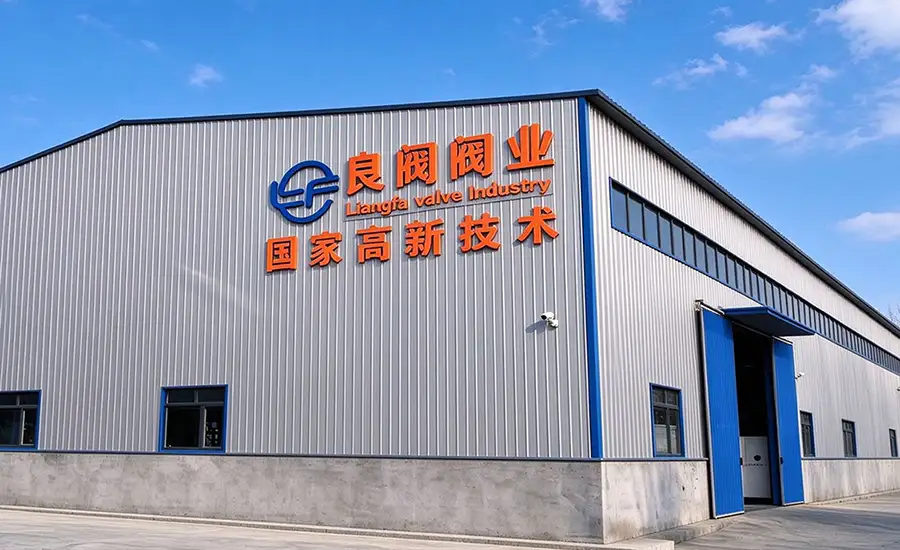
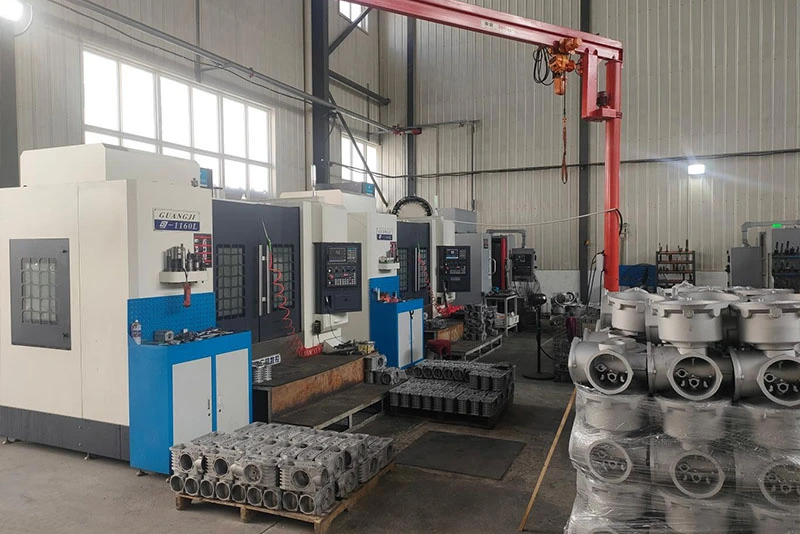
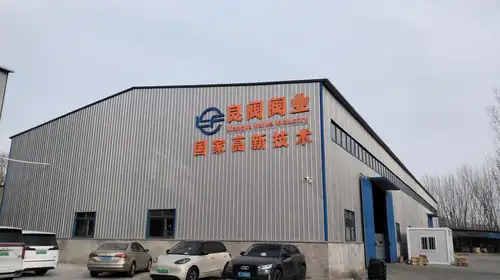
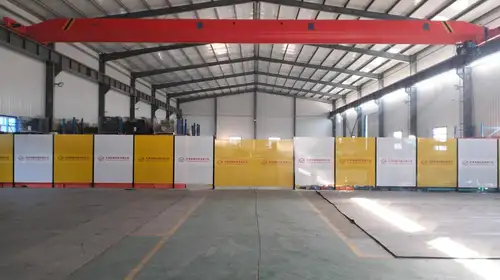
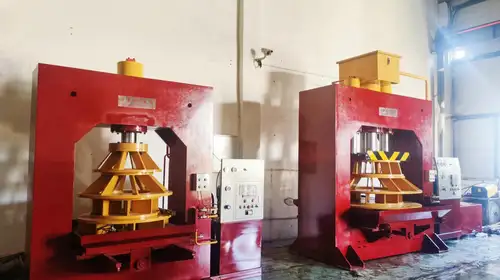
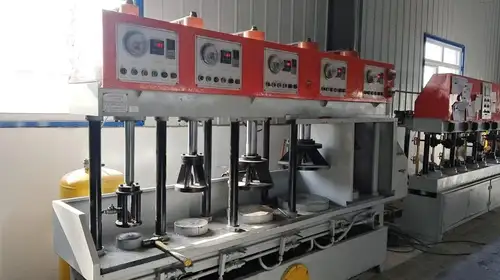
Factory Tour
Review our production and workshop images to learn more about our manufacturing environment and product handling.
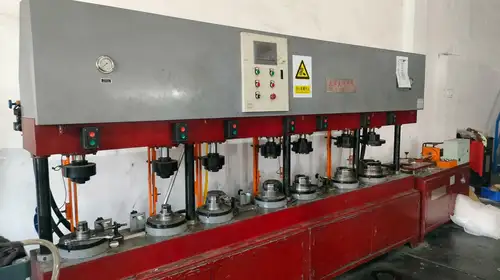
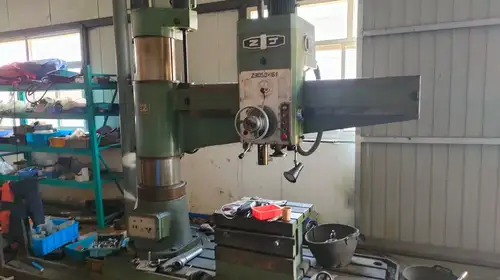
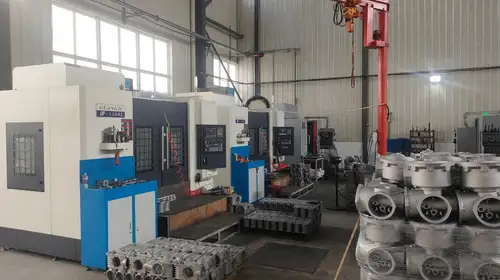
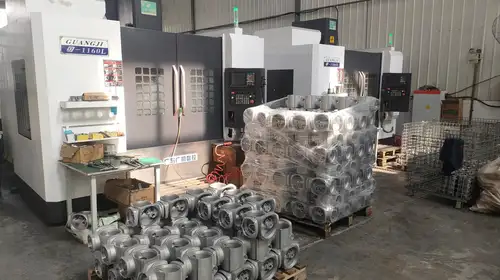
Packing and Shipping
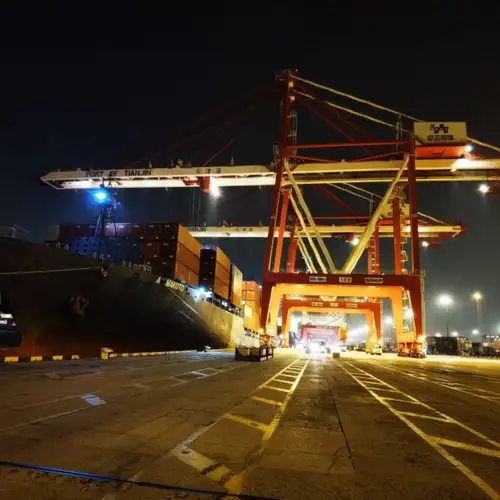
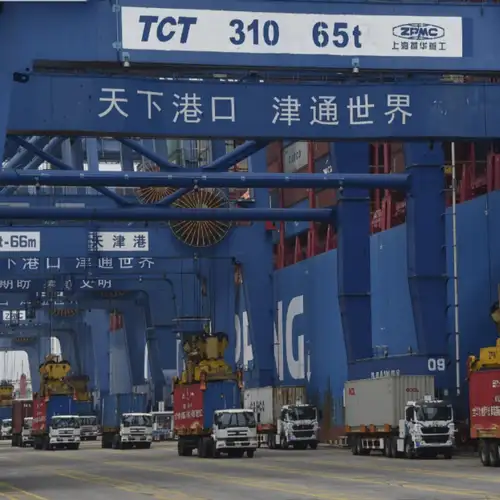
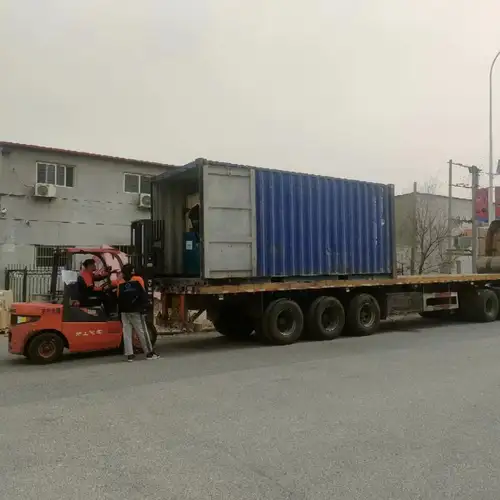
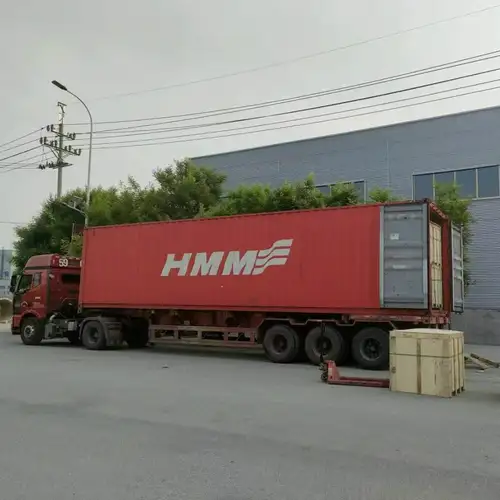
We arrange export packing and coordinate sea or land transportation according to order quantity, destination, and shipping requirements. Packing details, delivery schedule, and shipping documents are confirmed for each order.
Order and Technical Assistance
Before Ordering
We help review the medium, nominal diameter, working pressure, temperature, connection standard, and material requirements. Drawings and technical parameters can be provided for confirmation, subject to the selected model and order scope. Please advise us of any special material, inspection, or packaging requirements when requesting a quotation.
During Production and Delivery
We coordinate order progress, inspection arrangements, packaging, and export documentation according to the confirmed order. Any requested inspection report or material certificate should be agreed upon before production or shipment.
After-sales Support
We can provide technical guidance for installation and maintenance, as well as discuss the supply of replacement seats, handles, and other compatible spare parts. Our stated warranty period is 12 months from shipment, subject to the applicable sales agreement and warranty terms.
Frequently Asked Questions
Can the valve be installed with any grooved pipe coupling?
Not automatically. The pipe groove dimensions, coupling type, gasket, and valve-end design must be compatible. Please confirm the connection drawing and applicable standard before installation. The source specification also lists a wafer connection, so the exact connection type should be verified for the ordered model.
Is SS304 suitable for seawater?
SS304 is generally not recommended for seawater or chloride-rich service because pitting corrosion can occur. SS316 or a higher-alloy material may be considered, but the appropriate grade depends on salinity, temperature, exposure, and maintenance conditions.
Can I use the same seat material for water and oil?
Not necessarily. EPDM is commonly used for compatible water-based services but is generally unsuitable for petroleum oils. NBR is often considered for oil-bearing media. Always confirm compatibility with the actual fluid, additives, and operating temperature.
Can the handle be replaced by an electric actuator later?
Potentially, if the selected valve has a compatible actuator mounting interface and sufficient operating torque capacity. Confirm the ISO 5211 mounting arrangement, valve size, torque requirements, and actuator specifications before ordering. Do not assume every manual version is ready for direct actuator installation.
What information should I provide for a quotation?
Please provide the required quantity, nominal diameter, working pressure, medium composition, operating temperature, connection standard, preferred body and seat materials, and destination country. A pipeline drawing or technical specification is also helpful when the installation has dimensional or compliance requirements.
What documents can you provide with an order?
Available documents depend on the model, contract, and project requirements. We can discuss technical drawings, inspection records, material documentation, and export paperwork during quotation. If third-party inspection or a specific product certification is mandatory, please state this before placing the order so availability can be checked.
Send Inquiry
Contact Info
-
Address
No. 2 Taikang Road, Xiditou Town, Beichen District, Tianjin City, China
-
Tel
-
Email
If you have any inquiry about a quotation or cooperation, please feel free to email or use the following inquiry form. Our sales representative will contact you within 24 hours.
Related Products
News Recommendations