English
- English
- Español
- Português
- русский
- Français
- 日本語
- Deutsch
- tiếng Việt
- Italiano
- Nederlands
- ภาษาไทย
- Polski
- 한국어
- Svenska
- magyar
- Malay
- বাংলা ভাষার
- Dansk
- Suomi
- हिन्दी
- Pilipino
- Türkçe
- Gaeilge
- العربية
- Indonesia
- Norsk
- تمل
- český
- ελληνικά
- український
- Javanese
- فارسی
- தமிழ்
- తెలుగు
- नेपाली
- Burmese
- български
- ລາວ
- Latine
- Қазақша
- Euskal
- Azərbaycan
- Slovenský jazyk
- Македонски
- Lietuvos
- Eesti Keel
- Română
- Slovenski
- मराठी
- Srpski језик


Butterfly Valve Industry Trends: Smart Control, Reliable Sealing, and Application-Specific Design
As industrial facilities continue to upgrade their fluid handling systems, the demand for reliable and adaptable butterfly valves is growing across water treatment, power generation, chemical processing, marine engineering, and environmental protection. Manufacturers are placing greater emphasis on sealing performance, material selection, actuator integration, and quality verification to meet the changing requirements of modern pipeline systems.
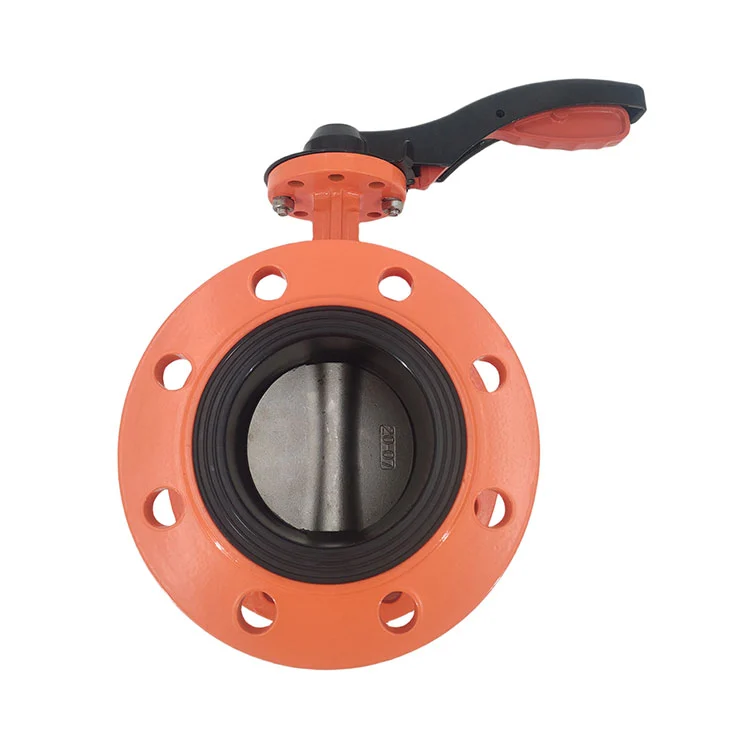
A butterfly valve regulates or isolates fluid through a rotating disc inside the valve body. Its compact structure, relatively low weight, and convenient operation make it a practical choice for many industrial applications. However, selecting the right valve requires more than considering nominal diameter and purchase price. Operating pressure, temperature, fluid characteristics, connection type, sealing materials, and control requirements all influence valve performance.
Automation Is Changing Butterfly Valve Selection
Industrial automation is influencing how butterfly valves are specified and integrated into process systems. In conventional installations, manually operated valves may be sufficient for routine isolation. Automated production lines, water distribution networks, and industrial treatment facilities often require valves that can be operated remotely or controlled as part of a larger system.
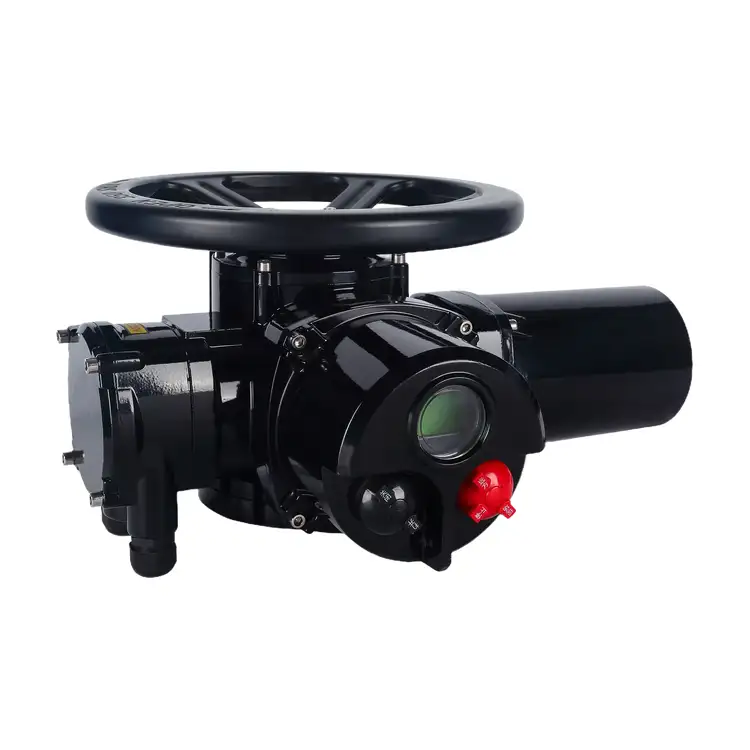
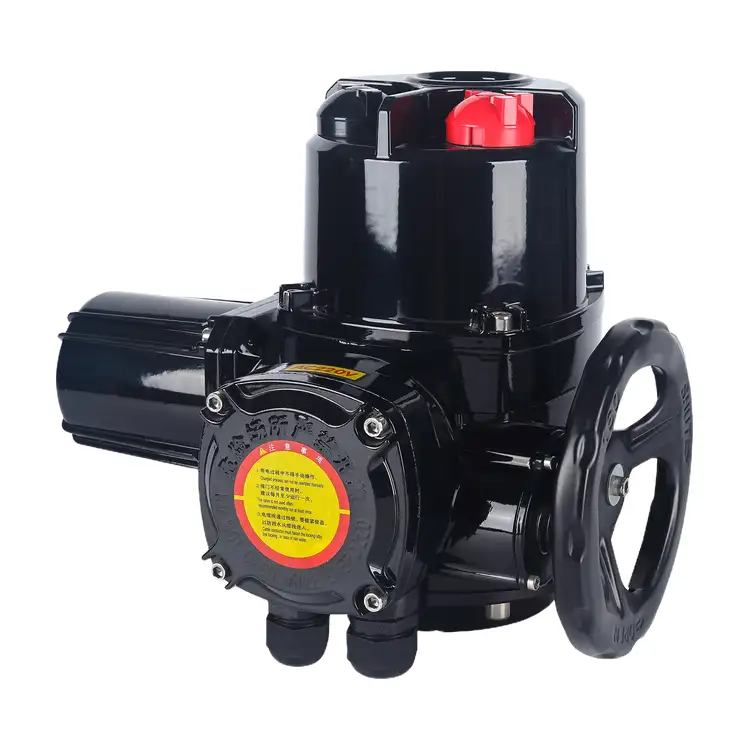
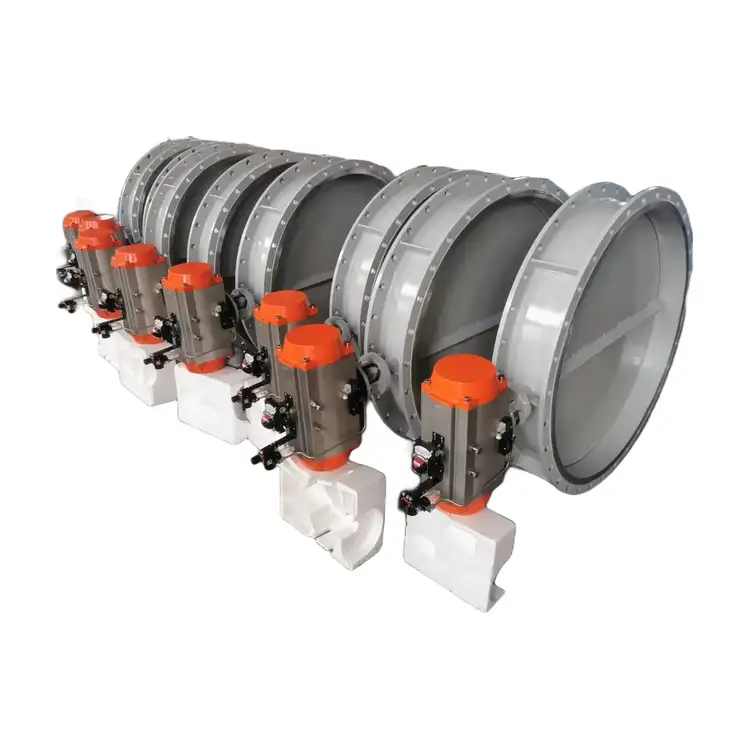
Electric butterfly valves use electric actuators to operate the valve disc, while pneumatic butterfly valves rely on compressed air. Depending on the selected actuator and control configuration, these products can support remote operation, automated opening and closing, and integration with industrial control equipment.
For buyers, actuator compatibility is an important consideration. Valve torque requirements, operating frequency, available power or air supply, control signals, and installation conditions should be evaluated together. Coordinated valve and actuator selection can simplify commissioning and help reduce compatibility issues during operation.
Sealing Technology Remains Essential to Valve Performance
Sealing performance is one of the most important factors when choosing a butterfly valve. Leakage requirements vary according to the application, and the appropriate sealing structure depends on the operating medium, pressure, temperature, and expected service conditions.
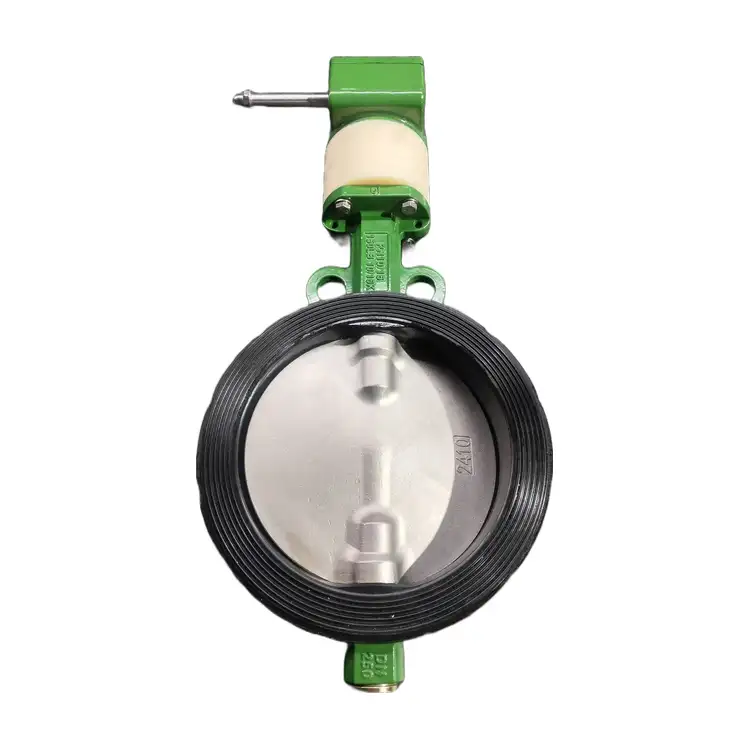
Soft-seated butterfly valves are widely considered for water supply, drainage, HVAC, and other applications where suitable elastomer sealing is required. The sealing material must be compatible with the fluid and operating temperature. Hard-seated butterfly valves may be considered for applications involving higher temperatures or more demanding operating conditions, provided that the selected design and materials meet the relevant requirements.
Buyers should review the manufacturer's specified leakage criteria, pressure ratings, temperature limits, and applicable test standards instead of assuming that every valve within the same category provides identical sealing performance.
Material Selection Matters in Corrosive and High-Temperature Environments
Industrial pipelines can carry water, chemicals, seawater, exhaust gases, and other media with different physical and chemical properties. These conditions can affect the valve body, disc, shaft, sealing components, and other wetted parts.
Stainless steel butterfly valves may be suitable for applications requiring particular corrosion resistance, but the appropriate grade must be selected according to the fluid composition, temperature, and exposure conditions. In marine systems, seawater compatibility and the risk of localized corrosion deserve careful attention. In flue gas desulfurization systems, material selection should account for the actual gas composition, moisture, and potential corrosive condensates.
For high-temperature chemical processes and power generation, buyers should also assess the temperature limits of the body materials, sealing components, and actuator. Selecting a valve based on the complete operating environment helps improve reliability and reduce the risk of premature component failure.
Quality Testing Supports More Reliable Procurement
As industrial projects become more demanding, quality verification is an important part of butterfly valve procurement. Visual inspection alone cannot establish whether a valve meets all relevant requirements. Depending on the product design and applicable standards, inspections may include material verification, dimensional checks, pressure testing, seat leakage testing, and nondestructive examination where appropriate.
Testing requirements should reflect the valve's intended service. For example, pressure and leakage tests help verify specified performance, while material inspection and appropriate nondestructive testing can support the assessment of manufacturing quality. Specialized applications may require additional verification based on project specifications.
Purchasers should confirm the applicable standards, test procedures, acceptance criteria, and documentation before placing an order. They should also check whether the supplier can provide the inspection records and product documentation required for the project.
Application-Specific Butterfly Valves Are Gaining Attention
Although standard butterfly valves serve many common pipeline applications, specialized operating conditions may require different materials, sealing structures, connections, or actuator configurations. This is particularly relevant to marine engineering, fire protection, industrial wastewater treatment, and flue gas desulfurization.
For marine butterfly valves, buyers should consider seawater exposure, installation space, operating pressure, and the applicable marine project specifications. Fire protection butterfly valves must meet the relevant system requirements and any required approvals. For desulfurization systems, corrosion resistance and sealing material compatibility should be assessed against the actual process conditions.
Customized valve solutions can help address these differences, but customization should be based on clear technical specifications. Providing details such as medium composition, operating pressure, temperature range, pipeline dimensions, connection standards, and control requirements enables manufacturers to recommend more appropriate configurations.
Energy Efficiency and Lifecycle Costs Influence Purchasing Decisions
Industrial buyers are increasingly evaluating equipment according to its total cost of ownership rather than the initial purchase price alone. Valve weight, flow resistance, actuator energy consumption, maintenance requirements, and expected service life can all affect operating costs.
Appropriate valve sizing and selection can help avoid unnecessary pressure losses or unsuitable operating conditions. For automated systems, actuator sizing and control configuration should match the valve's actual operating requirements. Regular inspection and preventive maintenance can also help identify developing problems before they lead to unexpected shutdowns.
When comparing suppliers, procurement teams should consider product quality, technical support, spare parts availability, delivery capability, and maintenance requirements alongside the quoted price. A suitable valve solution should meet the required performance specifications while supporting reliable operation over its intended service life.
How Manufacturers Are Responding to Changing Industry Needs
Manufacturers are responding to these developments by improving production consistency, expanding actuator integration capabilities, strengthening testing procedures, and broadening their product portfolios. These measures help address the varied requirements of standard pipeline systems and more demanding industrial applications.
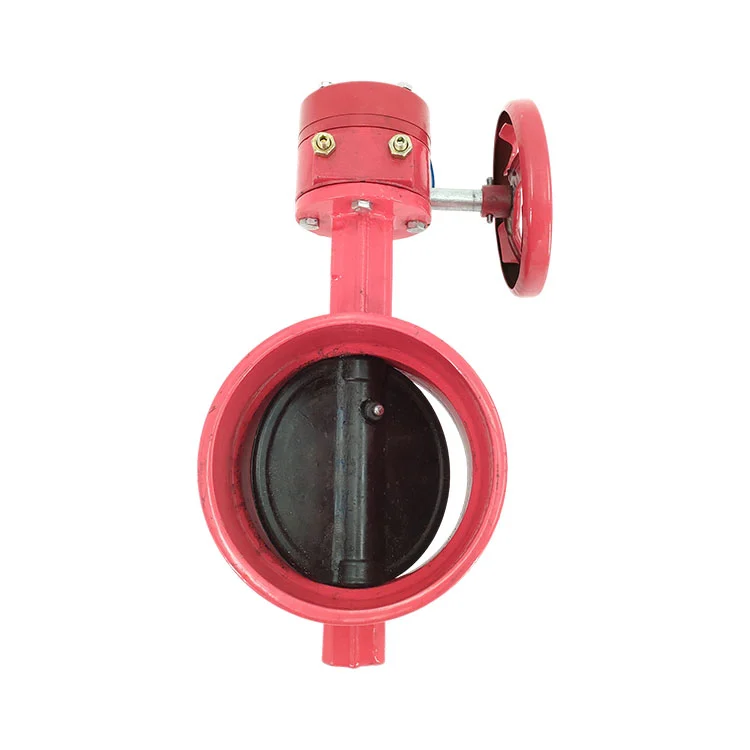
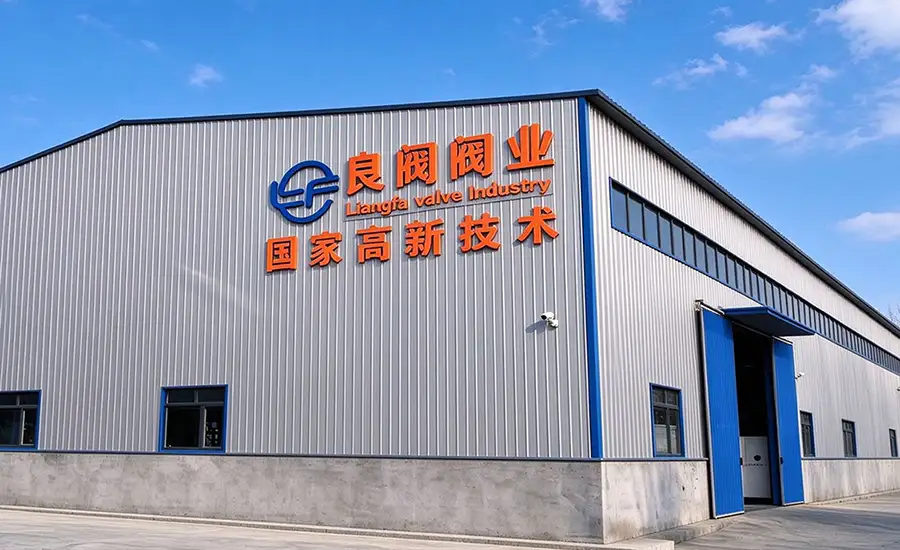
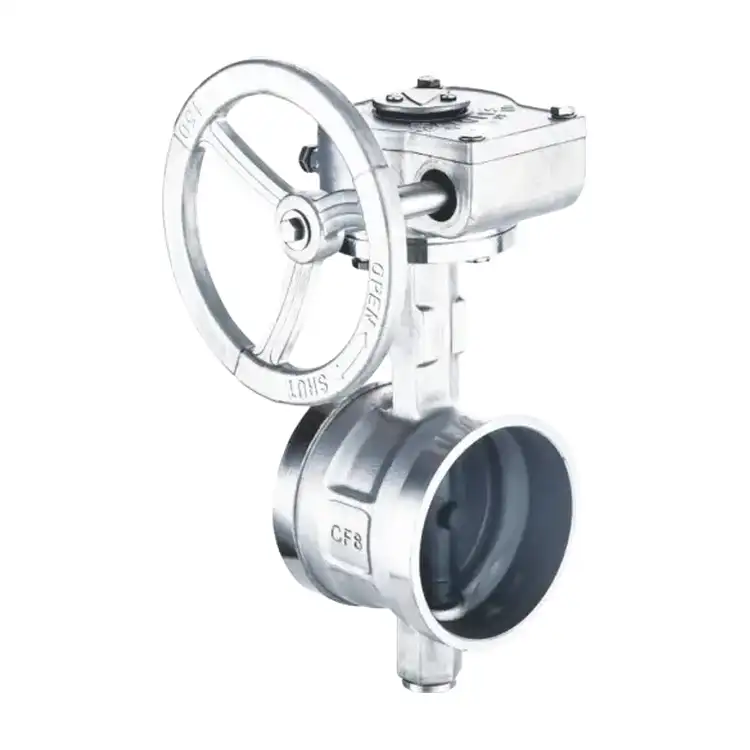
Tianjin Liangfa Technology Co., Ltd., established in 2014 in Beichen District, Tianjin, China, focuses on industrial butterfly valve manufacturing. Its product range includes worm gear wafer butterfly valves, soft-seated butterfly valves, electric butterfly valves, pneumatic butterfly valves, stainless steel flanged butterfly valves, and application-specific options for marine, fire protection, and flue gas desulfurization systems.
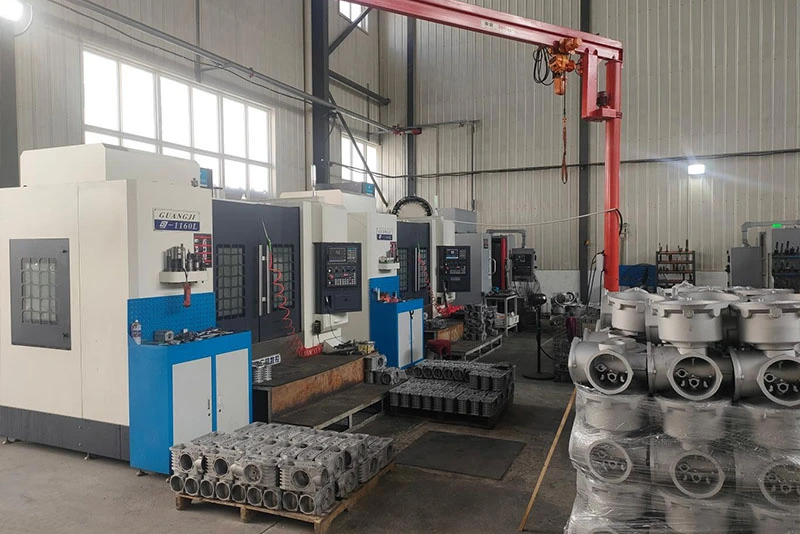
The company expanded its actuator-related manufacturing capabilities in 2018 and established a professional testing center of approximately 2,000 square meters in 2021. In 2024, it was recognized as a National High-Tech Enterprise and a Specialized and Sophisticated SME. These developments form part of its ongoing efforts to improve manufacturing, product verification, and application support.
For buyers evaluating butterfly valve suppliers, manufacturers with relevant product experience, suitable testing capabilities, and clear technical documentation can provide a useful starting point for project assessment. Final product selection should always be based on the actual operating conditions and applicable engineering requirements.
Conclusion
The butterfly valve market is evolving alongside industrial automation, environmental protection, and the need for more efficient fluid control. Reliable sealing, suitable materials, actuator compatibility, and appropriate quality testing remain central to product selection, while application-specific designs are increasingly important for specialized operating environments.
For industrial buyers, defining operating parameters clearly and reviewing product specifications before procurement can help reduce selection risks and improve long-term system reliability. As manufacturers continue to refine their designs and production processes, butterfly valves will remain an important option for a wide range of industrial flow control applications.
Related News
Leave me a message
New Products
News Recommendations