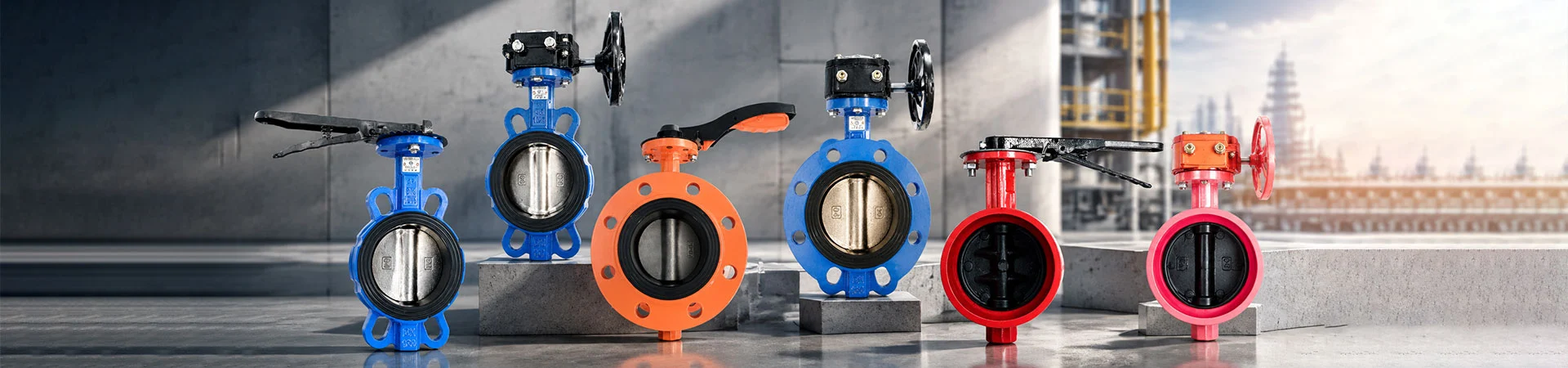
Leading Pneumatic Butterfly Valve Manufacturer
At Liangfa, we supply pneumatic butterfly valves for industrial pipelines that require automated flow control, quick operation, and integration with control systems. By combining a butterfly valve with a pneumatic actuator, operators can control the valve using compressed air instead of manual operation.
Our available configurations can be selected according to pipeline size, working pressure, process medium, and control requirements. As a high-tech enterprise, we provide product information and technical support to help customers choose a suitable solution for their applications.
How Pneumatic Control Works
A pneumatic actuator converts compressed-air energy into the rotational movement needed to operate the butterfly valve disc. The disc typically rotates through a quarter turn between open and closed positions. Depending on the actuator and control accessories, the valve can be operated locally, remotely, or automatically through a process control system.
When selecting a pneumatic butterfly valve, we recommend evaluating the required operating torque, available air pressure, switching frequency, and control signals together. This helps ensure the actuator can operate the valve under the actual process conditions rather than relying on nominal valve size alone.
Select Single or Double Acting
The actuator's return mechanism affects how the valve responds when the air supply is interrupted. The choice should reflect the process's safety requirements and the intended valve position during an air failure.
| Actuator Type | Operating Principle | Selection Consideration |
|---|---|---|
| Single acting | Compressed air moves the actuator in one direction, while a spring returns it in the other direction. | Consider applications that require a defined fail position, subject to the selected actuator and valve configuration. |
| Double acting | Compressed air drives both opening and closing movements. | Consider applications where air pressure is used for both operating directions and a spring-return mechanism is not required. |
Fail-open and fail-closed behavior depends on the actuator arrangement and valve assembly. We recommend specifying the required position during air failure before confirming the order, especially for processes where an unexpected valve position could affect equipment or personnel safety.
Configure the Control Accessories
Control accessories determine how the valve receives commands and reports its operating status. Depending on the application and model, a pneumatic butterfly valve can be configured with accessories such as:
- Solenoid valve: Directs compressed air to the actuator in response to an electrical control signal.
- Limit switch box: Provides open and closed position feedback to a control panel or monitoring system.
- Valve positioner: Supports modulating control when the selected actuator and valve are designed for that purpose.
- Air filter regulator: Helps condition and regulate the instrument air supplied to the actuator.
Not every application requires all these accessories. We help customers identify the necessary configuration based on the control system, required feedback, air supply, and whether the valve is intended for on-off service or flow regulation.
Check Torque and Air Supply
Reliable operation depends on matching the actuator output torque to the valve's operating torque under the specified conditions. Differential pressure, seat friction, valve size, and service conditions can affect the torque required to open or close the valve.
| Parameter | Why It Matters |
|---|---|
| Valve size and type | Establishes the basic valve configuration and operating requirements. |
| Operating pressure | Affects the load on the disc and the actuator torque requirement. |
| Air supply pressure | Must fall within the actuator's specified operating range. |
| Operating frequency | Helps determine actuator suitability and expected duty cycle. |
| Required control mode | Determines whether on-off control or modulating control is needed. |
We recommend confirming the actuator's torque output at the actual minimum available air pressure and checking the manufacturer's sizing data before final selection. Adequate air supply capacity and correctly sized pneumatic tubing also help prevent slow or incomplete operation.
Integrate the Valve into Your System
A pneumatic butterfly valve can be used in water treatment, HVAC, industrial utilities, process pipelines, and other systems where the valve materials and ratings are suitable for the medium. For automated installations, buyers should also confirm how the valve connects to the plant's electrical and pneumatic infrastructure.
- Confirm the required control voltage and solenoid valve specification.
- Define whether open/closed feedback is required.
- Check the instrument air pressure, quality, and available flow rate.
- Verify the pipeline connection type, pressure rating, and installation dimensions.
- Confirm material compatibility with the fluid and operating temperature.
For applications requiring precise flow regulation, buyers should confirm that the valve, actuator, and positioner are suitable for modulating service. A standard on-off configuration should not be assumed to provide accurate continuous flow control.
Prevent Common Operating Problems
Before commissioning, inspect the pipeline installation, actuator mounting, air connections, and control wiring. Test the full opening and closing cycle and verify that any position feedback corresponds to the actual valve position.
If the valve operates slowly or fails to move, possible causes include insufficient air pressure, restricted tubing, a faulty solenoid valve, incorrect actuator sizing, or excessive valve operating torque. If position feedback is incorrect, inspect the limit switch settings and wiring. Always isolate the relevant energy sources and depressurize the system before maintenance, following site safety procedures.
Prepare Your Technical Requirements
To help us recommend the right configuration, please share the following information with Liangfa:
- Valve size, connection type, and pressure rating
- Process medium and operating temperature
- Required actuator type and fail position
- Available compressed-air pressure
- Control voltage and signal requirements
- On-off or modulating operation
- Required position feedback and pneumatic accessories
- Applicable project standards and documentation requirements
As a high-tech enterprise, Liangfa supports customers in reviewing valve and actuator requirements before ordering. Providing these details early helps us assess compatibility, reduce configuration errors, and identify the accessories needed for installation and commissioning.
Frequently Asked Questions
Can the valve be controlled automatically by a PLC?
Yes, when the valve is equipped with compatible control accessories. A solenoid valve can receive a suitable control signal for on-off operation, while limit switches can return position feedback. The signal type, voltage, wiring, and control logic should be confirmed with the PLC design.
Will the valve close automatically if the air supply fails?
Not in every configuration. A spring-return actuator can be arranged for a defined fail-open or fail-closed position, while a double-acting actuator generally requires air pressure to drive movement in either direction. Confirm the required fail position and actuator design before ordering.
Can a pneumatic butterfly valve regulate flow continuously?
It can be used for modulating control when the valve, actuator, and positioner are designed and configured for that purpose. If the application only requires fully open or fully closed operation, an on-off configuration may be sufficient.
What air pressure does the actuator need?
The required pressure depends on the selected actuator model and its torque output. Please check the actuator manufacturer's specified operating range and confirm that the available air supply can provide sufficient torque under the expected operating conditions.
What should I do if the valve does not reach the fully open position?
Check the air supply, tubing, solenoid valve, actuator mounting, and valve operating conditions. Also verify that the actuator is correctly sized and that the travel stops or feedback settings are adjusted according to the manufacturer's instructions. Isolate the system safely before carrying out any inspection or maintenance.
- View as
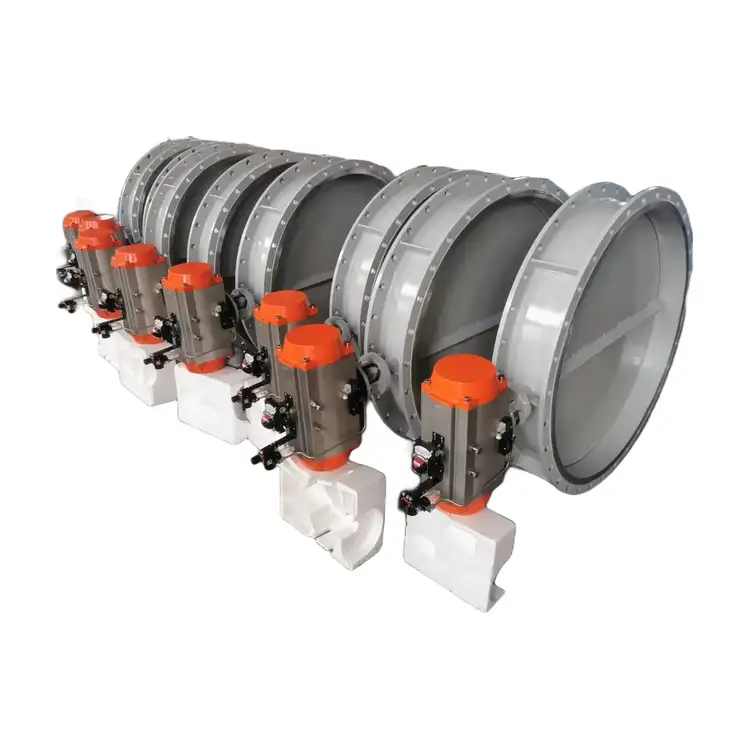
Pneumatic Ventilation Butterfly Valve
Liangfa’s Pneumatic Ventilation Butterfly Valve is designed for automated airflow control in industrial ventilation, dust collection, and exhaust duct systems. Its pneumatic actuator supports on-off operation, with optional 4–20 mA modulating control for remote airflow adjustment. Available body, disc, and sealing materials can be selected according to gas composition and operating conditions.
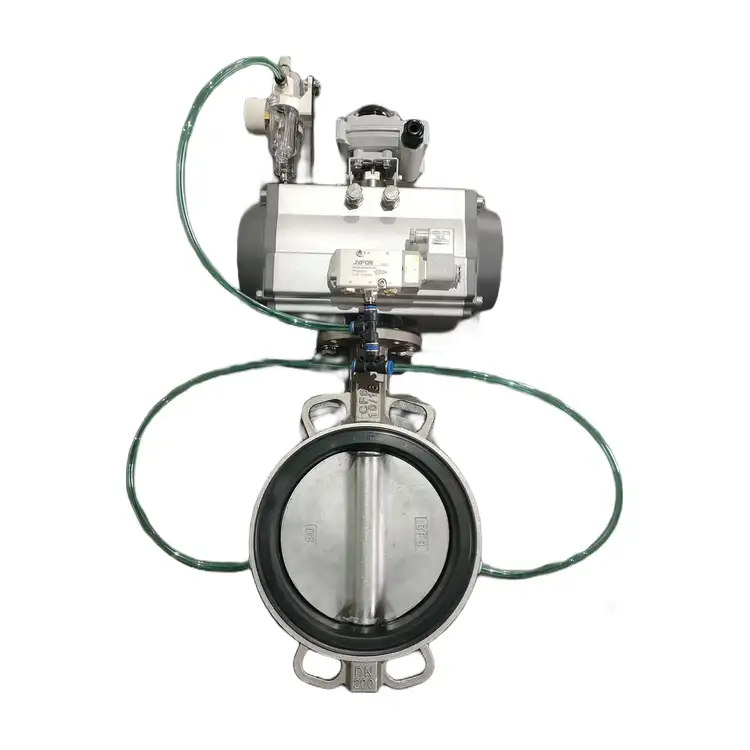
Pneumatic Expansion Butterfly Valve
Liangfa's Pneumatic Expansion Butterfly Valve is designed for abrasive powder conveying, industrial dust collection, and flue gas control systems. Featuring an inflatable sealing ring that retracts during disc movement and expands after closure, it helps reduce seal wear, prevent particle jamming, and improve shut-off reliability.
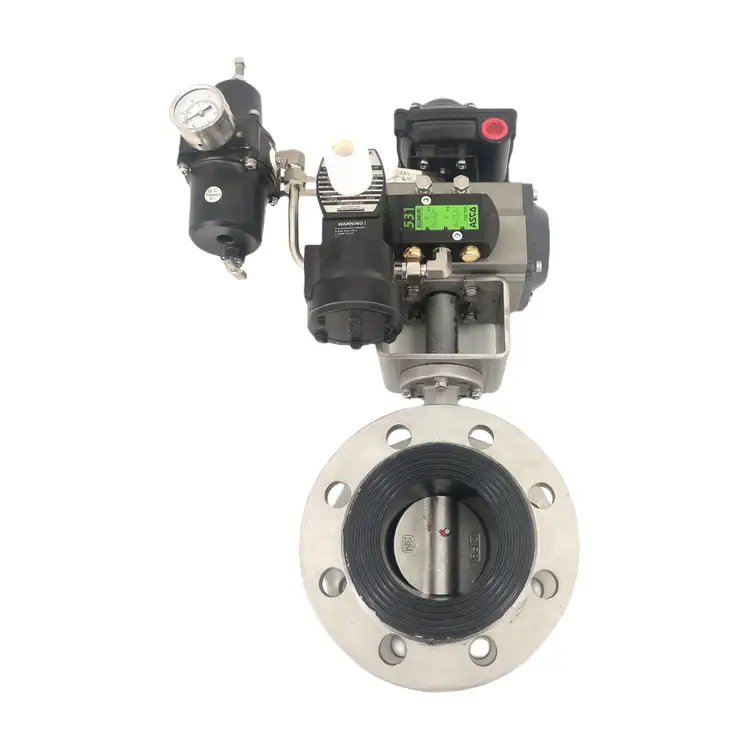
Pneumatic Flanged Butterfly Valve
Liangfa's Pneumatic Flanged Butterfly Valve is designed for automated flow control in water treatment, HVAC, municipal pipelines, and industrial process systems. With pneumatic actuation, a 90-degree disc rotation enables quick opening and closing, while optional solenoid valves, limit switches, and positioners support remote control. We offer multiple body and sealing materials to match different media and operating conditions.
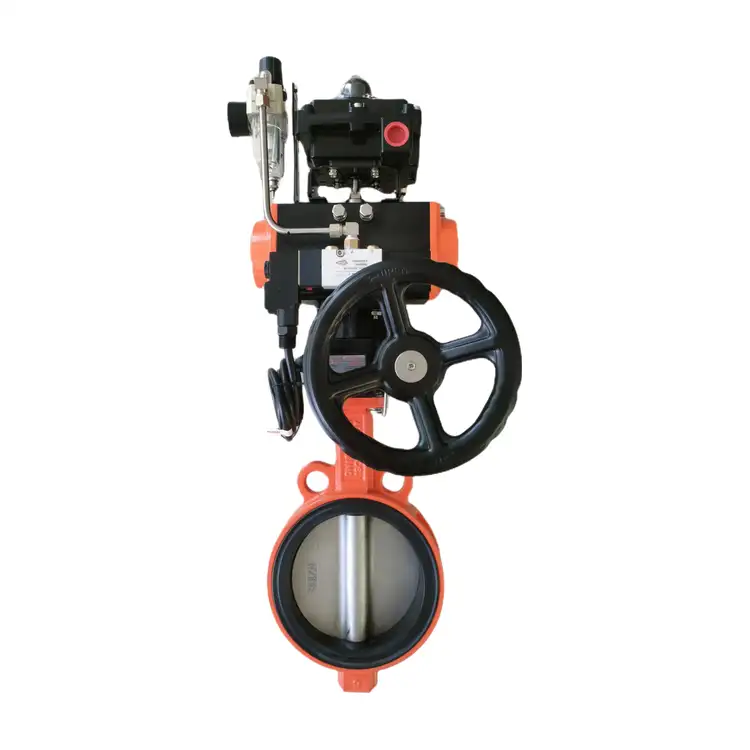
Pneumatic Wafer Butterfly Valve
Liangfa's Pneumatic Wafer Butterfly Valve is designed for space-saving installation and automated flow control in water supply, sewage treatment, HVAC, and industrial ventilation systems. Its compact wafer body fits between pipeline flanges, while the pneumatic actuator enables fast 90-degree opening and closing.
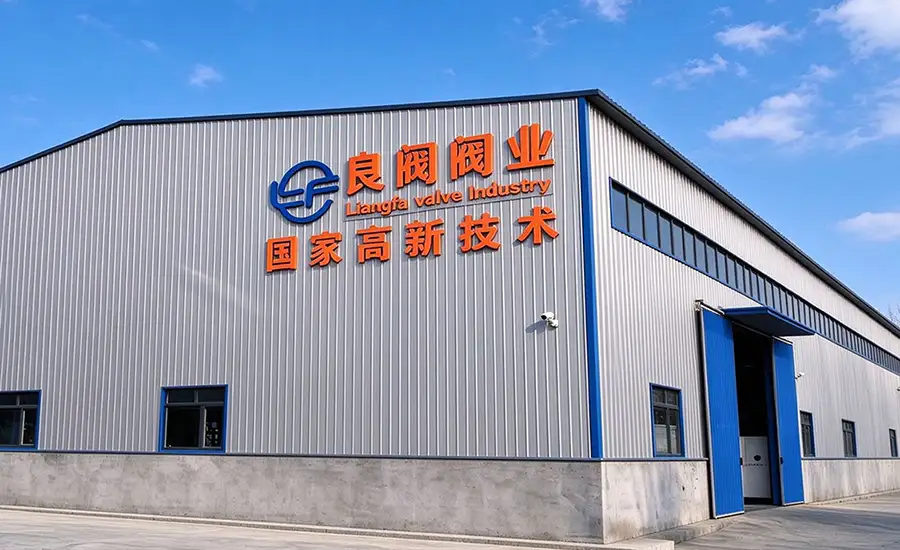
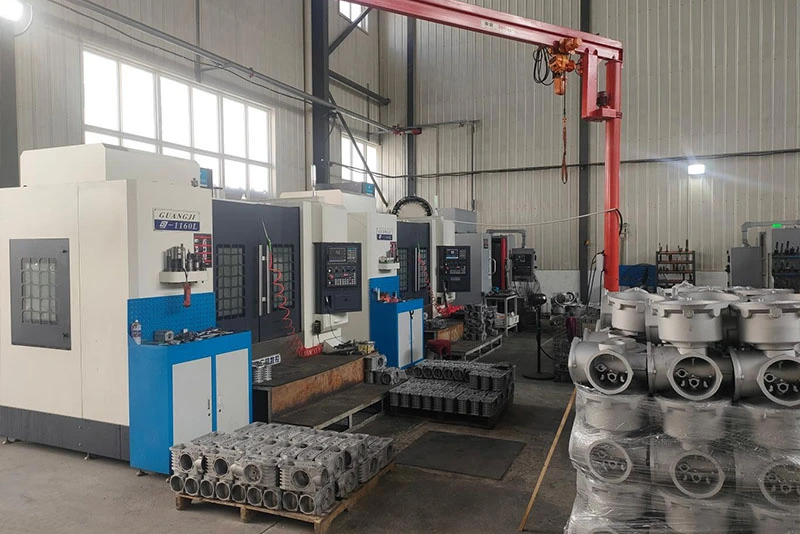
Liangfa is a professional Pneumatic Butterfly Valve manufacturer and supplier in China. We have an experienced sales team, professional technicians, and an after-sales service team.
News Recommendations