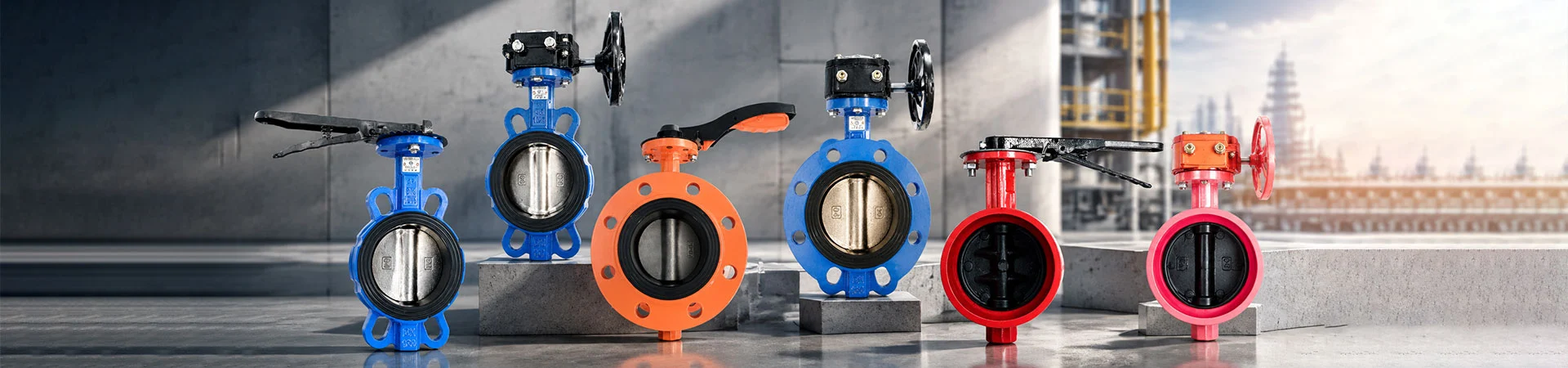
China Electric Butterfly Valve for Industrial Automation
At Liangfa, we supply electric butterfly valves for pipeline systems that require motorized operation, remote control, and integration with industrial automation equipment. An electric actuator drives the valve disc to open, close, or adjust the flow according to the selected control configuration.
Our solutions can be considered for water treatment, HVAC, industrial utilities, and compatible process pipelines. As a high-tech enterprise, we help customers evaluate valve specifications, actuator functions, power requirements, and installation conditions before selecting a suitable model.
Choose the Right Control Function
The first step in selecting an electric butterfly valve is to define how the valve will operate within the system. Different control functions require different actuator configurations and control signals.
| Control Type | Main Function | Suitable Requirement |
|---|---|---|
| On-off control | Moves the valve between fully open and fully closed positions. | Pipeline isolation and basic remote switching. |
| Modulating control | Positions the valve at intermediate openings in response to a control signal. | Applications requiring adjustable flow, when the valve and actuator are designed for regulation. |
We recommend confirming whether the process needs simple switching or continuous position adjustment before ordering. A standard on-off actuator should not be assumed to provide accurate modulating control.
Match the Power and Signal
Electrical compatibility is essential for reliable commissioning. Buyers should confirm the available supply voltage, frequency, control method, wiring arrangement, and feedback requirements. Depending on the selected actuator, options may include local controls, remote commands, position indication, and fault signals.
Details to Confirm Before Ordering
- Power supply: Check the available voltage and frequency against the actuator nameplate.
- Control signal: Specify the required switching method or modulation signal.
- Position feedback: Confirm whether the control system needs open/closed status or valve position feedback.
- Communication: Identify any required interface with the PLC, DCS, or building management system.
- Manual override: Check whether local manual operation is needed during commissioning or power interruption.
Not every actuator supports every signal or communication protocol. We help customers verify the actual functions available on the selected model rather than relying on general product descriptions.
Check the Operating Environment
The installation environment affects actuator protection, electrical reliability, and maintenance needs. An electric butterfly valve installed indoors under stable conditions may require a different enclosure and protection level from one exposed to rain, dust, humidity, or temperature changes.
| Installation Condition | What to Review |
|---|---|
| Outdoor installation | Enclosure protection, weather exposure, cable entry, and ambient temperature. |
| High humidity | Moisture protection, sealing, and electrical connection integrity. |
| Dusty environment | Enclosure rating and the potential for contamination around moving parts. |
| Limited installation space | Actuator dimensions, access for wiring, and clearance for maintenance. |
| Corrosive surroundings | External material protection and suitability of exposed components. |
We recommend specifying the actual ambient conditions and required protection level during quotation. An enclosure rating should be verified against the selected actuator documentation and should not be inferred from the valve body alone.
Size the Actuator for the Valve
The electric actuator must provide sufficient torque to operate the butterfly valve under the expected pressure and service conditions. Selecting an actuator based only on nominal valve diameter can lead to slow movement, incomplete travel, or premature wear.
When reviewing an electric butterfly valve configuration, we consider the valve type, operating pressure, required torque, opening and closing frequency, and control function. Buyers should also confirm whether the actuator is suitable for the intended duty cycle and whether additional position feedback or protection functions are required.
For applications involving frequent switching or flow regulation, please provide the expected operating frequency and process requirements. This information helps us assess whether the proposed actuator configuration is suitable for the intended workload.
Consider the Valve Body and Sealing
The actuator controls movement, but the valve body, disc, stem, and seat determine whether the valve is suitable for the pipeline medium. We recommend choosing these components according to fluid compatibility, pressure, temperature, and required shut-off performance.
- Body and disc: Select suitable materials for the medium, pressure, and installation environment.
- Stem: Consider mechanical strength and corrosion resistance.
- Seat: Confirm material compatibility with the fluid and operating temperature.
- Connection: Match the wafer, lug, flanged, or other available connection type to the piping design.
Available materials and connection configurations depend on the specific model. At Liangfa, we recommend confirming the complete valve specification before purchase, especially for corrosive media, elevated temperatures, or demanding shut-off requirements.
Prepare for Commissioning
Before energizing the actuator, verify the valve installation, supply voltage, grounding, wiring, control signals, and actuator-to-valve mounting. During commissioning, test the opening and closing directions, travel limits, feedback signals, and any configured alarms. For modulating applications, check that the command signal corresponds correctly to the intended valve position.
If the valve does not respond as expected, check the power supply, control wiring, interlocks, actuator settings, and mechanical operating conditions. Isolate electrical and process energy before inspection or maintenance, and follow the instructions for the selected equipment.
Share Your Project Requirements
To help us recommend a suitable configuration, please provide Liangfa with the following information:
- Nominal valve size and pipeline connection type
- Working pressure, temperature, and process medium
- Required body, disc, stem, and seat materials
- Available power supply and frequency
- On-off or modulating control requirements
- Control signal, feedback, and communication requirements
- Installation environment and required enclosure protection
- Operating frequency and any project-specific standards
As a high-tech enterprise, Liangfa provides product information and technical support to help customers assess valve and actuator compatibility. Supplying complete operating details at the quotation stage helps reduce selection errors and makes installation and commissioning planning more straightforward.
Frequently Asked Questions
Can the valve be connected to a PLC or DCS?
Yes, if the selected actuator supports the required control signals and feedback interfaces. Confirm the input signal, output feedback, wiring, and communication requirements with the control system specifications before ordering.
What happens if the power supply is interrupted?
Behavior during a power failure depends on the actuator design. Many electric actuators remain in their last position when power is lost unless a specific return or backup function is provided. If the process requires a defined fail position, discuss the available safety arrangement before selection.
Can I use the same actuator for on-off and modulating control?
Not necessarily. The actuator must support the intended control mode, and the valve assembly must be suitable for the required regulation. Confirm the actuator functions and control signal compatibility for the specific model.
How can I reduce commissioning problems?
Confirm the power supply, wiring diagram, control signals, valve travel direction, limit settings, and mounting before operation. A pre-installation review of the electrical and mechanical requirements can help identify compatibility issues early.
What information is needed when replacing an existing electric valve?
Provide the existing valve size, connection dimensions, pressure rating, actuator model, supply voltage, control signal, and feedback requirements. If available, include the nameplate details and wiring diagram so we can assess mechanical and electrical compatibility.
- View as
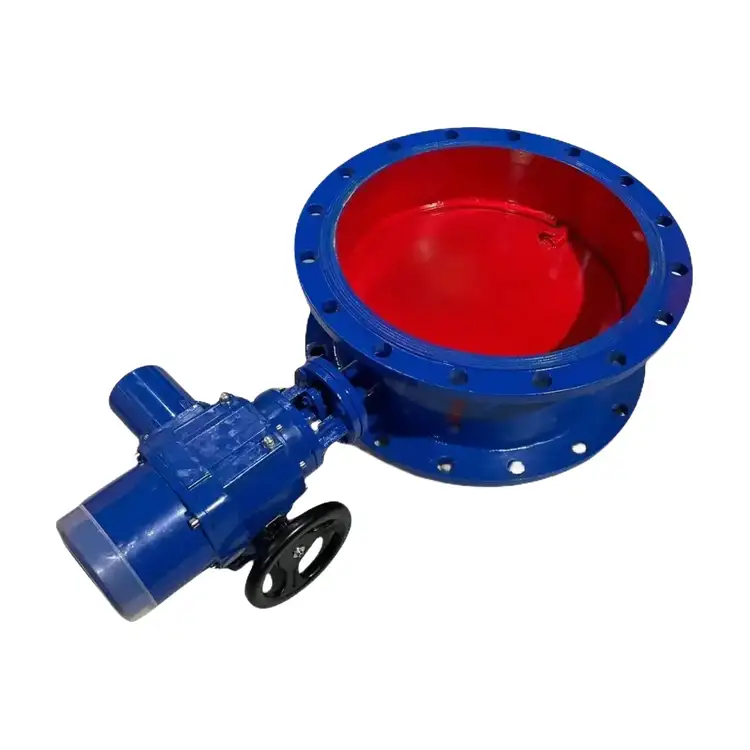
Electric Ventilation Butterfly Valve
The Electric Ventilation Butterfly Valve is designed for airflow control in ventilation ducts, exhaust systems, dust collection lines, and industrial hot-air applications. Combining an electric actuator with a butterfly valve body, it supports remote on/off operation and, with a compatible modulating actuator, adjustable airflow control.
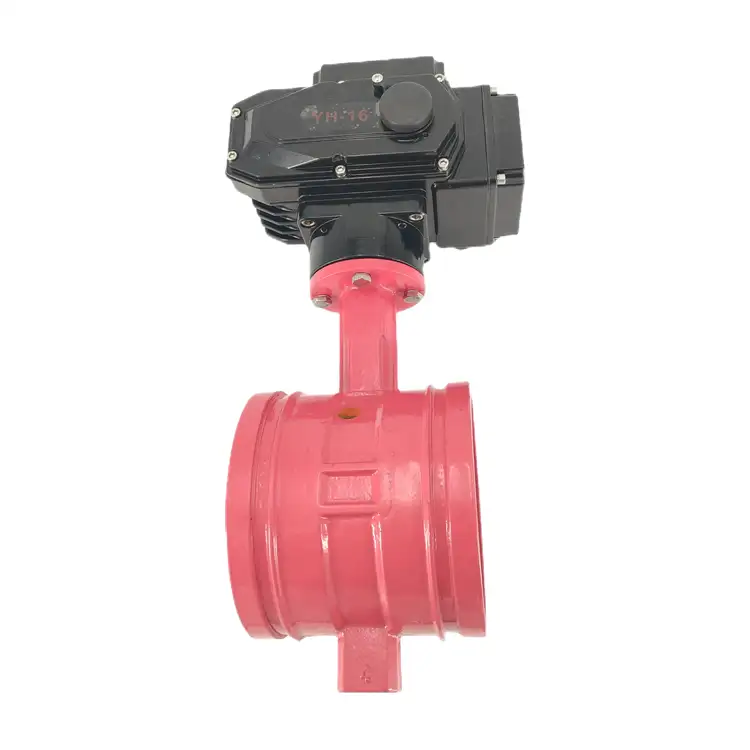
Electric Grooved Butterfly Valve
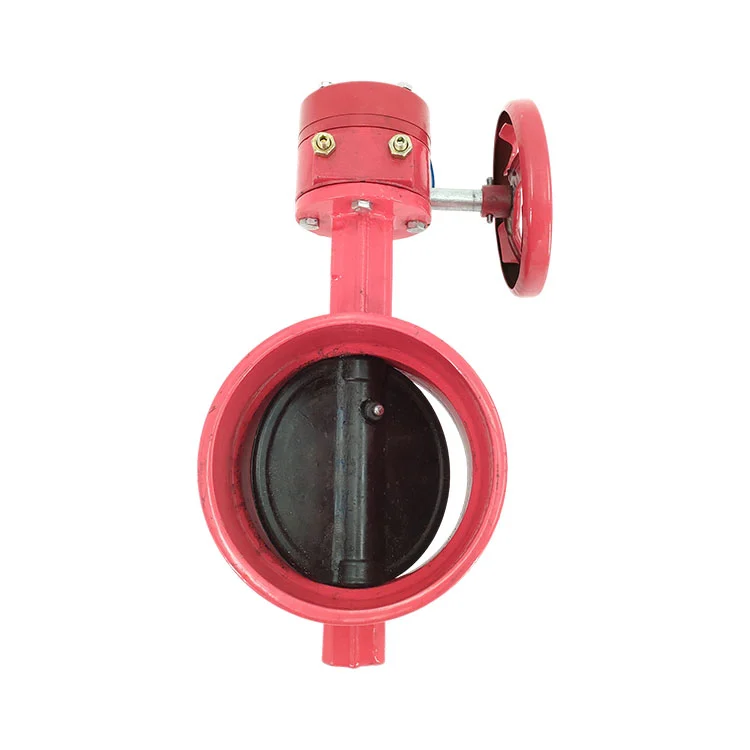
The Electric Grooved Butterfly Valve is designed for automated flow control in fire protection, HVAC, building water supply, and industrial water circulation systems. Its grooved connection allows convenient installation and maintenance, while the electric actuator supports remote on-off operation or modulating control, depending on the selected configuration. Liangfa offers multiple body, disc, stem, and seat materials to suit different media and operating conditions.
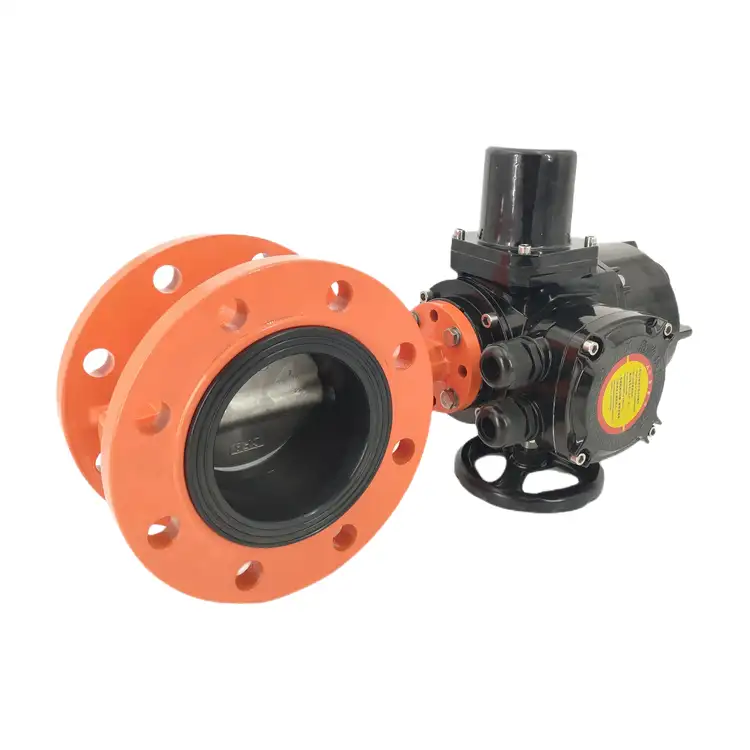
Electric Flanged Butterfly Valve
The Electric Flanged Butterfly Valve from Liangfa is designed for remote pipeline shutoff and flow control in water supply, HVAC, wastewater treatment, and industrial utility systems. Its soft-seated design, multiple material options, and configurable electric actuators support different operating conditions and automation requirements.
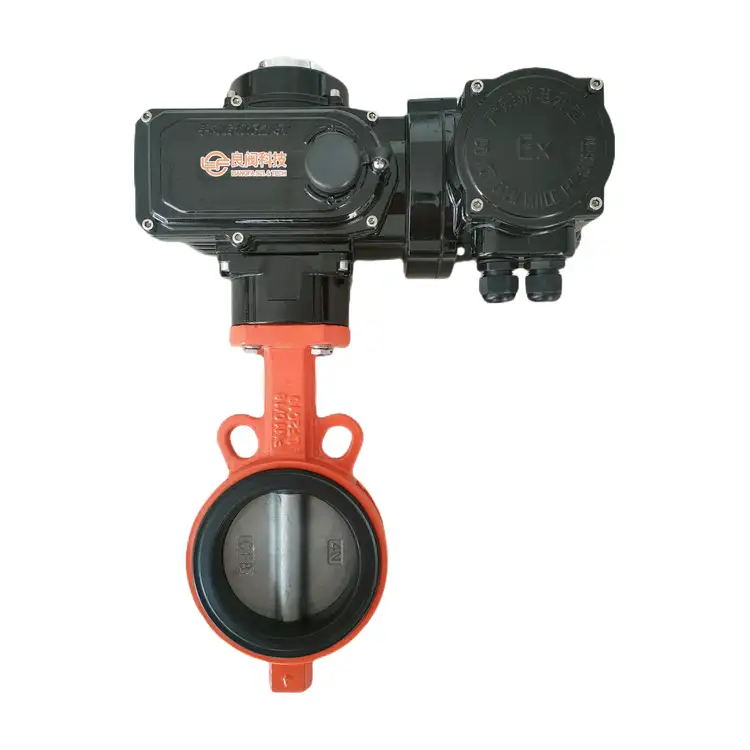
Electric Wafer Butterfly Valve
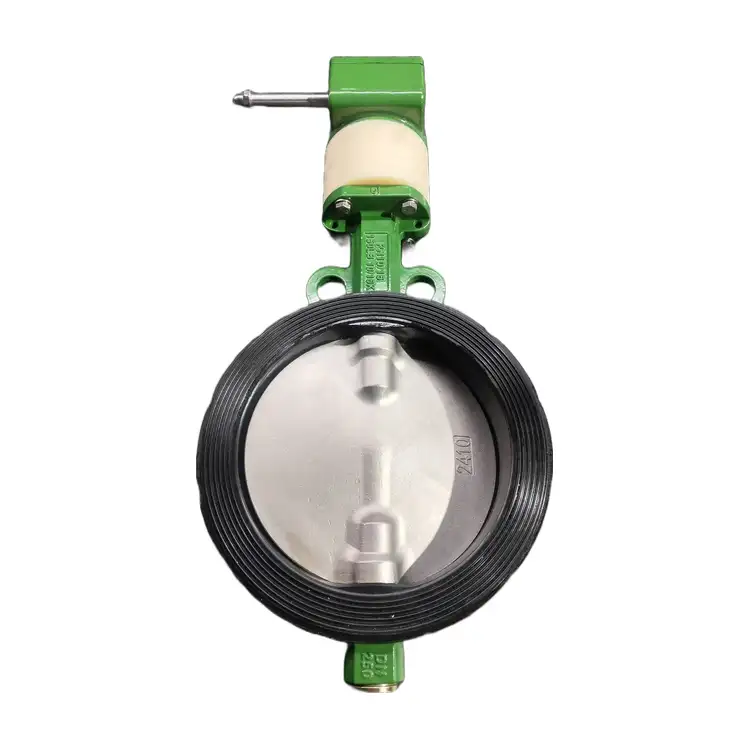
Liangfa’s Electric Wafer Butterfly Valve is designed for automated shutoff and flow control in HVAC, water supply, drainage, and industrial pipeline systems. Its compact wafer structure saves installation space, while optional ductile iron or stainless steel components and EPDM, NBR, PTFE, or FKM seats help meet different operating requirements. On-off and modulating actuator options support remote control and flow adjustment.
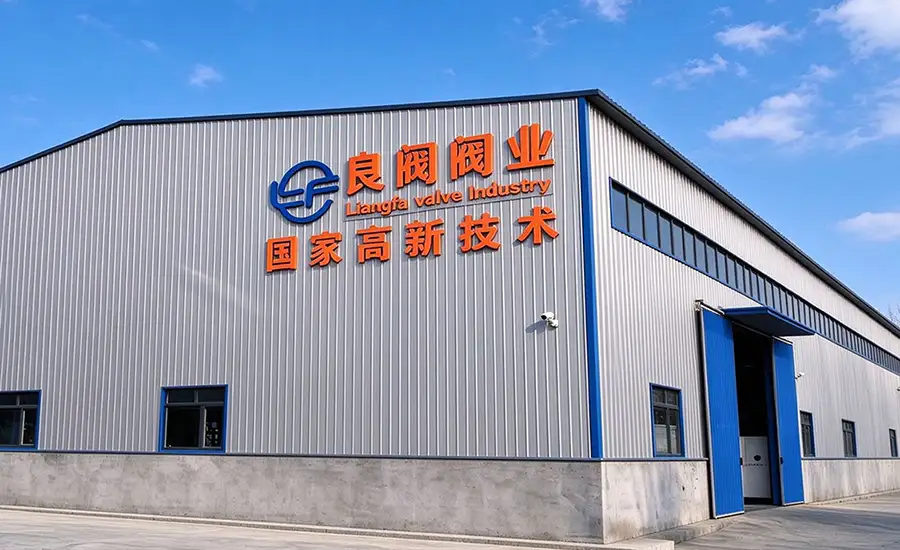
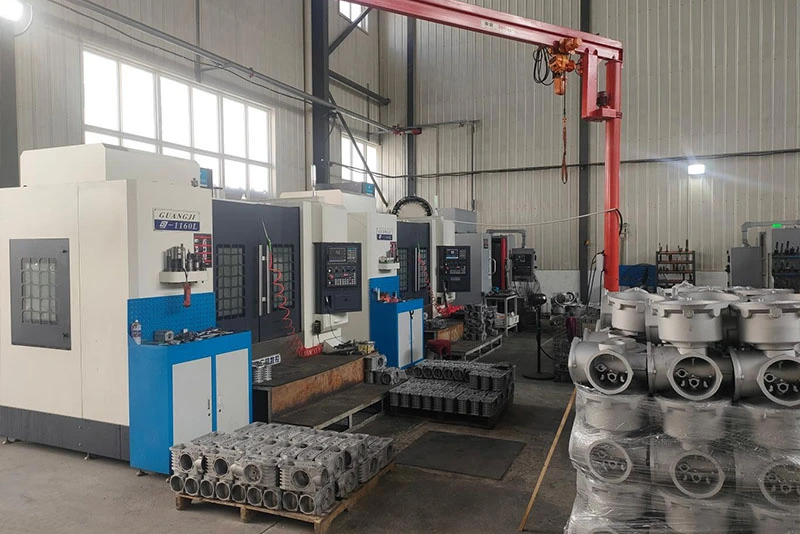
Liangfa is a professional Electric Butterfly Valve manufacturer and supplier in China. We have an experienced sales team, professional technicians, and an after-sales service team.
News Recommendations