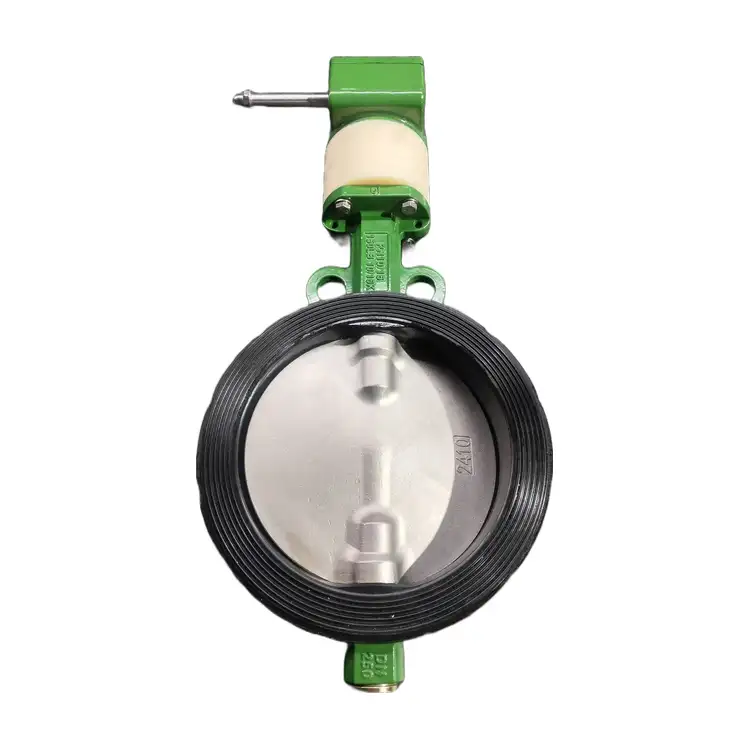
Stainless Steel Lever Wafer Butterfly Valve
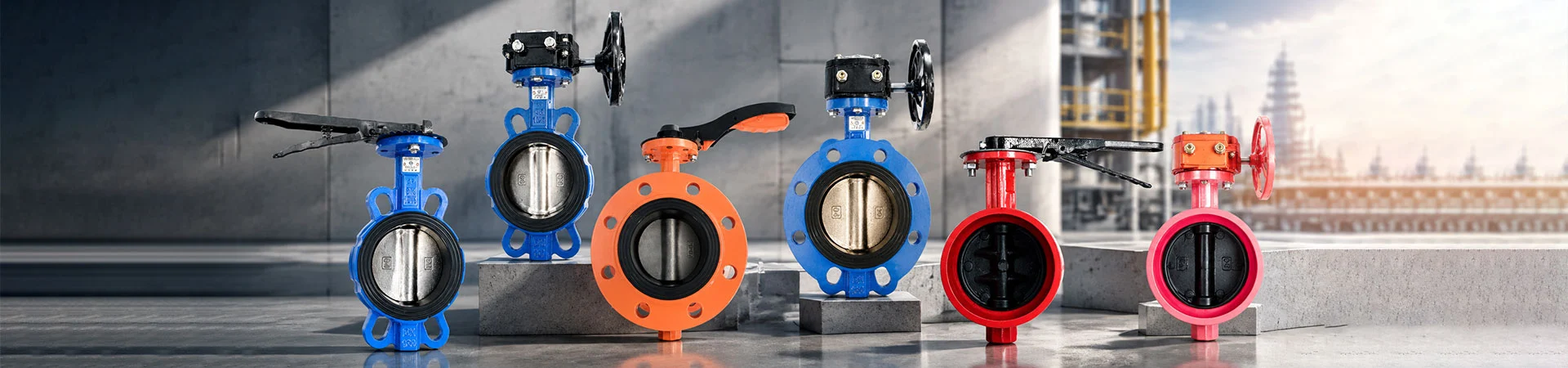
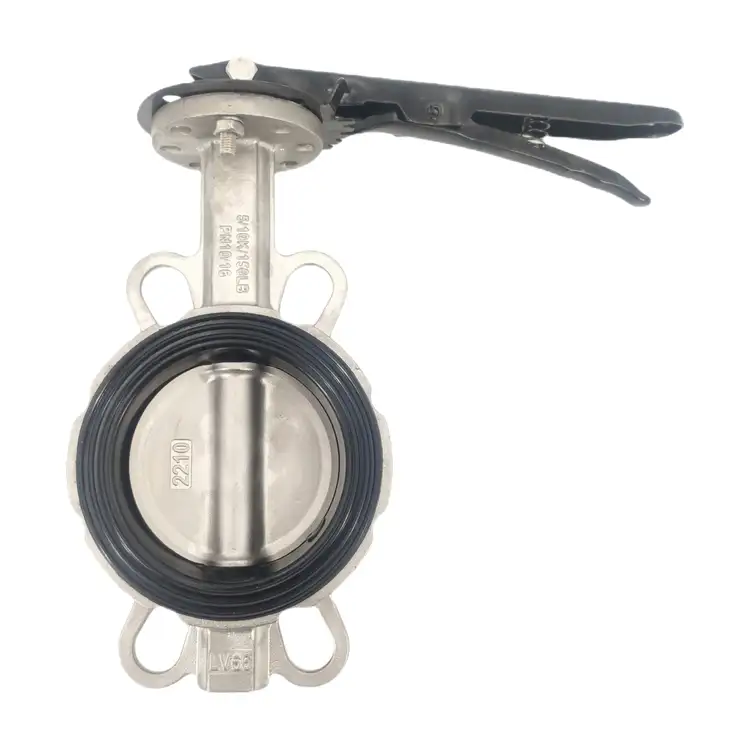
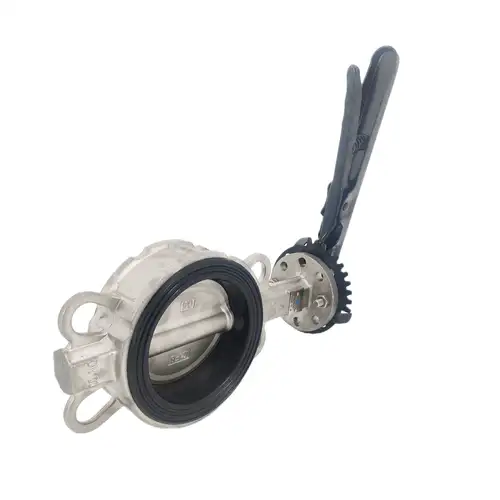
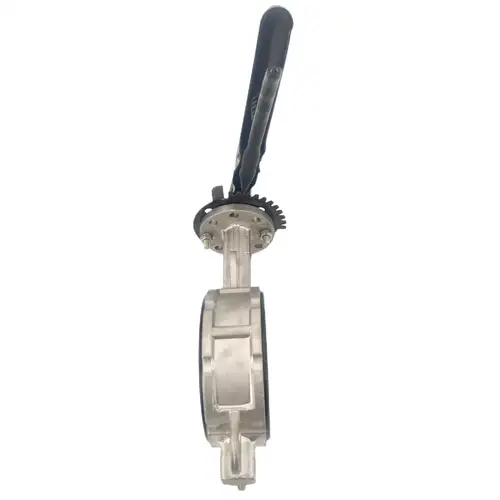
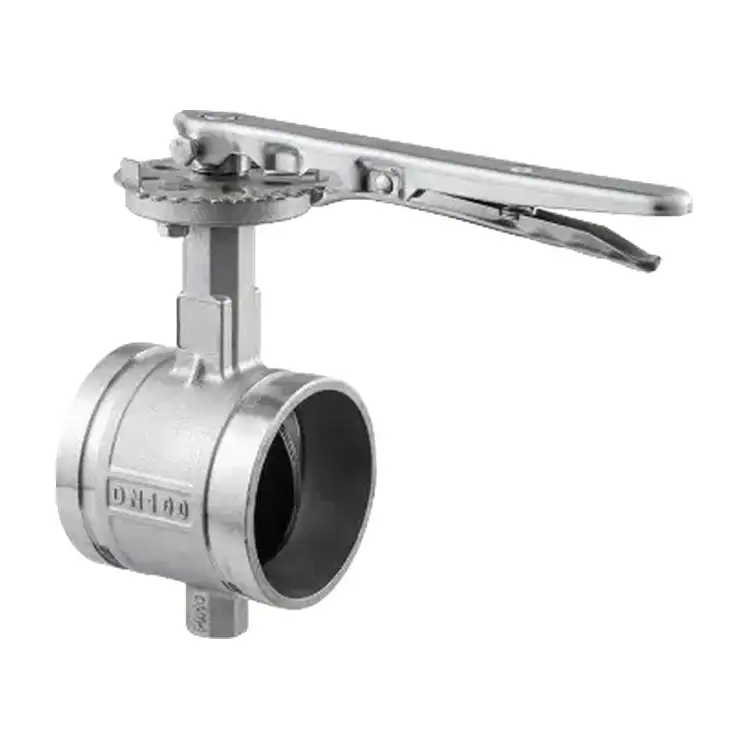
Liangfa’s Stainless Steel Lever Wafer Butterfly Valve features a compact wafer design, quick 90-degree manual operation, and replaceable soft seats for convenient maintenance. Available with SS304, SS316, and other material options, it can be configured with EPDM, NBR, PTFE, or FKM seals to suit different fluid conditions.
Our Stainless Steel Lever Wafer Butterfly Valve is designed for compact piping systems that require straightforward manual shut-off and convenient maintenance. Liangfa offers selectable stainless steel grades, replaceable soft seats, and wafer connections for different pipeline configurations.
We help buyers confirm the valve size, flange standard, pressure rating, and sealing material before ordering, reducing the risk of installation mismatches and premature seal wear. Liangfa holds a High-Tech Enterprise Certificate and provides technical selection support, inspection documentation, spare parts, and export delivery services for industrial valve projects.
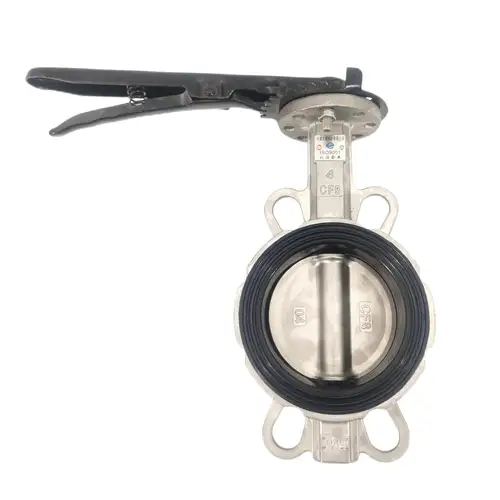
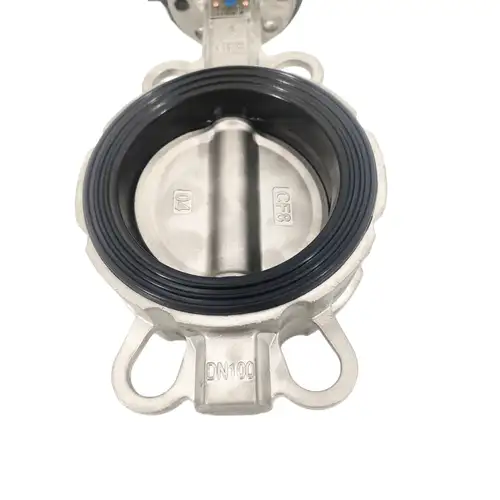
Specifications at a Glance
| Model | D71X-10P / D71X-16P |
| Nominal Diameter | DN40–DN300; confirm the required size when ordering |
| Connection | Wafer type, clamped between pipeline flanges |
| Nominal Pressure | PN10 / PN16; other pressure or flange standards require confirmation |
| Body Material | SS304, SS316, SS316L; other body materials available by configuration |
| Disc Material | SS304, SS316 and other specified options |
| Seat Material | EPDM, NBR, PTFE or FKM |
| Operation | Manual lever with 90-degree rotation and locking positions |
| Temperature | General product reference: -10°C to 100°C; confirm the rating for the selected seat and complete valve |
| Applicable Standards | GB or ASME B16.5 flange compatibility subject to the confirmed configuration |
Check the Installation Fit First
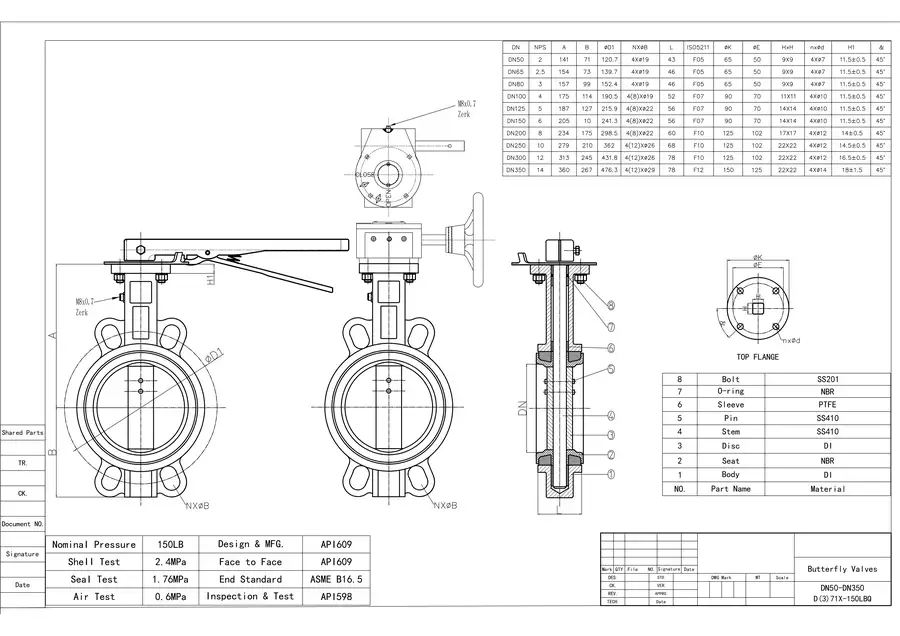
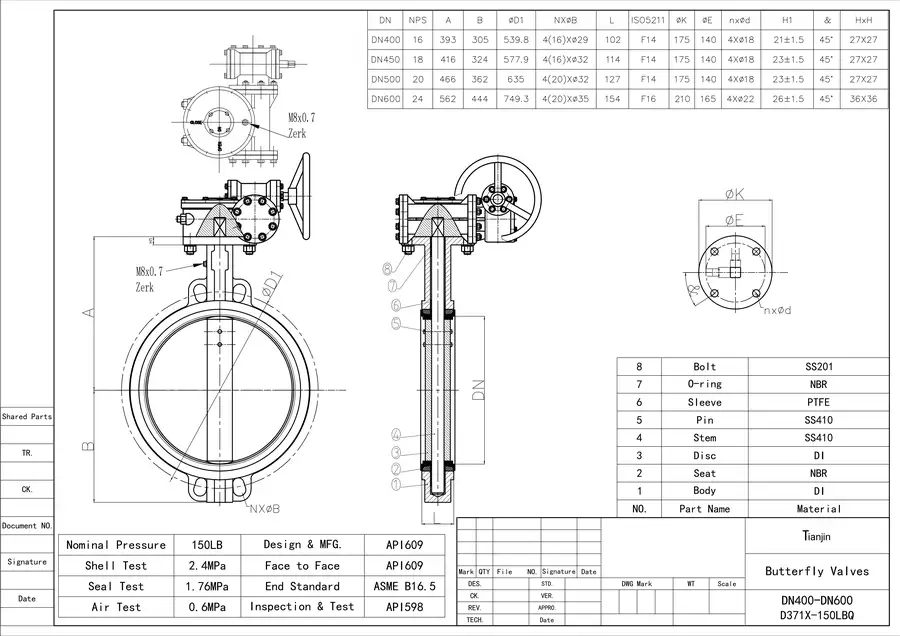
A wafer valve sits between two pipe flanges, so its suitability depends on more than nominal diameter alone. Before selecting this Stainless Steel Lever Wafer Butterfly Valve, we recommend checking the following details with your existing pipeline drawings.
- Flange standard: Confirm the applicable standard, pressure class, bolt-hole arrangement and flange dimensions. Do not assume that different standards are interchangeable.
- Pipe size: Match the nominal diameter to the pipeline and verify the valve's face-to-face dimensions.
- Operating clearance: Leave sufficient room for the lever to move through its operating arc without hitting nearby pipes, brackets or equipment.
- Disc clearance: Check the internal pipe diameter and flange arrangement to ensure that the disc can rotate without obstruction.
- Pressure conditions: Confirm both normal and maximum operating pressure, including the relevant temperature conditions.
Wafer construction can help reduce installation space and valve weight, but correct alignment and even flange clamping remain essential for reliable sealing.
Match the Seat to the Fluid
The valve body and sealing seat perform different jobs. Stainless steel selection affects corrosion resistance, while the seat material largely determines compatibility with the process medium and its operating temperature. We recommend evaluating both together rather than choosing a valve based on body material alone.
| Component | Available Options | Selection Notes |
| Body | SS304, SS316, SS316L; cast iron, ductile iron or WCB by configuration | Choose according to corrosion exposure, pressure and project specifications. |
| Disc | Ductile iron, SS304, SS316, SS2507, SS1.4529 | Confirm compatibility with the fluid and the specified body-seat combination. |
| Stem | 410SS, SS304, SS316, SS2507, SS1.4529 | Consider corrosion exposure and mechanical requirements. |
| Seat | EPDM, NBR, PTFE, FKM | Match the seal to the medium, temperature and operating cycle. |
| Lever | Ductile iron or SS304 | Select based on project requirements and the operating environment. |
| Fasteners | Galvanized carbon steel, SS304 or SS316 | Consider corrosion exposure and the required connection specification. |
Common Seat Choices
- EPDM: Commonly selected for water supply, circulating water and many wastewater applications. It is generally unsuitable for petroleum-based oils.
- NBR: Often used with diesel, lubricating oil and hydraulic oil. Its suitability depends on the fluid composition and operating temperature.
- PTFE: Offers broad chemical resistance for many process fluids, but the complete valve's pressure, temperature and cycling limits still need checking.
- FKM: Can suit selected oil and chemical services. Compatibility varies by chemical, particularly with certain ketones and other solvents.
These are general selection guidelines, not universal compatibility guarantees. For concentrated chemicals, mixed fluids, elevated temperatures or food-contact applications, send us the fluid name, concentration, temperature and required standards so we can verify the proposed configuration.
Choose a Practical Operating Method
The lever actuator uses a quarter-turn movement to open or close the disc. It is well suited to straightforward manual isolation where operators can access the handle and the required operating force remains manageable.
- For routine isolation: Use the lever to move the valve between its specified open and closed positions.
- For occasional adjustment: The lever may support basic throttling where permitted by the valve design and operating conditions.
- For frequent modulation: Consider the effect of continuous throttling on seat wear and verify whether another actuator or valve design is more suitable.
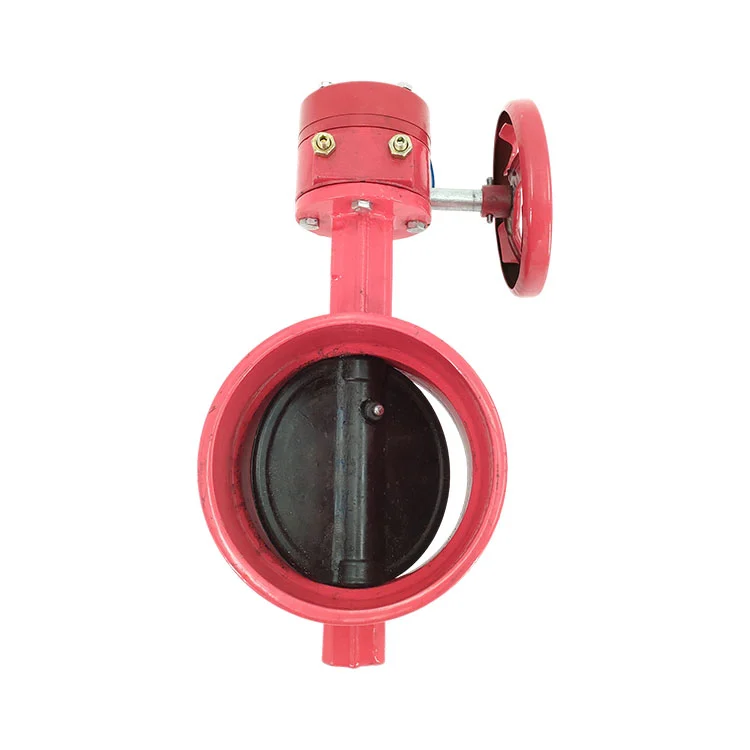
- For larger sizes: Operating torque can increase with diameter, pressure and fluid conditions. A worm gear-operated model may be more appropriate when manual force becomes excessive.
We recommend confirming the required operating torque and frequency rather than selecting a lever-operated valve by diameter alone. The available size range and actuator configuration should be confirmed for each order.
Where These Valves Are Used
Depending on the selected body, disc and seat materials, our Stainless Steel Lever Wafer Butterfly Valves can be configured for a range of industrial fluid-handling systems.
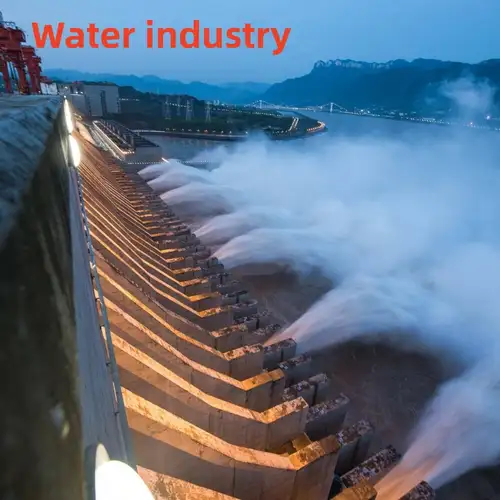
Water and Building Services
Typical applications include water supply, drainage, HVAC circulating water, cooling systems and water treatment equipment. EPDM is a common starting point for compatible water services.
Wastewater and Utility Pipelines
Municipal wastewater, reclaimed water and some weakly corrosive process streams may be suitable when the valve materials are matched to the fluid. Hard suspended particles can accelerate seat wear.
Food and Pharmaceutical Equipment
Specified stainless steel components and suitable seals may be considered for process equipment. Buyers should confirm the required material traceability, surface finish and applicable food-contact or sanitary requirements before ordering.
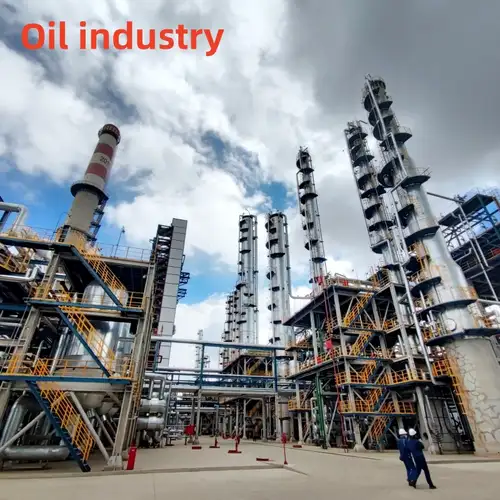
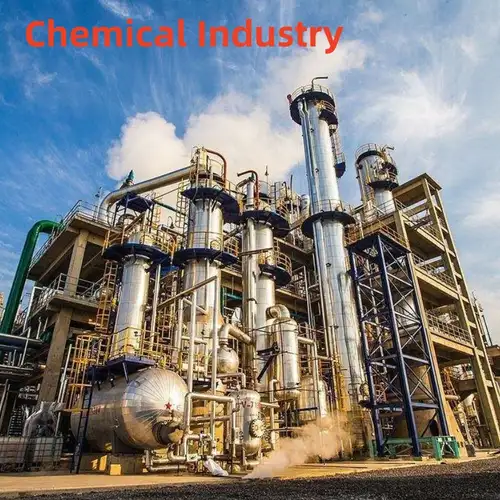
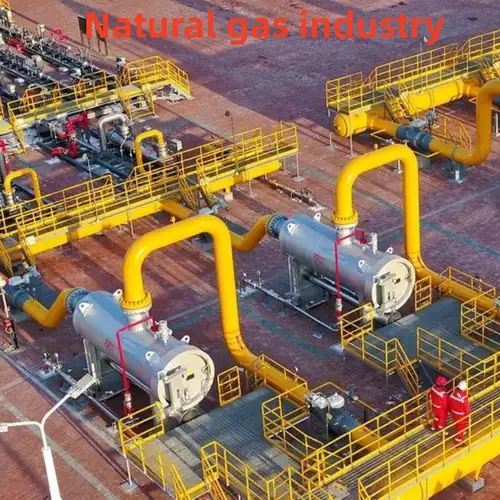
Oil and Chemical Services
Oil-containing fluids may require NBR or another verified compatible seat. Chemical applications need a case-by-case review of the body alloy, seal material, concentration and temperature.
How We Check and Prepare Orders
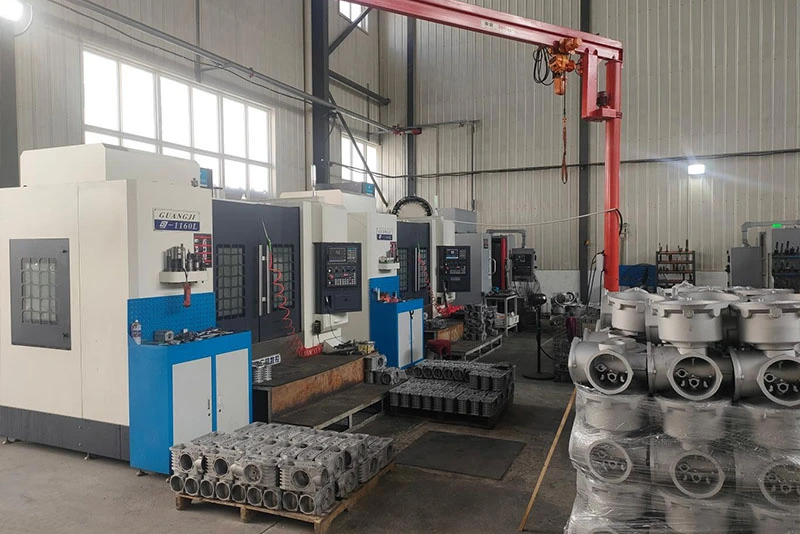
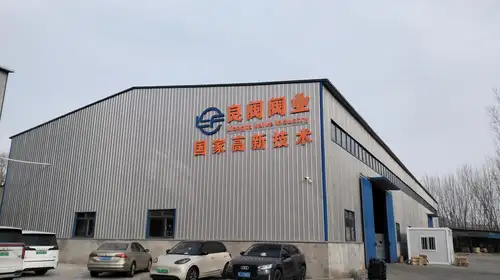
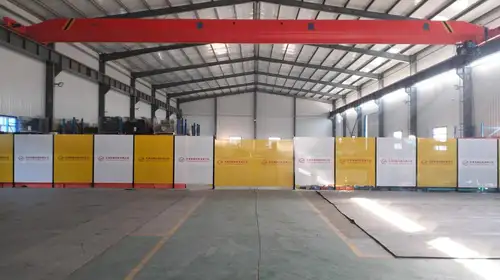
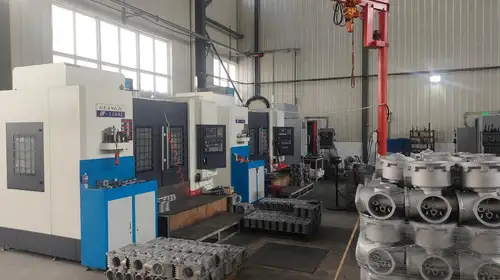
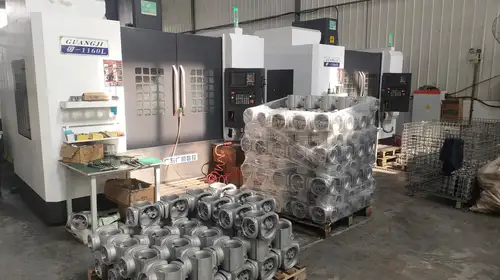
At Liangfa, we support buyers from initial model selection through shipment. Our High-Tech Enterprise Certificate reflects our enterprise qualification, while the inspection and documentation supplied for an individual order should be confirmed against its requirements.
- Before production: We review the requested size, pressure rating, materials, seat type, flange standard and operating conditions.
- During order preparation: We confirm the agreed technical configuration and provide available product drawings and specifications.
- Before shipment: Factory inspection and pressure-test documentation can be arranged according to the confirmed order requirements. Material certificates should be specified where required.
- Export support: We can coordinate export packing, sea or land transport, production updates and relevant shipping documents.
- After delivery: We provide technical assistance, remote installation guidance and long-term supply of available replacement parts such as seats, handles and discs.
Our stated warranty period is 12 months from the shipment date. The applicable warranty terms and exclusions should be confirmed in the sales agreement.
Export Packing and Delivery
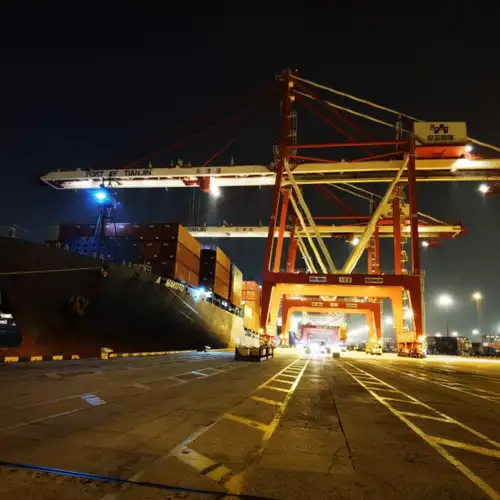
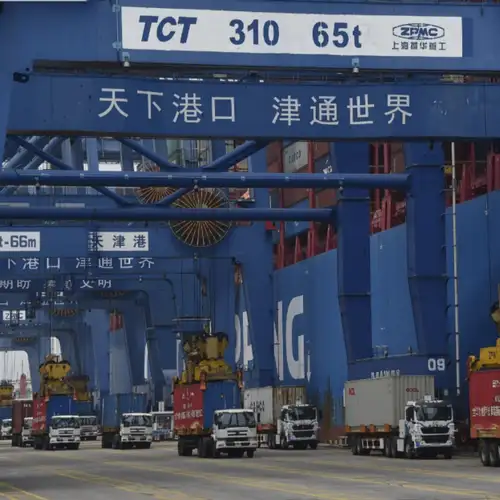
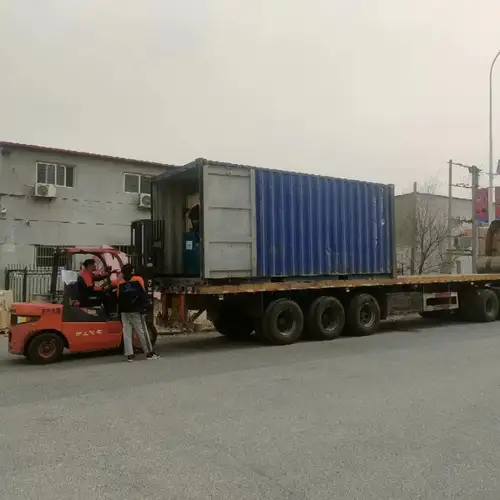
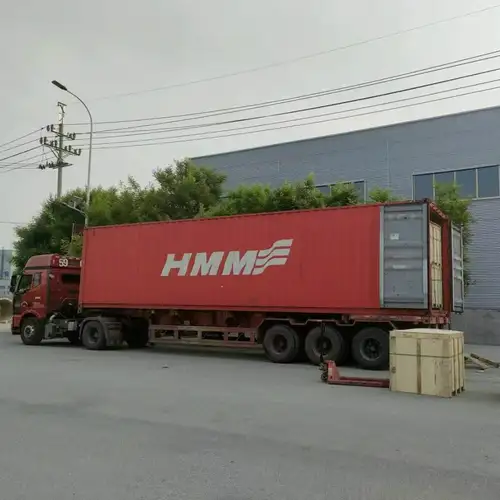
We arrange export packing and coordinate sea or land transport according to the order quantity, destination and delivery schedule. If your project requires specific packing marks, pallet arrangements or shipping documents, please provide these requirements before order confirmation.
Questions Before Ordering
Can this valve replace an existing butterfly valve without changing the pipeline?
It may be possible if the nominal diameter, face-to-face dimensions, flange standard, pressure rating and bolt arrangement match. Please provide the existing valve model or pipeline drawing so we can check the dimensions before recommending a replacement.
What information is needed to select a seat for a chemical fluid?
Please provide the fluid name, concentration, normal and maximum temperature, operating pressure, and whether the fluid contains suspended solids. We use these details to assess the proposed seat and metal materials. A chemical compatibility review is important because no single seat material suits every chemical mixture.
Can the lever remain at a partially open position?
Some lever mechanisms allow intermediate positions, but suitability depends on the valve design and service conditions. Continuous throttling can cause flow-induced wear, vibration or damage to the soft seat. If precise or frequent flow adjustment is required, tell us the control requirements so we can assess a more suitable configuration.
What should we provide to receive an accurate quotation?
Send us the required quantity, DN size, pressure rating, flange standard, body and disc material, sealing material, medium, temperature, and destination country. Drawings, special inspection requirements and delivery targets are also helpful. We can then confirm the proposed configuration and quotation details.
Send Inquiry
Contact Info
-
Address
No. 2 Taikang Road, Xiditou Town, Beichen District, Tianjin City, China
-
Tel
-
Email
If you have any inquiry about a quotation or cooperation, please feel free to email or use the following inquiry form. Our sales representative will contact you within 24 hours.
Related Products
News Recommendations