Swing Check Valve
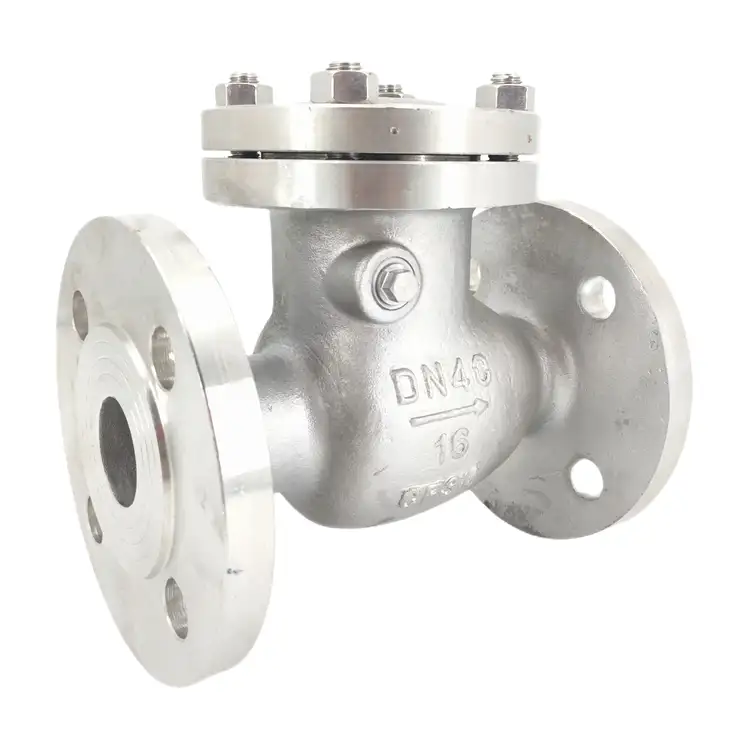
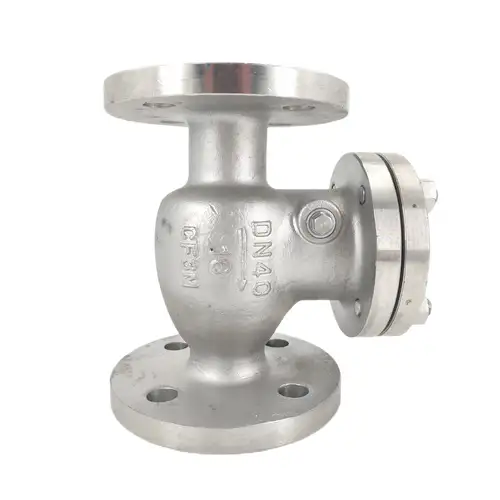
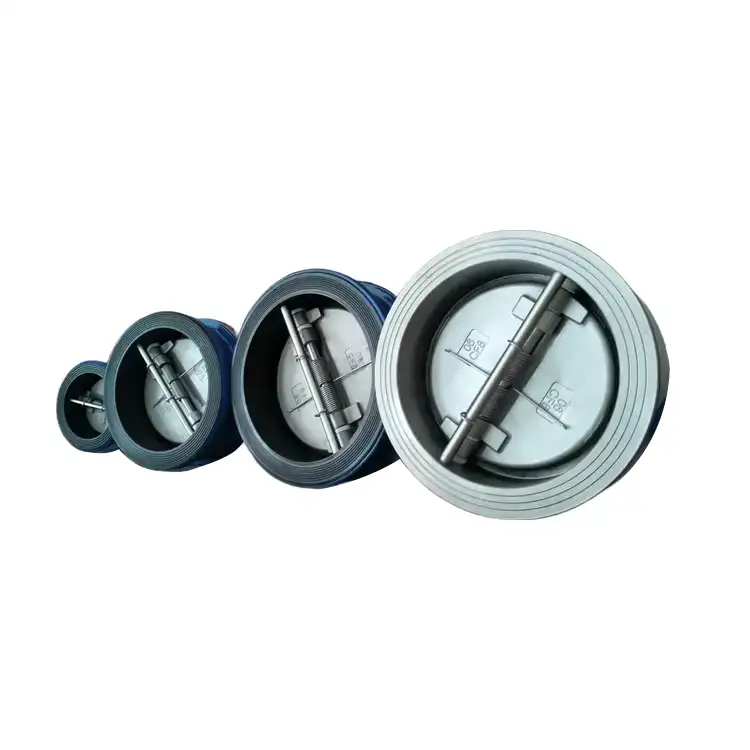
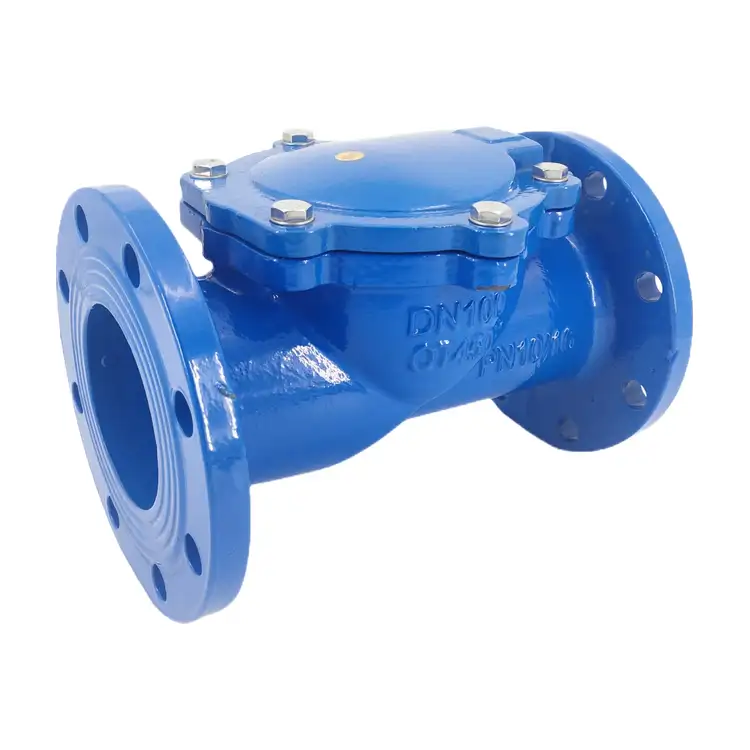
Liangfa supplies swing check valves designed to help prevent reverse flow and protect pumps and pipeline equipment. Available with ductile iron, carbon steel, and stainless steel bodies, our valves support different sealing materials and pressure ratings for water supply, HVAC, pump stations, and selected industrial applications.
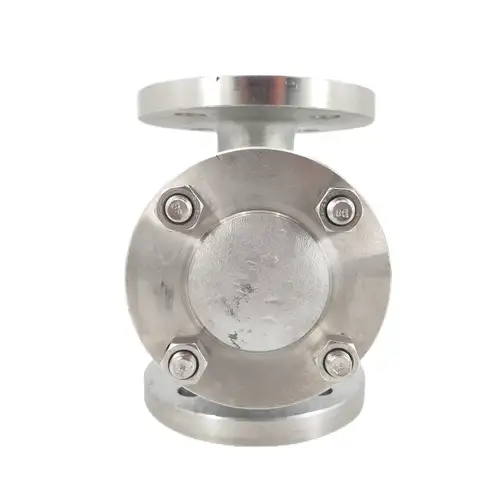
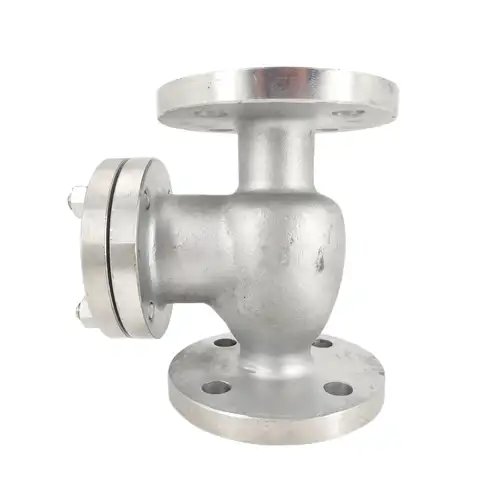
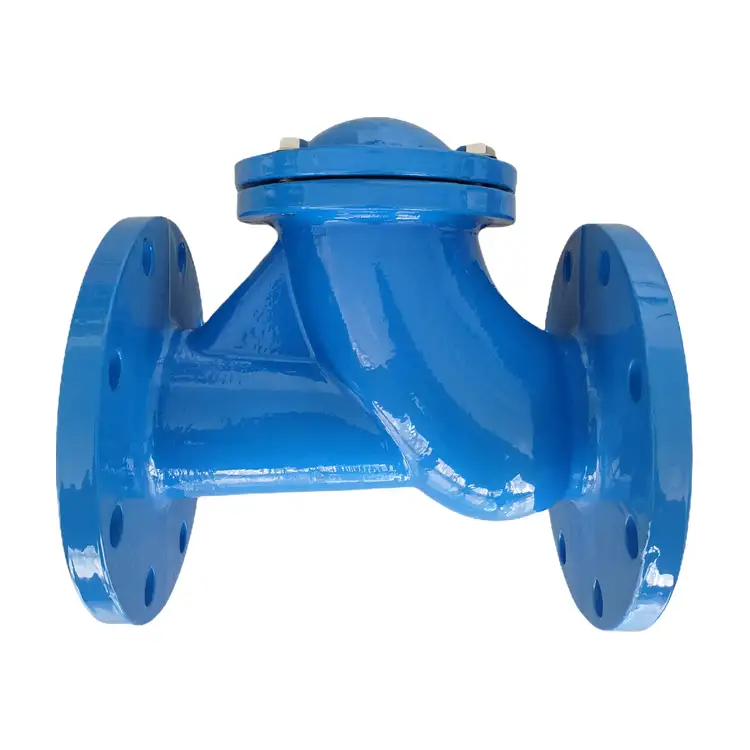
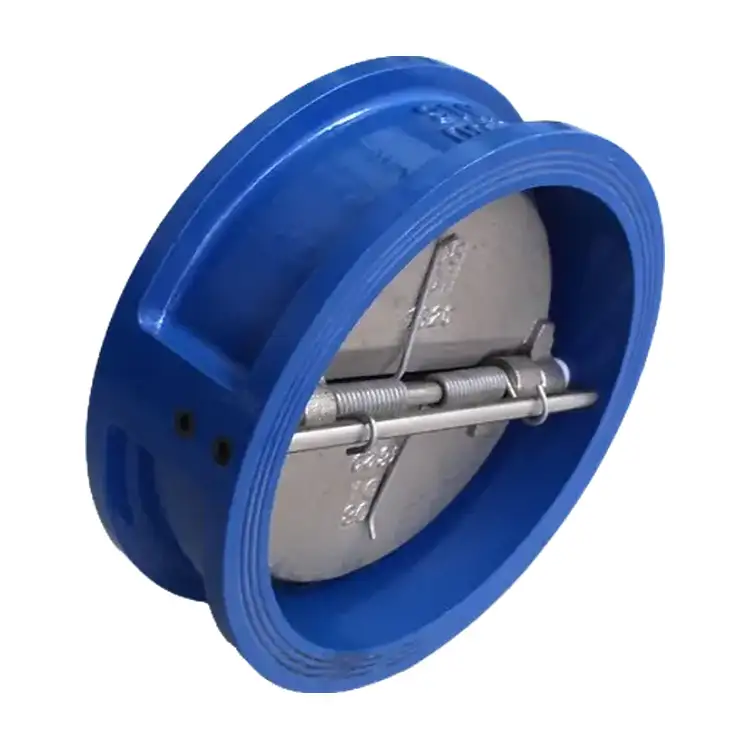
At Liangfa, we supply swing check valves for pipeline systems that require automatic backflow prevention without an external actuator. The hinged disc opens under forward fluid pressure and returns toward the seat when flow slows or reverses, helping protect pumps and downstream equipment.
Our product options cover ductile iron, carbon steel, and stainless steel bodies, with different sealing materials and pressure ratings available according to operating conditions. As a High-Tech Enterprise certified company, we provide technical selection support, manufacturing quality control, and export services to help customers specify a suitable valve for their projects.
How the Disc Controls Backflow
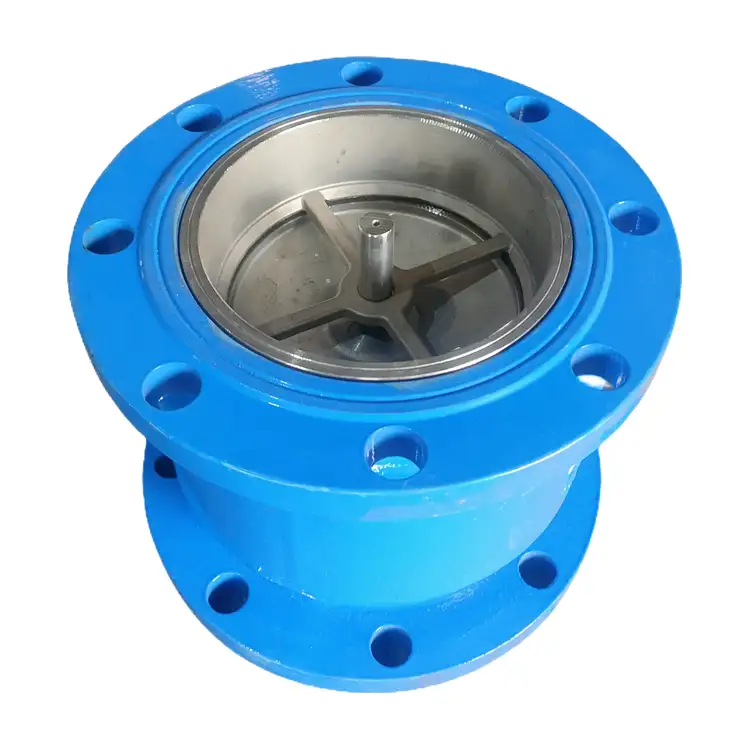
A swing check valve uses a hinged disc that moves with the direction of fluid flow. During normal operation, forward pressure pushes the disc away from the seat, allowing fluid to pass through the valve. When the pump stops or downstream pressure becomes higher, the disc swings back toward the seat to restrict reverse flow.
This design is often considered for medium- and large-diameter pipelines because the open disc can leave a relatively unobstructed flow passage. Actual pressure loss depends on the valve design, size, flow rate, and installation conditions. Since the disc moves on a hinge, sufficient flow velocity is also important for stable opening.
The valve operates automatically and does not require an external actuator for normal non-return operation. For pump stations and long-distance water transmission lines, we recommend evaluating the closing behavior and potential water hammer risk as part of the overall system design.
Product Specifications
| Product Name | Swing Check Valve |
| Nominal Size | DN40–DN1200; confirm the available range for the selected model |
| Connection | Wafer connection as specified for this product; confirm the required connection standard before ordering |
| Pressure Rating | PN16, PN10, 150LB, 5K, 10K, 16K, subject to the selected design and applicable standard |
| Temperature Range | -10°C to 100°C for the listed configuration; actual limits depend on body and seat materials |
| Body Materials | Cast iron, ductile iron, WCB carbon steel, SS304, SS316 |
| Disc Materials | Ductile iron, SS304, SS316, SS2507, SS1.4529 |
| Seat Materials | EPDM, NBR, PTFE, FKM (Viton), subject to media compatibility |
| Coating | Fusion-bonded epoxy coating in accordance with ANSI/AWWA C550, where applicable to the selected product |
Pressure classes and connection dimensions are not directly interchangeable across GB, ASME, and JIS standards. Please send us the pipeline standard, nominal diameter, maximum operating pressure, temperature, and medium so we can verify the correct configuration before production.
Choose Materials for the Medium
Material selection affects corrosion resistance, sealing performance, service life, and maintenance frequency. We offer different body, disc, stem, and seat combinations to suit the fluid and operating environment.
| Component | Available Materials | Selection Considerations |
| Body | Cast iron, ductile iron, WCB, SS304, SS316 | Consider pressure, temperature, corrosion exposure, and pipeline requirements. |
| Disc | Ductile iron, SS304, SS316, SS2507, SS1.4529 | Match strength and corrosion resistance to the fluid and operating conditions. |
| Stem or Hinge Pin | 410SS, SS304, SS316, SS2507, SS1.4529 | Check wear, corrosion, and movement requirements. |
| Seat Liner | EPDM, NBR, PTFE, FKM (Viton) | Confirm chemical compatibility and the permitted temperature range. |
| Lever | Ductile iron, SS304 | Depends on the selected structure and operating environment. |
| Fasteners | Galvanized carbon steel, SS304, SS316 | Choose according to corrosion exposure and assembly requirements. |
Common Material Combinations
For municipal water and general water circulation, ductile iron with a compatible EPDM seat is a common starting point. For oil service or elevated temperatures, a WCB body with a metal sealing arrangement may be more appropriate. For mildly corrosive process water, stainless steel can provide improved corrosion resistance, but the specific grade must be checked against the fluid composition.
Stainless steel grades are not universally suitable for every chemical or seawater condition. Chloride concentration, temperature, and other process factors can affect corrosion performance. We recommend confirming material compatibility before selecting a valve for seawater or chemical service.
Match the Valve to the Pipeline
We recommend selecting a swing check valve by reviewing the complete operating condition rather than choosing by nominal diameter alone. The following points help narrow down the appropriate design.
Pressure and Temperature
The selected pressure rating must meet the maximum system pressure, including relevant transient conditions. For elevated-temperature service, allowable pressure may be lower than the nominal rating at ambient temperature. The pressure-temperature rating of the selected valve and its materials should therefore be checked before ordering.
Pipe Diameter and Flow Rate
The valve nominal diameter should match the pipeline design and expected flow. An oversized or undersized valve can affect disc movement, pressure loss, and closing behavior. Low-flow systems may not generate enough force to fully open a swing disc, potentially causing flutter, wear, or unstable operation.
Single-Disc or Multi-Disc Design
A conventional single-disc design may suit many standard pump outlet applications. For large-diameter pipelines, a multi-disc arrangement can reduce the weight of each moving disc compared with one large disc. The actual closing impact and water hammer behavior still depend on system flow, pressure, pump shutdown characteristics, and valve design.
Standard or Slow-Closing Design
Rapid disc closure can contribute to water hammer in some systems, especially high-head pump outlets and long transmission lines. Where transient pressure is a concern, we recommend assessing a slow-closing design or other suitable surge-control measures with the pipeline engineer. No check valve design can eliminate water hammer under every operating condition.
Mounting Position
Horizontal installation is generally preferred for many swing check valve designs, with the hinge orientation following the manufacturer's installation instructions. Vertical installation is normally suitable only where the medium flows upward and the specific model permits it. Confirm the permitted mounting position and flow direction before installation.
Applications and Operating Limits
Our swing check valve options can be considered for water distribution, pump stations, HVAC circulation, power plant cooling water, and selected industrial fluid systems. Suitability depends on the selected materials, pressure rating, temperature range, fluid properties, and installation arrangement.
Water Supply and Pump Stations
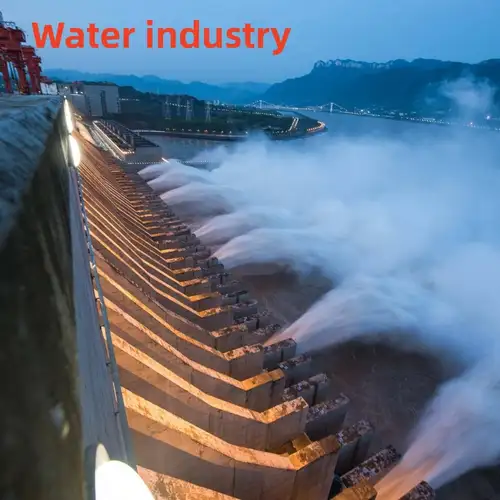
Installed on suitable pump discharge lines, the valve helps restrict reverse flow when the pump stops. For large-diameter or high-head lines, the system should be reviewed for water hammer risk and possible need for a slow-closing valve or surge-control equipment.
Sewage and Reclaimed Water
Swing designs may be suitable for some wastewater and reclaimed-water services with limited suspended impurities. Fibers, sludge, and solids can collect around the disc or hinge and interfere with closure. Where appropriate, upstream screening and scheduled internal inspection can help reduce operating problems. The valve should not be assumed suitable for heavy slurry or media containing large solid particles.
HVAC and Cooling Water
In chilled-water and cooling-water circuits, a correctly selected valve helps limit reverse flow through circulation pumps and connected equipment. Seat material, operating temperature, flow rate, and installation position should be checked against the actual system conditions.
Oil and High-Temperature Service
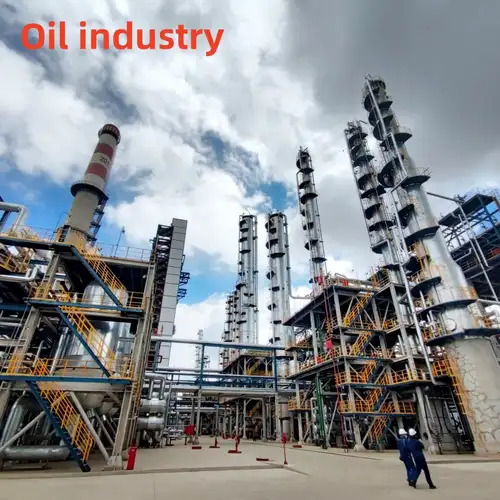
Oil, steam, and high-temperature water require careful material selection. Metal-seated configurations may be considered where compatible with the fluid and design conditions. The temperature range of the standard configuration listed above is -10°C to 100°C, so higher-temperature applications require a separately confirmed model and rating.
Chemical and Marine Environments
Stainless steel bodies and compatible seat materials may be considered for selected mildly corrosive fluids. For seawater and chloride-containing service, the material grade and sealing components must be checked against chloride levels, temperature, and corrosion requirements. We do not recommend choosing a material based on the term “stainless steel” alone.



Installation Checks That Matter
Correct installation helps the disc move freely and close against the seat as intended. Before fitting the valve, verify the model, nominal diameter, pressure class, material, connection dimensions, and flow-direction marking.
- Clean the pipeline and remove welding slag, sand, rust, and other debris that could damage the sealing surfaces.
- Confirm that the valve flow arrow matches the actual medium flow direction.
- Follow the manufacturer's permitted mounting positions and hinge orientation.
- Align the mating pipe flanges naturally. Do not force the valve into position to compensate for pipe misalignment.
- Use a compatible gasket and tighten flange bolts evenly in a diagonal sequence.
- Leave sufficient clearance for inspection and removal of serviceable components where the design allows it.
- For systems with a high risk of water hammer, assess surge protection before commissioning.
After installation, fill and pressurize the line gradually. Check for external leakage, abnormal noise, vibration, and signs of reverse flow during pump shutdown. Commissioning procedures should follow the valve manufacturer's instructions and the site's safety requirements.
Inspection and Troubleshooting
Maintenance intervals depend on the medium, operating frequency, temperature, and service conditions. We recommend establishing an inspection schedule based on actual operating experience rather than applying one interval to every installation.
| Observed Problem | Possible Cause | Recommended Action |
| Backflow after pump shutdown | Debris on the seat, worn sealing surface, damaged disc, or restricted hinge movement | Isolate and depressurize the line, then inspect the disc, seat, and hinge components. |
| Disc moves slowly or sticks | Corrosion, deposits, wear, or hinge damage | Inspect and clean the internal mechanism; replace damaged parts as needed. |
| Leakage at a flange | Uneven bolt loading, damaged gasket, or flange misalignment | Safely isolate the line and check the gasket, flange faces, and bolt tightening. |
| Impact noise or pipeline vibration | Rapid closure, changing flow conditions, or water hammer | Review transient pressure and system operation; consider suitable surge-control measures or a different closing design. |
| Disc flutter under low flow | Insufficient flow force to hold the disc open | Review the flow range and valve sizing; another check valve design may be more suitable. |
Always isolate the valve from the system and verify zero pressure before opening the body or bonnet. Never remove pressure-retaining components while the line is pressurized. Replacement seals, hinge pins, and other parts must match the selected model and service conditions.
Manufacturing and Export Support
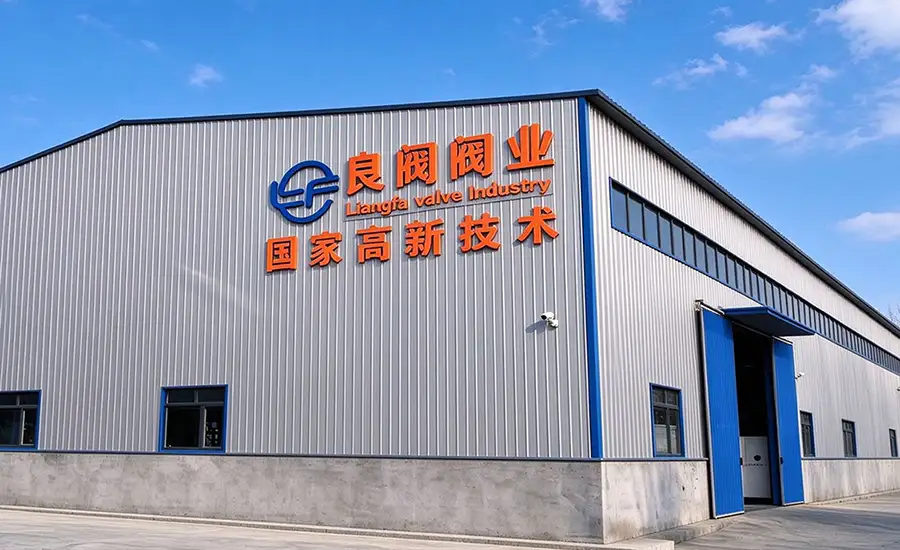
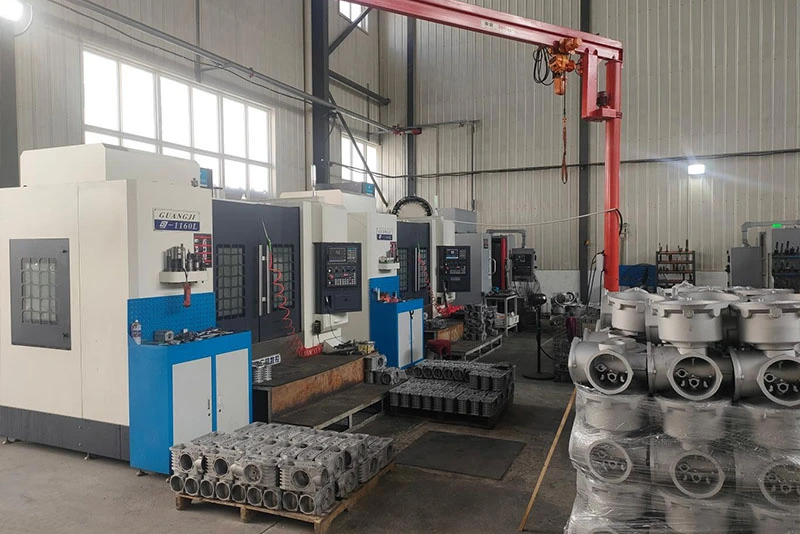
At Liangfa, we support customers from initial technical review through production, inspection, packaging, and after-sales service. Our High-Tech Enterprise certificate reflects our company qualification; product-specific standards, test reports, and approvals should be confirmed separately for the exact valve configuration.
Before Ordering
Share the medium, operating temperature, maximum pressure, nominal diameter, connection standard, installation position, and any water hammer concerns. We can use these details to review the required material and valve configuration and provide available technical drawings and quotation information.
Inspection and Delivery
We can coordinate pre-shipment inspection and provide applicable inspection records or material documentation according to the order requirements. Export packaging and shipping arrangements can be discussed based on valve size, quantity, destination, and transport method.
After-Sales Assistance
We provide technical guidance for installation and maintenance, and can discuss the supply of compatible replacement parts for the selected model. Please provide the product identification and operating details when requesting troubleshooting support so that the recommendations can be matched to the actual valve.
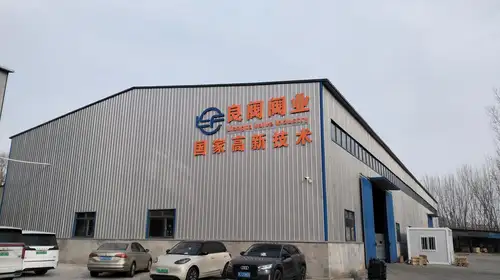
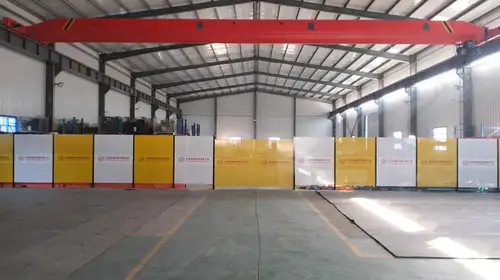
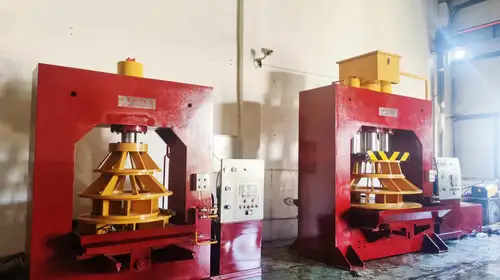
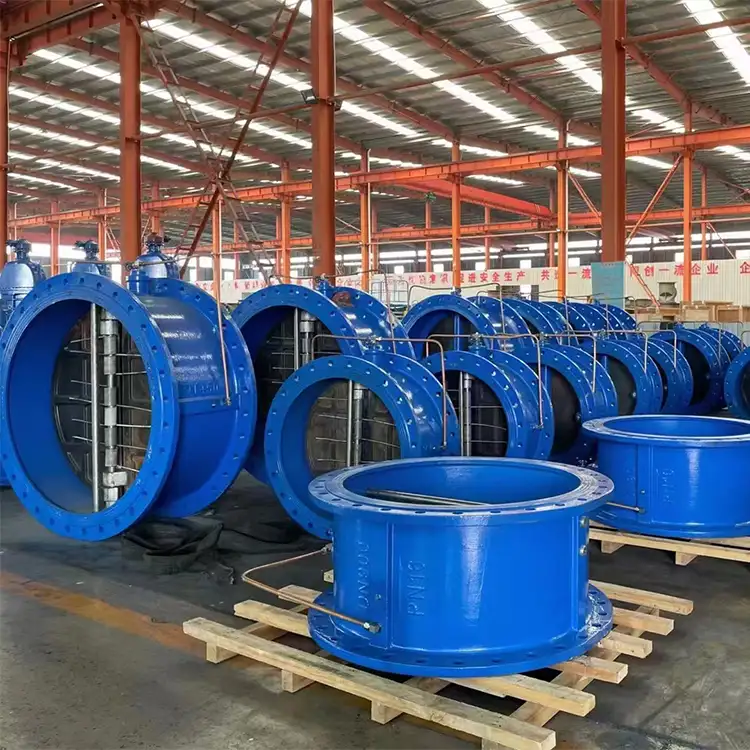
Factory Tour
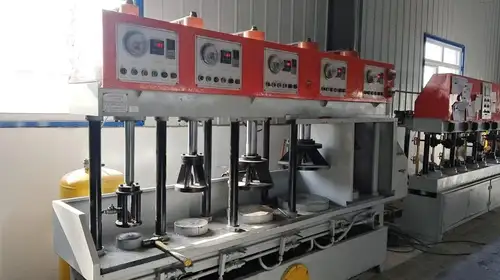
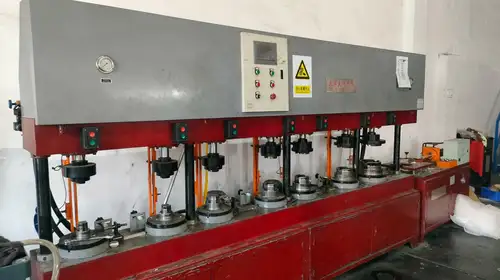

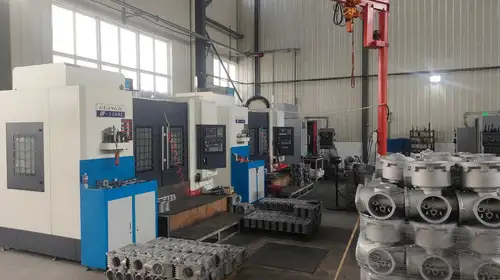
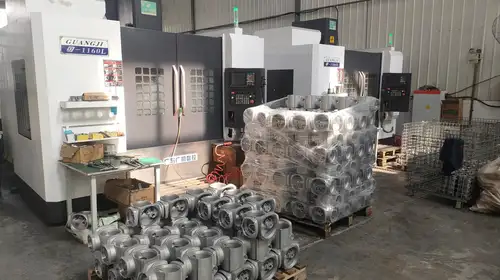
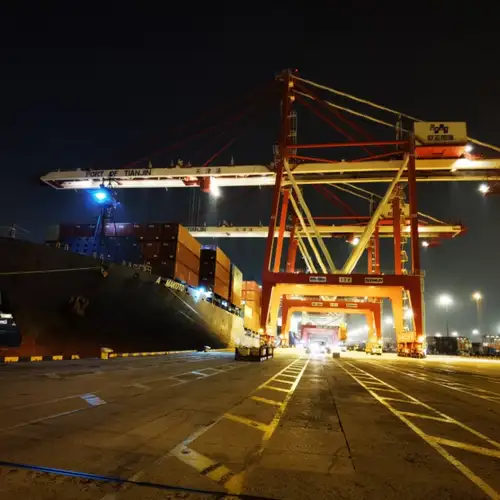
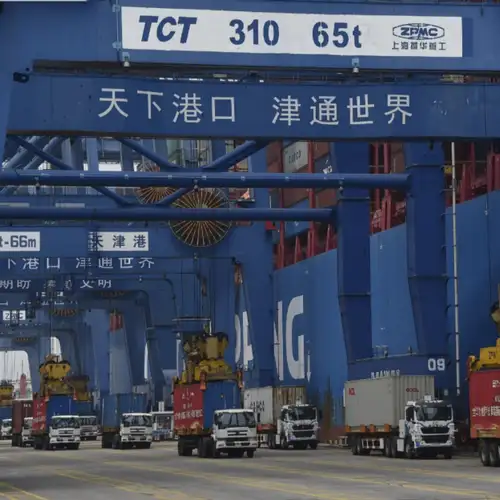
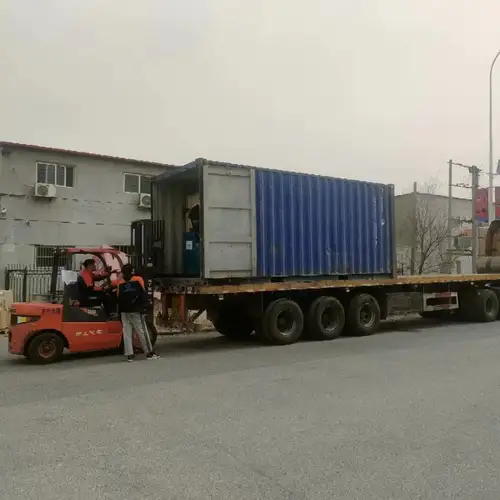
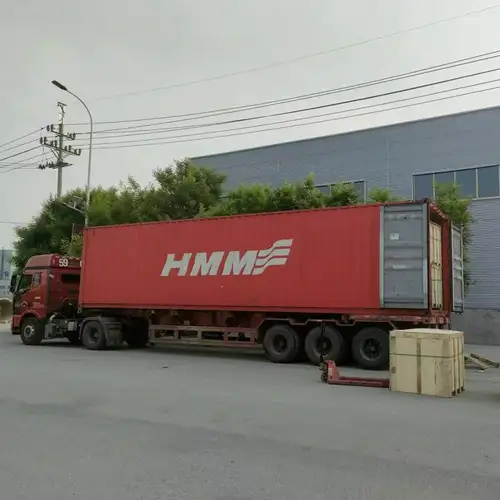
Packing and Shipping
We arrange export packing and transportation according to valve dimensions, order quantity, and destination requirements. Sea freight and land transport can be discussed during order confirmation. Packing details and shipping documents are coordinated to help protect the products during handling and transit.
Frequently Asked Questions
What information should I send for a quotation?
Please provide the nominal diameter, pressure rating, medium, operating temperature, connection standard, quantity, and destination. If the valve will be installed at a pump outlet or in a long-distance transmission line, also share the expected flow conditions and any known water hammer issues.
Can this valve be installed in a vertical pipeline?
Some swing check valve designs permit vertical installation when the medium flows upward, but mounting requirements vary by model. Please confirm the manufacturer's installation instructions for the selected valve. Downward-flow vertical installation is generally unsuitable for conventional swing designs.
Is a swing check valve suitable for wastewater containing solids?
It may be suitable for certain wastewater applications with limited suspended impurities. Large particles, fibrous matter, or heavy sludge can obstruct the disc and sealing area. The medium composition should be reviewed before selection, and upstream screening may be required.
How can I reduce water hammer at a pump outlet?
Water hammer depends on factors such as flow velocity, pipeline length, pump shutdown behavior, and pressure changes. A slow-closing check valve or a suitable surge-control device may help in some systems, but the solution should be based on a transient-pressure assessment rather than valve type alone.
Can Liangfa provide special material combinations?
We can review requests for alternative body, disc, hinge, and seat materials according to the model and application. Availability depends on the required specification and service conditions. Please provide the fluid composition, temperature, pressure, and relevant corrosion requirements for evaluation.
What documents can be supplied with an order?
Available documents depend on the product specification and purchase agreement. Inspection records and applicable material documents can be discussed during quotation and order confirmation. Please specify any required standards, testing, or documentation before placing the order.
Related Category
Send Inquiry
Contact Info
-
Address
No. 2 Taikang Road, Xiditou Town, Beichen District, Tianjin City, China
-
Tel
-
Email
If you have any inquiry about a quotation or cooperation, please feel free to email or use the following inquiry form. Our sales representative will contact you within 24 hours.
News Recommendations