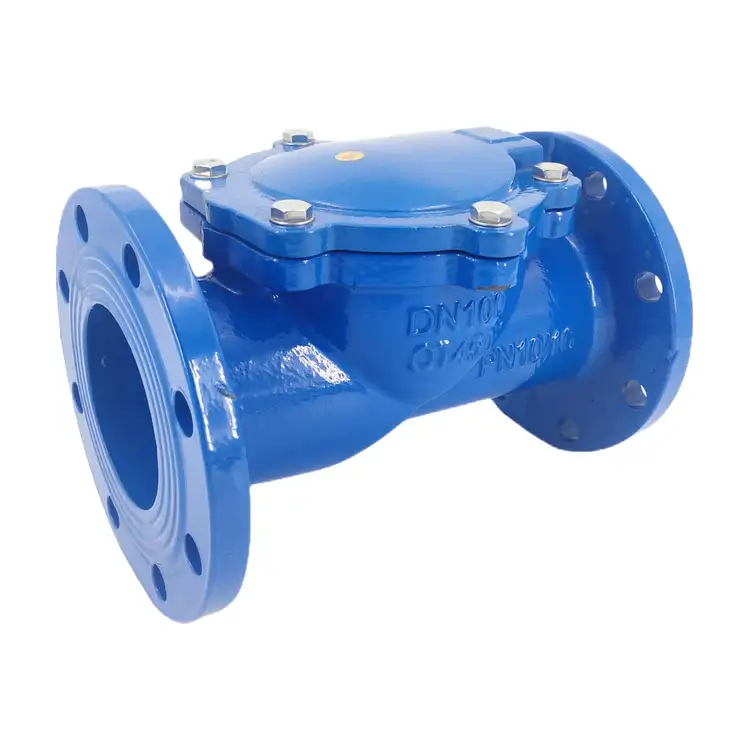
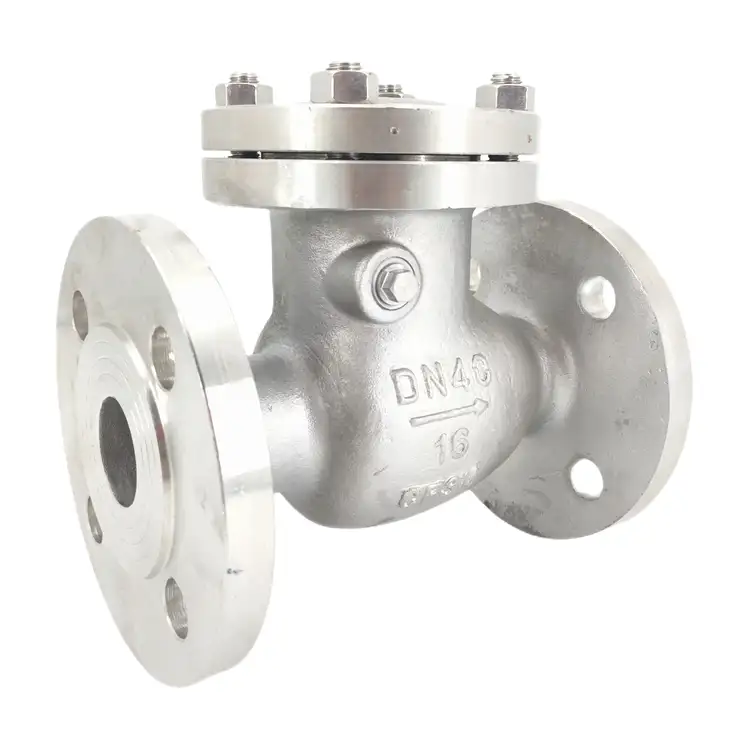
Rubber Flap Check Valve
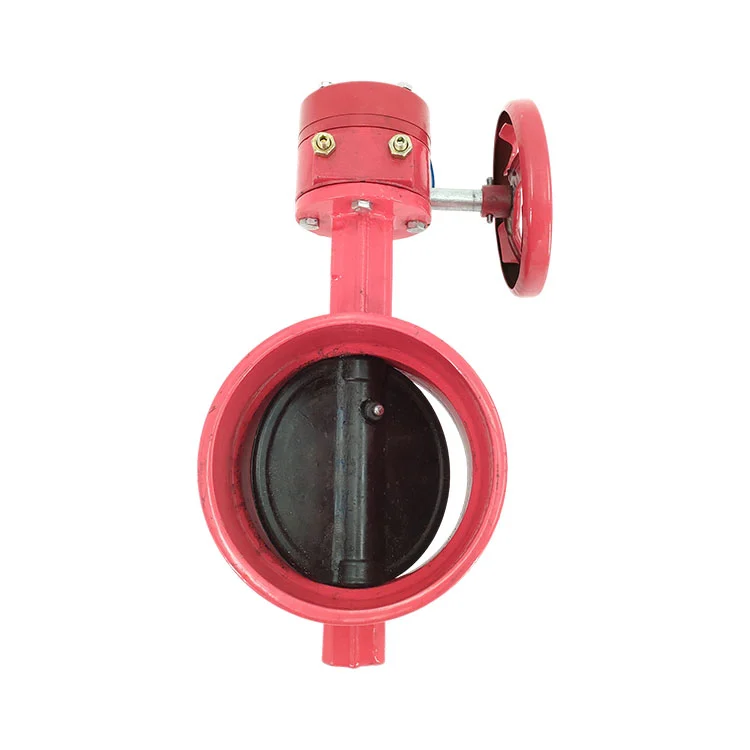
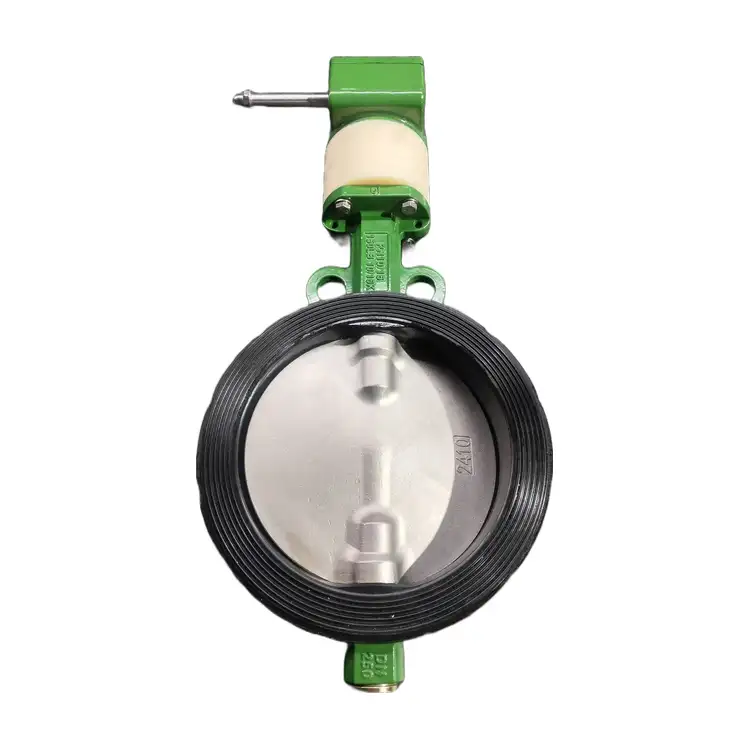
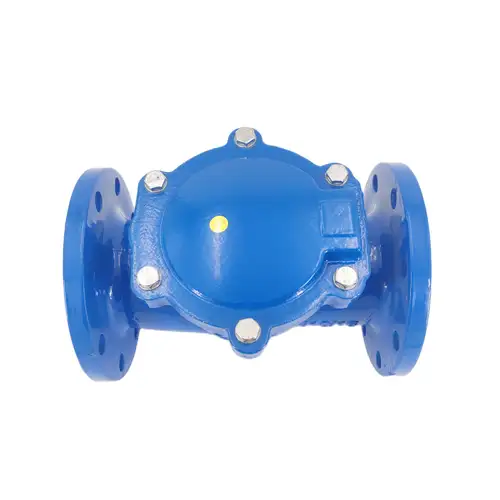
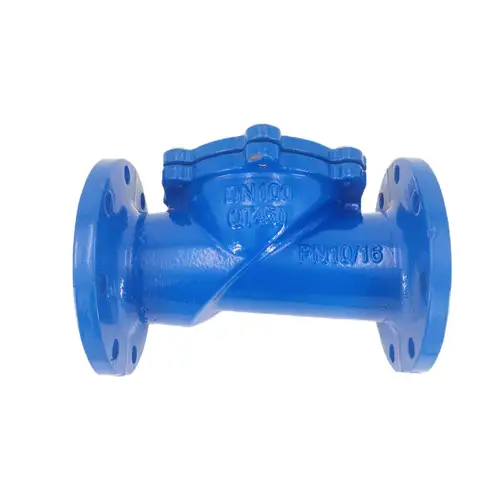
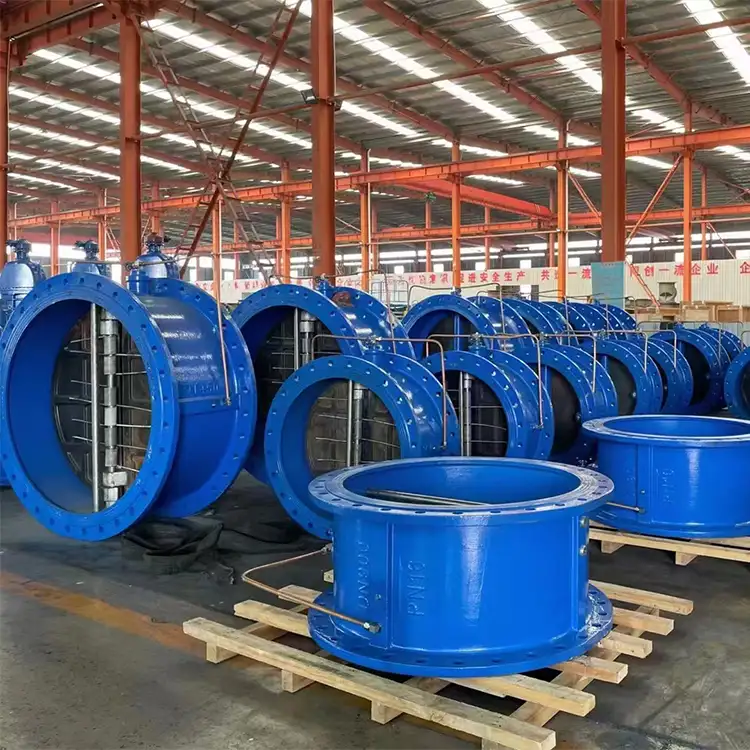
Liangfa provides rubber flap check valves designed to prevent reverse flow in water supply, drainage, sewage treatment, fire protection, and industrial circulating water systems. Available with cast iron, ductile iron, carbon steel, and stainless steel body options, these valves feature a flexible rubber sealing flap, low flow resistance, and convenient maintenance.
Liangfa supplies rubber flap check valves for water supply, drainage, sewage treatment, fire protection, and circulating water systems. Designed to prevent reverse flow without external power, our valves use a flexible rubber sealing flap to support low-pressure sealing and reduce closing impact.
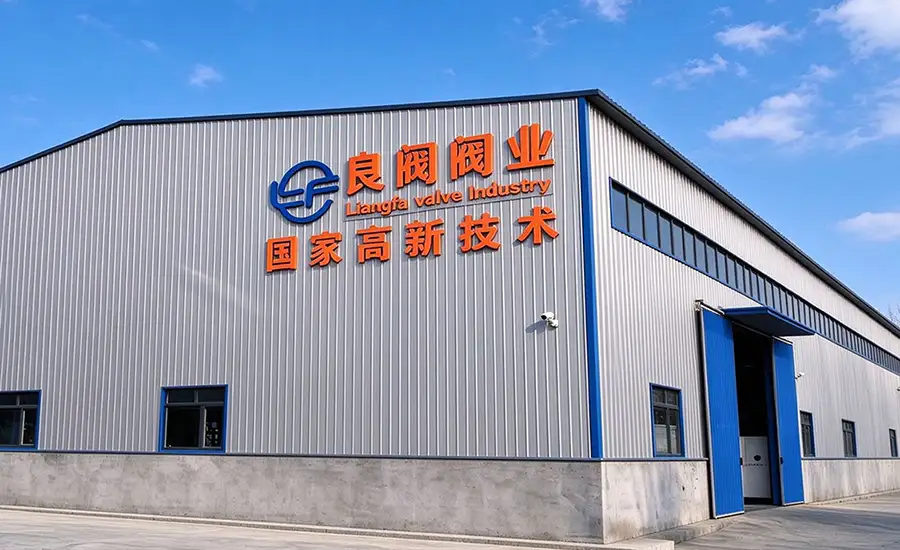
We offer multiple body and sealing material options to help customers match valve performance to actual media, pressure, temperature, and installation requirements. As a High-Tech Enterprise, Liangfa focuses on practical valve design, manufacturing quality, and technical support throughout product selection and service.
| Product Name | Rubber Flap Check Valve |
| Model | H44X-10/16Q |
| Nominal Diameter | DN40–DN1200 (confirm available sizes for the selected design) |
| Connection Method | Wafer, subject to model confirmation |
| Pressure Rating | PN10, PN16, 150LB, 5K, 10K, 16K, subject to applicable design standards |
| Temperature Range | -10°C to 100°C for the listed configuration; confirm material-specific limits |
| Coating | Fusion-bonded epoxy coating in accordance with ANSI/AWWA C550, where specified |
| Typical Applications | Water supply, drainage, fire water, sewage pump stations, circulating water |
How the Rubber Flap Seals
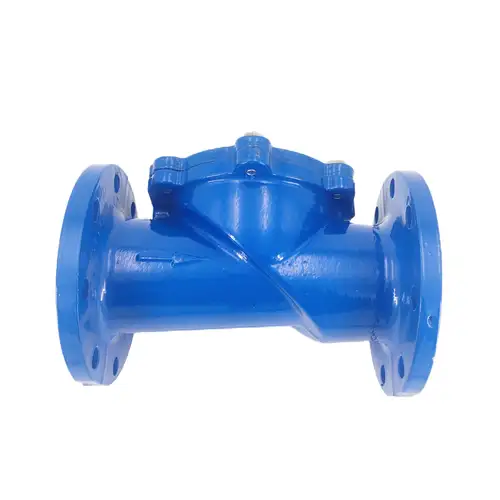
Unlike a conventional metal-seated design, a rubber flap check valve uses a flexible sealing element that responds to changes in flow direction. Forward pressure pushes the flap open, allowing water to pass through the valve. When the pump stops or downstream pressure becomes higher, the flap moves back toward the seat to restrict reverse flow.
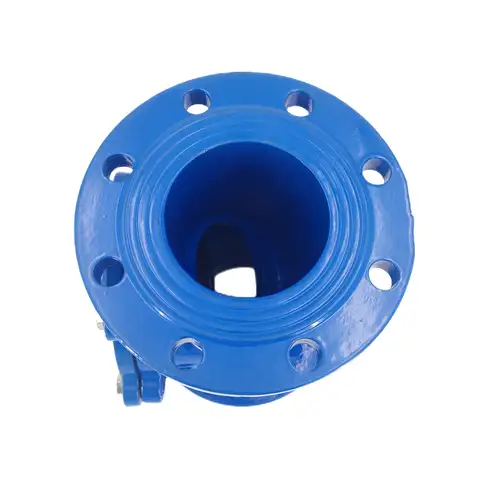
The sealing element typically consists of a steel reinforcement plate, a nylon fabric substrate, and a vulcanized rubber outer layer. This construction combines structural support with flexibility. The full-flow passage helps reduce resistance when the flap is fully open, while the soft sealing surface supports tight shutoff under suitable positive-pressure conditions.
The valve closes automatically and does not require manual or electric actuation. Its flexible closure can help reduce the impact associated with pump shutdown, but it should not be treated as a complete water-hammer prevention device. Systems with severe pressure surges may require additional surge-control equipment.
Materials for Different Media
Body and sealing materials affect corrosion resistance, temperature tolerance, and service life. We help customers select the material combination according to the actual fluid composition and operating conditions rather than choosing by nominal diameter alone.
| Component | Available Materials | Selection Considerations |
| Valve Body | Cast iron, ductile iron, WCB carbon steel, SS304, SS316 | Pressure, corrosion exposure, pipeline standard, and fluid compatibility |
| Disc or Reinforcement | Ductile iron, SS304, SS316, SS2507, SS1.4529 | Strength and resistance to the service environment |
| Stem | 410 stainless steel, SS304, SS316, SS2507, SS1.4529 | Mechanical strength and corrosion resistance |
| Seat or Flap Liner | EPDM, NBR, PTFE, FKM (Viton), subject to design | Fluid compatibility and operating temperature |
| Lever | Ductile iron, SS304 | Structural requirements and environmental exposure |
| Fasteners | Galvanized carbon steel, SS304, SS316 | Corrosion exposure and connection requirements |
Choosing the Rubber Compound
The rubber compound is a key factor in sealing reliability. Natural rubber is commonly considered for suitable clean-water duties, while NBR may be appropriate for certain water streams containing small amounts of mineral oil. EPDM is often selected for hot water and compatible weak acid or alkali solutions. Neoprene may be considered for some outdoor or saline environments, subject to the complete material specification.
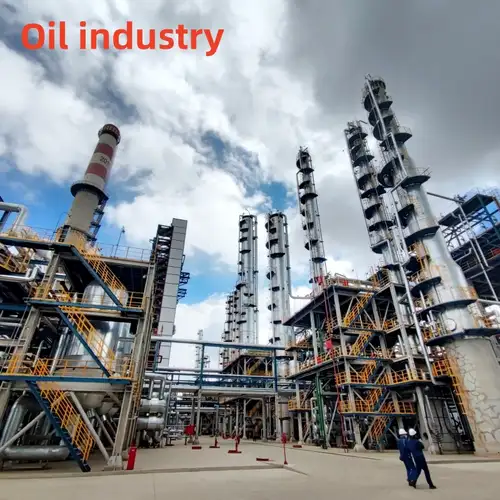
These are general selection guidelines, not universal chemical-resistance guarantees. Actual performance depends on concentration, temperature, exposure time, and other constituents in the fluid. Oil products, organic solvents, steam, gases, and strongly corrosive chemicals should not be assumed compatible with a standard rubber flap design. We recommend confirming the exact medium and operating conditions before ordering.
Check the Operating Conditions First
Before specifying a rubber flap check valve, buyers should review more than the nominal pipe size. Flow rate, pressure fluctuations, temperature, solids content, and pump start-stop frequency can all affect closure behavior and maintenance intervals.
Flow Rate and Pump Shutdown
A suitable forward flow must be available to open the flap fully. Very low flow may cause incomplete opening or repeated flap movement, while excessive velocity can increase wear and closing impact. A preliminary flow-velocity range of approximately 0.5–2.5 m/s is provided as a reference in the supplied technical information; the acceptable range must be confirmed against the selected valve design and system calculations.
When pumps stop frequently, the flap experiences repeated opening and closing cycles. For these systems, we recommend reviewing the duty cycle, expected pressure transient, and flap construction before final selection. A slow-closing or non-slam check valve may be more suitable where severe water hammer is expected.
Pressure and Temperature Limits
The valve pressure rating must cover the maximum expected operating pressure and relevant transient pressure, not just the normal running pressure. A nominal rating alone does not guarantee resistance to water hammer. Where pressure surges are possible, the pipeline should be assessed by a qualified engineer and surge protection considered.
The listed product configuration specifies a temperature range of -10°C to 100°C. Some rubber compounds may have different limits, but a higher material limit does not automatically raise the rated temperature of the complete valve. We recommend confirming the approved operating range for the exact body, flap, pressure class, and fluid combination.
Solids and Fibrous Waste
This design can be suitable for water and some wastewater containing small suspended particles. However, cloth strips, long fibers, hair, and large or abrasive solids may become trapped between the flap and seat. This can prevent complete closure and cause internal leakage. For wastewater with substantial fibrous content or heavy solids, we recommend evaluating a ball check valve or another design intended for those conditions.
Installation Details That Matter
Correct installation helps the flap move freely and return to its seat. Follow the installation instructions supplied for the confirmed model, and check the valve body markings before fitting it into the pipeline.
- Flow direction: Align the flow arrow on the body with the direction of normal flow.
- Pipeline position: Horizontal installation is generally preferred. Vertical installation may be acceptable when the medium flows upward, subject to the specific design. Do not install in a downward-flow vertical line unless the manufacturer explicitly approves that configuration.
- Pipe alignment: Match the valve connection to the pipeline standard and avoid forcing misaligned pipes together.
- Flow stability: Avoid placing the valve immediately after an elbow, reducer, or tee where the flow may be uneven. Follow the manufacturer's straight-pipe recommendations.
- Flange tightening: Use compatible gaskets and tighten bolts evenly in a crosswise sequence.
- Maintenance access: Reserve enough space to inspect or replace the sealing component where the design allows service access.
Before commissioning, inspect the body, sealing element, and connection surfaces. Introduce flow gradually and check for abnormal vibration, repeated impact noise, flange leakage, or backflow after pump shutdown. Never open or service a pressurized valve. Pressure-test procedures and test pressures must follow the applicable product standard and approved project specification.
Inspection and Service Planning
Maintenance needs depend on the fluid, operating temperature, pump cycling, and the amount of debris in the pipeline. Clean-water installations may require less frequent inspection than wastewater systems. The intervals below are starting points from the supplied maintenance guidance; the final schedule should follow local regulations, project requirements, and actual service conditions.
| Observed Condition | Possible Cause | Recommended Action |
| Backflow after pump shutdown | Debris at the seat, worn flap, or damaged sealing surface | Isolate and depressurize the line, then inspect and clean or replace damaged parts |
| Repeated knocking or vibration | Excessive flow velocity, unstable flow, or unsuitable installation | Check system flow, valve positioning, and the need for surge control |
| Leakage at the connection | Damaged gasket, uneven bolt loading, or flange misalignment | Depressurize the system and inspect the gasket and connection surfaces |
| Flap movement is restricted | Accumulated solids, incorrect assembly, or component damage | Isolate the valve and inspect the internal assembly |
| Rubber hardening, cracking, or swelling | Excessive temperature, incompatible fluid, aging, or fatigue | Verify material compatibility and replace the affected component |
For clean-water and fire-water duties, periodic inspection can be planned according to the site's maintenance program. Wastewater and reclaimed-water service may need more frequent checks, especially where solids or fibers are present. Replace the flap if it shows cracking, tearing, debonding, permanent deformation, or other damage that affects sealing.
Do not apply grease or oil to the rubber flap unless the manufacturer confirms compatibility with the specified compound. Store spare rubber components away from direct sunlight, ozone sources, excessive heat, and prolonged compression.
Factory Inspection and Supply
At Liangfa, we support customers from initial selection through production, inspection, shipment, and after-sales service. As a High-Tech Enterprise, we focus on consistent manufacturing processes and technical communication so that buyers can verify whether the proposed configuration matches their project requirements.
- Before ordering: We provide selection guidance, product drawings, technical parameters, material options, and quotation support based on the project details.
- During production: We coordinate production progress and carry out factory inspection according to the applicable product and order requirements. Inspection records and material documents are supplied where specified.
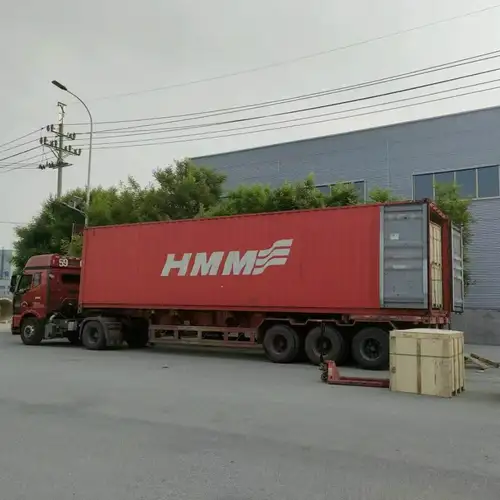
- Before shipment: We arrange export packaging and support sea or land transport, together with agreed shipping documents.
- After delivery: We offer remote installation guidance, maintenance advice, and spare-parts support subject to the confirmed product configuration.
Our standard after-sales policy states a 12-month warranty from the shipment date. The applicable warranty terms, inspection scope, and supplied documents should be confirmed in the quotation or sales contract.
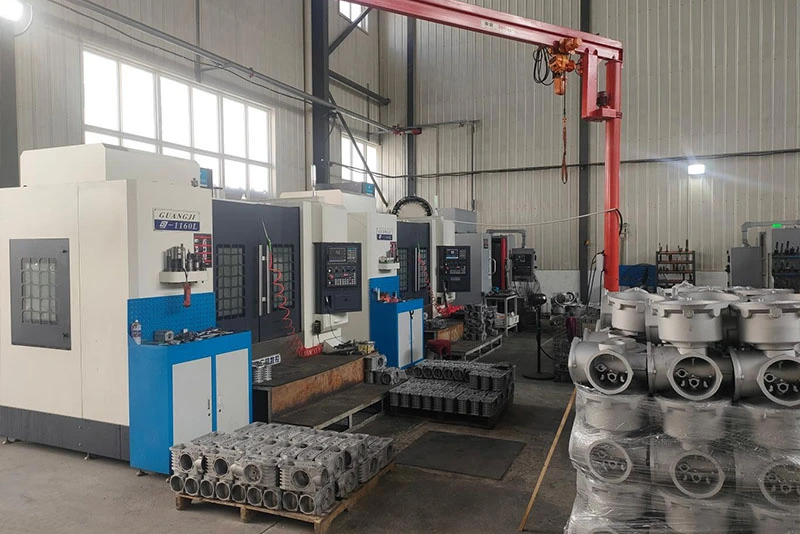
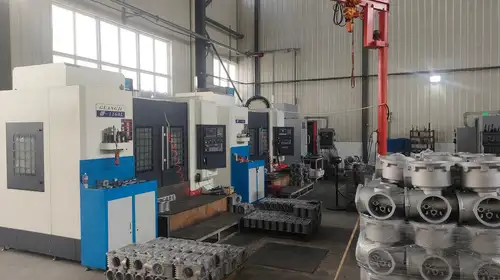
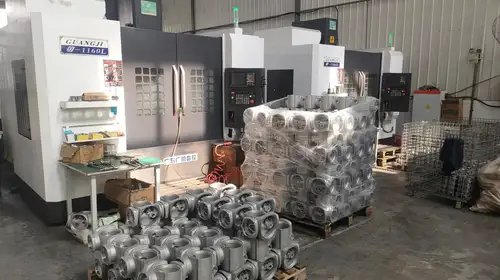
Factory Tour
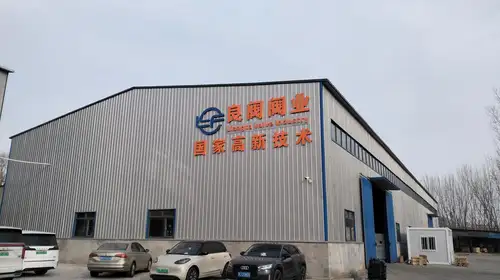
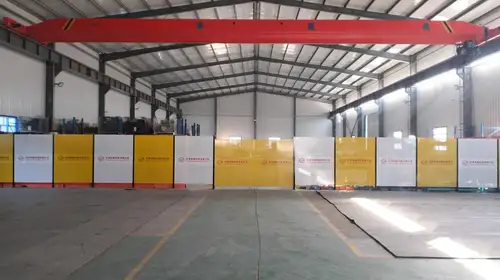
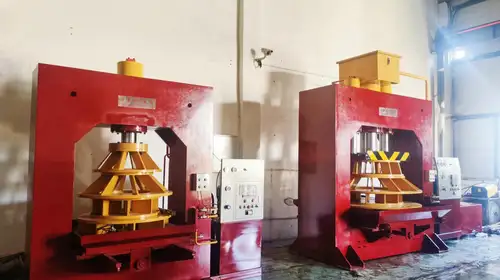
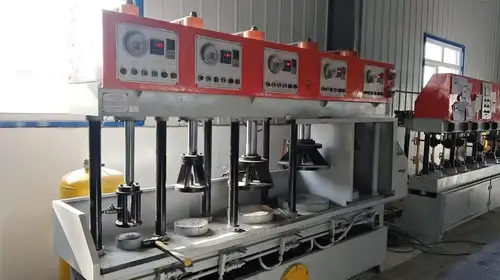
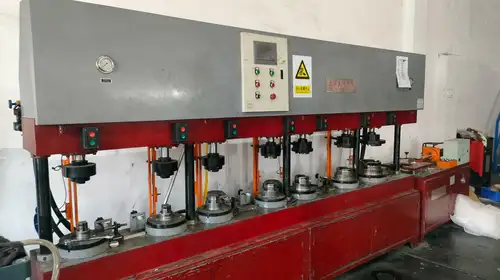
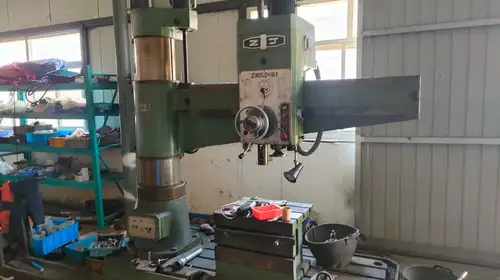
The following images show factory and production-related scenes to help buyers learn more about our manufacturing and supply process.
Packing and Shipping
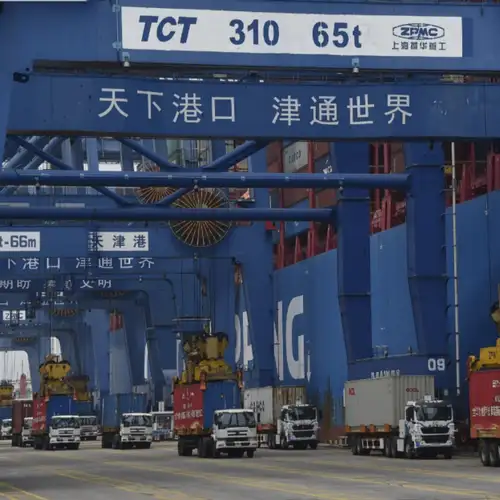
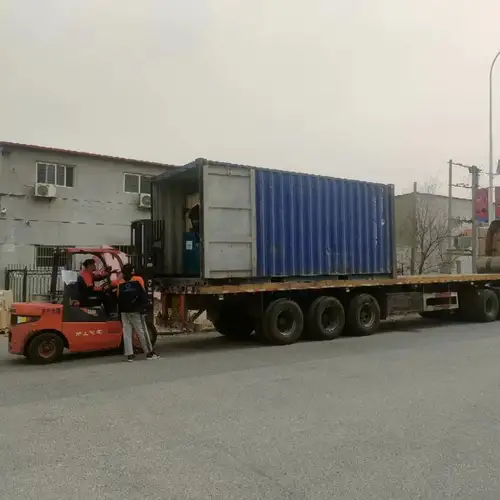
We arrange export packing according to valve size, weight, order quantity, and transport method. Sea freight and land transport can be coordinated for delivery to major ports and destinations. Packing details and shipping documents are confirmed for each order.

Where It Is Used
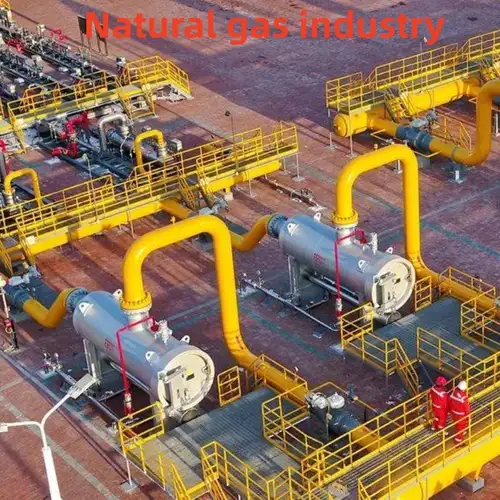
Municipal Water and Drainage
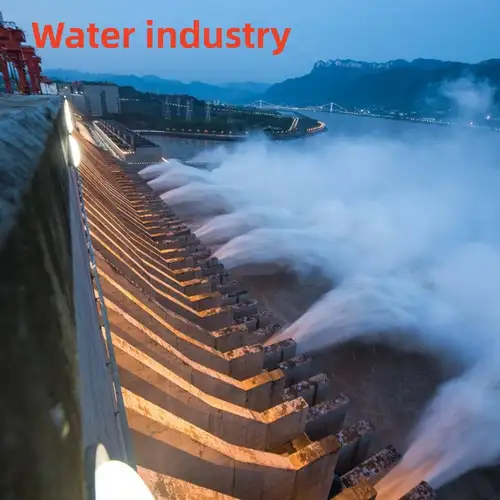
At water supply pump outlets, drainage stations, and rainwater pumping systems, the valve helps restrict reverse flow when the pump stops. For sewage applications, the amount and type of solids should be assessed to reduce the risk of material becoming trapped at the sealing surface.
Fire Protection and Building Services
In suitable fire-water and building water systems, the valve helps maintain the intended flow direction and reduce reverse flow through pump discharge lines. The selected valve must meet the project's pressure rating, connection dimensions, and applicable fire-system requirements.
HVAC and Cooling Water
Cooling-water and compatible heating-water circuits can use the valve to help protect circulation pumps against reverse flow. For elevated temperatures, the body and sealing material must be checked against the approved limits of the complete valve.
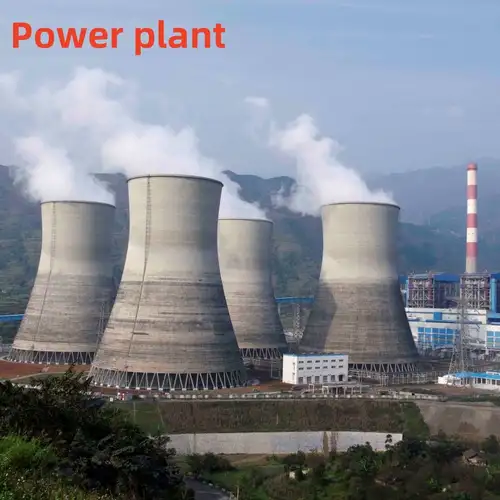
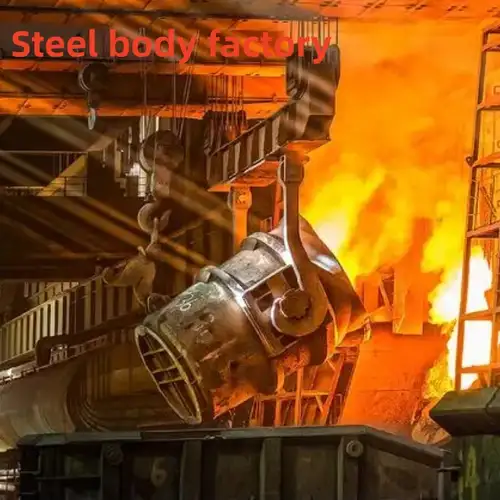
Industrial Circulating Water
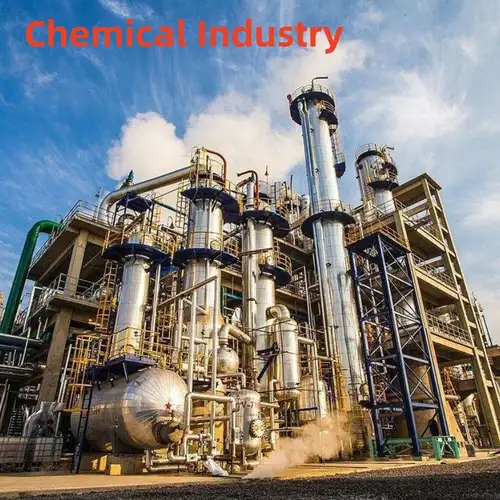
Power, metallurgy, and general industrial facilities may use the valve on compatible clean-water or circulating-water lines. Reclaimed water and mildly corrosive fluids require a review of the body material, coating, and rubber compound before selection.
Coastal and Saline Water Systems
Some coastal applications may be considered with suitable corrosion-resistant materials, but high-chloride water can cause corrosion and shorten component life. For continuous seawater service, we recommend a specific corrosion assessment rather than assuming a standard coated or stainless-steel configuration is suitable.
Frequently Asked Questions
Can the rubber flap be replaced without replacing the whole valve?
For designs with serviceable internal components, the flap assembly may be replaced after the pipeline has been isolated, depressurized, and drained. The exact procedure depends on the valve construction. Confirm spare-part compatibility with the model and size before ordering.
Why does the valve leak after a pump stops?
Common causes include fibers or debris trapped between the flap and seat, a damaged or aged rubber element, or damage to the sealing surface. The system should be safely isolated before inspection. If the valve is clean but leakage continues, review the material condition and whether the selected design is suitable for the actual flow and medium.
Is this valve suitable for wastewater containing cloth or long fibers?
Not generally recommended when long fibers, cloth strips, or hair are present in significant quantities. These materials may become trapped at the seat and prevent full closure. A ball check valve or another solids-handling design may be a better option after reviewing the wastewater characteristics.
What information should I provide for a quotation?
Please provide the nominal diameter, connection standard, pressure rating, medium composition, operating and peak temperature, normal and maximum pressure, flow rate, installation orientation, and expected pump start-stop frequency. If the medium contains solids, oil, or corrosive chemicals, include those details so we can assess material compatibility.
Can Liangfa supply customized materials and spare parts?
We can review requests for alternative body, sealing, and fastener materials, as well as compatible replacement parts. Availability depends on the selected design and specifications. We confirm the material combination, delivery scope, and spare-part details before order placement.
Related Category
Send Inquiry
Contact Info
-
Address
No. 2 Taikang Road, Xiditou Town, Beichen District, Tianjin City, China
-
Tel
-
Email
If you have any inquiry about a quotation or cooperation, please feel free to email or use the following inquiry form. Our sales representative will contact you within 24 hours.
News Recommendations