Ball Check Valve
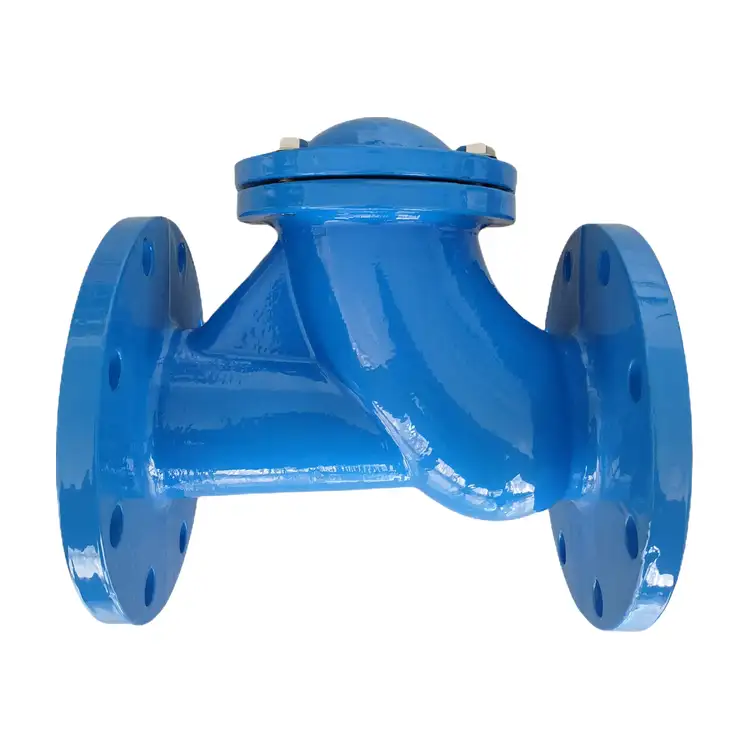
At Liangfa, we provide reliable ball check valve solutions for water supply networks, sewage treatment plants, pump stations, and industrial water circulation systems. Featuring a rolling rubber-coated ball, our valves help prevent backflow, reduce closing noise, and handle suitable fluids containing sediment or fibers. We offer multiple body materials, sealing options, and pressure ratings to meet different pipeline requirements.
At Liangfa, we supply ball check valves for water supply, sewage treatment, pump stations, and industrial water circulation systems. Our valves use a rolling rubber-coated ball to control one-way flow, helping prevent backflow, reduce closing noise, and limit the impact of pump shutdowns.
With multiple body materials, sealing options, and pressure ratings available, we help buyers select suitable configurations according to pipeline size, fluid characteristics, and operating conditions. Liangfa holds a High-Tech Enterprise Certificate and provides technical support from model selection to after-sales service.
How the Valve Controls Flow
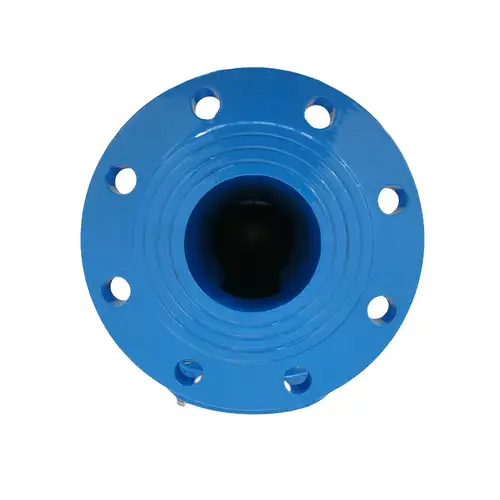
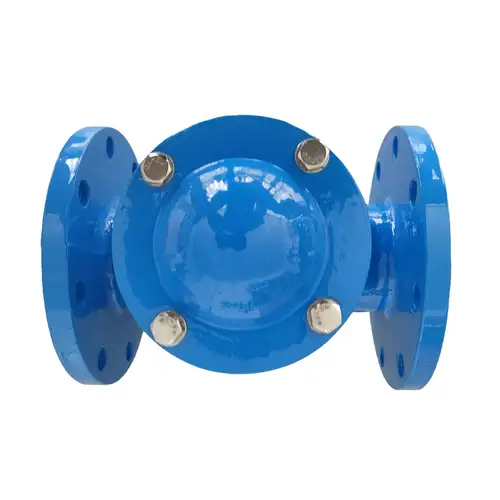
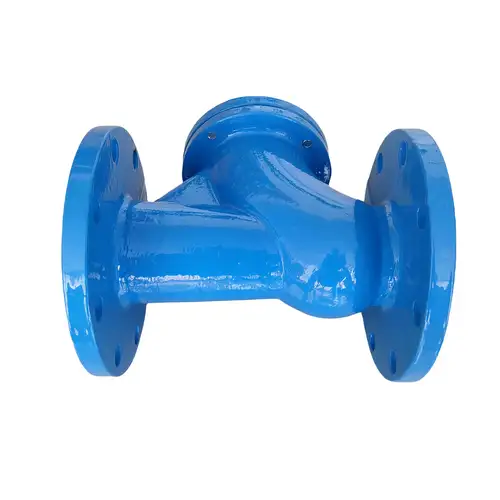
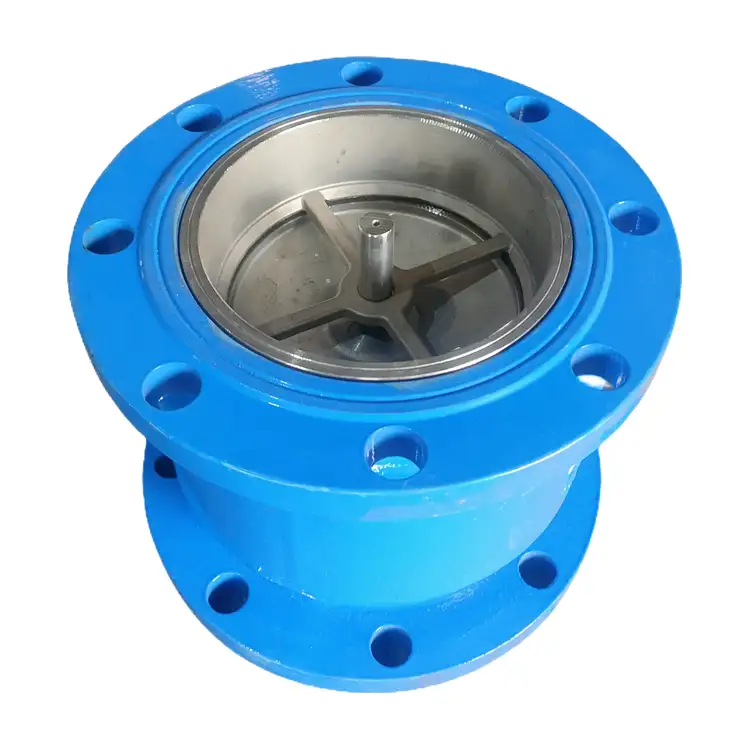
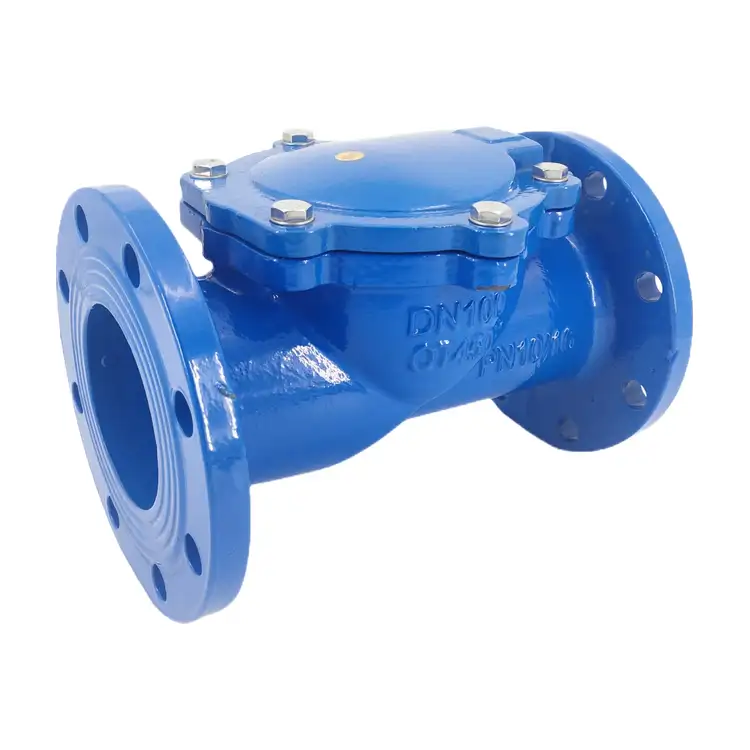
A Ball Check Valve uses a freely moving, rubber-coated ball instead of a conventional hinged disc. During forward flow, the pressure of the medium moves the ball away from its seat, allowing fluid to pass through the valve. When the flow stops or reverses, the ball returns toward the seat under gravity and reverse pressure, helping block backflow.
This structure does not rely on a conventional hinge pin or external operating mechanism. The ball can rotate during operation, which helps reduce the accumulation of some sediment and fibrous materials. The soft sealing surface also cushions contact during closing, making this design useful in many water and sewage pumping systems.
Product Specifications
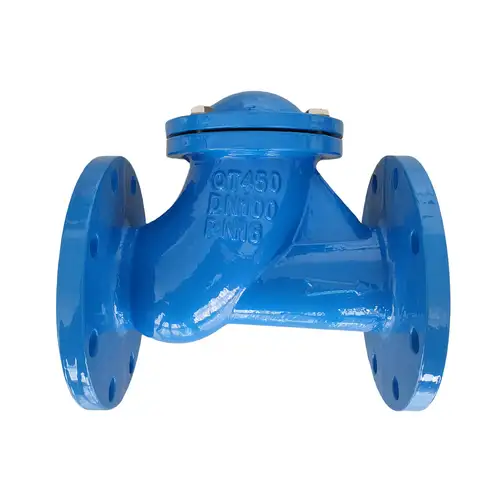
| Product Name | Ball Check Valve |
| Model | HQ41X-10/16Q |
| Nominal Diameter | DN40–DN1200; confirm the available size for the selected model |
| Connection Method | Wafer, subject to model confirmation |
| Working Pressure Options | PN10, PN16, 150LB, 5K, 10K, 16K; confirm the applicable rating and connection standard |
| Listed Temperature Range | -10°C to 100°C; the allowable range depends on seal material and operating conditions |
| Coating | Fusion-bonded epoxy coating in accordance with ANSI/AWWA C550 |
Materials for Different Fluids
Material selection affects corrosion resistance, sealing reliability, service life, and maintenance frequency. We recommend confirming the fluid composition, temperature, pressure, and cleaning requirements before finalizing the valve configuration.
| Component | Available Materials | Selection Notes |
| Valve Body | Cast iron, ductile iron, WCB, SS304, SS316 | Ductile iron is commonly considered for water and wastewater systems; stainless steel may be required for more corrosive water. |
| Ball / Disc | Ductile iron, SS304, SS316, SS2507, SS1.4529 | The exact ball construction and coating should be confirmed for the model. |
| Stem | 410SS, SS304, SS316, SS2507, SS1.4529 | Applicable to configurations that include a stem. |
| Seat Liner / Seal | EPDM, NBR, PTFE, FKM (Viton) | Choose according to fluid compatibility, temperature, and pressure. |
| Lever | Ductile iron, SS304 | Confirm whether the selected design includes a lever. |
| Fasteners | Galvanized carbon steel, SS304, SS316 | Material depends on corrosion exposure and project requirements. |
Match the Valve to the Application
Municipal Water and Pump Stations
For clean-water supply and pumping systems, buyers usually prioritize dependable backflow prevention, low flow resistance, and manageable maintenance. A correctly sized valve at the pump outlet helps prevent reverse flow when the pump stops. The selected pressure rating must account for normal operating pressure and possible transient pressure.
Sewage and Wastewater
The rolling-ball structure can be suitable for wastewater containing limited sediment, fibers, and suspended solids. Unlike a conventional hinged mechanism, it has fewer exposed hinge components where debris can accumulate. However, large stones, sharp solids, or heavy deposits can still damage the sealing surface or obstruct movement. Check the actual solids content and required passage size before ordering.
Industrial Cooling Water
In industrial circulation systems, buyers should assess water quality, suspended scale, operating cycles, and temperature fluctuations. A suitable body and seal combination can help limit corrosion and sealing wear. For continuous high-temperature service, confirm the permitted temperature of the complete valve assembly rather than relying on the body material alone.
Saline or Slightly Corrosive Water
For coastal water or saline raw water, standard ductile iron may not provide sufficient corrosion resistance in every installation. Stainless steel grades and other wetted materials should be selected according to chloride concentration, temperature, and exposure conditions. We recommend a compatibility review before specifying a material for seawater service.
Key Checks Before Ordering
- Pipe diameter: Match the valve nominal diameter to the pipeline design and required flow rate. Avoid reducing the bore without a hydraulic review.
- Pressure rating: Confirm the maximum operating pressure, surge pressure, and applicable flange or connection standard.
- Temperature: Check the allowable limits of the body, ball coating, seat, and other wetted components.
- Fluid composition: Specify whether the medium contains sediment, fibers, oil, salts, or chemicals.
- Installation direction: Confirm the flow arrow and the installation orientation allowed by the selected model. For vertical installation, verify that the design permits upward flow; do not assume downward flow is suitable.
- Maintenance access: Leave enough room to inspect or replace the ball and sealing components.
Our team can review these details with buyers before confirming a quotation. For larger pipelines or long-distance water transmission, we also recommend evaluating the system's pump-stop transient pressure and whether additional water-hammer protection is required.
Installation and Maintenance Notes
Prepare the Pipeline
Flush the pipeline before installation to remove welding slag, stones, and other hard debris that may damage the sealing surface. Inspect the valve, gasket, and connection faces, and make sure the pipe flanges are aligned. Do not use the valve bolts to pull misaligned pipework into position.
Follow the Flow Direction
Install the valve according to the flow arrow and the manufacturer's instructions for the specific model. Support the pipeline properly, particularly for large-diameter valves, and avoid transferring excessive pipe loads to the valve body. If a strainer is needed for the fluid conditions, ensure that it is correctly sized and maintained.
Inspect the Sealing Ball
During scheduled maintenance, isolate the line, release pressure, and drain the valve before opening it. Check the ball and seat for cuts, hardening, delamination, deformation, or embedded debris. Clean the flow passage and replace damaged parts with compatible components. Maintenance intervals should be based on operating hours, fluid quality, pump start-stop frequency, and inspection results.
Manufacturing and Delivery
Liangfa supports customers with product selection, configuration confirmation, quotation, and technical communication. Before production or shipment, buyers can request confirmation of the model, nominal diameter, pressure rating, body and seal materials, inspection documents, and packaging requirements.
We arrange export packaging and coordinate shipping according to the order and destination. Spare-part availability and warranty conditions should be confirmed in the quotation or sales contract so the scope of support is clear before purchase.
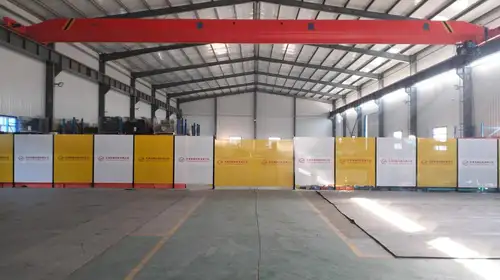
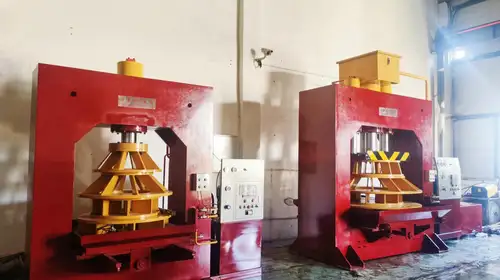
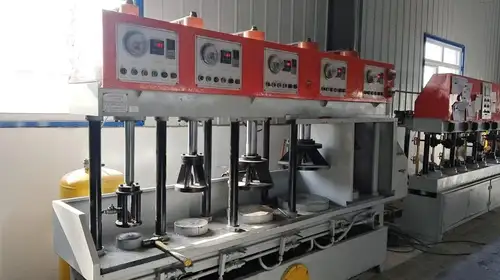
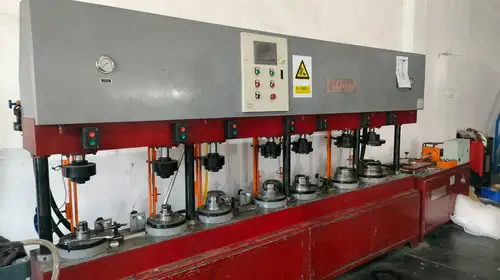
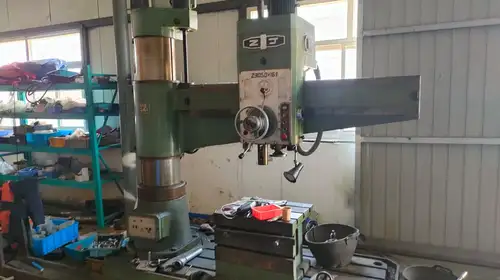
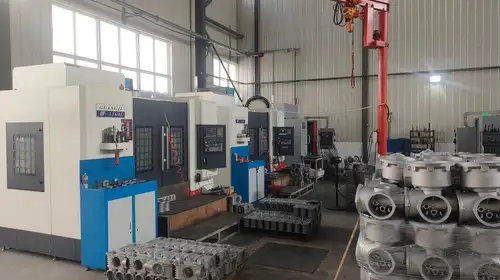
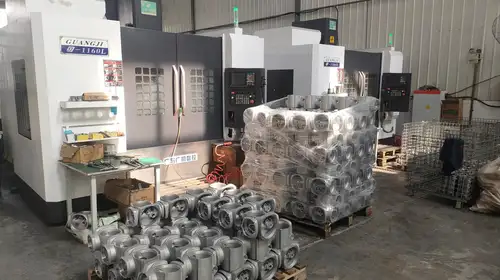
Factory Tour
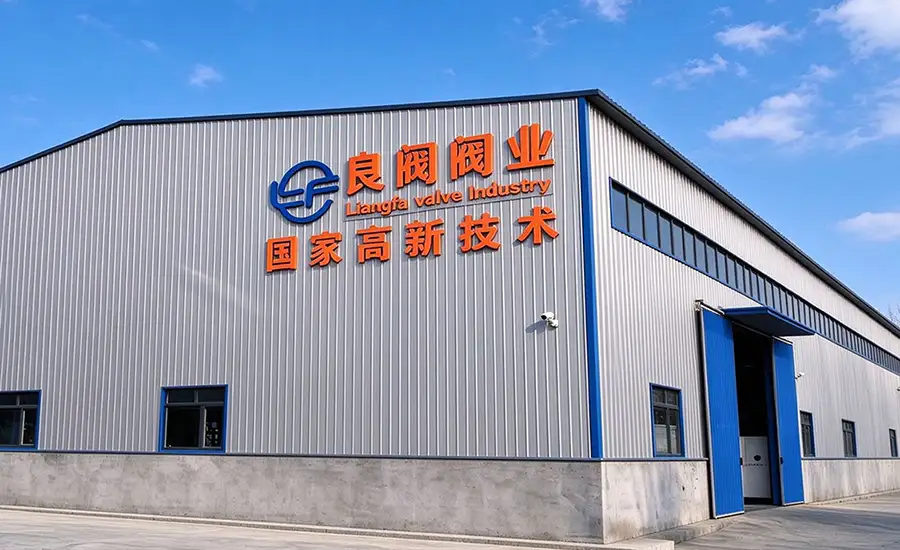
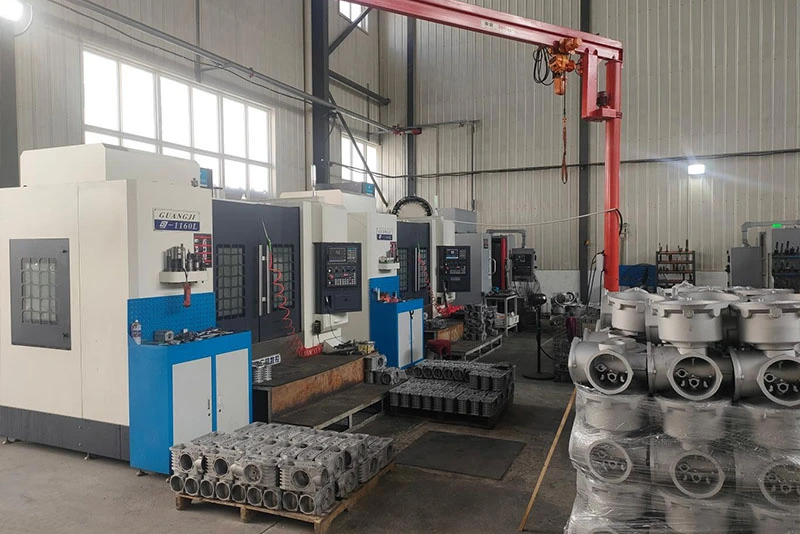
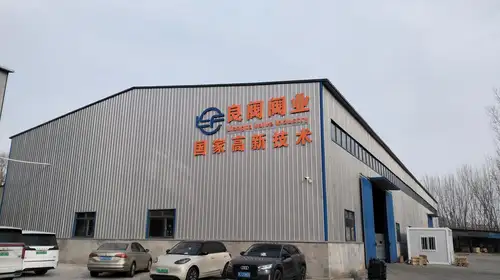
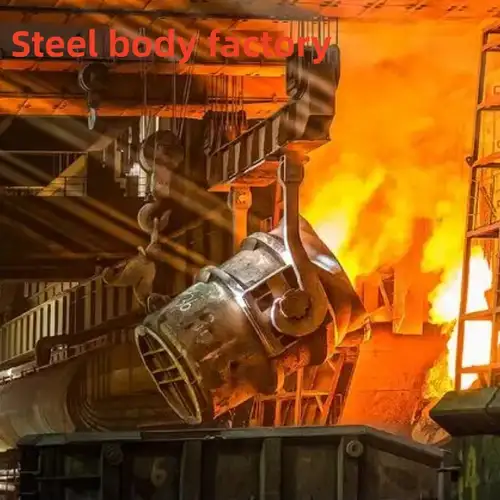
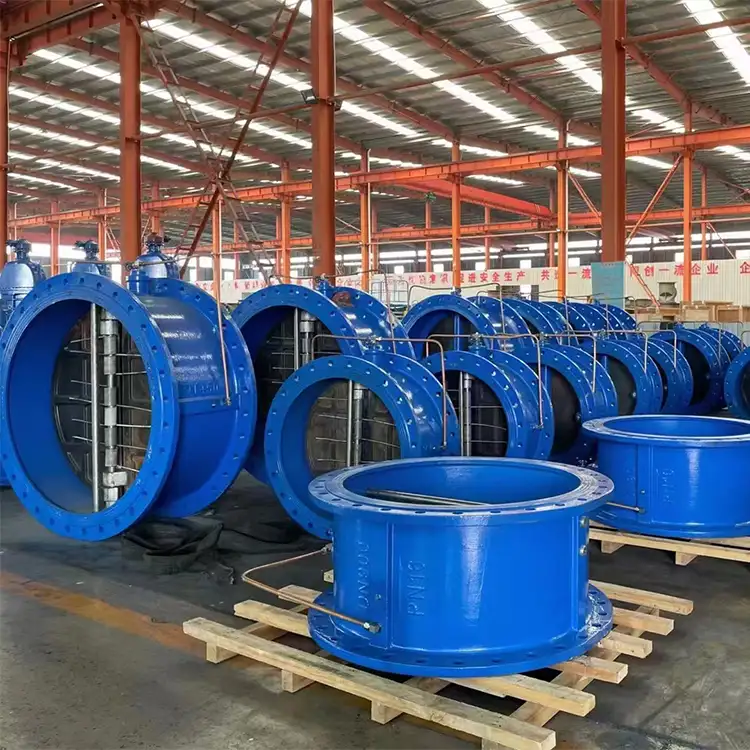
Review the following factory images to learn more about our manufacturing environment and product handling.
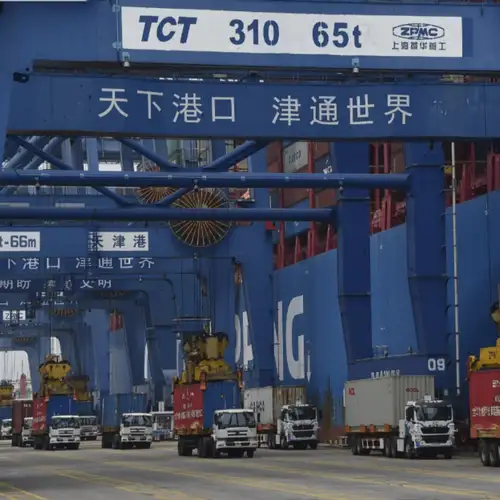
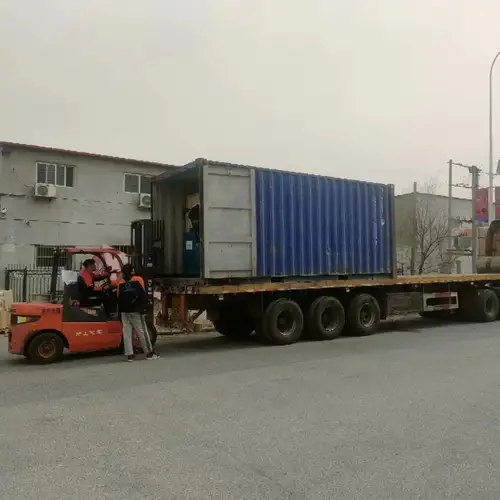
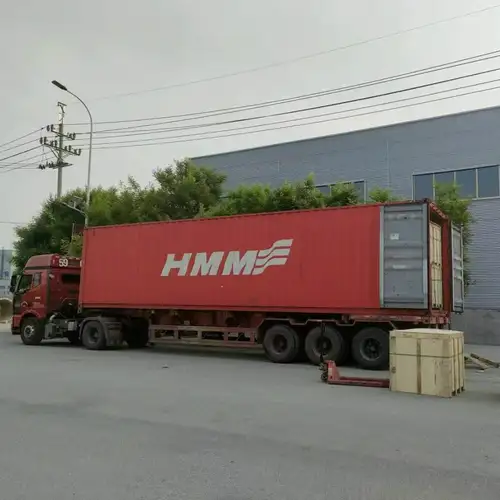
Packing and Shipping
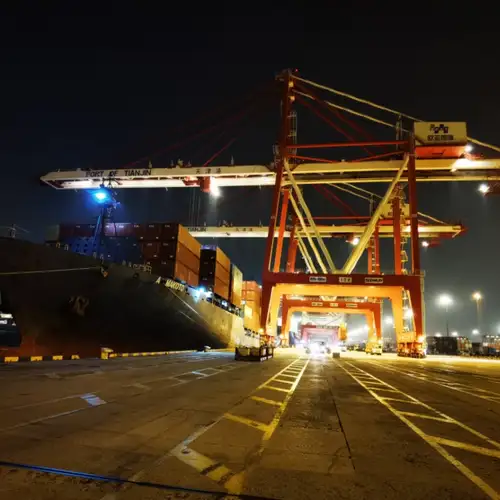
We coordinate packing and transport based on valve dimensions, order quantity, destination, and shipping requirements. Confirm the packaging method, delivery schedule, shipping documents, and destination port with our sales team before placing an order.
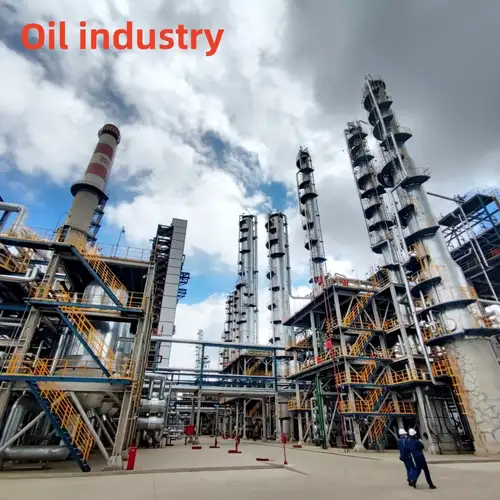
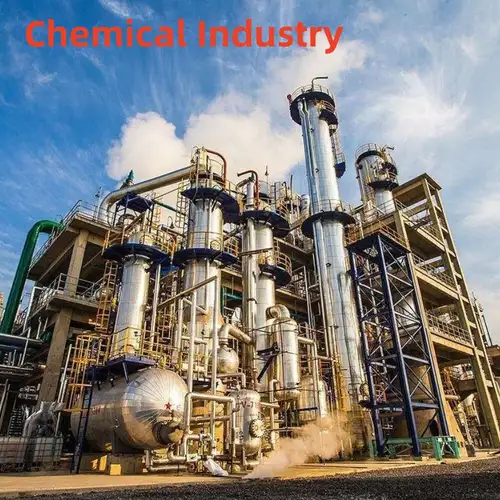
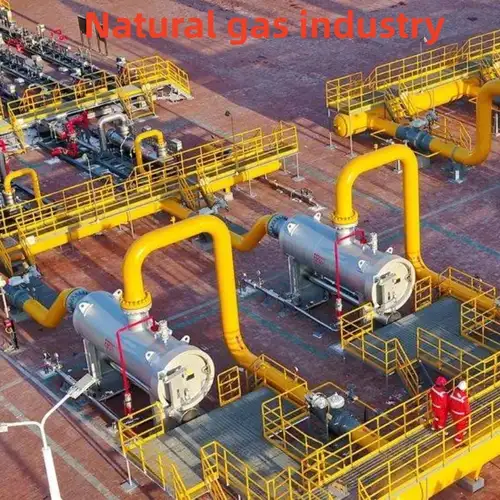
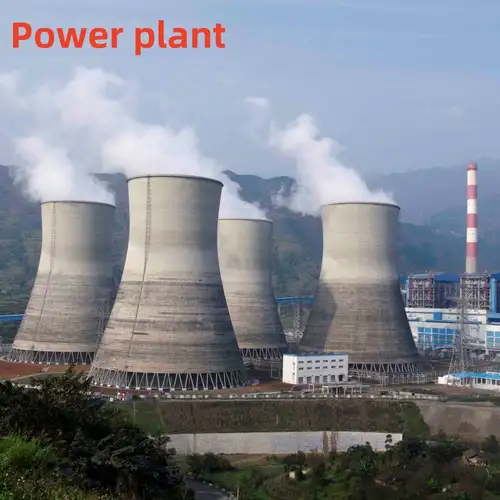
Where Our Valves Are Used
Water Supply Networks
Used in water supply pump stations, secondary water supply systems, and distribution pipelines where reverse flow needs to be controlled after pump shutdown.
Wastewater and Drainage Facilities
Considered for sewage treatment plants, rainwater pump stations, and drainage systems where the medium may contain suspended solids or fibers. Confirm the maximum particle size and required passage for the specific application.
Industrial Water Circulation
Used in suitable cooling-water and circulating-water systems in industrial facilities. The valve materials should be checked against the water chemistry, temperature, and operating pressure.
Commercial Buildings and HVAC
Applied in compatible building water supply, drainage, and HVAC water circuits to help control reverse flow and reduce valve-closing noise near pump systems.
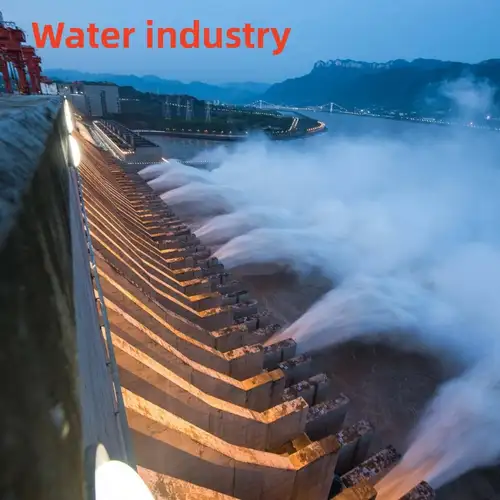
Water Transfer Projects
For water transfer and large-flow pipelines, selection should consider pipe diameter, system head loss, valve weight, installation space, and transient pressure. Confirm the appropriate model and support requirements with the project specifications.
Frequently Asked Questions
Can a ball check valve handle sewage containing fibers?
It can be suitable for some wastewater applications because the rolling ball has no conventional hinge pin that can trap fibers. Suitability still depends on the amount and size of solids, the flow rate, and the valve passage. Large or hard debris may cause damage or obstruction, so confirm the conditions before selection.
How do I choose between EPDM and NBR for the ball seal?
EPDM is commonly used for compatible water and wastewater services, while NBR may be considered where trace oil is present. Neither material is suitable for every fluid. We recommend confirming the chemical composition, concentration, and operating temperature before specifying the seal.
Can the valve be installed in a vertical pipeline?
Some ball check valve designs permit vertical installation when the medium flows upward, but installation requirements vary by model. Check the manufacturer's instructions and confirm the permitted orientation before installation. Do not use a vertical downward-flow arrangement unless the selected design is explicitly approved for it.
What information should I provide for a quotation?
Please provide the required DN, working and surge pressure, fluid type, operating temperature, connection standard, installation orientation, quantity, and destination. If the medium contains solids, oil, or corrosive components, include those details so we can review the material and seal options.
What documents can I request with an order?
Available documentation depends on the product specification and order requirements. Please confirm in advance whether you need dimensional drawings, product data sheets, inspection or pressure-test records, material documents, or other project-specific paperwork.
Talk to Liangfa About Your Project
If you are sourcing valves for a pump station, wastewater facility, or water circulation project, share your pipeline and operating details with us. Liangfa can help review the required size, pressure rating, material options, and installation conditions before you finalize your order.
Related Category
Send Inquiry
Contact Info
-
Address
No. 2 Taikang Road, Xiditou Town, Beichen District, Tianjin City, China
-
Tel
-
Email
If you have any inquiry about a quotation or cooperation, please feel free to email or use the following inquiry form. Our sales representative will contact you within 24 hours.
News Recommendations