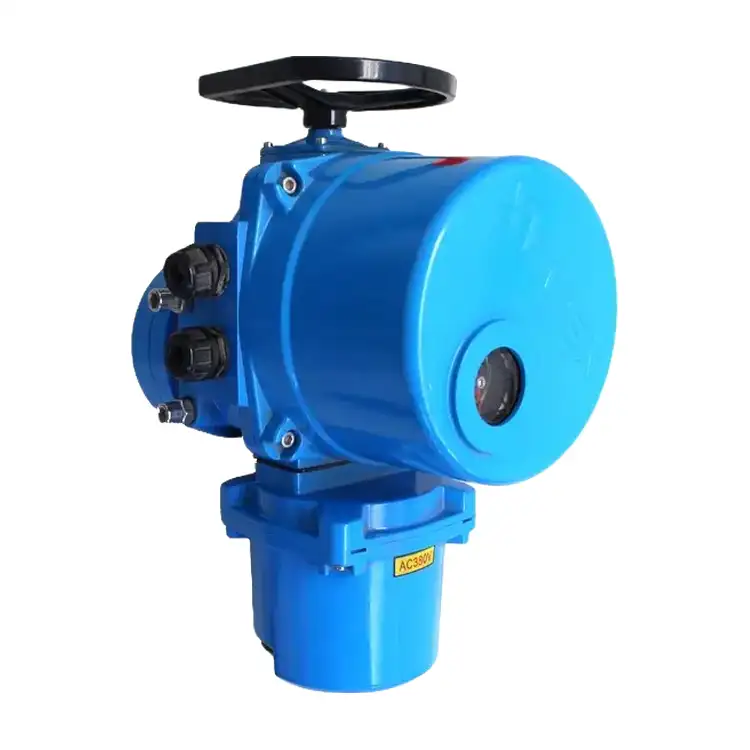
QB Series Intelligent Electric Actuator
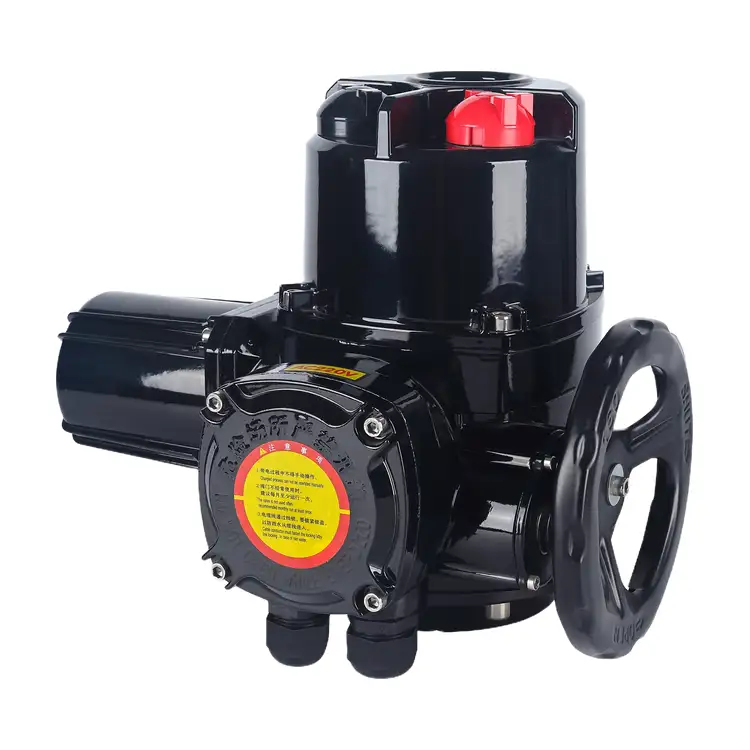
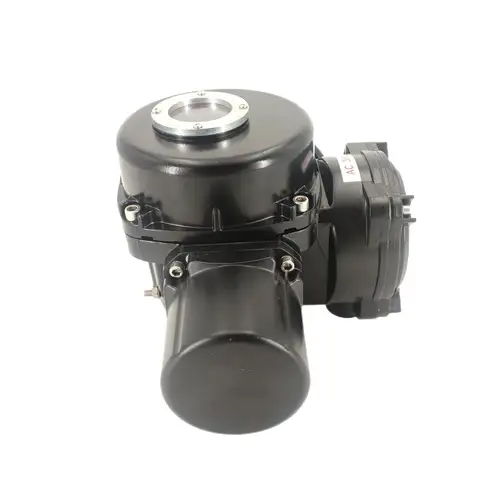
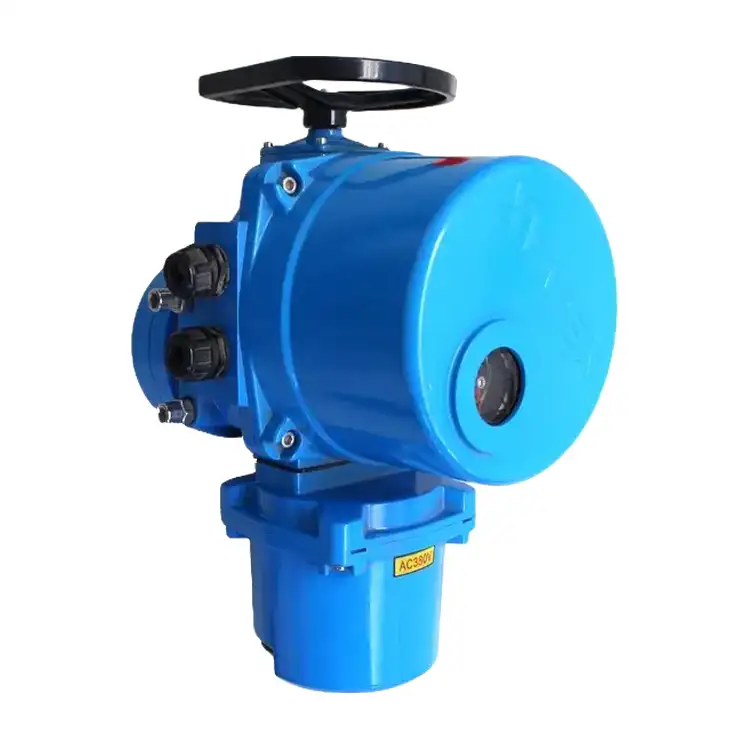
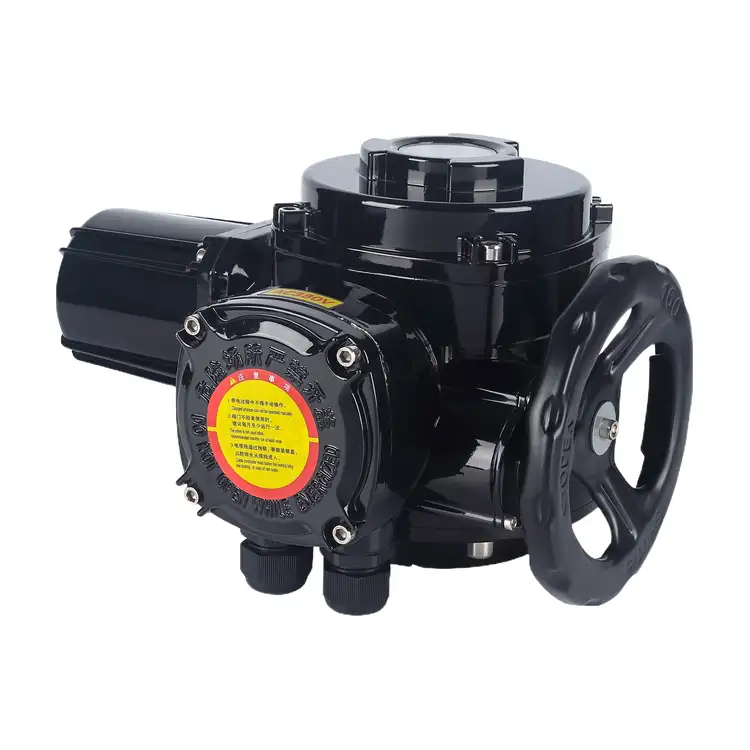
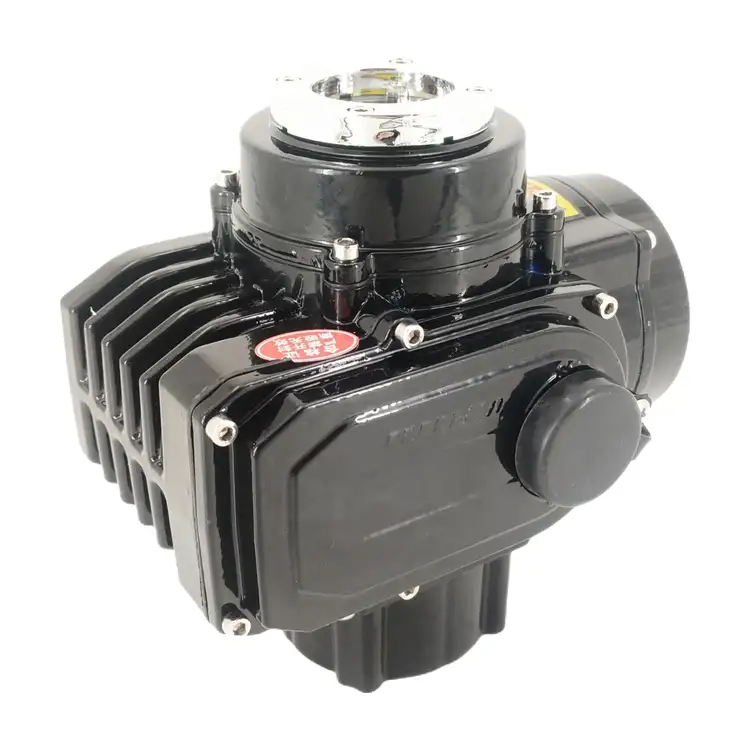
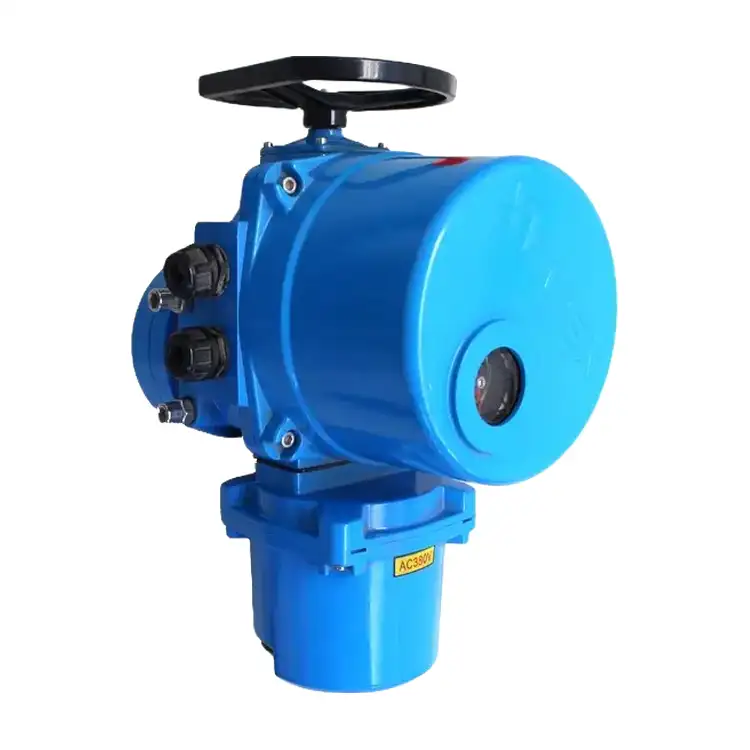
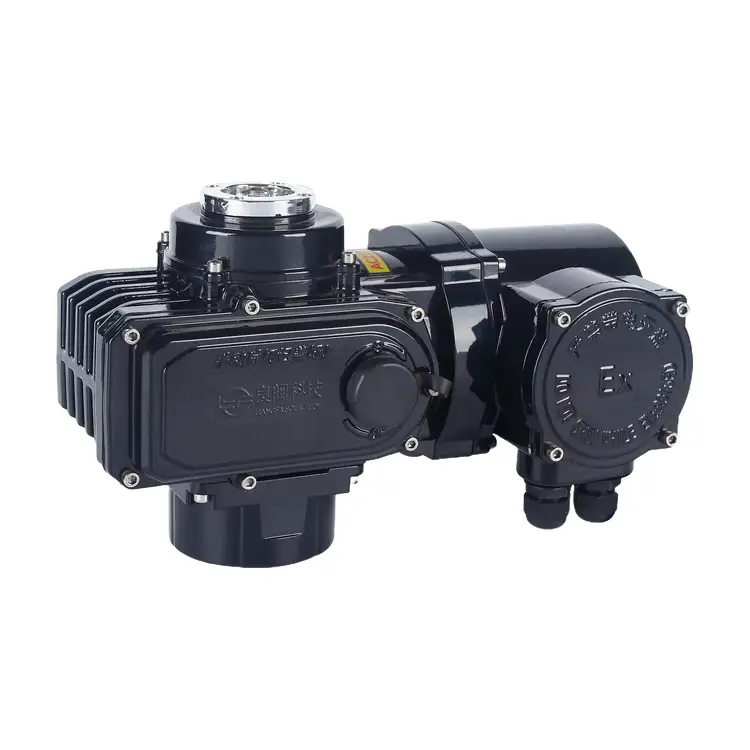
Liangfa's QB Series Intelligent Electric Actuator is designed for 90° rotary valve automation in industrial plants, mining facilities and other demanding environments. With torque options ranging from 20 to 12,000 N·m, it supports compatible butterfly valves, ball valves, plug valves and dampers. Available configurations include on-off and 4–20 mA modulating control, multiple power supply options, and explosion-proof versions for specified hazardous areas.
Liangfa's QB Series Intelligent Electric Actuator is designed for 90° rotary valve automation in industrial and mining environments where equipment protection and dependable operation are essential. With torque options ranging from 20 to 12,000 N·m, it can be matched with compatible butterfly valves, ball valves, plug valves and dampers.
Available configurations include on-off and modulating control, multiple power supply options, and explosion-proof versions for specified hazardous areas. As a high-tech enterprise, we provide technical selection support to help customers confirm the actuator model, torque, mounting interface and certification required for their projects.
Choose the Right Protection for the Area
In hazardous locations, the QB Series Intelligent Electric Actuator must be selected according to the area's classification, not just the valve's torque requirement. Our QB range offers different protection configurations for industrial and mining applications. Buyers should confirm the exact model and certification before placing an order.
Industrial Gas Hazard Areas
For suitable industrial applications, available configurations include Ex d IIB T4 Gb and Ex d IIC T4 Gb. The required gas group and temperature class depend on the hazardous-area assessment and the substances present at the installation site. We recommend confirming these details with the project specification before selecting a model.
Mining Applications
A mining version with Ex d I Mb marking is available for applications requiring the relevant mining explosion-protection certification. This configuration must be selected specifically for the intended mine and equipment requirements. An industrial gas-area version should not be treated as interchangeable with a mining-certified model.
Enclosure Protection
IP65 and IP67 protection options are available according to configuration. IP ratings describe protection against dust and water ingress; they do not replace explosion-proof certification. For outdoor installations, washdown areas or locations exposed to heavy rain, confirm the required enclosure rating and installation conditions.
Match Torque to the Valve
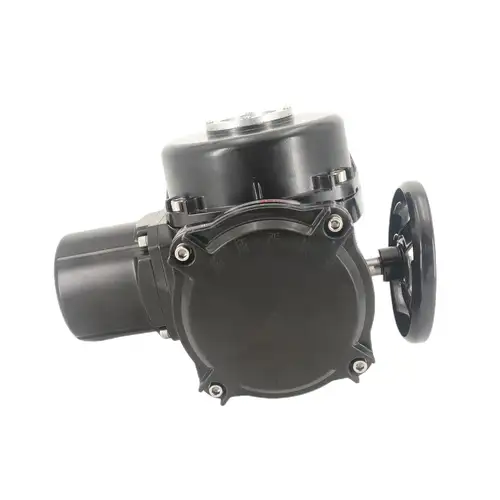
The QB Series Intelligent Electric Actuator covers a broad torque range of 20–12,000 N·m, supporting valve automation from smaller rotary valves to larger industrial equipment. Correct torque selection is important: an undersized actuator may fail to operate the valve under actual process conditions, while excessive torque can damage valve seats, stems or transmission components.
| Series | Torque Range | Mounting Interface Options | Typical Selection Reference |
|---|---|---|---|
| QB1 | 20–100 N·m | ISO 5211 F05 / F07 | Smaller soft-seated butterfly valves and small-bore rotary valves |
| QB2 | 100–400 N·m | Confirm by model | Medium-duty rotary valve applications |
| QB3 | Confirm by model within the series range | Confirm by model | Industrial valve automation requiring higher output torque |
| QB4 | Confirm by model within the series range | Confirm by model | Large rotary valves and higher-load applications |
| QB5 | Confirm by model within the series range | Confirm by model | High-torque valve automation projects |
The ranges above are a preliminary guide, not a substitute for the model-specific selection chart. The full QB range extends to 12,000 N·m; please contact us for the rated torque, mounting dimensions and operating time of the required model.
What We Need for Selection
When requesting a quotation, please provide the valve type, valve model, nominal diameter, operating torque, medium, pressure and temperature conditions. We also need the mounting flange code, stem dimensions, required operating time and available power supply. These details help us check mechanical compatibility and avoid selecting an actuator based on nominal valve diameter alone.
Control Modes and Electrical Supply
Different installations require different operating strategies. We offer on-off and modulating configurations so customers can choose the control method that matches their process.
On-Off Operation
The on-off version drives the valve between its open and closed positions. It is suitable for isolation duties and systems that require two-position control. Travel limits and protection settings must be adjusted to match the connected valve.
Modulating Operation
The modulating version supports a 4–20 mA control signal for valve-position adjustment. It can be used in systems where valve opening needs to respond to a process-control command. Confirm the required input and output signal functions when ordering, as signal availability depends on the selected configuration.
Power Supply Choices
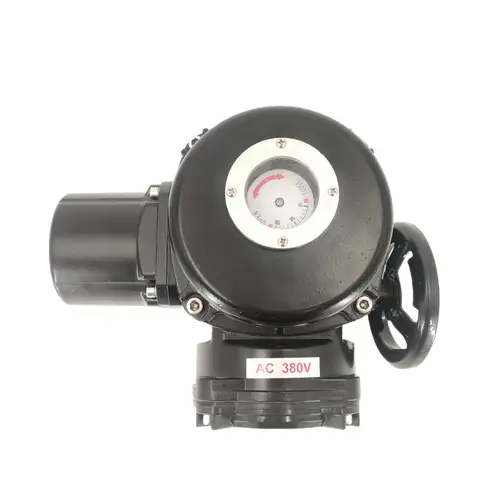
Available supply options include AC220V, AC380V and AC127V, subject to the model. The power supply should be confirmed against the equipment nameplate, site wiring and control cabinet design. Do not connect the actuator until the voltage and wiring diagram have been checked.
Protection Functions for Field Operation
Field conditions can include mechanical resistance, incorrect wiring or changes in valve operating load. The QB design incorporates protection and indication functions to help operators identify abnormal conditions and reduce the risk of equipment damage.
Travel and Torque Protection
Travel limits define the end positions of valve movement, while torque protection helps respond when the operating load exceeds the configured threshold. Correct adjustment is important: settings that are too low may cause nuisance trips, while settings that are too high may expose the valve and actuator to excessive force.
Phase and Position Monitoring
For applicable three-phase configurations, phase-loss and phase-sequence protection help address electrical supply problems. Position indication and fault alarms provide local operating information for inspection and troubleshooting. The exact functions should be verified against the selected model's wiring diagram and control specification.
Manual Operation
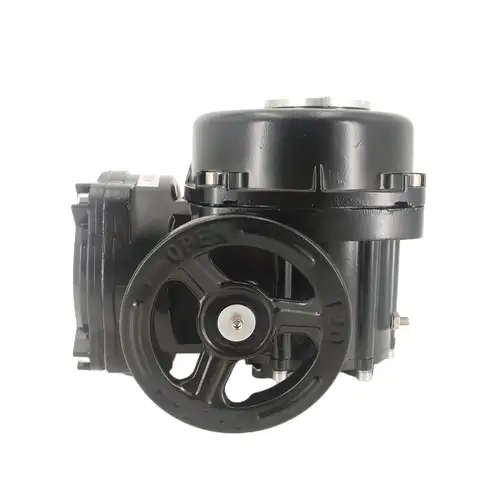
A manual handwheel is available for local operation when required by the model and operating procedure. Before using manual operation, follow the manufacturer's instructions and make sure the equipment is in a safe condition. In hazardous areas, electrical isolation and enclosure-opening requirements must be observed.
Technical Specifications
| Item | Specification |
|---|---|
| Product Type | 90° rotary electric actuator |
| Series | QB1–QB5 |
| Rated Torque Range | 20–12,000 N·m across the series |
| Applicable Equipment | Compatible butterfly valves, ball valves, plug valves and dampers |
| Explosion-Proof Options | Mining Ex d I Mb; industrial Ex d IIB T4 Gb or Ex d IIC T4 Gb, according to certified model |
| Protection Rating | IP65 / IP67, depending on configuration |
| Power Supply | AC220V / AC380V / AC127V, depending on model |
| Control Mode | On-off (K) or modulating (T, 4–20 mA) |
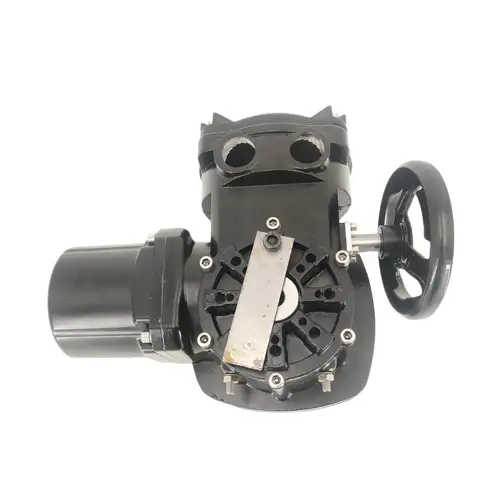
| Mounting Standard | ISO 5211; F05 / F07 / F10 / F12 / F14 options, depending on model |
| Design and Protection Standards | GB3836 and GB/T 24922, as applicable to the certified configuration |
| Ambient Temperature | -20°C to +70°C, subject to the specific model and certification |
Specifications can vary by actuator size, electrical configuration and certification. Please refer to the nameplate, technical drawing and certificate for the exact model supplied. We can confirm model-specific dimensions, torque, operating time and wiring details during technical review.
Installation Requirements
Explosion-proof equipment must be installed and maintained according to its certification and the applicable site regulations. Mechanical fit, cable entry and electrical connections all affect safe operation.
Prepare the Valve Connection
Before installation, verify the ISO 5211 flange, coupling and valve-stem dimensions. Check that the valve moves freely and that the QB Series Intelligent Electric Actuator's rated torque is suitable for the valve's measured or manufacturer-specified operating torque. Use the correct mounting hardware and avoid forcing misaligned components together.
Check the Power and Wiring
Confirm the supply voltage and phase arrangement before wiring. For three-phase models, verify phase sequence and follow the model-specific diagram. Cable glands and cable entries must suit the enclosure protection and the hazardous-area certification of the selected version.
Set the Travel Limits
After mounting, configure the open and closed travel limits according to the manufacturer's instructions. Test the valve movement in a controlled manner and confirm that the actuator stops at the intended positions. Verify the position indicator and alarm functions before placing the equipment into service.
Inspect Before Maintenance
Isolate the power before electrical inspection or servicing. For explosion-proof models, do not open the enclosure while energized or damage flameproof joint surfaces. Check the enclosure, cable entries, mounting bolts and external condition regularly, and investigate repeated torque trips or abnormal noise before returning the equipment to service.
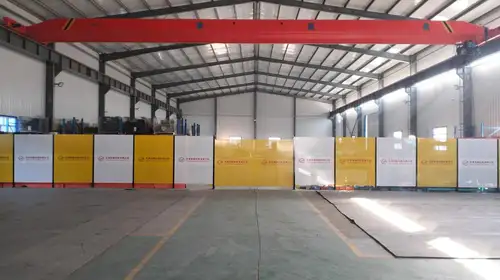
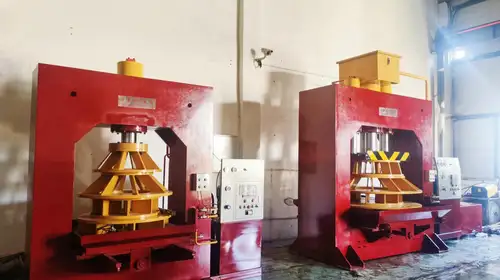
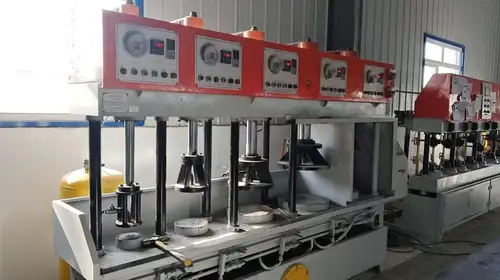
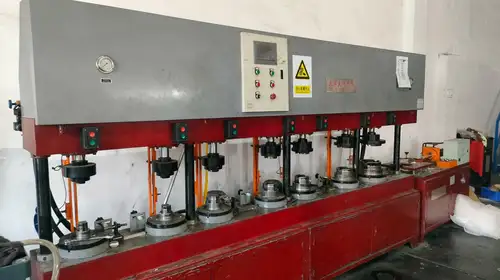
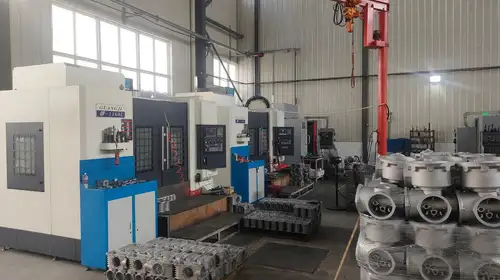
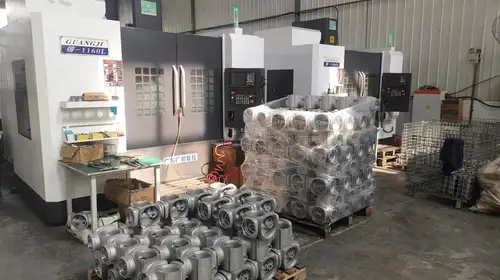
Factory Production and Quality Checks
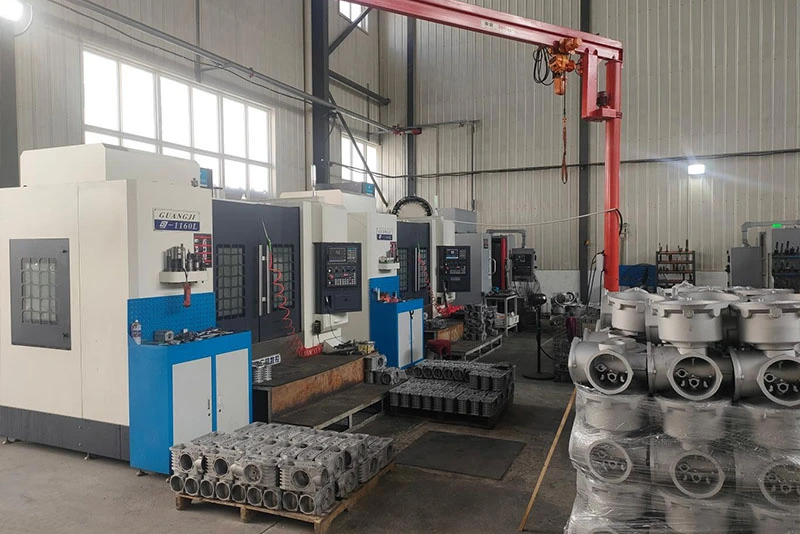
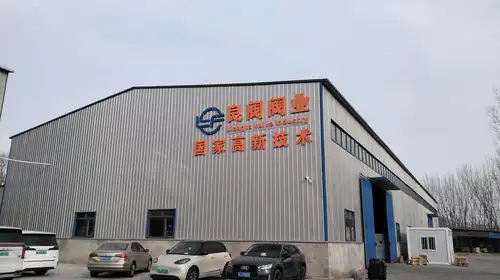
At Liangfa, we coordinate product assembly, configuration checks and inspection before shipment. As a high-tech enterprise, we support customers with technical information and model selection based on the requirements of their valve automation projects. Inspection arrangements and relevant documents can be confirmed according to the order and product configuration.

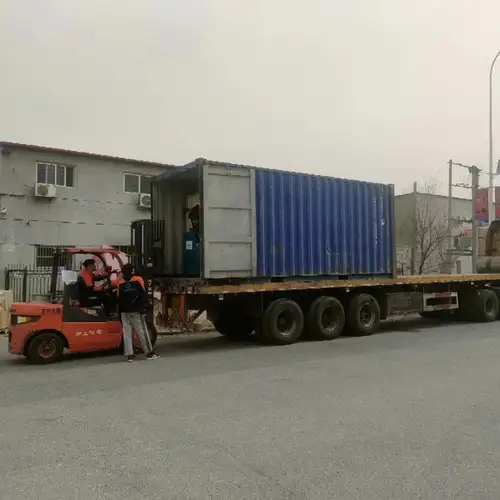
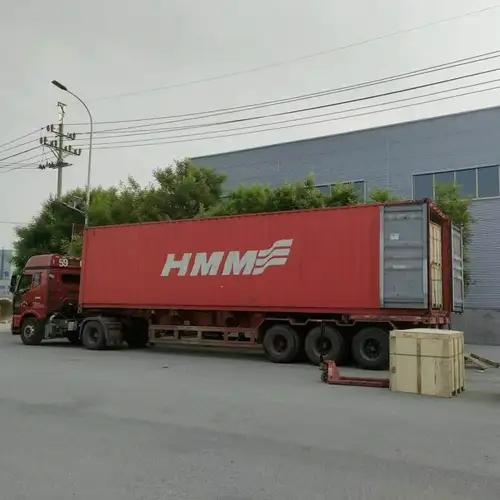
Packaging and Shipment
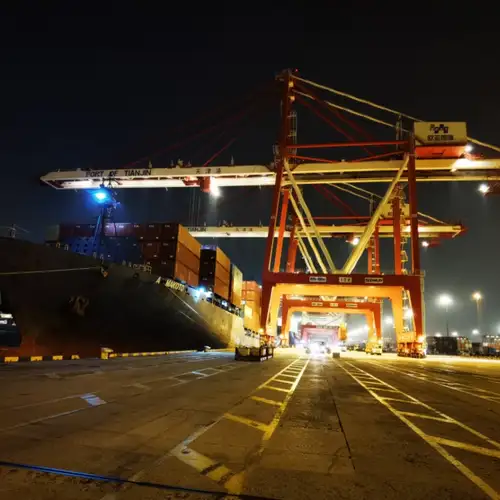
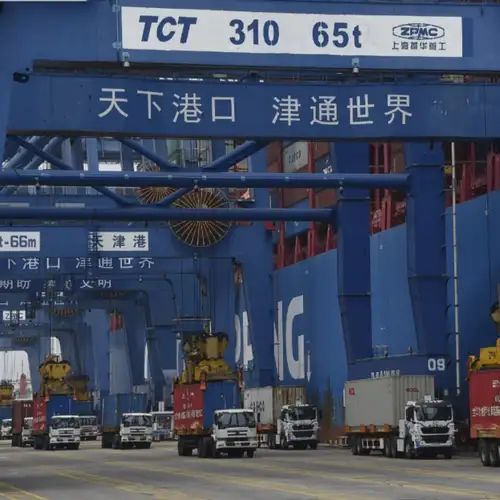
We prepare actuator products for export shipment according to the order configuration and destination. Packaging, shipping arrangements and delivery schedules are confirmed during order processing. If your project requires specific labels, packing instructions or shipping documents, please provide those requirements before production is completed.
Where the QB Range Is Used
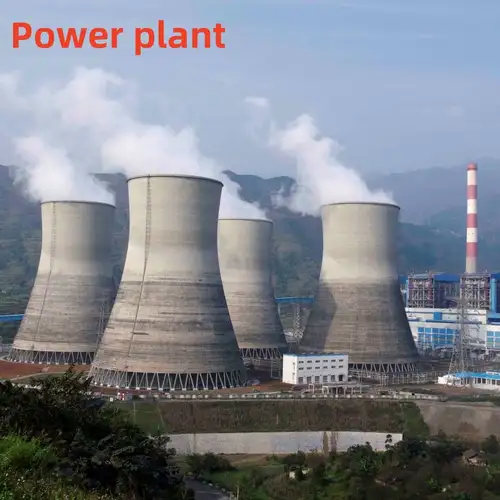
The QB range can be used for compatible rotary-valve automation in industrial facilities and other locations where the selected protection configuration meets the site requirements. Typical applications include:
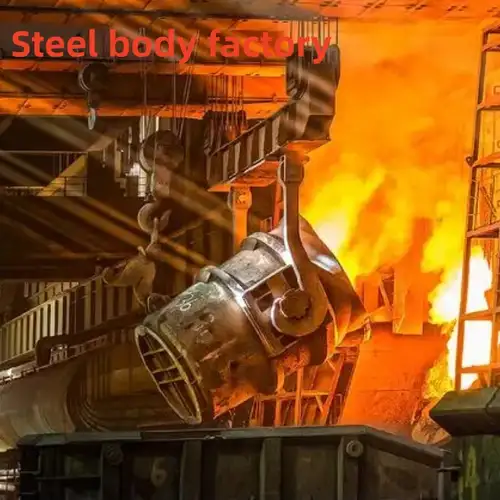
Mining and Mineral Processing
Valve operation in suitable mining installations, provided the selected actuator carries the required mining certification and is matched to the site's equipment requirements.
Chemical and Process Plants
Isolation and flow-control duties in process pipelines where the area classification, medium, valve torque and actuator certification have been assessed.
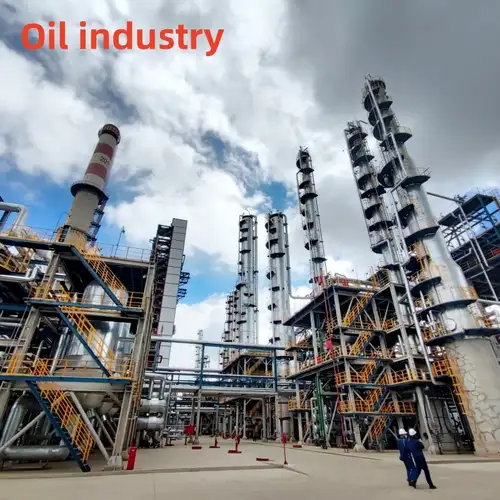
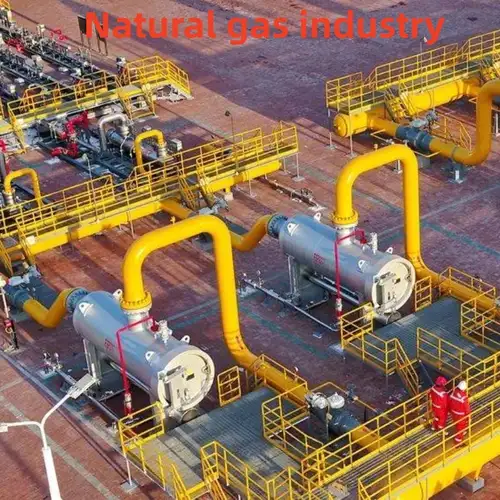
Oil, Gas and Industrial Utilities
Compatible rotary valves and dampers in industrial utility systems, subject to the hazardous-area classification and the approved equipment configuration.
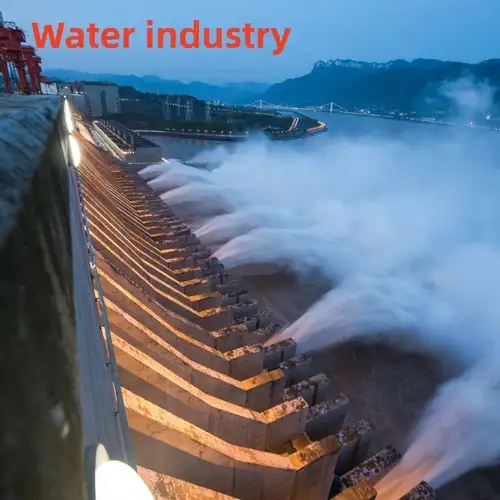
Water and Wastewater Facilities
Butterfly valves and other compatible rotary valves in water treatment, wastewater handling and plant utility systems. Select the torque and enclosure protection according to the actual environment.
Dusty Industrial Environments
Applications involving dust or outdoor exposure require a review of enclosure protection and any additional area-specific requirements. IP protection alone does not establish suitability for a combustible-dust hazardous area.

Technical Support and Warranty
We help customers review actuator selection, mounting compatibility, control requirements and hazardous-area documentation before ordering. Depending on the project, support may include technical drawings, wiring information, configuration confirmation, inspection arrangements and export documents.
After delivery, we can provide operating guidance and troubleshooting support based on the supplied model and its documentation. Warranty coverage and duration are subject to the sales contract. For efficient assistance, please share the model number, nameplate information, wiring arrangement and a description of the operating issue.
Frequently Asked Questions
What is the difference between Ex d I Mb and Ex d IIB T4 Gb?
These markings relate to different equipment protection requirements and application classifications. Ex d I Mb is associated with mining applications, while Ex d IIB T4 Gb is an industrial gas-area marking. The appropriate choice depends on the site's hazardous-area classification and the exact certification of the actuator. Confirm the full marking on the product nameplate and certificate.
Can I use an IP67 actuator in a hazardous area without an Ex certificate?
No. IP67 describes enclosure protection against dust and temporary immersion under specified test conditions; it does not establish explosion-proof suitability. A hazardous area requires equipment with the appropriate certification for that location.
How should I choose between on-off and modulating control?
Choose on-off control when the valve only needs to move between open and closed positions. Choose a modulating version when the valve must adjust its opening in response to a 4–20 mA command. Confirm the required signal functions and the control system's compatibility before ordering.
What causes an actuator to stop before the valve reaches its target position?
Possible causes include incorrect travel-limit settings, excessive valve torque, mechanical binding, incorrect wiring or an active protection function. Check the alarm indication and installation conditions first. Isolate the power before inspection and follow the troubleshooting instructions for the selected model.
Can the actuator be installed outdoors in cold weather?
The stated ambient range is -20°C to +70°C, subject to the model and certification. If the site temperature falls outside the approved range or the installation is exposed to icing or condensation, request a configuration review before installation.
What documents should be checked for an explosion-proof order?
Confirm the actuator model, complete explosion-proof marking, applicable certificate, nameplate information, wiring diagram and installation instructions. For a mining project, verify the required mining certification. For an industrial gas area, confirm the gas group and temperature class required by the site.
Contact Liangfa with your valve data, power supply, control mode and hazardous-area classification. We will help you review the available QB configurations and confirm the appropriate technical details for your application.
Related Category
Send Inquiry
Contact Info
-
Address
No. 2 Taikang Road, Xiditou Town, Beichen District, Tianjin City, China
-
Tel
-
Email
If you have any inquiry about a quotation or cooperation, please feel free to email or use the following inquiry form. Our sales representative will contact you within 24 hours.
Related Products
News Recommendations