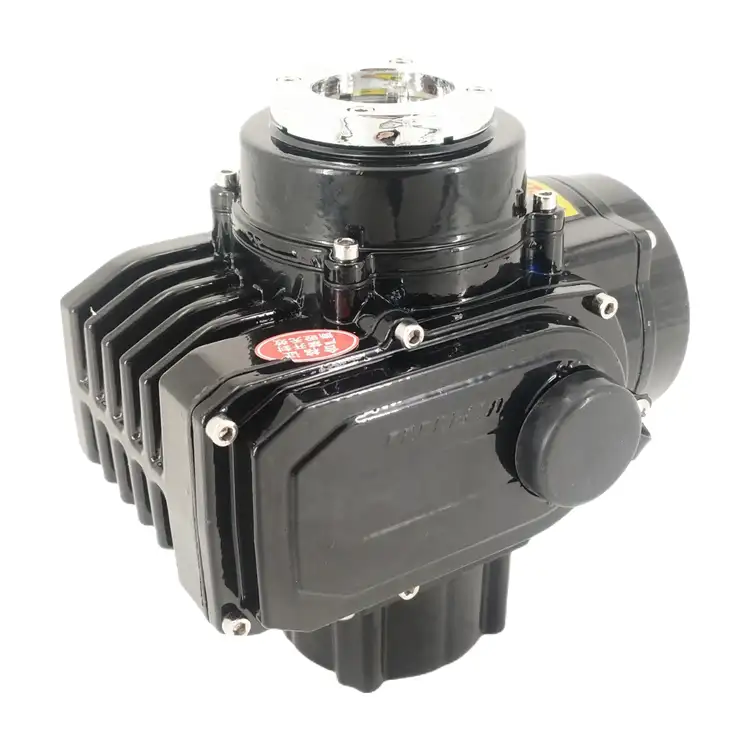
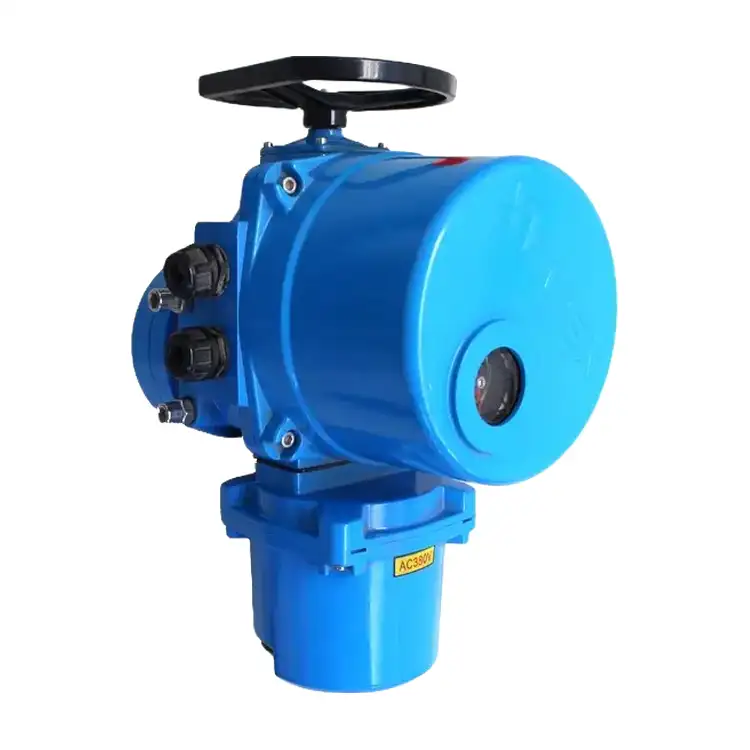
Compact Explosion-Proof Electric Actuator
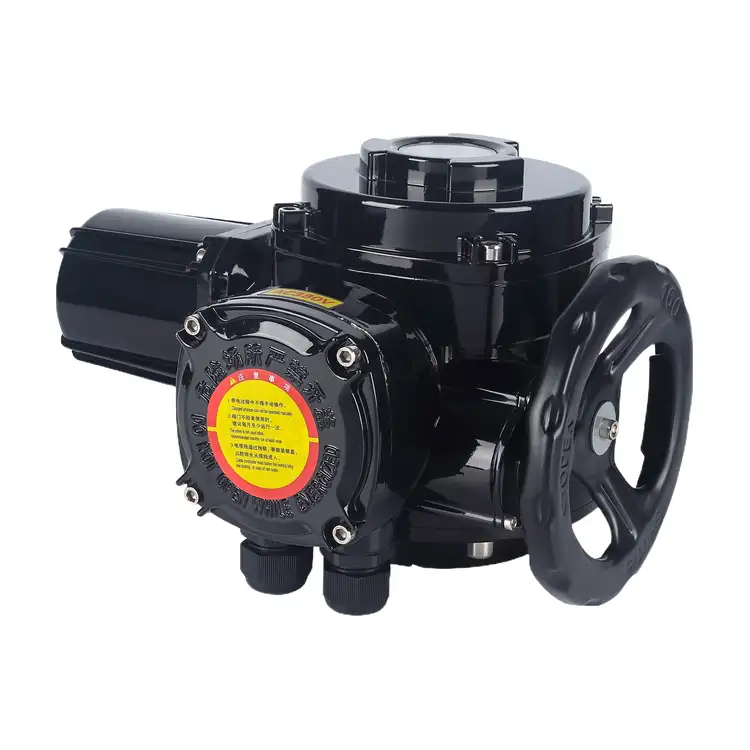
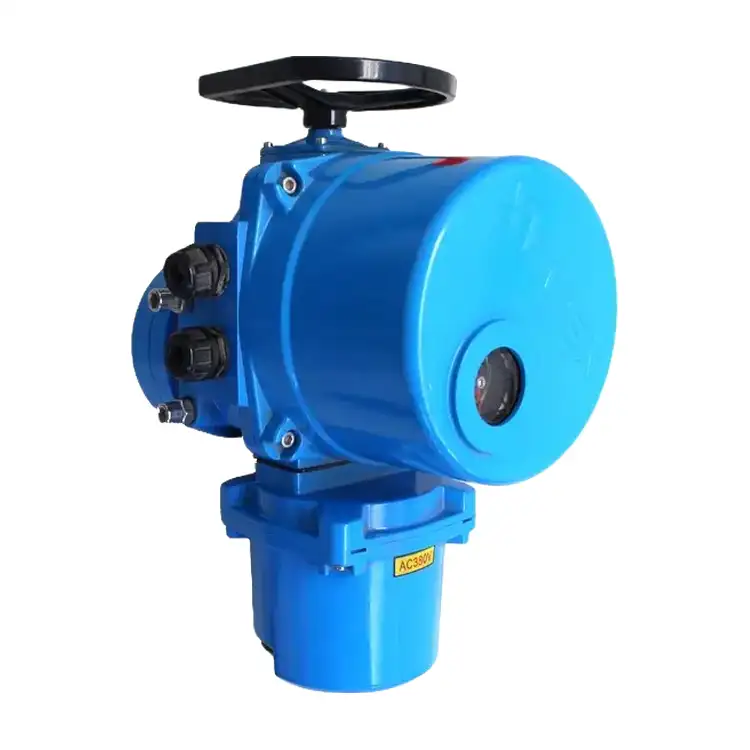
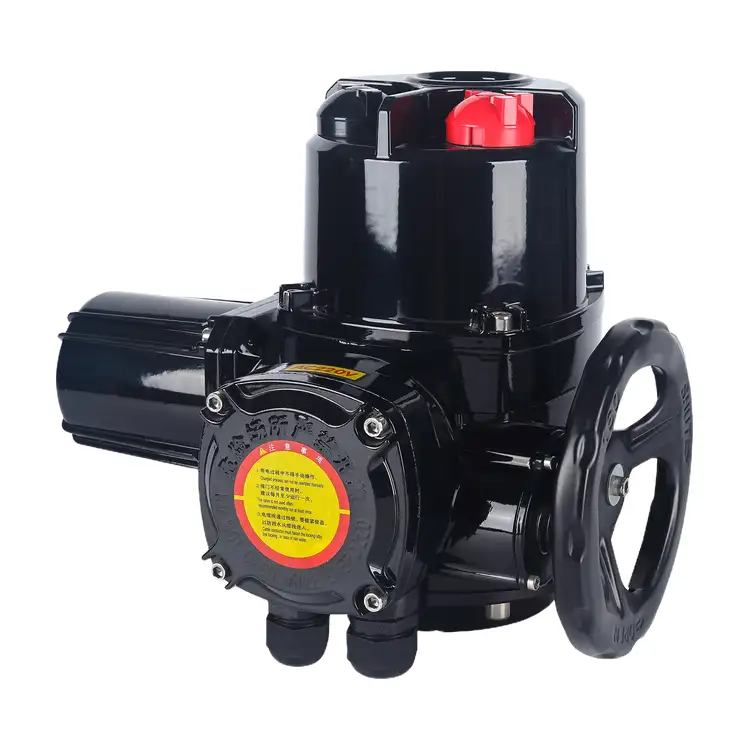
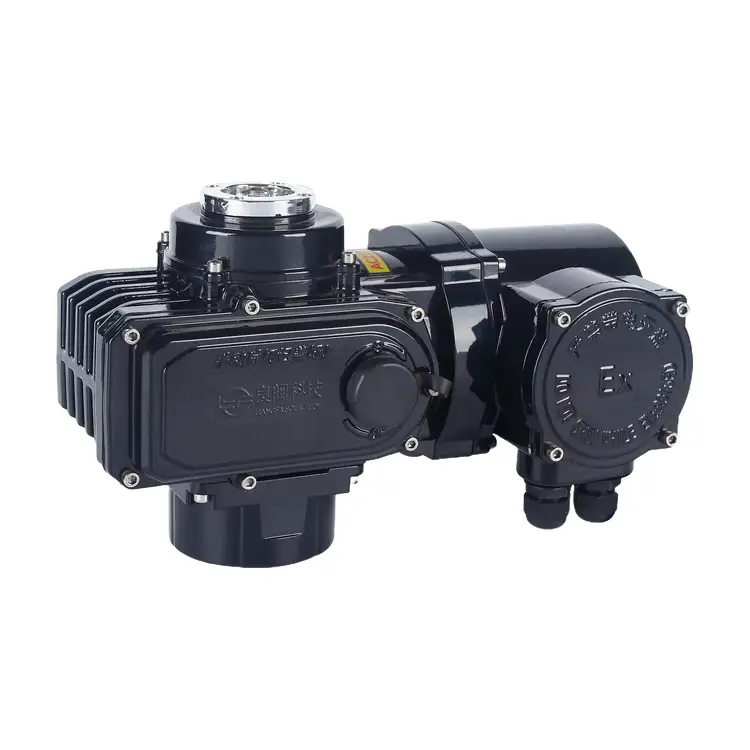
Liangfa's Compact Explosion-Proof Electric Actuator is designed for 90° valve automation in hazardous industrial environments where installation space is limited. With torque options from 50 to 600 N·m, ISO 5211 mounting interfaces, and AC220V, AC380V, or DC24V power supply configurations, it can be matched with compatible butterfly valves, ball valves, and plug valves.
At Liangfa, we offer the Compact Explosion-Proof Electric Actuator for automated quarter-turn valves installed in hazardous areas where mounting space is limited. Its integrated housing, 50–600 N·m torque options, ISO 5211 mounting interfaces, and multiple power supply configurations make it suitable for compatible butterfly valves, ball valves, and plug valves.
| Explosion-Proof Standard | GB 3836; standard Ex d IIB T4 Gb; optional Ex d IIC and Ex tD configurations subject to model availability and certification |
| Ingress Protection | IP65 standard; IP67 or IP68 optional on specified models |
| Power Supply | AC220V, AC380V, or DC24V, depending on configuration |
| Stroke Time | Adjustable from 5 to 60 seconds, depending on model and operating conditions |
| Mounting Standard | ISO 5211; F03, F04, F05, F07, and selected F10 configurations |
| Ambient Temperature | -20°C to +60°C standard; customized low-temperature version available for -40°C conditions |
| Rated Torque | 50–600 N·m across the listed QB05, QB10, QB20, QB40, and QB60 series |
| Control Options | On/off control or intelligent modulating control, subject to model configuration |
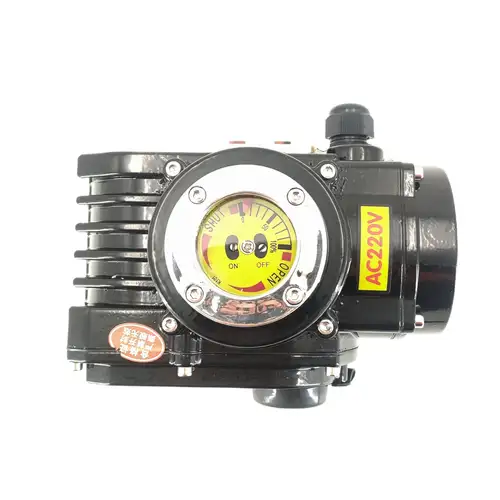
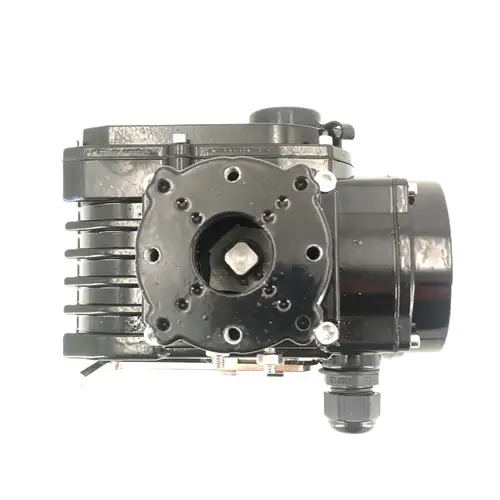
Designed for Restricted Installation Spaces
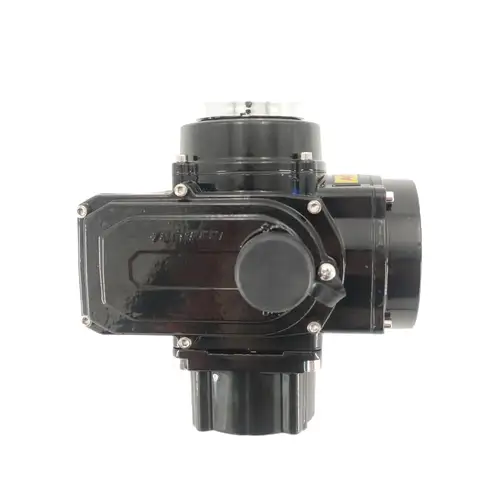
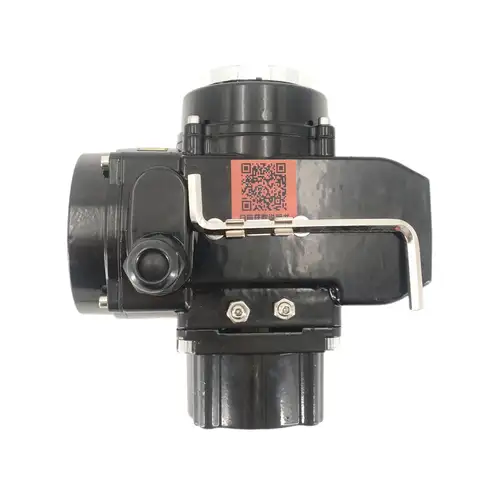
In dense pipe galleries, pump rooms, and equipment skids, a conventional explosion-proof actuator may take up too much room or make maintenance difficult. Our Compact Explosion-Proof Electric Actuator uses an integrated, lightweight structure intended for small and medium torque quarter-turn applications. Its reduced footprint helps simplify installation where valves are arranged close together.
The housing is made from high-strength die-cast aluminum alloy with an anti-corrosion coating. Precision flameproof joints and a sealed enclosure help prevent internal ignition sources from igniting the surrounding atmosphere when the unit is correctly selected, installed, and maintained. The standard protection rating is IP65, with higher ingress protection available for specified configurations.
The actuator is designed for 90° operation and can be matched with compatible butterfly valves, ball valves, and plug valves. Its compact construction is particularly useful for valve assemblies in gas distribution, petroleum handling, chemical processing, and other facilities with limited installation clearance.
Choose the Right Torque and Valve Connection
Correct sizing starts with the valve's maximum operating torque, not simply its nominal pipe diameter. Valve torque can change with seat material, pressure differential, process medium, temperature, deposits, and the time the valve has remained idle. We recommend checking the valve manufacturer's torque data and allowing an appropriate safety margin before confirming an actuator model.
Selection principle: Rated actuator torque should exceed the valve's maximum operating torque by a suitable safety factor. As an initial reference, soft-seated butterfly and ball valves may require a factor of 1.5–2.0. Abrasive or viscous media, sediment buildup, low-temperature operation, or elevated breakaway torque may require a higher margin. The final value should be confirmed against the valve manufacturer's guidance and the actual service conditions.
| Model Series | Rated Torque | Rotation | Indicative Soft-Seated Butterfly Valve Size |
| QB05 | 50 N·m | 90° | DN40–DN50 |
| QB10 | 100 N·m | 90° | DN65–DN80 |
| QB20 | 200 N·m | 90° | DN100–DN125 |
| QB40 | 400 N·m | 90° | DN150–DN200 |
| QB60 | 600 N·m | 90° | DN200–DN250 |
The valve sizes above are indicative references for soft-seated butterfly valves, not guaranteed compatibility limits. Actual sizing depends on valve design, pressure, seat construction, and operating conditions. For torque requirements above 600 N·m, we recommend evaluating a larger-frame explosion-proof actuator rather than oversizing the compact series.
Before ordering, we also verify the ISO 5211 mounting flange, valve stem shape and dimensions, output coupling, available installation clearance, and manual override access. A reducer bushing may be needed when the valve stem does not directly match the actuator output.
Match Certification to the Hazardous Area
Explosion-proof selection must be based on the site's hazardous-area classification and the actual gas or dust hazard. The standard configuration listed for this range is Ex d IIB T4 Gb under the relevant GB 3836 framework. Ex d IIC versions and dust-protection configurations may be available for selected models, subject to the applicable certificate and nameplate.
- Ex d IIB: Used for applicable gas groups covered by the certified equipment marking. Confirm that the site's gas group and temperature requirements are within the product's rating.
- Ex d IIC: Required where the hazardous-area assessment specifies gas group IIC, such as certain hydrogen- or acetylene-related environments. An IIB-rated product must not be substituted where IIC is required.
- Dust hazards: Gas flameproof certification alone does not establish suitability for combustible dust. Select an appropriately certified dust-protection version when required.
- Ingress protection: IP65 is standard, with IP67 or IP68 available on specified versions. These ratings describe enclosure protection and do not replace explosion-proof certification or establish suitability for every immersion condition.
The standard ambient temperature range is -20°C to +60°C. For sites that fall below the standard minimum, we can assess a customized low-temperature version rated for conditions down to -40°C. Higher ambient temperatures, direct radiant heat, corrosive vapors, and large day-to-night temperature swings should be reviewed before the model is finalized.
Select a Control Method for the Process
On/Off Operation
The on/off version is intended for applications that require the valve to move between fully open and fully closed positions. Depending on the configuration, passive contacts can provide end-position feedback to the control system. This option is suitable for isolation and shut-off duties where continuous positioning is not required.
Modulating Control
For process systems that need intermediate valve positions, an intelligent modulating version with 4–20 mA input and position feedback can be selected where available. It can be integrated with compatible PLC or DCS systems after the control signal, wiring, and calibration requirements have been confirmed.
The Compact Explosion-Proof Electric Actuator may be configured for AC220V, AC380V, or DC24V power. The available stroke time can range from 5 to 60 seconds, depending on the selected model and setup. A local position indicator, digital display, manual handwheel, and fault or limit signals may be available by configuration.
A modulating actuator should not be assumed suitable for every high-cycle control loop. Compact housings have limited heat-dissipation space, so continuous high-frequency movement may cause thermal protection to activate or shorten component life. We recommend confirming the expected operating frequency and duty requirements before selection.
Consider the Actual Process Conditions
The service environment affects actuator performance even when the actuator itself does not contact the process medium. We review the following factors with customers before recommending a configuration.
Water and Wastewater Systems
Clean water applications generally provide relatively stable valve torque. In wastewater or reclaimed-water service, suspended solids and sediment can increase breakaway torque after a period of inactivity. We recommend checking the valve's torque requirements, allowing a suitable margin, and scheduling periodic operation and inspection where appropriate.
Gas and Light-Oil Installations
Gas pressure-regulating stations, natural-gas systems, and light-oil facilities require careful confirmation of the hazardous-area classification. The gas group, temperature class, enclosure protection, and local certification requirements must all match the installation. Low ambient temperatures can also increase process-fluid viscosity or affect valve torque, so sizing should reflect the actual operating range.
Humid and Outdoor Locations
Outdoor pipe racks and humid pump rooms may experience condensation when ambient temperatures change quickly. An optional heater or dehumidification module can help reduce internal condensation where supported by the selected model. Appropriate cable glands, correctly sealed unused entries, intact gaskets, and a suitable ingress-protection rating are also important.
Corrosive Atmospheres
The aluminum-alloy housing and its coating provide protection against ordinary outdoor exposure, but severe acid mist, strong oxidizing vapors, or highly corrosive atmospheres may require a different housing or protective arrangement. We recommend reviewing the chemical exposure before specifying the actuator. The valve's wetted materials must separately be compatible with the process medium.
Low- and High-Temperature Sites
The standard version is rated for ambient temperatures from -20°C to +60°C. Below the standard minimum, a low-temperature configuration may be needed to address lubricant viscosity and starting performance. Near the upper limit, direct heat from steam lines or prolonged solar exposure can increase housing temperature and accelerate component ageing. A heat shield or relocation may be necessary.
Where This Range Fits Best
- Gas distribution: Compatible quarter-turn valves at gas pressure-regulating and distribution stations, subject to hazardous-area certification.
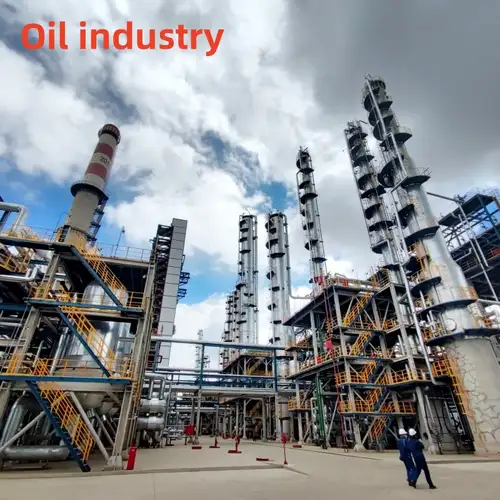
- Petroleum storage and transfer: Shut-off and flow-control valve assemblies for suitable light-oil service.
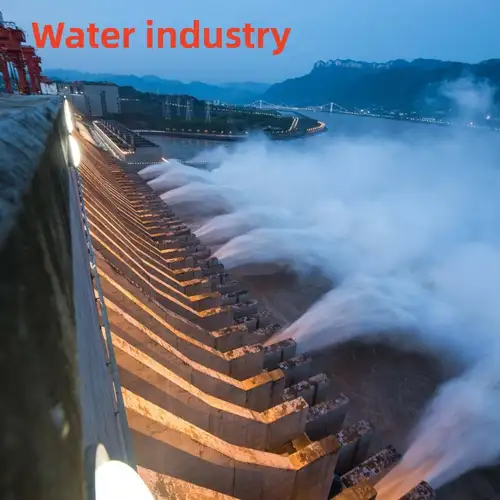
- Water and wastewater: Valve banks in pump rooms and treatment facilities where the specified explosion protection is required.
- Chemical processing: Compatible valves in hazardous gas areas, provided the atmosphere and external corrosion conditions are within the selected model's limits.
- Pharmaceutical and fermentation facilities: Suitable valve automation in areas with flammable solvent vapor, after confirming the gas group and equipment certification.
- Compact equipment skids: Packaged systems and retrofit projects where installation clearance is limited.
Gas flameproof models must not be installed in combustible-dust areas unless the specific product also carries the required dust-protection certification. For high-frequency continuous modulation, torque above 600 N·m, ambient temperatures outside the rated range, or applications requiring spring-return fail-safe action, a different actuator design may be more appropriate.
Installation and Routine Checks
Before installation, confirm the actuator nameplate, explosion-proof marking, supply voltage, rated torque, protection rating, and mounting dimensions against the project specification. Check that the valve moves smoothly through its full travel and that its maximum operating torque is within the actuator's capability.
Mount the actuator on the matching ISO 5211 flange, align the output coupling with the valve stem, and tighten the fasteners evenly. Follow the model-specific installation instructions for positioning, grounding, and manual override operation. Electrical work and commissioning in hazardous areas must be performed by qualified personnel in accordance with applicable regulations.
Use the specified cable entries and certified glands for the installed hazardous-area protection concept. Seal unused entries with approved components, follow the wiring diagram, and ensure that covers and flameproof joints are correctly restored before energizing the equipment. Never open the enclosure while energized in a hazardous area.
During commissioning, check manual operation where applicable, set the end limits, verify that the valve stops at the intended positions, and confirm the feedback signals. For modulating versions, calibrate the signal range according to the supplied instructions and test the full stroke before handing the equipment over to the operator.
Routine inspection should cover unusual noise, loose terminals, cable-gland condition, grounding, condensation, valve-position accuracy, and signs of corrosion. Maintenance intervals should reflect operating frequency and site conditions. Any repair involving flameproof joints, certified fasteners, or sealing components must follow the manufacturer's approved procedures.
Liangfa Manufacturing and Quality Support
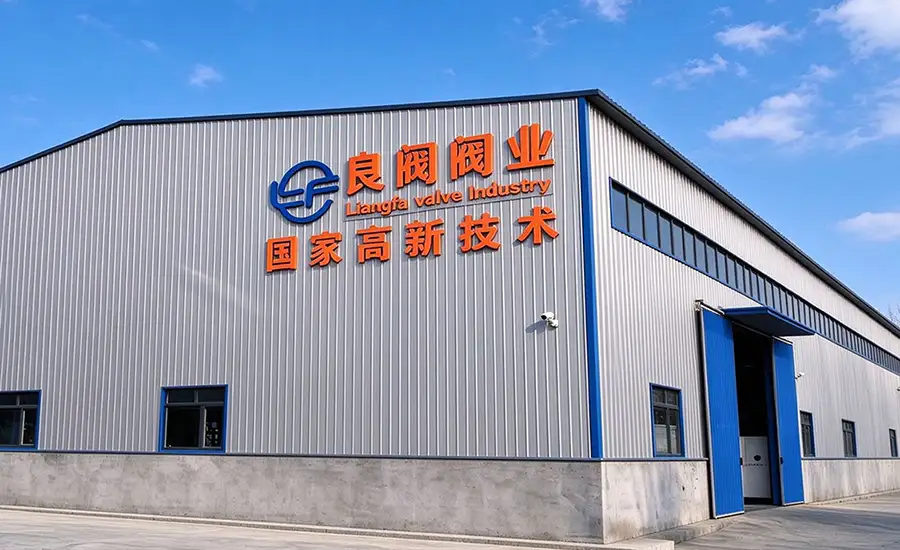
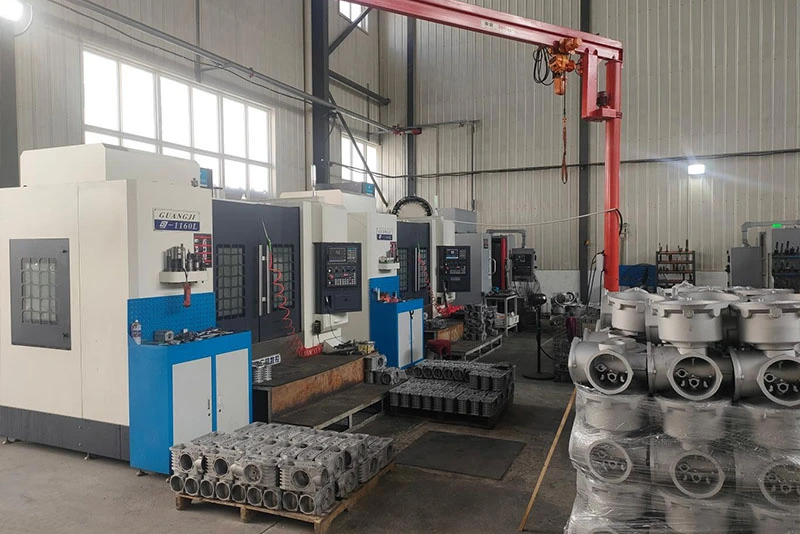
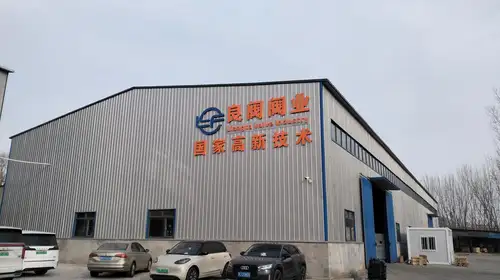
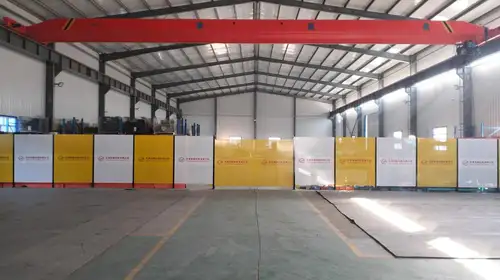
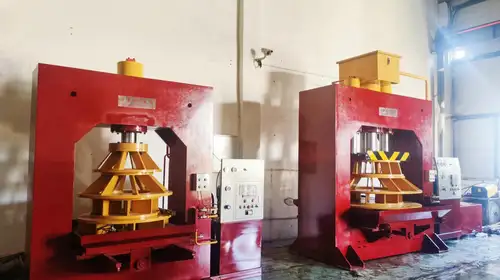
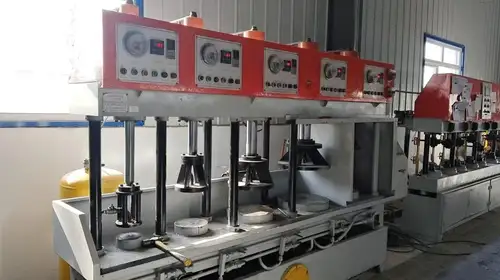
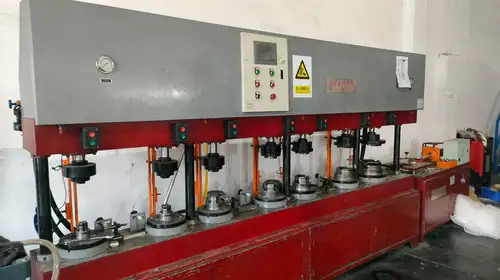
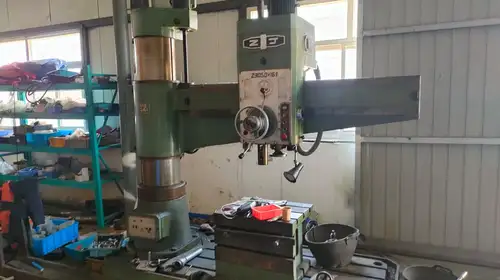
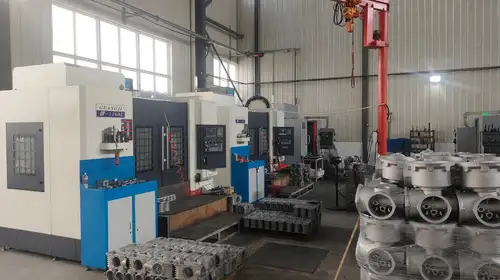
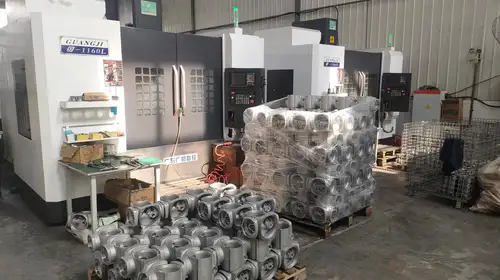
At Liangfa, we provide technical assistance from model selection through delivery and after-sales support. Our manufacturing process covers mold development, casting, precision machining, coating, assembly, and export packaging. We carry out production and inspection procedures intended to help maintain consistent product quality, with documentation supplied according to the order and product configuration.
As a high-tech enterprise, we support customers with technical drawings, product parameters, model recommendations, and configuration discussions. Before production, we can review the valve interface, torque requirement, power supply, control signal, and hazardous-area marking to reduce the risk of specification mismatches.
Factory Tour
Packaging and Shipping
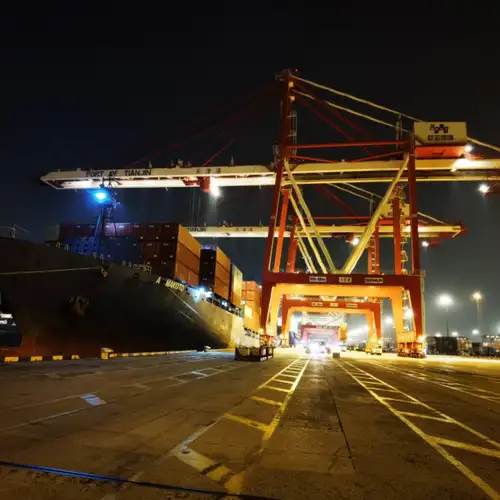
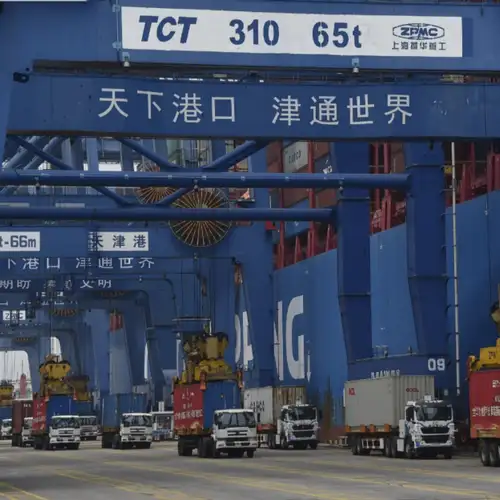
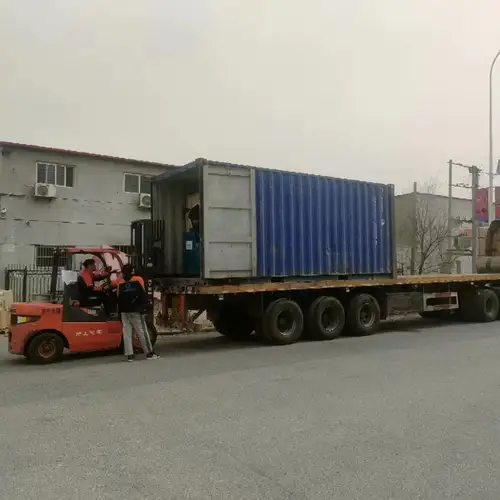
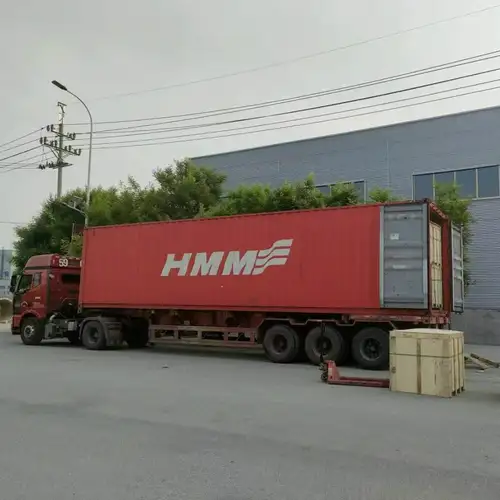
We arrange export packaging and support sea and land transportation according to order requirements and destination. Packing lists, commercial invoices, and available inspection or product documents can be prepared according to the order terms. Delivery arrangements and lead times are confirmed during quotation and order processing.
Application Examples
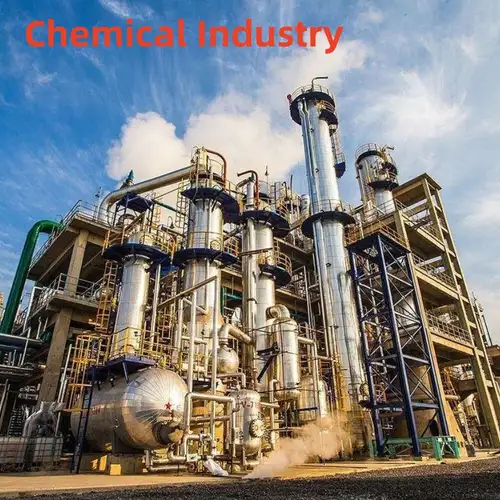
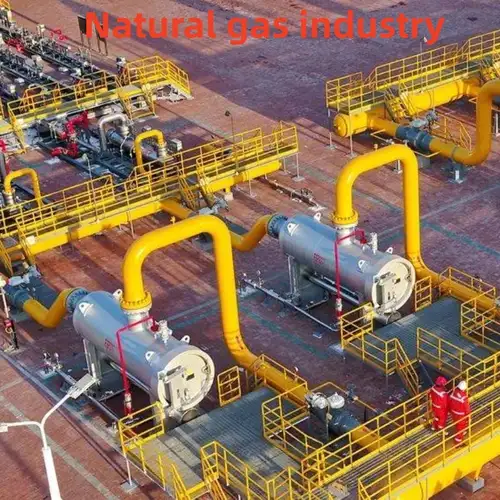

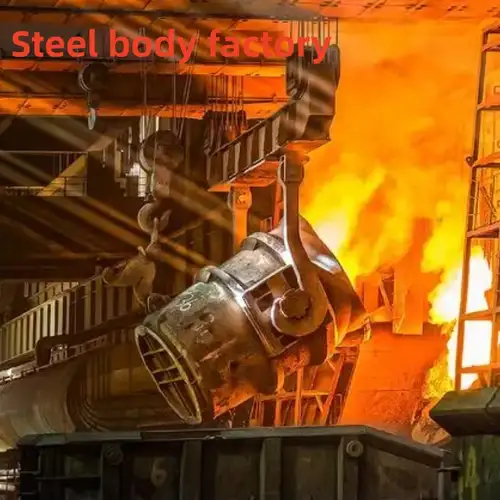
Technical and After-Sales Service
Before Ordering
We help review valve type, maximum operating torque, pressure conditions, process medium, hazardous-area classification, ambient temperature, mounting interface, power supply, and control signals. Drawings and configuration details can be provided for review according to the project requirements.
Before Delivery
We carry out applicable factory inspections and can provide available inspection reports and product documentation as agreed in the order. Packaging, shipping arrangements, and export documents are coordinated with the customer before dispatch.
After Delivery
We provide technical guidance for installation, commissioning, and routine maintenance. Spare parts and replacement components can be discussed according to the model and availability. Our stated warranty period is 12 months from the shipment date, subject to the agreed contract terms.
Frequently Asked Questions
Can this Compact Explosion-Proof Electric Actuator fit a valve from another manufacturer?
It may be compatible if the valve's mounting flange, stem dimensions, rotation angle, and torque requirements match. We recommend sending the valve model or dimensional drawing so we can check the interface before ordering. An adapter or reducer bushing may be needed in some installations.
What should I provide to get a suitable model recommendation?
Please provide the valve type and size, maximum operating torque or valve datasheet, required rotation time, power supply, control method, hazardous-area classification, ambient temperature, and any required ingress-protection rating. These details help us recommend a suitable configuration instead of selecting by pipe diameter alone.
Does the standard model include IP68 protection?
No. IP65 is the standard rating listed for this range. IP67 or IP68 may be available on specified configurations and must be confirmed on the quotation and product documentation. The required protection level depends on the actual installation and exposure conditions.
Can I use the unit for continuous flow regulation?
An intelligent modulating version with compatible 4–20 mA control and feedback may be used for suitable regulation duties. However, operating frequency and thermal duty must be considered. For high-frequency continuous modulation, we recommend a technical review and may suggest a larger-frame actuator.
Is a spring-return fail-safe version available?
The compact range is generally designed to hold its last valve position when power is lost and does not normally include spring return. If the process requires the valve to move automatically to a defined safe position after power failure, please tell us the required fail-safe action so we can evaluate an appropriate alternative.
Can a gas-rated model be installed in a combustible-dust area?
Not unless the exact model also has the required dust-protection certification. Gas explosion-proof and dust explosion-proof ratings address different hazards. The equipment marking must match the area's classification and applicable regulations.
What is the warranty period?
The stated warranty period is 12 months from shipment, subject to the agreed sales contract. Please retain the model and serial information and provide the operating conditions when reporting a fault so our team can help assess the issue.
Related Category
Send Inquiry
Contact Info
-
Address
No. 2 Taikang Road, Xiditou Town, Beichen District, Tianjin City, China
-
Tel
-
Email
If you have any inquiry about a quotation or cooperation, please feel free to email or use the following inquiry form. Our sales representative will contact you within 24 hours.
Related Products
News Recommendations