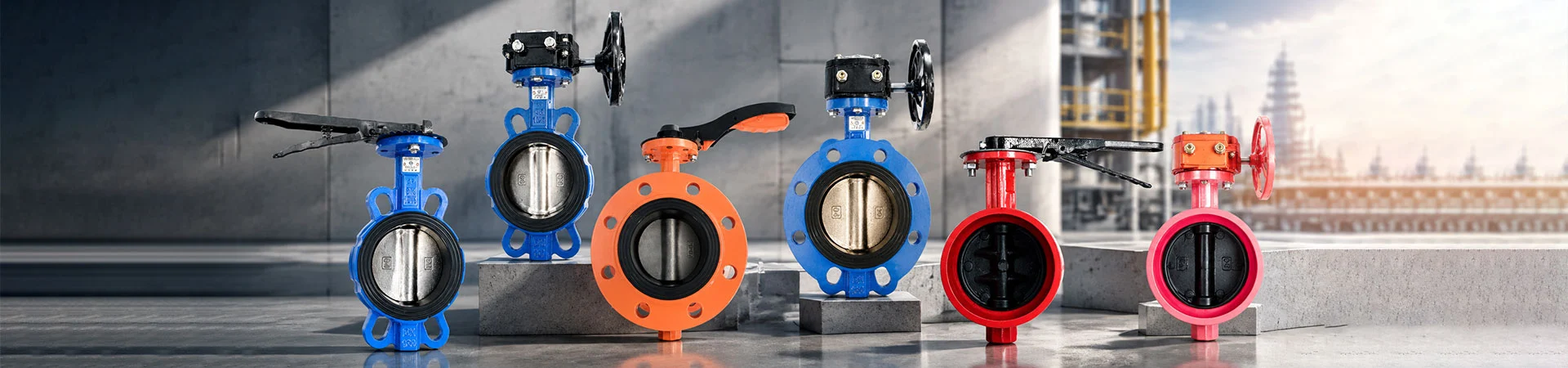
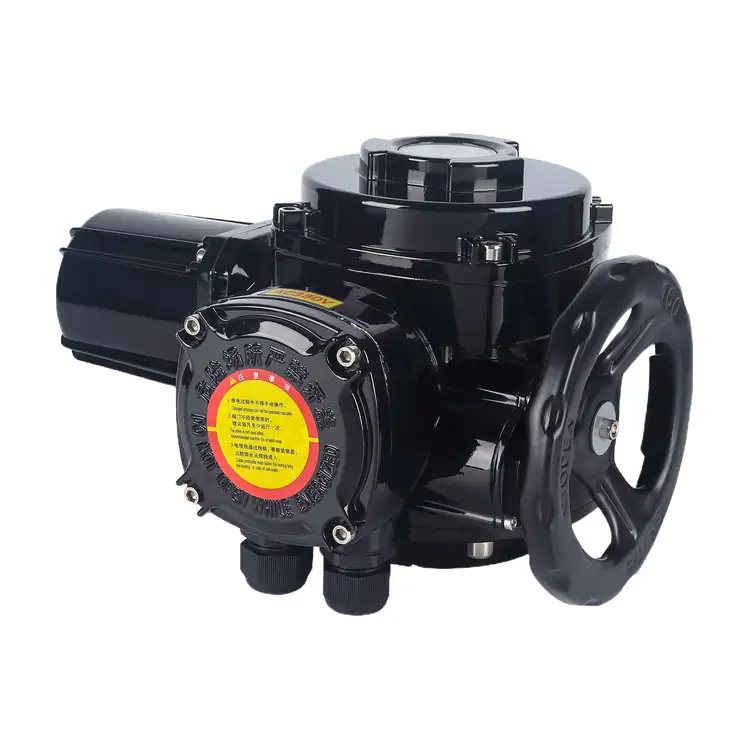
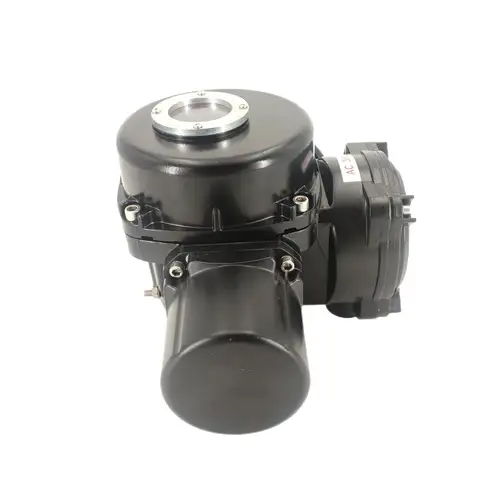
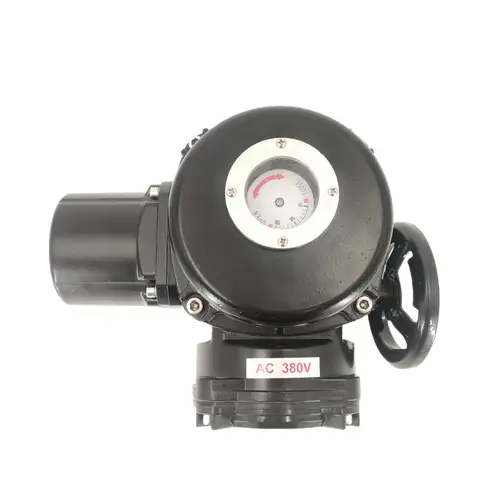
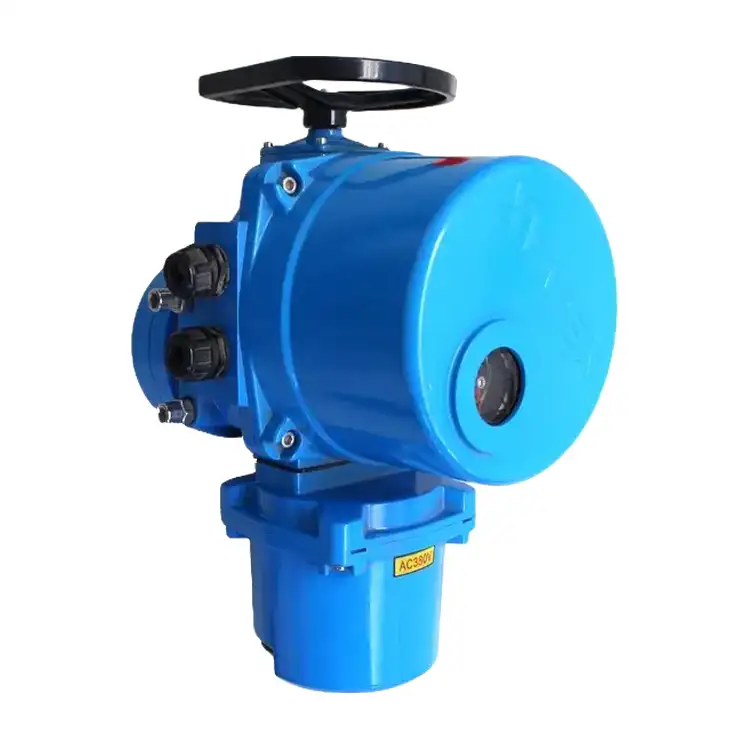
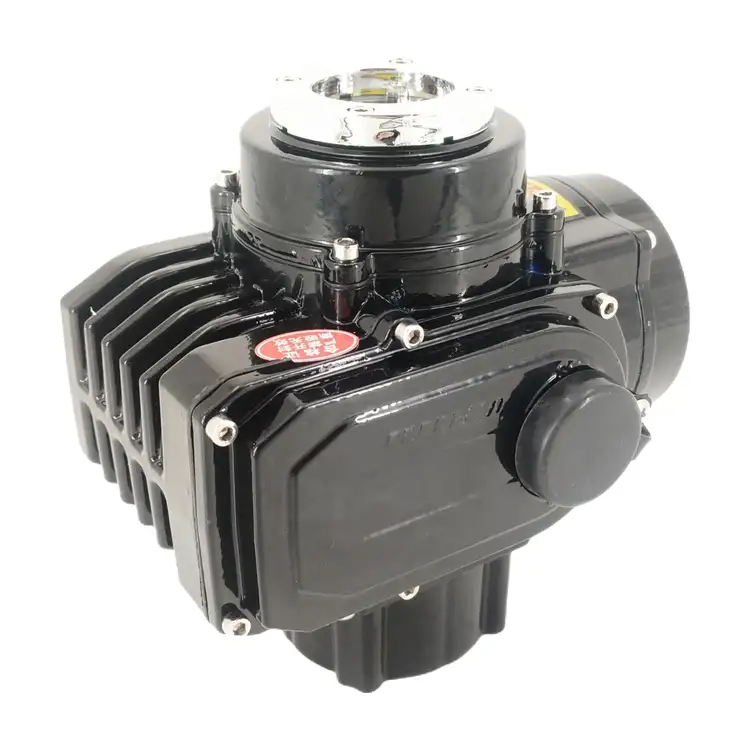
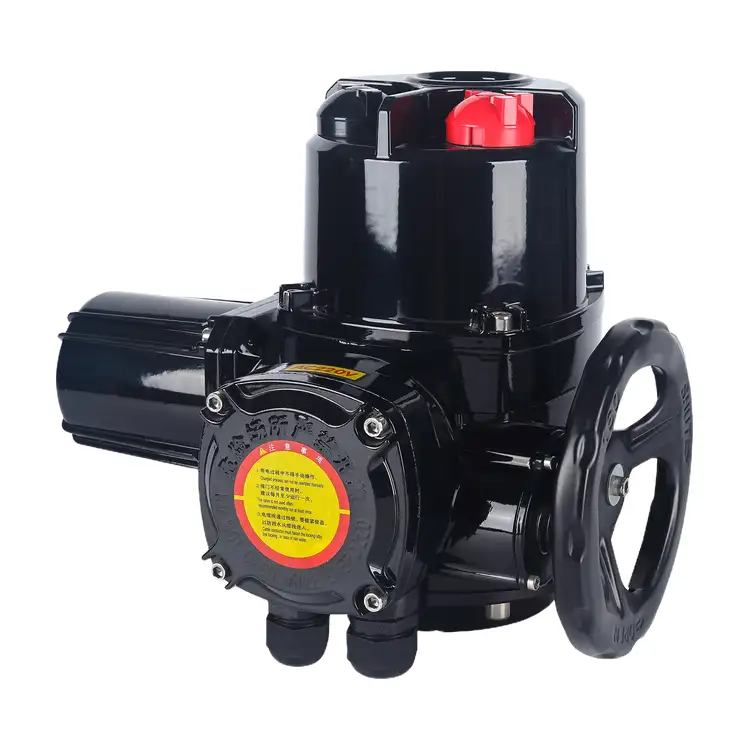
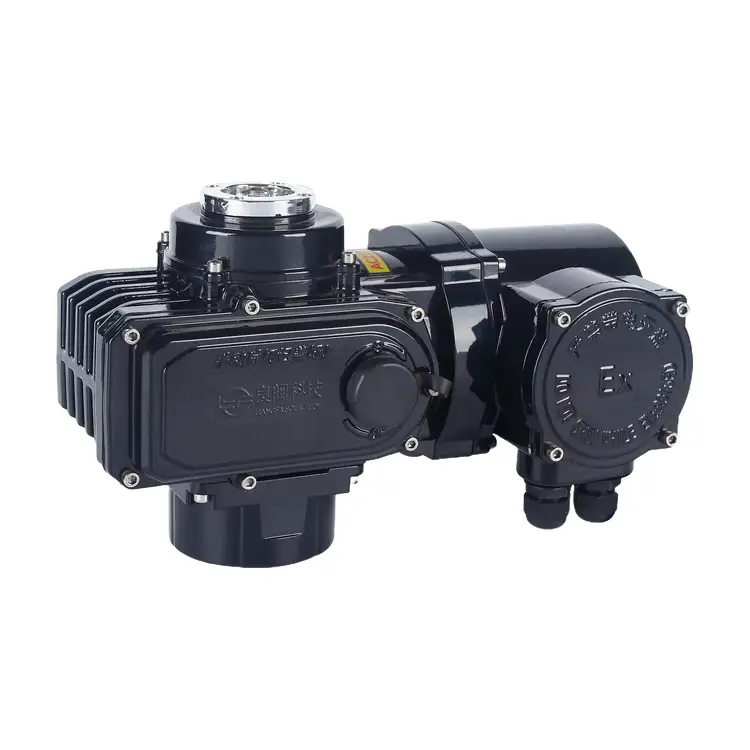
QB Series Explosion-Proof Electric Actuator
Liangfa's QB Series Explosion-Proof Electric Actuator is designed for 90° valve automation in hazardous industrial environments, including petrochemical plants, gas facilities, and approved underground mining applications. With torque options ranging from 20 N·m to 12,000 N·m across the listed model series, ISO 5211 mounting options, and AC220V, AC380V, or specified mining AC127V power supplies, it supports a range of compatible butterfly valves, ball valves, plug valves, and dampers.
At Liangfa, we supply the QB Series Explosion-Proof Electric Actuator for quarter-turn valve automation in hazardous industrial environments. It is designed to operate compatible butterfly valves, ball valves, plug valves, and air dampers in applications where reliable valve positioning and suitable explosion protection are essential.
With mining and industrial configurations, multiple power supply options, ISO 5211 mounting interfaces, and on-off or modulating control options, we help customers select an actuator according to the actual valve torque, hazardous-area classification, and control system requirements. As a certified high-tech enterprise, we provide product selection assistance and technical support for industrial automation projects.
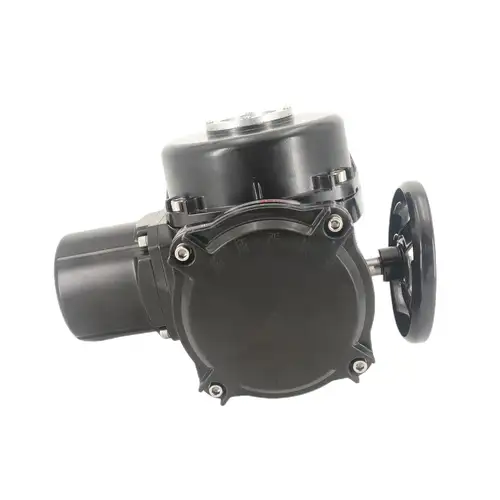
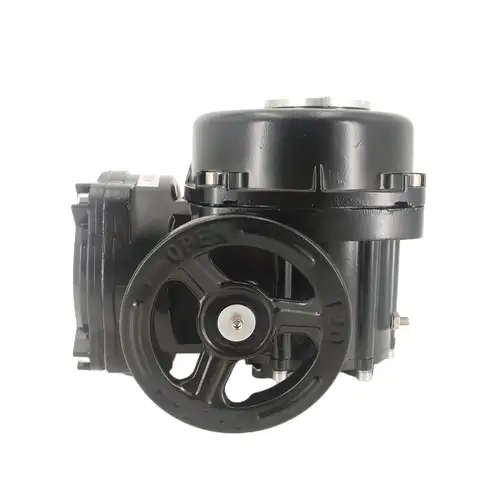
Choose the Right QB Configuration
The correct actuator depends on more than valve size. We recommend confirming the maximum operating torque, required rotation angle, mounting dimensions, available power supply, control signals, and the hazardous substances present at the installation site before ordering.
| Parameter | Available Specification |
|---|---|
| Actuator type | 90° quarter-turn flameproof electric actuator |
| Explosion-proof options | Mining Ex d I Mb with applicable MA certification; industrial Ex d IIB T4 Gb or Ex d IIC T4 Gb, subject to model certification |
| Enclosure protection | IP65 standard; IP67 optional on compatible models |
| Power supply | AC220V single-phase, AC380V three-phase, or AC127V mining configuration |
| Mounting interface | ISO 5211, with F05, F07, F10, F12, and F14 options according to model |
| Ambient temperature | -20°C to +70°C under the stated standard configuration |
| Control mode | On-off or modulating, depending on the selected configuration |
| Typical driven equipment | Butterfly valves, ball valves, plug valves, and compatible air dampers |
The final specification should be confirmed against the product nameplate, technical data sheet, and applicable explosion-proof certificates. Not every combination of torque, voltage, protection rating, and explosion marking is necessarily available in every model.
Match the Actuator to the Valve
Calculate the Required Output Torque
Valve torque can change with differential pressure, sealing materials, temperature, media conditions, and operating frequency. We recommend using the valve manufacturer's maximum operating torque rather than estimating torque from nominal diameter alone.
As an initial selection guide, the QB Series Explosion-Proof Electric Actuator's rated output torque should be at least 1.2–1.5 times the verified maximum valve torque, subject to the valve manufacturer's recommendations and the actuator's permitted duty. For soft-seated butterfly valves or demanding differential-pressure conditions, the higher end of this range may be appropriate.
| Model Series | Indicative Torque Range | Typical Mounting Options | Potential Applications |
|---|---|---|---|
| QB1 | 20–100 N·m | F05/F07 | Smaller butterfly valves and ball valves |
| QB2 | 100–250 N·m | F07/F10 | Small to medium quarter-turn valves |
| QB3 | 250–900 N·m | F10/F12 | Medium-sized butterfly valves and process valves |
| QB4 | 900–3,000 N·m | F12/F14 | Larger valves and compatible dampers |
| QB5 | 3,000–12,000 N·m | Confirm the actual interface | High-torque valve and damper applications |
These ranges are preliminary selection references, not a substitute for a model-specific torque curve and mounting drawing. The available output torque, flange, and shaft connection must be confirmed before purchase.
Check the Mounting and Rotation
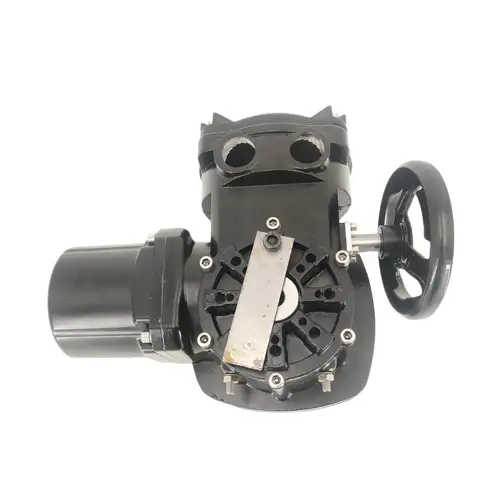
The QB platform provides a 90° part-turn output for compatible equipment. Before installation, check the ISO 5211 flange, stem or drive insert dimensions, keyway requirements, bolt pattern, and the valve's open and closed positions. A matching nominal flange alone does not guarantee mechanical compatibility.
Select the Correct Hazardous-Area Rating
Explosion protection must match the actual site classification. We recommend confirming the gas group, temperature class, equipment protection level, zone classification, and any local regulatory requirements with the project's electrical or safety engineer.
| Configuration | Typical Selection Context | Important Check |
|---|---|---|
| Ex d I Mb | Applicable underground coal-mine installations | Verify the required MA certificate and permitted installation location. Do not assume approval for every underground mining area. |
| Ex d IIB T4 Gb | Industrial hazardous areas classified for the corresponding gas group and temperature class | Confirm that the site's gas classification and equipment requirements are covered by the exact certificate. |
| Ex d IIC T4 Gb | Industrial hazardous areas requiring IIC gas-group protection | Confirm the IIC marking on the specific model and its valid certification before ordering. |
IIB and IIC equipment ratings are not interchangeable where the installation requires IIC protection. Likewise, mining equipment and industrial gas-area equipment have different classification and certification requirements. A mining-rated actuator should not be used in an industrial hazardous area, or vice versa, without explicit approval under the applicable certification and regulations.
Explosion-proof construction does not automatically mean suitability for combustible dust, corrosive media, or every hazardous environment. Where hydrogen, acetylene, carbon disulfide, or other high-risk substances are present, the exact substance and area classification must be reviewed against the actuator's certificate.
Choose the Control Mode for Your System
On-Off Control for Isolation
For applications that mainly require fully open and fully closed positions, we offer an on-off configuration where specified. Depending on the model, available functions may include passive dry-contact control, valve-position feedback, travel-limit protection, and over-torque protection. These features can support isolation valves, utility pipelines, and compatible emergency shut-off arrangements.
Modulating Control for Flow Adjustment
For process systems that need intermediate valve positions, a modulating configuration may support a DC 4–20 mA command input and a corresponding position-feedback signal. Compatible versions can integrate with DCS or PLC systems and provide local position indication or fault-alarm outputs.
Before ordering, confirm the input and feedback signal types, wiring diagram, control logic, fail-state requirements, and compatibility with the site's control equipment. Modulating capability does not by itself establish suitability for continuous high-frequency operation.
Confirm the Power Supply
AC220V single-phase is an option for sites with suitable single-phase power. AC380V three-phase may be selected for compatible higher-torque configurations, while AC127V is offered for specified mining versions. Voltage, phase, frequency, starting current, and the exact actuator model should all be checked before wiring.
Operating Limits and Protection Options
The QB Series Explosion-Proof Electric Actuator is intended for applications that require quarter-turn electric operation in hazardous areas. Its practical performance depends on the selected model, installation conditions, valve load, and maintenance.
- Manual operation: A handwheel and manual-electric changeover mechanism are available on applicable configurations to support operation when electrical power is unavailable. Follow the model's operating instructions.
- Position and torque protection: Travel-limit and over-torque functions are provided according to configuration. Correct adjustment is important to prevent unnecessary trips or valve damage.
- Enclosure protection: IP65 is standard, with IP67 available as an option on compatible versions. Verify the required rating for rain exposure, water spray, or any risk of immersion; do not assume all IP67 models are approved for continuous submersion.
- Condensation control: An anti-condensation heater may be specified for humid locations or sites with large temperature changes.
- Outdoor installation: A rain shield and enhanced corrosion protection may be available for suitable models. Confirm coating requirements where salt mist or corrosive gases are present.
- Duty cycle: The supplied technical information specifies 10-minute intermittent duty. Applications requiring frequent cycling or continuous modulation need a duty assessment and written confirmation of suitability.
The standard ambient temperature range is -20°C to +70°C. For temperatures outside this range, ask us to verify whether a qualified special configuration is available. The actuator controls the valve mechanically and does not normally contact the pipeline medium directly, but heat transfer, external corrosion, vibration, and installation conditions can still affect service life.
Example of a Valve Selection
Consider a chemical plant requiring a modulating actuator for a soft-seated butterfly valve. The valve manufacturer's stated maximum operating torque is 320 N·m, the available power supply is AC380V, the control system uses a 4–20 mA signal, and the area requires an Ex d IIB T4 Gb configuration.
Using an initial safety factor of 1.5 gives a preliminary torque requirement of 480 N·m. A QB3 model rated at 600 N·m may be a candidate, provided that the mounting interface, duty cycle, control functions, ambient conditions, and certificate all match the project requirements.
We would verify the full model designation, flange, wiring diagram, and certification before confirming the order. This prevents the common mistake of selecting an actuator based only on valve diameter or a nominal torque figure.
Installation Checks Before Start-Up
Inspect the Mechanical Connection
Check the actuator housing for transport damage and inspect the flameproof joints for visible defects. Confirm the mounting flange and stem connection, align the actuator with the valve, and tighten the mounting bolts evenly. Operate the valve manually according to the manufacturer's instructions to check for binding before electrical commissioning.
Verify Wiring and Protective Functions
Use the wiring diagram supplied for the exact model. Confirm the voltage and phase sequence where applicable, provide the required protective earthing, and use cable glands and blanking plugs approved for the relevant hazardous-area protection method. Unused entries must be sealed as specified by the certificate and installation instructions.
Before energizing, make sure all covers are correctly secured. Never open the enclosure while energized in a hazardous area. Isolate the power supply and apply the site's lockout-tagout procedure before inspection or maintenance.
Test Travel and Feedback
During commissioning, check the open and closed travel limits, rotation direction, local position indication, and remote feedback. For modulating versions, calibrate the command and feedback signals according to the model-specific instructions. Test the relevant alarm and interlock circuits and document the results.
Do not force the actuator against a mechanically obstructed valve or use the travel-limit mechanism as a substitute for correct adjustment. If the valve is under pressure or has a high differential pressure, follow the plant's safe commissioning procedure.
Routine Maintenance and Troubleshooting
We recommend establishing a maintenance schedule based on operating frequency, environmental exposure, and the manufacturer's instructions. Inspection should be performed by qualified personnel familiar with the applicable explosion-proof requirements.
| Observed Problem | Possible Cause | Recommended Check |
|---|---|---|
| Actuator does not move | Power supply issue, protection trip, or incorrect operating mode | Isolate safely, check the supply and control wiring, and confirm the manual-electric selector position. |
| Stops before reaching the end position | Incorrect limit adjustment, valve obstruction, or excessive operating torque | Check the valve mechanically and recalibrate the travel limits according to the instructions. |
| Position feedback is inaccurate | Feedback component displacement or incorrect calibration | Inspect and recalibrate the feedback system using the model-specific procedure. |
| Handwheel is difficult to operate | Valve binding, poor alignment, or mechanical wear | Check the valve and coupling, then inspect the drive mechanism if necessary. |
Do not grind, weld, or modify certified flameproof joints in the field. Damaged flameproof surfaces, bolts, seals, or enclosure components must be handled in accordance with the certificate and manufacturer's repair requirements. Replace components only with approved parts of the specified type.
Manufacturing and Quality Support
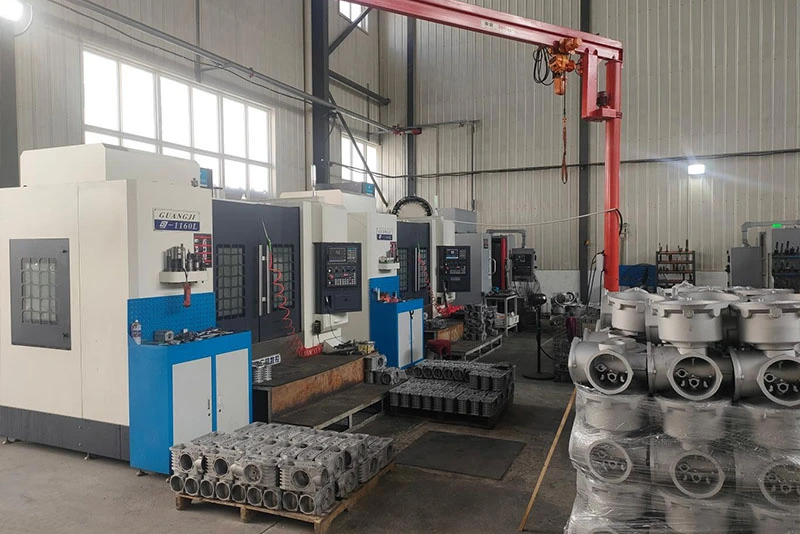
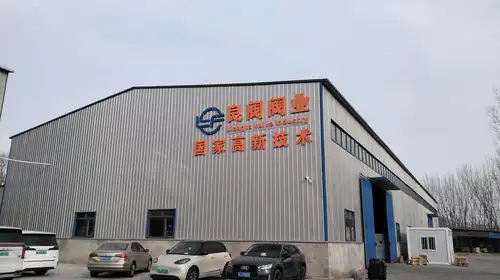
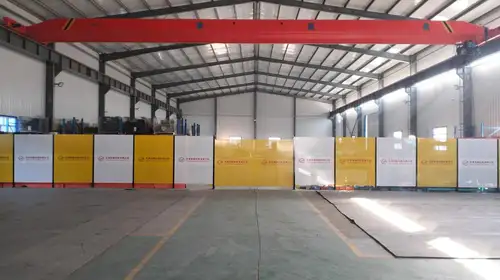
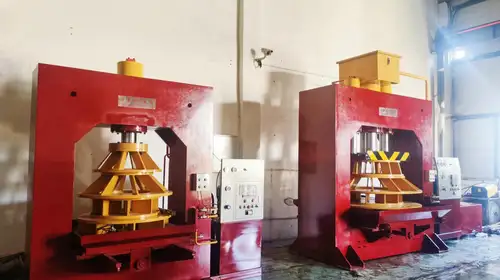
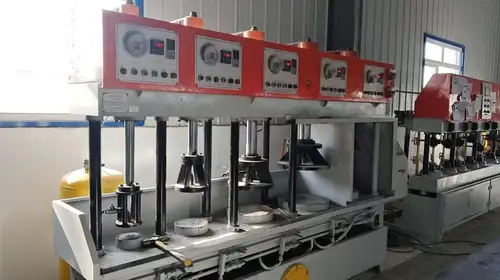
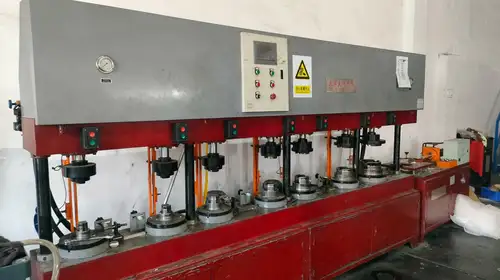
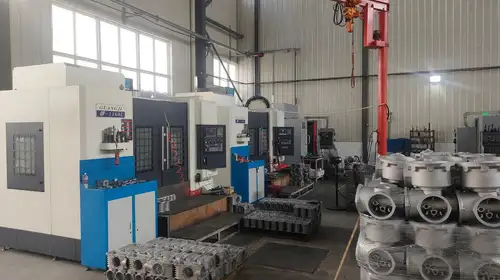
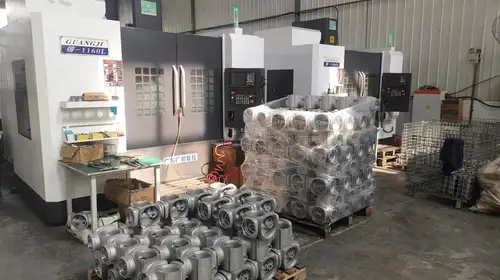
At Liangfa, we support customers with product selection, technical documentation, and order coordination. As a high-tech enterprise, we can assist with reviewing the required torque, flange dimensions, voltage, control mode, and hazardous-area marking before a model is finalized.

Export Packing and Delivery
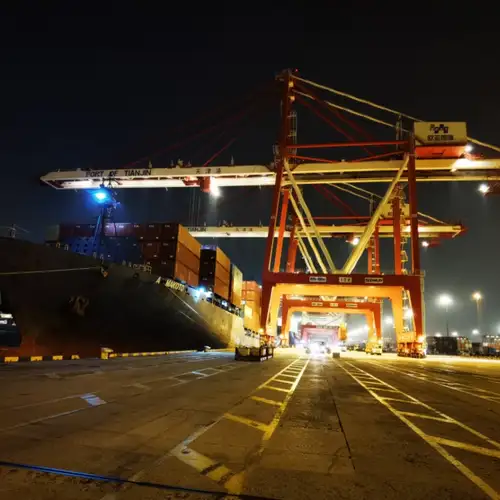
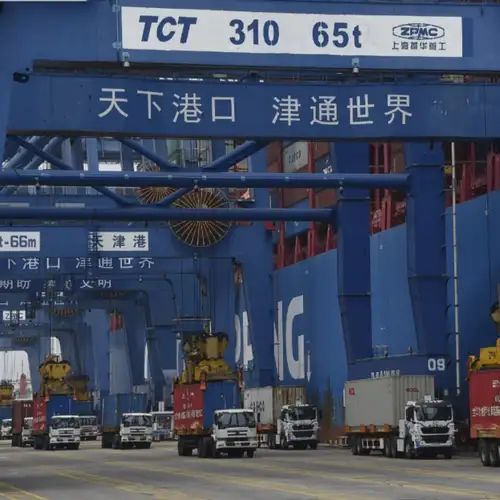
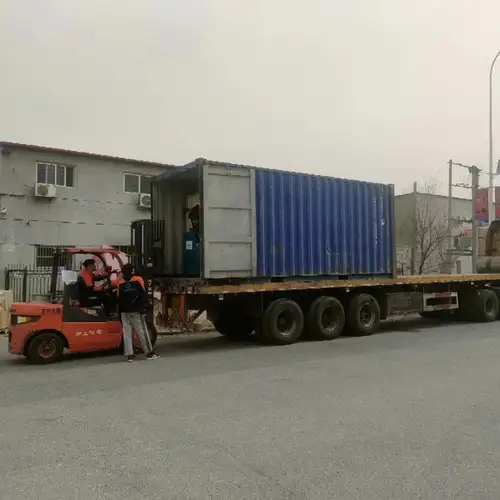
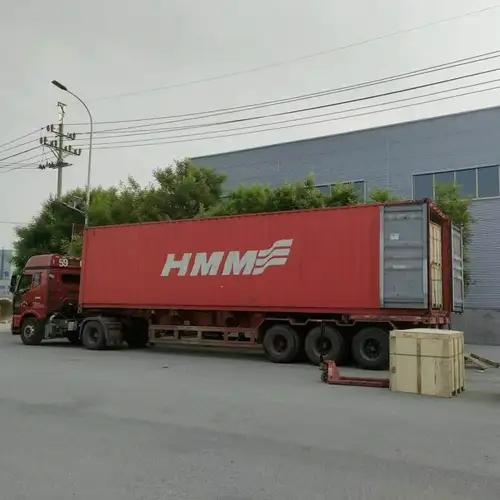
We coordinate export packing and delivery according to the order requirements, with sea freight and land transportation options available. Before shipment, customers can confirm the model, quantity, required accessories, documentation, and packaging arrangements with our sales team.
Industries We Serve
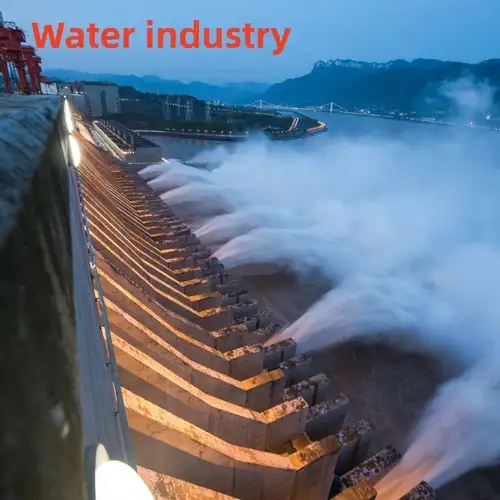
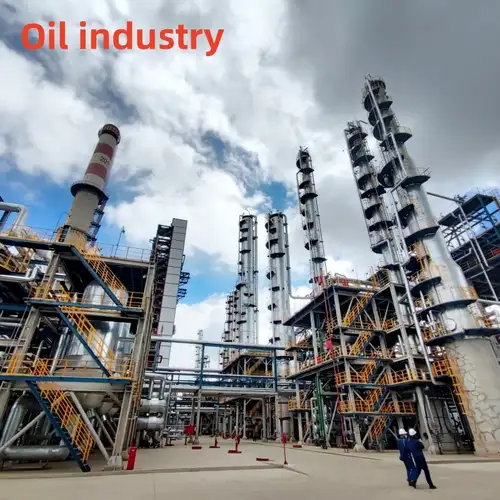
We supply actuator solutions for compatible quarter-turn valves and dampers in industrial applications where hazardous-area classification, reliable positioning, and suitable control functions must be considered together.
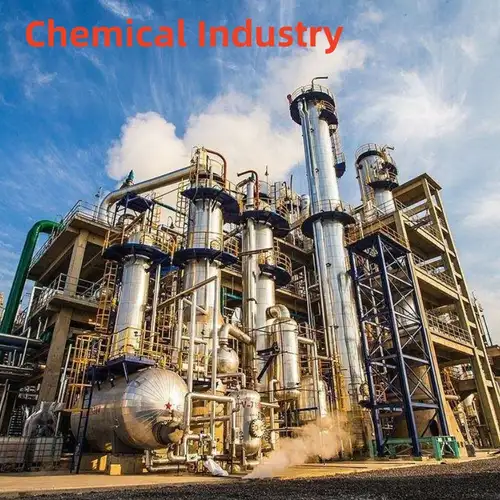
Petrochemical and Oil Storage
For process pipelines, storage facilities, and pump rooms, the selected actuator can support valve isolation or process control when its explosion rating matches the site's hazardous-area requirements.
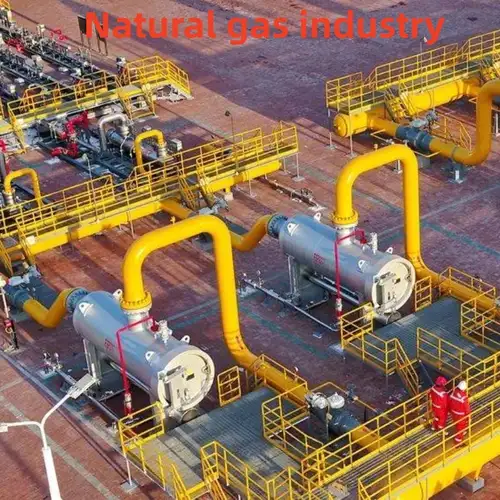
Natural Gas and Gas Distribution
Compatible configurations can operate quarter-turn valves at gas pressure-regulating stations, pipeline facilities, and gas handling installations. The gas group and required protection level must be confirmed for each site.
Coal Mining
Specified mining versions may be used in permitted underground locations when the required MA certification and installation conditions are satisfied. Confirm the approved use area before purchase.
Wastewater and Biogas Facilities
Actuators may drive compatible valves in wastewater and biogas systems. Where hydrogen sulfide, high humidity, or corrosive atmospheres are present, review the coating, enclosure protection, and maintenance requirements.
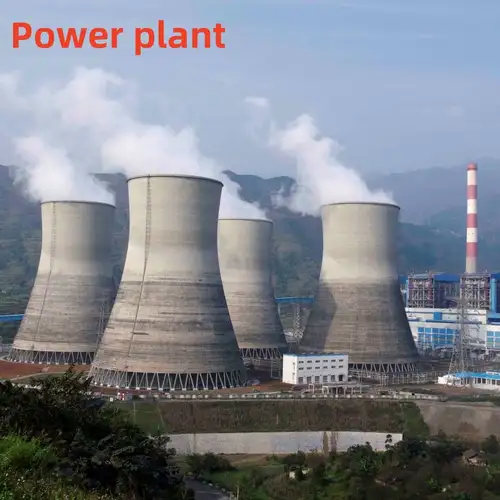
Heating and Process Regulation
Compatible modulating versions can be integrated into process systems that use 4–20 mA signals for valve-position control, subject to the actuator's duty-cycle limits and control specifications.
Industrial Air Ducts and Dampers
The quarter-turn output can operate compatible dampers in industrial ventilation and exhaust systems. Confirm the damper torque, shaft connection, and environmental conditions before selecting a model.
How We Support Your Order
Before Purchase
We help review valve torque, mounting dimensions, power supply, control mode, environmental conditions, and hazardous-area requirements. Product drawings, technical parameters, and quotation information can be provided for the selected configuration.
During Production and Shipment
We coordinate order details, applicable factory inspection records, packing arrangements, and export documents according to the agreed order and product requirements. Any required explosion-proof or mining certificates should be confirmed for the exact model before shipment.
After-Sales Assistance
We provide technical consultation for installation, commissioning, troubleshooting, and maintenance. Spare-part availability depends on the actuator model and the component required. Our stated warranty period is 12 months from the date of shipment, subject to the sales contract and applicable warranty terms.
Frequently Asked Questions
Can this actuator replace an existing QT actuator?
Replacement may be possible, but the mounting flange, output shaft, torque, rotation, supply voltage, control wiring, and overall dimensions must all match. We recommend sending us the existing actuator nameplate and valve interface drawing so we can check compatibility before confirming a replacement.
What information should I send for a quotation?
Please provide the valve type and model, maximum operating torque, nominal diameter and pressure rating, required explosion marking, power supply, control mode, mounting dimensions, ambient temperature, and installation environment. If available, a valve data sheet and hazardous-area classification document will help us confirm the appropriate configuration.
Can I use an IP67 version where the actuator may be submerged?
Not automatically. IP67 indicates a defined level of ingress protection under specified test conditions; it does not mean that every model is suitable for continuous immersion or every installation depth and duration. Please provide the actual water exposure conditions so we can check the model's documented limits.
Is the QB Series suitable for continuous high-frequency modulation?
The supplied standard specification identifies 10-minute intermittent duty. If your process requires frequent cycling or continuous modulation, tell us the expected operating frequency, travel pattern, and load conditions. We can review whether a suitable configuration is available rather than assuming the standard model meets that duty.
What documents should be checked for hazardous-area projects?
Check the exact model's valid explosion-proof certificate and nameplate marking, applicable mining MA documentation where required, technical data sheet, wiring diagram, and installation instructions. The selected marking must match the site's classification and local regulations. A general product description is not a substitute for the required certification documents.
What are your payment terms?
Our stated standard terms are a 30% deposit after order confirmation, with the balance paid before shipment. The final payment arrangement will be confirmed in the sales contract.
Contact Liangfa with your valve specifications and hazardous-area requirements. We will help you review the torque, mounting interface, power supply, control signals, and certification requirements before selecting a suitable actuator configuration.
Related Category
Send Inquiry
Contact Info
-
Address
No. 2 Taikang Road, Xiditou Town, Beichen District, Tianjin City, China
-
Tel
-
Email
If you have any inquiry about a quotation or cooperation, please feel free to email or use the following inquiry form. Our sales representative will contact you within 24 hours.
Related Products
News Recommendations