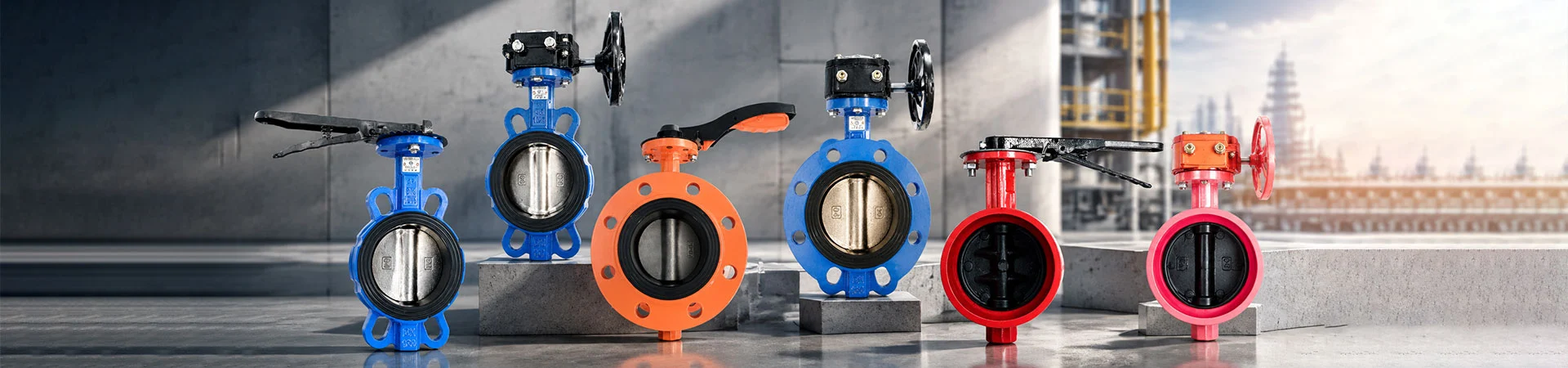
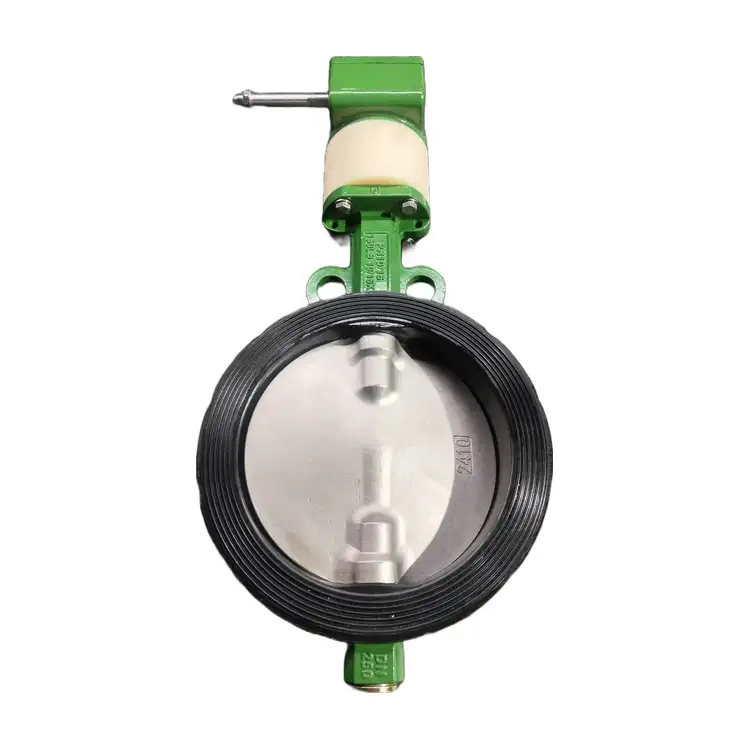
Ductile Iron Anti-Condensation Butterfly Valve
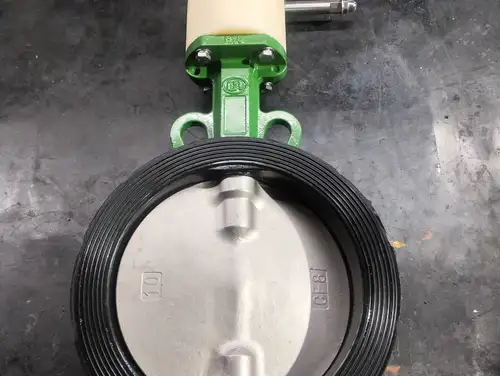
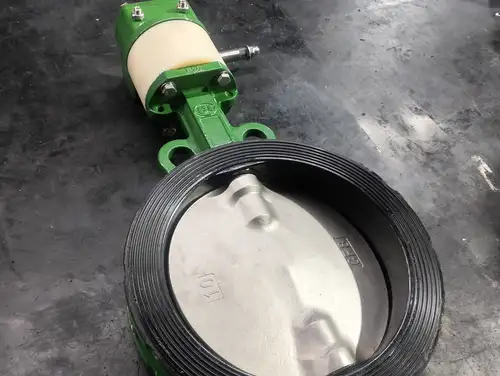
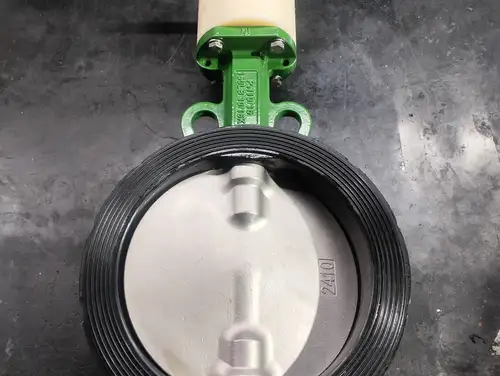
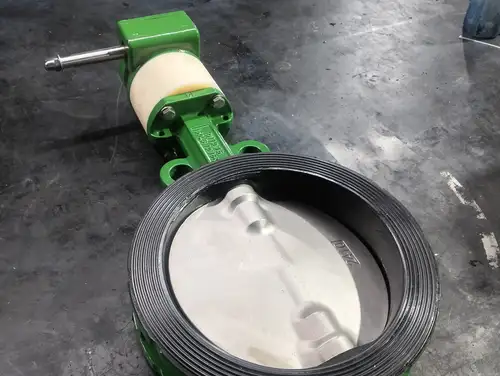
Liangfa’s Ductile Iron Anti-Condensation Butterfly Valve is designed for chilled-water and cooling-water systems in high-humidity environments. Its QT450-10 ductile iron body provides strength and resistance to water hammer, while the dedicated cold-insulation structure helps reduce condensation and dripping on valve surfaces.
When chilled water flows through piping in a humid plant room, condensation on ordinary valve surfaces can lead to dripping, corrosion, wet ceilings, and potential damage to nearby electrical equipment. Our Ductile Iron Anti-Condensation Butterfly Valve is designed for low-temperature water systems where both dependable flow control and external condensation management are important.
Liangfa combines a QT450-10 ductile iron body with a dedicated cold-insulation structure to help reduce cold-bridge effects around the valve body and neck. With multiple actuator configurations and material options, we help project buyers select a valve suited to their pipeline size, pressure rating, and operating conditions.
Technical Specifications
| Product Name | Ductile Iron Anti-Condensation Butterfly Valve |
| Model | D71X-10/16Q; other model codes depend on connection and actuator configuration |
| Nominal Diameter | General product range listed as DN40–DN1200; detailed selection data also specifies DN50–DN300. Confirm the required size before ordering. |
| Connection | Wafer or flanged, depending on configuration |
| Pressure Rating | PN10 / PN16 options; other pressure-class entries require confirmation for the selected model |
| Temperature | Product overview lists -10°C to 100°C. The recommended EPDM seat range in the selection guide is -20°C to 110°C. Confirm the allowable range for the complete valve assembly. |
| Body Material | QT450-10 ductile iron recommended for the anti-condensation configuration |
| Seat Material | EPDM recommended for chilled-water service; other materials require media and temperature compatibility checks |
| Coating | Fusion-bonded epoxy coating listed in the product overview; internal and external epoxy powder coating is also specified in the selection guide. Confirm the supplied coating system. |
| Manufacturing Standard | GB/T 12238 referenced in the product information |
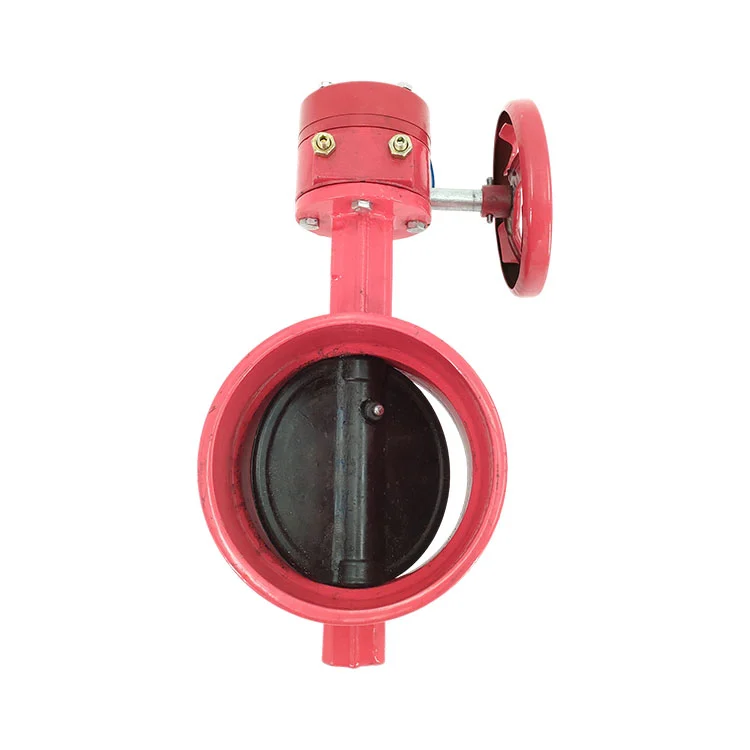
| Actuation | Lever, worm gear, electric, or pneumatic, subject to model availability |
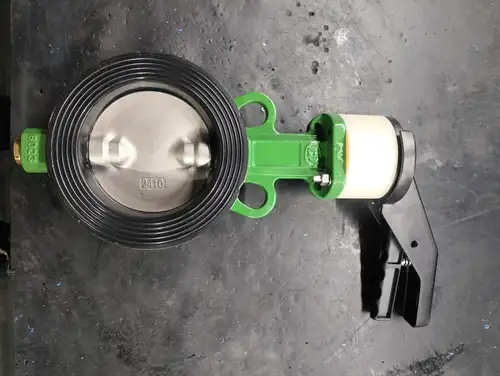
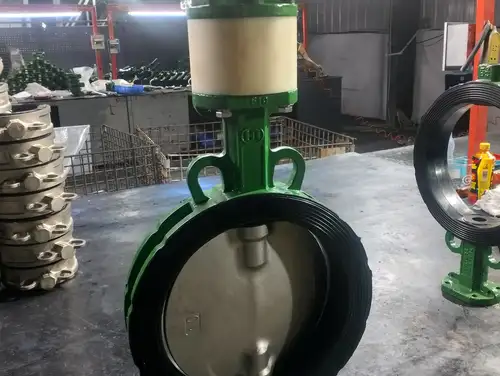
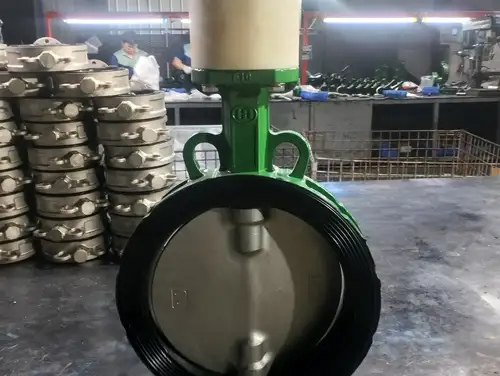
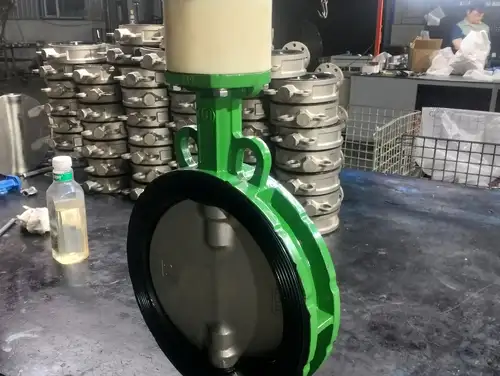
How the Anti-Condensation Structure Works
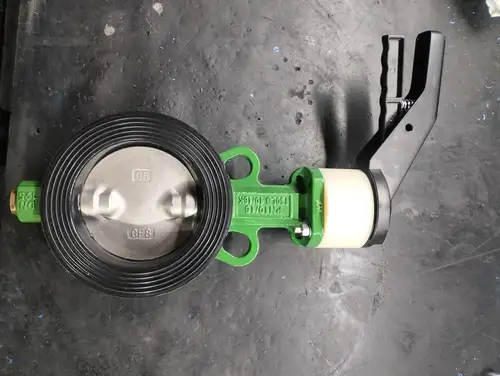
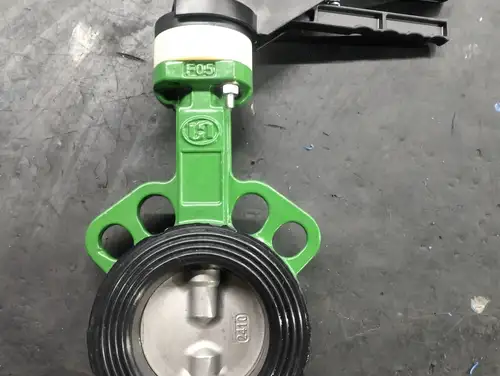
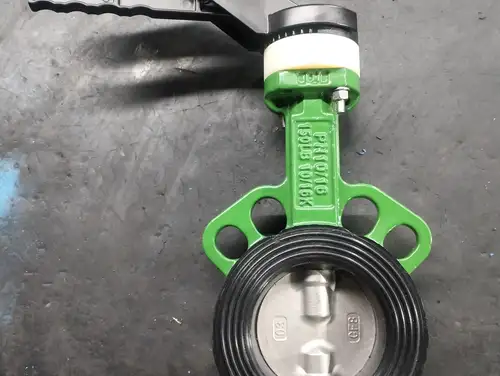
Low-temperature water cools the valve body and stem-neck area. When warm, humid air contacts a sufficiently cold surface, moisture can form and drip onto nearby equipment. An ordinary ductile iron butterfly valve may therefore need additional insulation work after installation.
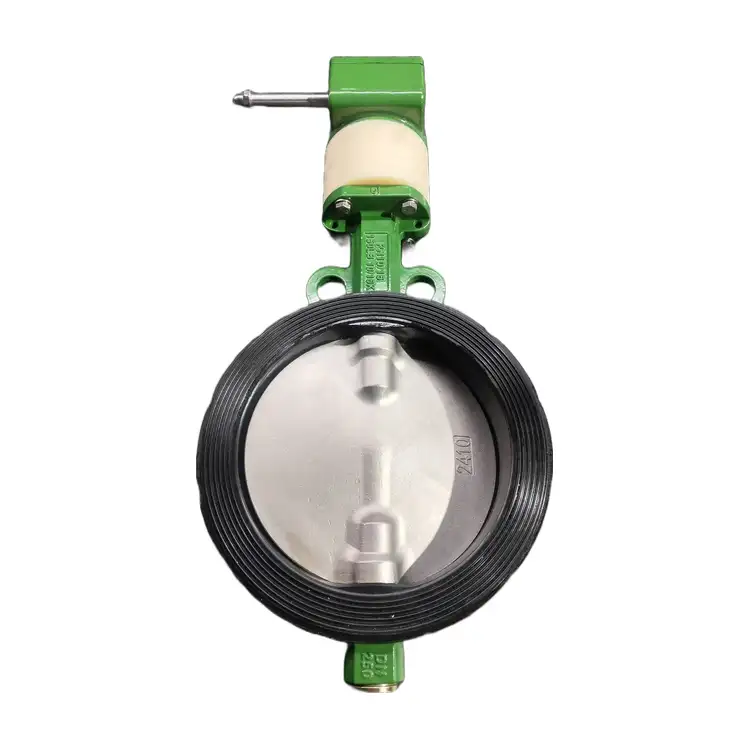
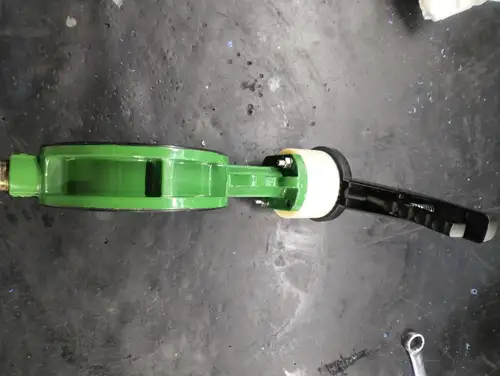
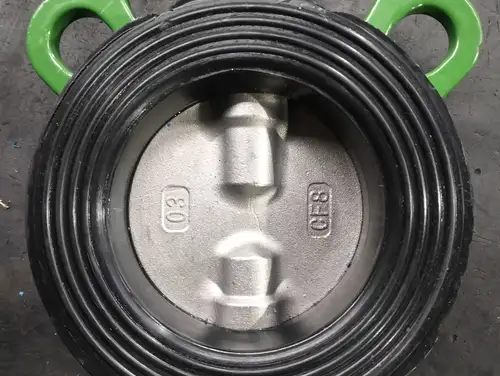
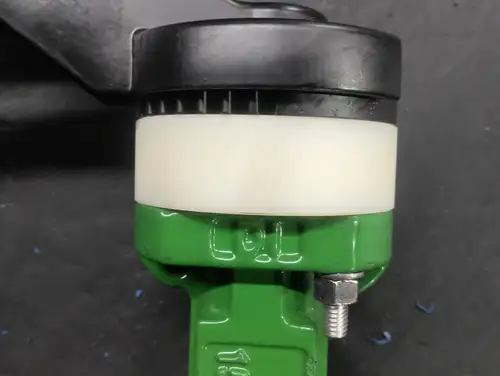
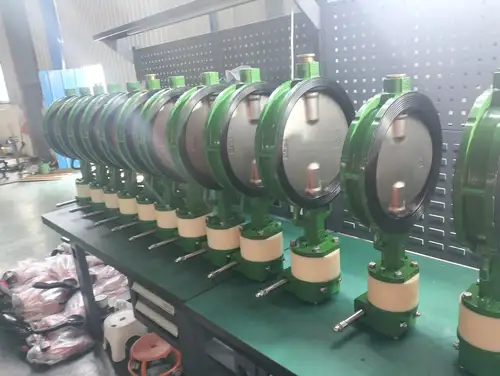
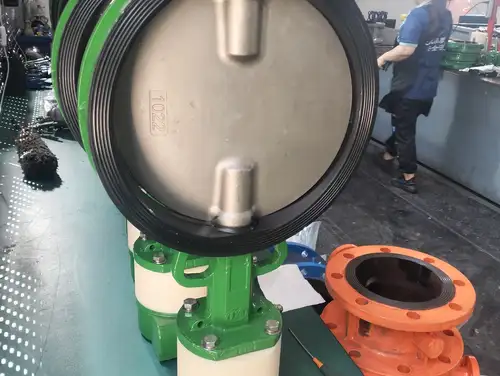
Our Ductile Iron Anti-Condensation Butterfly Valve uses a dedicated cold-insulating structure around the valve body and neck to help interrupt the cold bridge between the chilled medium and the external surface. The insulation assembly is an essential part of the product rather than an optional cosmetic cover.
Keep the Insulation Assembly Intact
The anti-condensation effect depends on the insulation components being properly fitted and kept in good condition. Removing the sleeve, compressing it during installation, or leaving gaps where pipeline insulation meets the valve can reduce performance. We recommend specifying an integrated insulation structure and checking the connection details during procurement.
Protect Nearby Equipment
Reducing external condensation can help protect suspended ceilings, cable trays, control cabinets, and other equipment around chilled-water pipelines. Actual results depend on ambient humidity, water temperature, insulation fit, and the continuity of adjacent pipeline insulation. No insulation design should be treated as a substitute for correct installation and site-condition assessment.
Materials for Chilled-Water Service
Material selection affects pressure-bearing performance, sealing, corrosion resistance, and maintenance requirements. For chilled-water systems, we recommend confirming the entire valve configuration rather than choosing by body material alone.
| Component | Recommended or Available Material | Selection Notes |
| Valve Body | QT450-10 ductile iron; other listed options include cast iron, WCB, SS304, and SS316 | QT450-10 is the recommended body material in the anti-condensation selection guide, particularly for larger piping subject to vibration or water hammer. |
| Butterfly Disc | QT450-10 ductile iron or SS304; other listed options include SS316, SS2507, and SS1.4529 | SS304 may be considered for certain circulating-water conditions with poorer water quality, subject to corrosion and media assessment. |
| Valve Stem | 410SS, SS304, SS316, SS2507, SS1.4529; the selection guide also references 2Cr13 / 416 stainless steel | Confirm the exact grade against the approved drawing and bill of materials. |
| Seat Liner | EPDM, NBR, PTFE, FKM (Viton) | EPDM is the preferred option in the supplied chilled-water selection guide. Other elastomers must be checked for compatibility. |
| Lever | Ductile iron or SS304 | Choose according to the operating environment and project requirements. |
| Fasteners | Galvanized carbon steel, SS304, SS316 | Specify the required grade based on corrosion exposure and installation conditions. |
Why EPDM Is Recommended
For typical central-air-conditioning chilled water at approximately 5–12°C, the supplied selection guide recommends an EPDM seat because of its low-temperature flexibility and suitability for water service. The guide lists an EPDM operating range of -20°C to 110°C, while the general product overview lists -10°C to 100°C. We advise confirming the rated limits of the actual assembly before final approval.
EPDM is not suitable for oil-bearing media, where swelling and seal deterioration may occur. The source material also cautions against using PTFE for the specified chilled-water configuration because of its lower elasticity and potential for low-temperature sealing problems. Do not select a seat solely because it appears in the general material list; operating temperature and medium compatibility must be checked together.
Choose the Right Connection and Actuator
The connection style and operating mechanism should match the pipeline layout, maintenance access, and control strategy. Liangfa can help review these requirements before the order is confirmed.
Wafer or Flanged Connection
- Wafer type: Compact and suitable for many equipment-room installations. The valve must be centred correctly between compatible butterfly-valve flanges, and the bolts must be tightened evenly to avoid damaging the insulation structure.
- Flanged type: May be preferred for larger pipelines, frequent removal, or installations with substantial vibration, depending on the project design and selected model.
The source material describes both wafer and flanged configurations, but the general product table lists a wafer connection. Please confirm the connection type, flange standard, face-to-face dimensions, and model code on the approved drawing before ordering.
Manual or Automated Operation
| Actuator | Typical Use | Selection Consideration |
| Lever Handle | Local manual on-off control | Useful where the valve is accessible and operating torque is manageable. |
| Worm Gear | Manual operation for larger or higher-torque valves | Provides geared operation and a self-locking function as described in the source information. |
| Electric Actuator | Remote on-off or modulating control | Confirm supply voltage, control signal, actuator torque, and environmental protection. IP65 is recommended in the source guide for humid equipment rooms. |
| Pneumatic Actuator | Automated operation where a suitable compressed-air supply is available | Check air supply, control requirements, and installation space. |
For reference, the source lists wafer-type codes including D71X-16Q for lever operation, D371X-16Q for worm gear, and D971X-16Q for electric operation. Flanged-type codes include D341X-16Q and D941X-16Q for worm gear and electric operation respectively. Confirm the final code against the required connection and actuator because the source uses different model references in different sections.
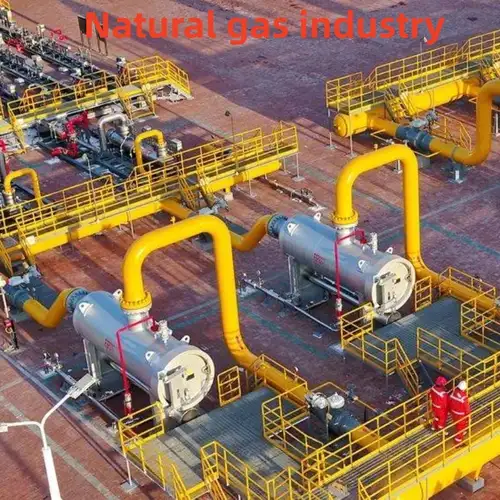
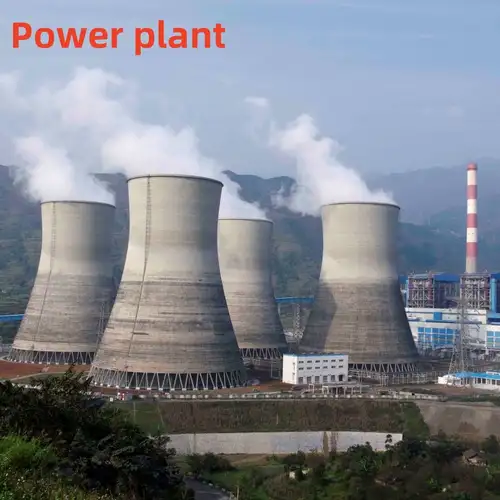
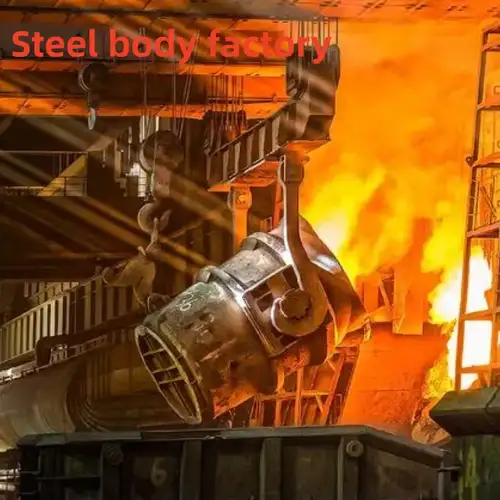
Where This Valve Is Used
Our Ductile Iron Anti-Condensation Butterfly Valve is primarily intended for water-based HVAC and cooling systems where low medium temperature and humid ambient air create a condensation risk.
Commercial Buildings and Hotels
Central-air-conditioning chilled-water circuits in basements, mechanical floors, and plant rooms can experience condensation on uninsulated valve surfaces. The anti-condensation structure helps reduce dripping risks around ceilings, decorative finishes, and nearby service equipment.
Hospitals and Data Centres
These facilities often contain electrical cabinets, control systems, and sensitive equipment close to cooling pipelines. Reducing condensation on valve surfaces is an important consideration when selecting valves for chilled-water and precision-cooling circuits. Final selection should follow the facility’s engineering and safety requirements.
Factories and Industrial Cooling
The valve can be considered for suitable clean-water circuits serving industrial chillers, factory HVAC, and equipment cooling. For low-temperature process water, retain the complete insulation structure and verify the minimum operating temperature. The source does not recommend this configuration for oil-bearing media, strongly corrosive fluids, steam, or vacuum service.
Underground and High-Humidity Plant Rooms
Basements and underground equipment rooms may have elevated humidity even when the water temperature is not extremely low. A suitable insulation assembly can help reduce surface condensation, while an appropriately protected electric actuator can support operation in humid surroundings.

When Another Valve Type May Be Better
An anti-condensation design is not necessary for every water pipeline. If the medium is close to ambient temperature and condensation is unlikely, an ordinary butterfly valve may be a more economical option. Based on the supplied selection guidance, condensation risk is often lower when water temperature exceeds approximately 20–22°C, although actual conditions depend on ambient humidity and surface temperature.
This valve configuration should not be selected without further engineering review for the following conditions:
- Steam or high-temperature service: The listed soft-seat and insulation configuration is not intended for steam. Confirm temperature limits for all components before considering other hot-water applications.
- Oil-bearing media: EPDM is incompatible with oil. The source mentions FKM for some oil-bearing duties but does not establish a universal low-temperature rating; obtain specific compatibility confirmation.
- Seawater or high-chloride media: The QT450-10 body may be vulnerable to corrosion in these conditions. A more suitable corrosion-resistant valve construction should be evaluated.
- Strongly corrosive fluids: Epoxy coating alone does not make ductile iron suitable for all acids, alkalis, or aggressive chemicals.
- Frozen medium or vacuum service: Freezing can damage the soft seat, and the source does not recommend this soft-seat valve for vacuum duties.
Installation Checks That Matter
Correct installation is essential to preserve the valve’s sealing and anti-condensation performance. Before installation, verify the model, nominal diameter, pressure class, actuator, insulation assembly, and coating condition. Remove welding slag, rust, and other debris from the pipeline so that foreign matter does not scratch the seat or obstruct the disc.
Fit the Valve Without Compressing the Insulation
- Use compatible flange faces and confirm that the valve is correctly centred.
- Tighten bolts evenly in a diagonal sequence rather than fully tightening one side first.
- Check that the disc can travel through its full stroke without contacting the pipe wall.
- Keep the insulation assembly intact and join adjacent pipeline insulation without leaving cold-bridge gaps.
- Support the pipeline independently; do not use the valve or insulation sleeve as a structural support.
- Where possible, arrange the valve stem horizontally. The source advises against a downward-pointing stem to reduce the risk of condensate entering the actuator.
Test Before Putting the System into Service
Before pressurisation, cycle the valve from fully open to fully closed and back to check for smooth movement. For electric versions, verify wiring, grounding, limit settings, and actuator protection. The source recommends a hydrostatic shell test at 1.5 times nominal pressure and a seat test at 1.1 times nominal pressure; the test procedure must be checked against the applicable standard and project requirements. Do not carry out a system pressure test with the valve fully closed unless the approved testing procedure explicitly permits that condition.
Routine Inspection
Inspect the insulation sleeve, flange joints, stem area, and actuator for moisture, damage, or leakage. If droplets appear on the outer surface, check for displaced insulation, damaged sleeves, or gaps at the pipeline insulation joint. Under depressurised conditions, inspect the seat for ageing, scratches, or deformation when maintenance is required. Never remove the insulation assembly while the pipeline is pressurised.
Manufacturing and Project Support
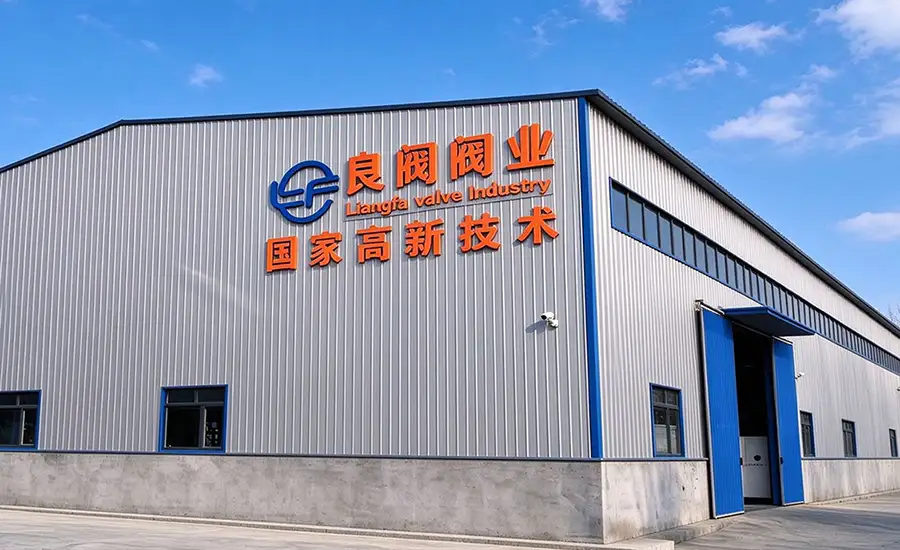
At Liangfa, we support customers through product selection, configuration review, manufacturing coordination, inspection, and export preparation. Our supplied company information identifies Liangfa as a high-tech enterprise. This is company-level status and should not be interpreted as a product certification.
We can provide technical parameters, drawings, material selection assistance, and quotation support according to the project requirements. Before production, we recommend confirming the working medium, temperature range, nominal diameter, pressure class, connection type, actuator, and required inspection documents. Factory inspection reports and material documents can be discussed according to the order and agreed scope.
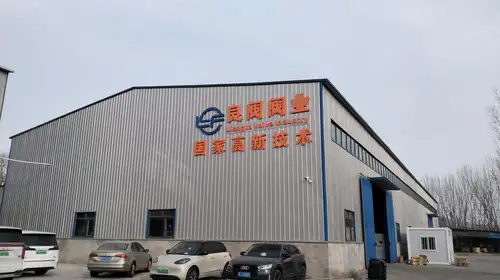
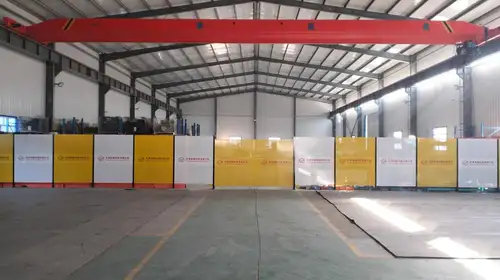
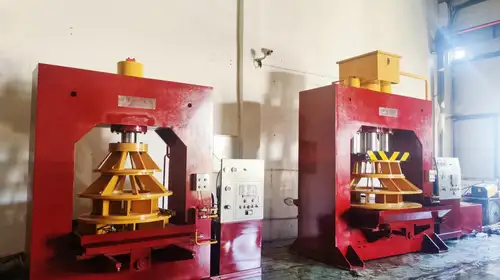
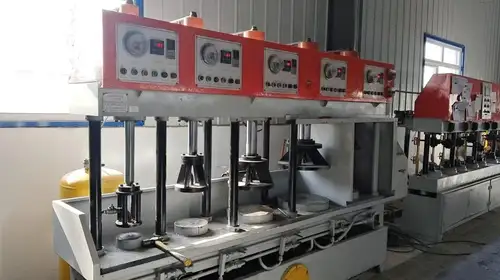
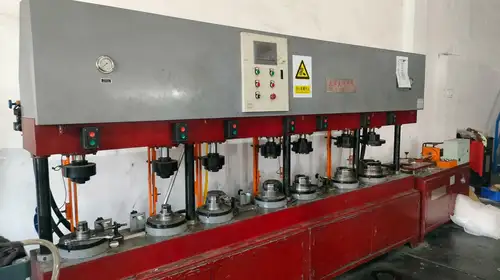
Factory and Production
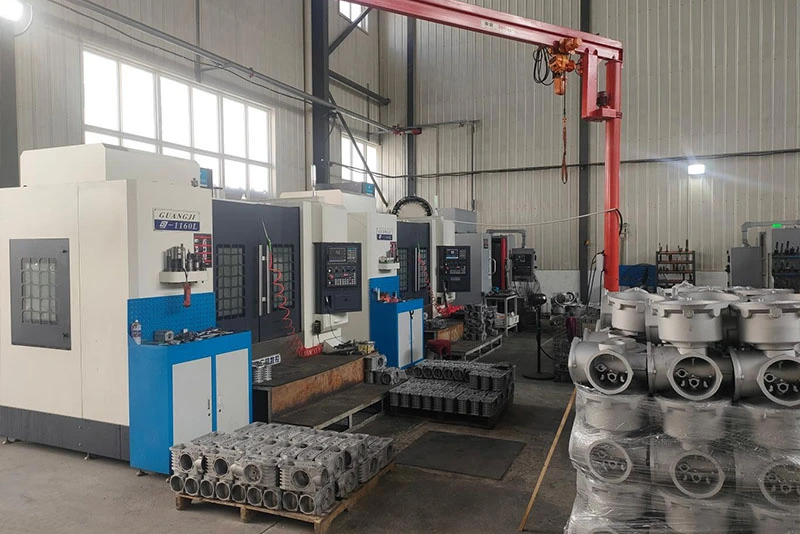
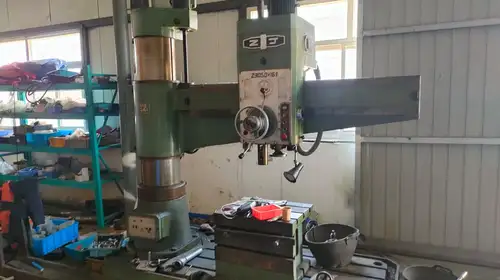
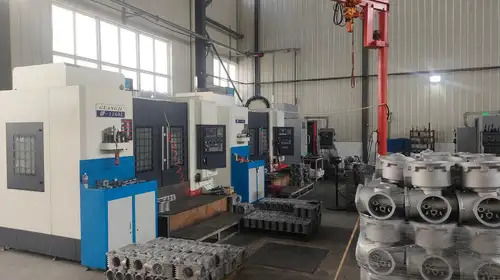
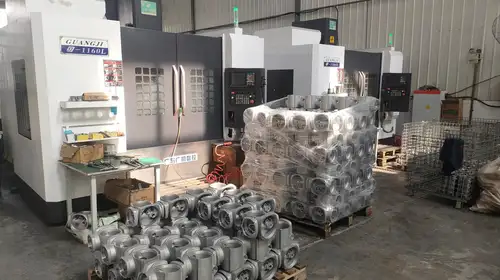
Our production and quality-control arrangements support casting, machining, coating, assembly, and preparation for delivery. The final inspection scope and documentation should be agreed before the order is placed.
Packaging and Shipment
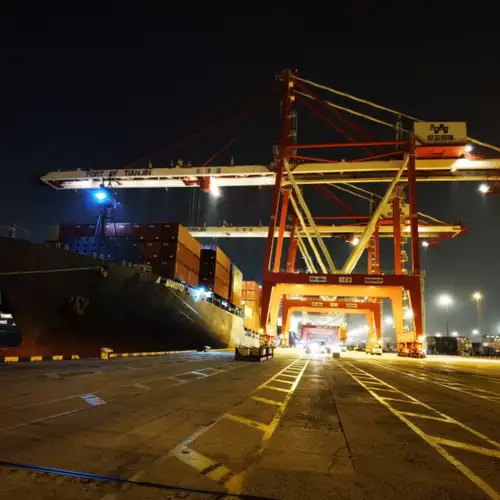
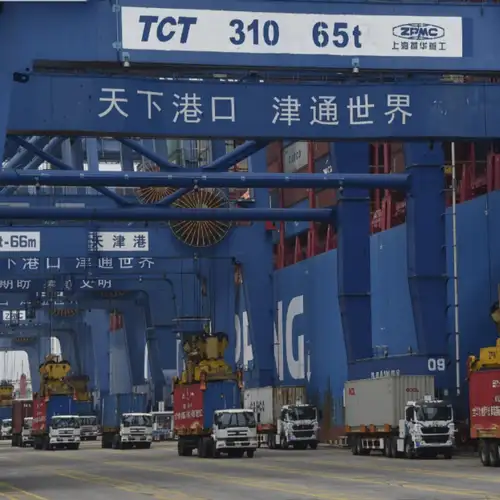
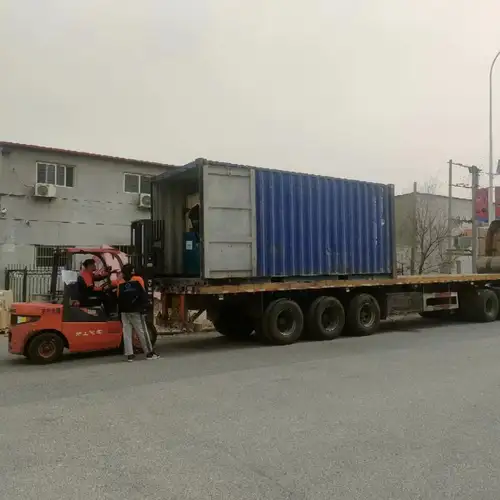
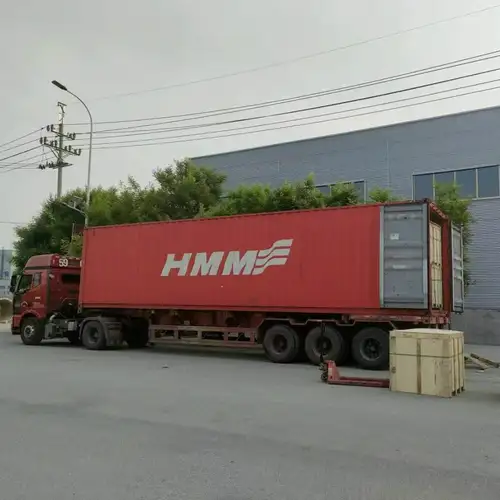
We provide export packing and support sea freight and land transport. Packaging requirements, shipment schedules, and export documents can be coordinated according to the destination and purchase contract.
Frequently Asked Questions
Does the valve need additional insulation after installation?
The product is designed with a dedicated cold-insulation structure. Additional pipeline insulation may still be needed, but it should join the valve insulation without gaps or compression. Do not remove the supplied insulation components. Actual condensation performance depends on the site’s humidity, water temperature, and installation quality.
Can I use this valve for 5°C chilled water?
The supplied selection guide identifies 5–12°C central-air-conditioning chilled water as a recommended application and specifies EPDM as the preferred seat. For lower-temperature duties, confirm the complete valve assembly’s approved temperature range and ensure that the medium will not freeze.
How do I choose between DN150 and a smaller size?
Match the nominal diameter to the pipeline design and required flow conditions. The source guide highlights ductile iron for DN150 and larger applications where water hammer and vibration resistance are important. It also advises against selecting a reduced-size valve simply to fit a pipeline. Confirm the final diameter and pressure drop requirements with the project engineer.
Can this product be supplied with an electric actuator?
Electric actuation is listed as an available option. Before ordering, specify the power supply, on-off or modulating control, required signal such as 0–10 V or 4–20 mA where applicable, actuator torque, and environmental protection. For humid equipment rooms, the source guide recommends IP65 protection for electric actuators.
What information should I send for a quotation?
Please provide the nominal diameter, working pressure, medium, minimum and maximum temperature, connection type, actuator preference, quantity, and destination. For chilled-water service, also confirm whether the complete anti-condensation insulation structure is required and identify any project-specific drawing or inspection-document requirements.
Can the valve be used with oil, seawater, or strong chemicals?
Not as a universal solution. EPDM is unsuitable for oil-bearing media, while seawater, high-chloride fluids, and strongly corrosive chemicals may require a different body and sealing configuration. Send us the medium composition and operating conditions so we can assess whether another valve construction is more appropriate.
Do you supply spare parts and after-sales support?
We can supply spare parts such as valve seats, handles, and discs, subject to the model and availability. The source service information lists remote installation guidance, a response to quality feedback within 24 working hours, and a 12-month warranty from shipment. Confirm the applicable response commitment and warranty terms in the purchase contract.
Request a Configuration Review
If you are sourcing a Ductile Iron Anti-Condensation Butterfly Valve for a chilled-water project, send Liangfa your pipeline specifications and operating conditions. We can help review the size, pressure class, insulation structure, seat material, connection, and actuator requirements before quotation, reducing the risk of ordering a configuration that does not match the site conditions.
Send Inquiry
Contact Info
-
Address
No. 2 Taikang Road, Xiditou Town, Beichen District, Tianjin City, China
-
Tel
-
Email
If you have any inquiry about a quotation or cooperation, please feel free to email or use the following inquiry form. Our sales representative will contact you within 24 hours.
Related Products
News Recommendations