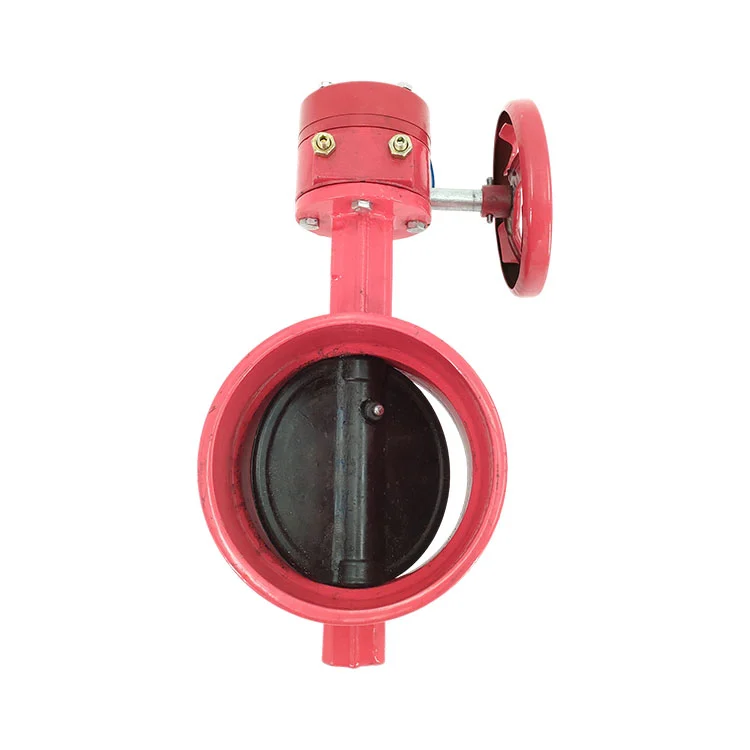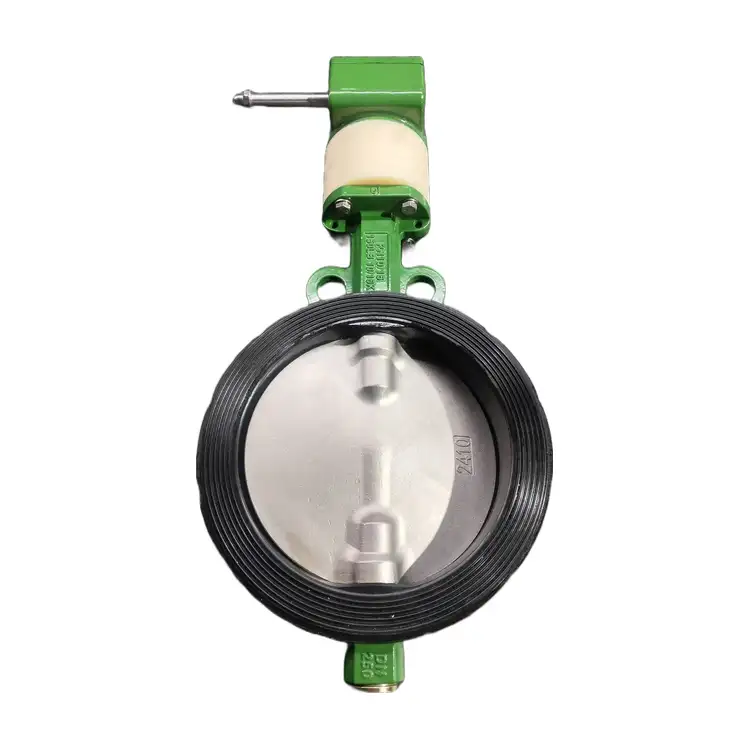
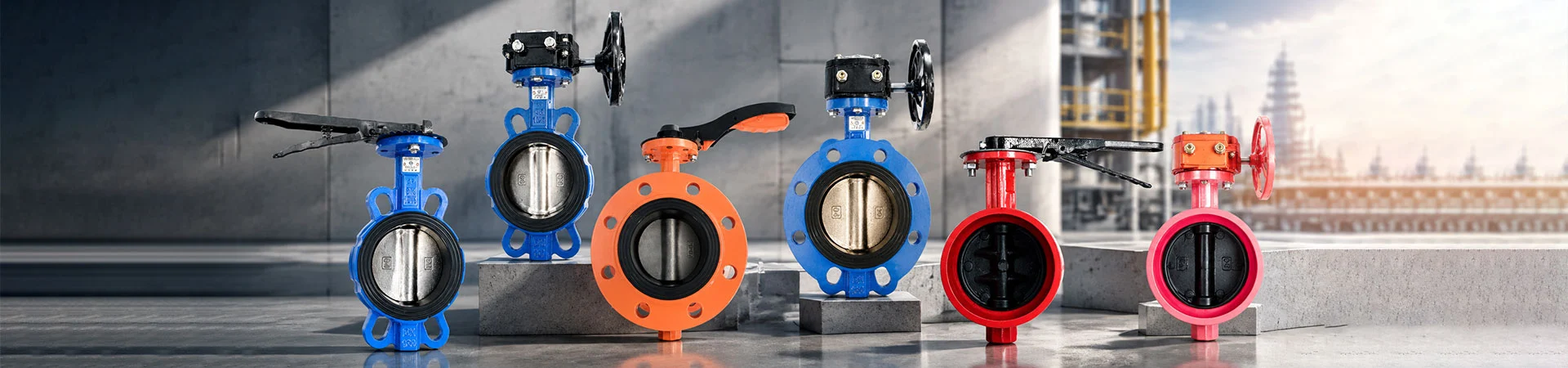
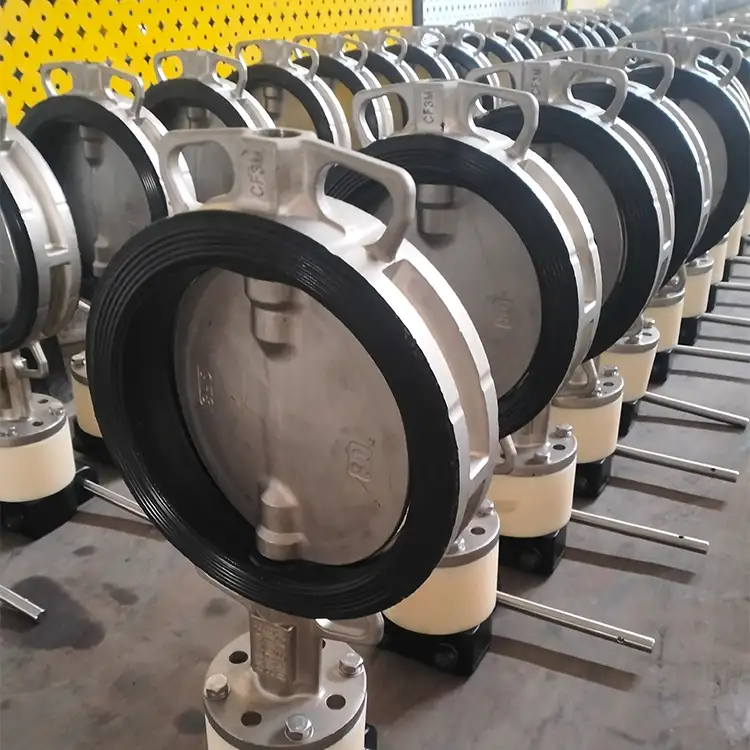
Stainless Steel Anti-Condensation Butterfly Valve
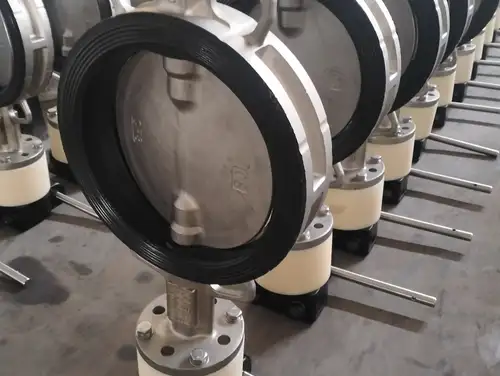
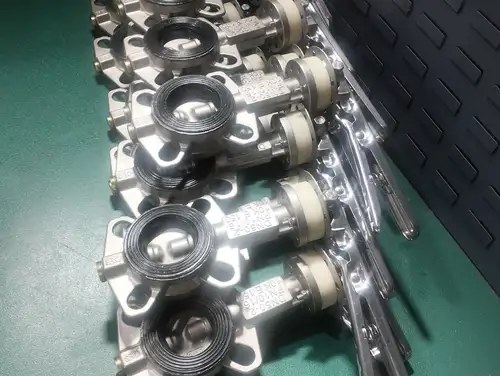
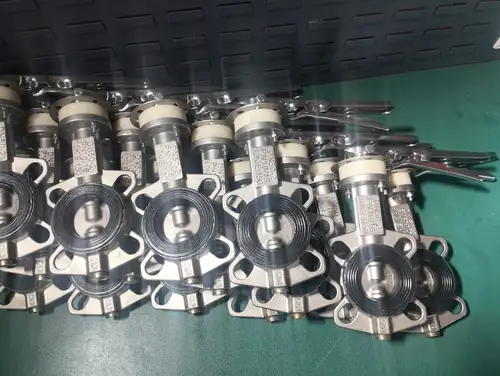
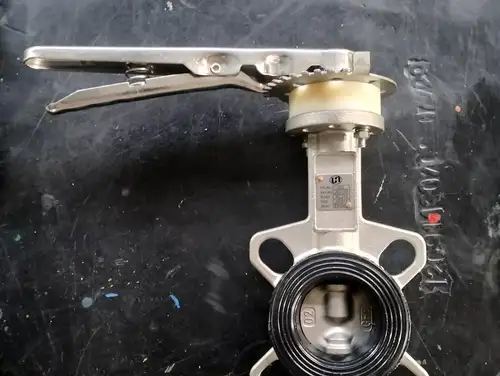
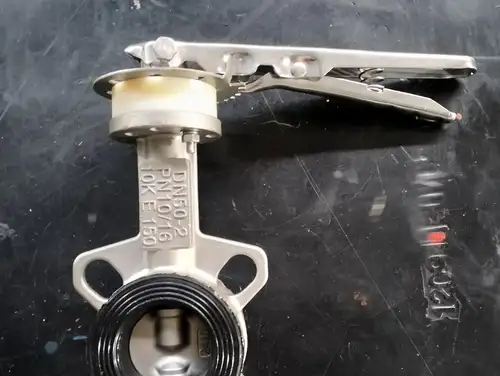
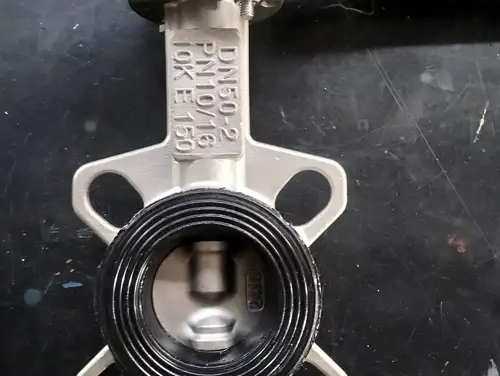
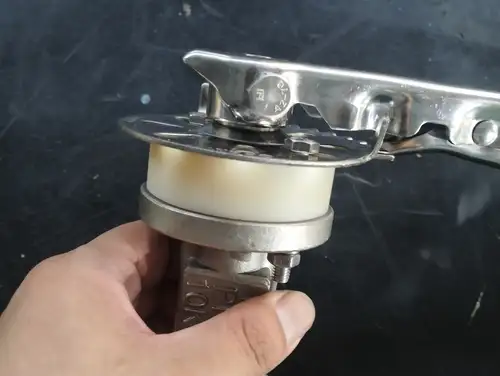
Liangfa’s Stainless Steel Anti-Condensation Butterfly Valve is designed for chilled-water and cooling-water systems where condensation can affect nearby equipment. Featuring an ADC12 aluminium-alloy body with a thermal-insulation structure and 304/316L stainless steel internal components, it helps reduce condensation on the valve body while providing reliable flow control.
At Liangfa, we supply anti-condensation butterfly valves for chilled-water and cooling-water pipelines where surface moisture can damage nearby equipment or increase maintenance work. Our Stainless Steel Anti-Condensation Butterfly Valve combines stainless steel internal components with a low-thermal-conductivity ADC12 aluminium-alloy body to help reduce condensation on the valve body in cold, humid environments.
Model: D71X-10/16L
Nominal size: DN40–DN1200 (please confirm available sizes for the required configuration)
Connection: Wafer type
Pressure classes: PN10, PN16; other listed rating options require confirmation
Temperature: Depends on seat material and the final approved configuration
Body structure: ADC12 aluminium alloy with thermal-insulation design
Internal components: 304 or 316L stainless steel options
How the Valve Helps Control Condensation
In chilled-water systems, a cold valve surface exposed to warm, humid air can collect condensation. Dripping water may affect nearby instruments, electrical connections, insulation, and equipment-room floors. The dedicated thermal-insulation structure of our Stainless Steel Anti-Condensation Butterfly Valve uses a low-thermal-conductivity body to limit the transfer of cold energy to the external surface.
The design is particularly relevant to central air-conditioning systems and high-humidity equipment rooms, where chilled water commonly operates at around 5–12°C. Actual condensation performance depends on ambient humidity, installation conditions, and the insulation of adjacent pipework. The valve body is designed for anti-condensation service, but pipeline flanges and connecting sections still require appropriate external insulation.
Material Choices for Different Water Conditions
Material selection should be based on the water chemistry, operating temperature, pressure, and required service life. The stainless steel internal components help resist rust and scale in suitable water systems, while the aluminium-alloy body has specific corrosion limitations that must be considered during selection.
| Component | Available Material Options | Selection Considerations |
|---|---|---|
| Body | ADC12 aluminium alloy for the anti-condensation configuration; other body materials listed in the wider product range include cast iron, ductile iron, WCB, SS304 and SS316 | Confirm the actual body material for the selected model. The anti-condensation configuration described here uses ADC12 aluminium alloy. |
| Disc | Ductile iron, SS304, SS316, SS2507, SS1.4529 | SS304 is a common choice for ordinary chilled and cooling water. SS316L is recommended in the source selection guidance for certain water conditions with elevated chloride content, but it does not eliminate the corrosion limitations of the aluminium-alloy body. |
| Stem | 410SS, SS304, SS316, SS2507, SS1.4529 | Select according to water chemistry, corrosion exposure, and compatibility with the valve configuration. |
| Seat liner | EPDM, NBR, PTFE, FKM (Viton) | EPDM is generally preferred for chilled water. NBR may be suitable for oil-bearing water within its approved temperature range. Confirm compatibility before ordering. |
| Lever | Ductile iron, SS304 | Choose according to the operating environment and maintenance requirements. |
| Fasteners | Galvanized carbon steel, SS304, SS316 | Consider environmental corrosion exposure and the required connection specification. |
Choose the Right Seat Material
| Seat Material | Typical Service | Source-Stated Temperature Range |
|---|---|---|
| EPDM | Chilled water, cooling water, and clean water | -20°C to 110°C |
| NBR | Oil-containing cooling water and selected oily media | -10°C to 80°C |
| PTFE / FKM | Available options requiring media-specific compatibility review | Confirm with Liangfa for the selected configuration |
The temperature limits above are taken from the source selection information and may differ from the general product overview of -10°C to 100°C. We recommend confirming the permitted operating range for the complete valve assembly, including the seat, before finalizing the specification. Strong solvents, concentrated acids or alkalis, and other highly corrosive media are not recommended for this configuration.
Operating Limits You Should Check First
The anti-condensation design is intended for suitable low-temperature water applications, not every fluid-handling system. Our Stainless Steel Anti-Condensation Butterfly Valve has an ADC12 aluminium-alloy body, so selecting stainless steel for the disc and stem does not make the entire valve suitable for seawater or highly corrosive service.
- Chilled water at 5–12°C: A typical application, generally using a 304 stainless steel disc and EPDM seat, subject to final operating conditions.
- Ordinary circulating cooling water: Suitable for evaluation where water chemistry is compatible and sediment is controlled.
- Water containing trace oil: Consider an NBR seat instead of EPDM, after confirming media compatibility and temperature.
- High-chloride water: Exercise caution. A 316L disc may improve internal-component corrosion resistance, but the ADC12 body remains a limitation.
- Seawater and heavy salt-spray exposure: Not recommended because the aluminium-alloy body is vulnerable to corrosion.
- Strong acids, strong alkalis, and aggressive solvents: Not recommended. Consider a suitable all-stainless-steel valve with separately designed external insulation.
- Freezing conditions, steam, and sustained high-temperature service: Not suitable for the intended service. Prevent the medium from freezing and stay within the confirmed seat-temperature limits.
- High-vacuum service: Not recommended without specific engineering confirmation.
Where high chloride content or corrosive chemicals rule out an aluminium-alloy body, an all-stainless-steel valve with an engineered external insulation system may be a better option. We can help review the operating conditions before a model is selected.
Actuation and Pipeline Integration
We offer several operating arrangements so the valve can match the control method and maintenance practices of the installation. The appropriate actuator depends on valve size, required operating torque, control signals, and whether the valve is used for isolation or flow adjustment.
| Actuation Type | Source-Stated Model | Typical Use |
|---|---|---|
| Lever handle | D71X; source guide lists DN40–DN125 | Local manual on-off operation. |
| Worm gear | D371X; source guide lists DN40–DN300 | Manual operation with a self-locking mechanism; can support intermediate-position adjustment where appropriate. |
| Pneumatic actuator | D671X | Remote operation or modulation where a suitable compressed-air supply is available. |
| Electric actuator | D971X | On-off control or modulating control, including 4–20 mA options where specified. |
The source guide gives a nominal-size range of DN40–DN300 for its selection details, while the product overview lists DN40–DN1200. Please confirm the actual size range, pressure class, actuator combination, and flange compatibility for the exact order. The stated wafer connection is intended to fit compatible pipeline flange arrangements; the applicable standard and dimensions should be verified against the project drawings.
Where This Valve Fits Best
Central Air Conditioning and HVAC
Chilled-water supply and return lines, chiller connections, air-handling units, fan-coil branches, and equipment-room manifolds are typical application points. In humid plant rooms, reducing condensation on the valve body can help protect nearby equipment. External insulation is still required at flange joints and adjoining pipe sections.
Data-Centre Cooling Systems
Precision air-conditioning and water-cooled equipment circuits can be sensitive to dripping water. The valve's anti-condensation body structure is intended to help reduce moisture-related risks around local control equipment, while actuator enclosures and electrical connections still need appropriate environmental protection.
Industrial Cooling and Low-Temperature Water
Industrial chillers, process-cooling circuits, and low-temperature clean-water pipelines may benefit where the medium and water chemistry are compatible with the body, disc, and seat materials. For water containing sediment, upstream filtration and regular system cleaning can help reduce seat damage and operating problems.
Pharmaceutical and Clean Manufacturing Areas
Chilled-water and process-cooling lines in controlled production environments may require careful management of condensation and dripping. Material selection should follow the actual water quality and project hygiene requirements; the valve should not be assumed suitable for direct contact with process chemicals without compatibility review.
Commercial Buildings and Rail-Transit HVAC
Underground plant rooms, stations, hotels, hospitals, office buildings, and large public venues can have humid environments where chilled-water valves are exposed to condensation risk. Confirm access for maintenance and provide insulation at adjoining pipework during installation.
Technical Data at a Glance
| Parameter | Available Information |
|---|---|
| Product model | D71X-10/16L |
| Nominal diameter | DN40–DN1200 in overview; detailed selection guide states DN40–DN300. Confirm before ordering. |
| Connection | Wafer type |
| Pressure rating | Overview lists PN16, PN10, 150LB, 5K, 10K and 16K; detailed selection guide specifies PN10 and PN16. Confirm the applicable rating and standard. |
| General temperature range | -10°C to 100°C in the product overview; actual limit depends on the selected seat and configuration. |
| Body material | ADC12 aluminium alloy in the anti-condensation configuration described in the source. |
| Disc and stem | 304/316L stainless steel options; other materials may be available by configuration. |
| Seat options | EPDM, NBR, PTFE and FKM, subject to application compatibility. |
| Coating information | The overview lists fusion-bonded epoxy coating according to ANSI/AWWA C550. Confirm the applicable coated component and specification for this aluminium-alloy-body configuration. |
| Design standard | The source selection guide references GB/T 12238; confirm the applicable standard for the ordered configuration. |
Manufacturing, Inspection and Delivery
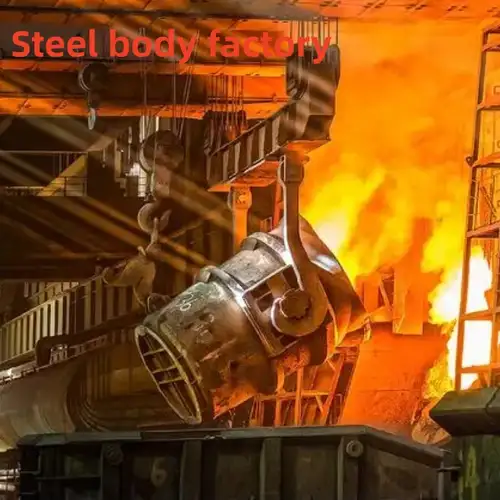
At Liangfa, we provide technical consultation and model-selection support based on nominal diameter, pressure, medium, temperature, water chemistry, and actuator requirements. Before production, we can review the required drawings and material configuration to help ensure that the selected valve matches the project conditions.
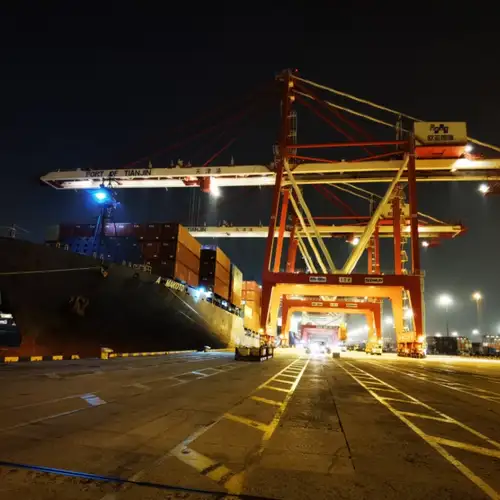
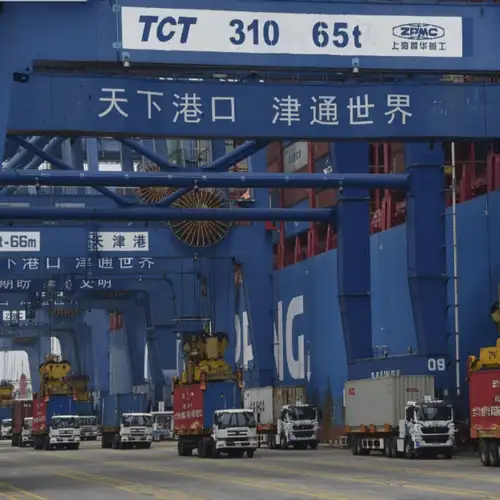
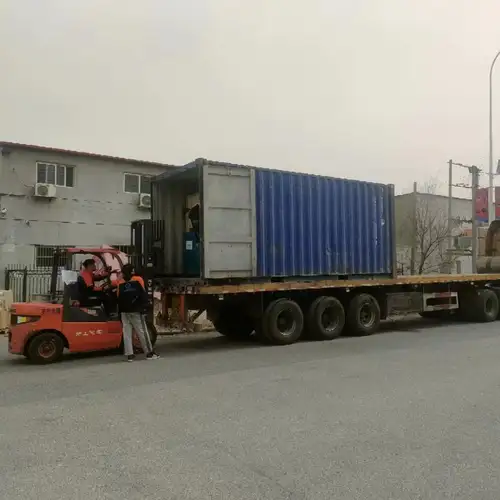
Our service information includes factory inspection before shipment, inspection reports and material documents where applicable, production-progress updates, and export documentation such as commercial invoices, packing lists, and bills of lading. We support sea and land transportation, as well as spare-parts supply and remote installation guidance.
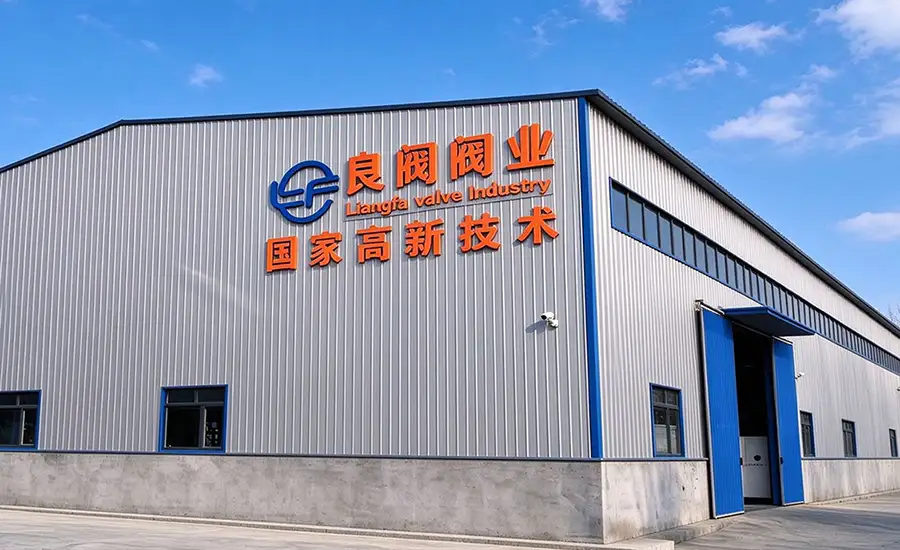
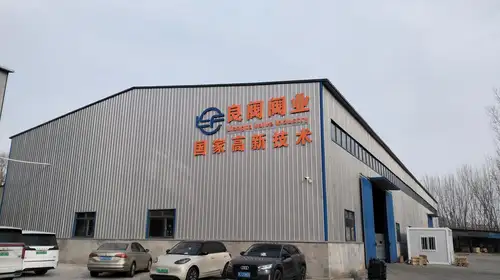
Liangfa holds high-tech enterprise status. This is a company-level credential and should not be interpreted as a product certification. For project-specific compliance, please request the relevant documents for the selected valve and order.
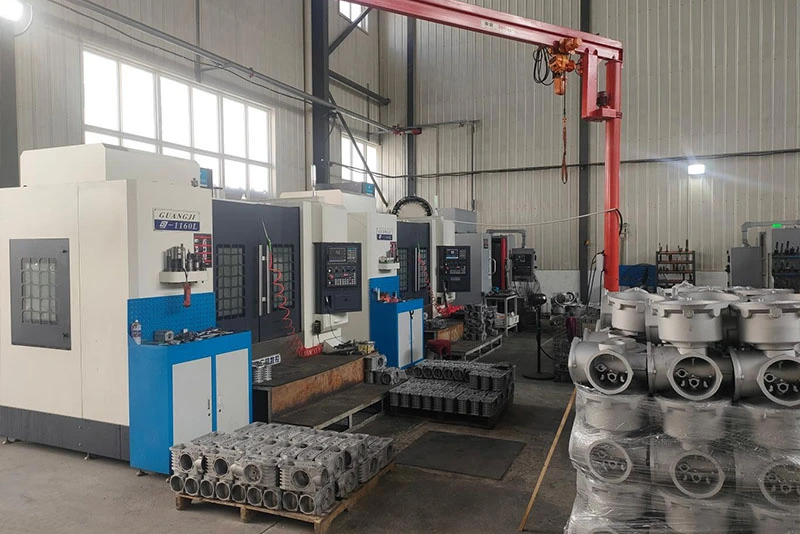
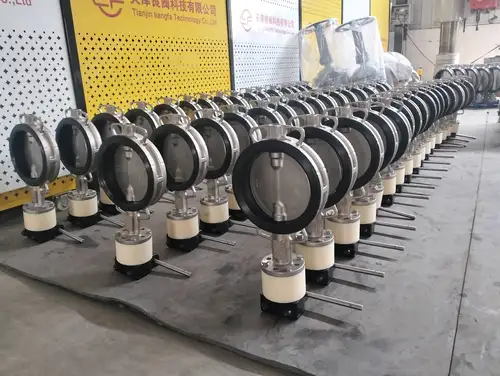
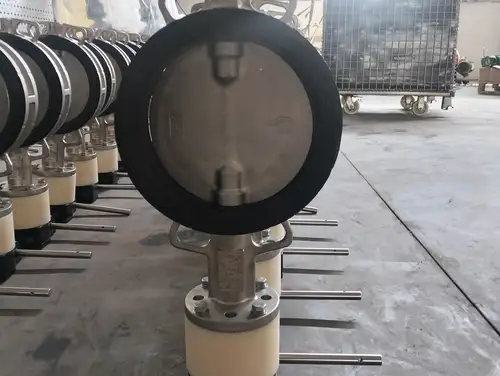
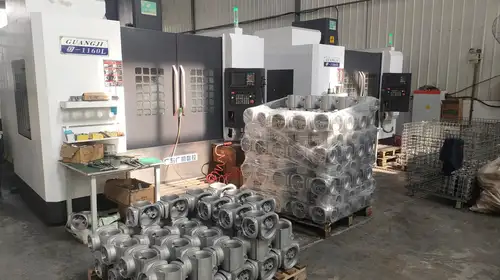
Factory Tour
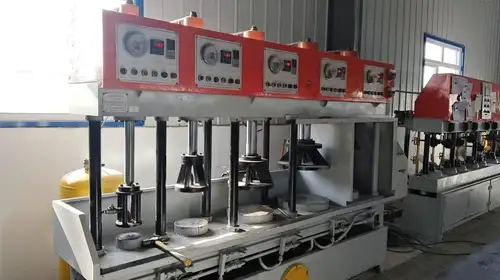
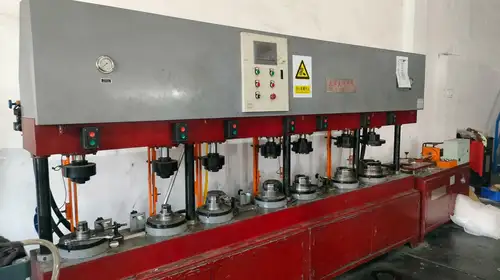
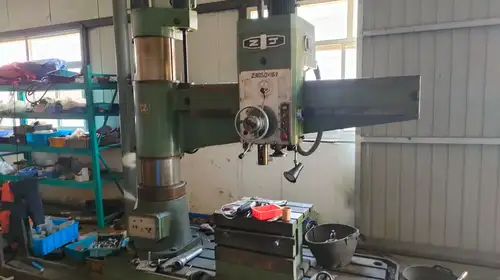
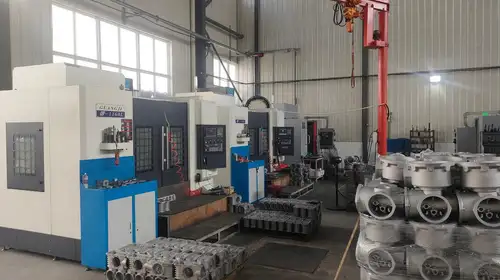
Packaging and Shipping
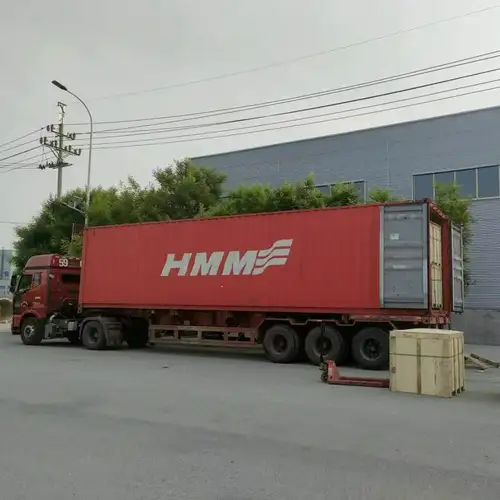
We provide export packing and support sea freight and land transportation. Packaging and shipping arrangements can be coordinated according to the order quantity, destination, and project requirements. Please confirm the delivery schedule and required export documents with our sales team before placing an order.
Installation and Maintenance Notes
Before Installation
- Check the model, nominal diameter, pressure rating, seat material, disc material, and actuator against the approved specifications.
- Inspect the valve body, disc, and seat for visible damage before installation.
- Clean the pipeline to remove welding slag, sand, rust, and other debris that could damage the sealing surface.
- Ensure the pipework is supported independently and does not transfer excessive load or torsional stress to the valve.
During Installation
- For wafer-type installation, place the valve between correctly aligned mating flanges and follow the approved installation instructions.
- Keep the disc in the installation position specified by the manufacturer to avoid contact with flange faces.
- Tighten fasteners evenly in a diagonal sequence and follow the specified torque values.
- Do not wrap the ADC12 valve body with additional insulation unless Liangfa has approved a specific arrangement. Insulate the adjacent pipeline and flange areas as required by the system design.
- After installation, cycle the valve and verify smooth movement before commissioning.
During Operation
- Do not exceed the confirmed pressure or seat-temperature limits.
- Prevent the medium from freezing inside the valve.
- Do not disassemble the valve while the pipeline is pressurised.
- For electric and pneumatic actuators, check the power supply, control wiring, air supply, and moisture protection.
- Inspect flange insulation for damage and check for leakage, unusual noise, or restricted movement.
Routine Checks
The inspection interval should reflect the system duty and operating environment. During scheduled maintenance, check the valve seat for wear or damage, the disc and stem for corrosion or scale, the fasteners for leakage, and the actuator for normal operation. If the aluminium-alloy body shows pitting, whitening, or other signs of corrosion, reassess the water chemistry and suitability of the valve before returning it to service.
Frequently Asked Questions
Is the complete valve made of stainless steel?
No. In the anti-condensation configuration described in our source information, the body is made of ADC12 aluminium alloy, while the disc and stem can use 304 or 316L stainless steel. The product name refers to its stainless steel internal components. If your project requires an all-stainless-steel body, please tell us before requesting a quotation.
Can I use this valve for seawater or high-chloride water?
We do not recommend this configuration for seawater or sustained high-chloride service because the aluminium-alloy body is vulnerable to corrosion. Choosing a 316L disc does not remove this limitation. An appropriately selected all-stainless-steel valve with external insulation may be a more suitable alternative.
Will the valve prevent condensation on nearby pipe flanges?
The anti-condensation structure is intended to reduce condensation on the valve body. Mating flanges and adjacent pipeline sections are not covered by this function and may still collect moisture. These areas should be insulated as part of the overall piping design.
Which seat should I choose for chilled water containing trace oil?
EPDM is generally preferred for ordinary chilled water but is not suitable for oil-containing media. NBR may be a better option for certain oil-bearing cooling-water applications within its stated temperature range. We recommend confirming the exact fluid composition and operating temperature before choosing the seat.
Can the valve be integrated into a building automation system?
Yes, an electric actuator with a suitable modulating function and 4–20 mA control signal can be specified where available. Please provide the required control mode, supply voltage, signal type, fail position, and any feedback requirements so we can confirm compatibility.
What information should I provide for a quotation?
Please share the nominal diameter, working pressure, medium composition, operating temperature, flange standard, required actuator, control method, quantity, and destination. If the water has elevated chloride content or contains oil, include those details so we can review the material and seat selection.
What after-sales support do you provide?
We provide technical consultation, installation guidance, and spare parts such as seats, handles, and discs, subject to the selected model. Our stated service policy includes responding to quality feedback within 24 working hours and a 12-month warranty from shipment, subject to the applicable sales contract.
Request a quotation from Liangfa: Send us your operating conditions, valve size, pressure rating, and control requirements. We will help review the configuration and confirm the applicable specifications before you place an order.
Send Inquiry
Contact Info
-
Address
No. 2 Taikang Road, Xiditou Town, Beichen District, Tianjin City, China
-
Tel
-
Email
If you have any inquiry about a quotation or cooperation, please feel free to email or use the following inquiry form. Our sales representative will contact you within 24 hours.
Related Products
News Recommendations