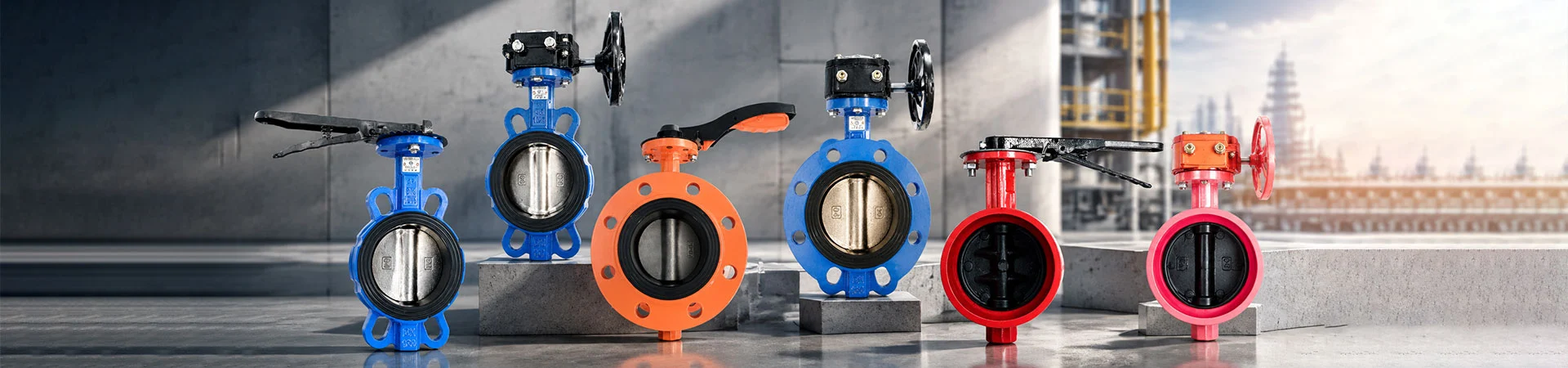
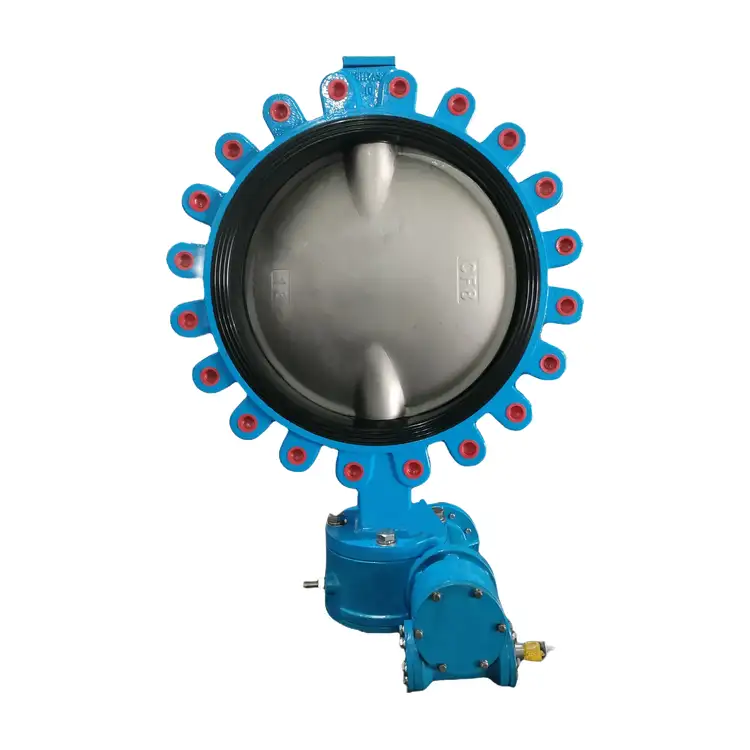
Full Lug Butterfly Valve
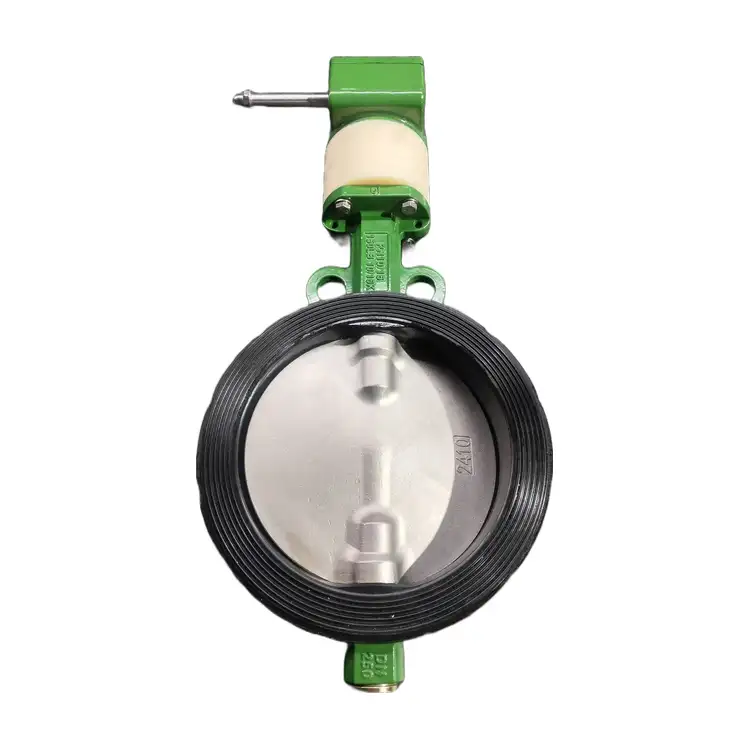
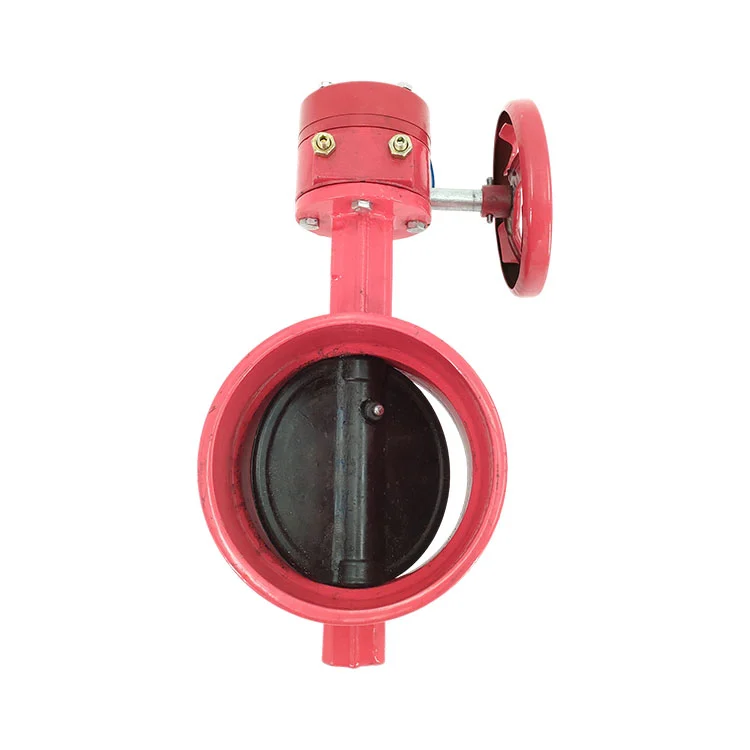
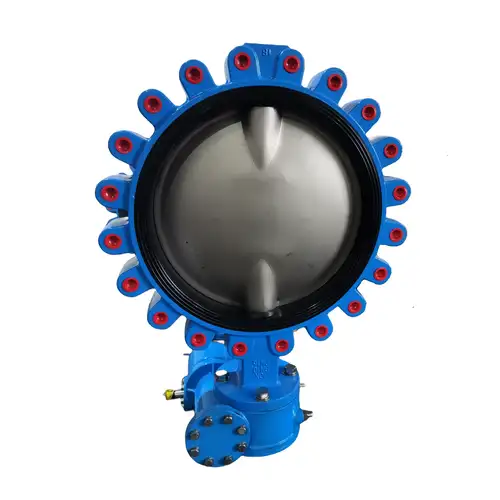
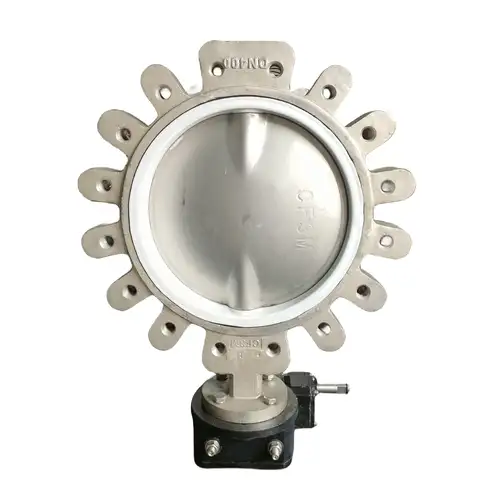
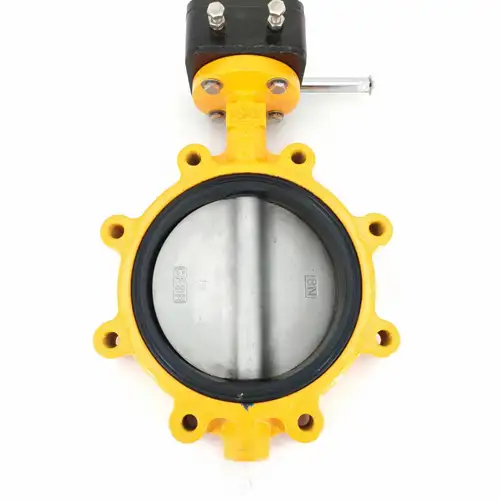
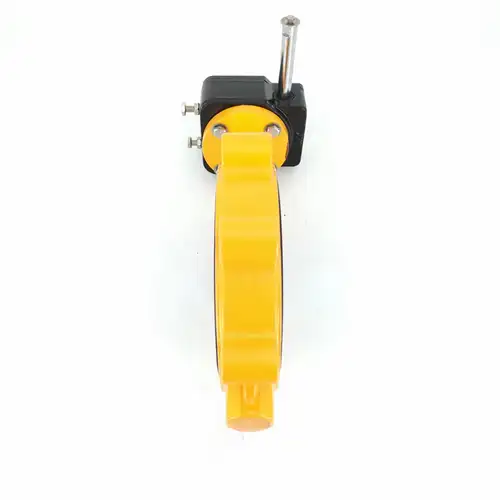
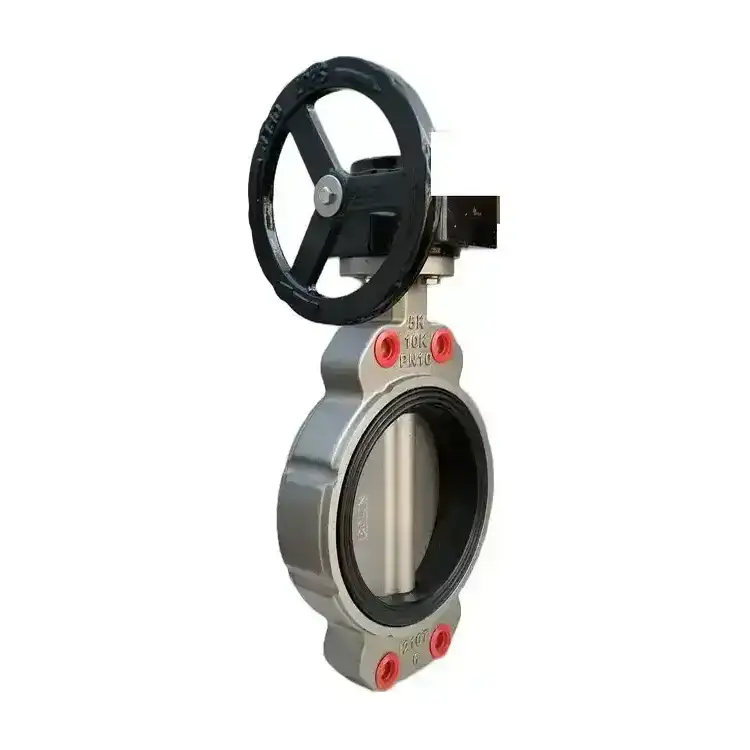
Liangfa’s Full Lug Butterfly Valve features an integrally cast lug body with internally threaded mounting holes, allowing independent bolting on each side and supporting end-of-line service when properly installed and configured. Available in DN40–DN1200 sizes, it offers multiple body, disc, stem, and seat material options to suit different media and operating conditions. Lever, worm gear, pneumatic, and electric actuation options help meet diverse control requirements.
Liangfa supplies full lug butterfly valves for pipeline isolation, pump connections, and maintenance applications where secure fastening and single-side pressure retention are important. With nominal sizes from DN40 to DN1200, multiple body and seat materials, and manual or automated operation options, our valves can be configured for water supply, HVAC, wastewater treatment, chemical processing, and selected marine services.
Designed for One-Side Pipeline Isolation
A full lug butterfly valve uses an integrally cast body with internally threaded lugs around the circumference. Short bolts fasten the valve independently to the pipeline flanges on each side, rather than passing long through-bolts through the valve body.
This construction is particularly useful where a pipeline section needs to be disconnected for maintenance. With the correct full-lug design, installation, and pressure rating, the valve can remain secured to the upstream flange when the downstream side is disconnected. This makes it suitable for selected pipe-end applications, pump connections, and sectional isolation points.
Our concentric soft-seat design supports shut-off in both flow directions. EPDM, NBR, PTFE, and FKM seat options allow the valve to be matched to different media, subject to compatibility checks. The valve is intended mainly for shut-off and limited throttling duties, rather than continuous operation at small openings.
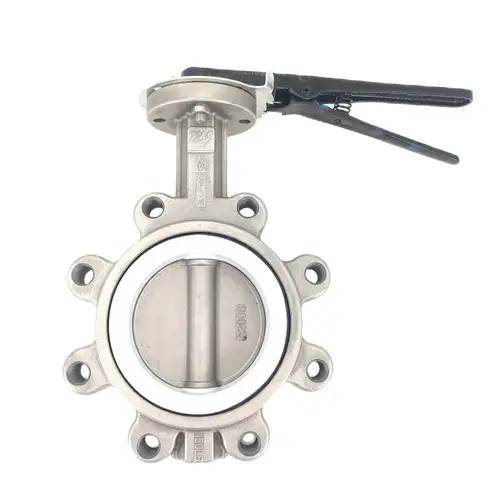
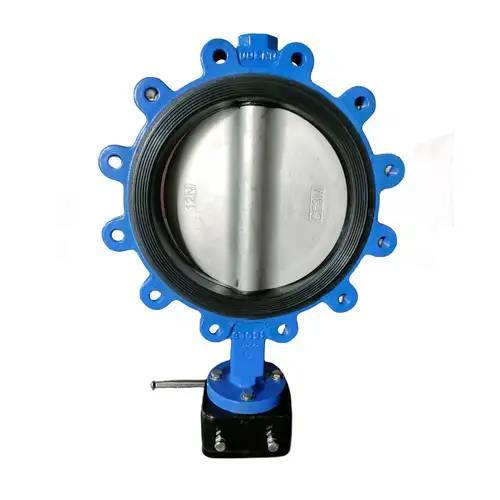
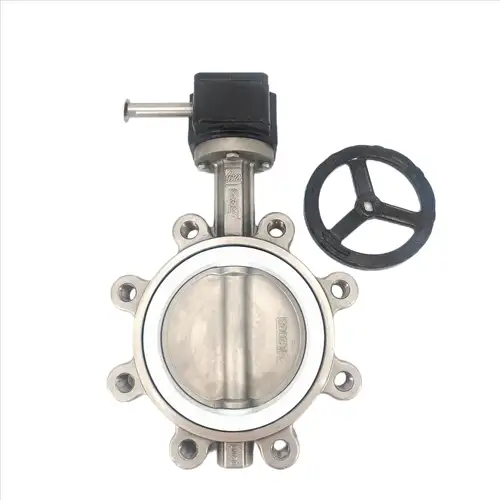
Technical Data at a Glance
| Product name | Full Lug Butterfly Valve |
| Model | LTD71X-10/16Q |
| Nominal size | DN40–DN1200 |
| Connection | Wafer-style body with threaded full-lug mounting |
| Pressure ratings | PN10, PN16, Class 150; 5K, 10K and 16K options subject to the selected specification |
| Temperature range | Product overview: -10°C to 100°C; actual limits depend on seat material and configuration |
| Seat options | EPDM, NBR, PTFE, FKM (Viton) |
| Actuation | Lever handle, worm gear, pneumatic, electric |
| Coating | Fusion-bonded epoxy coating in accordance with ANSI/AWWA C550, where specified |
| Typical applications | Water supply and drainage, HVAC, wastewater, selected chemical services, marine and pump systems |
Pressure class, flange drilling, temperature limits, and material compatibility should be confirmed against the project specification before ordering. Available standards listed in the source include GB/T 12238-2008, API 609, and MSS SP 67; confirm the required design and inspection standard for the specific order.
Choose Materials for the Actual Medium
Material selection affects corrosion resistance, sealing performance, service life, and maintenance frequency. We recommend checking the fluid composition, operating temperature, chloride concentration, pressure, and presence of suspended solids before confirming a configuration.
| Component | Available materials | Selection considerations |
|---|---|---|
| Valve body | Cast iron, ductile iron, WCB, SS304, SS316 | Ductile iron is commonly used for water and HVAC; stainless steel may be required for corrosive media. |
| Butterfly disc | Ductile iron, SS304, SS316, SS2507, SS1.4529 | Select according to fluid corrosion, chloride content, and mechanical requirements. |
| Valve stem | 410/420 stainless steel, SS304, SS316, SS2507, SS1.4529 | Choose a suitable grade for corrosion exposure and operating conditions. |
| Seat liner | EPDM, NBR, PTFE, FKM | Compatibility with the medium and temperature is essential. |
| Lever | Ductile iron, SS304 | Selected according to the valve configuration and environment. |
| Fasteners | Galvanized carbon steel, SS304, SS316 | Consider corrosion exposure and the required connection strength. |
Seat selection matters
EPDM: Commonly selected for clean water, circulating water, HVAC, and many wastewater applications. The source selection guide lists -20°C to 120°C for EPDM, but the actual operating limit must be confirmed for the selected valve. EPDM is not suitable for mineral-oil-containing media.
NBR: Suitable for many oil-bearing wastewater and low-pressure oil applications. The source lists -10°C to 80°C. NBR has limited high-temperature performance and is incompatible with strong oxidants.
PTFE: Offers broad chemical resistance and may be considered for selected weak-acid, weak-alkali, and process-fluid services. The source lists -20°C to 180°C; this is not a universal valve temperature rating. PTFE has lower elasticity than rubber seats, so flange-face quality and installation alignment require attention.
FKM (Viton): Available as a seat option. Confirm compatibility with the exact fluid and operating temperature before selection, as the source does not provide a universal service range for this material.
For seawater or high-chloride service, do not assume that ordinary cast iron or SS304 is suitable. The source recommends evaluating SS316L or 2205 duplex stainless steel for the body and appropriate corrosion-resistant trim. Actual suitability depends on chloride concentration, temperature, exposure, and the full material specification.
Match the Operating Method to the Pipeline
Valve size, operating frequency, available space, and automation requirements determine the appropriate actuator. We offer the following configurations for different pipeline duties.
| Model | Operating method | Typical selection |
|---|---|---|
| D71X | Manual lever handle | Smaller sizes where direct manual operation and sufficient handle clearance are available; source guidance lists DN40–DN200. |
| D371X | Worm gear | Larger valves requiring reduced manual effort and a self-locking gearbox; source guidance lists DN150–DN1200. |
| D671X | Pneumatic actuator | Automated on-off control, with optional solenoid valve and limit switch. |
| D971X | Electric actuator | Remote operation with on-off or modulating control options, depending on configuration. |
Large-bore valves can require substantial operating torque, so a worm gear or powered actuator is often more practical than a lever handle. For automated systems, confirm the required control signal, feedback devices, power or air supply, fail position, and operating cycle with us before placing the order.
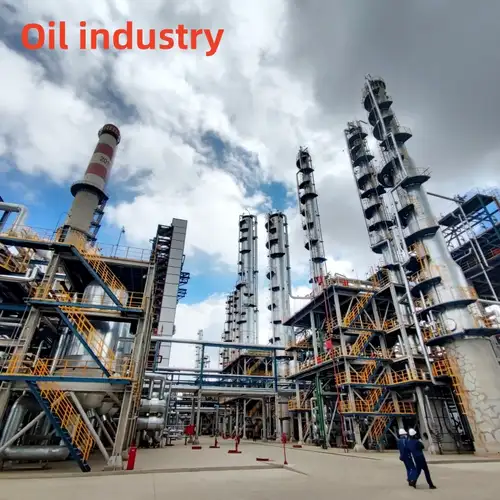
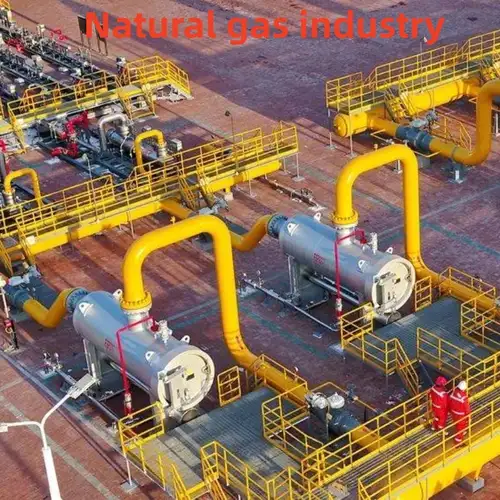
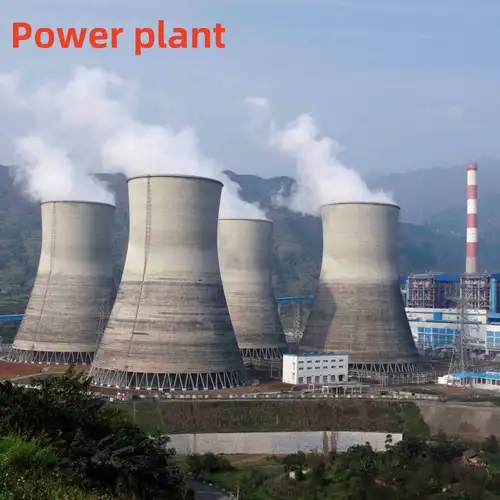
Where This Valve Fits Best
Water supply and HVAC
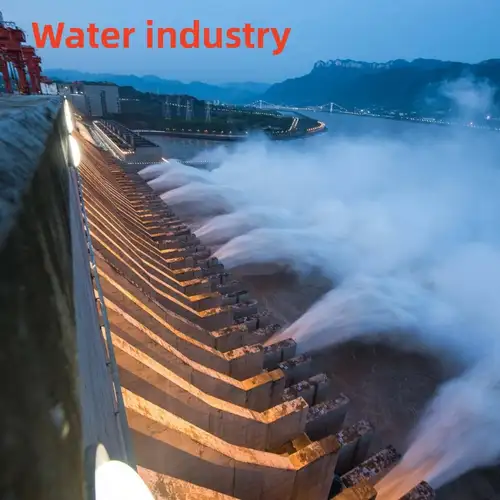
For municipal water networks, pump stations, chilled-water circuits, cooling-water systems, and heat-exchanger isolation, a common starting configuration is a ductile-iron body, SS304 disc, and EPDM seat. This combination should still be checked against the water chemistry, temperature, and project pressure requirements.
Wastewater and process water
For conventional wastewater, a ductile-iron body with a corrosion-appropriate disc and EPDM seat may be considered. More corrosive wastewater may require a stainless-steel body and trim. Where sludge or abrasive particles are abundant, a soft-seat butterfly valve may experience rapid seat wear and should be reviewed carefully.
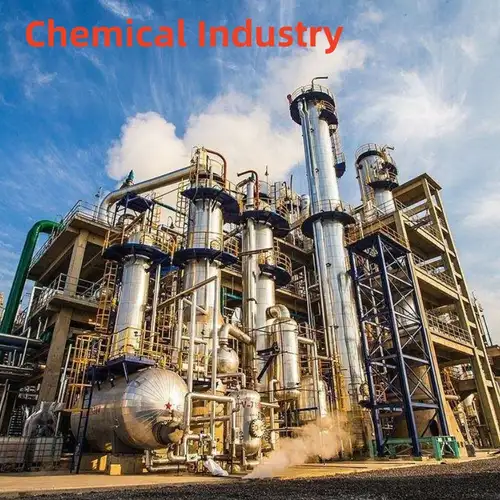
Chemical and oil-bearing services
For selected mildly corrosive fluids, stainless-steel construction and a PTFE seat may be suitable after chemical compatibility review. For some oil-bearing wastewater and low-pressure oil services, NBR may be preferred over EPDM. Strong oxidants, concentrated acids, solvents, and mixed chemical media require a specific material assessment rather than a general-purpose recommendation.
Marine and coastal pipelines
Seawater and high-chloride applications require particular attention to corrosion resistance. The source recommends considering 316L or 2205 duplex-steel body materials with compatible disc and seat options. Confirm the exact seawater composition, temperature, and external exposure before selecting materials.
Pump connections and pipe-end duty
The threaded full-lug construction is useful at pump inlets and outlets, equipment nozzles, and selected pipe-end isolation points. The lug bolts distribute connection loads, but the valve does not eliminate water hammer. Severe transient pressure or vibration may require additional pipeline supports, a check valve, or a suitable water-hammer control device.
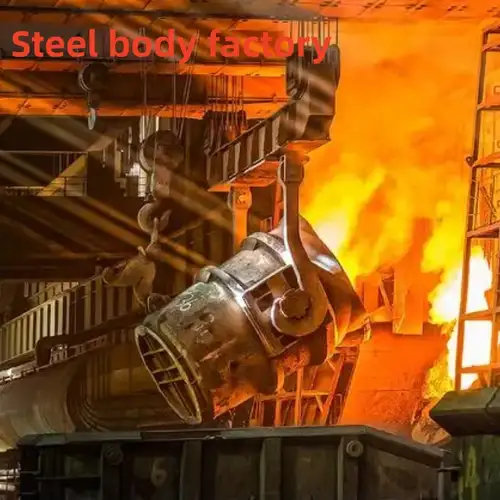
Installation Details That Prevent Leakage
Correct installation is essential to sealing performance and safe operation. Before installation, verify the valve size, pressure rating, flange compatibility, body and seat materials, and actuator. Inspect the valve and threaded lugs for damage, clean the pipeline, and ensure that flange faces are flat and aligned.
- Use the correct bolts. Fasten the valve with short bolts threaded into the lug holes. Do not pass long through-bolts through the body; this can damage or split the threaded lugs.
- Align the pipeline. Centre the valve between the flanges. Do not force the valve to correct pipe misalignment or allow it to carry unsupported pipeline weight.
- Tighten evenly. Tighten the bolts in a diagonal sequence and in multiple passes to reduce uneven seat compression and body stress.
- Check disc clearance. After installation, manually cycle the valve through its full travel where safe to do so. Confirm that the disc does not contact the pipe wall and that movement is smooth.
- Test before operation. Complete the specified shell and seat tests according to the applicable standard and project procedure. The source guide gives 1.5 times nominal pressure for shell testing and 1.1 times nominal pressure for seat testing; the governing test standard and the valve's rated limits must be confirmed for the order.
For pipe-end use, confirm that the valve is a true full-lug design with all required lugs internally threaded. The downstream flange may be absent in this arrangement, so lug threads, bolt engagement, tightening, and single-side pressure testing are safety-critical. Do not use a semi-lug or conventional wafer valve as a substitute. Never loosen or remove bolts while the pipeline is pressurized.
Maintenance for Longer Service
Periodic inspection can help identify wear or connection problems before they interrupt operation. Check flange and lug bolts for loosening, inspect the body and threads for corrosion, and look for external leakage around the joints and stem packing.
If the valve does not shut off properly, first check for debris trapped on the sealing surfaces. A worn or damaged seat may need replacement if cleaning does not resolve the problem. Stiff operation can result from pipeline stress, disc interference, or stem corrosion; investigate the cause rather than forcing the handle or handwheel.
For valves that remain in one position for long periods, follow a suitable maintenance schedule and cycle the valve when operating conditions permit. Store idle valves in a dry, ventilated area away from direct sunlight, rain, oil contamination, and excessive heat. Before any maintenance, isolate the valve, depressurize the pipeline, and drain the medium in accordance with site safety procedures.
Manufacturing and Delivery Support
Liangfa supports customers through technical consultation, configuration selection, material recommendations, drawing and parameter confirmation, and quotation preparation. Customized materials, selected pressure specifications, accessories, and packaging can be discussed according to project requirements.
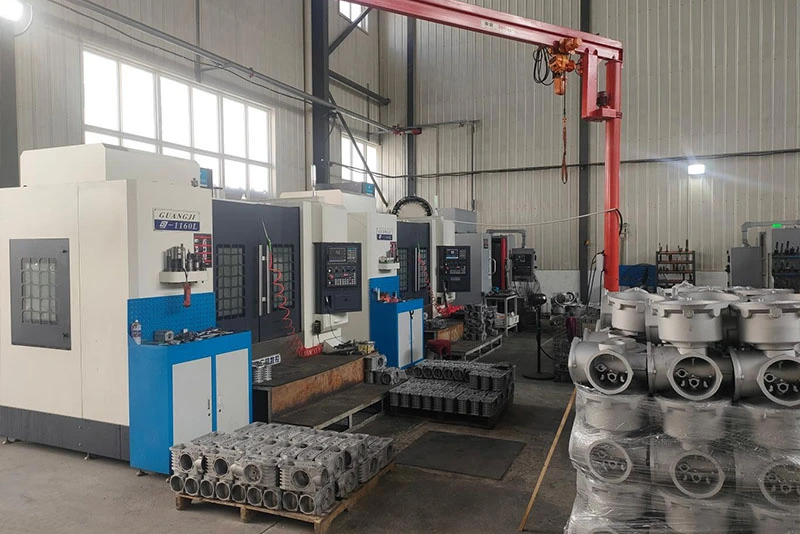
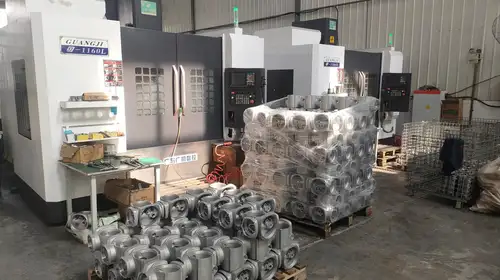
Our production process covers mold development, casting, precision machining, coating, assembly, inspection, and export packaging. We provide factory inspection support and, where applicable, inspection reports and material test documentation. Sea and land transport can be arranged, with export documents prepared for shipment.
For after-sales support, we offer spare parts such as valve seats, handles, and discs, together with remote installation guidance and maintenance advice. The source service terms state a response to quality feedback within 24 working hours and a warranty period of 12 months from shipment; confirm the applicable terms in the quotation or sales contract.
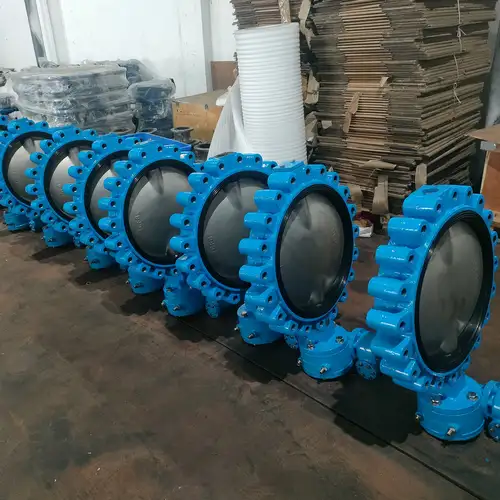
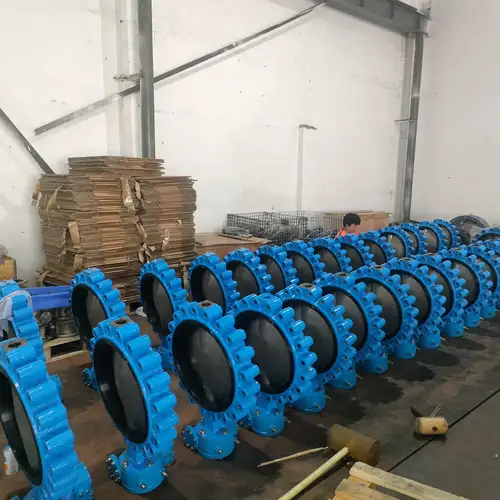
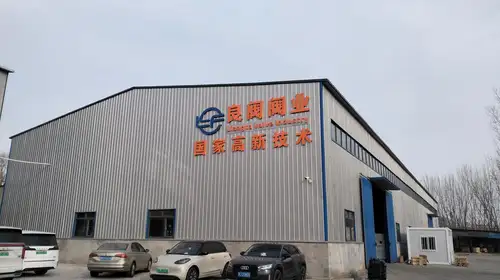
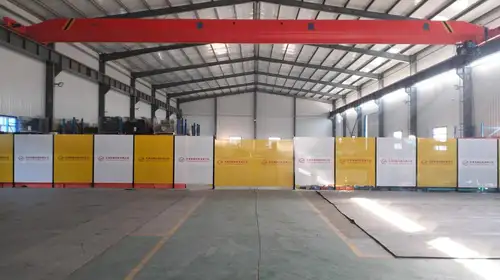
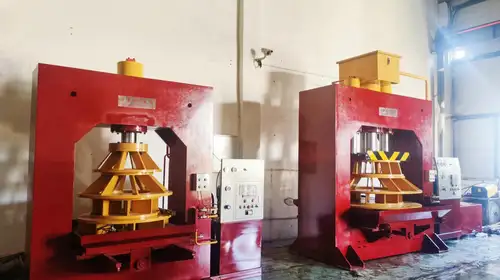
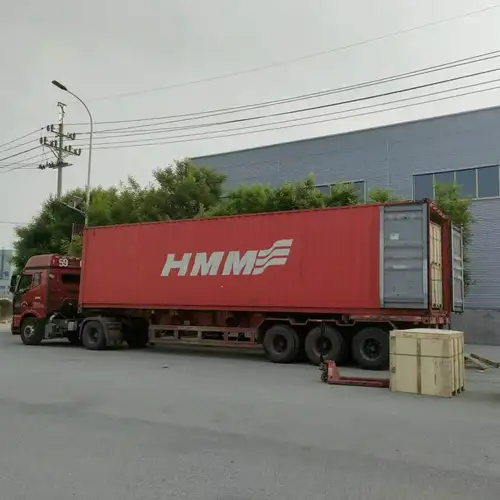
Factory and Shipment Preparation
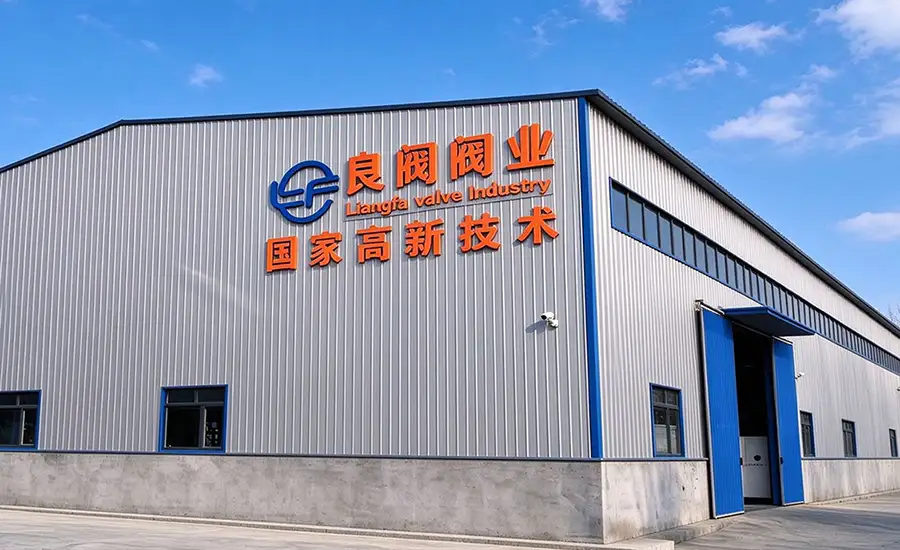
Our factory and packing process supports inspection, handling, and export preparation for industrial valve orders.
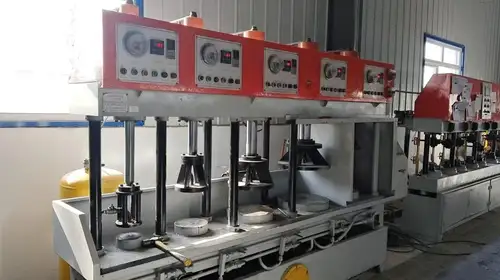
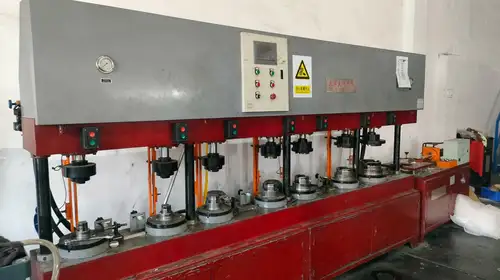
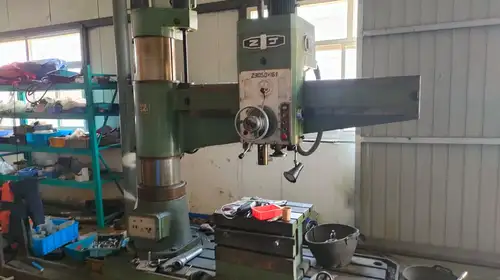
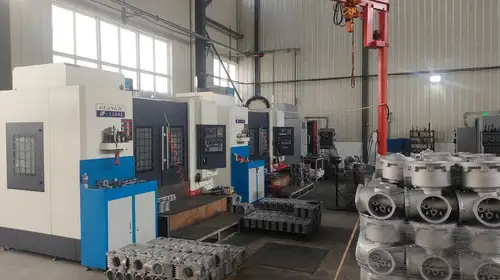
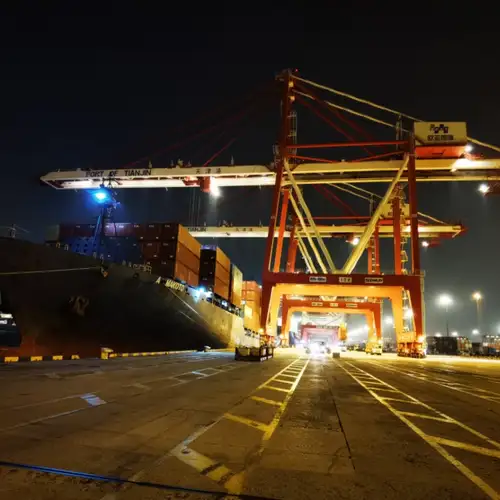
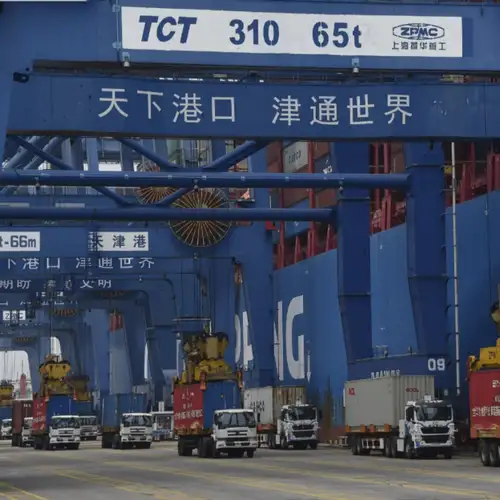
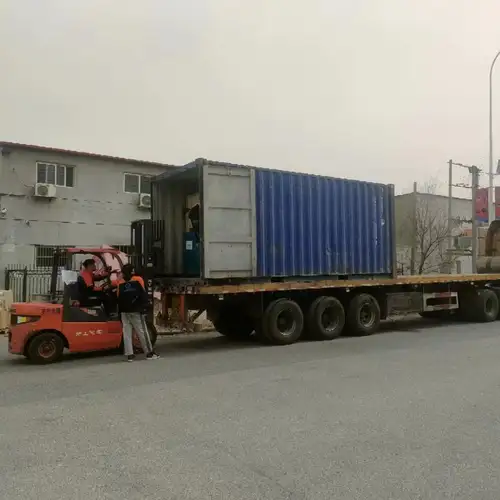
We provide sea-freight and land-transport arrangements for international orders. Packaging and shipment details are confirmed according to valve size, quantity, destination, and project requirements.
Frequently Asked Questions
Can this valve remain installed when the downstream pipe is removed?
A true full-lug valve with internally threaded lugs can be designed for selected pipe-end service, allowing it to remain fastened to the upstream flange. This use requires confirmation of the valve design and pressure rating, correct short-bolt installation, intact threads, and an appropriate single-side pressure test. Never disconnect a pressurized pipeline without an approved isolation and safety procedure.
How is a full-lug valve different from a semi-lug valve?
In the full-lug design described here, all lugs are internally threaded for independent bolting. A semi-lug design has only some threaded lugs and cannot automatically be assumed to provide the same single-side pressure-holding capability. Confirm the exact construction before ordering for pipe-end duty.
Which seat should I select for oil-containing water?
NBR is generally the more appropriate starting point for many oil-bearing wastewater and low-pressure oil applications because EPDM is not compatible with mineral oil. The final choice depends on the specific oil, additives, temperature, pressure, and other components in the medium.
Can I use this valve for seawater?
Seawater service needs careful corrosion assessment. The source recommends considering 316L or 2205 duplex stainless steel for the body and compatible materials for the disc, stem, and seat. Ordinary cast iron and SS304 should not be selected for the high-chloride service described in the source without a specific engineering assessment.
What information do you need to recommend a configuration?
Please provide the nominal diameter, working pressure, medium composition, operating temperature, flange standard, required body/disc/stem/seat materials, actuation method, operating frequency, and whether the valve will be used at a pipe end. For corrosive or abrasive media, include the chemical concentration and suspended-solid conditions so we can review suitability before quotation.
Send Inquiry
Contact Info
-
Address
No. 2 Taikang Road, Xiditou Town, Beichen District, Tianjin City, China
-
Tel
-
Email
If you have any inquiry about a quotation or cooperation, please feel free to email or use the following inquiry form. Our sales representative will contact you within 24 hours.
Related Products
News Recommendations