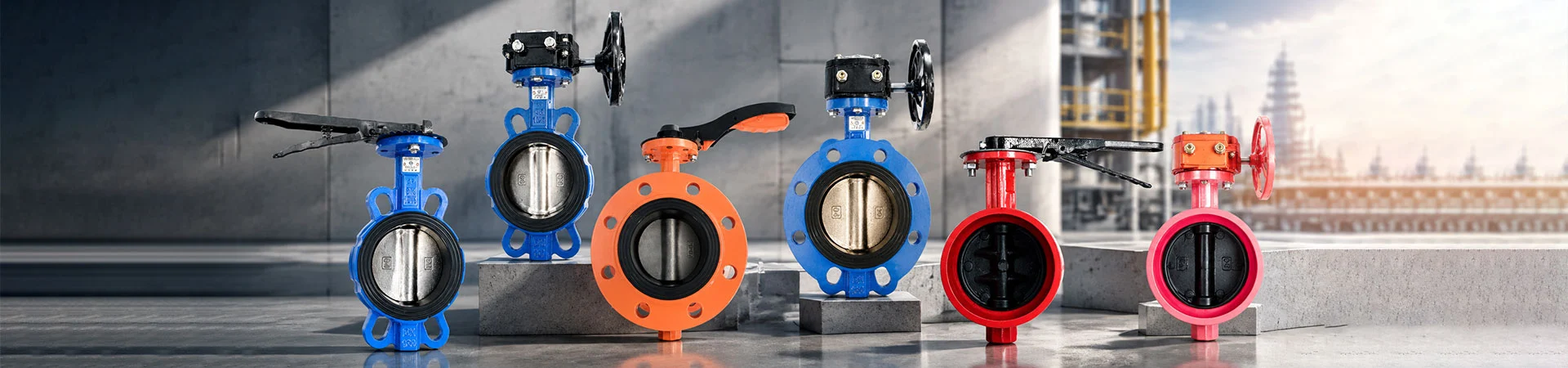
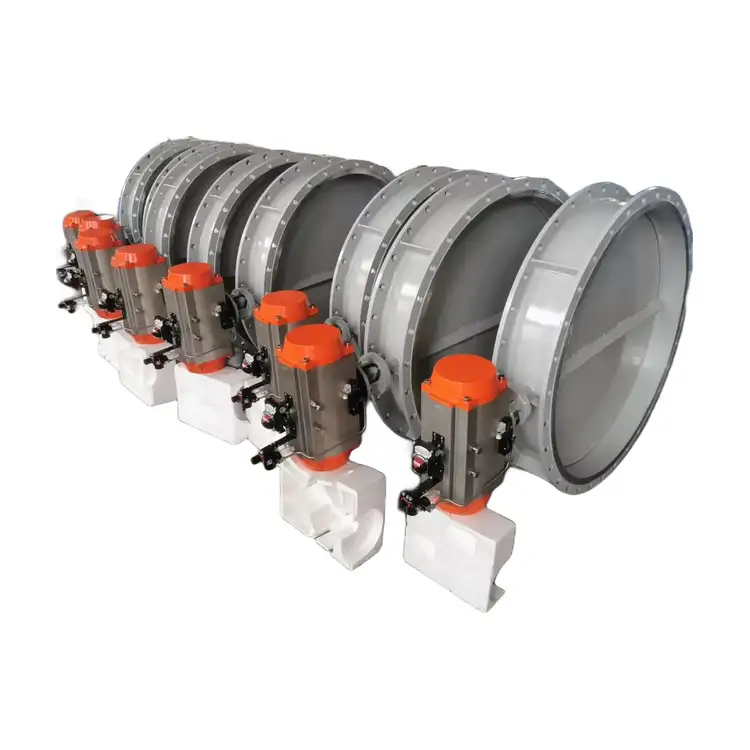
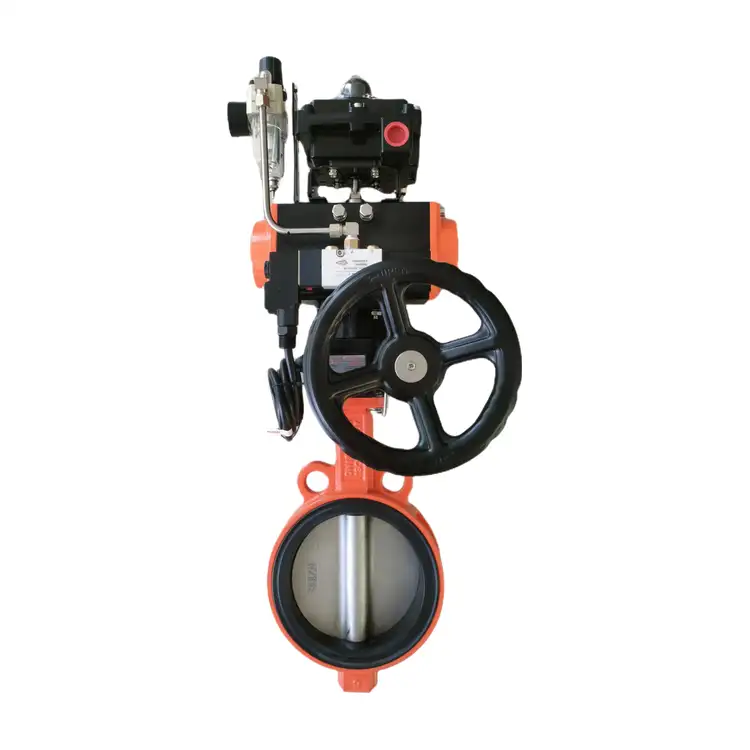
Pneumatic Ventilation Butterfly Valve
Liangfa’s Pneumatic Ventilation Butterfly Valve is designed for automated airflow control in industrial ventilation, dust collection, and exhaust duct systems. Its pneumatic actuator supports on-off operation, with optional 4–20 mA modulating control for remote airflow adjustment. Available body, disc, and sealing materials can be selected according to gas composition and operating conditions.
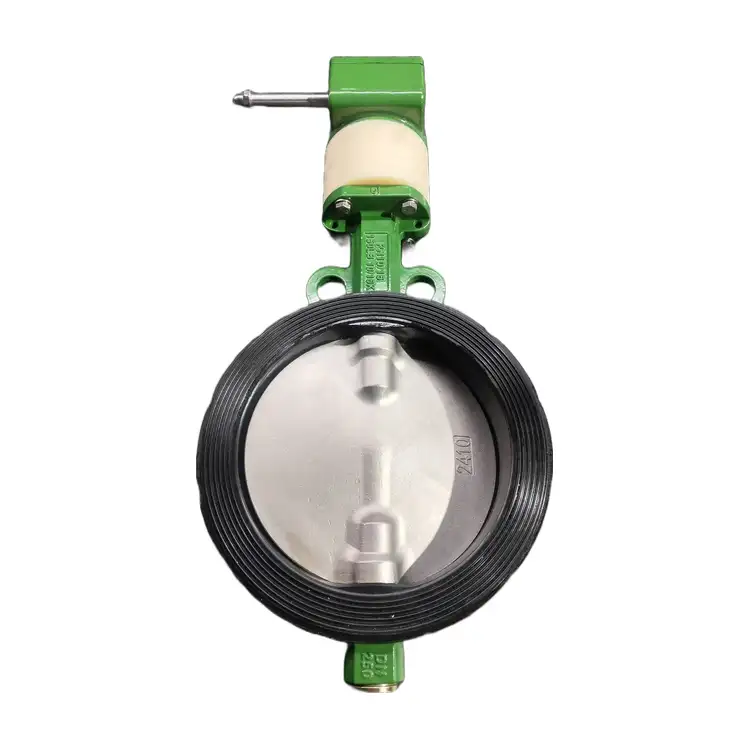
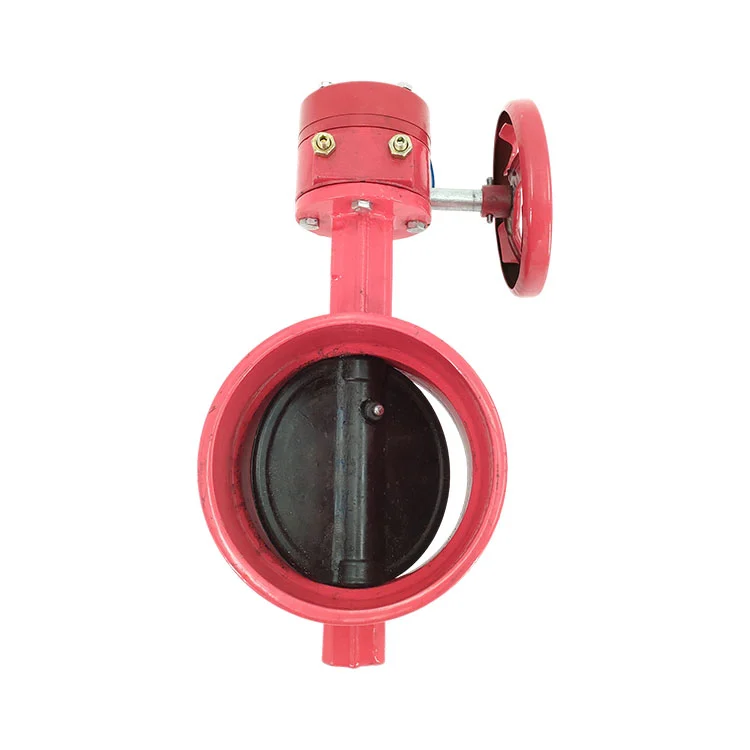
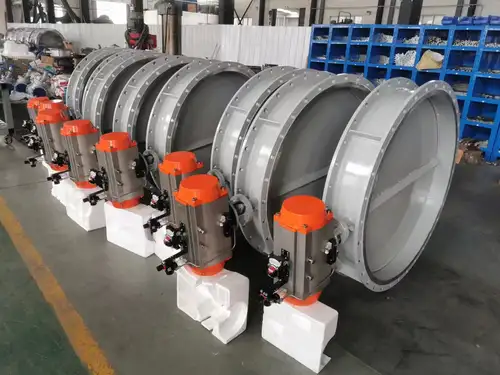
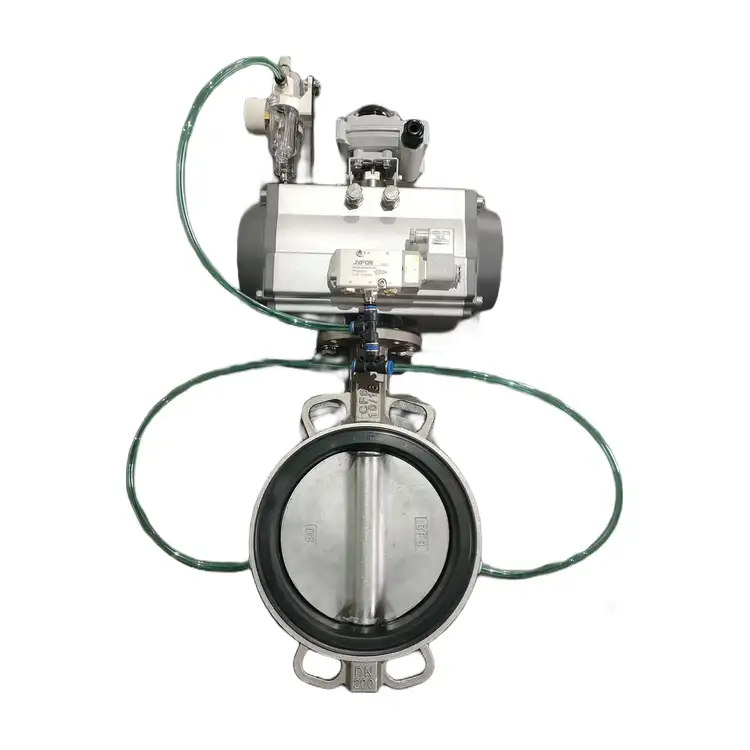
Liangfa supplies pneumatic ventilation butterfly valves for automated air distribution, exhaust control, and industrial ductwork. Model D641W-1C uses a pneumatic actuator to rotate the butterfly plate through 90° for on-off operation, with optional modulating control for adjustable airflow. The welded steel body, material options, and actuator configurations help meet different ventilation requirements.
For dust collection systems, workshop exhaust, and industrial flues, the right valve configuration helps reduce airflow resistance and supports reliable remote operation. We offer carbon steel and stainless steel options, together with metal or soft sealing designs where suitable for the service conditions.
Product Specifications
| Product Name | Pneumatic Ventilation Butterfly Valve |
| Model | D641W-1C |
| Nominal Size | DN40–DN1200 (confirm the required size when ordering) |
| Connection | Wafer |
| Pressure Ratings Listed | PN16, PN10, 150LB, 5K, 10K, 16K; confirm compatibility with the selected valve design |
| Temperature Range Listed | -10°C to 100°C; other ranges require configuration confirmation |
| Body Construction | Welded steel plate construction |
| Sealing Options | Metal hard seal or compatible soft seat |
| Actuator | Double-acting or spring-return single-acting pneumatic actuator |
| Control | On-off or optional 4–20 mA modulating control |
| Coating | Fusion-bonded epoxy coating in accordance with ANSI/AWWA C550, where specified |
How Airflow Is Controlled
A pneumatic actuator converts compressed-air energy into rotary movement. This movement turns the butterfly plate inside the duct, allowing the valve to open, close, or regulate airflow when equipped with a suitable positioner. The streamlined plate design helps limit flow resistance when the valve is open, making it useful for large-volume ventilation systems.
On-off operation
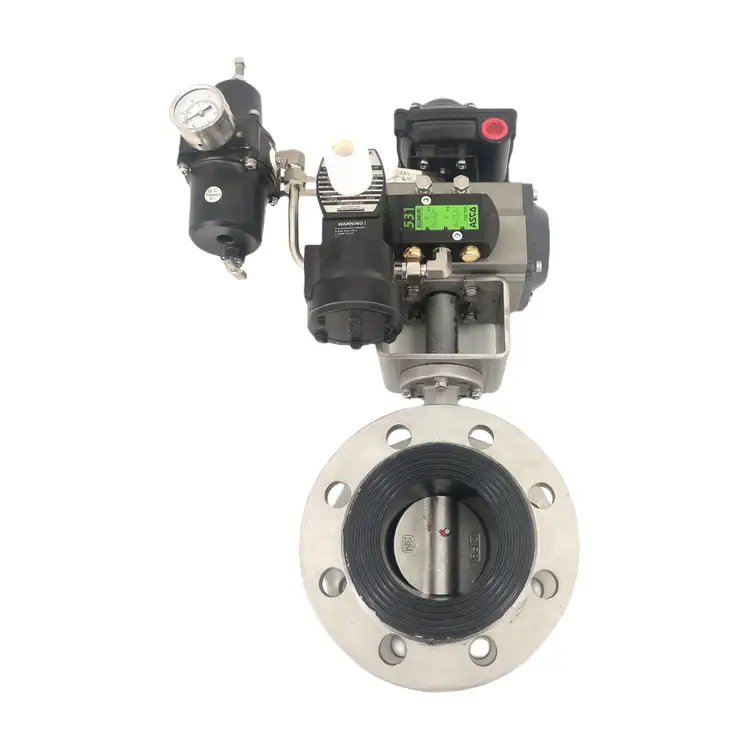
For ducts that only require switching, a solenoid valve can control the actuator, while limit switches provide open and closed position feedback. This arrangement is suitable for ventilation branches, dust collection lines, and exhaust systems that operate according to a process sequence.
Modulating airflow
Where airflow must be adjusted rather than simply switched, a positioner can receive a 4–20 mA control signal and adjust the valve opening. This configuration can support coordinated control with a PLC or other automation system. Actual regulation accuracy depends on the actuator, positioner, valve sizing, and process conditions.
Response to air supply loss
A double-acting actuator generally needs compressed air for both opening and closing. A spring-return actuator can move the valve toward its configured fail position when the air supply is lost. We recommend confirming whether the required response is fail-open or fail-closed before selecting the actuator.
Materials for Different Duct Conditions
Gas composition, moisture, oil contamination, particles, and temperature all affect material selection. We help customers match the body, disc, stem, and seat to the actual medium rather than choosing components by nominal size alone.
| Component | Available Materials | Selection Considerations |
| Body | Cast iron, ductile iron, WCB, SS304, SS316 | Consider corrosion exposure, mechanical requirements, and duct conditions. |
| Disc | Ductile iron, SS304, SS316, SS2507, SS1.4529 | Choose according to corrosion and wear risks. |
| Stem | 410SS, SS304, SS316, SS2507, SS1.4529 | Account for strength, corrosion, and operating conditions. |
| Seat Liner | EPDM, NBR, PTFE, FKM (Viton) | Check chemical compatibility and the rated temperature range. |
| Lever or Related Hardware | Ductile iron, SS304 | Confirm the component design for the required configuration. |
| Fasteners | Galvanized carbon steel, SS304, SS316 | Match corrosion resistance and installation requirements. |
Choosing a seat material
- EPDM: Commonly considered for ordinary air and water-vapor environments, subject to the specified temperature and chemical compatibility.
- NBR: May be suitable for oil mist and oily exhaust where the compound is compatible with the medium.
- PTFE: Consider for certain chemically aggressive environments after checking the full operating conditions.
- FKM: May be suitable for selected oil, chemical, and elevated-temperature services within its rated limits.
- Metal hard seal: Worth considering for particle-laden or hotter gas service, depending on the valve design and allowable leakage.
These materials are not interchangeable in every application. The maximum temperature and chemical resistance depend on the exact grade, construction, and operating cycle. For high-temperature flue gas or abrasive dust, confirm the complete valve and actuator configuration with us before ordering.
Matching the Valve to Your Process
We recommend choosing the valve according to the actual operating conditions rather than relying on a general application label. The following examples can help define the initial configuration.
| Application | Points to Confirm | Possible Configuration Direction |
| Workshop ventilation | Duct diameter, airflow, and switching frequency | Suitable body material with an on-off actuator |
| Baghouse dust collection | Dust loading, abrasion, and shaft contamination | Wear-conscious disc and sealing design with accessible maintenance points |
| Oil mist exhaust | Oil type, concentration, and operating temperature | Oil-compatible seat material such as a suitable NBR grade |
| Corrosive exhaust | Gas chemistry, moisture, and concentration | Compatible stainless steel or other specified materials and seals |
| Hot-air duct | Continuous and peak temperatures near the valve and actuator | Temperature-rated sealing materials and actuator heat protection, if required |
| Automated airflow adjustment | Required control signal and regulation range | Modulating actuator assembly with a compatible positioner |
| Safety interlock | Required safe position after air or power loss | Spring-return actuator and suitable control accessories |
For ventilation and exhaust service, this valve is generally intended for low-pressure ductwork. Do not assume that a pressure class listed for another butterfly valve design applies to this model. We confirm the applicable pressure rating, leakage requirement, and connection details against the selected construction before finalizing an order.
Actuator and Accessory Options
The actuator and its accessories determine how the Pneumatic Ventilation Butterfly Valve connects to the plant control system and responds to changing conditions. We can review the following options according to the project requirements.
- Double-acting actuator: Pneumatic pressure drives both opening and closing.
- Spring-return actuator: Returns the valve to a designated position when the air supply fails, provided the actuator is correctly configured.
- Solenoid valve: Controls the air supply for on-off operation.
- Limit switch box: Sends open and closed position feedback to the control system.
- Valve positioner: Supports proportional opening control using a compatible 4–20 mA signal.
- Air filter and pressure regulator: Help maintain a clean, suitable air supply for the actuator.
- Optional accessories: Manual override, weather protection, quick exhaust valve, or explosion-protected accessories where specified and appropriate.
For combustible gas or dust environments, the suitability of the complete assembly must be assessed. Explosion-protected accessories alone do not make an entire valve system safe for a hazardous area; the required certifications, installation method, and site safety standards must also be verified.
Installation and Maintenance Checks
Correct installation helps prevent plate interference, excessive leakage, and actuator problems. We recommend that installation and servicing be performed by qualified personnel in accordance with the approved drawings and operating instructions.
Before installation
- Check the model, nominal size, connection, material, and seal against the approved specification.
- Remove welding slag, dust, and other debris from the duct before fitting the valve.
- Inspect the actuator, air tubing, solenoid valve, feedback switches, and fasteners.
- Confirm that the air supply meets the actuator manufacturer's pressure and air-quality requirements.
During installation and commissioning
- Align the valve with the duct and verify that the butterfly plate can travel through its full operating range without obstruction.
- Tighten connection bolts evenly and avoid distorting the valve body or connection surfaces.
- Leave sufficient clearance for actuator movement, adjustment, and future maintenance.
- Test opening and closing operation before connecting the valve to the process.
- For modulating service, calibrate the positioner and verify the relationship between the control signal and valve position.
- Check joints, seals, and position feedback during commissioning under approved operating conditions.
Routine inspection
Inspect the valve at intervals appropriate to the process. Dust-heavy ducts may require more frequent cleaning around the shaft and plate, while oil-laden exhaust may need regular deposit removal. Check for slow movement, abnormal noise, seal deterioration, unstable air pressure, and incorrect feedback signals. Isolate the process and release stored pneumatic energy before maintenance.
Factory and Quality Support
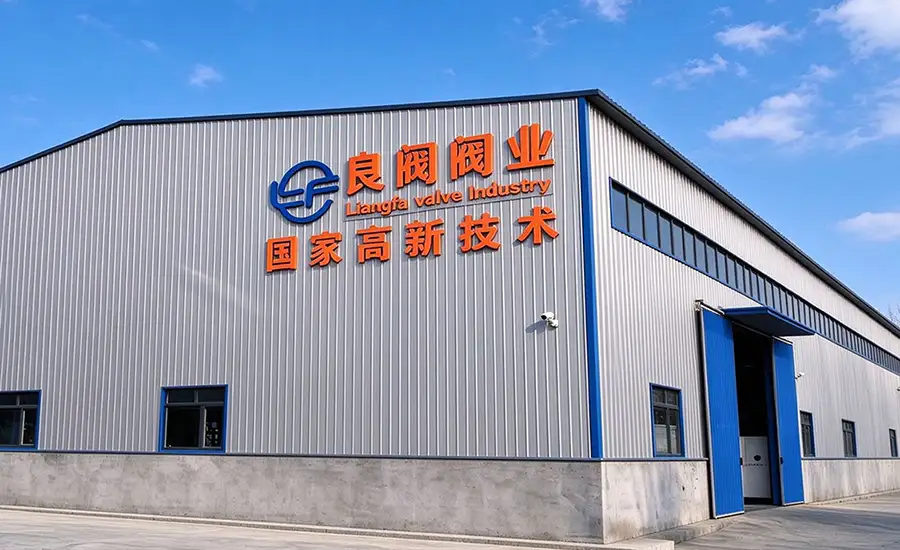
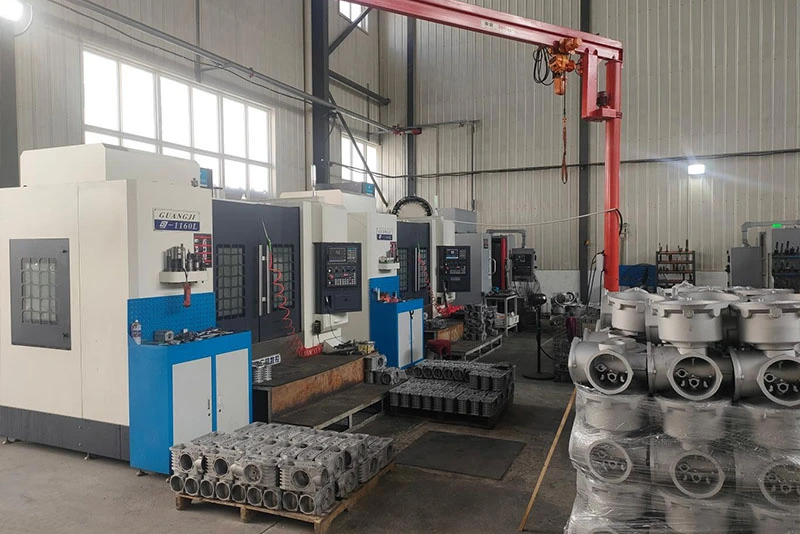
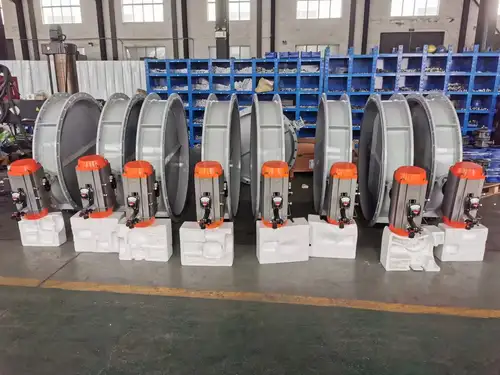
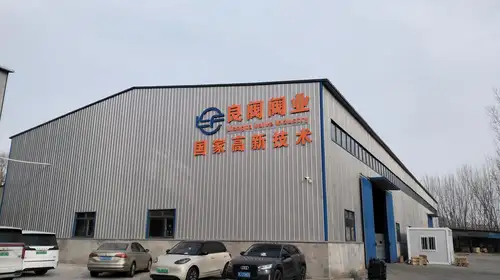
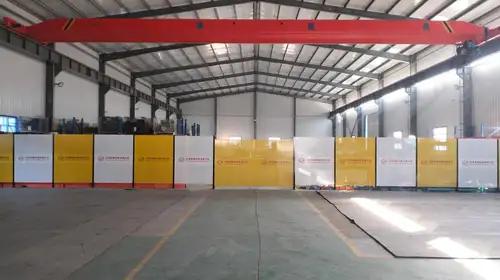
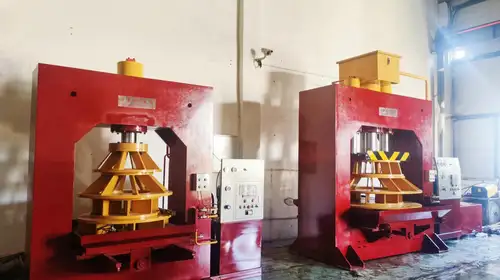
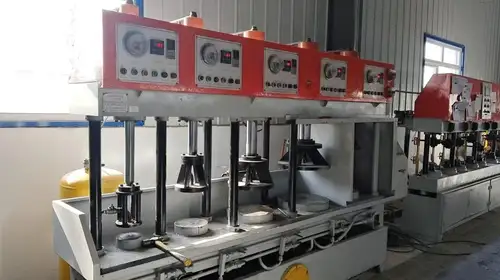
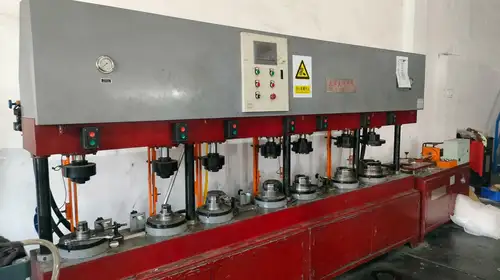
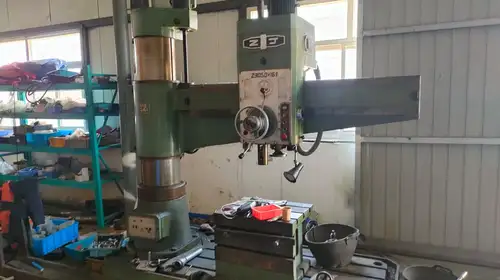
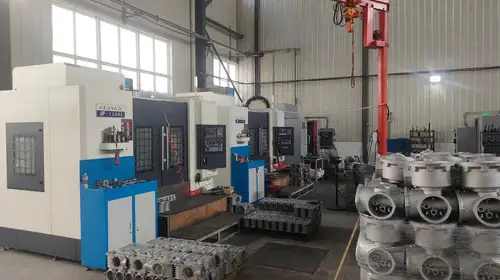
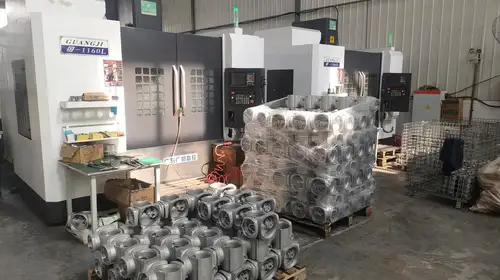
At Liangfa, we support customers with model selection, configuration review, technical drawings, and pre-delivery inspection arrangements. Our High-Tech Enterprise Certificate reflects our enterprise qualification; specific product performance and compliance should be confirmed against the documentation supplied for the ordered configuration.
Packing and Shipment
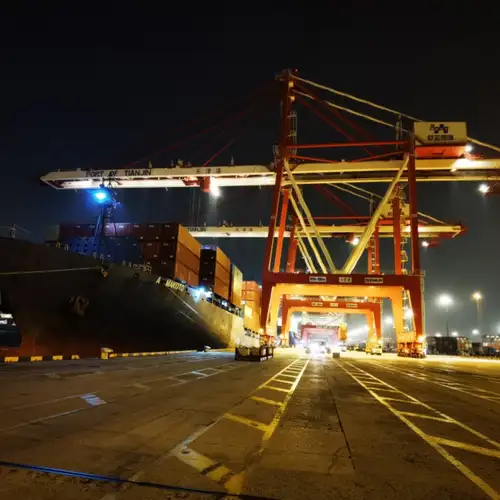
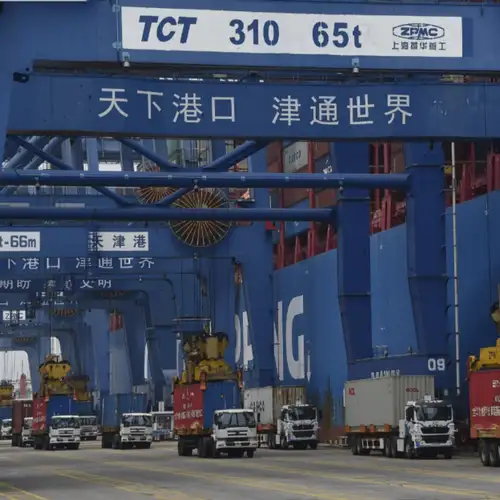
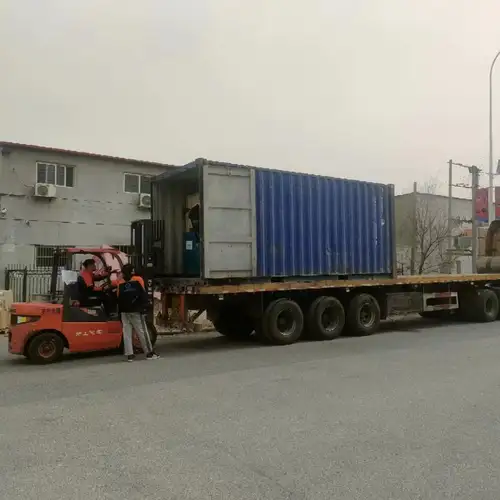
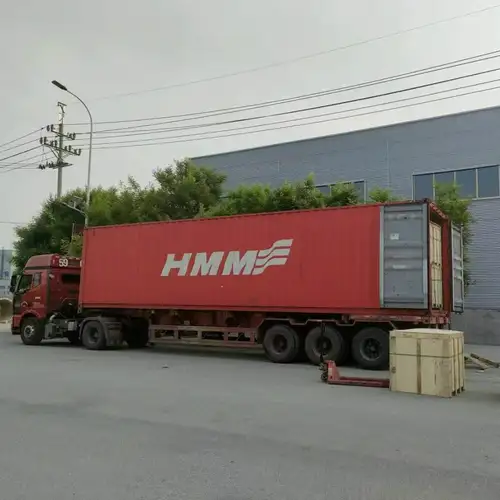
We arrange export packing and coordinate sea or land transportation according to the order and destination. Before shipment, customers can confirm the valve model, actuator accessories, quantity, packaging requirements, and required export documents with our team.
Where It Can Be Used
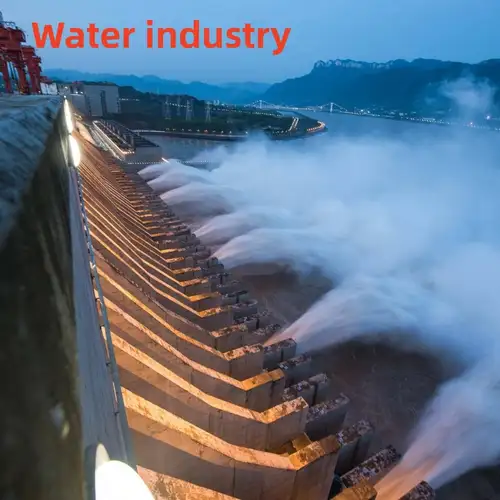
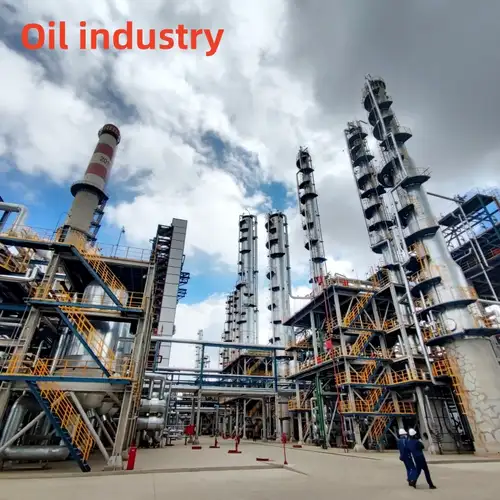
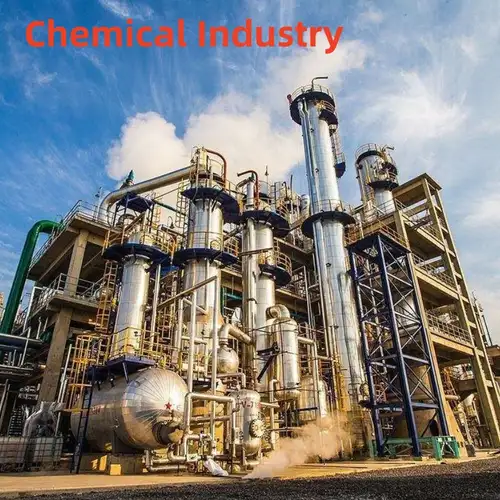
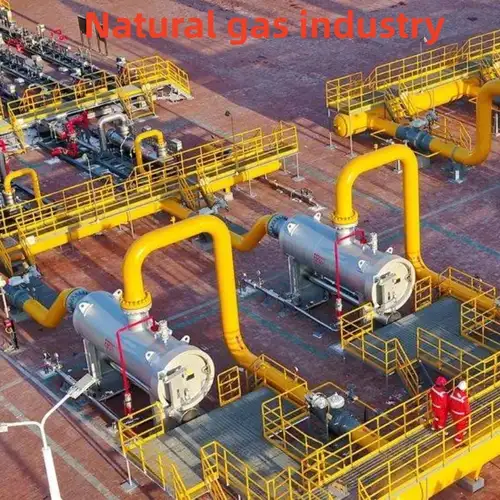
Depending on the selected materials, sealing design, and operating limits, our valves can be considered for a range of air-handling and exhaust systems.
- HVAC and buildings: Workshop ventilation, fresh-air ducts, basement air circulation, and exhaust branches.
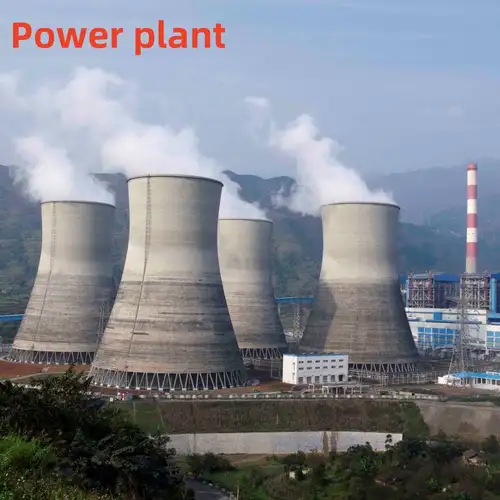
- Dust collection: Baghouse systems and dust extraction ducts for wood, cement, minerals, and general industrial processes.
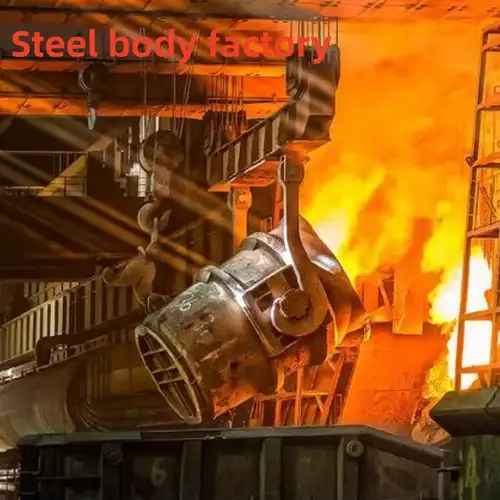
- Boilers and drying equipment: Selected flue-gas and hot-air ducts within the valve's approved temperature limits.
- Industrial waste-gas treatment: Exhaust systems handling compatible chemical vapors, welding fumes, and process emissions.
- Food processing and machine shops: Ventilation and selected oil-mist or cooking-fume exhaust systems with compatible seals.
- Tunnels and underground facilities: Air exchange and exhaust ductwork where the valve's size and pressure limits are suitable.
- Cold storage: Selected low-temperature ventilation applications using a seal compound rated for the actual temperature.
- Automated production lines: Air distribution and exhaust branches requiring PLC-linked switching or airflow regulation.
Technical and After-sales Support
We assist customers throughout the ordering process, from initial selection to installation and maintenance guidance.
- Before ordering: Selection support based on duct size, gas composition, temperature, pressure, and control requirements; drawings and quotations can be provided as needed.
- During production: Production updates and agreed inspection documentation for the ordered configuration.
- Shipment: Export packaging and shipping coordination, with documentation confirmed for each order.
- After delivery: Remote technical guidance and spare-part support, subject to product availability and the order terms.
Our stated warranty period is 12 months from the shipment date, subject to the applicable sales agreement and warranty terms.
Frequently Asked Questions
Can the valve stay in its last position if the air supply is interrupted?
This depends on the actuator design. A double-acting actuator does not provide an automatic spring-return function. A spring-return actuator can move toward a designated fail-open or fail-closed position. Tell us the required response during a supply failure so we can assess the appropriate configuration.
What information is needed to select the correct valve size?
Provide the duct's internal diameter, airflow or flow-rate requirement, operating pressure, gas temperature, and whether the valve is used for isolation or regulation. For modulating service, information about the control system and desired operating range is also useful. The nominal valve size should be checked against the actual duct and process requirements.
Can I use a modulating actuator with a standard on-off valve assembly?
Not without checking the configuration. Modulating operation normally requires a compatible positioner, actuator, feedback arrangement, and control signal. We recommend specifying the 4–20 mA requirement when requesting a quotation rather than assuming that an on-off assembly can provide proportional control.
Why might the valve move slowly or fail to reach its end position?
Possible causes include insufficient air pressure, a leaking air line, a blocked filter, incorrect limit-switch adjustment, or mechanical interference caused by dust or installation misalignment. Check the air supply and control accessories first, then inspect the valve under safe, isolated conditions.
What details should I send when requesting a quotation?
Please provide the required quantity, nominal diameter, connection type, operating pressure and temperature, gas composition, dust or oil content, body and seat preferences, actuator type, control signal, and any project-specific documentation requirements. These details help us confirm whether model D641W-1C or another configuration is appropriate for your application.
Send Inquiry
Contact Info
-
Address
No. 2 Taikang Road, Xiditou Town, Beichen District, Tianjin City, China
-
Tel
-
Email
If you have any inquiry about a quotation or cooperation, please feel free to email or use the following inquiry form. Our sales representative will contact you within 24 hours.
News Recommendations