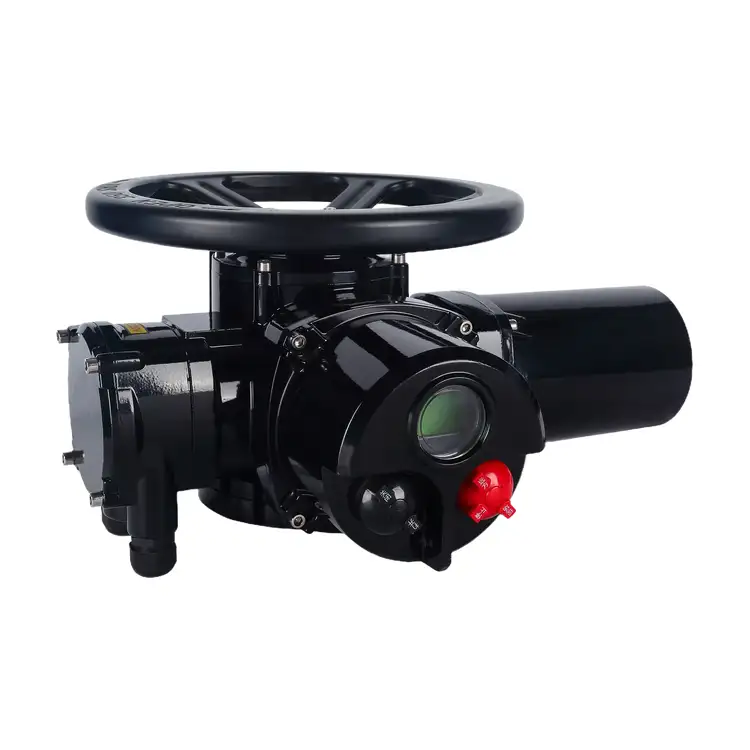
Explosion-Proof Multi-turn Electric Actuator
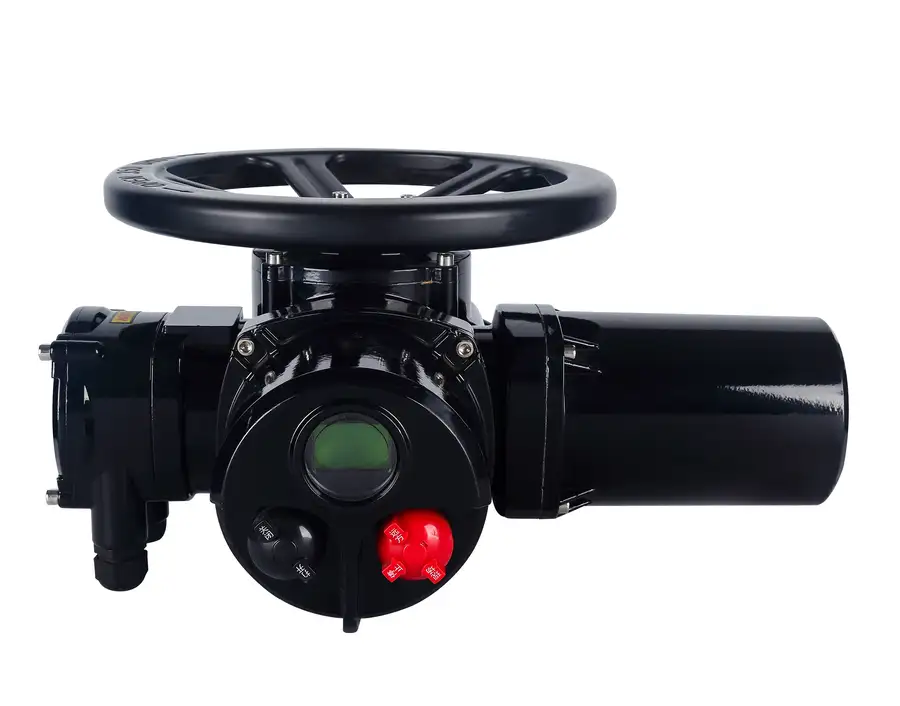
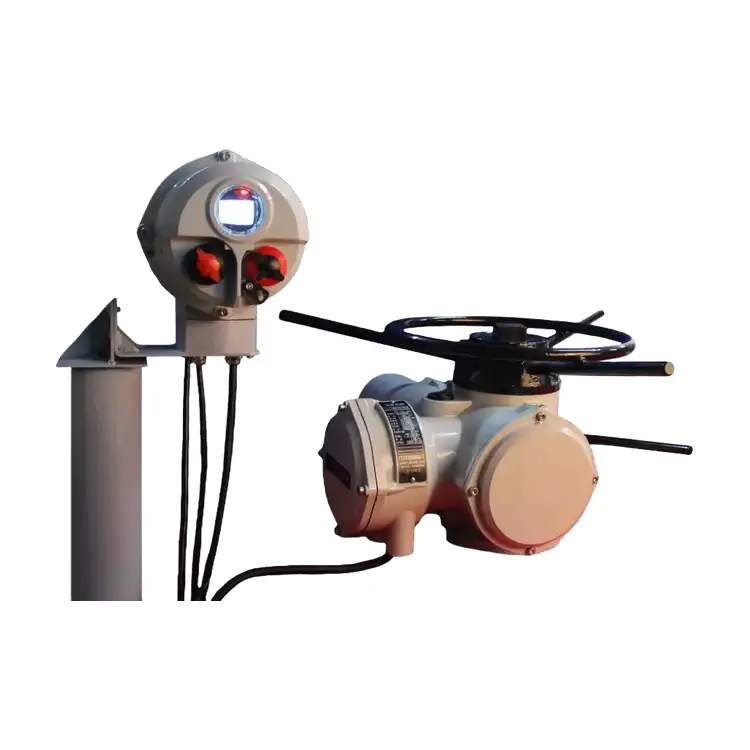
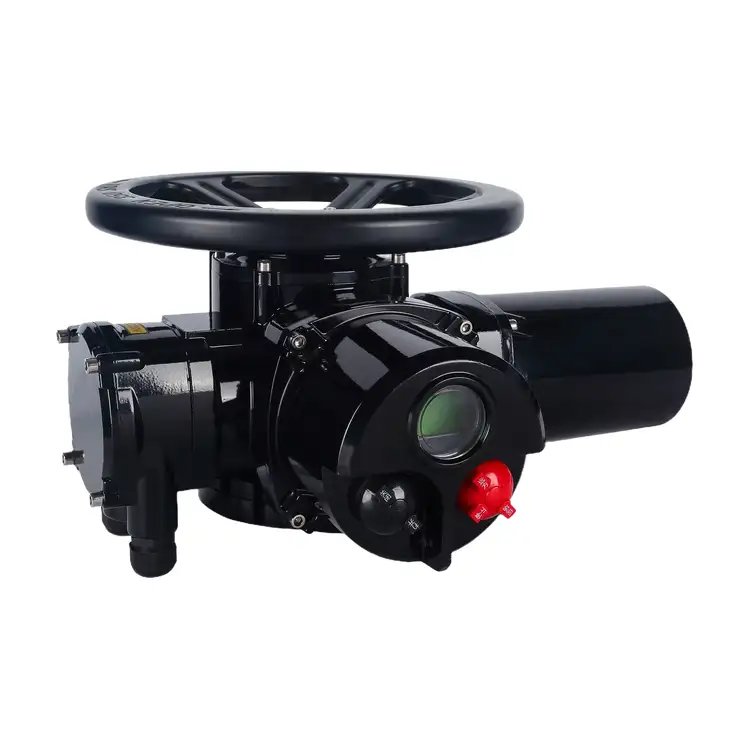
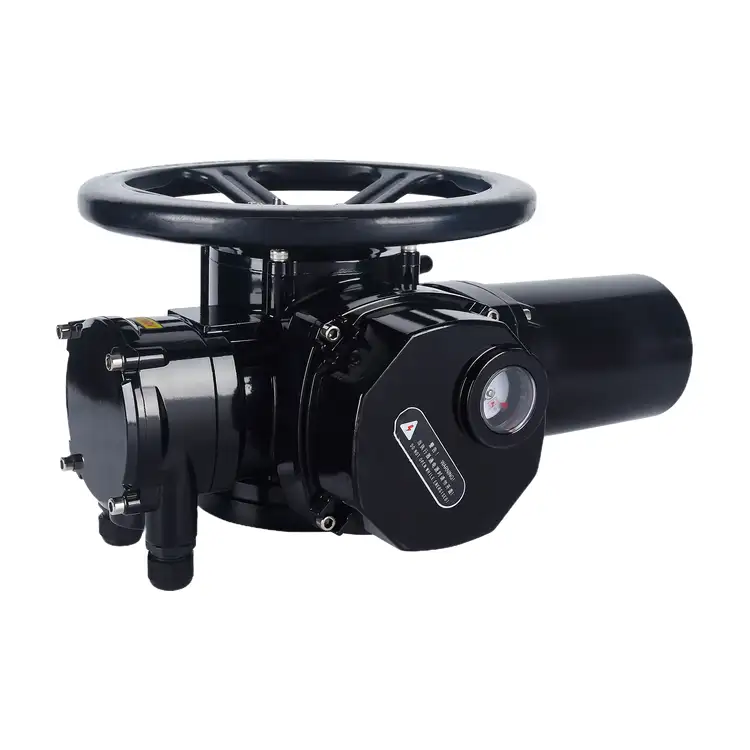
The Explosion-Proof Multi-Turn Electric Actuator is designed for reliable valve automation in hazardous industrial environments, including oil and gas pipelines, petrochemical plants, and chemical processing facilities. With explosion-proof options of Ex d IIB T4 and Ex d IIC T4, torque outputs from 30 to 5000 N·m, and compatibility with gate, globe, knife-gate, and other multi-turn valves, it supports on-off and modulating control to meet different operating requirements.
Liangfa supplies explosion-proof multi-turn electric actuators for automated valve operation in petrochemical plants, oil and gas facilities, chemical processing units, and other hazardous industrial environments. Designed for compatible gate valves, globe valves, knife gate valves, and other multi-turn valves, our actuators combine electric drive, torque protection, and optional intelligent control to support reliable process operation.
Available with rated output torque from 30 N·m to 5000 N·m, the product range supports on-off operation, 4–20 mA modulating control, and intelligent integrated configurations. Depending on the selected model, features include Ex d IIB T4 or Ex d IIC T4 protection, IP65 standard enclosure protection, optional higher ingress-protection ratings, and Modbus RTU or HART communication.
Understand the Explosion-Proof Marking
Selecting an actuator for a hazardous location requires more than checking whether the enclosure is described as explosion-proof. The equipment marking, gas group, temperature class, equipment protection level, and installation requirements must be suitable for the site's hazardous-area classification.
Gas Group and Temperature Class
Ex d IIB T4 and Ex d IIC T4 are different protection specifications. IIC covers more demanding gas groups than IIB, while T4 indicates a maximum permitted equipment surface temperature of 135°C under the applicable certification conditions. The required marking must be checked against the site's hazardous-area documentation and the actual gases or vapors present.
An actuator marked for IIB service must not be assumed suitable for IIC service. Likewise, an Ex d T4 marking does not by itself establish suitability for every hazardous location. The complete certificate and equipment marking determine the permitted application.
Confirm the Hazardous Zone
Before ordering, provide the hazardous-area classification and the required equipment protection level. The supplied Ex d configuration must be certified for the intended zone and installation. Equipment intended for Zone 1 or Zone 2 must not be treated as suitable for Zone 0 simply because it has a flameproof enclosure.
If combustible dust is also present, confirm whether separate dust-explosion protection is required. A gas explosion-proof marking does not automatically establish suitability for a combustible-dust atmosphere.
Check the Certification Documents
Our stated design references include GB 3836 and ISO 5210. These standards address different aspects of the product: GB 3836 relates to explosive-atmosphere equipment, while ISO 5210 specifies mounting interfaces for multi-turn actuators. Customers should request the applicable certificates and dimensional documents for the exact model before project approval.
Technical Specifications
| Parameter | Specification |
| Product Name | Explosion-Proof Multi-Turn Electric Actuator |
| Explosion-Proof Rating | Ex d IIB T4 / Ex d IIC T4; confirm the certified model and complete marking |
| Referenced Standards | GB 3836; ISO 5210 mounting interface |
| Enclosure Protection | IP65 standard; IP67/IP68 optional, subject to model configuration |
| Rated Output Torque | 30–5000 N·m; larger specifications may be customized |
| Power Supply | AC380V three-phase, 50Hz; AC220V single-phase, 50Hz |
| Control Modes | On-off, modulating, and intelligent integrated versions |
| Modulating Signal | 4–20 mA on compatible configurations |
| Communication | Modbus RTU / HART, depending on model |
| Mounting | ISO 5210 interface; flange and output dimensions must be confirmed |
| Functional Safety | SIL2/SIL3 options require confirmation of model-specific certification |
Size the Drive for the Actual Valve
An actuator must deliver sufficient torque and output travel to operate the valve throughout its required stroke. Selecting by nominal valve diameter alone can lead to incomplete closure, repeated overload trips, or unnecessary oversizing. We recommend using the valve manufacturer's operating data as the primary basis for selection.
Calculate the Required Torque
As a preliminary sizing method, the required actuator torque can be estimated by multiplying the valve's specified operating torque by an appropriate safety factor. A factor of 1.2–1.5 may be considered for initial evaluation, but the final margin depends on valve design, medium characteristics, differential pressure, temperature, operating frequency, and the manufacturer's recommendations.
For example, if a valve requires 320 N·m of operating torque and the engineering review specifies a factor of 1.5, the preliminary target is 480 N·m. The selected actuator must also meet the valve's output-speed, travel, and duty requirements. The example is for selection guidance only and does not replace a model-specific technical review.
Match Output Turns and Speed
The actuator's available output turns must cover the valve's complete travel. Output speed determines the opening or closing time, so the choice should account for process requirements and potential pressure surges. Faster operation is not always preferable, particularly in pipelines where abrupt valve movement can cause hydraulic shock or process instability.
Verify the Mounting Dimensions
Confirm the ISO 5210 flange size, valve-stem diameter, keyway, output sleeve, and required number of turns. Mounting-standard compatibility does not guarantee that every actuator will fit every valve without adaptation. A valve drawing or the manufacturer's dimensional data helps us check the mechanical interface before the order is finalized.
Select the Appropriate Control Mode
The control configuration should reflect the valve's role in the process and the plant's automation architecture. We offer different control arrangements to support simple isolation, continuous adjustment, and centralized monitoring where the selected model provides the required functions.
On-Off Control for Isolation
On-off models move the valve between its fully open and fully closed positions. Depending on the configuration, they can provide local controls, passive-contact position feedback, and fault outputs. They are suitable for isolation duties where continuous intermediate positioning is not required.
Modulating Control for Process Adjustment
Modulating versions support 4–20 mA control on compatible models and can be used where the process requires adjustable valve positioning. Confirm whether position feedback is required and whether the actuator's control characteristics match the PLC or DCS. Continuous or high-frequency modulation must remain within the actuator's specified duty cycle.
Intelligent Monitoring and Communication
Intelligent versions may include a local display, electronic parameter setting, fault diagnosis, and Modbus RTU or HART communication. Available functions vary by model. Before procurement, confirm the communication protocol, input/output signals, alarm requirements, and any required safety-integrity documentation.
Environmental Protection and Operating Limits
Explosion protection and ingress protection serve different purposes. The explosion-proof marking addresses ignition risks in a defined hazardous atmosphere, while the IP rating describes protection against the ingress of solids and water under specified test conditions. Both must be appropriate for the installation.
Outdoor and Wet Installations
IP65 is the stated standard protection level, with IP67 or IP68 available on selected configurations. The required rating depends on rain exposure, washdown, flooding risk, cable-entry arrangements, and the installation location. IP68 does not automatically mean unrestricted or permanent underwater operation; the permitted immersion conditions must be confirmed for the exact model.
Corrosive and Coastal Environments
Chemical vapors, salt spray, and moisture can affect the enclosure, fasteners, seals, and cable entries. Where these conditions are expected, specify the required coating, housing material, and corrosion-resistant accessories. The suitability of any proposed material should be assessed against the actual chemicals and environmental exposure.
High and Low Temperatures
Ambient temperature, process temperature, and heat radiated from nearby equipment should all be considered during selection. Special lubricants, heaters, seals, or a separated control arrangement may be needed for extreme conditions, depending on product availability and the certified operating limits. Do not assume that an optional accessory changes the actuator's certified temperature range without supporting documentation.
Installation Checks for Hazardous Areas
Correct installation is essential to maintain the protection provided by the certified equipment design. Installation, wiring, commissioning, and maintenance should be carried out by qualified personnel in accordance with the product manual, site procedures, and applicable hazardous-area regulations.
Before Installation
Check the nameplate and certificate against the site classification, gas group, temperature class, and required protection level. Verify the torque, power supply, mounting dimensions, output turns, control mode, and enclosure rating. Inspect the valve for sticking or mechanical damage before mounting the actuator.
During Mounting and Wiring
Align the actuator output with the valve stem and tighten mounting bolts evenly. Use the specified explosion-proof cable glands, blanking plugs, and other certified accessories for the relevant installation. Keep cable entries properly sealed and ensure that the enclosure's grounding and wiring follow the manufacturer's diagrams.
Isolate power before electrical work. Never open a flameproof enclosure while energized, and do not modify flameproof joints or substitute uncertified fasteners and sealing components. Any work on explosion-protection components must follow the manufacturer's approved maintenance procedures.
Commissioning and Functional Tests
Confirm that the actuator direction corresponds to valve movement, set the travel limits according to the valve's actual end positions, and verify the over-torque settings. Test local and remote commands, position feedback, alarm outputs, and communication functions where fitted. Confirm that the actuator stops correctly at the intended limits and that the valve completes its required travel without abnormal noise or repeated overload trips.
Routine Inspection and Fault Diagnosis
Regular maintenance helps identify problems that could affect valve availability or compromise the equipment's protection. Inspection intervals should be based on the manufacturer's instructions, operating frequency, environmental conditions, and plant maintenance procedures.
- Inspect the enclosure, mounting bolts, cable glands, plugs, and grounding connections for damage, looseness, or corrosion.
- Check for water ingress, condensation, abnormal noise, excessive vibration, and signs of overheating.
- Verify valve-position indication, remote commands, alarm outputs, and communication signals where applicable.
- Investigate repeated torque trips by checking valve sticking, mechanical alignment, and operating torque rather than simply increasing the protection threshold.
- Have qualified personnel inspect lubrication, travel calibration, and flameproof components according to the service manual.
If the actuator does not move, possible causes include power-supply problems, wiring faults, active torque protection, an engaged manual mechanism, or a jammed valve. If the valve position does not match the control-system indication, check the feedback configuration and calibration. Hazardous-area equipment should not be opened or repaired in the field unless the work is permitted by the approved procedures.
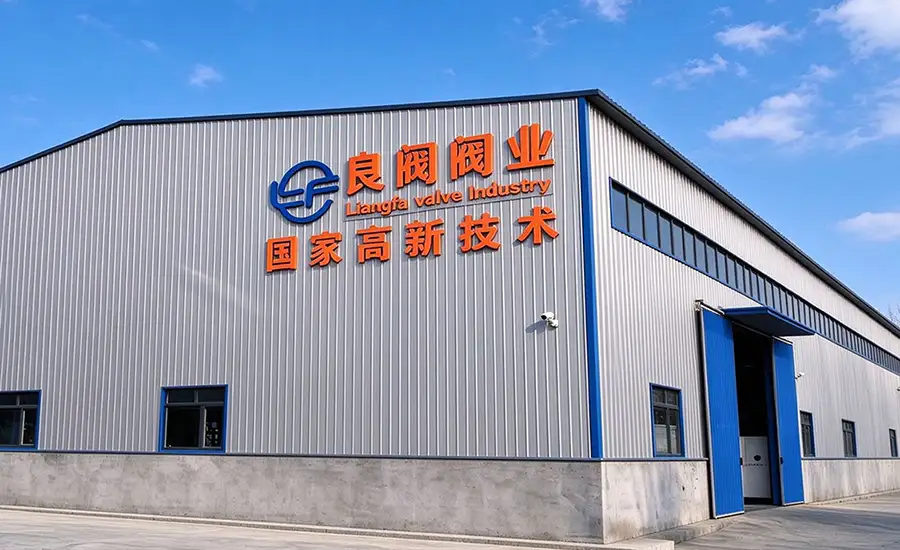
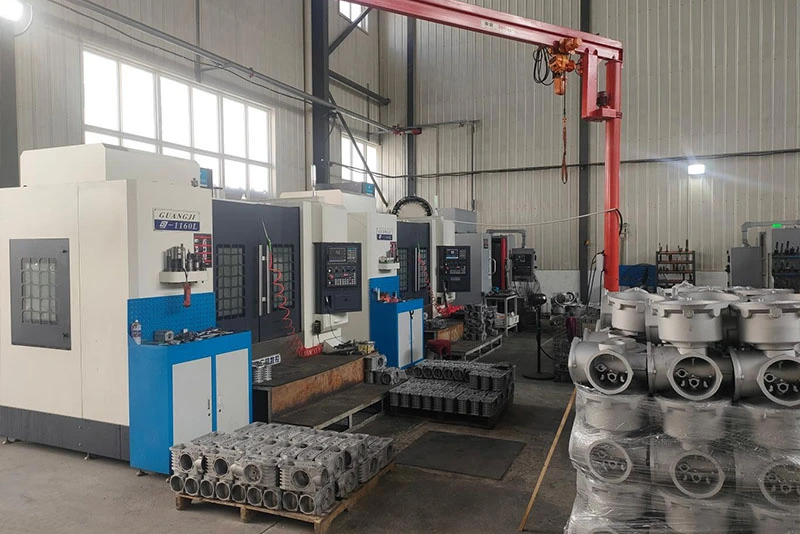
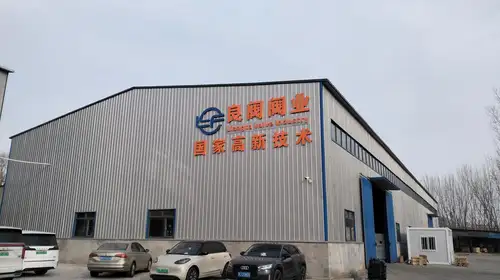
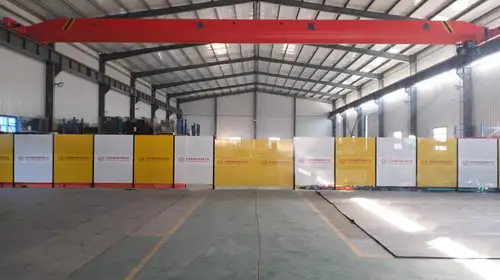
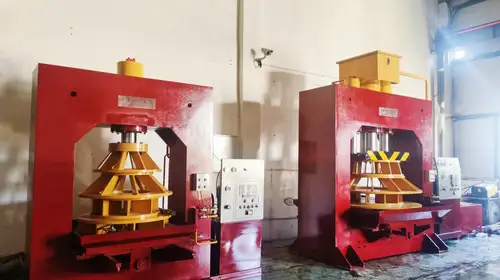
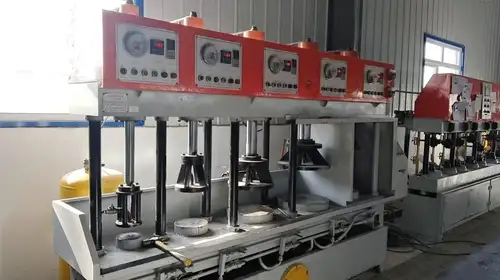
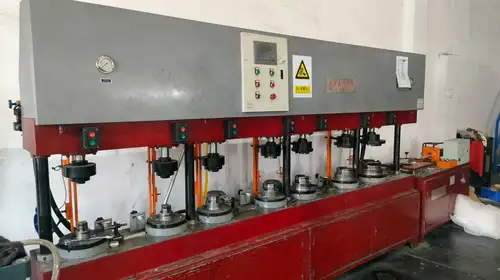
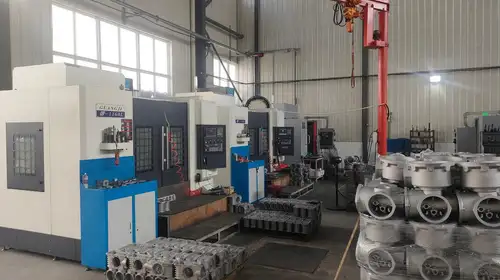
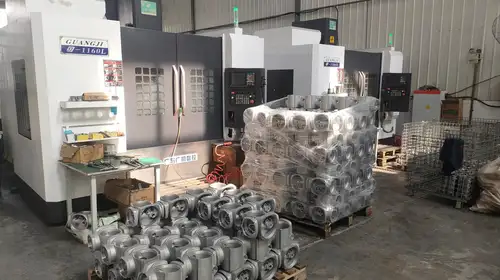
Factory Tour

Packing and Shipping
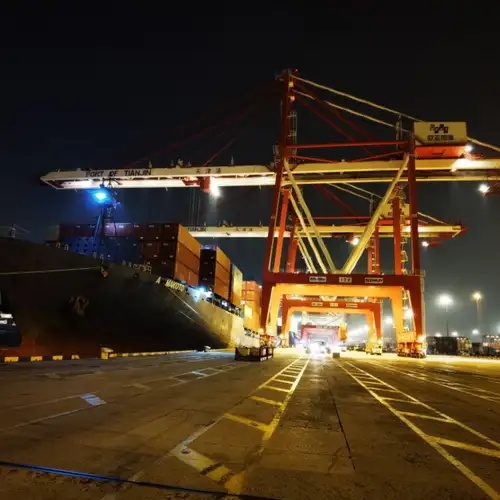
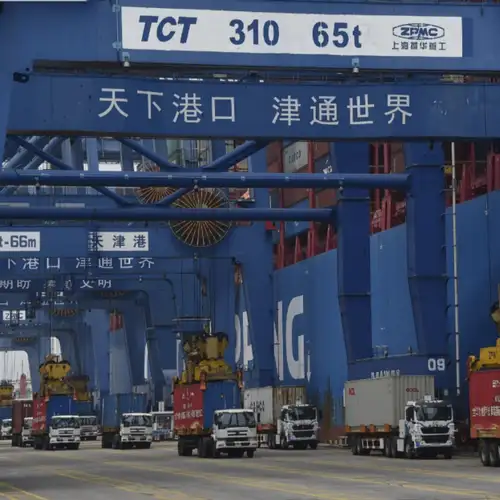
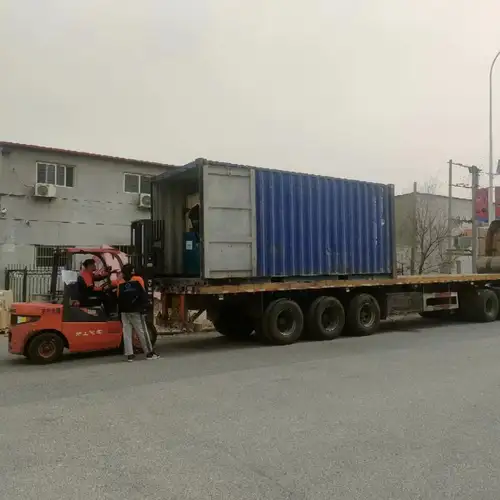
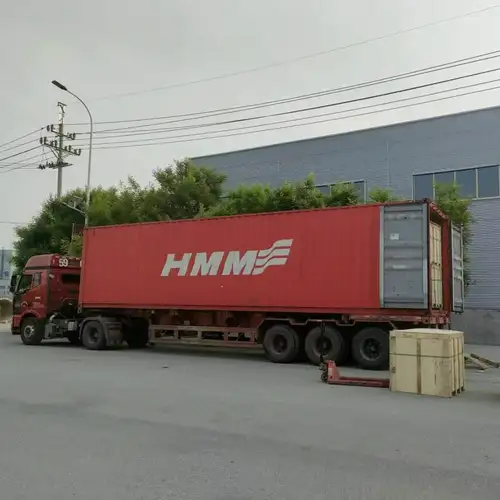
We coordinate export packing and shipping according to the order quantity, destination, and agreed delivery terms. Before shipment, customers should confirm the actuator model, mounting accessories, power supply, control configuration, and any documentation required for the project. Applicable explosion-proof certificates and inspection records should be agreed upon for the selected model.
Industrial Applications
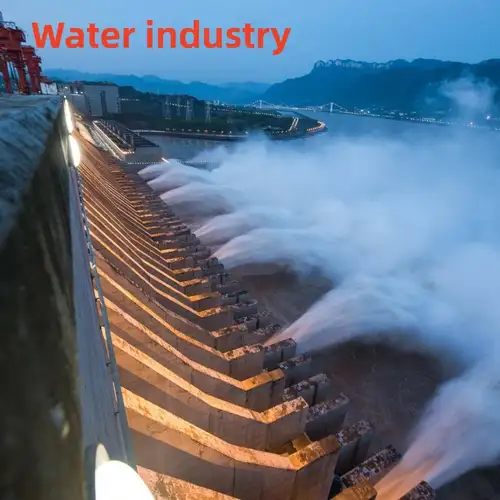
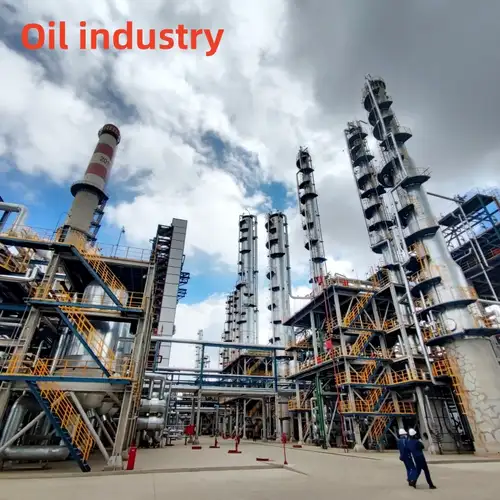
Liangfa products can be considered for compatible multi-turn valves in hazardous industrial processes. The final configuration must be selected according to the area's explosion risk, the process medium, valve operating requirements, and the applicable equipment certification.
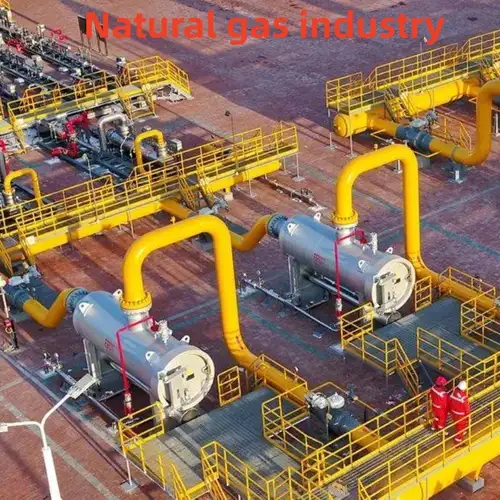
Oil and Gas Facilities
Pipeline valve stations, gathering facilities, tank farms, and gas distribution systems may use electric actuators for remote isolation and process automation. Confirm the gas group, temperature class, hazardous-zone classification, and required feedback or interlock functions before selection.
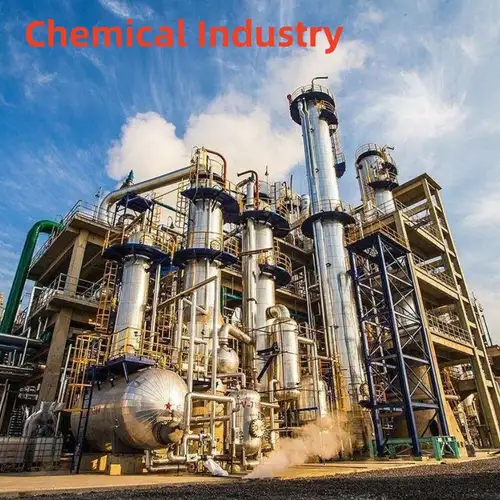
Chemical and Petrochemical Plants
Process pipelines, solvent-handling systems, and chemical storage facilities may require explosion-protected valve automation. The suitability of the actuator depends on the actual hazardous atmosphere and the certificates available for the selected model.
Gas Distribution and Storage
Gas stations, pressure-regulating facilities, and storage installations may use on-off actuators for sectional isolation. Outdoor protection, condensation control, and access for inspection should be considered in the installation design.
Wastewater and Coal-Chemical Facilities
Some wastewater and coal-chemical installations contain combustible gases or vapors. In these cases, the hazardous-area assessment should determine whether explosion-protected equipment is required. Sediment, corrosion, and high valve torque must also be considered during mechanical selection.
Coastal and Offshore Installations
Coastal terminals and offshore facilities can expose equipment to salt spray and high humidity. Suitable corrosion protection, cable-entry sealing, and enclosure ratings should be specified according to the actual site conditions.
Hazardous-Material Storage
Tank farms and chemical storage areas may require remote operation of compatible isolation valves. Where the actuator forms part of an emergency shutdown or safety instrumented function, verify the complete safety-system requirements and the relevant product certification rather than relying on general actuator features alone.
Technical Support from Liangfa
We assist customers with model selection, mounting compatibility, control configuration, and project-specific technical questions. To help us recommend a suitable actuator, please provide the valve datasheet, operating torque, required number of turns, power supply, control signals, site conditions, and hazardous-area classification.
Depending on the order requirements, we can discuss inspection documentation, spare parts, installation guidance, and after-sales technical support. For hazardous-area projects, the applicable explosion-proof certificates and any required functional-safety documents should be confirmed before purchase.
Frequently Asked Questions
Can an actuator marked Ex d IIB T4 be used with hydrogen?
Do not assume that it can. Hydrogen is generally associated with gas group IIC, so the required equipment marking and certification must match the site's hazardous-area documentation. An IIB-rated actuator should not be substituted for an IIC-rated model without documented approval.
Does an explosion-proof actuator automatically qualify for SIL2 or SIL3 applications?
No. Explosion protection and functional safety address different requirements. SIL suitability depends on the certified model, safety documentation, and the role of the actuator within the complete safety instrumented function. Confirm the applicable certificates and project requirements before specifying it for SIS or ESD service.
Can this actuator operate a rising-stem gate valve?
It may be suitable if the valve is designed for Explosion-Proof Multi-Turn Electric Actuator and the output interface, stem arrangement, required turns, torque, and travel are compatible. Please provide the valve drawing and operating data so the mounting and drive requirements can be checked.
What is the difference between IP67 and IP68?
Both ratings concern protection against water ingress, but they do not mean the same thing. IP67 covers specified temporary immersion conditions, while IP68 applies to immersion conditions defined for the particular product. Always check the model's documented test conditions and installation limits rather than assuming unrestricted underwater use.
What information should be included in an explosion-proof actuator inquiry?
Please include the hazardous-zone classification, gas group, temperature class, required certificate, valve type, operating torque, number of turns, mounting dimensions, supply voltage, control mode, feedback requirements, and environmental conditions. This information helps us assess the correct model and avoid mismatches between the actuator and the installation.
Can the actuator be opened for routine maintenance in a hazardous area?
Only in accordance with the manufacturer's instructions and applicable site safety procedures. Power must be isolated before permitted electrical work, and flameproof joints must not be damaged or modified. Repairs involving certified explosion-protection components should be handled by appropriately qualified personnel using approved procedures and parts.
Related Category
Send Inquiry
Contact Info
-
Address
No. 2 Taikang Road, Xiditou Town, Beichen District, Tianjin City, China
-
Tel
-
Email
If you have any inquiry about a quotation or cooperation, please feel free to email or use the following inquiry form. Our sales representative will contact you within 24 hours.
News Recommendations