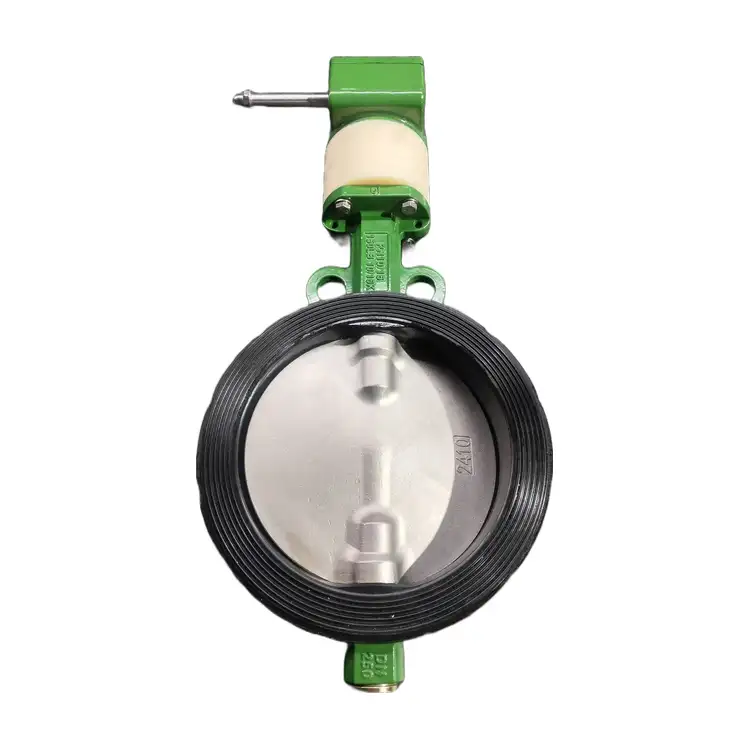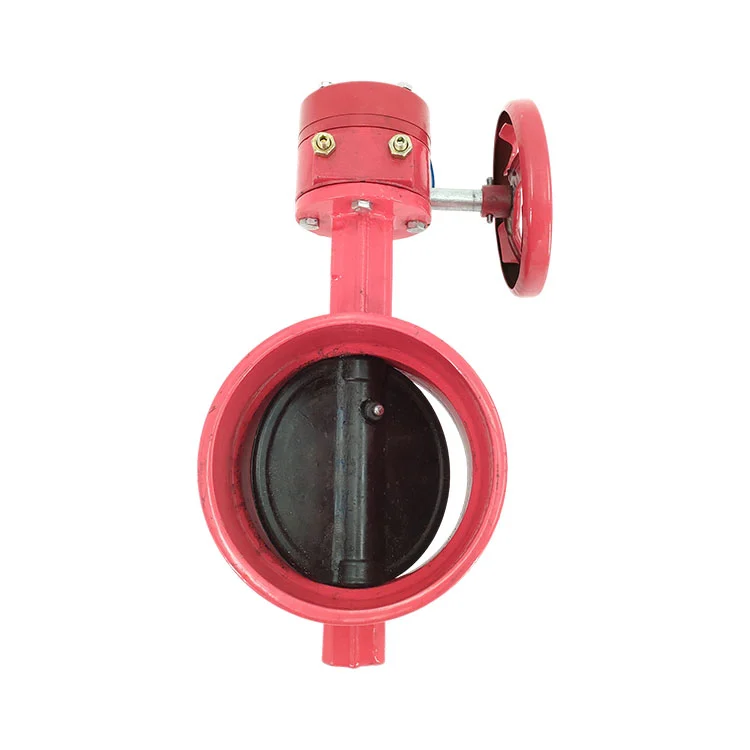
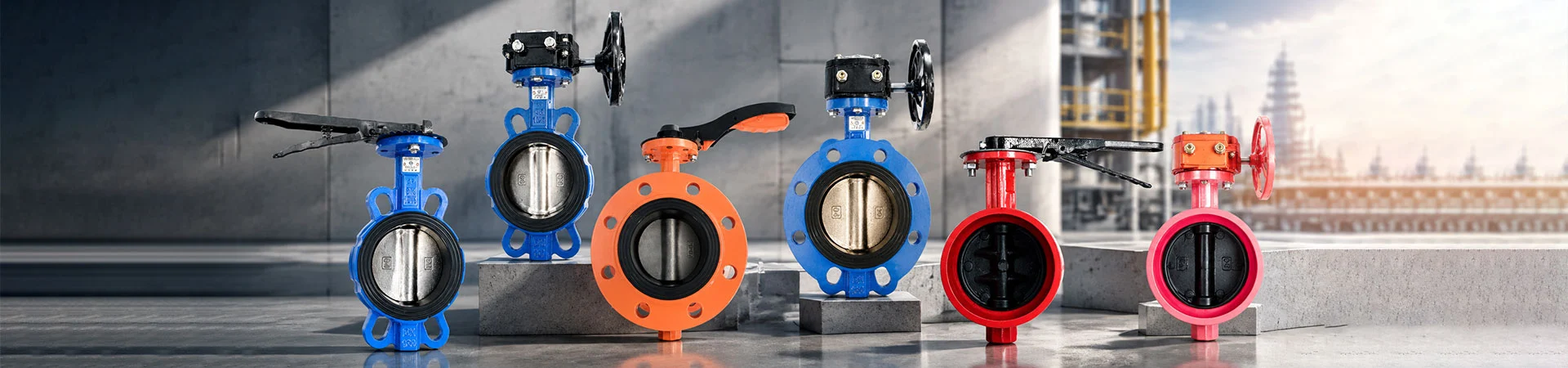
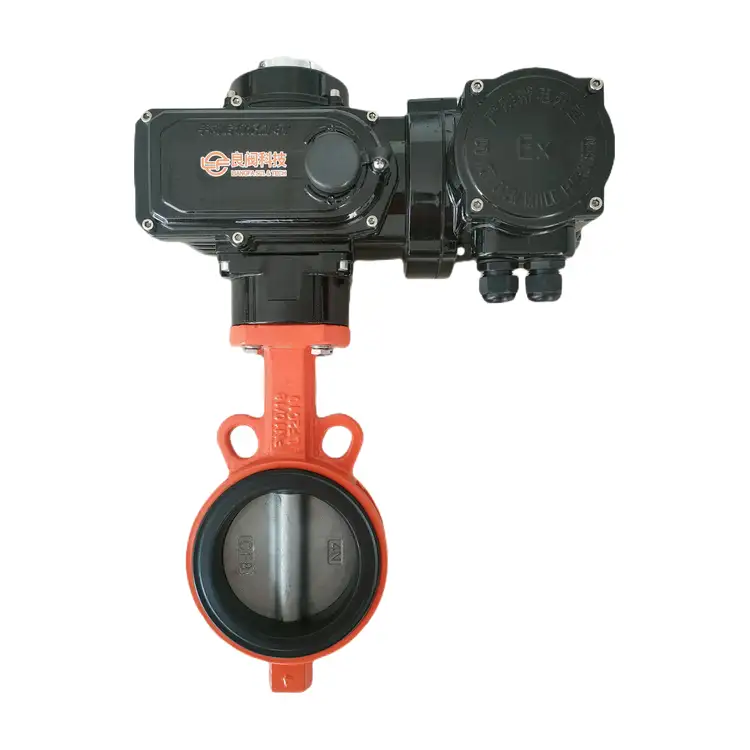
Electric Wafer Butterfly Valve
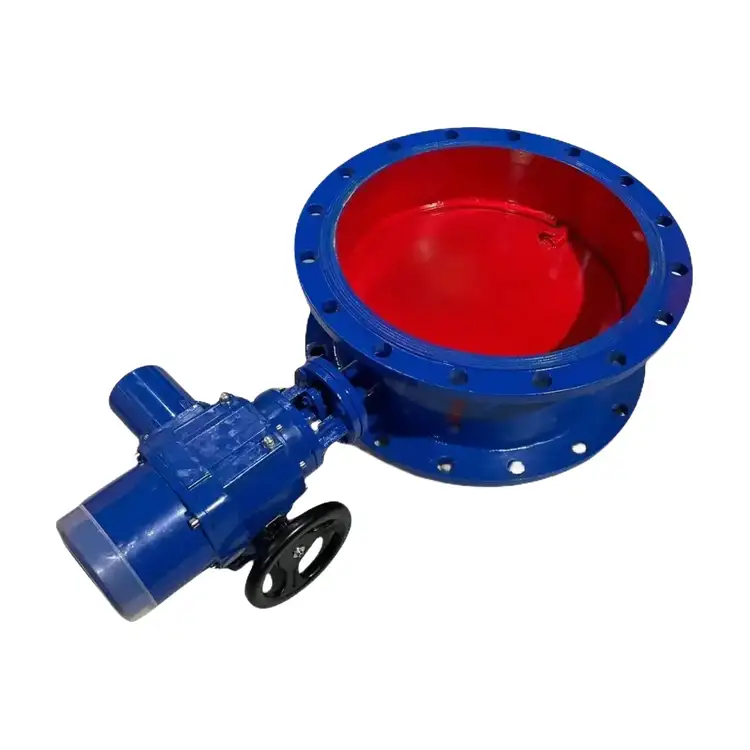
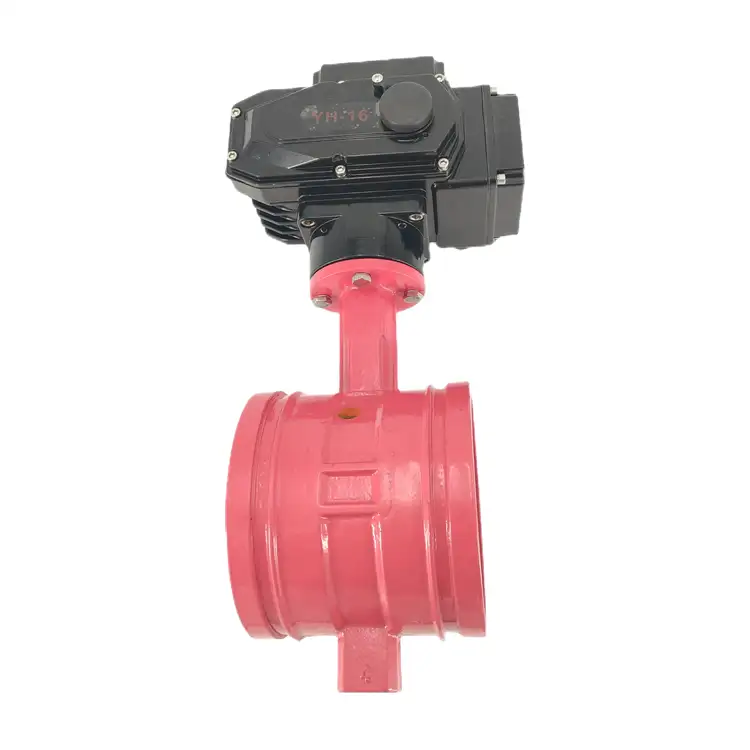
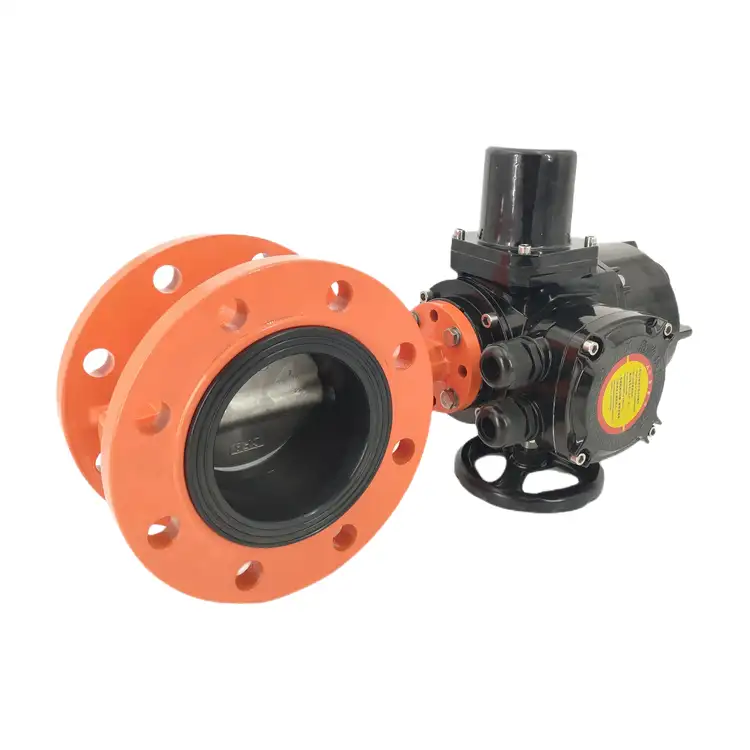
Liangfa’s Electric Wafer Butterfly Valve is designed for automated shutoff and flow control in HVAC, water supply, drainage, and industrial pipeline systems. Its compact wafer structure saves installation space, while optional ductile iron or stainless steel components and EPDM, NBR, PTFE, or FKM seats help meet different operating requirements. On-off and modulating actuator options support remote control and flow adjustment.
At Liangfa, we supply the Electric Wafer Butterfly Valve for automated pipeline shutoff and flow control in water supply, HVAC, wastewater treatment, and industrial utility systems. The compact wafer body fits between two pipe flanges, helping reduce installation space in crowded pipework.
We offer different body, disc, seat, and actuator configurations so buyers can match the valve to their medium, operating pressure, control signal, and installation environment. As a high-tech enterprise, Liangfa provides product selection support and technical assistance for project requirements.
Product Specifications
| Product Name | Electric Wafer Butterfly Valve |
| Model | D971X-10/16Q |
| Nominal Diameter | DN40–DN1200 (confirm available sizes when ordering) |
| Connection | Wafer type, installed between pipe flanges |
| Pressure Rating | PN10, PN16; other flange standards and ratings subject to confirmation |
| Temperature Range | -10°C to 100°C in the supplied specification table; confirm the final limit for the selected seat and medium |
| Body Coating | Fusion-bonded epoxy coating in accordance with ANSI/AWWA C550 |
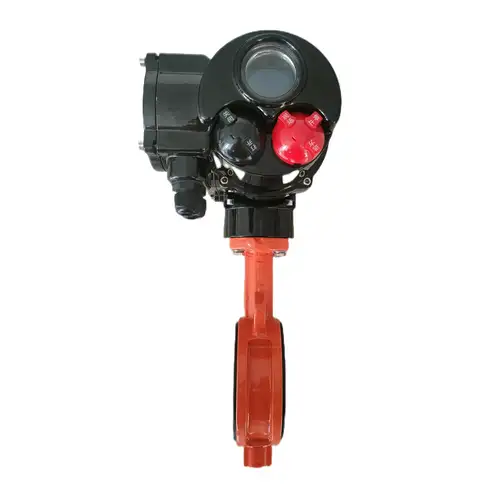
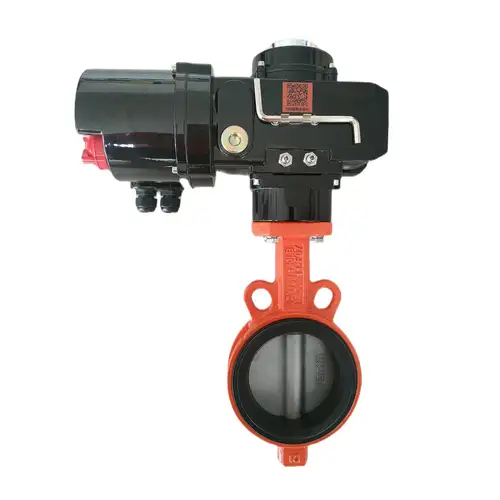
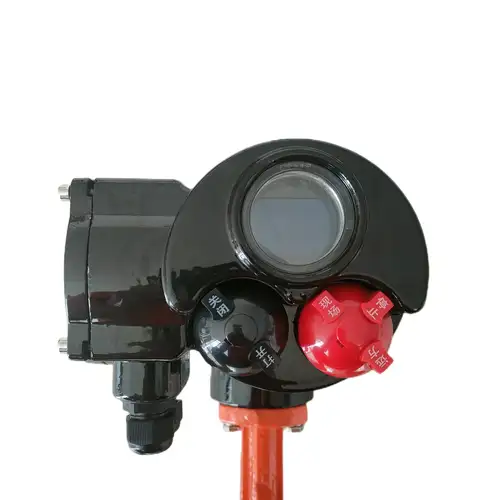
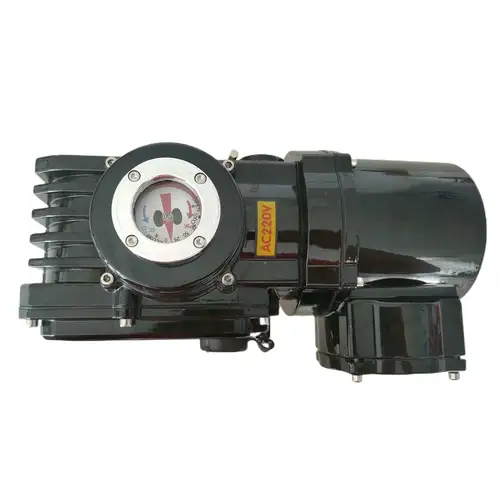
| Actuator Options | On-off or modulating, depending on configuration |
| Control Signals | 4–20 mA or 0–10 V for compatible modulating actuators |
| Brand | Liangfa |
How the Valve Fits Your Pipeline
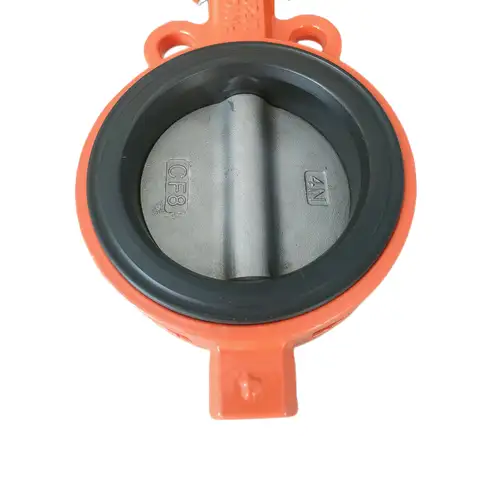
The D971X-10/16Q combines a concentric soft-seated butterfly valve with an electric actuator. The valve is clamped between two pipe flanges using suitable studs and fasteners. Because the body does not have the full flange structure of a flanged valve, it can help save axial space in compact pipe shafts and equipment rooms.
During operation, the actuator rotates the disc through approximately 90 degrees to open or close the flow path. For applications that require more than simple shutoff, a compatible modulating actuator can accept a 4–20 mA or 0–10 V signal to adjust the valve opening. The actual control range, feedback functions, and wiring depend on the selected actuator.
Our standard material description specifies a QT450 ductile iron body and an EPDM soft seat, with ductile iron discs featuring a nylon coating or stainless steel alternatives available according to the configuration. The soft seat supports tight shutoff when the valve is correctly selected, installed, and operated. Actual leakage performance must be confirmed against the agreed product standard and test requirements.
Choose Materials by the Flowing Medium
Material selection affects corrosion resistance, sealing reliability, and maintenance intervals. We recommend that buyers identify the fluid composition, operating temperature, pressure, and presence of solids before confirming an order.
| Component | Available Materials | Selection Considerations |
| Valve Body | Cast iron, ductile iron, WCB, SS304, SS316 | Choose according to pressure, corrosion exposure, and mechanical requirements. |
| Disc | Ductile iron, SS304, SS316, SS2507, SS1.4529 | Consider fluid corrosiveness and suspended particles. Confirm special alloy availability for the required model. |
| Stem | 410SS, SS304, SS316, SS2507, SS1.4529 | Match the stem material to the medium and service conditions. |
| Seat Liner | EPDM, NBR, PTFE, FKM (Viton) | Check chemical compatibility and temperature limits before selection. |
| Lever / Manual Parts | Ductile iron, SS304 | Confirm the required manual operating arrangement. |
| Fasteners | Galvanized carbon steel, SS304, SS316 | Choose according to the surrounding environment and corrosion risk. |
Which Seat Material Should You Specify?
- EPDM: Commonly selected for water supply, HVAC circulating water, and many general water applications. It is generally unsuitable for mineral oils and fuels.
- NBR: Often considered for oil-contaminated water and certain oil-bearing media. Confirm the exact fluid and temperature limits.
- PTFE: Considered for many chemically aggressive liquids, subject to compatibility checks and the valve's design limits.
- FKM: May suit selected oils and chemical services. Compatibility must be checked for the actual medium and operating temperature.
These are general selection guidelines, not a guarantee of compatibility with every fluid. For seawater, concentrated chemicals, abrasive slurry, or mixed media, send us the fluid details so we can review the proposed materials before production.
Select the Right Electric Actuator
The actuator determines how the valve responds to the control system. When requesting a quotation, tell us whether the valve only needs to open and close or must regulate flow continuously.
| Actuator Type | Typical Purpose | Details to Confirm |
| On-off | Remote opening and closing of a pipeline | Supply voltage, control wiring, limit switches, and position feedback |
| Modulating | Adjusting flow according to a control signal | 4–20 mA or 0–10 V input, feedback requirements, and control range |
| Outdoor configuration | Installation exposed to rain or high humidity | Required ingress protection, rain protection, cable entries, and corrosion protection |
| Explosion-proof configuration | Specified hazardous-area installations | Area classification and applicable explosion-protection certification |
| Manual override | Operating the valve when actuator power is unavailable | Whether an emergency handwheel is included in the selected actuator |
AC220 V and DC24 V are listed as possible supply options in the supplied product information. They should not be assumed to be interchangeable or included in every unit. We confirm the actuator voltage, protection rating, manual override, and signal functions against the project requirements before order placement.
Where This Design Is Commonly Used
HVAC and Cooling Water
In central air-conditioning systems, the valve can isolate chilled-water and cooling-water branches, heat exchangers, and equipment circulation loops. A modulating actuator may be selected where the control system needs to adjust flow rather than simply switch it on or off.
Water Supply and Drainage
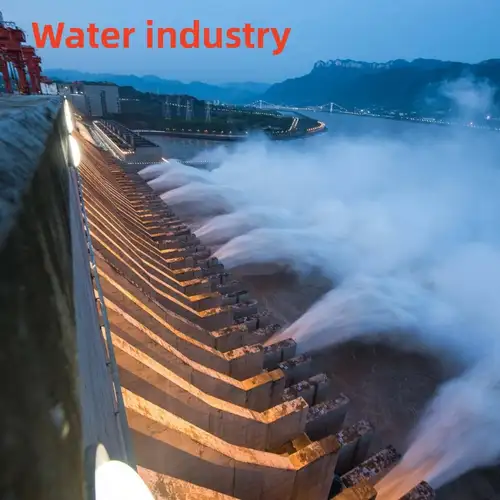
Municipal water networks, building water systems, rainwater lines, and general wastewater systems may use this design when the pressure rating, valve materials, and sealing arrangement match the service conditions. For potable water, specify materials suitable for drinking-water contact and confirm applicable local requirements.
Industrial Utility Systems
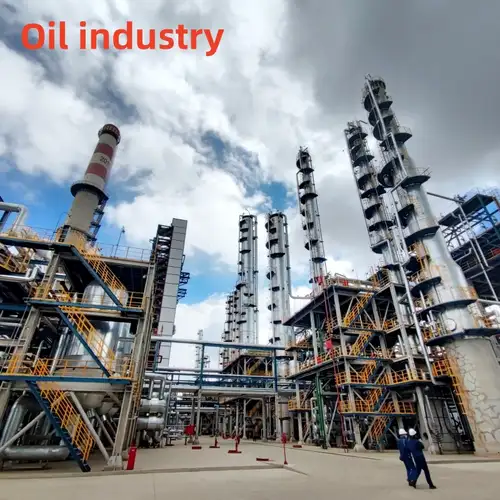
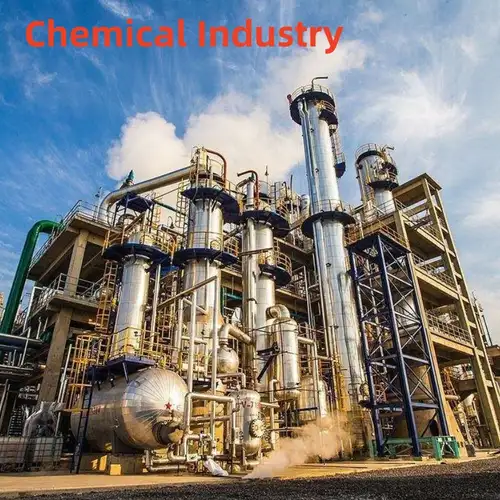
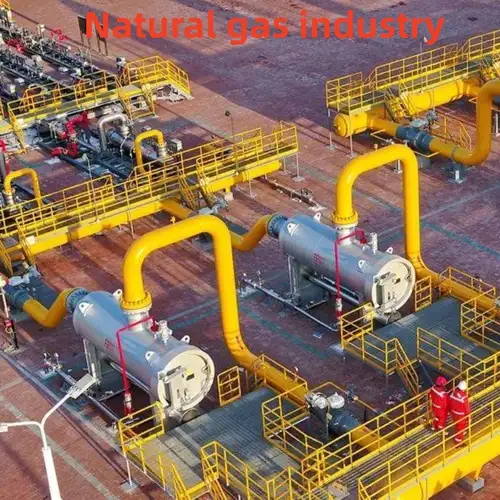
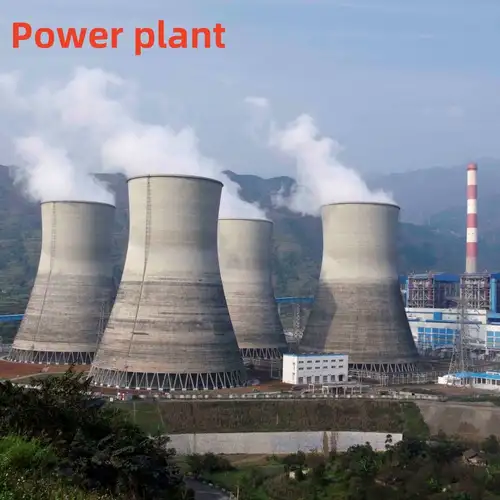
The valve may be considered for equipment cooling circuits, general industrial water, and selected ventilation applications. For oil-bearing wastewater or chemically aggressive media, the seat and metal materials require specific compatibility checks. Soft-seated configurations should not be selected automatically for steam, high-temperature flue gas, or abrasive slurry.
Installation Checks Before Commissioning
Correct installation helps prevent disc jamming, seat damage, and leakage at the pipe joints. Before commissioning, we recommend checking the following points:
- Verify that the valve DN, pressure rating, face-to-face dimensions, and materials match the pipeline and purchase specification.
- Check that the two pipe flanges are aligned and parallel, with enough clearance to insert the valve without forcing or distorting the body.
- Clean the pipeline before installation. Welding slag, metal chips, and sharp particles can damage the seat or obstruct disc movement.
- Use the specified studs and tighten them evenly in a diagonal sequence. Do not use uneven bolt tightening to pull misaligned flanges together.
- Confirm that the disc can complete its travel without interference from the pipe, gasket, or adjacent equipment.
- Check the actuator nameplate and wiring before applying power. Set travel limits and verify the open and closed positions during commissioning.
- For outdoor or damp locations, confirm the actuator protection rating and provide suitable weather protection where required.
The valve should not be used as a pipe support. Pipeline loads, vibration, pressure surges, and installation misalignment should be addressed in the piping design. Always follow the approved installation instructions and applicable pressure-testing procedures.
Maintenance for Reliable Operation
A practical maintenance schedule depends on the medium, operating frequency, and environment. We suggest inspecting the following items as part of the site's preventive maintenance plan:
- Valve body and joints: Check for corrosion, external leakage, loose fasteners, and signs of flange movement.
- Seat and disc: Inspect for wear, scratches, deposits, or damage if shutoff performance deteriorates.
- Actuator: Look for water ingress, abnormal noise, overheating, loose connections, or damaged cables.
- Control functions: Test the open and closed positions, travel limits, and feedback signals where fitted.
- Operating conditions: Review any changes in fluid composition, temperature, pressure, or switching frequency that may require a different seat or valve design.
Isolate the pipeline, release pressure, and follow site safety procedures before removing the valve or servicing internal components. Replacement intervals should be based on inspection findings and actual service conditions rather than a fixed lifespan assumed for every installation.
Liangfa Manufacturing and Delivery
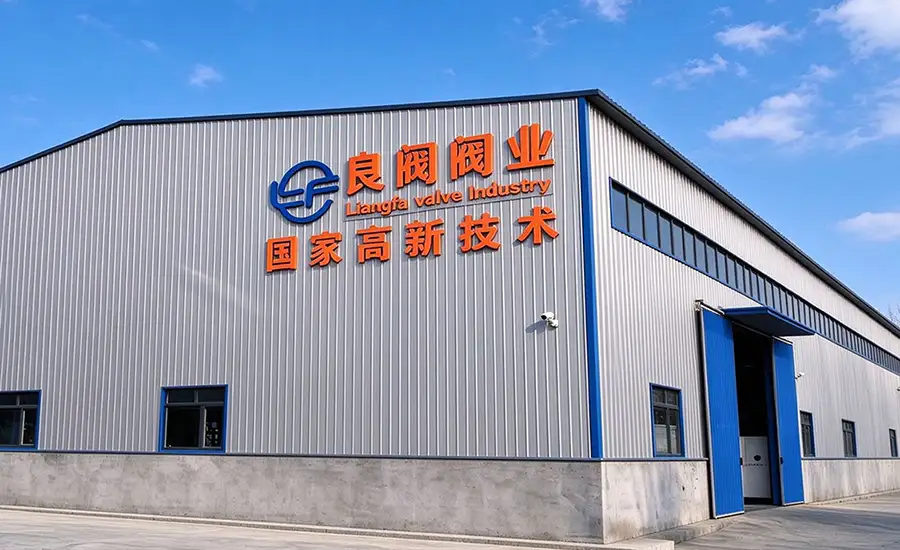
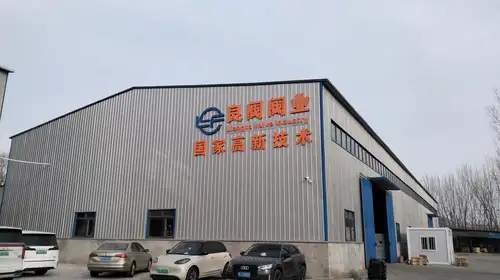
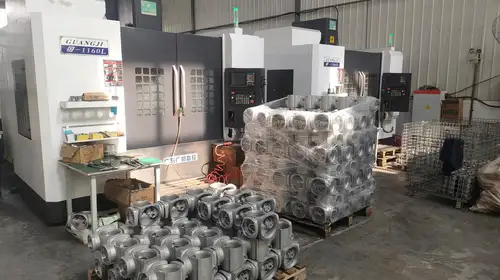
Liangfa holds a High-Tech Enterprise Certificate. We provide technical consultation for material selection, pressure rating, nominal diameter, actuator type, control signals, and special installation requirements. Before confirming an order, our team can review the requested configuration and identify specifications that need clarification.
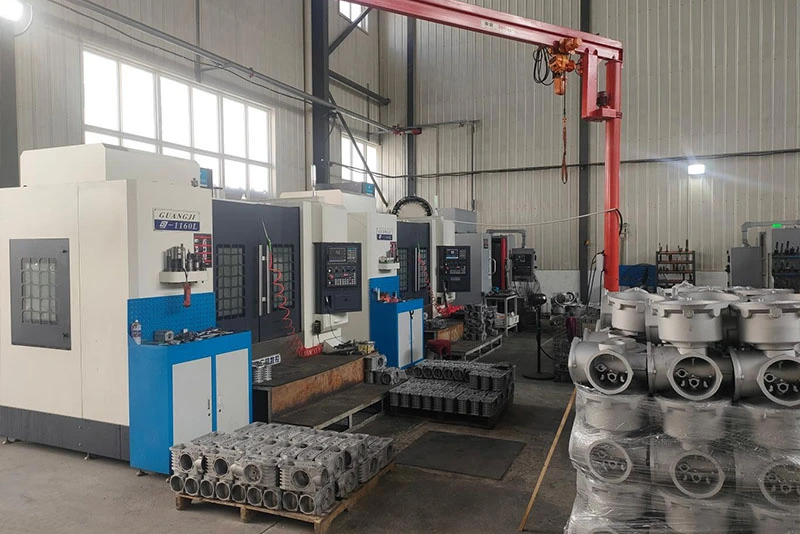
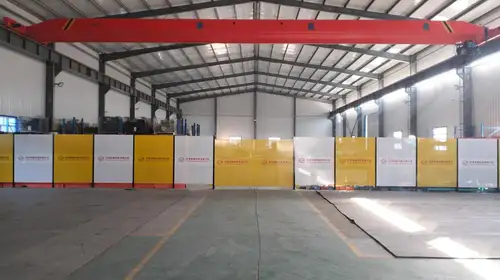
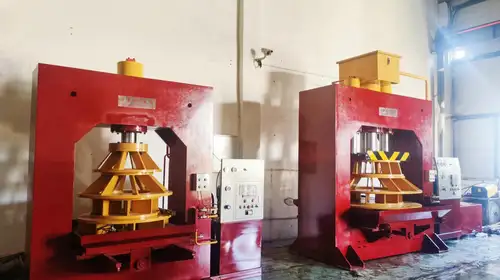
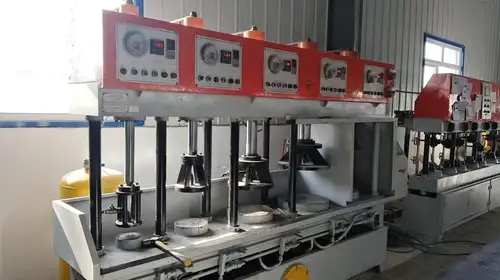
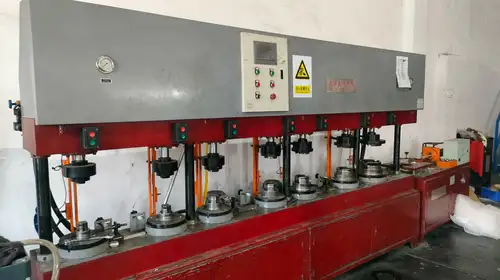
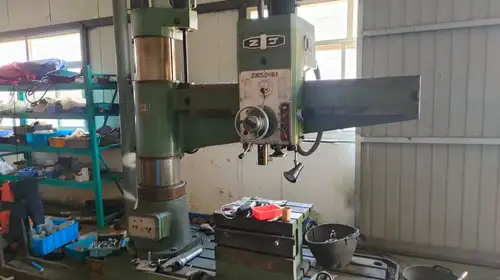
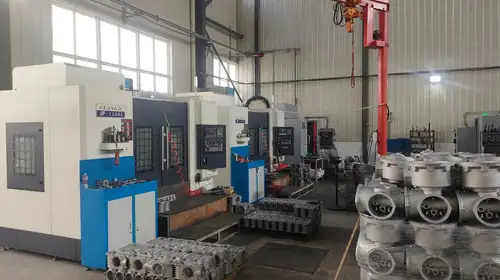
Factory Tour
Packing and Shipping
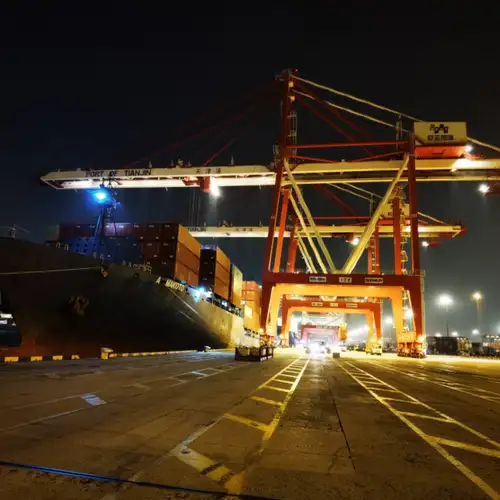
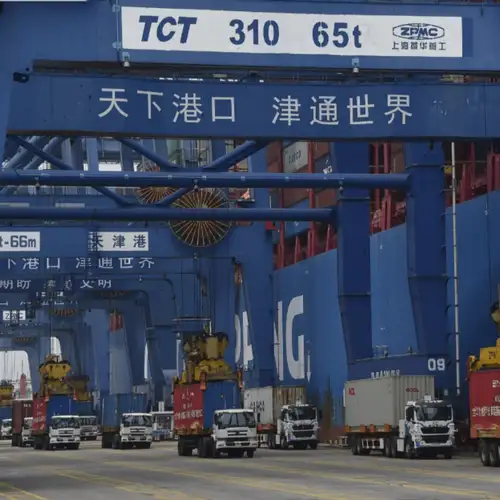
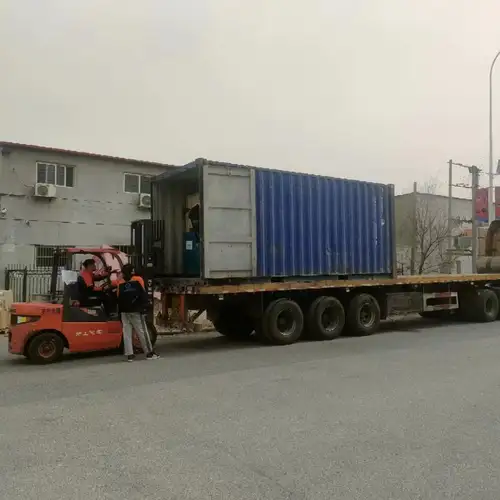
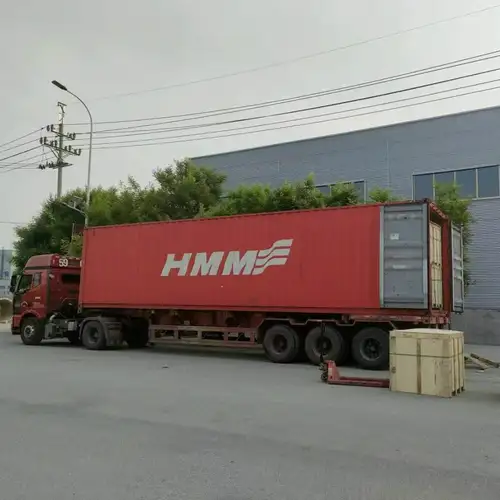
We arrange export packing and coordinate sea or land transportation according to the order and destination. Packing method, shipping schedule, and export documentation can be confirmed with the sales team before dispatch.
Ordering and Technical Support
To help us recommend the appropriate Electric Wafer Butterfly Valve, please provide the following information with your inquiry:
- Nominal diameter and required pressure rating
- Fluid name, concentration if applicable, and any suspended solids
- Normal and maximum operating temperatures and pressures
- Valve body, disc, and seat material requirements
- On-off or modulating control, including the required input signal
- Actuator power supply, feedback, protection rating, and hazardous-area requirements if applicable
- Quantity, delivery destination, and any project or inspection standards
We can then review the operating conditions, confirm the available configuration, and provide a quotation based on the agreed specifications. Liangfa also offers technical guidance for installation and maintenance, along with spare-parts support subject to the selected model.
Frequently Asked Questions
Can a wafer butterfly valve replace a flanged butterfly valve?
Not in every installation. A wafer valve is clamped between two compatible pipe flanges, while a flanged valve has its own flange ends. Before replacement, check the pipeline connection arrangement, face-to-face dimensions, pressure rating, available space, and fastening requirements. A piping modification may be needed if the existing connections are not compatible.
What information is needed to quote a modulating valve?
Please specify the required control signal, such as 4–20 mA or 0–10 V, the actuator supply voltage, whether position feedback is required, and how the valve will be integrated with the control system. We will confirm actuator compatibility and the available control functions for the selected valve size.
Is this model suitable for seawater or chemical service?
It depends on the exact fluid, concentration, temperature, pressure, and selected materials. Standard ductile iron and EPDM configurations should not be assumed suitable for all seawater or chemical applications. Tell us the medium and operating conditions so we can review the disc, stem, seat, body, and fastener materials before recommending a configuration.
What should be confirmed before placing an order?
Confirm the model, DN size, pressure rating, flange standard, operating temperature, material combination, actuator type, supply voltage, control signal, feedback requirements, and installation environment. For this model, please also confirm the final size and temperature range with us because the source specifications contain different ranges in different sections.
Can the valve be operated during a power failure?
Manual operation depends on the actuator configuration. An emergency handwheel is described in the supplied product information for certain on-off versions, but it should not be assumed to be included in every configuration. Please specify whether manual override is required when requesting a quotation.
Send Inquiry
Contact Info
-
Address
No. 2 Taikang Road, Xiditou Town, Beichen District, Tianjin City, China
-
Tel
-
Email
If you have any inquiry about a quotation or cooperation, please feel free to email or use the following inquiry form. Our sales representative will contact you within 24 hours.
News Recommendations