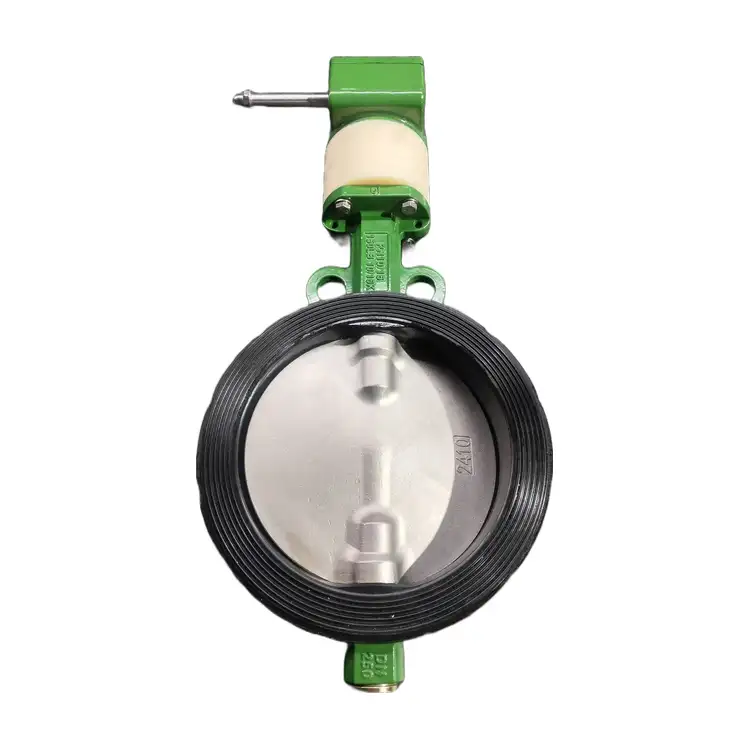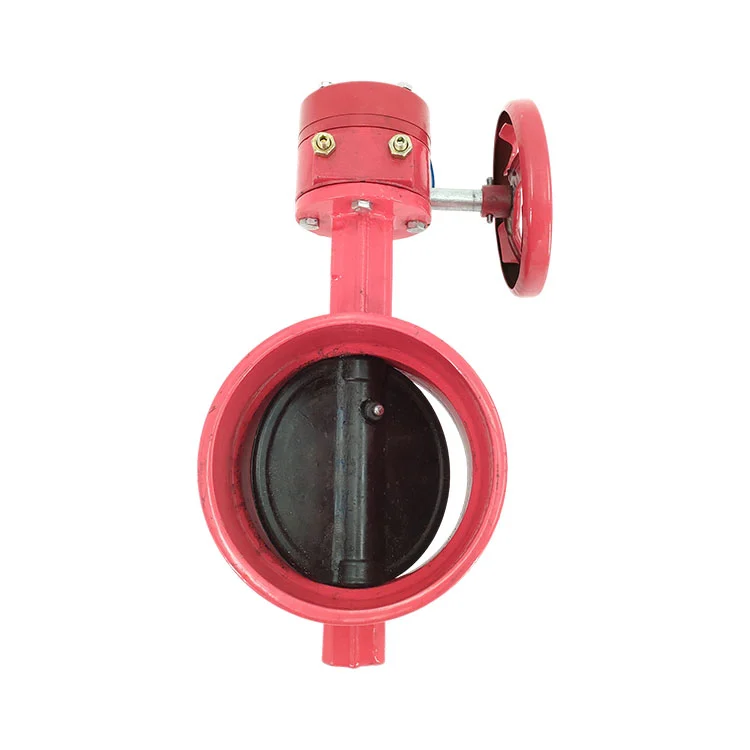
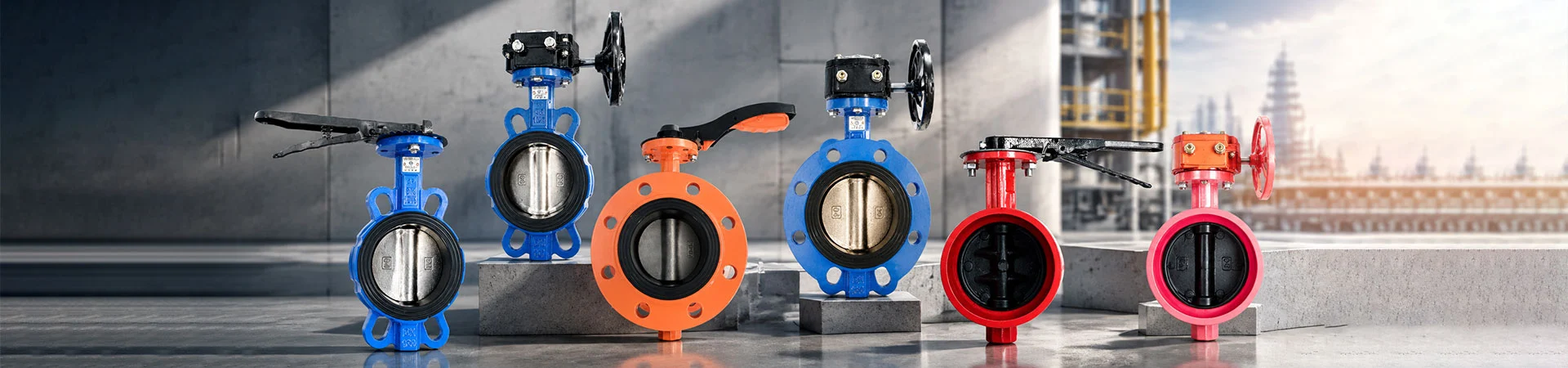
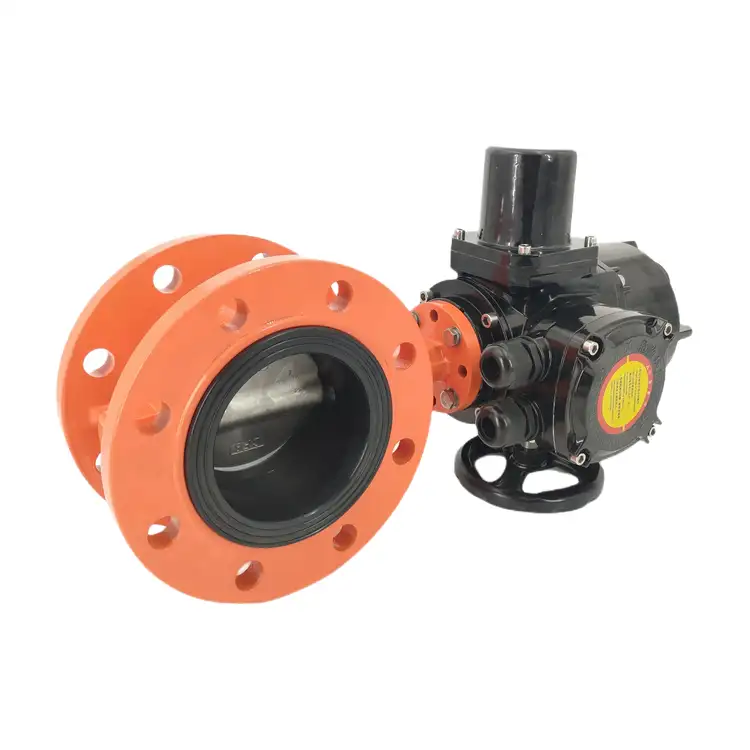
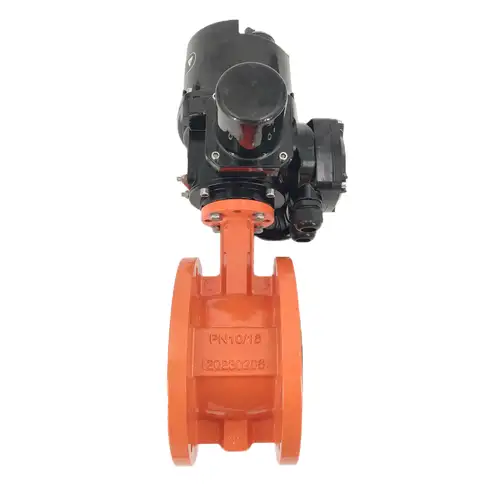
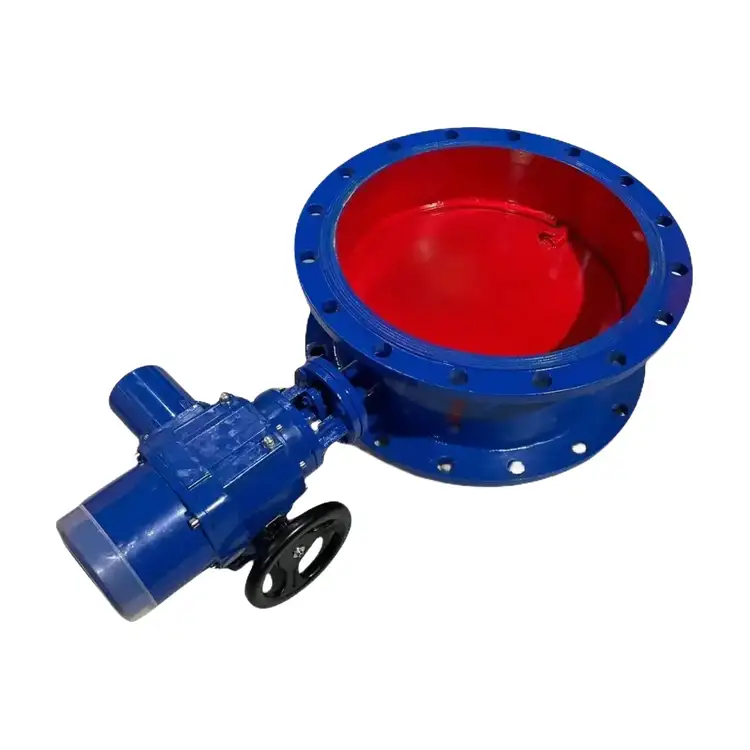
Electric Flanged Butterfly Valve
The Electric Flanged Butterfly Valve from Liangfa is designed for remote pipeline shutoff and flow control in water supply, HVAC, wastewater treatment, and industrial utility systems. Its soft-seated design, multiple material options, and configurable electric actuators support different operating conditions and automation requirements.
At Liangfa, we supply Electric Flanged Butterfly Valves for projects that require remote pipeline control, dependable shutoff, and convenient maintenance. Our solution combines a soft-seated valve design with different electric actuator configurations, allowing buyers to match the equipment to pipeline size, pressure, medium, and control signals. As a high-tech enterprise, Liangfa provides technical selection support, material options, inspection documentation, and after-sales assistance for industrial and municipal projects.
Product Specifications
| Product Name | Electric Flanged Butterfly Valve |
| Model | D941X-10/16Q |
| Nominal Diameter | DN40–DN1200 (confirm exact size before ordering) |
| Connection | Flanged connection; confirm flange standard and dimensions |
| Nominal Pressure | PN10 / PN16; other ratings subject to confirmation |
| Temperature Range | -10°C to 100°C as the listed general range; confirm the rating for the selected seat material and configuration |
| Operation | 90-degree electric actuation |
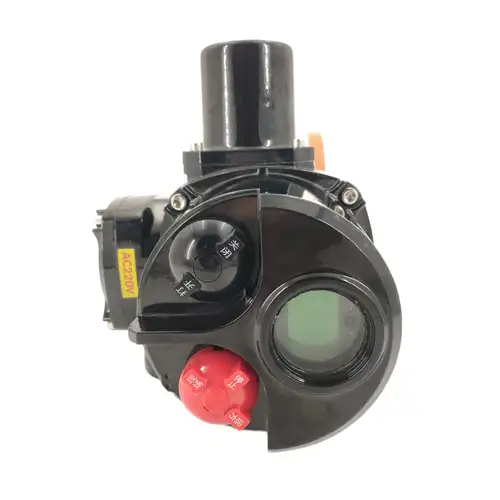
| Actuator Options | On-off, modulating, explosion-proof, and intelligent feedback types, subject to configuration |
| Coating | Fusion Bonded Epoxy Coating in accordance with ANSI/AWWA C550, where applicable |
| Manufacturer | Liangfa |
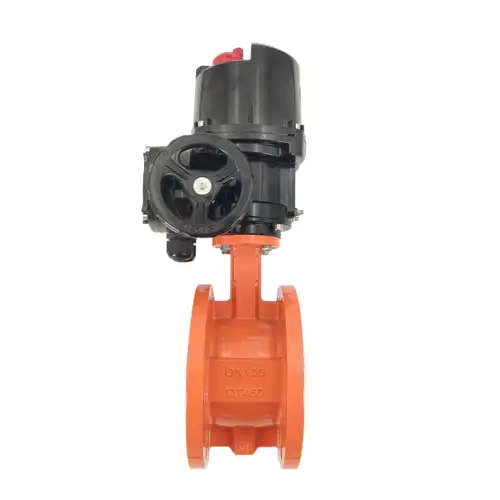
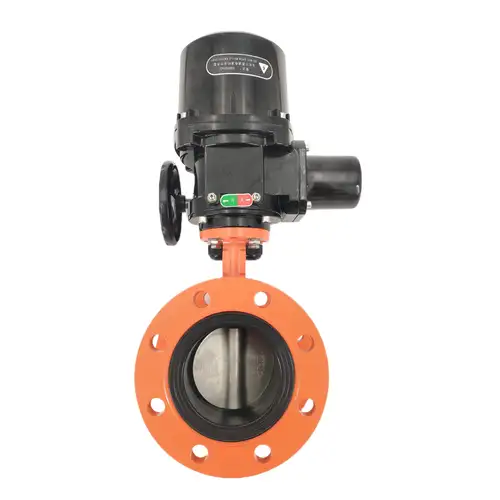
Choose the Right Control Mode
The actuator determines how the valve responds to commands from operators or an automatic control system. We help buyers select a control method based on whether the pipeline needs simple isolation, continuous flow adjustment, or integration with a plant control network.
On-Off Control
An on-off actuator moves the disc between the open and closed positions. It is suitable for pipelines that require remote start-stop control rather than continuous adjustment. Depending on the selected actuator, auxiliary contacts can provide open and closed position signals to the control panel.
Modulating Control
For applications requiring flow adjustment, a modulating actuator can be configured to receive a 4–20 mA or 0–10 V control signal. Signal compatibility, power supply, travel calibration, and position feedback should be confirmed against the project control system before purchase.
Special Actuator Options
Intelligent communication, manual handwheel operation, position feedback, and explosion-proof configurations may be available for selected models. Explosion-proof equipment must match the hazardous-area classification and required certification of the installation site; it should not be selected by actuator type alone.
Materials for Different Media
The body, disc, stem, and seat come into contact with different operating stresses and media. We review the fluid composition, temperature, pressure, and corrosion risks before recommending a material combination.
| Component | Available Materials | Selection Considerations |
| Valve Body | Cast iron, ductile iron, WCB, SS304, SS316 | Pressure rating, mechanical strength, and corrosion conditions |
| Butterfly Disc | Ductile iron, SS304, SS316, SS2507, SS1.4529 | Medium compatibility and resistance to corrosion |
| Valve Stem | 410SS, SS304, SS316, SS2507, SS1.4529 | Strength, wear, and corrosion exposure |
| Seat Liner | EPDM, NBR, PTFE, FKM (Viton) | Temperature limits and chemical compatibility |
| Lever | Ductile iron, SS304 | Mechanical strength and environmental exposure |
| Fasteners | Galvanized carbon steel, SS304, SS316 | Corrosion conditions and assembly requirements |
Seat Material Compatibility
| Seat Material | Typical Compatible Media | Important Restrictions |
| EPDM | Water, cooling water, and HVAC circulation systems | Generally unsuitable for petroleum oils and fuels |
| NBR | Cold water, oil products, and some wastewater applications | Check suitability for hot water and strong oxidizing media |
| PTFE | Selected corrosive media and acid or alkali solutions | Verify chemical compatibility, pressure, and operating temperature |
| FKM | Selected oil-bearing and higher-temperature services | Confirm compatibility with the specific chemical, especially strong alkalis |
Seat compatibility depends on the exact medium concentration, operating temperature, pressure, and duty cycle. The material options above are not a substitute for a service-specific compatibility check. We can review these details before finalizing a quotation.
Where This Valve Can Be Used
Liangfa supplies electrically operated Electric Flanged Butterfly Valves for a range of water and industrial pipeline projects. The appropriate body, seat, pressure class, and actuator must be selected for each application.
Water Distribution and Building Services
For municipal water networks, building water supply, and drainage systems, an electric actuator enables remote isolation at selected pipeline points. Buyers should verify the required pressure rating, flange dimensions, and water-contact requirements for the project.
HVAC and Cooling Circuits
In chilled-water and circulating-water systems, modulating control can help regulate flow in response to building automation or process signals. EPDM is commonly considered for compatible water applications, while the actuator's signal and power specifications must match the control panel.
Wastewater and Industrial Utilities
Wastewater treatment and industrial utility systems may require additional attention to suspended solids, corrosion, and seat wear. We recommend checking the particle content and chemical composition before choosing the disc, seat, and actuator torque. Soft-seated designs may not be suitable for abrasive media containing sharp solids.
Fire Protection Projects
For fire protection water systems, buyers should confirm that the exact valve and actuator configuration meets the applicable local fire-protection codes and project approval requirements. Do not assume that every standard configuration is approved for every fire-protection installation.
Installation Details That Matter
Correct installation helps reduce seat damage, operating resistance, and actuator problems. Before fitting the valve, we recommend checking the following points against the product manual and project drawings.
- Check the connection: Confirm flange standards, pressure class, bolt pattern, and face-to-face dimensions before installation.
- Clean the pipeline: Remove welding slag, gravel, and metal debris that could damage the seat or obstruct disc movement.
- Align the flanges: Avoid forcing misaligned pipe sections together. Tighten bolts evenly in a diagonal sequence.
- Check disc clearance: Confirm that the disc can travel through its full operating range without contacting adjacent pipework or gaskets.
- Verify the electrical supply: Match voltage, control wiring, input signals, and feedback connections to the selected actuator documentation.
- Protect outdoor equipment: Select the appropriate enclosure protection and cable-entry arrangement for the actual installation environment.
Maintenance and Troubleshooting
Routine inspection can help identify sealing wear and actuator issues before they interrupt pipeline operation. The inspection interval should reflect operating frequency, medium cleanliness, and site conditions.
| Observed Problem | Possible Cause | Recommended Check |
| Valve does not complete its travel | Debris, stem resistance, incorrect wiring, or insufficient actuator torque | Isolate the equipment safely, inspect for obstruction, and verify actuator settings |
| Leakage through the closed valve | Seat wear, trapped debris, or incorrect installation | Inspect the sealing surface and replace damaged seat components where necessary |
| Unstable modulating movement | Signal interference, incorrect calibration, or incompatible control signals | Check wiring, input signal, travel calibration, and control-system settings |
| Moisture inside the actuator | Damaged cable glands, unsuitable enclosure protection, or poor outdoor protection | Inspect the enclosure and cable entries, then correct the source of water ingress |
Before maintenance, isolate the electrical supply and depressurize the pipeline according to the site's safety procedures. Do not remove the valve from a pressurized line. Use the manufacturer's instructions when adjusting travel limits or replacing sealing components.
Manufacturing and Quality Support
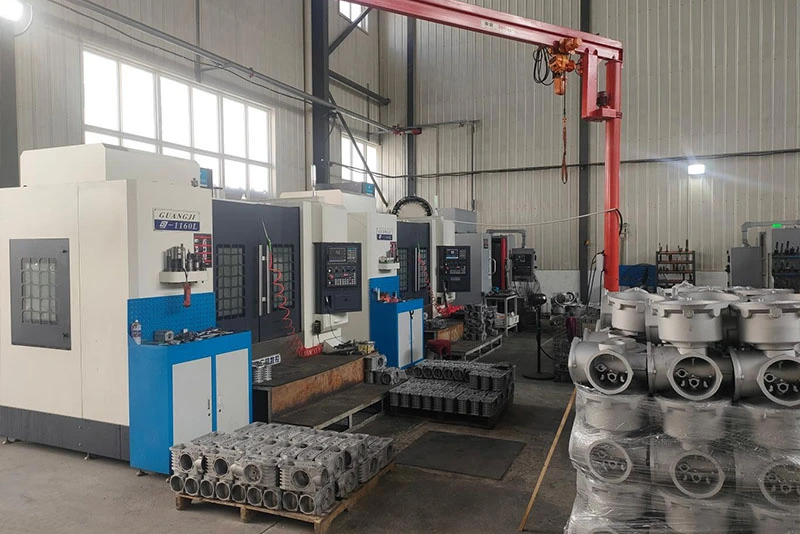
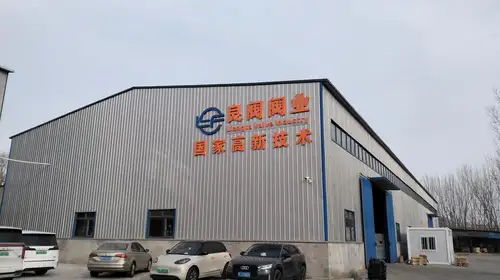
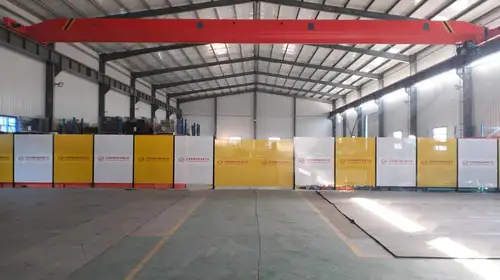
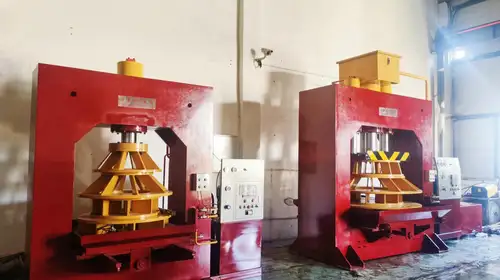
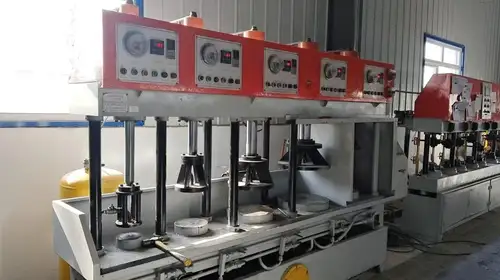
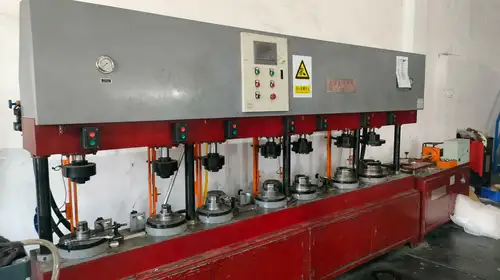
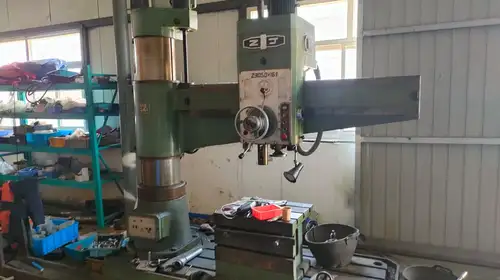
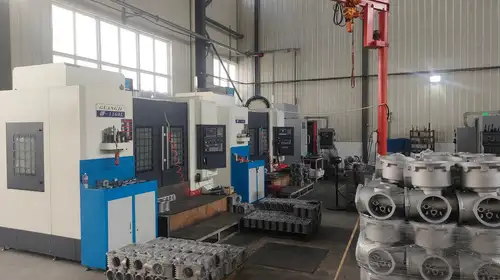
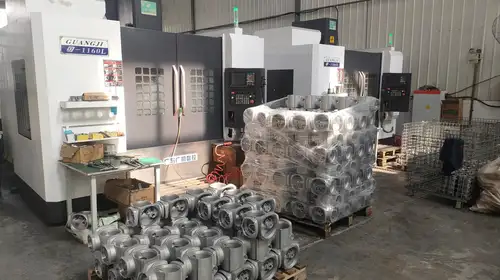
As a manufacturer with a High-Tech Enterprise Certificate, Liangfa provides technical support throughout product selection and delivery. Our team can help buyers review operating parameters, select compatible materials, and confirm actuator requirements before production.
Packaging and Delivery
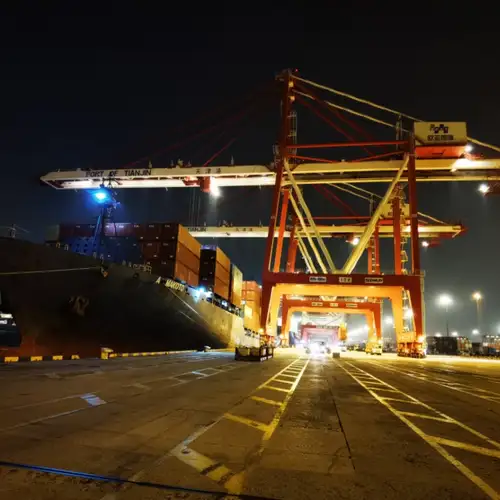
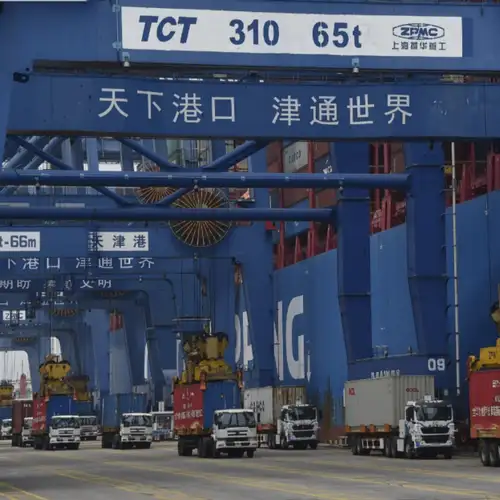
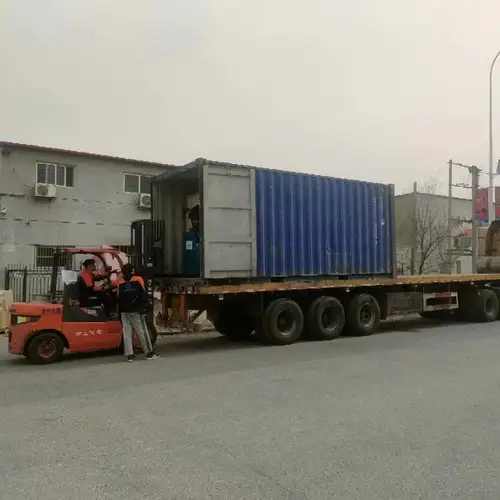
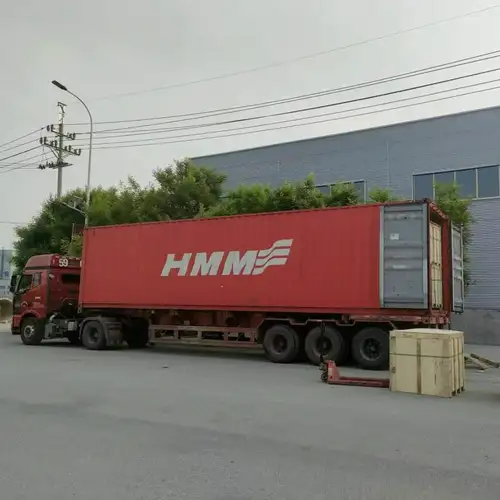
We support export shipment by sea and land transport. Before dispatch, buyers can confirm the packaging method, shipping marks, quantity, and required export documents with our sales team. Inspection records and material documents can be discussed according to the order requirements.
Application Examples
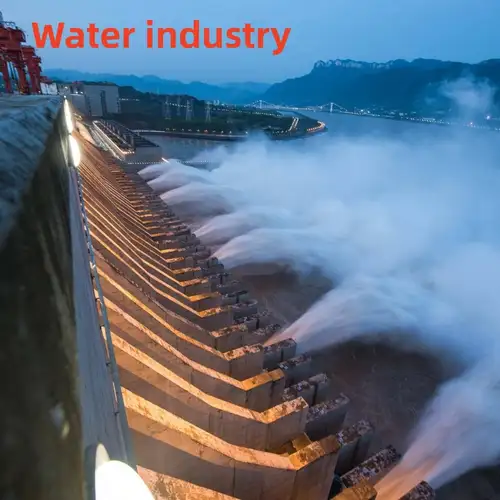
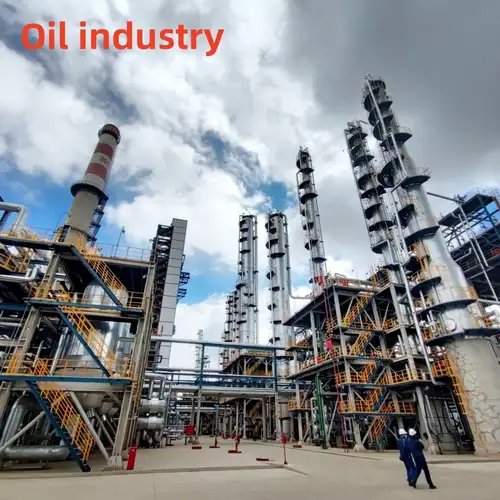
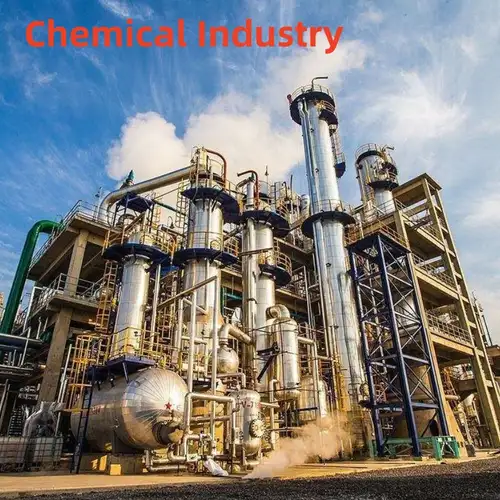
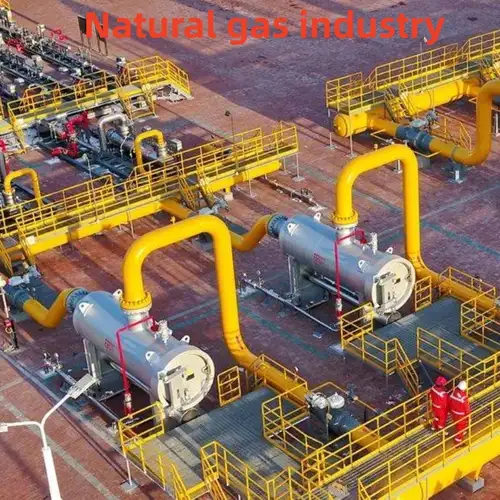
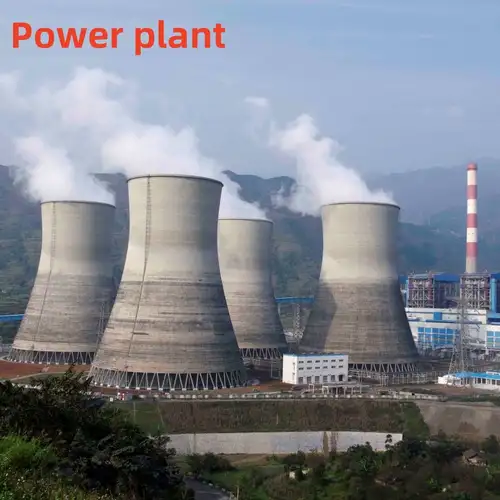
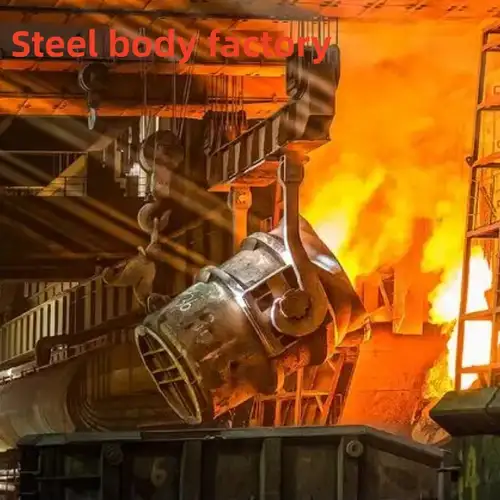
The following images illustrate application areas relevant to valve products. The exact suitability of a particular configuration depends on medium compatibility, pressure, temperature, actuator protection, and applicable project standards.
Support from Selection to After-Sales
Before Ordering
We provide model-selection assistance, technical parameter review, drawings, material recommendations, and quotation support. Special materials, pressure ratings, actuator signals, and accessories should be confirmed before order placement.
During Production and Delivery
We can coordinate production updates, pre-shipment inspection requirements, export packaging, and shipping documentation. Any requested inspection report or material certificate should be agreed upon in advance.
After Delivery
We offer technical consultation, installation guidance, maintenance support, and spare-part supply subject to model availability. Liangfa's stated warranty period is 12 months from shipment; the applicable terms should be confirmed in the order documentation.
Frequently Asked Questions
What information should I send to get an accurate quotation?
Please provide the nominal diameter, operating pressure, medium, temperature, flange standard, required quantity, and destination. For electric operation, also specify the power supply, on-off or modulating control, input signal, feedback requirements, and any hazardous-area classification.
Can the actuator connect to an existing PLC or building automation system?
Potentially, yes. The correct configuration depends on the controller's output signal and the actuator's input and feedback interfaces. Share the control-system specifications so we can check compatibility before confirming the model.
Can I use the same seat material for water, oil, and chemical media?
Not necessarily. EPDM, NBR, PTFE, and FKM have different chemical and temperature compatibility limits. Tell us the exact medium and operating conditions so we can recommend a suitable seat material rather than assuming one material fits every application.
Does the standard valve include an explosion-proof actuator?
An explosion-proof actuator is an optional configuration where available, not an automatic feature of every valve. The required protection marking and certification depend on the hazardous area and project regulations. Confirm these requirements before ordering.
What should be checked if the valve leaks after installation?
Check for debris on the sealing surface, seat damage, incorrect flange alignment, and installation-related disc interference. If leakage continues, isolate and depressurize the line before inspection. Replace damaged seat components where necessary and follow the manufacturer's maintenance instructions.
How do I confirm that the valve will fit my existing pipeline?
Do not rely on nominal diameter alone. Confirm the flange standard, pressure class, bolt-hole pattern, face-to-face dimensions, and available installation clearance. We recommend checking these details against the pipeline drawings before placing an order.
For a project-specific quotation, contact Liangfa with your pipeline specifications, medium, operating conditions, and actuator requirements. We will help review the configuration and identify the technical details that need confirmation before ordering.
Send Inquiry
Contact Info
-
Address
No. 2 Taikang Road, Xiditou Town, Beichen District, Tianjin City, China
-
Tel
-
Email
If you have any inquiry about a quotation or cooperation, please feel free to email or use the following inquiry form. Our sales representative will contact you within 24 hours.
News Recommendations