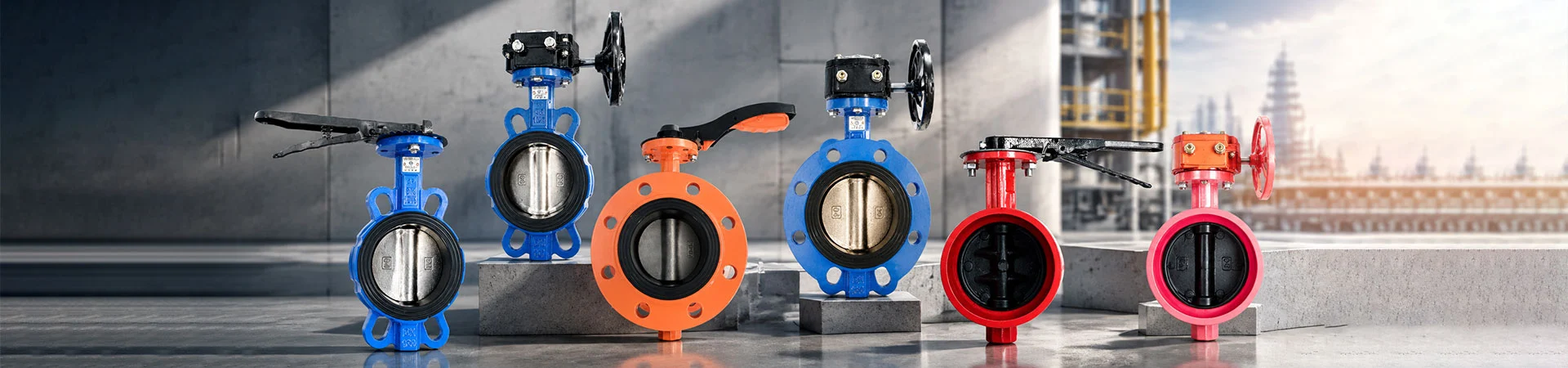
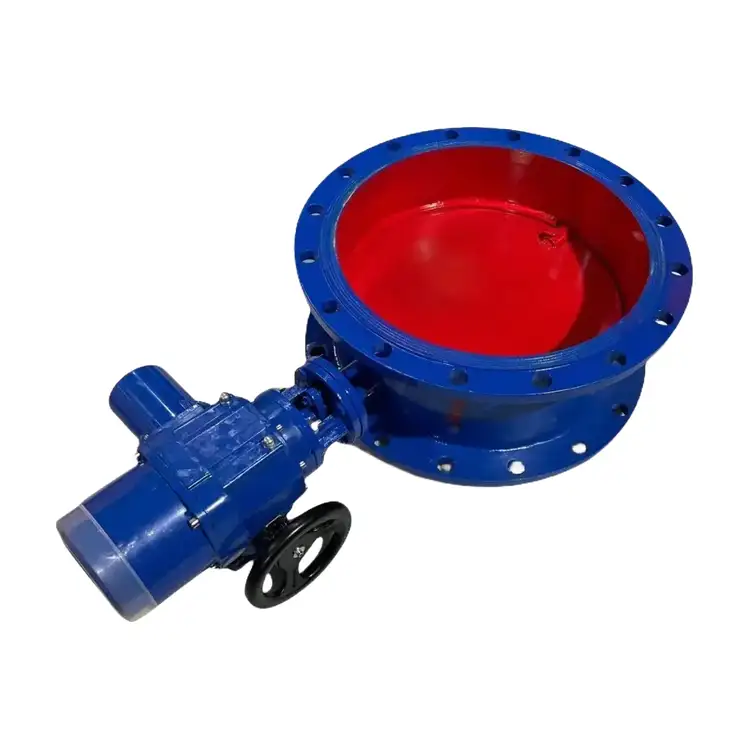
Electric Ventilation Butterfly Valve
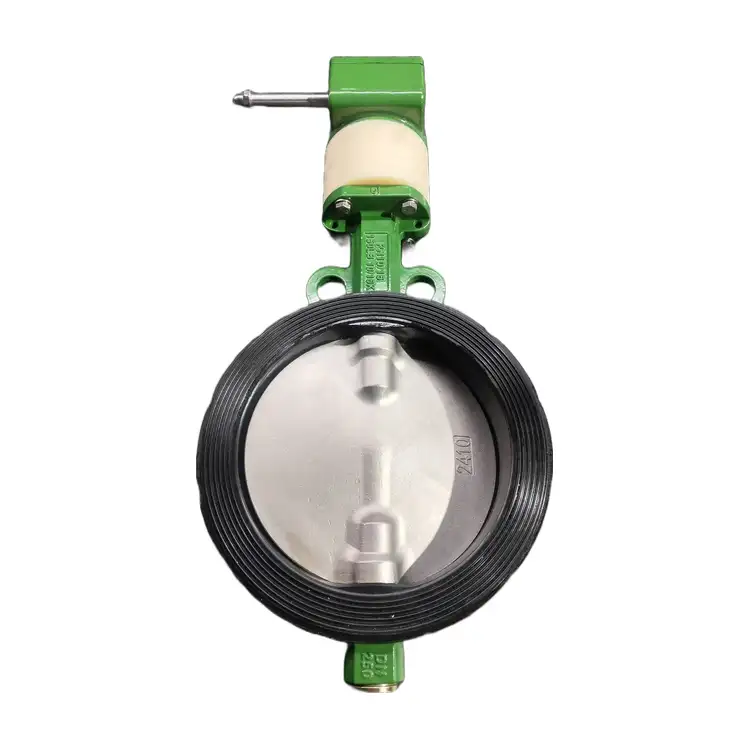
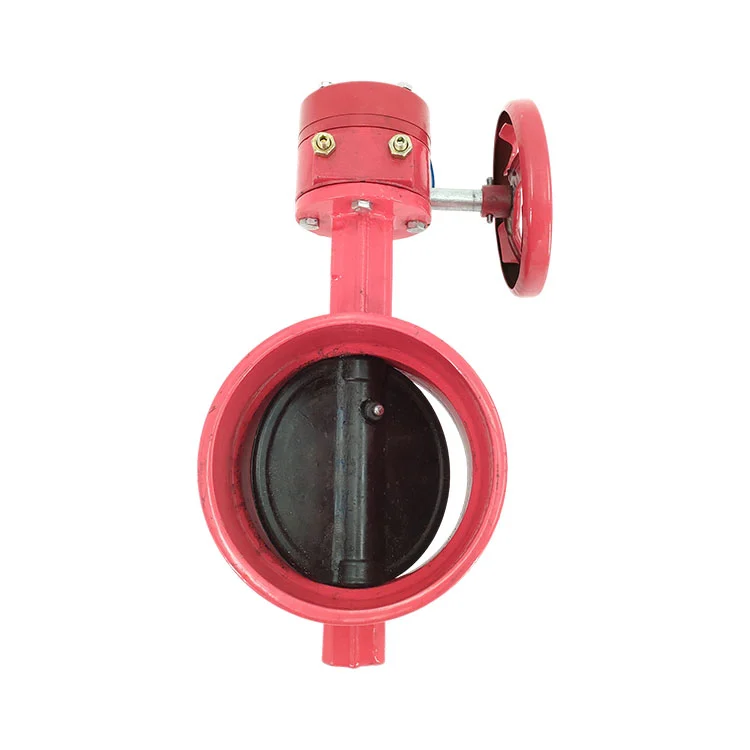
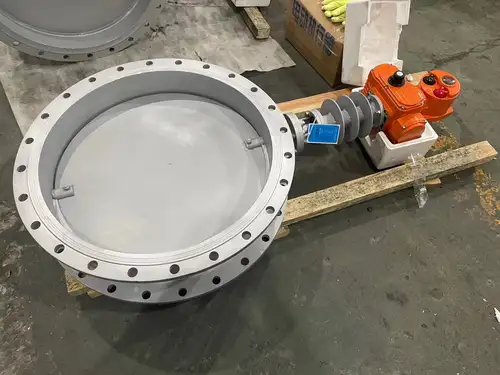
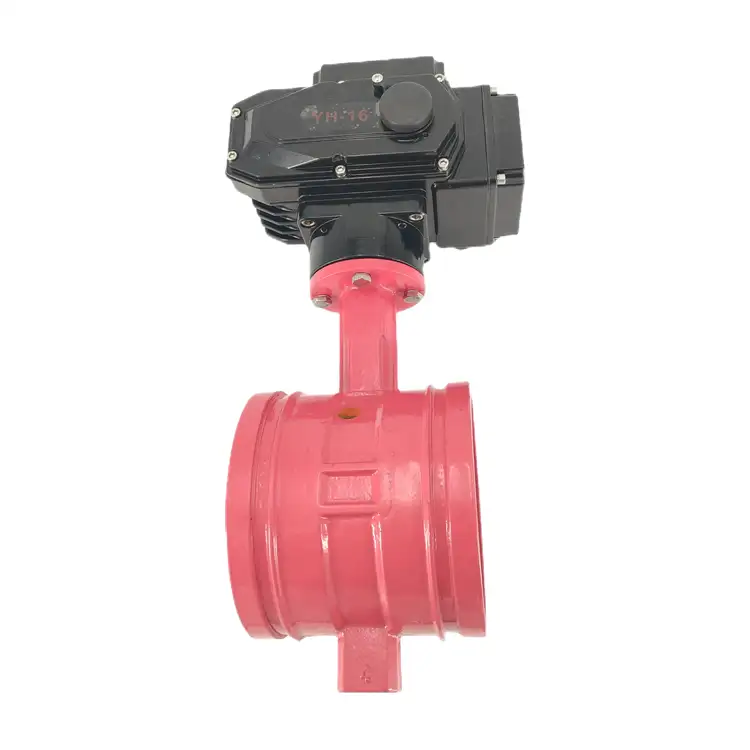
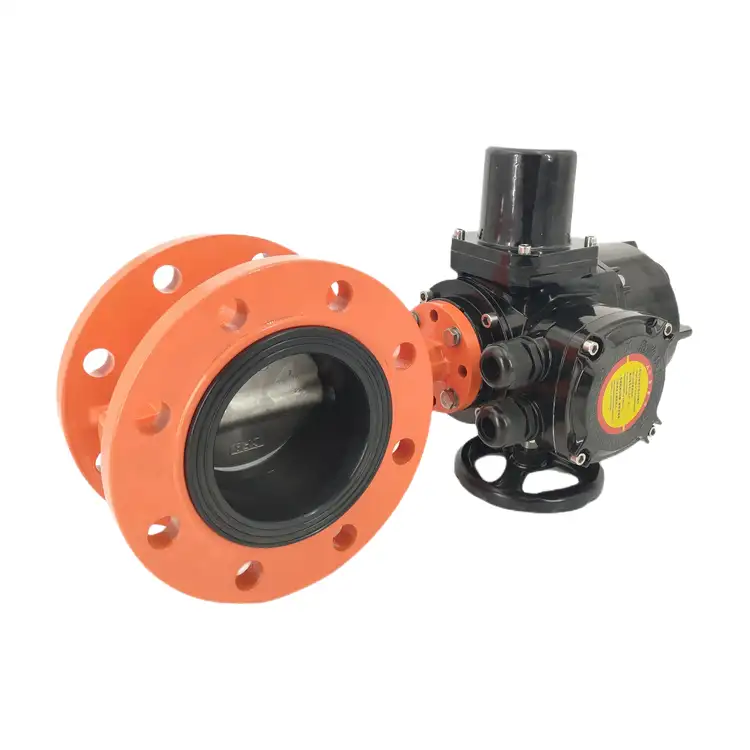
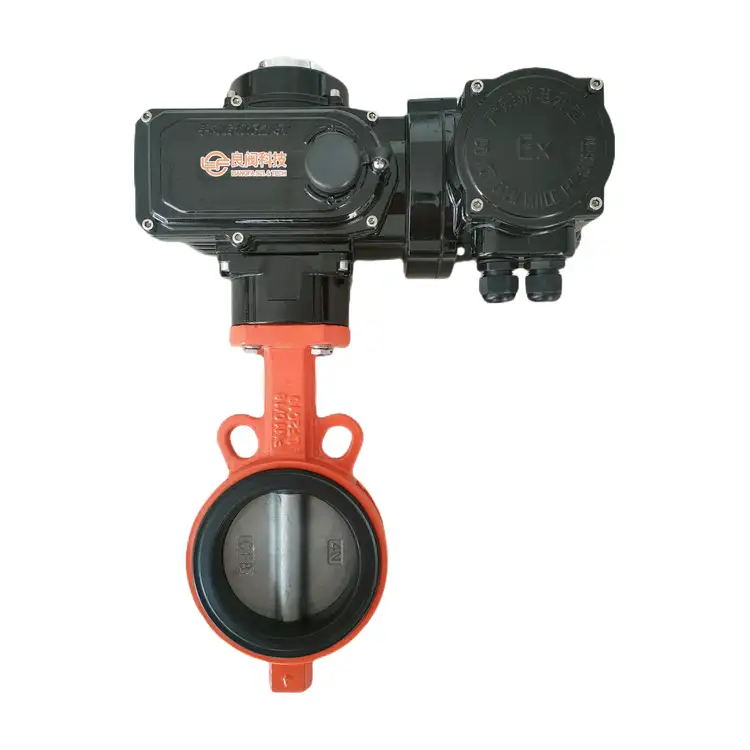
The Electric Ventilation Butterfly Valve is designed for airflow control in ventilation ducts, exhaust systems, dust collection lines, and industrial hot-air applications. Combining an electric actuator with a butterfly valve body, it supports remote on/off operation and, with a compatible modulating actuator, adjustable airflow control.
Liangfa’s Electric Ventilation Butterfly Valve is designed for motorized airflow control in ventilation ducts, exhaust systems, dust collection lines, and industrial flue gas applications. We offer on/off and modulating actuator options, along with different body materials and sealing configurations to suit specific operating conditions.
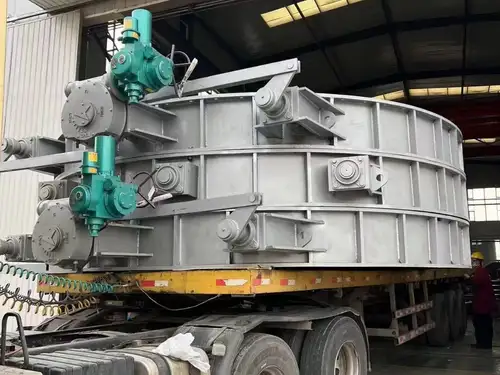
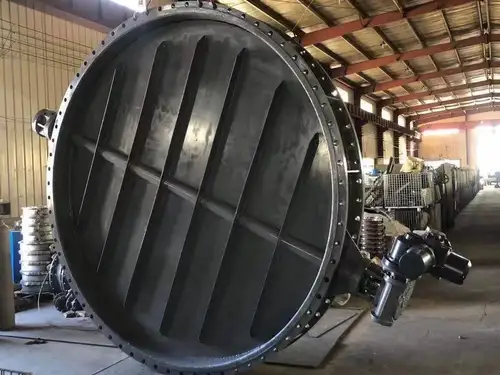
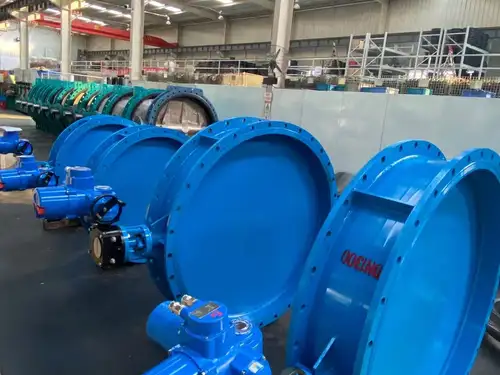
Product Specifications
| Model | D941W-0.6C |
| Nominal Diameter | Confirm the available DN range for the selected model; the supplied information lists DN40–DN1200 and DN100–DN2000 in different sections. |
| Connection | Wafer or flanged configuration; confirm the required connection before ordering. |
| Pressure Rating | Model and configuration dependent; the source lists PN0.1–0.6 MPa as well as other pressure classes. |
| Body Material | Carbon steel, cast iron, ductile iron, SS304, SS316/316L or specified heat-resistant steel, subject to configuration. |
| Disc and Stem | Ductile iron or selected stainless steel grades; other materials require confirmation. |
| Sealing Type | Unsealed metal construction, EPDM, NBR or PTFE, depending on design and operating conditions. |
| Actuator | On/off, modulating or explosion-proof option where a suitable certified configuration is available. |
| Control Signals | 4–20 mA or 0–10 V for compatible modulating actuators. |
| Protection Rating | IP65 stated in the supplied information; confirm the rating of the selected actuator. |
| Power Supply | AC220 V, AC380 V or DC24 V options are listed; verify the actuator nameplate and wiring diagram. |
Select the Right Control Mode
The actuator determines how the Electric Ventilation Butterfly Valve responds to operator commands and automation signals. Before choosing a model, consider whether your system needs simple isolation or continuous airflow adjustment.
On/Off Control
An on/off actuator moves the disc between the specified open and closed positions. This arrangement is suitable for exhaust branches, ventilation ducts, dust collection systems, and other applications where the valve mainly opens or closes an airflow path.
Modulating Control
For systems that need changing airflow, a compatible modulating actuator can receive a 4–20 mA or 0–10 V command. With the correct controller and feedback configuration, the valve can be integrated into a PLC or building management system to adjust its opening position.
Actual airflow does not necessarily change in direct proportion to the valve opening angle. Duct resistance, fan performance, pressure differences, and system layout also affect airflow. Where accurate flow control is required, the valve should be selected and commissioned as part of the complete ventilation system.
Explosion-Proof Configuration
Where flammable gas or combustible dust may create a hazardous atmosphere, the actuator and electrical accessories must be suitable for the site's classified zone. We recommend confirming the hazard classification, required protection marking, temperature class, and applicable certification before specifying an explosion-proof unit. A standard IP-rated actuator is not a substitute for certified explosion protection.
Choose Materials for the Gas Stream
The gas composition, temperature, dust loading, and required leakage performance all influence material selection. We recommend evaluating the valve body, disc, stem, seat, bearings, and actuator arrangement together.
| Material or Design | Typical Selection Considerations |
| Carbon Steel | Commonly considered for ordinary ventilation, dust collection, and compatible flue gas services. |
| Cast Iron or Ductile Iron | Suitable for selected general ventilation systems when pressure, temperature, and mechanical requirements are within the specified limits. |
| SS304 | May be selected for humid or mildly corrosive gas streams, subject to the actual chemical composition. |
| SS316/316L | Considered for certain chloride-containing or more corrosive environments; suitability depends on concentration, temperature, and exposure. |
| Heat-Resistant Steel | For elevated-temperature flue gas, provided the material grade and complete valve construction are rated for the service. |
| Unsealed Metal Design | Often considered for dusty or hot gas service where some leakage is acceptable and soft-seat limits may be exceeded. |
| EPDM Seat | For compatible air and gas applications within the approved temperature and chemical limits. |
| NBR Seat | May suit selected oil mist or oil-contaminated gas streams when chemical compatibility is confirmed. |
| PTFE Seat | For compatible corrosive media where the temperature, pressure, and mechanical limits of the seat design are satisfied. |
Temperature limits must be confirmed for the complete valve assembly, not inferred from the body material alone. The seat, shaft seals, bearings, actuator insulation, and distance between the actuator and hot duct can all limit the permitted operating temperature.
Reduce Problems in Dusty and Hot Ducts
Ventilation valves often operate in conditions that differ from clean water service. Dust accumulation, thermal expansion, vibration, and uneven duct loading can increase operating torque or affect shut-off performance.
Dust and Sticky Deposits
Fine dust, oil mist, tar, or sticky exhaust deposits may collect around the disc and shaft. Where low leakage is not essential, an unsealed metal design may be worth considering. For applications requiring tighter shut-off, confirm that the selected seat can withstand the particles, chemical exposure, and cleaning process.
Large-Diameter Ducts
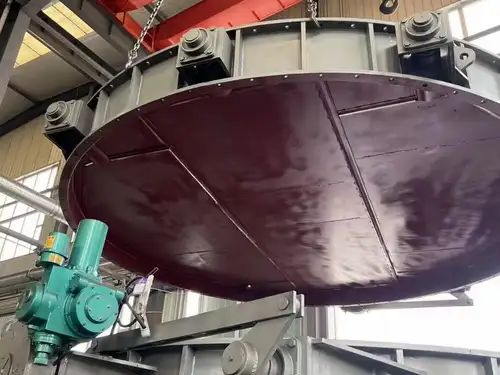
Larger discs create greater mechanical loads and may require external shaft bearings, reinforced supports, and a higher-torque actuator. The source information identifies external bearings for larger sizes, but the actual diameter threshold and construction should be confirmed for the selected model.
High-Temperature Flue Gas
When the gas temperature is elevated, the actuator should be protected from excessive heat radiation and conduction. Depending on the layout, an extended mounting bracket or thermal isolation arrangement may be needed. Confirm the permitted temperature at the actuator mounting point as well as at the valve body.
Corrosive Exhaust
Acidic vapours, chlorides, and mixed chemical exhaust can affect both metal parts and seals. Provide the gas composition, concentration, normal and peak temperature, and any condensation conditions before selecting stainless steel or a polymer seat. Stainless steel alone does not guarantee compatibility with every corrosive gas.
Plan the Installation
Correct mechanical installation and electrical commissioning help reduce actuator faults and prevent the disc from binding against the duct or valve body.
Before Mounting
- Confirm the valve's connection type, dimensions, pressure rating, material, actuator voltage, and control mode against the approved order documents.
- Check that the duct flanges or mounting interfaces are aligned and sufficiently supported.
- Remove welding slag, loose rust, and foreign objects from the duct near the valve.
- Inspect the disc, shaft, actuator mounting hardware, cable entries, and any specified seals.
- Reserve enough clearance for the actuator, manual override, wiring, and future maintenance.
Mechanical Installation
- Follow the manufacturer's installation instructions for the specific wafer or flanged design. Do not use installation procedures intended for a different connection type.
- Verify that the disc can complete its required travel without hitting the duct wall, gasket, or adjacent equipment.
- Tighten fasteners evenly and avoid loading the valve body with unsupported duct weight.
- For large or heavy duct sections, provide independent structural support as required by the system design.
- For hot gas service, check actuator clearance and any required thermal isolation before commissioning.
Electrical Commissioning
- Use the rated supply voltage shown on the actuator nameplate and follow the supplied wiring diagram.
- Verify protective earthing, terminal tightness, cable protection, and the required environmental sealing.
- Test opening and closing direction before connecting the actuator to automatic control.
- Set the travel limits according to the actuator manufacturer's procedure to prevent over-travel.
- For modulating models, check command signals, position feedback, and response to the controller before putting the system into service.
- For hazardous areas, installation and commissioning must follow the applicable electrical safety requirements and the actuator's certification conditions.
Do not force the motor to drive a jammed disc. Isolate the power, follow the manufacturer's safe maintenance procedure, and identify the cause before restarting the actuator.
Maintain Reliable Actuator Operation
Maintenance frequency depends on operating cycles, dust concentration, gas temperature, vibration, and environmental exposure. We recommend using the following checks as a starting point and adjusting them to the actual service conditions.
| Inspection Item | What to Check |
| Actuator | Abnormal noise, overheating, loose mounting hardware, or inconsistent movement. |
| Disc and Shaft | Dust deposits, binding, visible wear, corrosion, or excessive movement. |
| Bearings | Condition, lubrication requirements, and signs of wear according to the manufacturer's instructions. |
| Electrical Connections | Terminal security, cable damage, moisture ingress, and grounding. |
| Travel Limits | Correct fully open and fully closed positions and consistent feedback signals where fitted. |
| Sealing Components | Wear, ageing, deformation, and leakage beyond the specified acceptance level. |
Before inspection or repair, isolate the power supply and make sure the duct is in a safe condition. Hot gases, hazardous process residues, unexpected actuator movement, and stored mechanical energy must be addressed before maintenance begins.
Applications Across Ventilation Systems
Dust Collection and Workshop Exhaust
Used to isolate or control branches in dust collection systems and workshop exhaust networks. For abrasive or deposit-forming dust, assess the disc design, bearing arrangement, and acceptable leakage level.
Boiler and Kiln Air Systems
Motorized valves can control air paths in compatible boiler auxiliary systems, kiln hot-air ducts, and industrial furnaces. High-temperature applications require confirmation of material ratings, shaft support, and actuator thermal protection.
Industrial Flue Gas and Waste Gas Treatment
For exhaust treatment lines, material selection should reflect the gas chemistry, temperature, condensation risk, and required shut-off performance. Corrosive service may require stainless steel or another specified alloy and a compatible sealing arrangement.
HVAC and Building Ventilation
On/off actuators can isolate ventilation branches, while compatible modulating actuators can support airflow adjustment in automated systems. Final control performance depends on actuator sizing, the control system, and duct network design.
Metallurgy and Building Materials Processing
Large air ducts in industrial production facilities may need reinforced shaft support and higher actuator torque, particularly where dust deposits or elevated temperatures increase resistance to disc movement.


Ordering and Project Support
To quote the correct configuration, we need more than the valve diameter. Please share the operating details below so our team can review the actuator, materials, and connection requirements together.
- Required nominal diameter and duct dimensions.
- Connection type, flange standard, and installation drawing where available.
- Gas composition, dust characteristics, and whether condensation is expected.
- Normal and maximum operating temperature and pressure.
- Required leakage performance and whether a soft seat is needed.
- Actuator mode: on/off or modulating.
- Power supply, control signal, feedback requirements, and control-system interface.
- Indoor or outdoor installation, ambient conditions, and any hazardous-area classification.
- Quantity, destination, inspection requirements, and target delivery schedule.
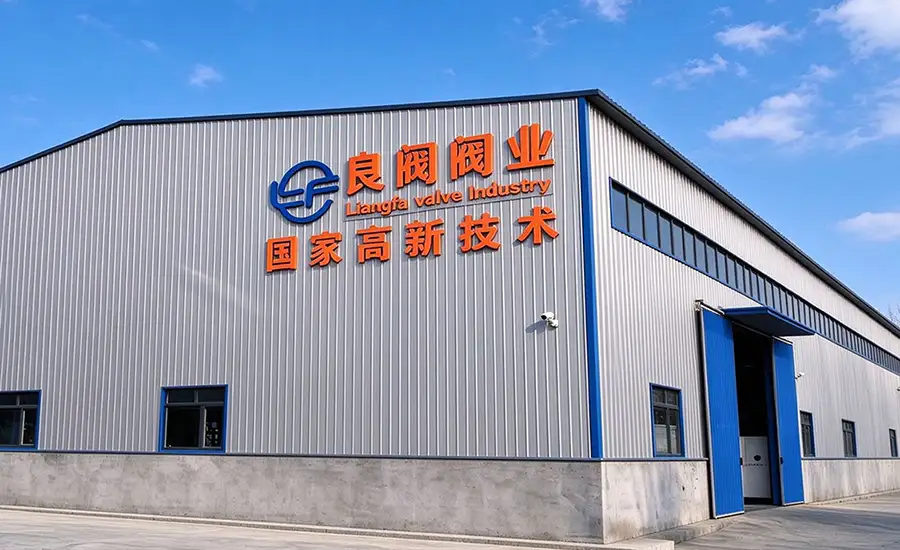
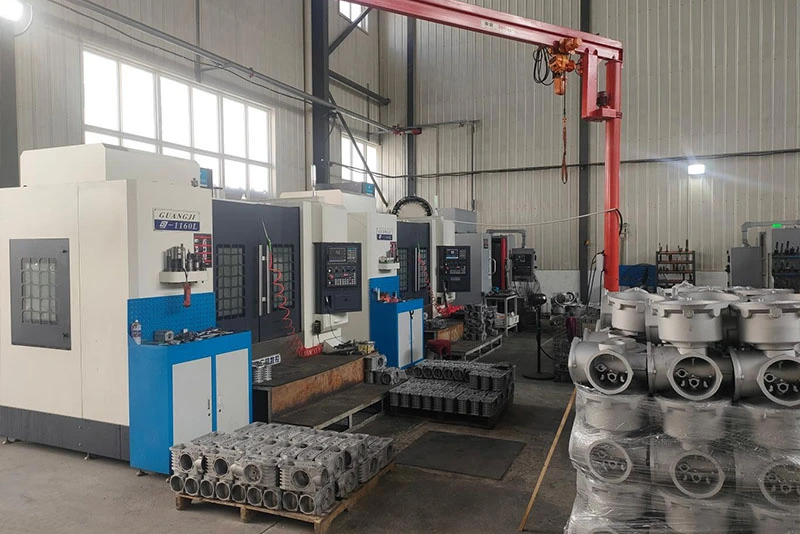
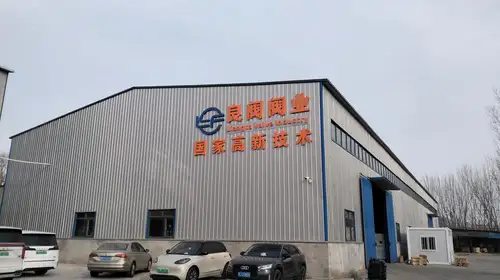
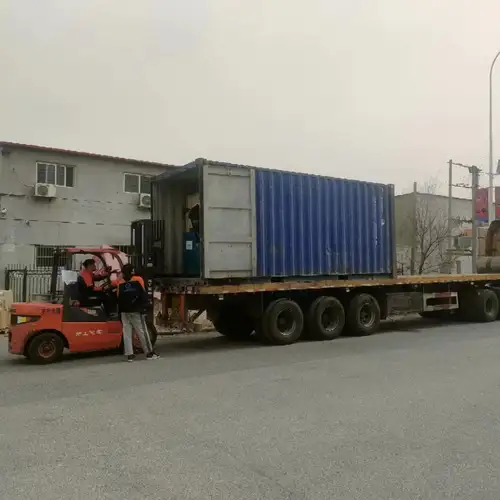
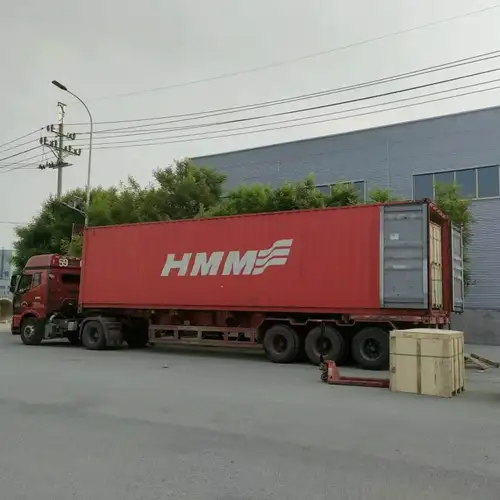
At Liangfa, we provide model-selection assistance, technical parameter confirmation, available drawings, quotation support, and coordination of factory inspection and export documentation according to the order requirements. Our High-Tech Enterprise Certificate can be provided as part of company qualification information. Specific inspection reports, material certificates, and actuator documentation should be confirmed for each order.
We also provide after-sales technical consultation and support for maintenance planning and replacement parts where available. The stated warranty period is 12 months from shipment; applicable terms and exclusions should be confirmed in the sales agreement.


Frequently Asked Questions
Can the actuator connect directly to our PLC?
A compatible modulating actuator can accept specified 4–20 mA or 0–10 V signals, and some configurations provide position feedback. Direct integration depends on the actuator model, control wiring, input/output requirements, and PLC configuration. Please send your control diagram or signal specification for confirmation.
What happens if the power supply fails?
The supplied information lists a manual clutch or handwheel for selected configurations. Manual operation is not necessarily available or suitable on every actuator, so confirm the exact override arrangement and follow the manufacturer's isolation procedure before operating it manually.
Can this Electric Ventilation Butterfly Valve provide a tight shut-off in a dusty exhaust duct?
That depends on the valve design and the required leakage limit. An unsealed metal design may allow some air leakage, while a soft-seated configuration can provide tighter closure when its seal is compatible with the dust, temperature, and gas chemistry. Share the required leakage criterion so we can review the appropriate option.
How should we choose the actuator for a large duct?
Actuator sizing should account for disc diameter, differential pressure, shaft and bearing friction, dust deposits, temperature, and the required operating frequency. Large valves may need external bearings and a higher torque rating. We recommend confirming the actual operating conditions rather than selecting the actuator by diameter alone.
Is an IP65 actuator suitable for an explosive atmosphere?
No. IP65 describes protection against dust ingress and water jets; it does not by itself certify explosion protection. For a hazardous area, the actuator and associated electrical components must have suitable certification for the site's classification and operating conditions.
What should we confirm before specifying high-temperature service?
Provide the normal and peak gas temperature, gas composition, duct pressure, dust loading, required leakage performance, and ambient temperature around the actuator. We can then review the body material, disc and shaft arrangement, seat design, bearings, and any thermal isolation needed for the proposed configuration.
Send Inquiry
Contact Info
-
Address
No. 2 Taikang Road, Xiditou Town, Beichen District, Tianjin City, China
-
Tel
-
Email
If you have any inquiry about a quotation or cooperation, please feel free to email or use the following inquiry form. Our sales representative will contact you within 24 hours.
News Recommendations