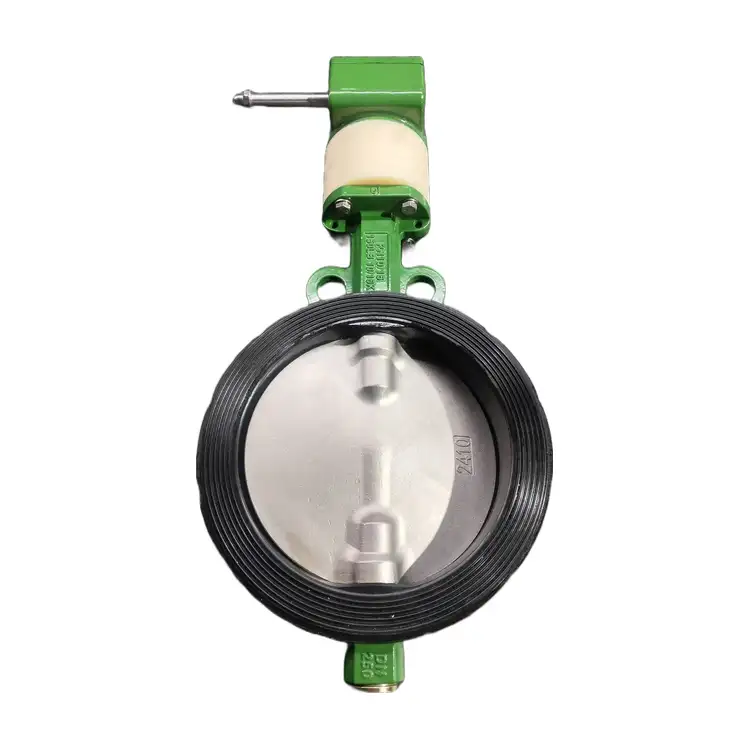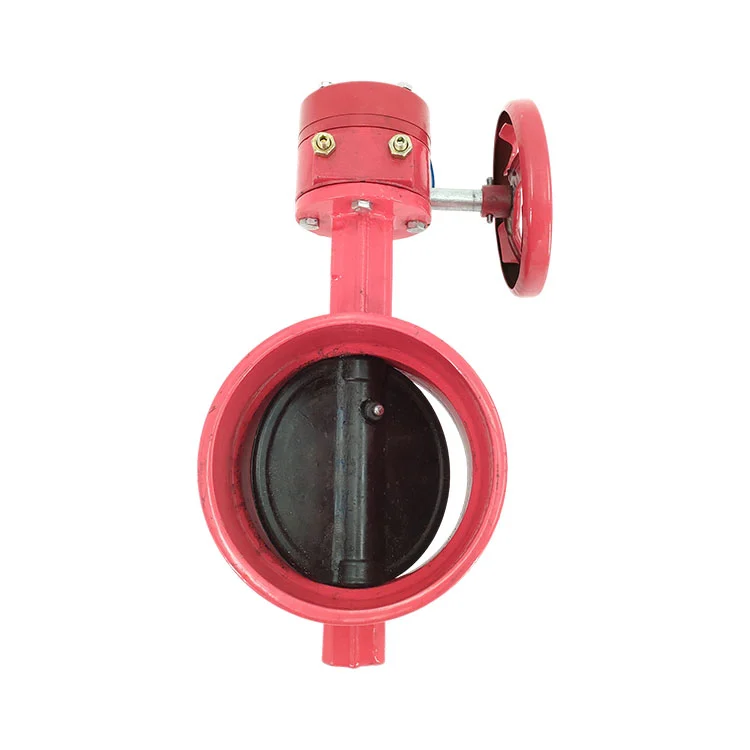
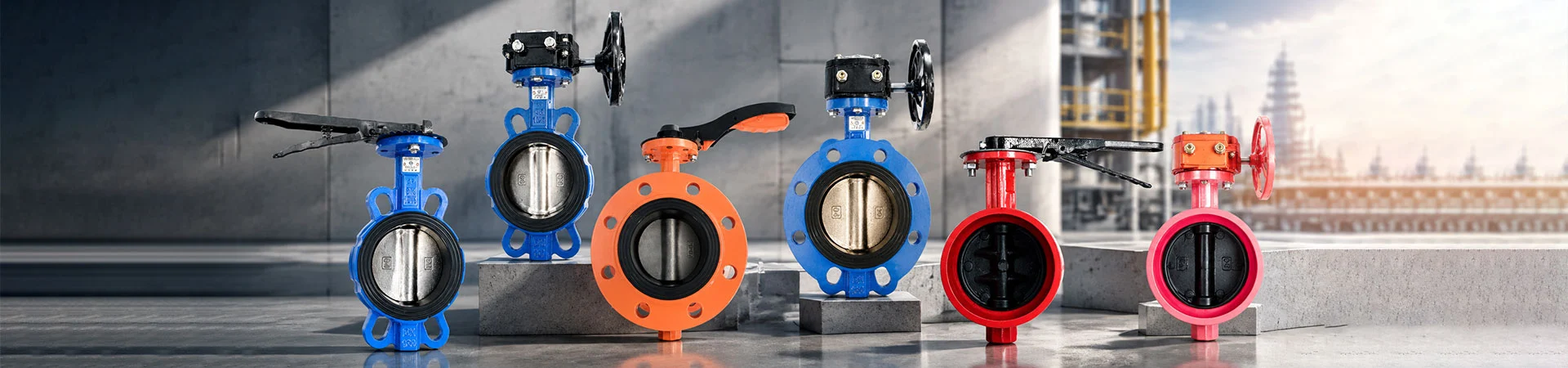
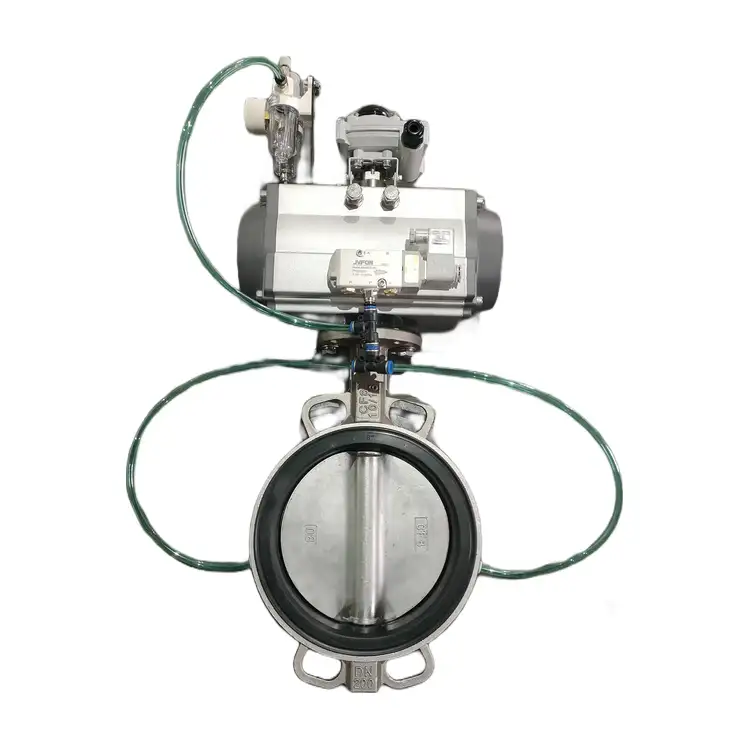
Pneumatic Expansion Butterfly Valve
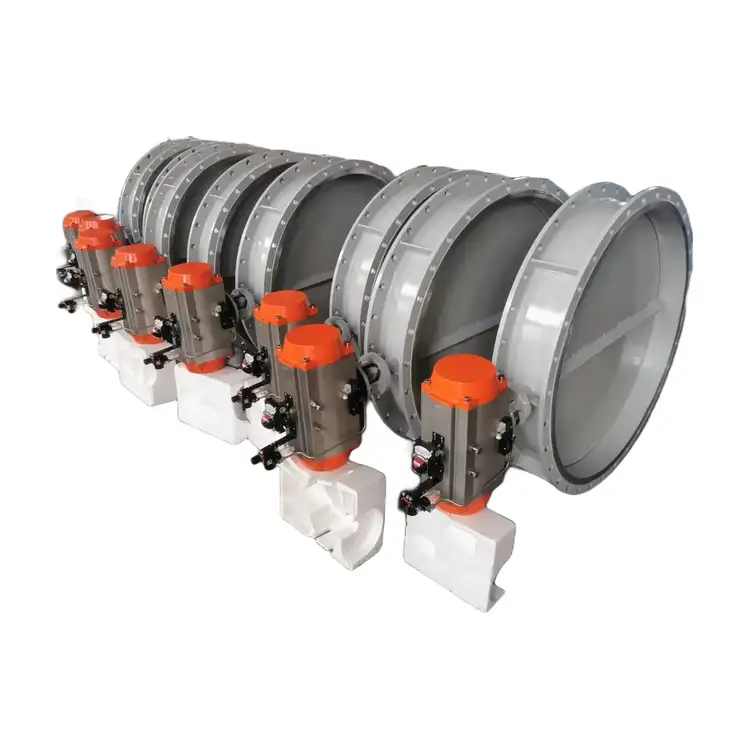
Liangfa's Pneumatic Expansion Butterfly Valve is designed for abrasive powder conveying, industrial dust collection, and flue gas control systems. Featuring an inflatable sealing ring that retracts during disc movement and expands after closure, it helps reduce seal wear, prevent particle jamming, and improve shut-off reliability.
At Liangfa, we design industrial valves for demanding powder conveying and dust control systems where sealing reliability, wear resistance, and maintenance costs directly affect production efficiency. Our Pneumatic Expansion Butterfly Valve uses an inflatable soft-sealing structure that retracts during disc movement and expands after closure.
This design reduces friction between the sealing ring and disc, helping prevent premature wear and leakage when handling dry powders, fly ash, cement materials, and industrial dust. As a high-tech enterprise, Liangfa provides material selection guidance, customized configurations, and technical support for industrial valve projects.
The PZD671X-10/16Q model is available in DN40-DN1200 sizes, with wafer connections, multiple body and disc materials, and optional pneumatic control accessories. We help customers select a suitable configuration according to pipeline dimensions, operating pressure, medium characteristics, and temperature requirements.
How the Sealing System Works
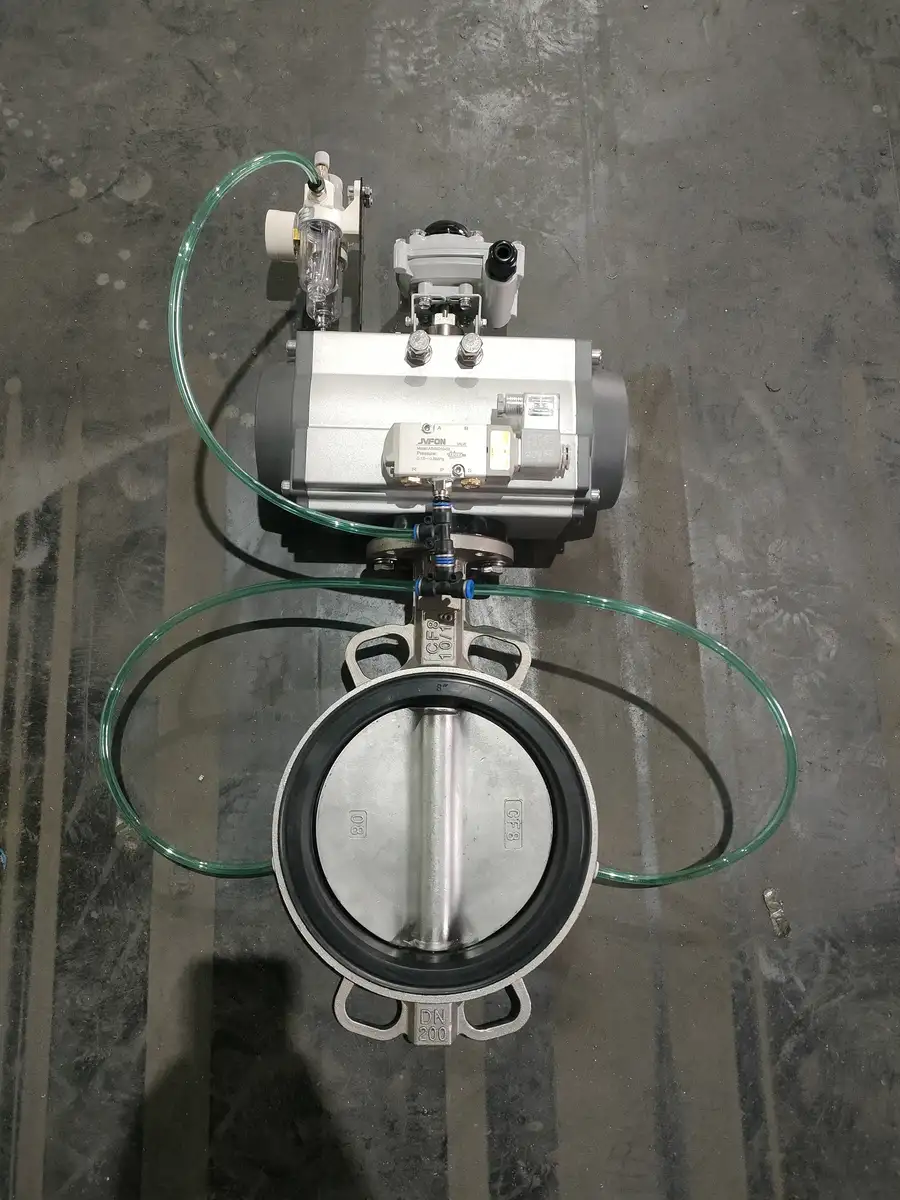
Unlike a conventional soft-seated butterfly valve, this design separates disc movement from the sealing process. Two independent pneumatic circuits control the actuator and the inflatable sealing ring, allowing the valve to open or close without continuous rubbing between the disc and the seal.
Separate movement and sealing
During operation, the sealing ring first releases its inflation pressure and retracts. The pneumatic actuator then rotates the disc through approximately 90 degrees. Once the disc reaches the fully closed position, the sealing ring inflates and presses against the disc to establish a tight seal.
This operating sequence helps reduce abrasion, material accumulation, and sticking in powder-handling applications. The sealing system is designed for bidirectional shut-off, subject to the specified pressure differential and selected configuration.
What this means for maintenance
In abrasive service, repeated contact between a conventional rubber seat and the rotating disc can accelerate wear. Our expansion design minimizes that contact during movement, helping extend seal life under suitable operating conditions. The replaceable sealing ring can also reduce maintenance work because replacement may be possible without removing the entire valve from the pipeline, depending on the installation and valve construction.
Technical Specifications
| Product Name | Pneumatic Expansion Butterfly Valve |
| Model | PZD671X-10/16Q |
| Nominal Diameter | DN40-DN1200 |
| Connection | Wafer type; other connection designs subject to confirmation |
| Pressure Rating | PN10, PN16; other standards and ratings subject to confirmation |
| Standard Temperature Range | -10°C to 100°C |
| Coating | Fusion-bonded epoxy coating in accordance with ANSI/AWWA C550 |
| Actuator | Single-acting spring-return or double-acting pneumatic actuator, subject to configuration |
| Sealing Materials | EPDM, NBR, FKM, PTFE, subject to operating conditions and design compatibility |
| Typical Media | Fly ash, cement powder, mineral powder, dust-laden gas, and other compatible particulate media |
Note: Pressure classes such as 150 LB, 5K, 10K, and 16K may require different design standards and dimensional verification. Please confirm the applicable standard, temperature, pressure differential, and material combination before ordering.
Material Options for Different Media
The Pneumatic Expansion Butterfly Valve body, disc, stem, and sealing ring must be selected together. A material that works well with dry cement powder may not be suitable for oily dust, corrosive chemicals, or humid exhaust gas. Liangfa offers the following material options for application-specific evaluation.
| Component | Available Materials | Selection Considerations |
| Body | Cast iron, ductile iron, WCB carbon steel, SS304, SS316 | Mechanical strength, corrosion exposure, and pipeline conditions |
| Butterfly Disc | Ductile iron, SS304, SS316, SS2507, SS1.4529 | Abrasive particles, corrosion resistance, and media compatibility |
| Stem | 410SS, SS304, SS316, SS2507, SS1.4529 | Strength, corrosion resistance, and operating environment |
| Expandable Seat | EPDM, NBR, FKM (Viton), PTFE | Temperature, oil exposure, chemical compatibility, and sealing requirements |
| Lever and Accessories | Ductile iron, SS304 | Installation environment and operating requirements |
| Fasteners | Galvanized carbon steel, SS304, SS316 | Corrosion exposure and fastening requirements |
Choosing the right sealing material
- EPDM: A common option for water, general dust, and compatible non-oily media within its rated temperature range.
- NBR: Worth considering for oil-contaminated dust and greasy exhaust, subject to the specific oil and temperature.
- FKM: Suitable for many oil-resistant and higher-temperature applications when chemical compatibility is confirmed.
- PTFE: Offers broad chemical resistance for compatible corrosive media, but its mechanical and elastic behavior must be considered in an inflatable sealing design.
The actual allowable temperature depends on the complete valve assembly, not just the seat material. The standard product range is -10°C to 100°C. Higher-temperature service requires technical review and written confirmation of the complete configuration before use.
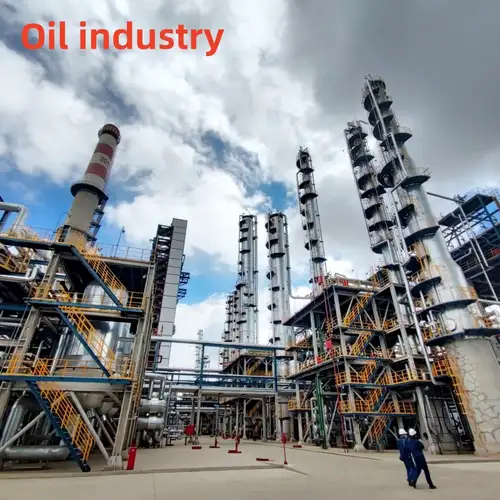
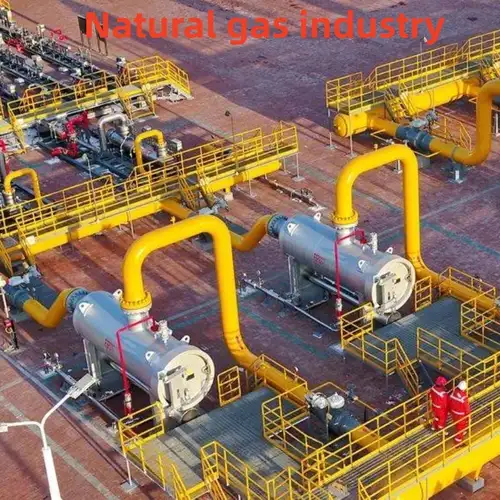
Applications in Powder and Gas Systems
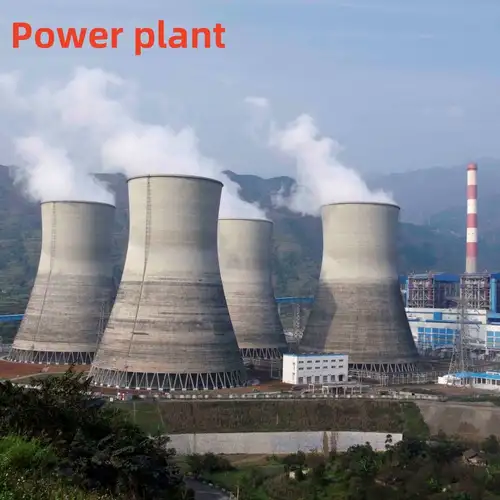
Thermal power and ash handling
In fly ash conveying lines, ash silo outlets, and dust collection ducts, fine particles can accumulate around conventional valve seats. The retractable sealing ring helps limit rubbing and particle trapping during disc movement. The selected valve must still meet the conveying pressure, temperature, and abrasive-load requirements of the system.
Cement and building materials
Cement powder, raw meal, coal powder, and mineral materials can wear sealing surfaces during repeated operation. A suitable disc material and, where required, a wear-resistant surface treatment can help improve service life. We recommend confirming particle size, abrasiveness, operating frequency, and cleaning requirements during selection.
Lithium battery material processing
Powder transfer and dust collection systems may require careful control of material contamination. Stainless steel components and compatible sealing materials can be considered according to the process specification. Where product purity is critical, the complete valve assembly and cleaning requirements should be reviewed rather than relying on the seat material alone.
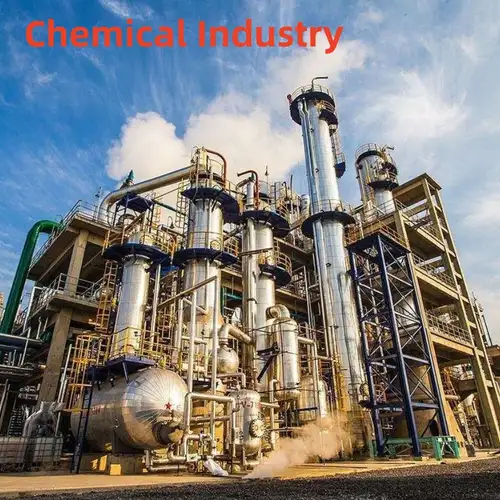
Waste treatment and chemical processing
Dust-laden exhaust, incinerator ash, and compatible chemical powders may require corrosion-resistant components and application-specific sealing materials. For corrosive media, we evaluate the chemical composition, moisture content, temperature, and gas exposure before recommending a material combination.
Dust collection and ventilation
The valve can be considered for suitable inlet and outlet ducts in bag filters, cyclone collectors, and industrial ventilation systems. For large-diameter ducts, we assess connection strength, pipeline alignment, support requirements, and the expected pressure differential before confirming the design.
Configure the Valve for Your Pipeline
Choosing a valve based on nominal diameter alone can result in poor sealing, difficult installation, or premature component wear. We recommend confirming the following operating details before selecting a model.
Pipeline size and connection
Confirm the nominal diameter, mating flange standard, face-to-face space, and available installation clearance. Wafer construction provides a compact installation, but flange alignment and bolt arrangement must be checked. Large-diameter applications may require a different connection arrangement following engineering review.
Pressure and actuator requirements
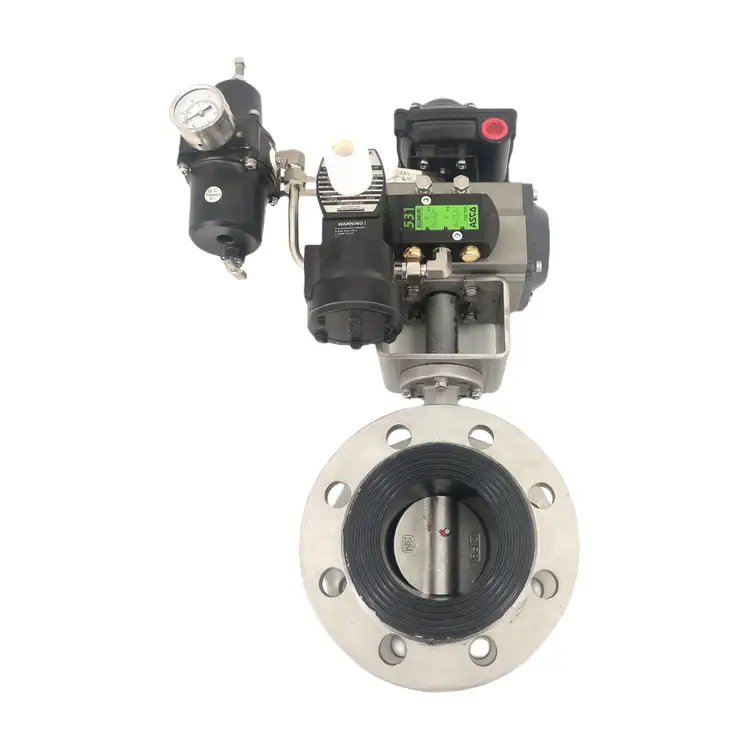
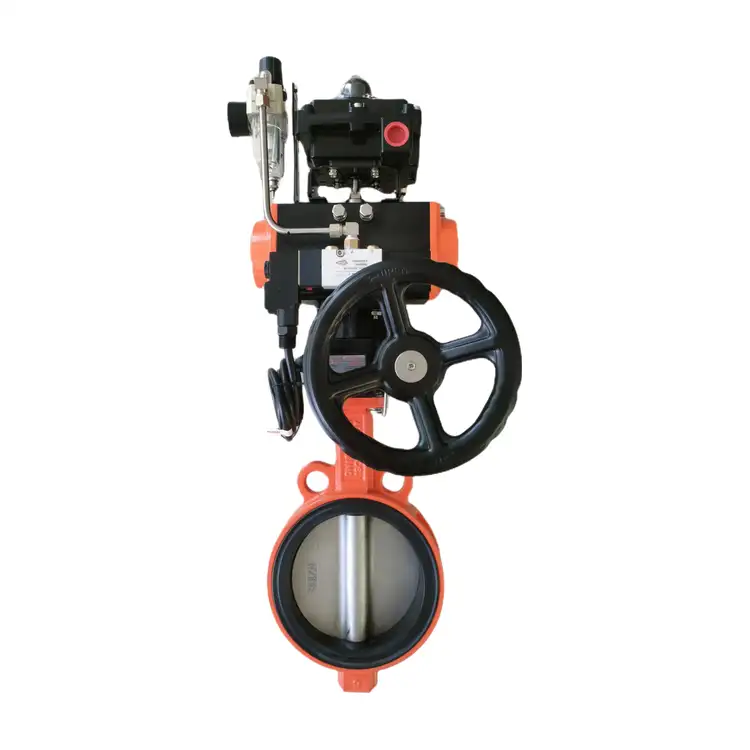
Specify the normal and maximum line pressure, pressure differential across the closed valve, required switching frequency, and available compressed-air pressure. The actuator and sealing circuit have separate functions and must be configured accordingly. A positioner is generally considered for modulating control, while on-off applications may use solenoid valves and position feedback accessories.
Air quality and control accessories
Clean, dry, filtered compressed air helps protect the small passages used by the inflatable sealing ring. Depending on the control system, accessories may include an air filter regulator, solenoid valve, limit switches, position feedback, manual override, or explosion-protected electrical equipment. Hazardous-area suitability must be confirmed for the complete assembly.
Operating Checks Before Commissioning
Correct operating sequence is important to the performance of the expandable seat. Before placing the valve into service, we recommend checking the following items against the approved installation and operating instructions.
- Confirm the model, nominal diameter, pressure rating, material specifications, and connection dimensions.
- Inspect the body, disc, sealing ring, actuator, air lines, and accessories for transport damage or contamination.
- Verify that the actuator circuit and seat inflation circuit are connected according to the manufacturer's pneumatic diagram.
- Use filtered, dry compressed air within the approved pressure range for the specific configuration.
- Confirm that the sealing ring retracts fully before the disc begins to rotate.
- Check that the disc reaches its required position before the sealing ring is inflated.
- Carry out functional and leakage tests using the approved test procedure and applicable safety requirements.
Do not rotate the disc while the sealing ring remains inflated against it. This can cause unnecessary friction and damage. The permitted pressure differential, actuator supply pressure, and inflation pressure must follow the confirmed product documentation rather than a generic setting.
Inspection and Spare Parts Support
Routine checks can help identify air-supply problems and seal deterioration before they cause unplanned downtime. We recommend including the following items in a maintenance schedule appropriate to the operating environment and cycle frequency.
- Air circuit: Check pressure stability, filter condition, moisture accumulation, and air-line connections.
- Operating movement: Watch for delayed retraction, incomplete travel, abnormal noise, or sticking.
- Sealing performance: Inspect for leakage, surface damage, material buildup, or signs of ageing.
- Control accessories: Verify solenoid valve response, limit switch signals, and actuator operation.
- Replacement parts: Keep compatible sealing rings and other specified wear parts available where downtime is costly.
If the valve leaks after closure, first check the operating sequence, air supply, and cleanliness of the sealing surfaces. If movement becomes stiff, verify complete seal retraction and inspect for blockages or deposits. Persistent faults should be evaluated by qualified maintenance personnel before the valve returns to service.
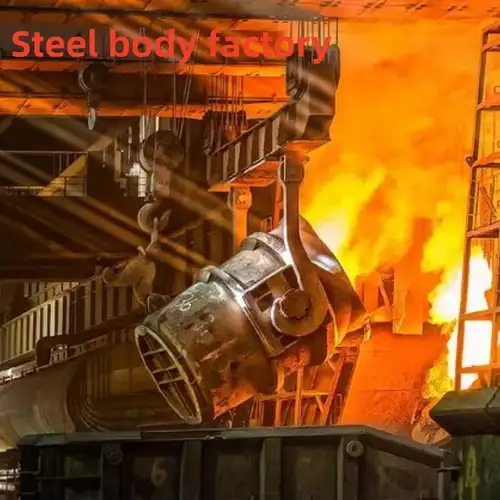
Liangfa Manufacturing and Delivery
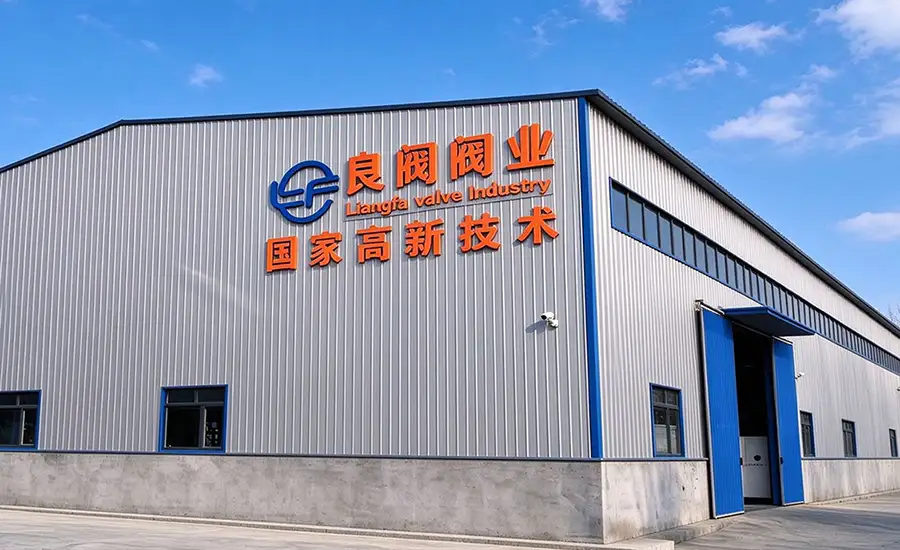
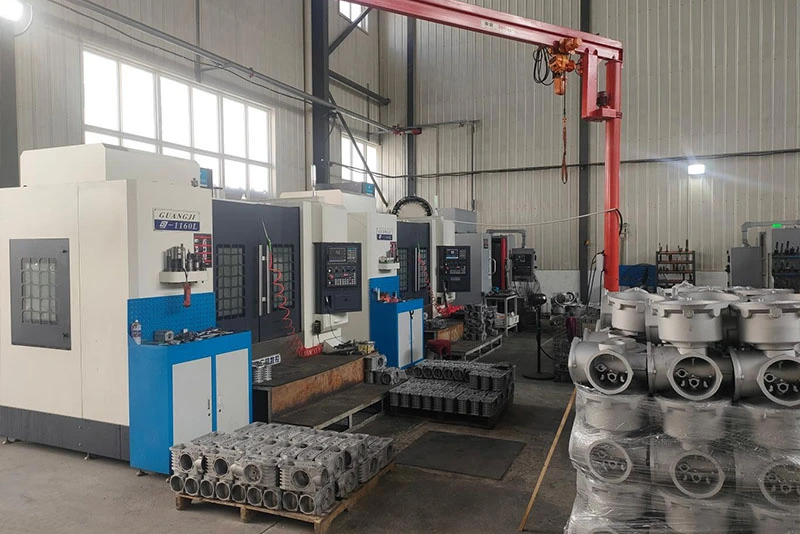
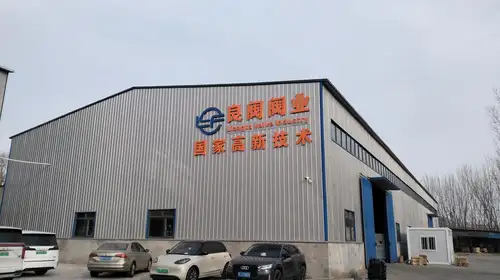
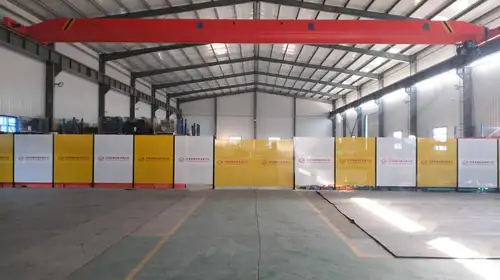
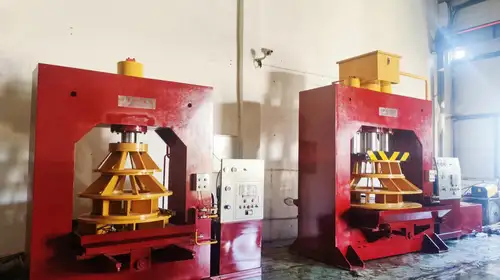
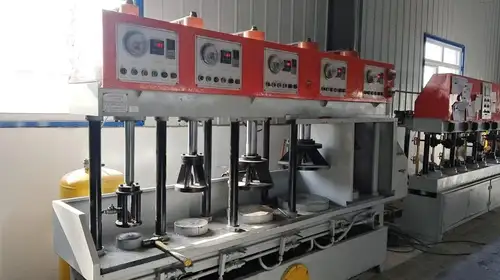
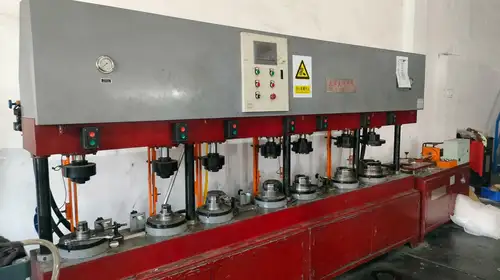
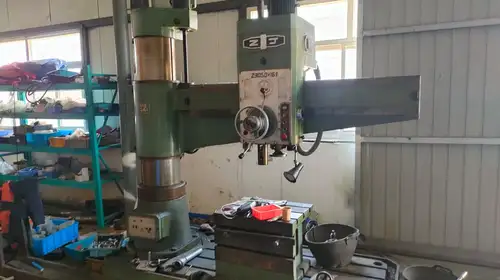
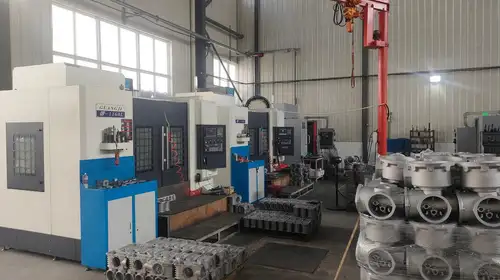
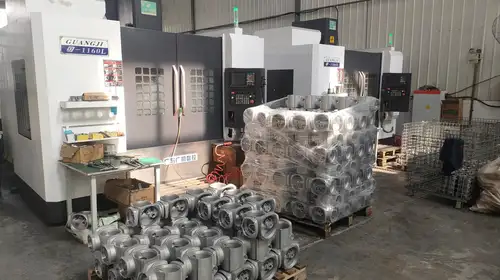
We support industrial valve projects with product selection, material recommendations, technical documentation, and export delivery coordination. As a high-tech enterprise, Liangfa focuses on providing application-oriented valve solutions for industrial customers. Available inspection documents, material certificates, drawings, and customized options can be confirmed according to the order requirements.
Factory tour
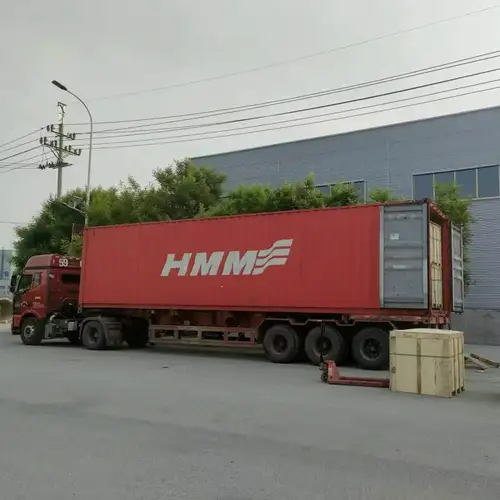
Packaging and shipping
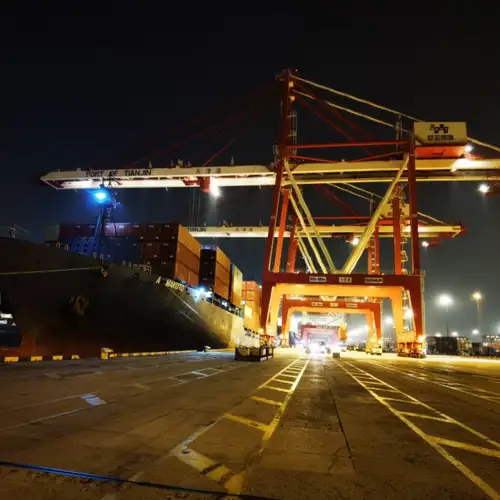
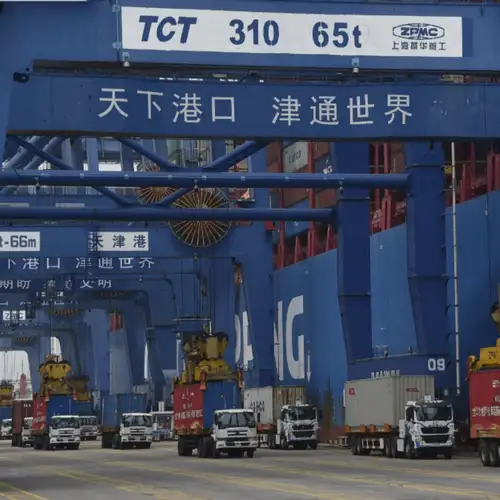
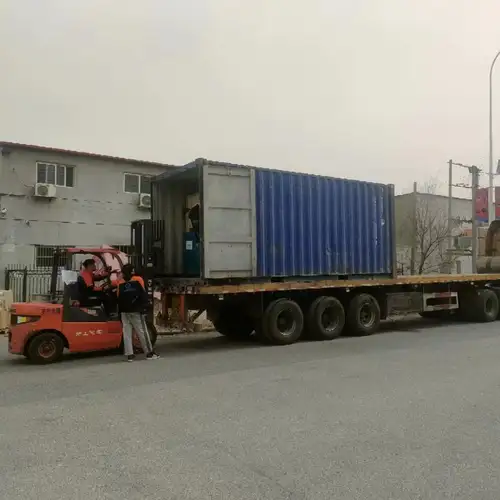
We coordinate export packaging and shipping by sea or land according to the destination, order quantity, and delivery requirements. Packaging and transport arrangements are confirmed before dispatch to help protect the valve body, sealing components, and pneumatic accessories.
Technical Support and Customization
We provide selection assistance based on medium composition, pipeline size, pressure, temperature, and control requirements. Customers can discuss alternative materials, actuator configurations, signal feedback, special connection requirements, and suitable spare parts with our team.
- Before ordering: Model selection, technical consultation, drawings, and quotation support.
- Before shipment: Applicable inspection documentation, packaging coordination, and export documents according to the order.
- After delivery: Installation guidance, troubleshooting support, and spare parts inquiries.
Please provide your operating conditions when requesting a quotation so we can check compatibility and recommend a suitable configuration.
Frequently Asked Questions
Can the Pneumatic Expansion Butterfly Valve provide tight shut-off in both flow directions?
The design supports bidirectional sealing when correctly configured. Actual leakage performance depends on the seat material, inflation settings, pressure differential, and test requirements. Please specify the required leakage class and maximum differential pressure when requesting a quotation.
What information is needed to select a replacement sealing ring?
Provide the valve model, nominal diameter, existing seat material, operating temperature, medium composition, and any available part drawings or identification details. Matching the original design is important because the ring must fit the valve geometry and pneumatic connections.
Can the valve be used for sticky slurry or wet, adhesive powder?
Applications involving sticky slurry, gelatinous substances, or heavy deposits require careful evaluation. Such materials can prevent the sealing ring from retracting freely or obstruct small air passages. Please share the medium characteristics and cleaning method before selecting this design.
Is it suitable for explosive dust environments?
The valve may be considered for compatible powder systems, but it should not be assumed to be explosion-proof solely because it uses pneumatic actuation. The area classification, dust characteristics, grounding, actuator accessories, solenoid valves, limit switches, and applicable protection requirements must all be reviewed by the project engineer.
Can the standard model operate above 100°C?
The listed standard temperature range is -10°C to 100°C. Some optional sealing materials have higher material-level temperature limits, but this does not automatically qualify the complete valve for higher-temperature service. Please obtain written confirmation of the allowable operating temperature for the selected assembly before use.
What should be included in an RFQ?
Please provide the nominal diameter, connection standard, pressure rating, operating temperature, medium, maximum pressure differential, body and disc material preferences, required sealing material, actuator type, compressed-air supply, control voltage, feedback requirements, and installation environment. These details help us evaluate the configuration and prepare an accurate quotation.
Send Inquiry
Contact Info
-
Address
No. 2 Taikang Road, Xiditou Town, Beichen District, Tianjin City, China
-
Tel
-
Email
If you have any inquiry about a quotation or cooperation, please feel free to email or use the following inquiry form. Our sales representative will contact you within 24 hours.
News Recommendations