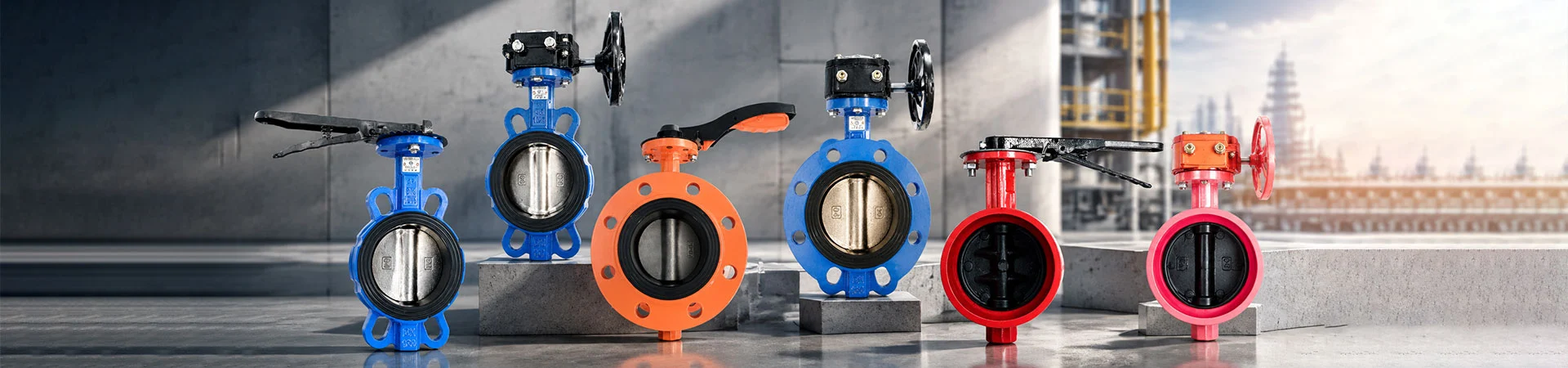
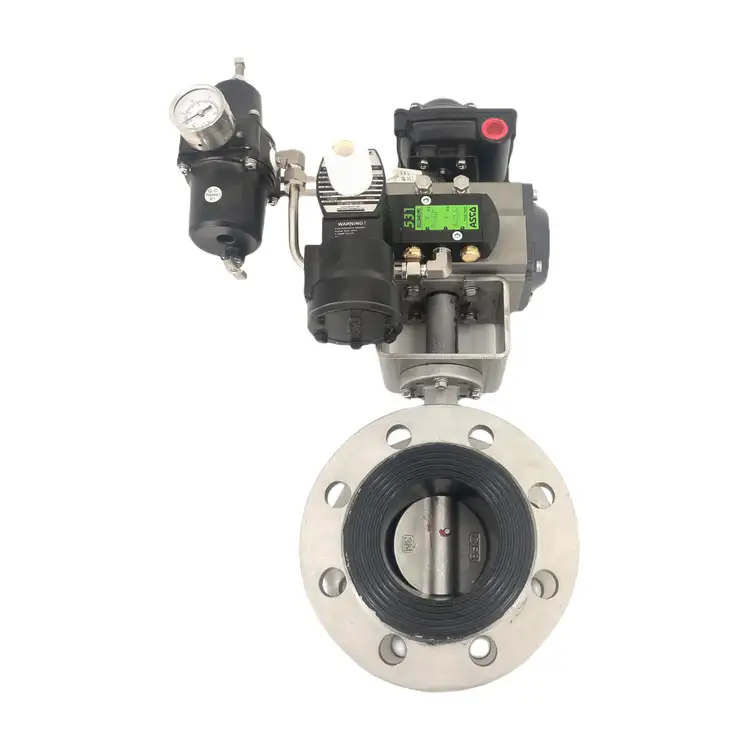
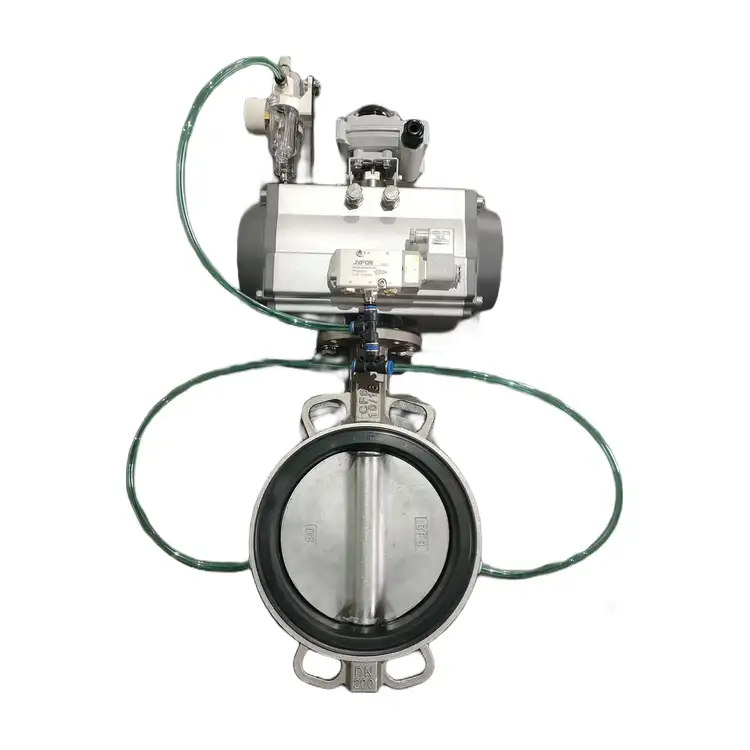
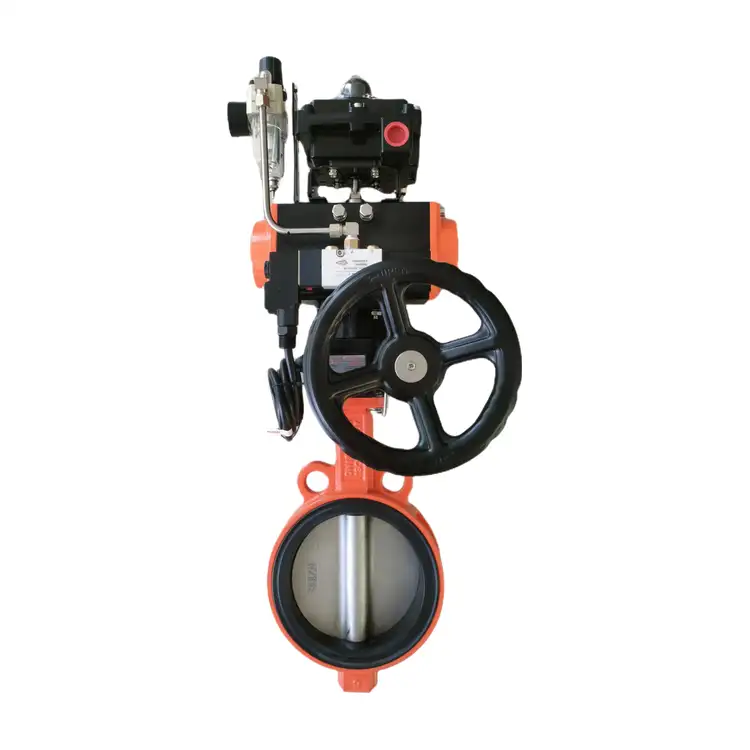
Pneumatic Flanged Butterfly Valve
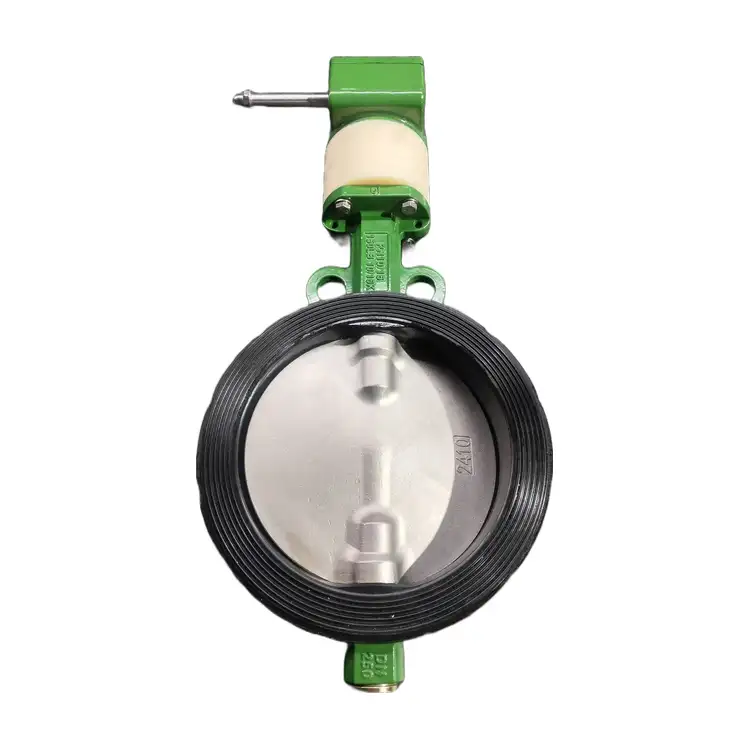
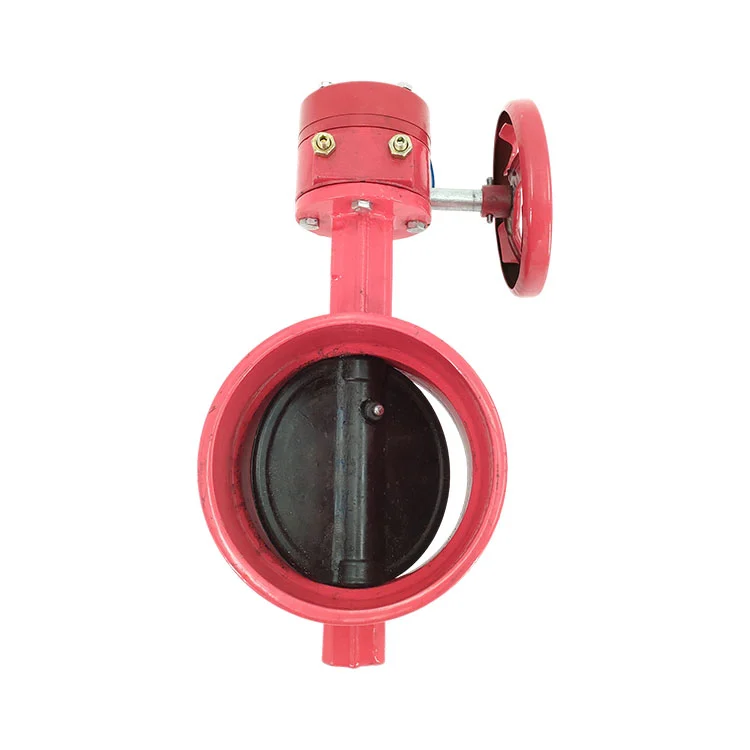
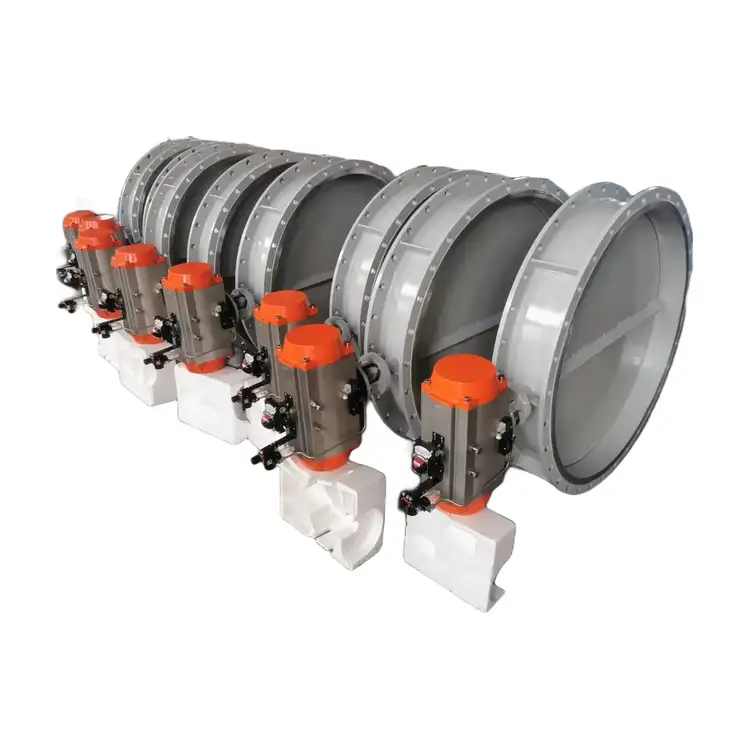
Liangfa's Pneumatic Flanged Butterfly Valve is designed for automated flow control in water treatment, HVAC, municipal pipelines, and industrial process systems. With pneumatic actuation, a 90-degree disc rotation enables quick opening and closing, while optional solenoid valves, limit switches, and positioners support remote control. We offer multiple body and sealing materials to match different media and operating conditions.
Liangfa's Pneumatic Flanged Butterfly Valve is designed for automated flow control in water treatment, HVAC, municipal pipelines, industrial process systems, and other applications. Driven by compressed air, the valve rotates its disc through 90 degrees to open or close the pipeline, helping operators manage fluid flow with less manual intervention.
We offer different body materials, sealing options, and pneumatic control accessories to suit specific operating conditions. As a high-tech enterprise, Liangfa provides technical selection support and customized valve solutions for industrial customers.
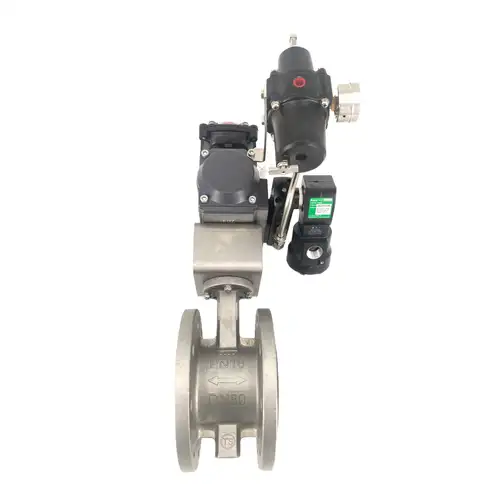
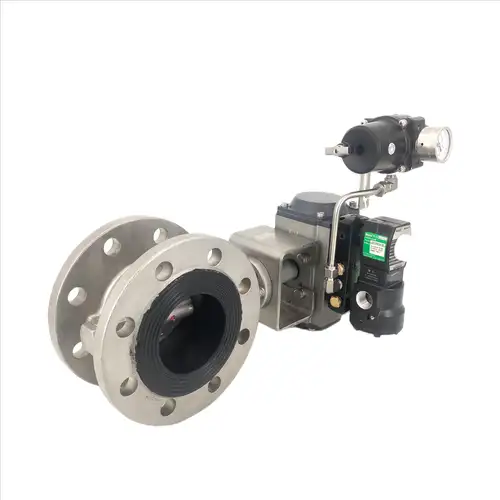
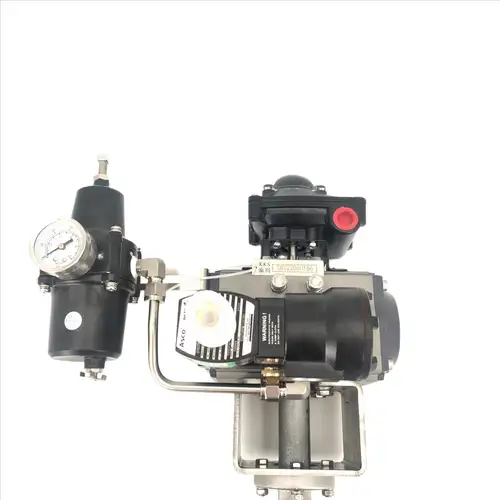
Product Specifications
| Product Name | Pneumatic Flanged Butterfly Valve |
| Model | D641X-10/16Q |
| Nominal Diameter | DN40-DN1200 |
| Connection | Flanged connection; confirm flange standard and drilling before ordering |
| Pressure Rating | PN10 / PN16; other ratings subject to model confirmation |
| Temperature Range | -10°C to 100°C for the listed configuration; seal-dependent options available |
| Air Supply Pressure | 0.4-0.7 MPa, subject to actuator configuration |
| Actuator Type | Double-acting or spring-return single-acting |
| Coating | Fusion-bonded epoxy coating in accordance with ANSI/AWWA C550, where specified |
How the Valve Operates
The Pneumatic Flanged Butterfly Valve uses a pneumatic actuator to turn the disc between open and closed positions. This quarter-turn operation supports quick pipeline switching and can be integrated with a solenoid valve, limit switch, or valve positioner. For systems that require remote operation, the control accessories can connect the valve to a PLC or other automation system.
For routine water and air service, a concentric soft-seated design is commonly considered. Where temperature, pressure, or wear requirements exceed the limits of an elastomer seat, a suitable metal-seated design may be needed. We recommend confirming the actual model and sealing structure before selecting the valve.
Materials for Different Media
The correct material combination helps reduce corrosion, sealing problems, and premature wear. We can configure the valve body, disc, stem, and seat according to the medium and site conditions.
| Component | Available Materials | Selection Considerations |
| Body | Cast iron, ductile iron, WCB carbon steel, SS304, SS316 | Pressure, corrosion exposure, and pipeline requirements |
| Disc | Ductile iron, SS304, SS316, SS2507, SS1.4529 | Fluid compatibility and resistance to corrosion or wear |
| Stem | 410SS, SS304, SS316, SS2507, SS1.4529 | Strength and resistance to the process medium |
| Seat Liner | EPDM, NBR, PTFE, FKM | Temperature, chemical compatibility, and sealing requirements |
| Actuator Cylinder | Corrosion-resistant aluminium alloy | Air supply, operating frequency, and installation environment |
| Fasteners | Galvanized carbon steel, SS304, SS316 | Ambient corrosion conditions and project specifications |
Choose the Right Actuator
Double-Acting Actuator
A double-acting actuator uses compressed air for both opening and closing. It is suitable for standard automated pipelines where an external control system manages valve movement. If the air supply fails, the valve generally remains in its last position, depending on the actuator and system design.
Spring-Return Actuator
A spring-return actuator uses air pressure in one direction and a spring for the return stroke. It can be configured to move the valve to a predetermined position when air pressure is lost. We help customers determine whether fail-open or fail-closed operation is appropriate for the process and safety requirements.
Control Accessories
For simple open-close service, a solenoid valve and limit switch can provide actuation and position feedback. For modulating control, a compatible positioner can be selected to respond to a control signal such as 4-20 mA. Applications involving flammable atmospheres require properly certified explosion-protected accessories and a system-level safety assessment.
Check Compatibility Before Ordering
A valve that fits the pipeline mechanically may still be unsuitable for the process medium. Before placing an order, we recommend checking these points:
- Pipeline size: Match the nominal diameter and confirm the actual internal dimensions.
- Flange standard: Specify the applicable standard, pressure class, bolt pattern, and face dimensions.
- Operating conditions: Provide normal and maximum pressure, temperature, and differential pressure.
- Medium: Identify the fluid or gas, concentration, solids content, and any cleaning chemicals.
- Control requirements: Confirm on-off or modulating operation, air supply, feedback signals, and the required position after air loss.
These details allow us to recommend a configuration that matches the installation rather than relying on nominal size alone.
Application Examples
Water Treatment and Municipal Networks
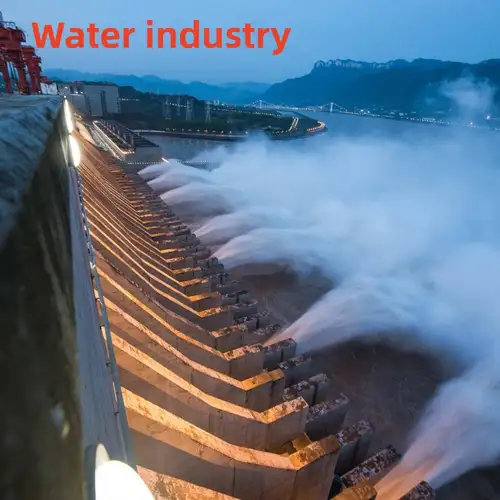
In water treatment plants, pumping stations, and municipal water networks, pneumatic butterfly valves can support remote isolation and flow management. Ductile iron bodies with a compatible elastomer seat are common options for suitable water-service conditions.
HVAC and Cooling Systems
Cooling-water and chilled-water systems often require frequent switching and integration with building automation. The actuator and seat should be selected for the system's operating pressure, temperature, and water chemistry.
Industrial Air and Gas Lines
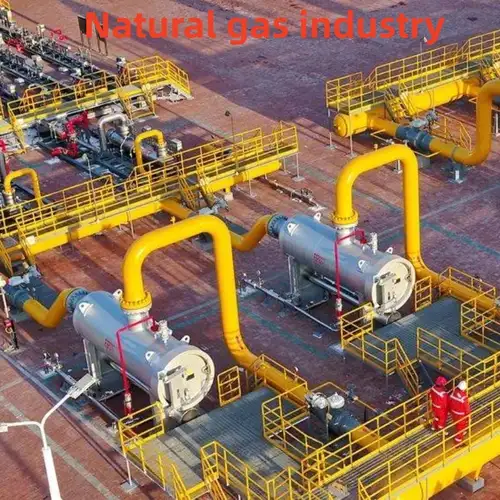
For compressed air and general ventilation, a pneumatic actuator enables centralized operation and position monitoring. Gas applications need additional attention to seat compatibility, leakage requirements, and applicable safety standards.
Oil and Chemical Processing
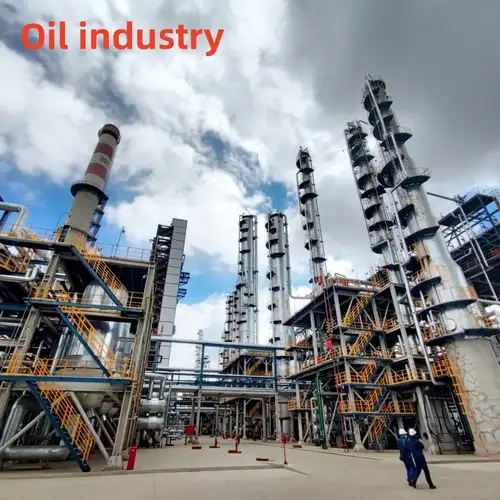
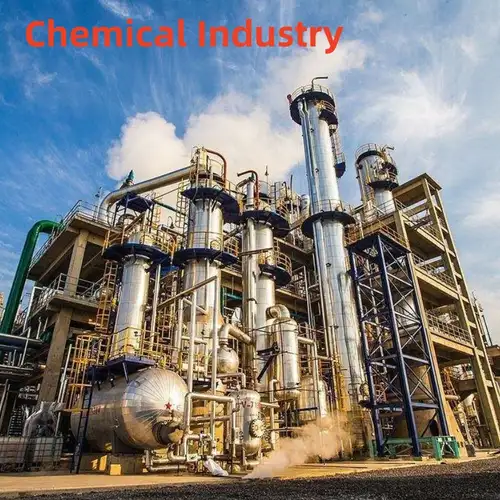
For oil-based or chemically active media, seat and body materials must be checked against the actual fluid composition and temperature. NBR, FKM, PTFE, and stainless-steel components serve different conditions; no single material is suitable for every chemical.
Power and Industrial Utilities
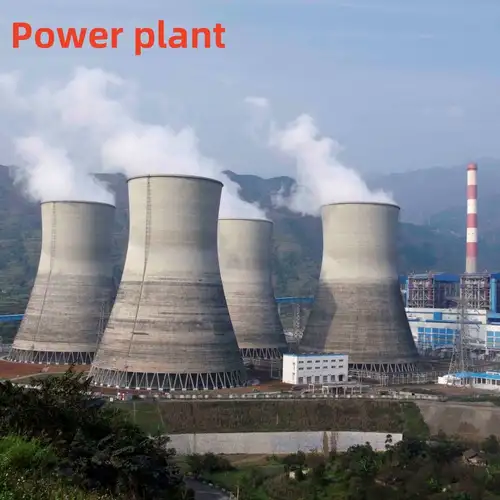
Power plants and industrial facilities may use Pneumatic Flanged Butterfly Valves in cooling-water, utility-air, and compatible process pipelines. For high-temperature steam, abrasive solids, or demanding shut-off duties, we assess whether a different valve structure is required.
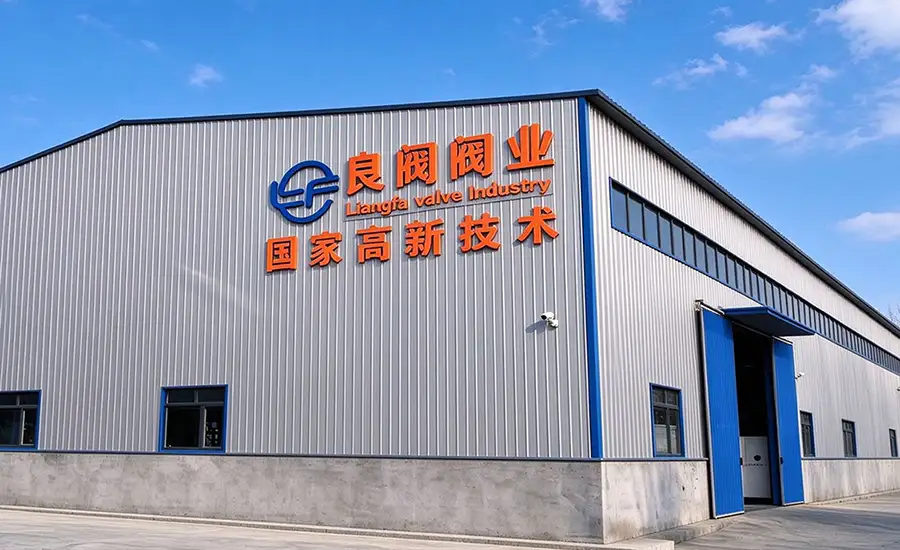
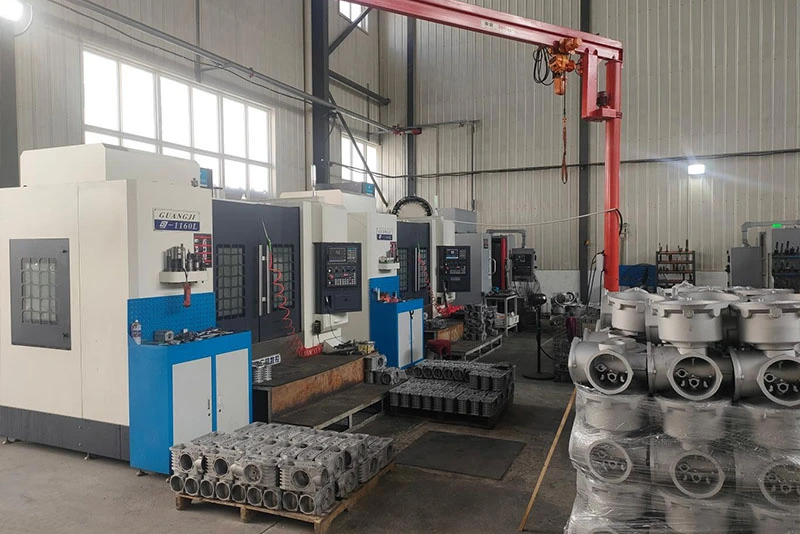
Factory and Delivery Support
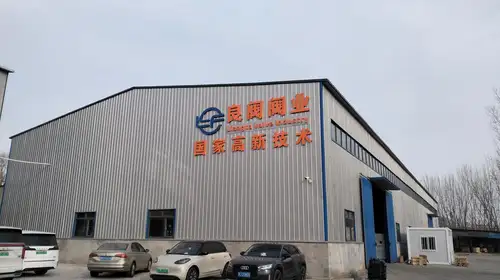
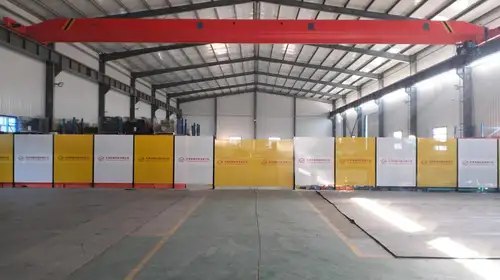
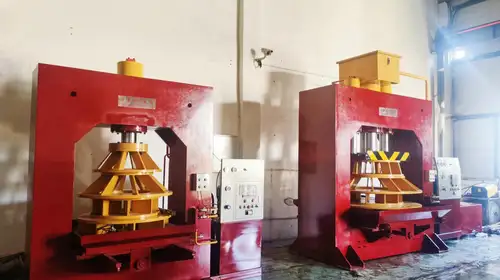
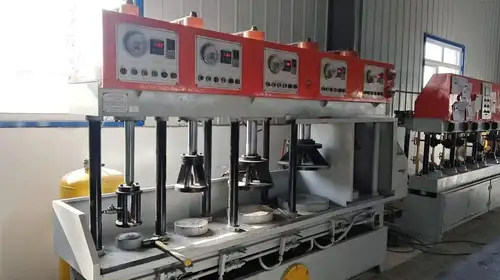
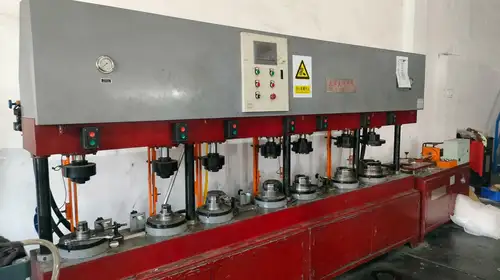
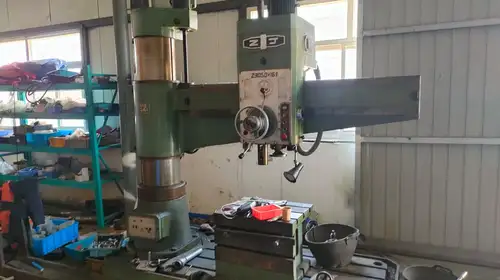
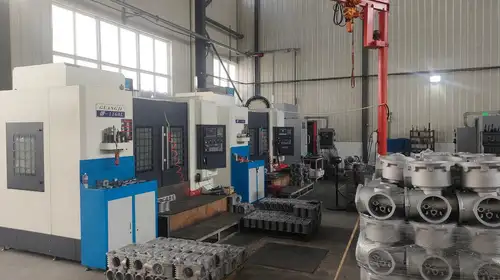
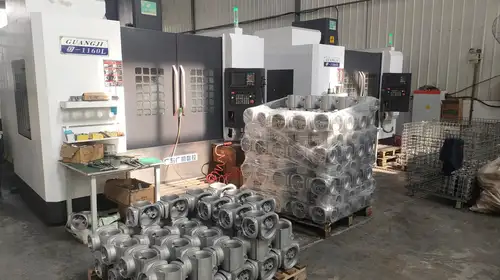
Liangfa supports product selection, configuration confirmation, inspection coordination, and export shipment arrangements. Before production, we can review the requested dimensions, materials, actuator type, and accessories against the project requirements. Inspection documents and material certificates can be discussed according to the order specification.
Packaging and Shipment
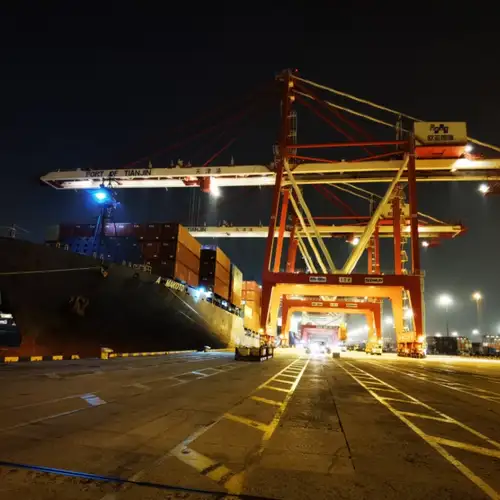
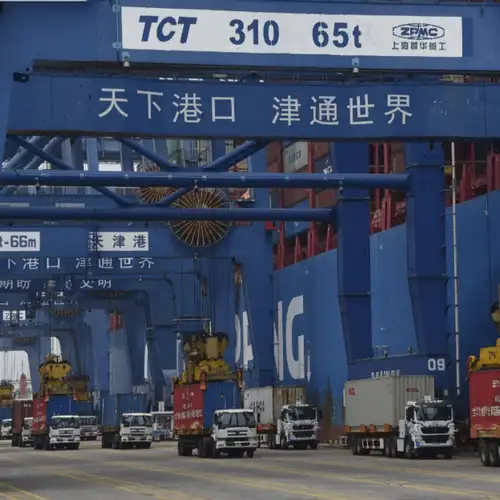
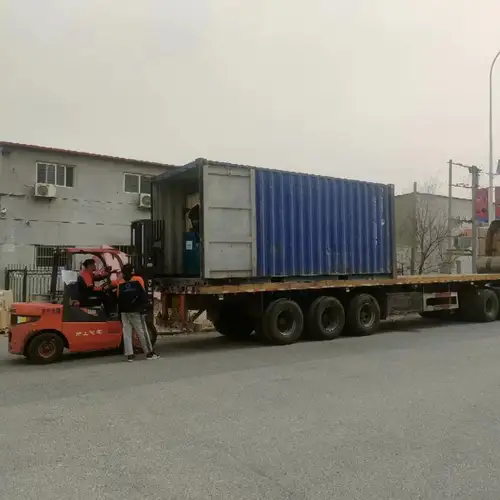
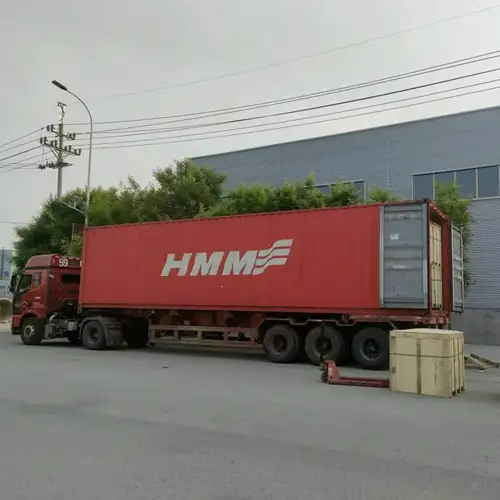
We coordinate export packaging and shipping arrangements according to valve dimensions, order quantity, destination, and transport method. Sea freight and land transport can be arranged for suitable destinations. Packaging requirements should be confirmed before shipment, particularly for large-diameter valves and project-specific orders.
Installation Checks
Before installation, inspect the valve body, disc, actuator, and accessories for visible damage. Clean the pipeline to remove welding slag, scale, and debris that could interfere with disc movement or damage the seat. Check flange dimensions and ensure the gasket does not project into the disc's travel path.
Align the pipe flanges carefully and tighten bolts evenly in a diagonal sequence. Avoid using the valve to correct pipe misalignment or support pipeline weight. Connect clean, regulated compressed air within the actuator's specified range, then test full opening, full closing, feedback signals, and any spring-return function before putting the line into service.
Maintenance That Prevents Downtime
Regular checks help identify problems before they interrupt production. Inspect air lines and fittings for leakage, drain accumulated moisture from air-treatment equipment, and confirm that the actuator moves smoothly. Check the seat and disc if shut-off performance deteriorates. For modulating service, verify the positioner's calibration and feedback accuracy according to the maintenance schedule.
If the valve becomes difficult to operate, first check air pressure, flange alignment, and possible debris around the disc. Do not force the actuator or compensate for binding by tightening flange bolts excessively. Isolate the pipeline and depressurize the system before carrying out internal inspection or repairs.
Liangfa Service Options
Before Purchase
We provide selection guidance based on the medium, nominal size, pressure, temperature, flange standard, and automation requirements. Drawings, technical data, and available material options can be reviewed before order confirmation.
During Production and Shipment
Inspection arrangements, production updates, export packaging, and shipping documents can be coordinated according to the agreed order requirements. Any required material or test certificates should be specified in advance.
After-Sales Support
We offer technical guidance for installation and maintenance, along with support for compatible replacement parts subject to model availability. Warranty terms and response arrangements are confirmed in the sales agreement.
Frequently Asked Questions
Can this valve be connected directly to my existing pipeline flanges?
The nominal size alone is not enough to confirm compatibility. Please provide the flange standard, pressure class, bolt-hole pattern, and face dimensions so we can check the connection before ordering.
What happens if the compressed-air supply fails?
The result depends on the actuator. A double-acting unit generally stays in its last position when air is lost, while a spring-return unit can be configured to move to a defined fail-open or fail-closed position. The required action should be specified during selection.
Can the valve regulate flow instead of only opening and closing?
Yes, when configured with a compatible positioner and control system. For modulating applications, confirm the required control signal, operating range, and positioning accuracy before choosing the actuator and accessories.
How do I choose between EPDM, NBR, FKM, and PTFE seats?
Selection depends on the fluid composition, operating temperature, pressure, and cleaning agents. EPDM is commonly used for suitable water-service applications, NBR for compatible oil-based media, and FKM or PTFE for certain chemical duties. Compatibility should be checked against the actual medium rather than the material name alone.
Is this model suitable for high-temperature steam?
The listed basic configuration has a temperature range of -10°C to 100°C, so it should not be assumed suitable for high-temperature steam. Please provide the required temperature and pressure so we can assess whether a metal-seated valve or another valve design is needed.
What information should I send for a quotation?
Please share the quantity, nominal diameter, pressure rating, medium, operating temperature, flange standard, body and seat material preferences, actuator action, control accessories, and delivery destination. This information helps us prepare a more accurate technical proposal and quotation.
Send Inquiry
Contact Info
-
Address
No. 2 Taikang Road, Xiditou Town, Beichen District, Tianjin City, China
-
Tel
-
Email
If you have any inquiry about a quotation or cooperation, please feel free to email or use the following inquiry form. Our sales representative will contact you within 24 hours.
News Recommendations