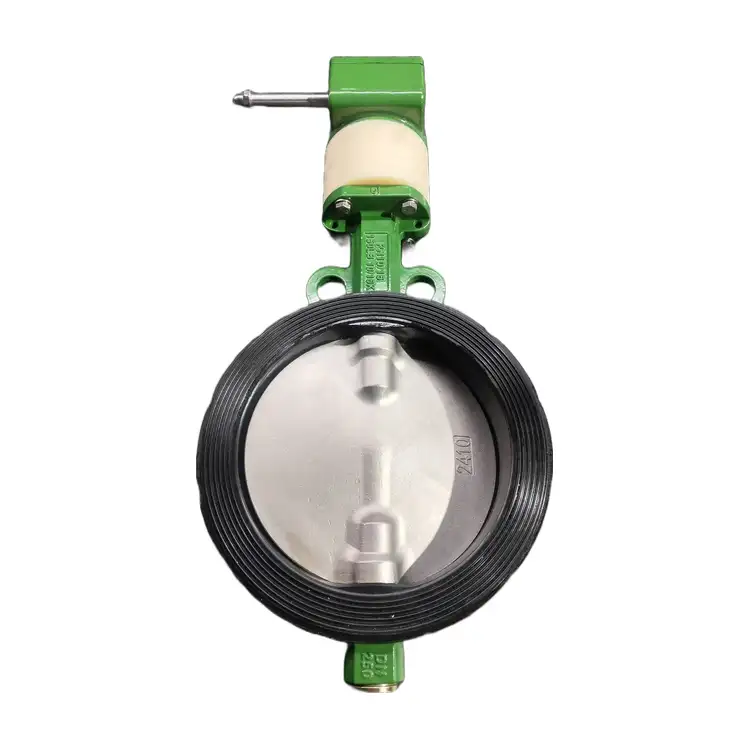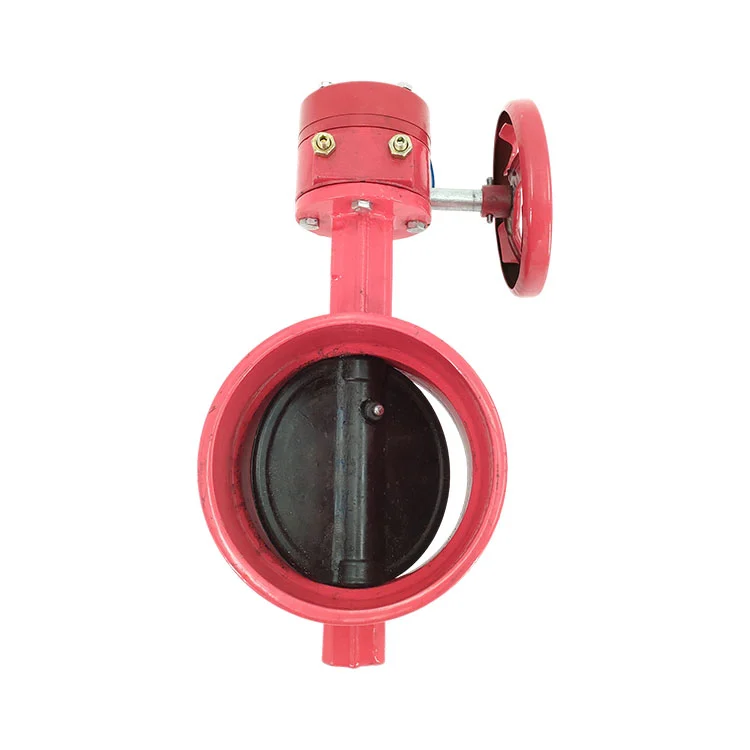
Lever Wafer Butterfly Valve
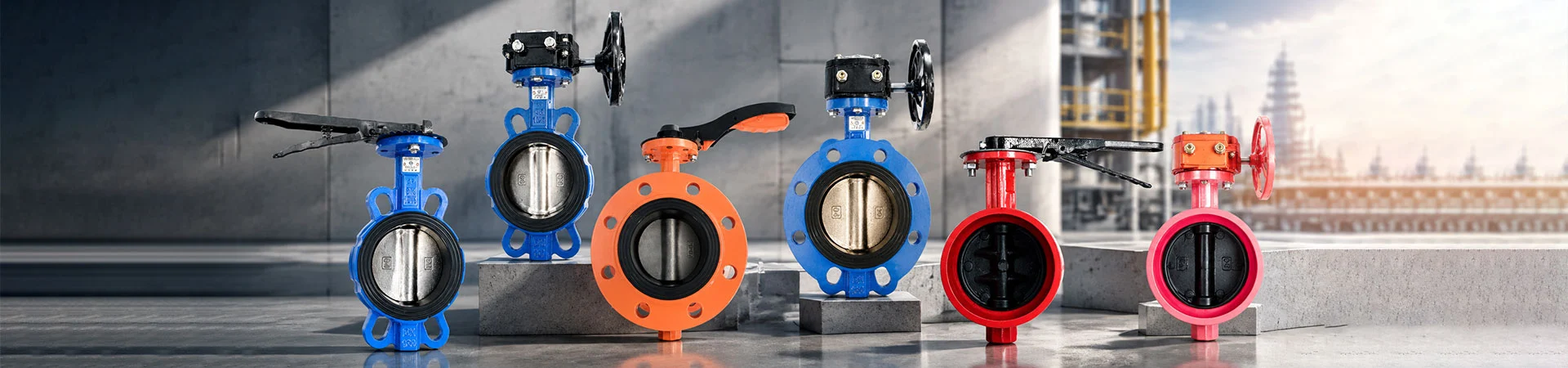
Designed for space-limited pipeline systems and practical manual flow isolation, the LIANGFA Lever Wafer Butterfly Valve combines a compact wafer structure with flexible material configurations for different media. With DN40-DN1200 coverage, ANSI/AWWA C550-compliant fusion bonded epoxy coating, and multiple sealing options, it helps distributors, contractors, and engineering buyers match valve performance to specific project requirements while supporting stable factory-direct supply.
LIANGFA Lever Wafer Butterfly Valve is designed for reliable flow isolation and basic regulation in water supply, HVAC, fire protection, wastewater and general industrial pipelines. The D71X-10/16Q series covers DN40-DN1200 and supports PN10, PN16 and other pressure standards, with a compact wafer structure that helps reduce installation space and overall pipeline cost. LIANGFA combines material selection, casting, machining, coating, assembly and inspection in its manufacturing process, while its GB/T19001-2016 / ISO9001:2015 quality management certification supports consistent production and quality control.
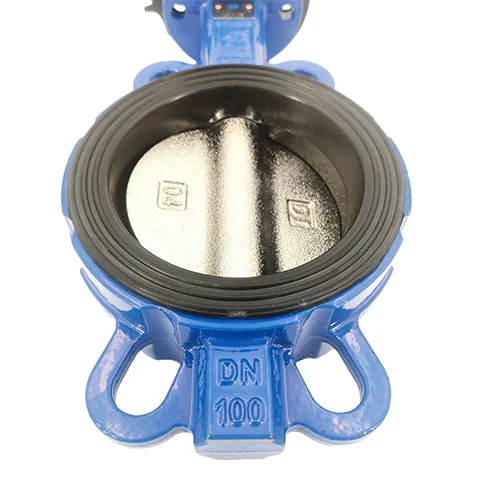
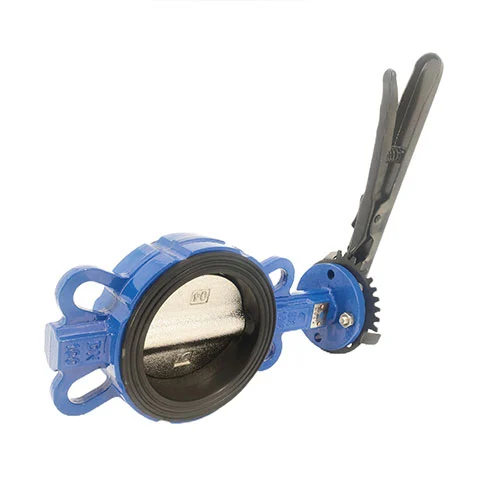
Product Features
1. Compact Wafer Structure
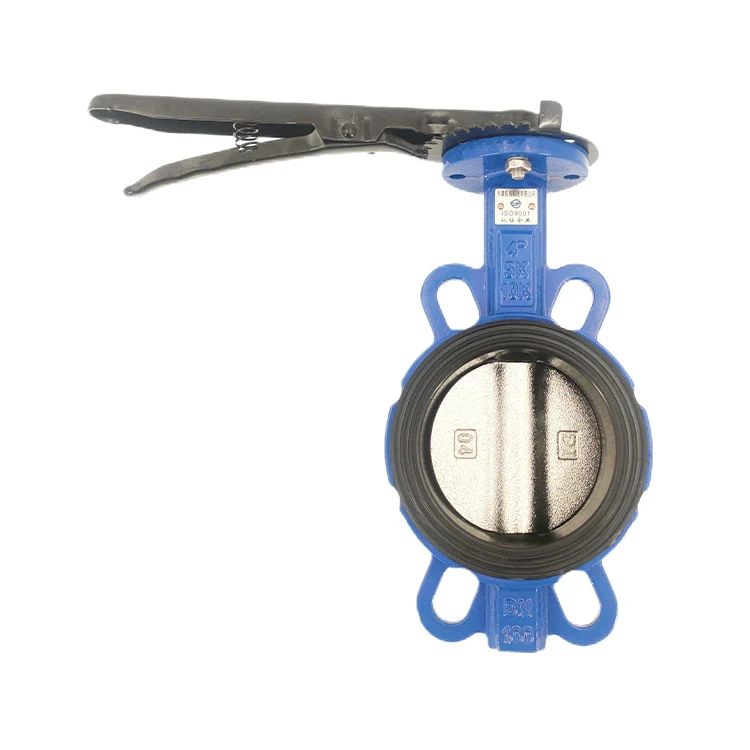
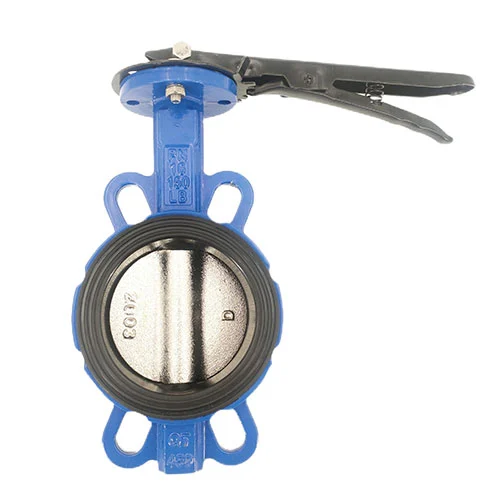
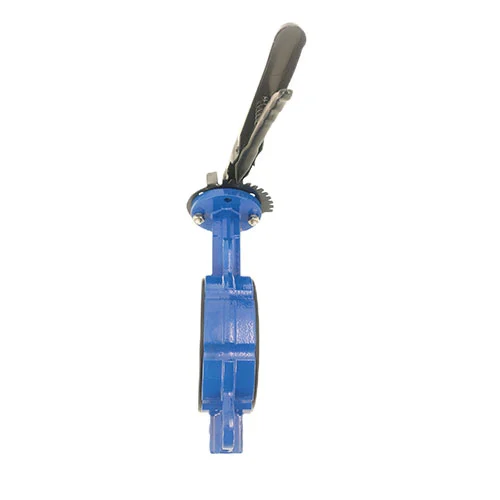
The wafer body is installed between two pipeline flanges and secured with bolts, providing a shorter face-to-face dimension than many conventional flanged valves. This makes the Lever Wafer Butterfly Valve particularly suitable for compact equipment rooms, pipe shafts, pump stations and retrofit projects where installation space is limited.
2. Simple Lever Operation
The manual lever provides direct 90° opening and closing control. Compared with more complex actuators, the lever structure is easy to operate, inspect and maintain, making it suitable for pipelines that mainly require manual isolation and occasional flow adjustment.
3. Reliable Flow Control
The circular disc rotates around the valve stem to control the flow passage. The soft-seated D71X series provides reliable bidirectional sealing for suitable water and general fluid applications, while different seat and disc materials can be selected according to the medium.
Product Drawing
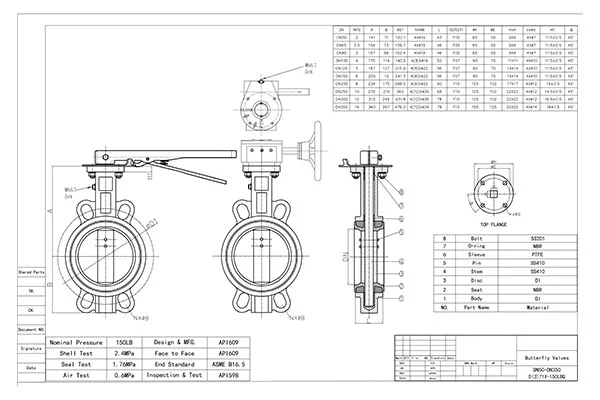
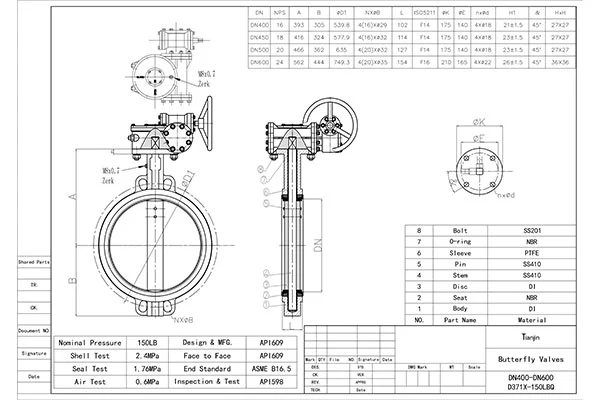
Technical Specifications
| Item | Specification |
| Product Name | Lever Wafer Butterfly Valve |
| Model | D71X-10/16Q |
| Size Range | DN40-DN1200 |
| Connection | Wafer |
| Pressure Rating | PN10, PN16, 150LB, 5K, 10K, 16K |
| Temperature Range | -10°C to 100°C |
| Coating | Fusion Bonded Epoxy Coating |
| Coating Standard | ANSI/AWWA C550 |
| Operation | Manual Lever |
| Structure | Concentric Wafer Butterfly Valve |
| Quality Management | GB/T19001-2016 / ISO9001:2015 |
Material Selection
1. Valve Body Materials
LIANGFA offers Cast Iron, Ductile Iron, WCB, SS304 and SS316 valve body options. Ductile iron is commonly selected for municipal water, HVAC and general water applications, while stainless steel options are more suitable for corrosive or chloride-containing media.
2. Disc and Stem Materials
The disc can be supplied in Ductile Iron, SS304, SS316, SS2507 and SS1.4529, while the stem options include 410SS, SS304, SS316, SS2507 and SS1.4529. The material combination can therefore be matched with corrosion, temperature and wear requirements rather than using one configuration for every pipeline.
3. Seat and Sealing Materials
Available seat materials include EPDM, NBR, PTFE and FKM/Viton. EPDM is commonly selected for water and HVAC systems, NBR for oil-based media, and PTFE for more demanding corrosive chemical applications.
How to Select the Right Lever Wafer Butterfly Valve
1. Match the Nominal Diameter
The valve DN should normally correspond to the pipeline nominal diameter. LIANGFA provides sizes from DN40 to DN1200. For larger diameters, manual lever operation may become impractical because of increased operating torque, so worm gear or automated operation should be considered.
2. Match Pressure with System Requirements
PN10 and PN16 are commonly used for water supply, drainage, HVAC and industrial circulating-water systems. The selected pressure rating should be suitable for the actual maximum working pressure of the pipeline, including pressure fluctuations and operating conditions.
3. Match the Seal with the Medium
The sealing material is one of the most important selection factors. EPDM is suitable for water, NBR for oil, PTFE for many corrosive chemicals, and FKM for applications requiring specific chemical and temperature resistance. Incorrect seal selection can lead to swelling, hardening, leakage or premature failure.
Recommended Configurations by Application
1. Municipal Water and Fire Protection
For clean water, residential water supply and fire protection systems, a ductile iron body with EPDM sealing is a practical configuration. PN16 is commonly selected where higher system pressure or high-rise building applications require additional pressure capacity.
2. HVAC and Circulating Water
For chilled water, cooling water and heating circulation systems, D71X-10/16Q with an EPDM seat provides a compact and economical solution. The wafer structure is particularly useful where valves need to be installed inside restricted equipment rooms or pipe shafts.
3. Wastewater and Sewage Treatment
Wastewater may contain suspended solids, sediment and fibers that accelerate seat wear. For such applications, LIANGFA can provide wear-oriented disc configurations or alternative materials according to the actual wastewater characteristics.
Performance Under Different Working Conditions
1. Clean Water Service
In clean water applications, the EPDM soft seat provides reliable sealing and relatively low operating torque. The valve is suitable for isolation and occasional flow adjustment in municipal and building water systems.
2. Oil and Fuel Service
NBR sealing should be selected for diesel, lubricating oil and other compatible petroleum-based media. EPDM should not be used where the medium can cause significant rubber swelling or degradation.
3. Corrosive Chemical Service
PTFE-lined configurations can be considered for hydrochloric acid, sulfuric acid, caustic solutions and other compatible corrosive media. Final material selection should be based on the exact chemical concentration, temperature and operating pressure.
4. High-Temperature Service
Standard soft-seat D71X valves are not intended for continuous high-temperature media beyond their specified temperature range. For steam, high-temperature oil or other elevated-temperature applications, a suitable metal-seated butterfly valve should be selected instead.
Lever Operation vs Other Butterfly Valve Configurations
| Comparison | Lever Wafer Butterfly Valve | Worm Gear Butterfly Valve | Electric Butterfly Valve |
| Operation | Manual lever | Manual handwheel/gearbox | Electric actuator |
| Installation | Compact | Compact but larger operating mechanism | Requires actuator space |
| Initial Cost | Low | Medium | Higher |
| Control | Manual | Manual with mechanical advantage | Remote/automatic |
| Large Diameter Suitability | Limited by operating torque | Better | Excellent |
| Automation | Not available directly | Limited | Excellent |
| Typical Use | Small/medium manual pipelines | Larger manual pipelines | Automated systems |
For buyers, the main advantage of the lever configuration is its simple structure, low initial cost and quick manual operation. When the valve diameter, operating frequency or automation requirements increase, a worm gear or electric actuator may provide a more appropriate solution.
Real Application Considerations
1. Municipal Water Pipeline Replacement
During pipeline replacement projects, installation space and construction efficiency are often major concerns. The wafer connection and lightweight structure allow contractors to install the valve within compact pipeline sections while reducing handling and installation difficulty.
2. HVAC System Expansion
For commercial buildings and industrial HVAC systems, valves are frequently installed in crowded equipment rooms. A compact wafer butterfly valve can help reduce the required installation footprint while providing straightforward isolation of chilled-water or circulating-water branches.
3. Wastewater Treatment Pipeline
Wastewater treatment operators typically pay close attention to sealing reliability, sediment resistance and maintenance requirements. For these projects, LIANGFA can help customers select suitable disc and seat materials based on the actual solids content and chemical characteristics of the wastewater.
Installation and Commissioning
1. Check the Valve Before Installation
Before installation, verify the valve model, DN size, pressure rating, seat material and flow-medium compatibility. Inspect the valve body, disc, stem, seat and operating lever for visible damage.
2. Prepare the Pipeline and Flanges
The pipeline should be cleaned before installation to remove welding slag, rust and other hard particles. The two flanges should remain aligned to prevent excessive stress on the valve body. The valve should be installed between suitable flanges with the correct pressure class.
3. Carry Out Opening and Closing Tests
After installation, operate the lever through its full travel and confirm that the disc moves smoothly without abnormal resistance. After the pipeline is pressurized, inspect the connection and sealing areas for leakage.
Maintenance and Service Life
1. Inspect the Sealing Components
Regularly check the valve seat and sealing surfaces for wear, deformation or damage. If leakage develops after long-term operation, the seat or other wear components should be inspected and replaced when necessary.
2. Keep the Valve Clean
Remove accumulated dirt, sediment and external contaminants around the valve stem and operating mechanism. Clean pipeline systems are especially important for extending the service life of soft-seated butterfly valves.
3. Check Operating Torque
If the lever becomes unusually difficult to operate, the valve should not be forced. Possible causes include sediment accumulation, seat deformation, corrosion or pipeline misalignment. Early inspection can prevent damage to the stem and sealing components.
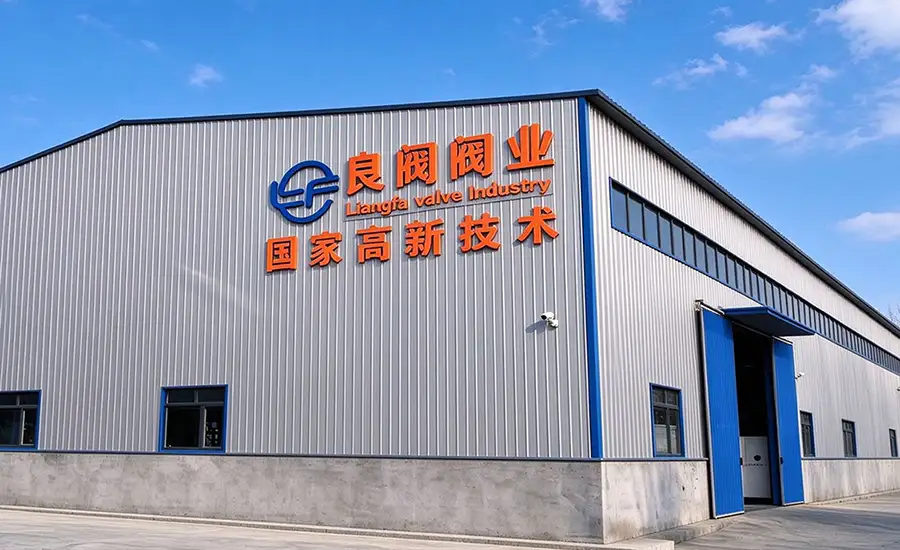
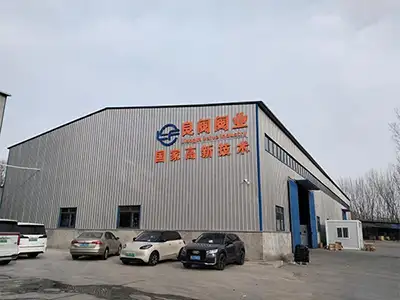
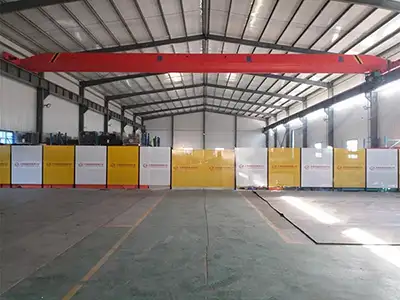
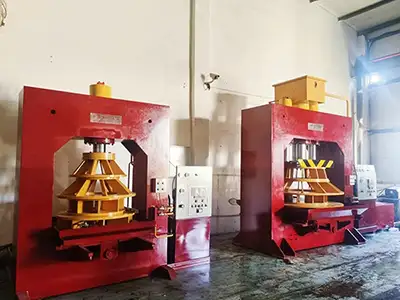
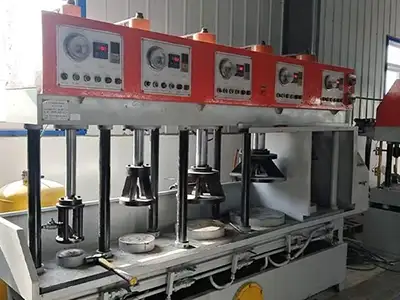
LIANGFA Factory Manufacturing & Quality Control
1. Integrated Manufacturing Capability
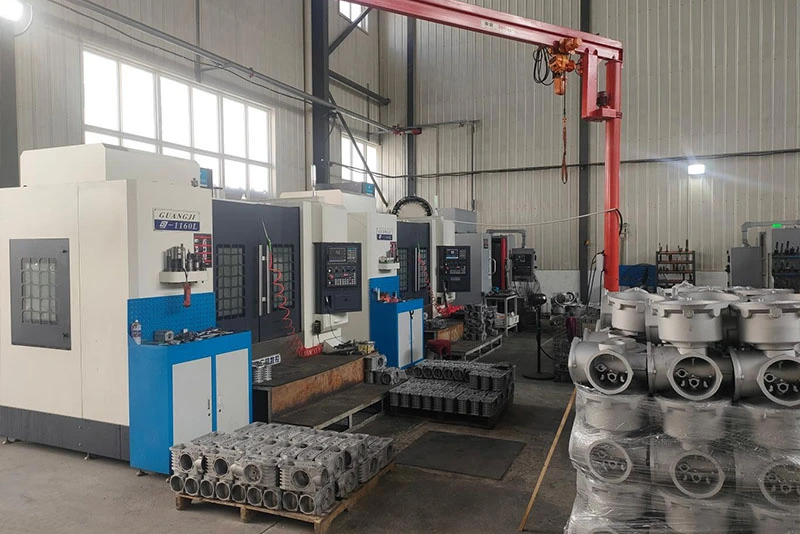
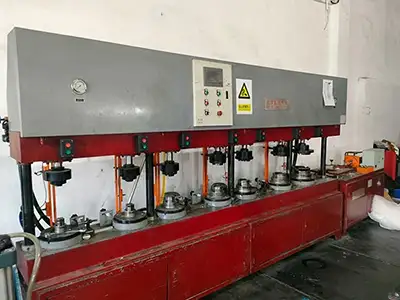
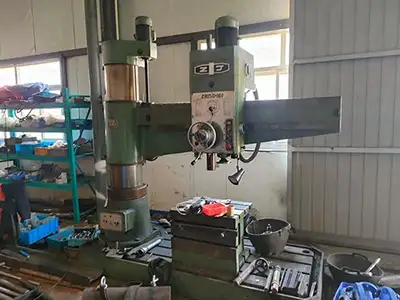
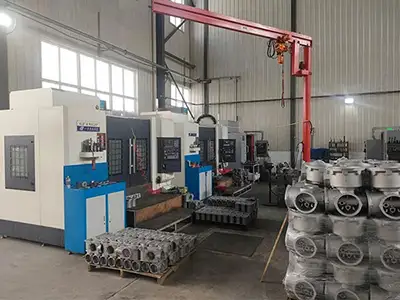
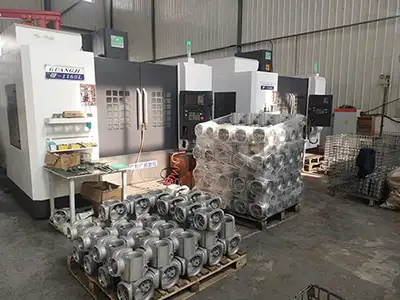
LIANGFA controls key production procedures including casting, machining, coating, assembly and testing. This integrated approach allows production parameters to be monitored throughout the manufacturing process and helps reduce quality inconsistencies between different production stages.
2. GB/T19001-2016 / ISO9001:2015 Quality Management
LIANGFA operates under a GB/T19001-2016 / ISO9001:2015 certified quality management system. Quality control covers incoming materials, machining, assembly, pressure-related inspection and finished valve checks, supporting consistent quality for domestic and international orders.
3. Fusion Bonded Epoxy Coating
The valve coating uses Fusion Bonded Epoxy Coating in accordance with ANSI/AWWA C550. This coating solution is designed to provide additional protection for valve surfaces in suitable water and pipeline environments.
Application Industries
1. Municipal Water Supply and Drainage
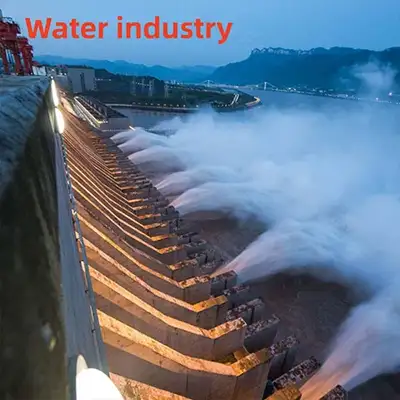
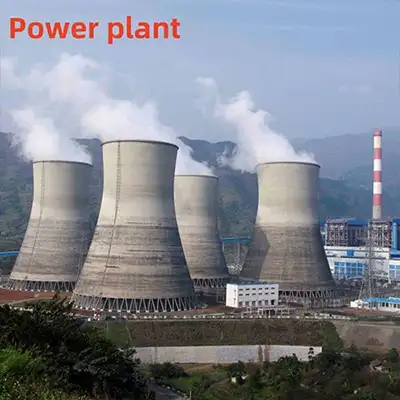
Suitable for water treatment plants, pump stations, residential water networks, rainwater systems and municipal drainage pipelines where reliable isolation is required.
2. Fire Protection Systems
The valve can be used in compatible fire-water pipelines for isolation and system maintenance. Where monitoring is required, signal-equipped butterfly valve configurations can be considered.
3. HVAC and Building Services
The compact design makes the valve suitable for chilled-water, cooling-water and heating circulation pipelines in commercial buildings, factories, hospitals and other facilities.
4. Industrial and Environmental Systems
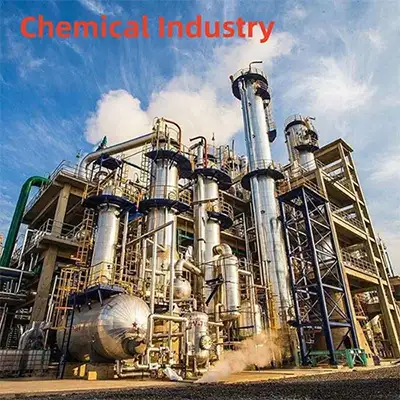
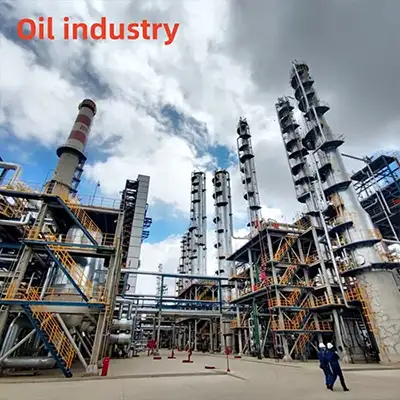
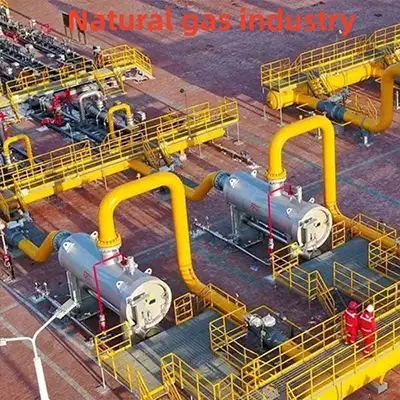
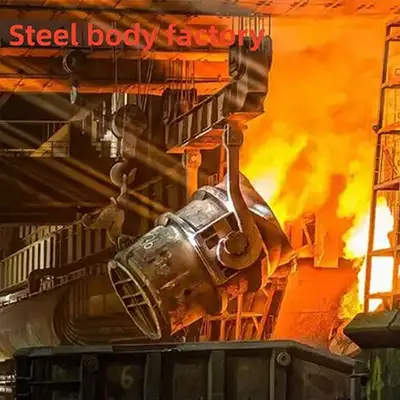
Depending on the selected body, disc and seat materials, the valve can be applied to industrial circulating water, wastewater treatment, light industry and selected chemical-supporting pipelines.
Customer-Oriented Service
1. Pre-Sales Technical Support
LIANGFA provides model selection guidance according to pipeline diameter, pressure, medium, temperature and installation requirements. Customers can also receive technical drawings, material options and quotation support.
2. Production and Inspection Support
For bulk orders, LIANGFA can provide production progress updates and corresponding inspection documentation before shipment. Material and configuration requirements can be confirmed before mass production.
3. After-Sales Technical Support
Customers receive installation and operation guidance, spare-part support and technical assistance for later valve replacement or pipeline modification. Quality-related feedback receives a timely response from the technical team.
Packaging and Global Delivery
1. Export Packaging
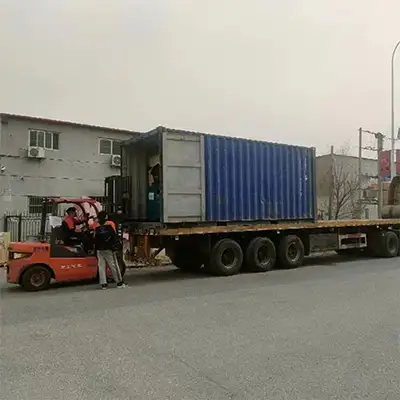
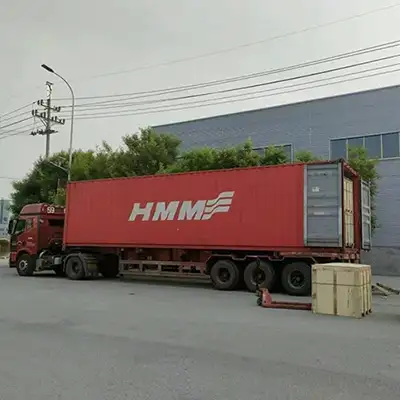
Valves are prepared using export-oriented packaging designed to reduce the risk of damage during handling, loading and transportation. Packaging requirements can also be discussed according to customer logistics arrangements.
2. Flexible Shipping Options
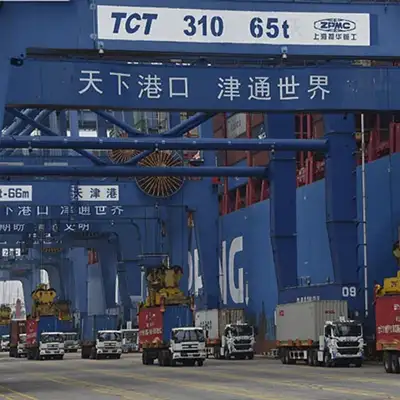
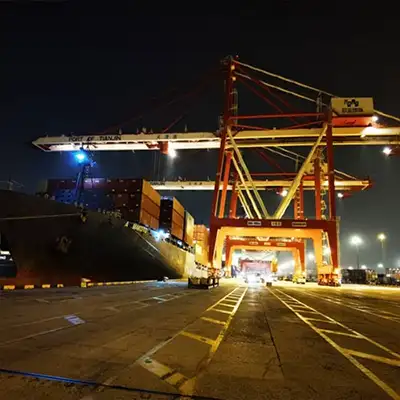
LIANGFA supports sea and land transportation arrangements and can cooperate with customers' nominated freight forwarders when required.
3. Complete Export Documentation
Relevant commercial and shipping documents can be prepared according to the order and destination requirements, supporting smoother international procurement and customs procedures.
Frequently Asked Questions
1. What is a Lever Wafer Butterfly Valve used for?
It is mainly used to isolate or regulate compatible fluid flow in pipelines. Typical applications include water supply, drainage, HVAC, fire protection, wastewater and general industrial circulating-water systems.
2. What is the difference between wafer and flanged butterfly valves?
A wafer butterfly valve is installed between two flanges and normally uses through-bolts to secure the valve. Its compact structure and shorter installation length can help reduce space and installation costs.
3. Which seat material should I choose?
EPDM is commonly used for water and HVAC applications, NBR for oil-based media, and PTFE for many corrosive chemical applications. The final selection should be based on the exact medium and operating temperature.
4. Can the valve be used for throttling?
It can provide basic flow adjustment, but a conventional concentric soft-seat butterfly valve is generally better suited to isolation and occasional throttling than continuous flow regulation. For long-term throttling, an eccentric butterfly valve may be more appropriate.
5. Can LIANGFA provide customized butterfly valves?
Yes. LIANGFA can provide different body, disc, stem and seat materials as well as pressure classes and other configuration options according to the customer's pipeline conditions and project requirements.
6. What quality certification does LIANGFA have?
LIANGFA operates under a GB/T19001-2016 / ISO9001:2015 certified quality management system, supporting standardized production and quality control procedures.
7. Can you provide spare parts?
Yes. Replacement components such as valve seats, operating levers and other compatible parts can be supplied according to the valve model and configuration.
8. What is the warranty period?
The standard warranty period is 12 months from the date of shipment, subject to the agreed sales terms and product application conditions.
Why Choose LIANGFA Lever Wafer Butterfly Valve
1. Factory-Direct Manufacturing
LIANGFA manages key manufacturing processes in-house, from casting and machining to coating, assembly and inspection. This reduces dependence on intermediate distributors and provides customers with a more direct supply channel.
2. Flexible Material Matching
Different body, disc, stem and seat materials allow the valve to be configured according to water, oil, wastewater, chemical or other compatible service conditions rather than relying on a single standard configuration.
3. Quality-Focused Supply
With a GB/T19001-2016 / ISO9001:2015 quality management system and standardized production procedures, LIANGFA focuses on stable product quality, consistent specifications and reliable delivery for international B2B customers.
4. Long-Term Customer Cooperation
LIANGFA focuses not only on supplying individual valve orders but also on supporting customers through model selection, production, inspection, shipment, installation guidance and spare-parts supply. This makes the Lever Wafer Butterfly Valve suitable for distributors, engineering contractors, system integrators and industrial project buyers seeking a stable long-term valve supplier.
Send Inquiry
Contact Info
-
Address
No. 2 Taikang Road, Xiditou Town, Beichen District, Tianjin City, China
-
Tel
-
Email
If you have any inquiry about a quotation or cooperation, please feel free to email or use the following inquiry form. Our sales representative will contact you within 24 hours.
Related Products
News Recommendations